











Cryotherapy Business Opportunity
Obesity is an epidemic in the 21st century
The affection of overweight individuals is a global problem, that effects all ages and genders.More than 1.4 billion adults, ages 20 and older are overweight. 35% of this group are obese.
Obesity is preventable, as people attempt to improve their lives through fitness routines and healthy lifestyles. One’s goals are include weight-loss, shaping, body rejuvenation and relaxation practices. There is an unlimited market and demand for effective slimming products and devices. Statistics show that this demand is increasing.
In this industry, we are helping millions of people try to fulfill their dreams and live better lives. We want to help our customers help their clients to reach success and profitability in their new or existing businesses.
A large number of people have injuries. Sports injuries are very common among attacks. Fast rehab treatments to restore muscle strength, reduce pain and improve range of motion are in demand. We address a larger group for healing, post surgery rehab treatments, pain relief from plastic surgery, and cryo facials.
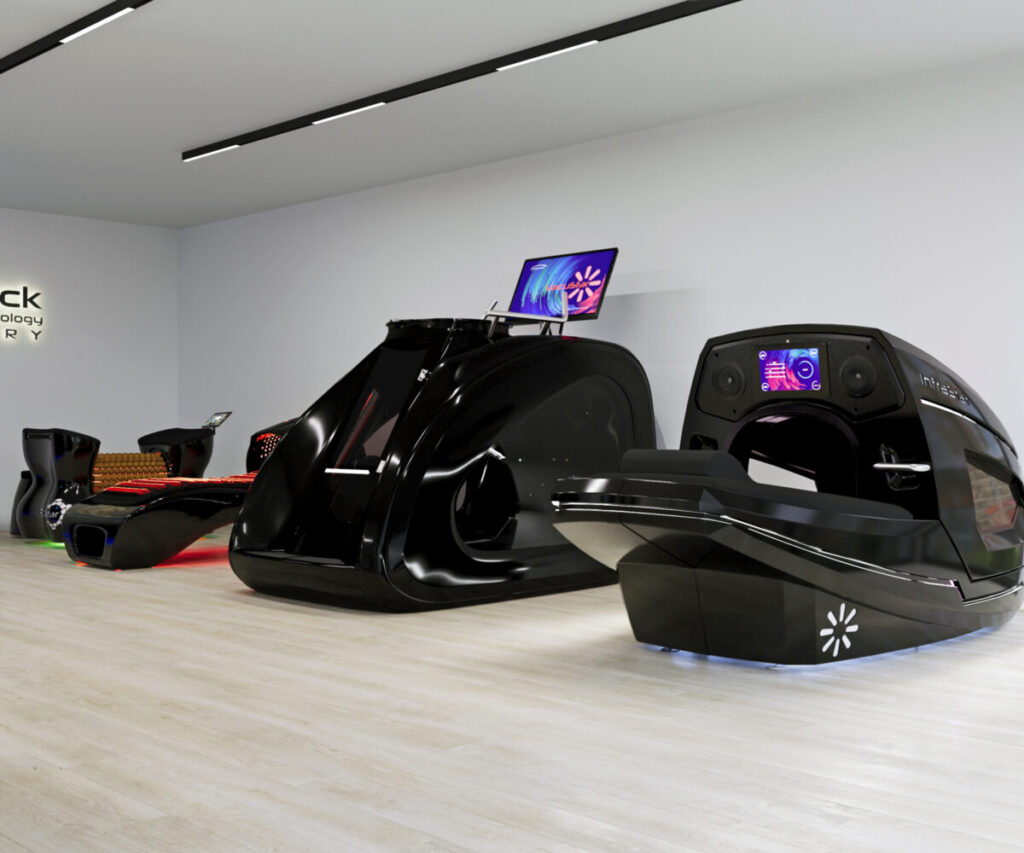
Opening a cryotherapy business means deciding on capital, equipment, site setup, nitrogen supply, financing and membership pricing before you sign a lease. We have equipped hundreds of cryotherapy studios, wellness centers, longevity clinics and recovery facilities since 2000, and this guide lays out the real costs, the operational sequence, and the mistakes that cost first-time owners their first year.
Questions go straight to us: sale@vacuactivus.com or WhatsApp +1 310 467 9723.
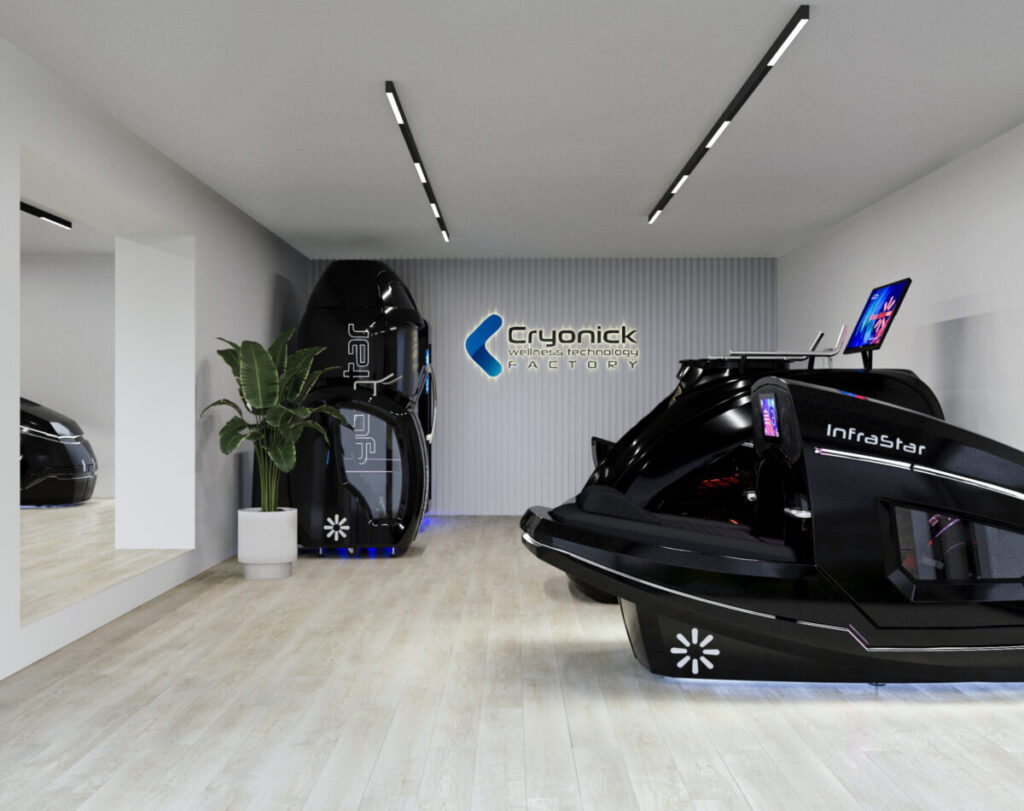
Our concepts, a state-of-the art Innovative Cryotherapy Studios, Weight Loss, Holistic Wellness and Rehabilitation Healing Center welcome you to try the very latest advances in weight loss and cryotherapy technologies: combination treatments in cryotherapy chambers with exercises on weight loss equipment with built-in body rejuvenation & anti-aging features that is designed to deliver results 3x faster than any equipment ever created.
This unique Cryotherapy Studio, Weight Loss Center, Holistic Wellness and Rehabilitation concepts, wildly popular in Europe and North America, has made its way to your business location to transform the bodies of those who do not have the time, energy or desire to exercise in a traditional gym but still want results. Sound like a dream come true? This innovative cryo and weight loss equipment has built in skincare benefits that helps stimulate the lymphatic system, encouraging cellulite reduction and fat loss as you work out.
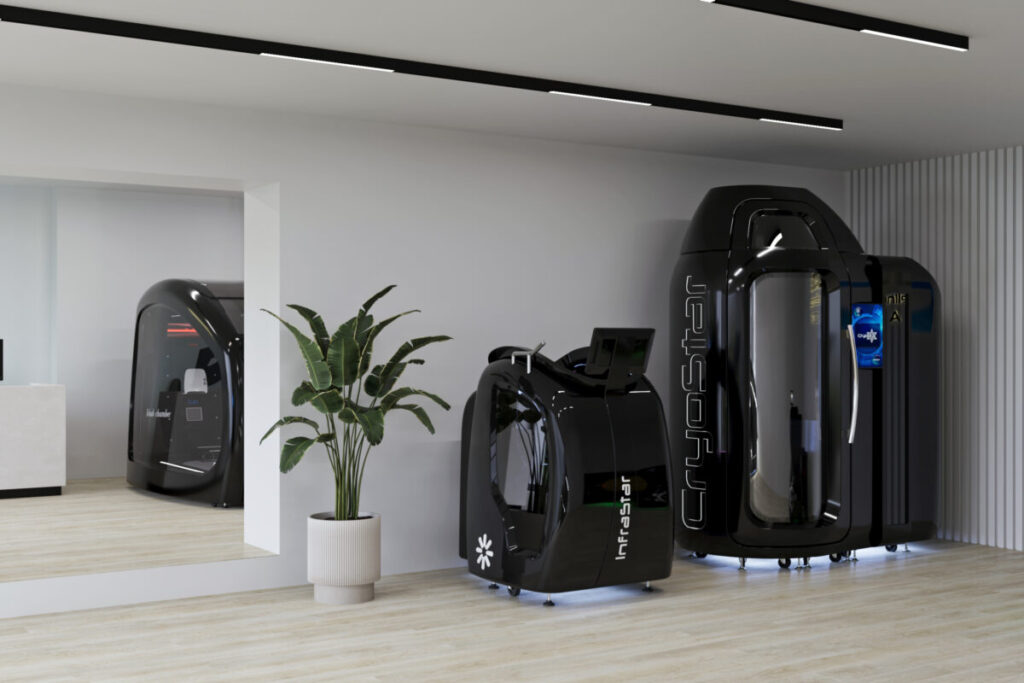
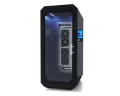
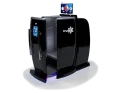
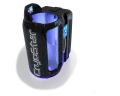
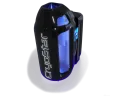
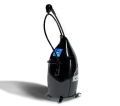
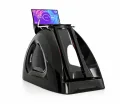
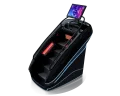
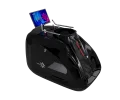
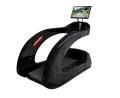
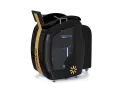
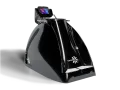
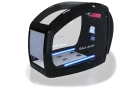
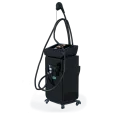
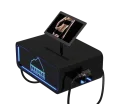
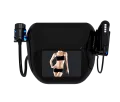
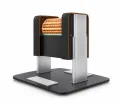
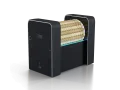
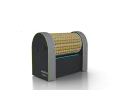
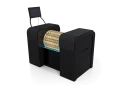
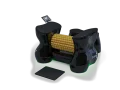
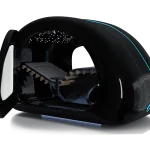
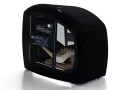
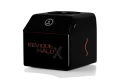
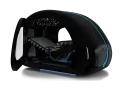
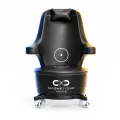
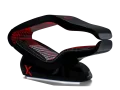
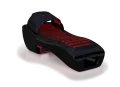
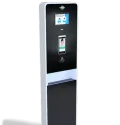
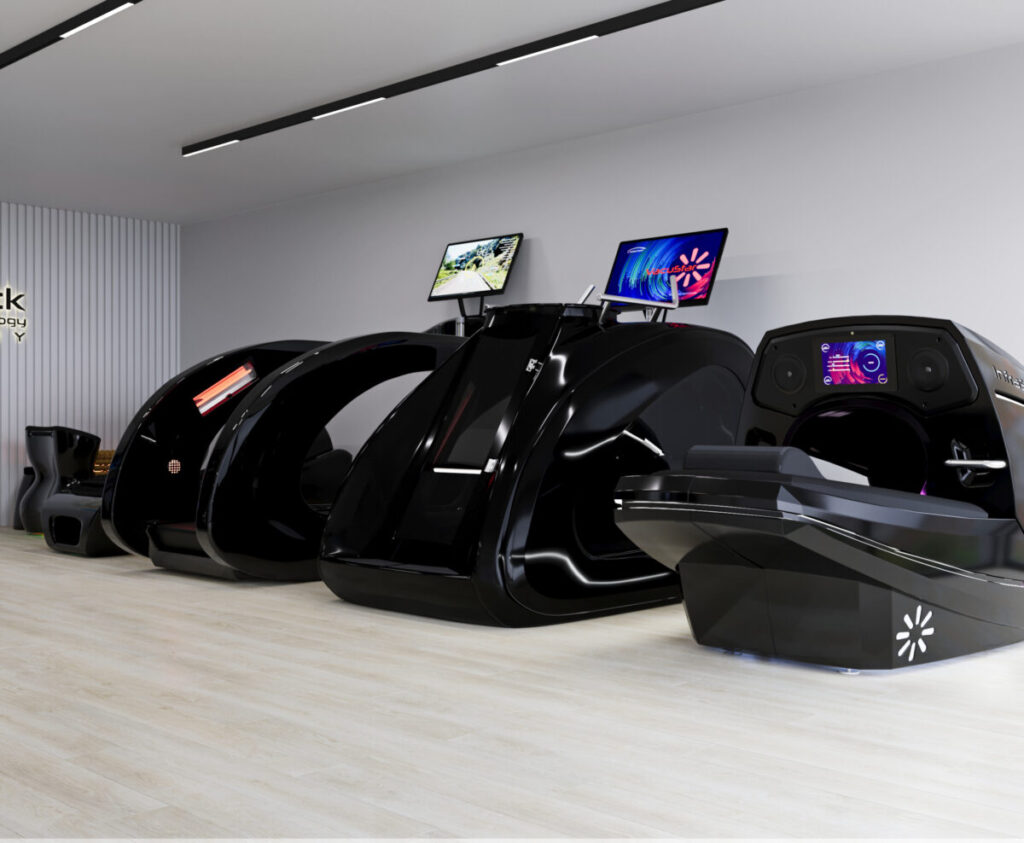
Introducing CryoStar cryosauna, VacuStar innovative treadmills, InfraStar infra training bikes with built in collagen lamps, aromatherapy, deep pressure massage and vacuum resistance to tighten and tone your skin as you exercise. AquaShape aquatic fitness bike, a popular favorite, combines cycling, chromotherapy and gentle aqua massage to which promotes weight loss, muscle growth & cellulite reduction. There are AquaCycling rehabilitation sessions available using this extraordinary equipment together with cryotherapy procedures. As well as lymphatic drainage roll shapers for improve body muscles.
Now that you have decided to get into a new business venture in the booming industry of Cryotherapy and Rehabilitation, what’s next? This is an overview from start to finish, and we will be there for every step to the way to ensure your new business becomes a success. We are excited that you are joining to the many businesses around the world that have successfully entered into this fast growing and exciting market with the help if our superior technology and expertise. Regarding expert analytics, which did a last research for US market, the cryotherapy business will grow to $22 billions in next five years. Other world countries have a such potential in growing cryotherapy business as well.
Step 1 Find location
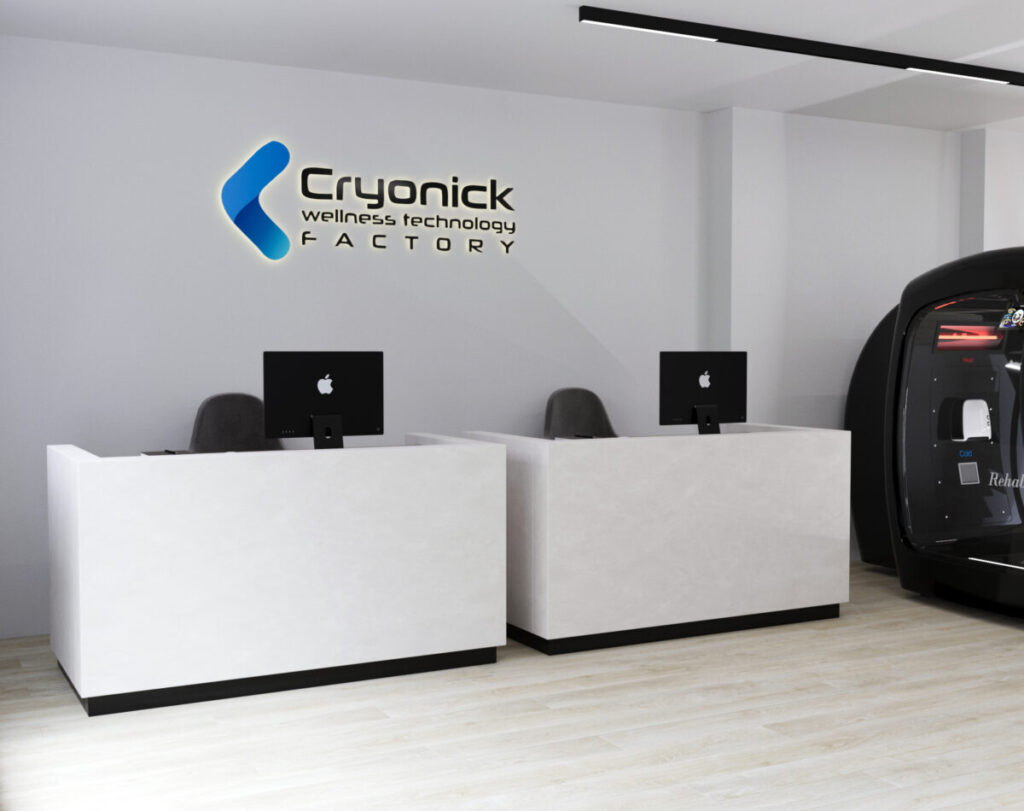
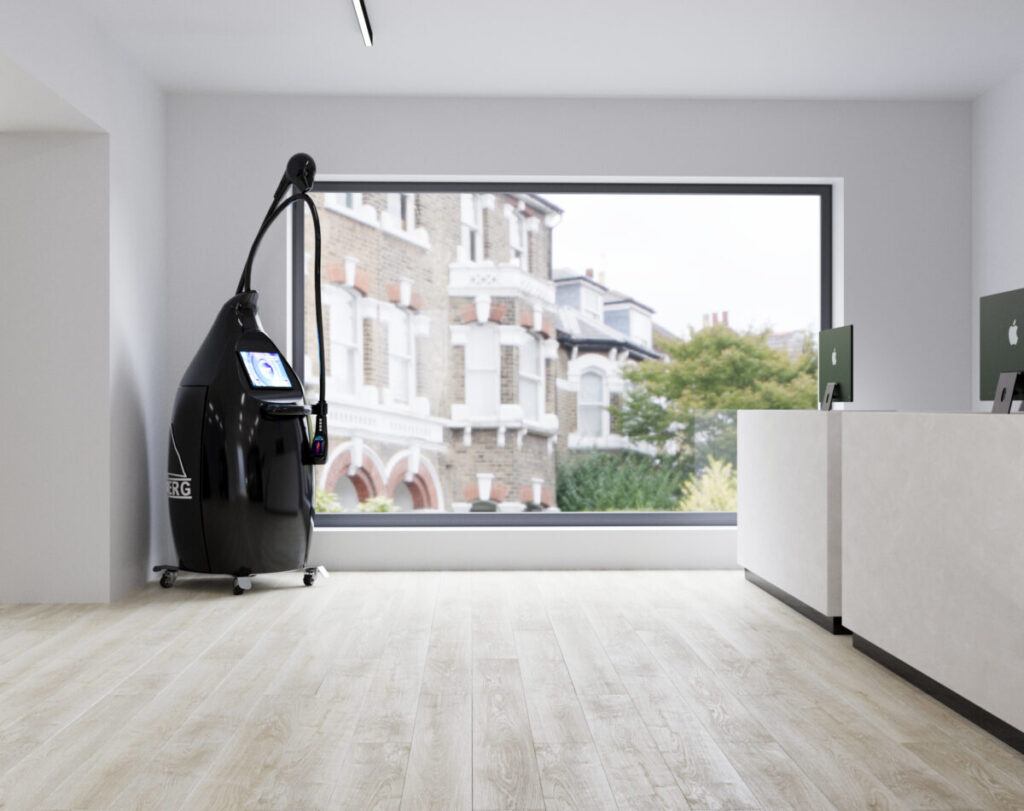
The ideal room for locate Cryotherapy equipment is a ground floor location that offers easy access for your liquid nitrogen supplier and sufficient parking for your clients. Installations on higher up floors are always an option, but the amount of liquid nitrogen on site may be limited. The room size should be greater that 120-150 sq/ft (12-15m2). We recommend to choose 2-3 possible locations and then schedule a site survey with us and your nitrogen supplier. Also we recommend contact local city hall where premise located and ask availability and local requirements for start your new business in that location. You can ask our sales representative for create a visualization images with modern design and see how locate your cryotherapy unit inside your business premise.
Step.2 Order your cryosauna
If you have been chosen a best innovative modern and equipped with a many newest functions cryosauna which is CryoStar, you are welcome to place order and get your amazing cryo machine. You can choose a customized color of equipment from RAL panel and make optional order for place your business logo on body of your cryotherapy machine. The timeline from your down payment to order made is about 3-4 weeks. Shipping takes a same times as well, but shipping times depends from your geo location. Please inform your exact location address and our sales representative will inform an estimated shipping time. Installation could take 1-3 business days, depends from your premise requirements. A down payment in the amount of 20% from order value is required, and the final 80% payment is due before delivery and training. While your Cryosauna is in production, we could advice also supply sources for all supplies (socks, globes, slippers, robes) , a sample liability waiver form, treatment protocols, and basic marketing strategies. Financing and leasing options are available via our partners third party providers as Brickhouse Capital, TEQ lease and ILS . If you catch a promo deal from us, please be noted regarding promo expiration and make your order on time. Unfortunately, promo terms could not be restored if you missed time.
Step 3. Nitrogen supply
Nitrogen tanks come in different sizes and can be placed either indoors and outdoors. It will be up to gas provider and local fire department to determine which size of nitrogen tank may be suitable for your room. The first option is a bulk nitrogen tank (1500-3000 liters in volume) that requires a fixed installation on site. The second option (most popular) is portable 230-240L nitrogen tanks (dewars) on wheels that are replaced as needed. Micro-bulk nitrogen tanks provide cheaper pricing as larger quantities are purchased at once, and they also ensure nitrogen supply at all times as the gas company can monitor the larger tanks remotely. Both options will allow you to success fully run your business. Also we have solution for mobile cryotherapy as well which could use built-in 35L non-pressure nitrogen tank.
Step. 4 Insurance
Getting the right insurance is important to protect you and your business. We could recommend a few insurance companies that specialized in bringing the most comprehensive coverage to all Cryotherapy businesses. Please feel free to consult any insurance agency of your choice.
Step. 5 Premise preparation
Before we can deliver the Cryotherapy chamber you will have to ensure your room is properly set up for the equipment.
1. Electrical: Our cryotherapy chambers uses a standard 110-120V plug-in for North American/Japanese markets and a standard 220-240V plug-in for European, Asian, Australian and Middle East markets electricity, single phase, and requires a 20A breaker. Please contact your sales agent regarding discuss more details for your market.
2. Cryotherapy unit Ventilation requirements: Our cryotherapy units are equipped with an active vent exhaust which pushes used nitrogen to the outside of your building . Out-coming vent on cryo machine could be connected to special vent line on your celling or wall via standard flexible vent for vent out all rest of nitrogen. This is a required safety feature. A duct, 4” in diameter, has to be installed from the location of the cryotherapy chamber to the outside.
3. Room ventilation. A mechanical ventilation, powerful enough for no less than 5-6 room volume air changes per hour, must be installed in the cryochamber and/or nitrogen storage room. Please consult an HVAC professional and city hall inspectors about this requirement and feel free to have them contact us.
4. Oxygen sensor (O2) Monitor for nitrogen leaking control. We recommend a room O2 monitor to be installed in all rooms that contain cryotherapy chamber or nitrogen tanks. This is required by fire departments in most states and countries. We could recommend vendor for buy such monitor equipment. The monitor can automatically turn on the mechanical ventilation mentioned above with its built-in relay function.
Step. 5 Delivery and training for sport rehabilitation staff
We will schedule the delivery of your cryotherapy chamber when our manufacturer department confirms your order made. You could expect it within the 30-40 days from receiving your down payment. Please be noted that any shipping company could not guarantee an exact time or date of delivery in advance due possible unexpected transport delays and all scheduled time and date of delivery to your location is estimated (ETA). Our sales representatives will try coordinate with shipping company and schedule most convenient time and date for delivery. You will receive a crated pallet with dimensions LxWxH 200x130x220 cm / 79x51x86” inches and weight 250 kg/ 550LB. In most cases shipping companies requires a dock uploading access on delivery point. Optionally, you can order a lift gate service on delivery point for extra expenses, but you need ask shipping company regarding availability to provide such service in your location. We recommend make delivery to your warehouse which could provide dock uploading and after it to schedule local delivery and installation when an installers come.
On the day of delivery we will require the following:
1. Electrical and venting requirements needs to be completed
2. Please check all entrance doors and elevators dimensions for schedule bring your cryotherapy machine inside. If you have a narrow door access, please contact our technical department and schedule cryo equipment disassembling/assembling on delivery point.
3. Any additional equipment as O2 monitor is installed in your room
4. Liquid nitrogen is delivered from your gas supplier
5. Socks, slippers, gloves, and robes are present for training
6. All staff members to be trained are present and available for no less than 4 hours
7. Each staff member should both conduct and receive a Cryotherapy treatment (unless prevented by contraindications)
Step 6. Start operation
Enjoy your best cryotherapy machine and we happy to get your feedback with your. experience. Feel free contact us regarding a software updates, replacement pats or other questions about warranty and after-warranty technical support.
Faq
q1
a1


