


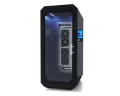
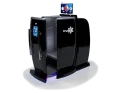
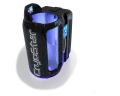
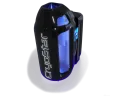

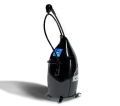

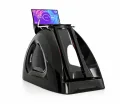
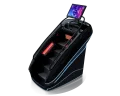
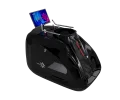
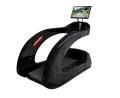
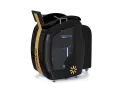
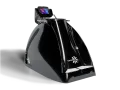
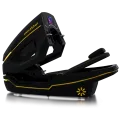
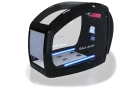

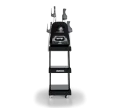
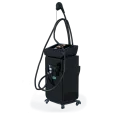
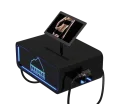
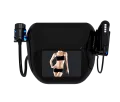

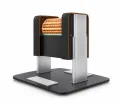
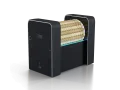
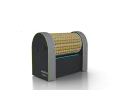
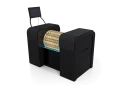
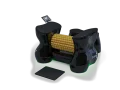
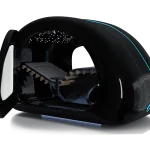
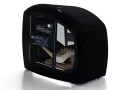
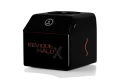
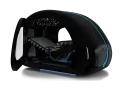

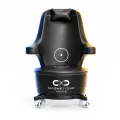



The cryotherapy chamber
Cryosauna features
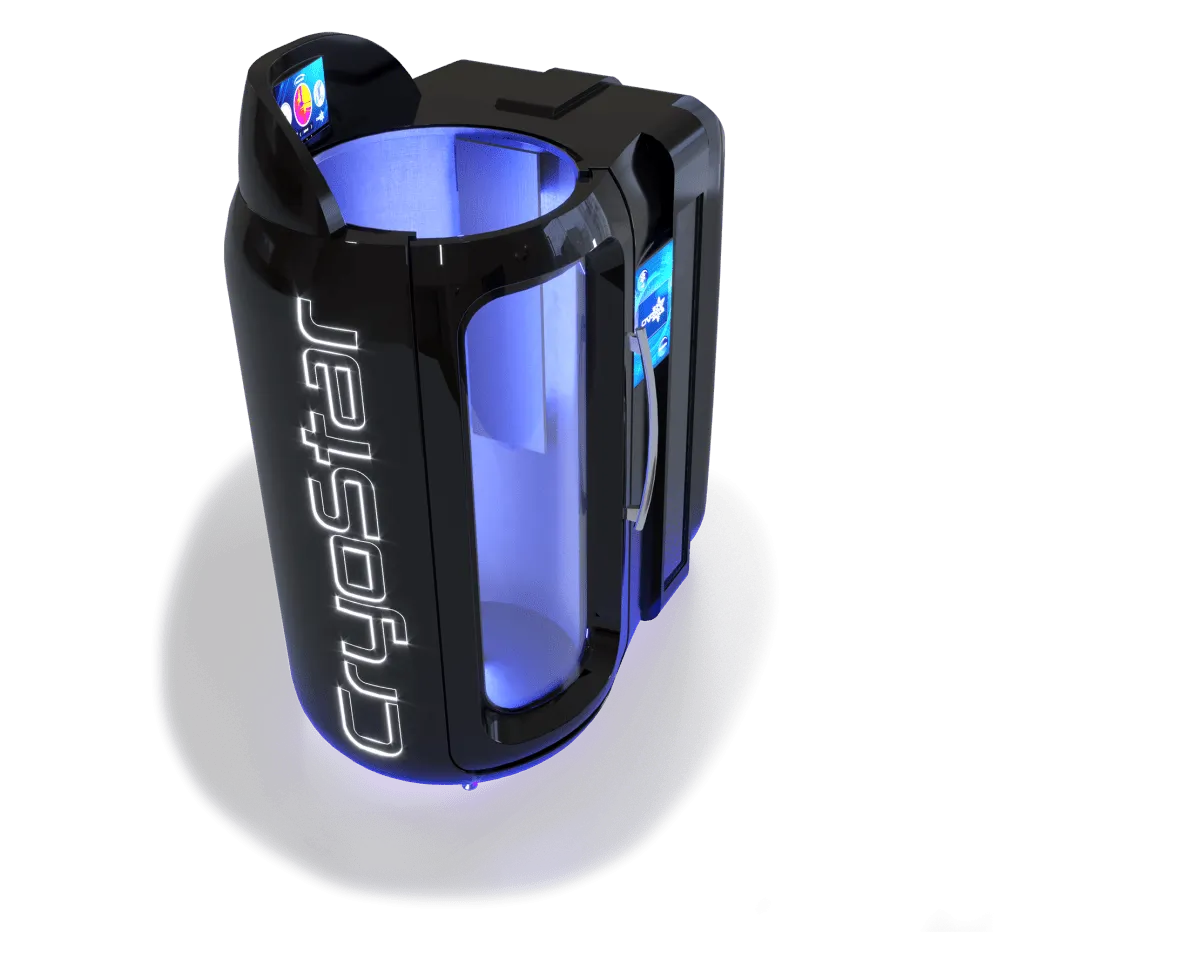
The Cryosauna is a single-person cryogenic chamber used for individual applications of Whole Body Cryotherapy based on nitrogen cooling technology in most cases.
During the cryotherapy session, the temperature is regulated by the operating staff within the range of -220°F to -260°F. The sessions time in cryosauna ranges from 1 to 3 minutes. The cryosauna is equipped with an electric lift, so the client inside is submerged in the liquid nitrogen fumes up just to his/her neck, while the client’s head is held above the cryogenic air. Many curent cryosaunas have a many safety features.
During the whole body cryotherapy session, clients wear minimal protective clothing (gloves, socks, and other cotton underwear) and remove all metal accesories as watches or necklases.
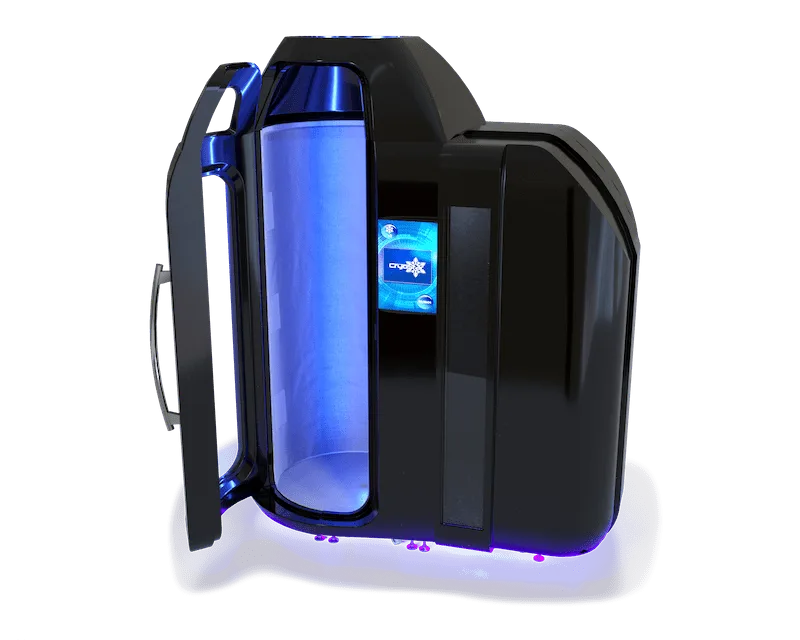
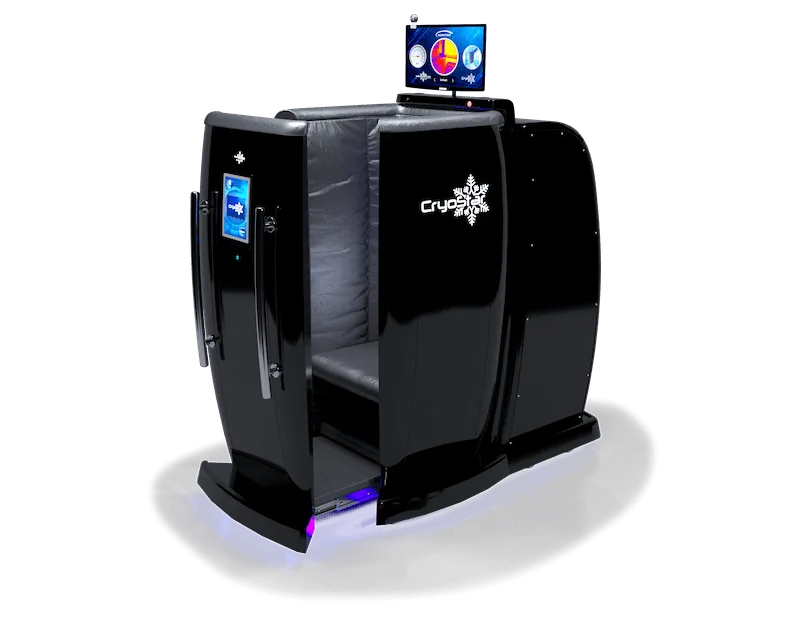
The cryotherapy chamber offers the following features:
- The coldest temperatures reached via any direct or jets injection of nitrogen inside cryosauna with features of the most even cold distribution throughout the cryosauna.
- An electric lift system should easily adjust clients to a safe position based on their height
- An oxygen monitor at the level of the client’s mouth which is tied into the computer system to ensure the client only breathes room air at all times (only product on the market to offer this feature, designed by Cryohealthcare)
- A door of cryiosauna avoids leaking of nitrogen. Also it should have safety benefit as stop sensor if client opens the cryosauna’s door during cryo session
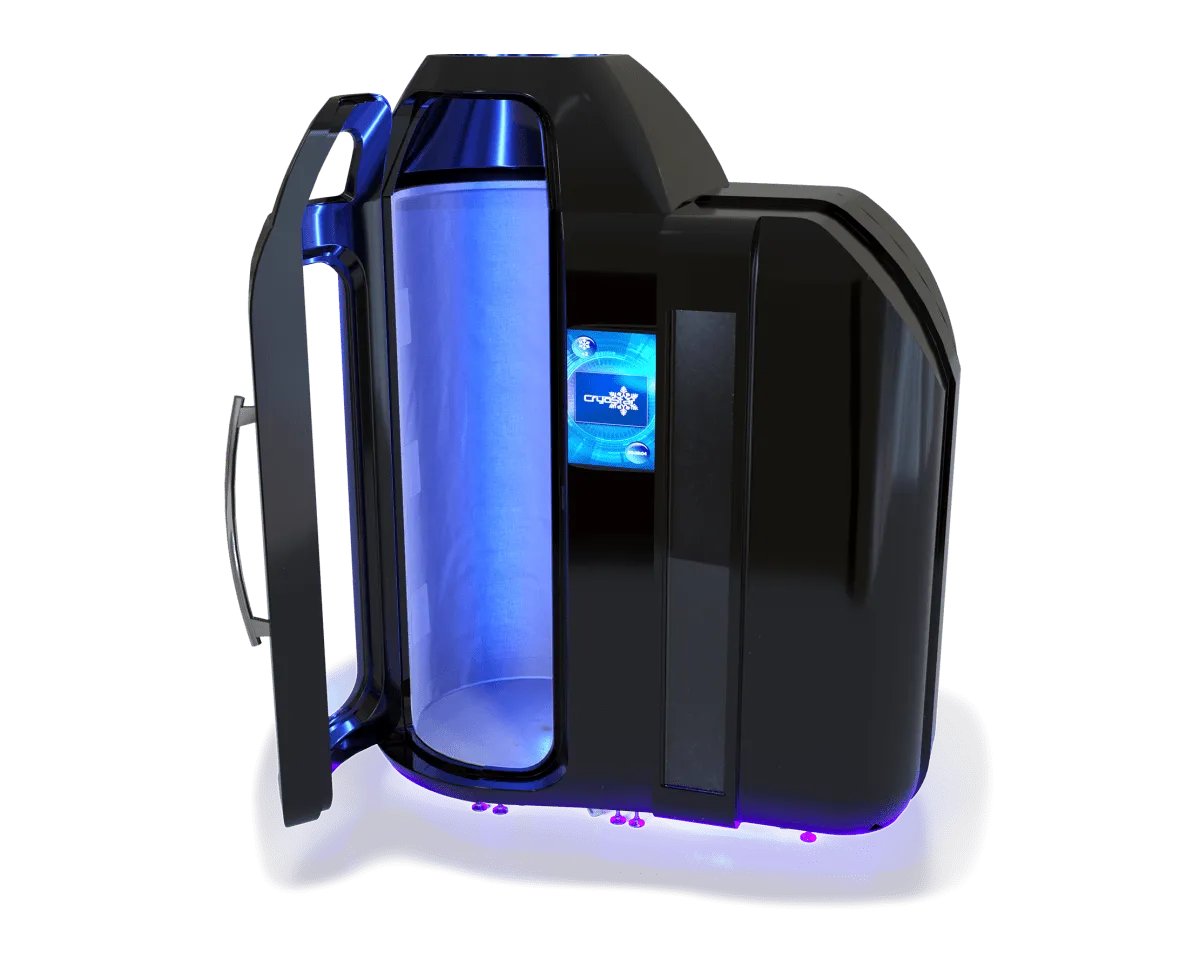
- An easy to use menu on touch screen controller and fully automated software, which allows the operator of cryotherapy chamber to focus on the client at all times without making extra adjustments to the cryosauna.
- A dual exhaust vent built in the cryosauna to remove all used nitrogen from the treatment room. Ventilation is required by law for any direct-injection cryosauna. Installation of cryosauna complies with regulations from local and state fire departments.
Distinguished by it’s unique and modern design and innovative technologies on board, the CryoStar cryotherapy chamber is the most recognized and trusted cryosauna on the market, used by more medical and wellness professionals and famous athletes than any other cryosauna.
What a Cryosauna Actually Is
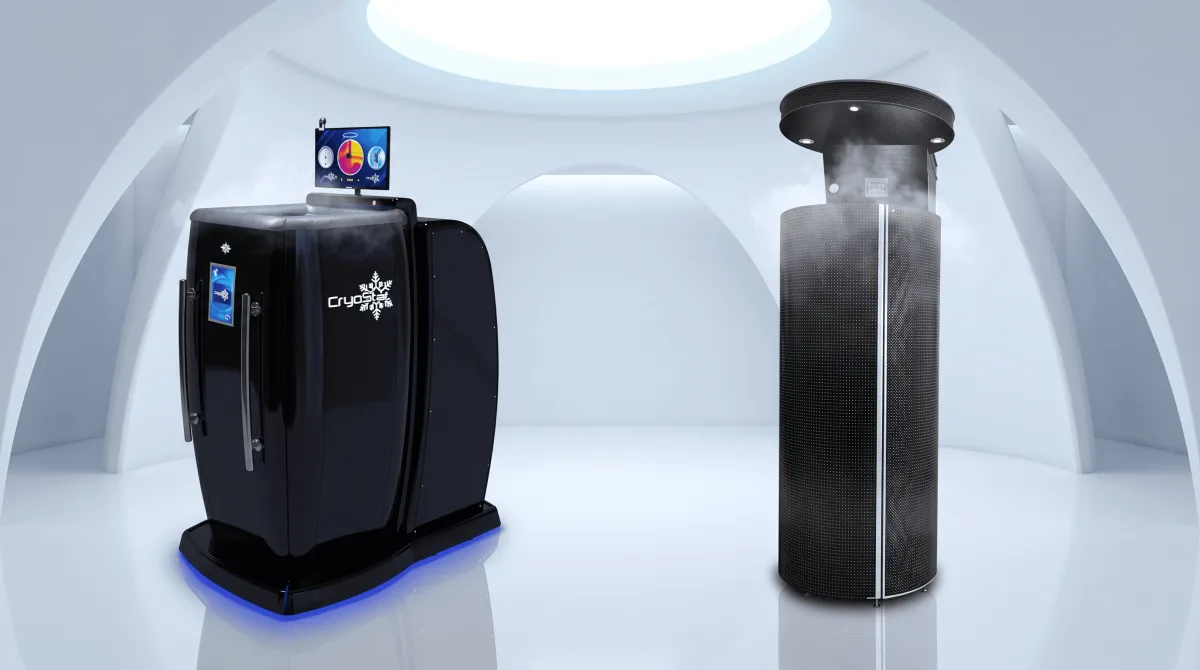
The cryosauna format – also known industry-wide as a nitrogen cryotherapy chamber, a liquid nitrogen cryotherapy chamber or simply a cryotherapy machine – dates to the early 2000s and has been refined continuously since. A full body cryotherapy machine in this format takes the shape of a tube-shaped open-top chamber containing an electric lift platform that adjusts to the client’s height, raising and lowering them so the head always stays above the chamber rim. Liquid nitrogen – chemically the same nitrogen that makes up 78% of the air we breathe – flows from a storage tank, evaporates into vapor inside the chamber, and creates the dramatic visible fog and the therapeutic cold environment. Temperatures inside the cryosauna chamber typically run between -110°C and -170°C (-166°F to -274°F), which is dramatically colder than electric whole body cryotherapy chamber alternatives that achieve -85°C to -110°C.
The session itself is fast. Client enters in minimal cotton clothing (underwear, gloves, socks, slippers), removes metal accessories, steps onto the lift platform. The operator closes the chamber door and starts the protocol. Nitrogen vapor floods the chamber from the bottom up. The lift adjusts so the client’s head and neck remain above the rim throughout the session – meaning the client breathes normal room air the entire time and maintains continuous visual contact with the operator. Most protocols run 90 seconds to 3 minutes depending on client experience level and target outcome. The lift lowers, the door opens, the client steps out. Total room time including changing: usually 8-10 minutes per client.
That’s the format. What separates serious commercial cryosauna equipment from amateur or knock-off units shows up in safety systems, materials science, control software and the operating cost realities of running the machine over a five-to-ten-year service life.
Cryosauna Safety Features That Actually Matter
Nitrogen cryotherapy is genuinely safe when the equipment includes proper safety engineering. It’s also a serious operational responsibility, and there have been cryosauna deaths in the US market over the past decade – almost always linked to inadequate equipment safety systems, untrained operators or improperly ventilated rooms. The published “cryosauna death” cases that surface in industry trade press are uniformly traceable to one of those three factors, which is exactly what serious operators should focus on when evaluating equipment.
What a commercial-grade cryosauna should include, non-negotiably.
Oxygen monitor at the client’s breathing zone. Mounted at the level of the rim where the client’s head sits during the session. Tied directly into the chamber control system. If oxygen drops below safe threshold, the system alarms and the nitrogen flow shuts off automatically. This is the single most important safety system in the equipment.
Door safety sensor with emergency shutoff. The chamber door must trigger immediate nitrogen flow shutoff if opened during a session. Mid-session door opening should be impossible without operator override, and an emergency stop should be physically accessible to both the operator and the client.
Dual exhaust ventilation built into the equipment. The chamber must include integrated exhaust venting that removes used nitrogen from the treatment room as the session runs. The treatment room itself also requires its own ventilation system rated for the nitrogen volumes the equipment produces – building code requirements vary by state but federal OSHA workplace air quality standards apply nationally.
Electric lift positioning with client weight detection. The lift platform should adjust to client height automatically based on a measurement step at the start of the session, with weight-detection that stops movement if anything unexpected happens.
Continuous operator-client communication. Open-top design keeps the client’s head visible to the operator through the entire session. Touch-screen controls position the operator at arm’s reach from the client. Some installations add additional visual or audio monitoring.
Automatic shutoff at session end. Nitrogen flow stops, chamber returns to room temperature, exhaust system completes its cycle. Manual operator intervention should be a backup option, not a primary safety mechanism.
VACUACTIVUS CryoStar cryosaunas include all of the above as standard. We don’t ship cryosauna equipment without complete safety architecture – partly because it’s the right thing to do, partly because liability exposure for any manufacturer shipping inadequate safety systems is catastrophic in the US market.
Cryosauna vs Walk-in Cryotherapy Chamber - Which Format Fits
This is the central decision every new cryotherapy operator wrestles with. Both formats deliver whole body cryotherapy. The differences are operational rather than therapeutic.
Cryosauna (single-person, nitrogen-cooled). Open-top tube format. Client head above the rim. Temperatures -110°C to -170°C. Capital cost $40,000-$80,000. Operating cost $4-$10 per session in liquid nitrogen plus minimal electricity. Footprint approximately 1 square meter. Throughput 20-30 sessions per day at high utilization. Requires liquid nitrogen storage on site (typically a dewar in an adjacent room) and dedicated room ventilation. Best for: high-volume single-person sessions, facilities prioritizing fast throughput and lower capital cost, operators comfortable managing nitrogen supply logistics.
Walk-in electric cryotherapy chamber (single or multi-person). Fully enclosed cabin. Client enters with the entire body including head. Temperatures -85°C to -110°C. Capital cost $60,000-$140,000. Operating cost $0.50-$2.50 per session in electricity. No nitrogen consumables, no ventilation requirements beyond standard HVAC. Footprint 1.5-3 square meters depending on capacity. Throughput 15-25 single-person sessions per day, or higher with multi-person configurations. Best for: facilities prioritizing simpler operations, no-nitrogen operating model, larger up-front capital tolerance, multi-user session capability.
The honest version: electric chambers have been gaining market share since 2020, and most new commercial cryotherapy facilities now choose electric as the primary modality. Cryosauna remains relevant for operators who want the fastest path to opening (lower capital cost), who plan to operate a high-throughput single-modality model, or who specifically want the most extreme temperature range available for athletic-recovery client positioning. The Vacuactivus catalog includes electric whole body cryotherapy chambers as well – choose the format that fits your business model, not the one that fits the supplier’s preferred product line.
Cryosauna Operating Economics - Honest Numbers
The economics are what make or break the business. Specific operating realities for cryosauna operators in the US market right now.
Liquid nitrogen consumption. 5-12 liters of liquid nitrogen per session at typical commercial protocols. Liquid nitrogen pricing runs $1-$4 per liter in the US depending on volume contract, regional supplier and delivery logistics. Per-session nitrogen cost lands at $5-$48 depending on configuration and supplier pricing – most operators see $4-$10 per session in practice. Annual nitrogen cost at 20 sessions per day, 6 days a week: $15,000-$60,000 depending on supplier.
Storage logistics. A typical cryosauna requires 180-240 liters of LN2 on site at any time. Most facilities install a pressurized storage tank (dewar) in a ventilated adjacent room and arrange weekly or bi-weekly nitrogen delivery from Airgas, Praxair (now Linde) or a regional industrial gas supplier. Delivery contracts run $100-$300 per delivery depending on volume and frequency.
Per-session retail pricing. US whole body cryotherapy session pricing runs $30-$90 per session retail. 10-session packages $250-$700. Monthly unlimited memberships $150-$300. A cryosauna running 15 sessions a day at $50 average grosses approximately $4,500 a week, $18,000 a month before operating costs and staffing.
Break-even analysis. A single-cryosauna studio typically breaks even at 12-15 paid sessions per day at standard pricing. Below that, the operating cost structure (nitrogen, electricity, rent, staffing) eats into margin. Above that, the equipment is profitable. Most operators report payback on cryosauna capital investment in 18-30 months at moderate utilization.
Staffing model. One trained operator can run a single cryosauna with comfortable session turnover (about 6-8 sessions an hour at peak). The operator handles client briefing, equipment setup, session monitoring and cleanup between clients. No clinical license requirement in most US jurisdictions – cryotherapy is positioned as wellness/sports recovery service rather than medical service in 48 of 50 states.
The CryoStar Cryosauna - What VACUACTIVUS Ships
The CryoStar is the VACUACTIVUS commercial-grade nitrogen cryosauna. The unit ships standard with: electric lift platform with automatic height adjustment, oxygen monitoring at the client breathing zone, door safety sensor with emergency nitrogen shutoff, dual exhaust ventilation, touch-screen control interface with automated session protocols, and structural materials chosen for ten-year commercial duty service life.
Optional configurations include thermal imaging camera for skin temperature documentation, WiFi connectivity for remote monitoring and service diagnostics, customer waiver and check-in software integration, and OEM branding for franchise operators or wellness chains running the equipment under their own brand identity.
What we don’t claim about the CryoStar: we don’t position it as the lowest-cost cryosauna on the market (it isn’t – Chinese OEM cryosaunas at $20,000-$30,000 capital cost exist and have their place), and we don’t claim it’s the only commercial-grade option (Cryomed Pro, Juka, Cryo-XS and several others ship serious commercial equipment). What the CryoStar offers is the combination of one of the longest manufacturing track records in cryotherapy (Vacuactivus has been making cryotherapy equipment since 2000), real US-based technical support out of Los Angeles, and the integration advantage of buying alongside other VACUACTIVUS wellness equipment (red light therapy beds, longevity capsules, vacu-infrared training, lymphatic rollers) from a single supplier relationship.
How the CryoStar Compares to Other Cryosaunas on the US Market
Honest competitive context. The current US commercial cryosauna market has approximately six serious manufacturers shipping at meaningful scale.
Cryomed Pro (Slovakia, manufacturing since 2002) – Cryomed One and Cryomed Pro models. CE certified, ISO 13485 quality system. Strong European presence, growing US footprint. Reference customers include Cristiano Ronaldo, Floyd Mayweather, LeBron James. Comparable to CryoStar on technical specifications; the choice between them often comes down to regional service network and specific deployment requirements.
Cryo-XS (formerly Impact Cryotherapy until 2022) – continuing to ship and service the Impact cryosauna platform with updated revisions. ETL certified through Intertek. Strong US-based service network.
Juka (Poland) – CE and TUV certified. Popular in the US used cryosauna market through dealers like The Spa Butler. Reliable equipment, somewhat older platform than the latest Cryomed or CryoStar configurations.
CryoBuilt (Sacramento CA) – primarily electric chambers (Everest Peak, Polaris) rather than nitrogen cryosauna. Family-owned with refrigeration heritage. Aggressive marketing positions against nitrogen as “safer” – a competitive frame to be aware of.
US Cryotherapy (Roseville CA, since 2010) – operates a franchise model with proprietary chambers (C1 single, C4 multi-person). 25+ franchise locations, 5M+ sessions delivered. Equipment manufactured in Sacramento under contract. Strong domestic operator with vertical integration through their own treatment center network.
Smaller and emerging players include Yuncong (China), Wellnesslark, and several Chinese OEMs selling through Alibaba and direct importers. Capital cost dramatically lower than Western manufacturers ($15,000-$30,000 typical range) – appropriate for some deployments, riskier for others depending on service infrastructure and operator support requirements.
If you’re evaluating cryosaunas and you’ve narrowed the field to two or three serious candidates, the most useful next step is reference calls with operators who have been running each equipment platform for three or more years. Real long-term operator feedback closes the supplier evaluation faster than any spec sheet comparison. We’re happy to provide reference customer introductions for operators at the contract stage.
Cryosauna Buying Questions B2B Operators Ask Us
“How much does a cryosauna cost?” US B2B pricing for commercial cryosauna equipment from established manufacturers – what buyers searching for cryosauna machine cost, cryo machine for sale or simply looking to buy cryosauna equipment will encounter – runs $40,000-$80,000 depending on configuration. Entry-tier Chinese OEM units run $15,000-$30,000 but ship without US service infrastructure. The CryoStar from VACUACTIVUS sits in the mid-commercial range with full US service relationship – request a specific quote for configured pricing including delivery and installation.
“Where can clients find a cryosauna near me?” Cryosauna installations are now operating in most major US metro areas – Los Angeles, New York, Miami, Chicago, Houston, Dallas, Phoenix, Atlanta, Boston, Seattle and dozens of secondary markets. The treatment is delivered inside a dedicated cryo room at the facility, not at home. For operators planning to add a cryosauna to a new market, the early-mover advantage is meaningful – most US metros still have 1-3 cryotherapy operators serving populations large enough to support 5-10.
“What are the cryosauna side effects to disclose?” Common reported side effects: temporary skin redness, mild numbness in extremities, occasional dizziness, headache. All resolve within 30-60 minutes of session end. Contraindications include uncontrolled hypertension, cardiovascular disease, pregnancy, severe Raynaud’s syndrome, claustrophobia and recent surgical recovery. Operator training programs cover the full contraindication checklist, and proper client intake forms screen these risks before the session starts.
“How much does it cost to operate?” Liquid nitrogen runs $4-$10 per session at typical commercial protocols. Electricity is minimal – typically under $0.50 per session. Maintenance is mostly preventive: door seals, lift mechanism inspection, exhaust system cleaning. Annual maintenance budget should be $1,500-$3,500 for a well-cared-for cryosauna in commercial service.
“Do I need a license to operate one?” In most US jurisdictions, no. Cryotherapy is positioned as a wellness or sports recovery service rather than a medical service in 48 of 50 states. Check your specific state requirements – Texas, for example, has specific cryotherapy facility licensing requirements that other states don’t. New York, California, Florida and the majority of US states treat cryotherapy as an unlicensed wellness service category.
“What about FDA?” The FDA has not approved any whole body cryotherapy device for any specific medical condition. Cryotherapy equipment ships into the US as wellness equipment rather than medical device, which is the regulatory position the entire commercial cryotherapy industry operates within. FDA classification questions belong to your regulatory counsel rather than the equipment supplier.
“How long do cryosauna machines last?” A well-maintained commercial cryosauna in regular service typically operates 8-12 years before requiring major refurbishment or replacement. The lift mechanism, control electronics and door seals are the components most likely to need service before the structural shell or refrigeration components. Used cryosauna for sale listings frequently include units 3-7 years old in good operating condition.
“What is a cryosauna and what does a cryosauna do?” A cryosauna is a single-person open-top chamber that uses cold nitrogen vapor to deliver whole body cryotherapy. The chamber exposes the skin surface to temperatures of -110°C to -170°C for 1-3 minutes, which triggers a cold-shock response in the body – vasoconstriction during the session, vasodilation after, endorphin release, anti-inflammatory cascade. The reported effects (pain relief, faster muscle recovery, improved sleep, mood elevation, anti-inflammatory benefit) are why athletes and wellness clients book the sessions repeatedly.
“Cryosauna vs cryo chamber – what’s the difference between cryosauna and cryo chamber?” Cryosauna almost always refers to the open-top single-person nitrogen format described on this page. Cryo chamber is a more general term covering both nitrogen cryosaunas and fully-enclosed electric walk-in chambers (sometimes called cryotherapy chambers, cryo chambers or cryochambers in industry usage). In casual industry conversation the terms get used interchangeably, but in supplier specifications and operator decisions the distinction matters.
“Cryosauna vs ice bath?” Different therapeutic modalities. Ice bath immerses the body in water at 50-59°F for 10-20 minutes. Cryosauna exposes the body to dry nitrogen vapor at -130°C to -270°F for 1-3 minutes. The cold exposure mechanisms are different and the physiological responses are different. Both have legitimate use cases – cryosauna offers faster sessions, no water-handling logistics, and the marketing differentiation many wellness operators rely on. Many serious recovery facilities offer both.
“Can I buy a used cryosauna?” Yes, the used cryosauna market is meaningful in the US. Dealers like The Spa Butler list 2-7 year old Juka, Impact and other cryosauna units at $15,000-$45,000 typically. Risks include service history transparency, warranty status, and parts availability for older models. For operators who specifically want a known-quality used cryosauna with verified service history, we sometimes have trade-in CryoStar units available – contact our sales team for current inventory.
“What about cryosauna installation requirements?” Standard commercial electric service (220V single-phase typical). A treatment room with adequate ventilation rated for the nitrogen volumes. Floor space of approximately 6×6 feet for the equipment plus client circulation. A separate room or alcove for the LN2 storage dewar with its own ventilation. Most installations complete in one to two days including delivery, setup, operator training and a sample-session validation run.
Where to Start
If you’re evaluating cryosauna equipment for a new wellness facility, a multi-location buildout, an existing operator upgrade or a franchise expansion, the most useful next step is a real conversation about your specific deployment. Operators who arrive having compared multiple whole body cryotherapy machine options, several cryotherapy machines from different manufacturers and a few cryo therapy chamber alternatives close faster than those still in the broad-research phase. Tell us about the space, the target client base, the existing service menu and the timeline. We’ll come back with a configured CryoStar specification, indicative B2B pricing, financing pathway options (see our Leasing & Financing page for details), and reference customer introductions for operators at the contract stage.
Most initial conversations close within 5-10 business days from inquiry to signed order. For operators preferring electric over nitrogen, our whole body cryotherapy chamber catalog includes electric configurations – sometimes referenced as a cryo bed format by buyers more familiar with red-light-therapy bed terminology, though structurally different. For operators building integrated wellness facilities, we ship the full range – localized cryotherapy, red light therapy beds, longevity capsules, vacu-infrared training, RollStar lymphatic rollers – under a single supplier relationship.
Worldwide shipping. OEM and private-label
Worldwide shipping. OEM and private-label production available. Financing for US and Canadian operators starting at $111/month for qualifying equipment configurations.
Cryonick Wellness Technology Factory / VACUACTIVUS – one of the three largest cryotherapy chamber manufacturers globally, manufacturing whole body cryotherapy equipment since 2000, headquartered in Los Angeles with European production. We equip wellness operators worldwide and we stand behind the equipment we ship.
Contact:
Email: sale@vacuactivus.com
WhatsApp: +1 (310) 467-9723
Phone: +1 (310) 894-8799
Or use the contact form on this page.


