


















Cryotherapy Chambers
The new science and experience of an entire human body to extremely cold temperatures for stimulating the healing of blood, lymphatic, nervous, and energy systems is a powerful remedial technology. According to scientific and medical research, the optimum and maximum effect of whole body cryotherapy treatment is achieved once the body is exposed to temperatures between -220-256F reducing the skin’s surface temperature to a low level. These short non-invasive and extremely cold bursts of air projected to the human body evoke physiological reactions that prompt healing and recovery in numerous fields, including skin care benefits, pain relief, injuries rehabilitation, and other medical and wellness features. Additionally, the controlled cold environment has been proven to trigger an analgesic reaction as pain relief benefit in the neural mind leading to positive mood states and thus acting as an antidepressant and sleep disorders repairer.

A whole body cryotherapy session takes from 1 to 3 minutes and it starts by the patient entering the cryo chamber where the cryogenically cooled air is released using nitrogen. Improvements in the skin’s appearance and increased energy are immediately noticeable after a few session in cryotherapy chamber. For keeping longer lasting results, the cryotherapy experts recommended at least 10 cryo sessions during the month.
Our Whole Body Cryotherapy Chamber uses state of the innovative technologies together with a modern design that makes this complicated multilateral process of thermoregulation simple and efficient while conforming to the highest quality and safety standards for whole body cryotherapy treatment
Whole Body Cryotherapy Chambers
A whole body cryotherapy chamber surrounds a standing person with dry, cold air for one to three minutes, dropping the air around them to somewhere between -85°C and -160°C (-121°F to -256°F). The cold pulls heat from the skin in seconds and sets off a recovery response that runs through circulation, the nervous system, and muscle tissue. We design and build these chambers for recovery studios, sports-medicine clinics, spas, and gyms whose clients come back for the results.
Vacuactivus has manufactured cryotherapy equipment since the early 2000s, and we ship electric and nitrogen chambers to recovery operators across Europe, North America, the Middle East, and Latin America.
How Whole Body Cryotherapy Works
Whole body cryotherapy works by cooling the skin fast enough to trigger the body’s response to cold. The tissue itself never freezes. When the cold air hits the skin, surface temperature can fall by 10 to 15 degrees inside the first minute. Blood vessels near the surface tighten and push blood toward the core, the body releases norepinephrine and endorphins, and inflammatory signaling drops.
Once the session ends and the body rewarms, those vessels open again and oxygen-rich blood moves back through the tissue. Athletes and physical therapists use that rebound to shorten recovery between training sessions and to take the edge off sore muscles and stiff joints. The treatment is dry and brief, which is why most clients tolerate -110°C far better than a few seconds in an ice bath at 4°C. If you want the physiology in more depth, our guide on how cryotherapy works covers it.
What a Cryotherapy Session Involves
A whole body cryotherapy session lasts one to three minutes, and clients stay on their feet inside the chamber the entire time. They step in wearing minimal clothing plus gloves, socks, and footwear that protect the hands and feet, and the system holds the set temperature while a timer counts down.
Most people feel the cold sharply for the first thirty seconds, then settle as the body adjusts. Skin appearance and energy often shift after the first few sessions, while the steadier gains in recovery, sleep, and soreness build over a course. Operators usually recommend around ten sessions across a month, then a maintenance rhythm after that.
Benefits of Whole Body Cryotherapy
The benefits people report most from whole body cryotherapy are faster muscle recovery, less joint and muscle pain, calmer inflammation, and a lift in mood and sleep quality. Research on athletes links regular sessions to lower markers of muscle damage and reduced soreness after hard training. The mood effect traces back to the norepinephrine and endorphin release that the cold sets off.
Results vary by person and by how consistent the sessions are, and cryotherapy stays a recovery and wellness tool rather than a medical cure. For studios, the draw is repeatable: clients feel something the moment they step out, and the short session time lets a single chamber serve a steady stream of bookings. Our cryotherapy chamber benefits page goes further into the operator side.
| Client type | Why they add whole body cryotherapy |
|---|---|
| Sports & recovery studios | Faster turnaround between training and post-event recovery |
| Physiotherapy & rehab clinics | Pain and inflammation management alongside therapy |
| Spas & wellness centers | Skin, energy, and mood treatment in quick sessions |
| Gyms & performance facilities | A recovery service members rebook |
| Longevity & biohacking studios | Cold-exposure protocols clients track over time |
Electric vs Nitrogen Cryotherapy Chambers
The main difference between electric and nitrogen cryotherapy chambers is how they make the cold, and what that means for safety, running cost, and the client’s experience. Electric chambers cool the air with refrigeration compressors, so the air stays breathable and the client steps in fully, head included. Nitrogen units chill the cabin by evaporating liquid nitrogen, reach a lower temperature, and keep the head above the rim so the person never breathes the gas.
| Factor | Electric chamber | Nitrogen cryosauna |
|---|---|---|
| Coldest air temperature | About -85°C to -110°C (-121°F to -166°F) | About -130°C to -160°C (-200°F to -256°F) |
| Body coverage | Full body including the head, walk-in | Body up to the neck, head outside the cabin |
| Running cost | Electricity only | Ongoing liquid-nitrogen supply |
| Safety | Breathable air, no asphyxiation risk | Needs oxygen monitoring and ventilation |
| Throughput | Back-to-back sessions for several people per hour | Refill and cool-down between some sessions |
| Maintenance | Compressor servicing | Gas handling and dewar storage |
We build both because the right answer depends on the site. A clinic without a nitrogen supply chain, or one that wants the client fully enclosed and head-cooled, tends toward electric. An operator chasing the coldest possible exposure, with the ventilation and oxygen monitoring to run nitrogen safely, may prefer a nitrogen cabin. Our team helps match the build to the room, the power supply, and the throughput you plan for.
Our Whole Body Cryotherapy Chamber Range
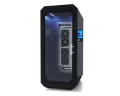
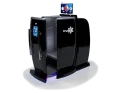
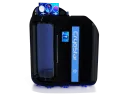
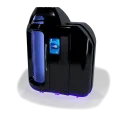
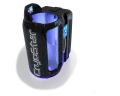
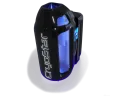
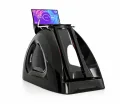
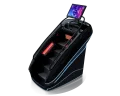
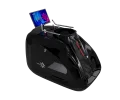
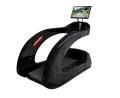
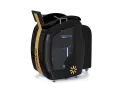
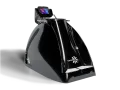
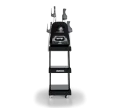
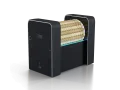
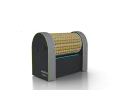
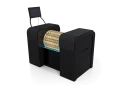
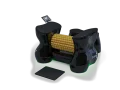
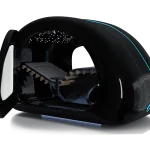
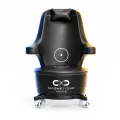
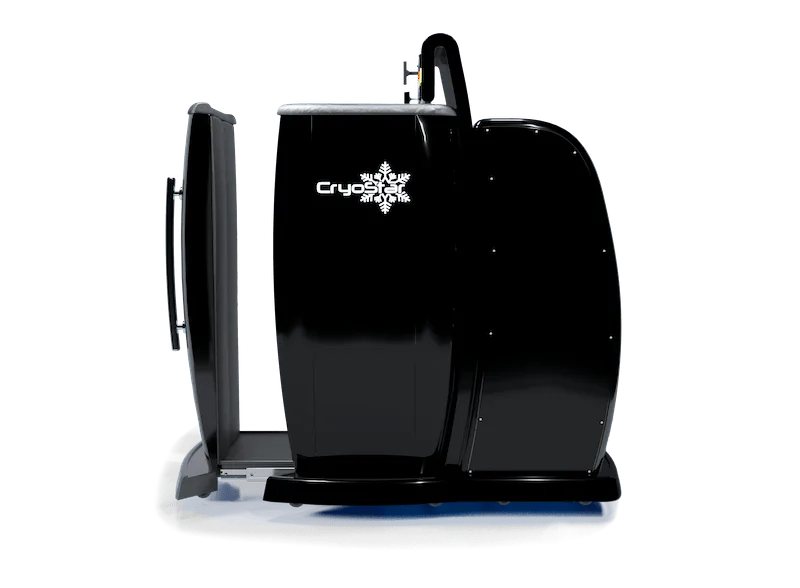
Our whole body cryotherapy range covers electric and nitrogen chambers sized for single operators up to high-traffic recovery centers. The Antarctica WBC Electric encloses the full body in breathable cold air, while the Antarctica WBC Nitrogen reaches lower temperatures for operators who want maximum intensity. The CryoStar and Antarctica Barrel suit smaller footprints and single-person cryosauna setups.
For targeted treatment of a knee, shoulder, or back, our localized cryotherapy units handle spot work that complements full-body sessions. Every chamber ships with operator training, and because we manufacture under our own roof, we also produce chambers under OEM agreements for partners who sell under their own brand. You can see the full lineup on our cryotherapy chambers page.
What a Whole Body Cryotherapy Chamber Costs
A whole body cryotherapy chamber is a capital purchase, and the price tracks the cooling method, size, build quality, and controls rather than a single fixed number. Electric chambers carry a higher upfront cost and run on electricity alone. Nitrogen cabins can cost less to buy but add an ongoing liquid-nitrogen supply, storage, and handling that you pay for every month.
On the revenue side, studios commonly charge between $20 and $60 per session and sell session packages, so a chamber in a busy location pays back across bookings rather than any single client. To spread the upfront cost, we offer leasing on cryotherapy chambers, and our used cryotherapy chambers give operators a lower entry point. For exact pricing on a configuration, our team prepares a quote against your room and throughput.
Installation, Safety, and Support
Safety on a whole body cryotherapy chamber comes down to controlled temperature, protected extremities, and, for nitrogen units, proper oxygen monitoring and ventilation. Electric chambers keep the air breathable, which removes the asphyxiation risk that nitrogen carries and simplifies the room requirements. Either way, sessions stay short, a trained operator runs the timer, and clients wear the protective kit that ships with the unit.
We handle the build, delivery, and operator training, and we stand behind the equipment after it lands. Operators planning a new recovery space often weigh the numbers first: our cryotherapy business opportunity guide lays out the operating side before you order.
Frequently Asked Questions
What is a whole body cryotherapy chamber?
A whole body cryotherapy chamber is a cabin that surrounds a standing person with dry cold air, usually between -85°C and -160°C, for one to three minutes. The cold drives a recovery response across the skin, circulation, and nervous system. Operators run them in recovery studios, clinics, spas, and gyms.
How cold does a whole body cryotherapy chamber get?
Electric chambers reach about -85°C to -110°C (-121°F to -166°F), and nitrogen cabins go lower, to roughly -130°C to -160°C (-200°F to -256°F). The air feels sharply cold for the first half-minute, then eases as the body adjusts.
How long is a session and how many do you need?
A session runs one to three minutes. Many people notice more energy and clearer skin after the first few visits, while recovery and sleep benefits build over a course. Operators usually suggest around ten sessions in a month, then ongoing maintenance.
What is the difference between electric and nitrogen cryotherapy chambers?
Neither is better outright; they fit different sites. Electric chambers keep the air breathable, enclose the whole body including the head, and run on electricity alone. Nitrogen cabins reach lower temperatures but need a gas supply, ventilation, and oxygen monitoring, and the head stays outside.
What are the benefits of whole body cryotherapy?
The most reported benefits are faster muscle recovery, less pain and inflammation, and improvements in mood and sleep. Athletes use it to shorten recovery between sessions. It stays a recovery and wellness treatment, and results depend on consistency rather than a single visit.
Is whole body cryotherapy safe?
Whole body cryotherapy is safe when sessions stay short, extremities are protected, and a trained operator runs the timer. Electric chambers keep the air breathable and avoid the asphyxiation risk of nitrogen. People with certain heart, circulation, or cold-sensitivity conditions should check with a doctor first.
How much does a whole body cryotherapy chamber cost?
Price depends on the cooling method, size, build, and controls. Electric chambers cost more upfront and run on electricity; nitrogen cabins can cost less to buy but add ongoing gas, storage, and handling. We offer leasing and used units, and prepare a quote for your configuration.
Who buys whole body cryotherapy chambers?
Recovery studios, physiotherapy and rehab clinics, spas, gyms, and longevity or biohacking centers. Each adds cryotherapy as a short, repeatable treatment that clients rebook. We also manufacture chambers under OEM for partners selling under their own brand.


