










HIFEM za donji dio leđa i trup: Kondicioniranje mišića i podrška za rehabilitaciju
HIFEM for lower back and core is the use of high-intensity focused electromagnetic technology to activate deep pelvic floor, lumbar, and core-stabilizing muscles through thousands of supramaximal contractions delivered by a magnetic field through clothing. Applications cover lower back muscle conditioning, posture and spinal stability, core stability, and support for rehabilitation programs in physical therapy, chiropractic, sports medicine, and longevity clinics. This article explains how HIFEM activates the deep musculature, how it complements physical therapy, and how the dual-zone Magnetique X-Trone works the pelvic floor and the lower back simultaneously in one 28-minute hands-free session at 5.8 Tesla.
Unlike conventional electromagnetic stimulation chairs that focus only on the pelvic floor, the Magnetique X-Trone delivers simultaneous dual-zone therapy for both pelvic stability and lumbar support. For the definitional overview of HIFEM technology and how it compares with EMS, TENS, and RF, see the Što je HIFEM stolica pillar.
The Magnetique X-Trone is made by Cryonick Wellness Technology Factory, the manufacturer behind the VACUACTIVUS and MEDSTARCOM brands, with more than 15 years of international experience supplying equipment to longevity clinics, rehabilitation practices, medical spas, and recovery facilities worldwide. For adjacent context on muscle physiology, see the Vrste i funkcije mišića ljudskog tijela article and the toniranje mišića EMS tehnologijom article, which covers electrode-based stimulation.
How HIFEM Activates Deep Core and Lumbar Muscles
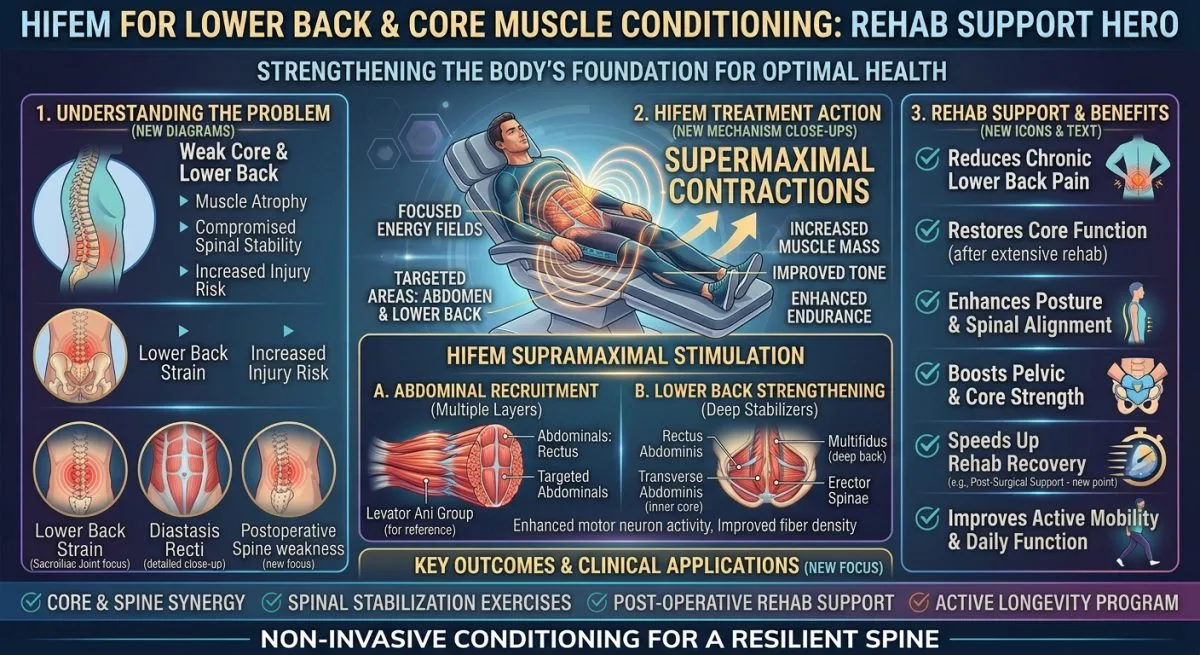
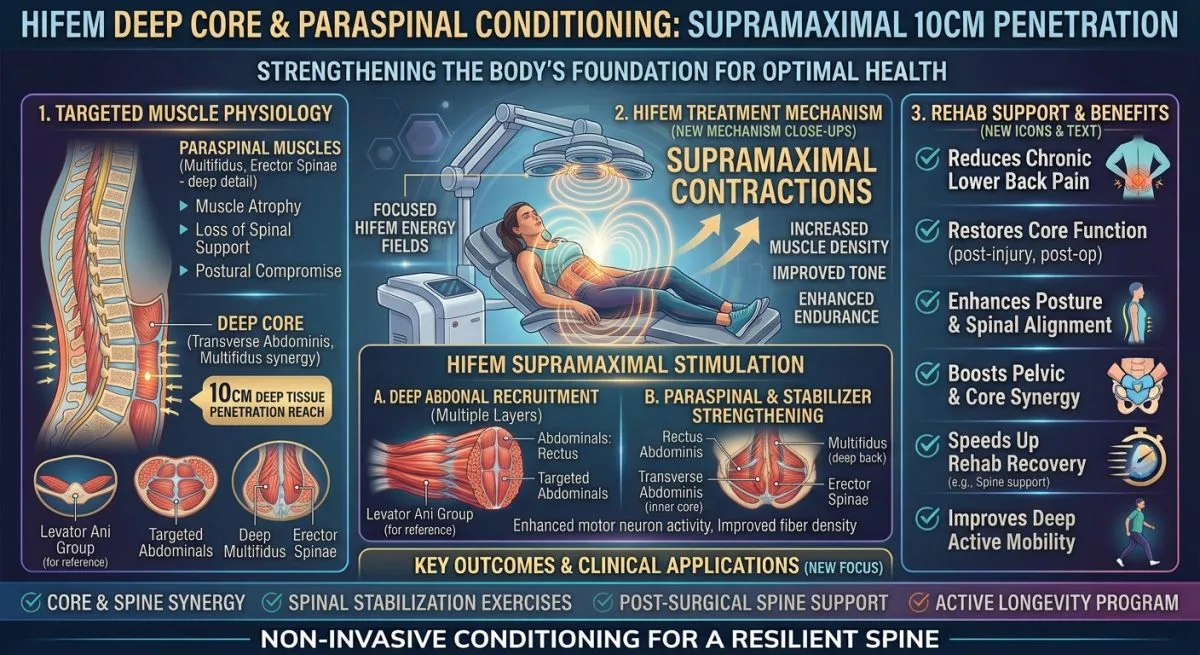
HIFEM muscle stimulation works by focusing a rapidly changing magnetic field over the target zone. The field passes through clothing and tissue and stimulates the motor neurons of the targeted muscles, triggering contractions from within. Published HIFEM reviews report penetration of up to approximately 10 centimeters into tissue, deep enough to reach stabilizing muscles such as the multifidus that are difficult to contract voluntarily and that surface electrodes reach far less effectively. The result is thousands of involuntary supramaximal contractions per session – far beyond what is possible through voluntary exercise. HIFEM is non-thermal, with no RF or HIFU heating, which makes it a distinct modality from surface EMS or NMES for deep-muscle applications.
Kondicioniranje donjeg dijela leđa i trupa
Lower back muscle conditioning is the core application of HIFEM for the back. Reactivating the lumbar and deep core musculature after periods of inactivity, sedentary work, or general deconditioning is a common goal in longevity, preventive, and recovery programs, and HIFEM delivers this activation without asking the client to perform demanding exercise. The lower back stimulation zone targets the lumbar muscles that support the spine, improve posture, and enhance lower back endurance. Repeated sessions drive neuromuscular adaptation: muscles adapt, rebuild, and become stronger and more efficient, improving strength, endurance, and tone in both the pelvic floor and the lower back. Results build over a full course of sessions rather than a single visit.
Držanje i stabilnost kralježnice
Core stability, posture, and spinal stability are leading goals of HIFEM lower back and core programs. The functional logic is straightforward: the deep core and lumbar musculature contributes to trunk stability, spinal alignment, and postural endurance, and strengthening those muscles is an established rehabilitation and conditioning approach. By working the pelvic floor and lower back together, the Magnetique X-Trone’s synchronized dual-zone approach enhances core stability, strengthens postural support, and supports spinal health. Clinics get the best results by combining HIFEM sessions with supervised postural and stability training.
Rehabilitation and Physical Therapy Support
HIFEM fits naturally into rehabilitation pathways: reactivation after inactivity or injury, recovery from deconditioning, and muscle-activation support within low back rehabilitation programs. It works as a complement to physical therapy – PT addresses movement patterns, load progression, and biomechanics, while HIFEM delivers deep, intensive muscle activation that is hard to achieve with exercise alone. This combination is why physical therapy practices, chiropractic clinics, and orthopedic clinics add HIFEM to their programs. Clients with acute injury, structural spinal pathology, radiating symptoms, or undiagnosed back pain should be evaluated by a healthcare provider before starting a HIFEM protocol.
Što istraživanje pokazuje
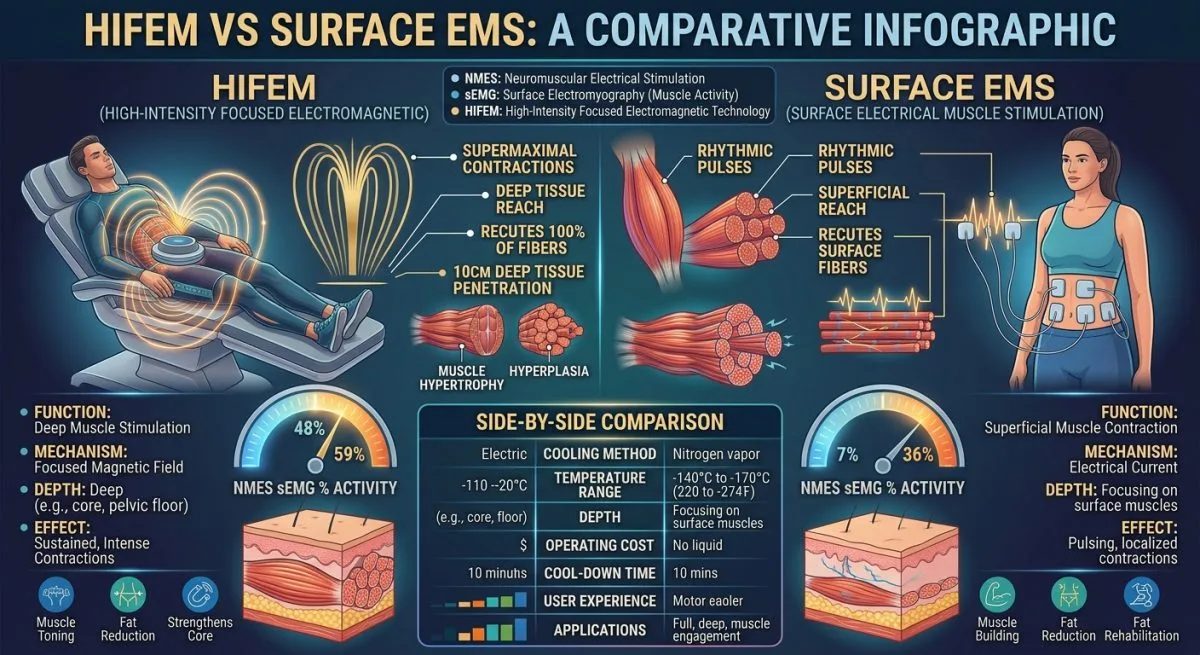
Clinical studies on HIFEM technology have demonstrated improvements in pelvic floor muscle strength, muscle endurance, urinary incontinence symptoms, and quality of life, with HIFEM often outperforming conventional electrical stimulation for pelvic floor rehabilitation. On muscle activation, a published surface EMG comparison reports significantly higher muscle activity for chair-based magnetic stimulation than for conventional surface electrical stimulation (approximately 48-59 percent versus 7-36 percent).
Research on HIFEM for the lower back is growing. The randomized controlled trial NCT07278596 (Middle East University) is registered to evaluate the effect of high-intensity focused electromagnetic therapy on pain and quality of life in patients with lumbar disc prolapse. Literature on electrical muscle stimulation combined with core stability exercise in non-specific low back pain also supports muscle stimulation as a useful addition to exercise-based programs.
HIFEM u odnosu na površinski EMS/NMES za leđa
A HIFEM chair and a surface EMS/NMES device work in fundamentally different ways. Surface EMS/NMES delivers electrical stimulation through electrode pads placed directly on the skin; current must pass through skin, fat, and connective tissue, so depth is limited by skin resistance and pain tolerance. It also requires disrobing and correct pad placement for every session. HIFEM uses a magnetic field that penetrates clothing and tissue directly, triggering deeper, involuntary supramaximal contractions with no electrodes touching the skin. The sEMG comparison above (approximately 48-59 percent for chair-based magnetic stimulation versus 7-36 percent for surface stimulation) is the quantitative expression of that difference. Consumer HIFEM devices also exist, but they run at a fraction of the intensity of a commercial 5.8 Tesla chair.
| Atribut | HIFEM (Magnetique X-Trone) | Površinski EMS / NMES za leđa | Voluntary Core Exercise |
|---|---|---|---|
| Mehanizam isporuke | Focused 5.8 Tesla magnetic field through clothing – no electrodes | Electrode pads on skin over the target muscle group | Voljna mišićna kontrakcija, bez vanjskog podražaja |
| Dubina prodiranja | Up to approximately 10 centimeters into tissue – reaches deep stabilizers | Superficial – limited by skin resistance and pain tolerance | Depends on movement pattern and load |
| Aktivacija mišića (objavljena usporedba sEMG-a) | Approximately 48-59% sEMG activity | Approximately 7-36% sEMG activity | Depends on effort; deep muscles are hard to contract voluntarily |
| Treatment zones | Pelvic floor and lower back simultaneously (independent coils) | One muscle group per pad placement | One exercise at a time |
| Client preparation | None – client stays fully clothed | Disrobing, skin preparation, pad placement, gel | Odjeća za vježbanje; nadzor instruktora za formu |
| Format sesije | 28-minute automated hands-free session, no downtime | Length varies; manual setup each session | Progressive exercise program |
| Client effort | None – client can read or use a phone during the session | Low, but depends on correct pad placement | High – depends on motivation, form, and consistency |
Prednost dvostruke zone: zdjelično dno + donji dio leđa
Most electromagnetic stimulation chairs work the pelvic floor only. The Magnetique X-Trone is engineered with independent electromagnetic coils that target the pelvic floor and the lower back simultaneously during every 28-minute session. Each zone receives its own supramaximal contractions, so clients get comprehensive stimulation for pelvic stability and lumbar support in a single visit – delivering more comprehensive functional benefits than single-zone systems. This matters for clients with combined goals: postpartum recovery programs (pelvic floor plus core reconditioning), clients presenting with both pelvic floor and lower back concerns, and athletes working on pelvic girdle and lumbar stability. For the clinic, covering both zones in one session means fewer visits per program, higher client compliance, and more efficient use of treatment-room time.
Magnetique X-Trone za rehabilitaciju i kondiciju
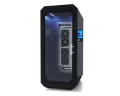
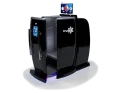
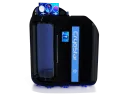
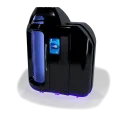
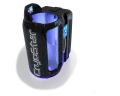
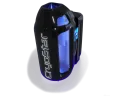
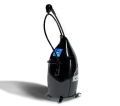
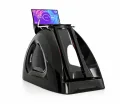
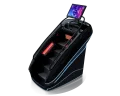
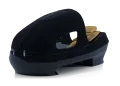
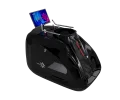
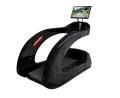
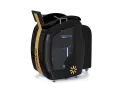
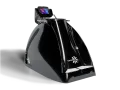
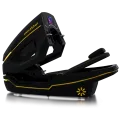
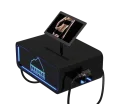
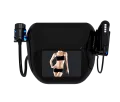
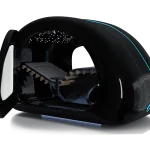
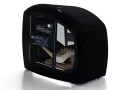
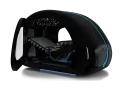
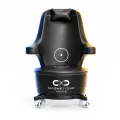
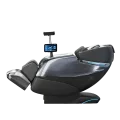
Vakuumaktivus HIFEM stolica za trup i leđa Magnetique X-Trone is a premium dual-zone HIFEM chair engineered for longevity clinics, rehabilitation centers, medical spas, sports recovery facilities, and wellness studios. Key specifications: industry-leading 5.8 Tesla magnetic output, 28-minute automated hands-free session, two treatment zones (pelvic floor and lower back), touch screen control integrated into the armrest, no consumables, 110-240V power supply, and medical and wellness applications. It is a dedicated HIFEM chair without an RF component. The design combines a contoured backrest, premium cushioning, and supportive armrests for comfort through the whole session; a sturdy reinforced steel frame; heavy-duty, medical-grade silent casters; and subtle ambient LED accents in a minimalist European design language that elevates the look of any clinic.
Tko ga koristi: fizioterapeut, kiropraktičar, sportska medicina, dugovječnost
The Magnetique X-Trone is used across a wide range of professional settings. Physical therapy practices, rehabilitation centers, and orthopedic clinics add HIFEM sessions to lumbar rehabilitation and post-injury reactivation programs alongside supervised movement retraining. Chiropractic clinics pair deep muscle activation with manual therapy and postural work. Sports medicine centers and athletic recovery facilities use it for core conditioning during the off-season and return-to-play periods. Longevity clinics and biohacking centers use it in healthy-aging protocols, where preserving muscle function is essential. Women’s and men’s health clinics, medical spas, wellness clinics, luxury hotels and wellness resorts, and premium fitness clubs use the dual-zone design to offer pelvic floor and lower back programs from a single chair.
Često postavljana pitanja
P1. Može li HIFEM pomoći kod bolova u donjem dijelu leđa?
HIFEM strengthens the lumbar and deep core muscles that support the spine, which contributes to posture, spinal stability, and lower back endurance. The Magnetique X-Trone’s dual-zone design targets the pelvic floor and lower back simultaneously, which is useful for clients presenting with combined pelvic floor and lower back concerns. HIFEM works best as a complement to physical therapy, and back-specific research is growing, including the randomized trial NCT07278596 in lumbar disc prolapse.
P2. Kako HIFEM jača mišiće trupa?
A high-intensity magnetic field stimulates the motor neurons of the targeted muscles and triggers thousands of involuntary supramaximal contractions – far beyond what is possible through voluntary exercise. The field penetrates clothing and tissue, reaching deep stabilizing muscles that are difficult or impossible to contract voluntarily. Over a course of sessions, the muscles adapt and become stronger and more efficient.
P3. Je li HIFEM dobar za držanje i stabilnost kralježnice?
Yes. The deep core and lumbar musculature contributes to trunk stability, spinal alignment, and postural endurance. By strengthening the pelvic floor and lower back together, dual-zone HIFEM enhances core stability and postural support. Combined with postural training, it gives clinics a complete stability program.
P4. Po čemu se HIFEM razlikuje od površinskog EMS/NMES-a za leđa?
Surface EMS/NMES delivers electrical stimulation through pads placed on the skin, which requires disrobing and correct pad placement every session, and its depth is limited by skin resistance and pain tolerance. HIFEM uses a magnetic field that penetrates clothing and tissue, triggering deeper supramaximal contractions with no electrodes. A published sEMG comparison reports approximately 48-59 percent muscle activity for chair-based magnetic stimulation versus 7-36 percent for conventional surface stimulation.
P5. Zamjenjuje li HIFEM fizikalnu terapiju?
HIFEM is designed to complement physical therapy and rehabilitation programs. Physical therapy addresses movement patterns, load progression, and biomechanics; HIFEM adds deep, intensive muscle activation. Together they form a stronger program than either alone, which is why physical therapy and chiropractic practices are among the main users of HIFEM chairs.
P6. Koliko duboko HIFEM prodire?
Published HIFEM reviews report penetration of up to approximately 10 centimeters into tissue, which allows the field to reach deep stabilizing muscles. The technology is non-thermal, so depth comes without the heating associated with RF or HIFU modalities. Effective activation depth in a specific case depends on device output and tissue characteristics, which is why the 5.8 Tesla output of a commercial chair matters.
P7. Je li HIFEM siguran za leđa?
Yes. HIFEM is a non-invasive procedure – no needles, incisions, or electrodes touching the skin – and requires no downtime, so clients return to daily activities immediately. The most common minor effect is transient mild soreness or tingling after the session. Contraindications include implanted metal or electronic devices (pacemaker, cochlear implant, spinal cord stimulator, IUD with metal), pregnancy, active malignancy in the treatment area, hemorrhagic conditions, recent lumbar surgery, and severe undiagnosed back pain. Clients with pre-existing back conditions should consult a healthcare provider before starting.
P8. Koliko sesija treba za kondicioniranje trupa?
Results build over a full course of sessions, not a single visit. Typical HIFEM courses start with 4-6 sessions, followed by maintenance sessions depending on the client’s goal and response. The specific protocol is set by the clinic or treating specialist.
P9. Može li se koristiti nakon neaktivnosti ili ozljede?
Yes. Supporting rehabilitation after inactivity or injury is one of the main applications of the Magnetique X-Trone, particularly where the deep core is difficult to reactivate voluntarily. After an acute injury, structural spinal condition, or recent surgery, HIFEM should start once the treating clinician has cleared it.
P10. Kakvo jamstvo dolazi s Magnetique X-Trone?
Every unit carries the standard one-year Cryonick Wellness Technology Factory manufacturer’s jamstvo on body, motors, and parts. An optional extended warranty of up to three years is available if elected within 10 days of purchase, plus an unlimited after-warranty service option. Technical teams in the US and in Europe provide installation, maintenance, and support worldwide, and leasing and financing are available for qualifying B2B operators.
Zaključak
HIFEM for lower back and core uses a focused magnetic field that penetrates deep into tissue and triggers thousands of supramaximal contractions of the deep core and lumbar muscles – without electrodes, without heat, and without the client undressing. Applications cover lower back muscle conditioning, posture, spinal stability, core stability, and support for rehabilitation and physical therapy programs. Muscle-activation research shows magnetic stimulation outperforming surface electrical stimulation, and back-specific research, including the randomized trial NCT07278596, is expanding. The Magnetique X-Trone stands apart from single-zone chairs with simultaneous dual-zone therapy: the pelvic floor and lower back in one 28-minute hands-free session at an industry-leading 5.8 Tesla. As a direct manufacturer, Cryonick Wellness Technology Factory supplies the X-Trone at factory pricing, with OEM branding on qualifying volumes, worldwide delivery, installation, staff training, and technical support. For the technology overview, see the Što je HIFEM stolica pillar; for pricing, ROI, and OEM options, see the HIFEM chair cost buyer’s guide, or contact our sales team for a Magnetique X-Trone price quote.


