











Nova krioterapijska tehnologija 2026: umjetna inteligencija, hibrid i hladni zrak
Krioterapija u 2026. godini izgleda dramatično drugačije od ere spremnika dušika od prije samo tri godine. Promjenu pokreću četiri konvergentna trenda: upravljanje sesijama kontrolirano umjetnom inteligencijom, hibridne jedinice koje kombiniraju krioterapiju s infracrvenim i crvenim svjetlom u jednom uređaju, tehnologija električnog hladnog zraka koja u potpunosti eliminira tekući dušik i komore omogućene IoT-om koje se integriraju sa studijskim softverom, nosivim uređajima i protokolima za dugovječnost. Evo što je zapravo novo - a što je samo marketing - u industriji krioterapije ove godine.
Trend 1: Upravljanje sesijama kontrolirano umjetnom inteligencijom
Najveći skok naprijed u 2026. nije novi način rashlađivanja - već način na koji komore odlučuju što učiniti nakon što klijent uđe. Kriokomore kontrolirane umjetnom inteligencijom sada prilagođavaju krivulje temperature, trajanje sesije, pa čak i obrasce protoka zraka u stvarnom vremenu na temelju profila klijenta, ciljeva oporavka i podataka iz prethodnih sesija.
U praksi, to znači tri konkretne promjene za operatere studija:
- Personalizirani profili sesija — umjesto da svaki klijent izvodi fiksni ciklus od 3 minute, komora povlači pohranjeni profil korisnika (dob, intenzitet treninga, prethodne sesije) i pokreće prilagođenu krivulju — hladnija za elitne sportaše, nježnija za početnike.
- Adaptivno upravljanje temperaturom — pametni senzori prate toplinsko opterećenje komore i performanse kompresora kako bi održali ciljanu temperaturu s daleko manjim odstupanjima nego kod starijih mehaničkih sustava — što znači da je −85 °C za koje klijent plaća zapravo −85 °C.
- Nadzorne ploče za analitiku sesija — operateri dobivaju zapisnike sesija po klijentu, toplinske karte iskorištenosti opreme i upozorenja o prediktivnom održavanju — pretvarajući studio za oporavak u posao vođen podacima.
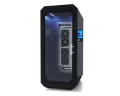
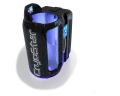
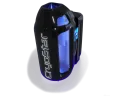
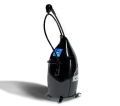
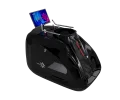
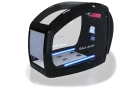
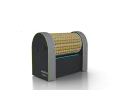
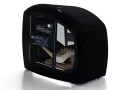
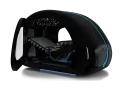
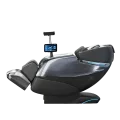
The Vacuactivus Antarktika WBC Electric izgrađen je na ovoj generaciji inteligentne upravljačke arhitekture, s kontrolama osjetljivim na dodir, profilima za više korisnika i daljinskom dijagnostikom.
Trend 2: Hibridne kriogene + infracrvene + jedinice s crvenim svjetlom
Najveći komercijalni trend u 2026. godini je multimodalnost s jednim uređajem. Studiji su umorni od kupnje zasebnih kriogenih komora, infracrvenih sauna i kreveta s crvenim svjetlom, a klijenti su umorni od kretanja između soba. Hibridne jedinice kombiniraju više modaliteta na jednom mjestu, omogućujući operaterima da ponude kontrastnu terapiju (toplo-hladno i natrag) ili sekvencijalne protokole (hladno pa crveno svjetlo) bez ponovnog rezerviranja klijenta između uređaja.
Tri hibridne konfiguracije koje ove godine dobivaju na popularnosti:
- Krio + infracrveno + crveno svjetlo za trčanje — vakuumsko-infracrvene trake za trčanje s integriranim panelima za terapiju crvenim svjetlom za kombinirani kardio, gubitak masti i oporavak u jednoj 30-minutnoj sesiji.
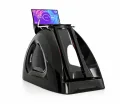
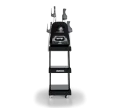
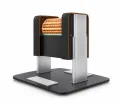
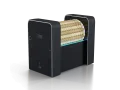
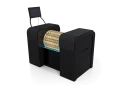
Vacuactivus VacuStar traka za trčanje je vodeći u kategoriji, s vakuumom, infracrvenim zračenjem i aromaterapijom u jednom uređaju.
- Kapsule za toplo-hladno kontrastno sredstvo — kapsule za dugovječnost koje kombiniraju infracrvene faze topline s ciklusima hladnog zraka i crvenog svjetla.
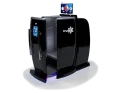
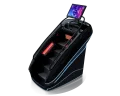
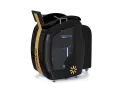
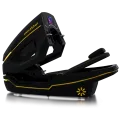
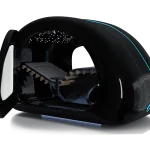
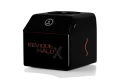
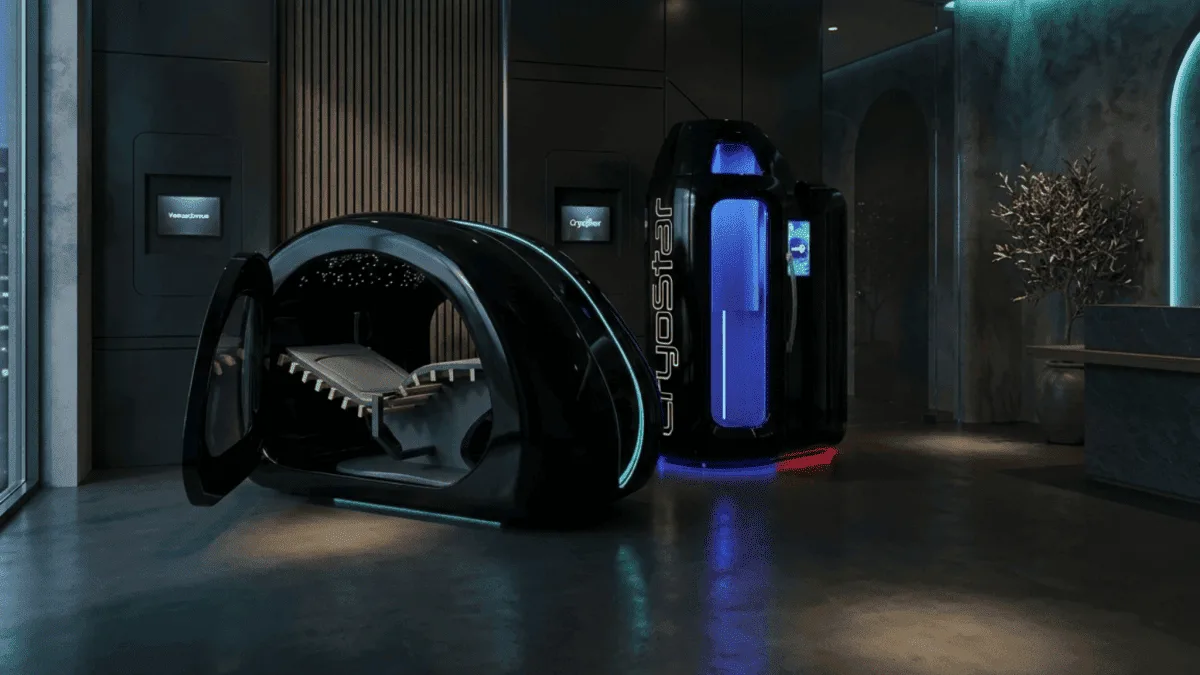
Revique HaloX Integrira krioterapiju, terapiju soli, crveno svjetlo, upravljanje sesijama pomoću umjetne inteligencije i pozicioniranje u bestežinskom stanju u jednu multimodalnu kapsulu za dugovječnost.
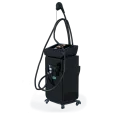
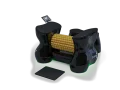
- Lokalizirane kriogene + IR kombinacije — manji dodatni uređaji poput
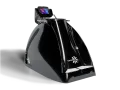
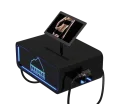
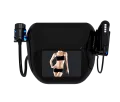
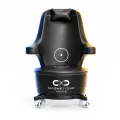
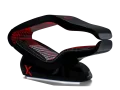
Vacuactivus HotCRYO naizmjenično zagrijavanje i hladnoća određenim područjima tijela u jednoj sesiji - privlačno za oporavak nakon sporta i protokole nakon treninga.
Za vlasnike studija, hibridi dramatično poboljšavaju prihod po kvadratnom metru. Umjesto dva uređaja koji se zasebno naplaćuju po nižim cijenama, jedna višemodalna sesija s premium cijenom generira veći prihod s manje prostora i manje promjena osoblja.
Trend 3: Električna tehnologija hladnog zraka zamjenjuje tekući dušik
Najznačajniji tehnički pomak u krioterapiji je stalan prijelaz s hlađenja tekućim dušikom na električno hlađenje zatvorenog kruga. Dušik još uvijek ima svoju nišu - doseže niže temperature i ima najniže početne troškove opreme - ali operativna ekonomija sve više ide u korist električne energije.
Tri razloga zašto električni hladni zrak pobjeđuje u 2026. godini:
- Nula potrošnog materijala — bez dostave LN2, bez najma spremnika, bez korištenja dušika po sesiji. Za studije s velikim volumenom rada ovo štedi tisuće mjesečno na operativnim troškovima.
- Jednostavnija instalacija — nema ispušne ventilacije, nema monitora kisika, nema skladišta dušika. Električna komora se postavlja za nekoliko dana umjesto tjedana.
- Zrak za disanje na cijelom tijelu — glava klijenta ostaje unutar komore tijekom cijele sesije, budući da je zrak samo rashlađeni sobni zrak bez dušikove pare.
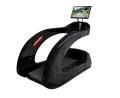
Temperature hlađenja u modernim električnim komorama dosežu od -85°C do -110°C - što je niže od onoga što je tehnički bilo moguće u komercijalnim električnim jedinicama čak i prije pet godina. Za većinu primjena u sportskom oporavku i wellnessu, ovaj temperaturni raspon pruža usporediv fiziološki odgovor na dušik uz daleko niže operativne troškove. Antarctica WBC Electric je primjer trenutne generacije — kapacitet za više osoba, bez LN2 i potpuna integracija IoT-a.
Trend 4: Integracija IoT-a, nosive elektronike i studijskog softvera
Krioterapijske komore više nisu samostalni uređaji. Generacija opreme iz 2026. povezuje se sa softverom za rezervaciju studija, nosivim zdravstvenim uređajima i protokolima za dugovječnost putem standardnih IoT i API integracija.
- Sinkronizacija softvera za rezervacije — početak, trajanje i završetak sesije automatski se prijavljuju u Mindbody, Vagaro, Mariana Tek ili druge studijske platforme — čime se eliminira ručno praćenje sesije.
- Integracija nosivih uređaja — klijenti s Whoop, Oura, Apple Watch ili Garmin uređajima mogu imati podatke sesije koji prekrivaju trendove oporavka i HRV-a, čineći vrijednost krioterapije vidljivom na njihovoj postojećoj zdravstvenoj nadzornoj ploči.
- Daljinska dijagnostika — proizvođači daljinski prate performanse opreme, šalju ažuriranja firmvera i predviđaju potrebe za servisiranjem prije nego što dođu do kvarova — što je značajno za operatere s više lokacija.
- Analitika članstva — podaci o sesijama ubacuju se u modele predviđanja odljeva i zadržavanja, omogućujući operaterima da identificiraju članove koji su u riziku prije nego što otkažu.
Za nove kupce, spremnost za IoT sada je od najveće važnosti. Oprema bez integriranog softvera brzo stari i ograničava sposobnost studija da učinkovito radi.
Trend 5: Kapsule s više načina korištenja usmjerene na dugovječnost
Osim tradicionalne krioterapije, najbrže rastuća kategorija u 2026. godini je multimodalna kapsula za dugovječnost - premium kapsule koje integriraju krio, infracrveno, crveno svjetlo, terapiju soli, AI kontrolu sesije, a ponekad i VR ili zvučnu terapiju u jednoj imerzivnoj sesiji od 30 do 60 minuta.
Ove kapsule ciljaju drugačiju skupinu kupaca od klasične krioterapije: klijente usmjerene na dugovječnost, biohakere, rukovoditelje i članove vrhunskog wellness programa koji su spremni platiti premium cijene po sesiji. Cijene su obično dva do četiri puta veće od samostalnih krio sesija, a LTV članstva je značajno veći jer se iskustvo čini odabranijim i premium.
The Revique HaloX predstavlja trenutno stanje ove kategorije - osam integriranih modaliteta u jednoj kapsuli, personalizacija vođena umjetnom inteligencijom i pozicioniranje u bestežinskom stanju.
Što je uglavnom marketing, a ne inovacija
Ne mijenja svaka objava označena kao "novo" zapravo išta za klijente ili operatere. Nekoliko tvrdnji koje treba pažljivo pratiti u 2026. godini:
- “Kvantna krioterapija” ili “frekvencijski podešena hladnoća” — marketinški jezik bez temeljnih tehničkih promjena.
- “"Medicinski razred" bez certifikata — uvijek provjerite stvarna regulatorna odobrenja, a ne označavanje.
- “−180°C hladnije od konkurencije” — ekstremne temperature u dušikovim parama ne prenose se proporcionalno na dublji fiziološki odgovor. Važni su pad temperature kože i reakcija zagrijavanja.
- “Pokretan umjetnom inteligencijom” bez nadzorne ploče okrenute prema operateru — ako umjetna inteligencija ne prikazuje analitiku sesija ili se ne prilagođava korisničkim profilima, to je popularna riječ.
Što ovo znači za vlasnike studija
Ako vodite postojeći studio, praktična poruka za 2026. jest da se ciklusi osvježavanja opreme skraćuju. Klijenti sve više očekuju personalizirane sesije umjetne inteligencije, opcije hibridne kontrastne terapije i integraciju s njihovim nosivim zdravstvenim podacima. Studiji koji još uvijek koriste opremu prve generacije samo s dušikom bez integracije softvera počinju osjećati pritisak pozicioniranja od strane novijih konkurenata.
Ako planirate pokretanje novog studija, odabir opreme generacije 2026. od samog početka štiti investiciju za sljedećih pet do sedam godina. Električni rashladni zrak, integracija IoT-a i barem jedna hibridna ili multimodalna jedinica prešli su s “lijepo je imati” na osnovna očekivanja na premium tržištima.
Često postavljana pitanja
Je li krioterapija kontrolirana umjetnom inteligencijom zapravo drugačija od starije opreme?
Da - značajno. Starije kriokomore imale su fiksne cikluse vremena i temperature bez obzira na to tko je bio unutra. Komore kontrolirane umjetnom inteligencijom personaliziraju sesiju, održavaju temperaturu s puno bližom varijancijom i pružaju analitiku sesije operaterima. Iskustvo klijenta je dosljednije, a oprema generira poslovnu inteligenciju, a ne samo uslugu.
Trebam li zamijeniti svoju kriosaunu s dušikom električnom u 2026. godini?
Ne nužno - kriosaune s dušikom ostaju održiva početna točka i postižu najniže dostupne temperature. Pitanje zamjene ovisi o vašem operativnom obujmu, tržišnom pozicioniranju i smanjuju li tekući troškovi LN2 marže. Visokokvalitetni studiji s velikim volumenom rada sve se više odlučuju za električne; dodaci s manjim volumenom rada unutar teretana i dalje imaju koristi od nižih početnih troškova dušika.
Jesu li hibridne kriogene + infracrvene jedinice vrijedne više cijene?
Za prihod po kvadratnom metru, gotovo uvijek da - jedna hibridna jedinica obično generira 1,5 do 2,5 puta veći prihod od dva odvojena uređaja. Iznimka su studiji s velikim namjenskim prostorima i postojećom samostalnom opremom, gdje se ekonomija zamjene radnih uređaja ne opravdava odmah.
Koliko će vremena proći dok krioterapija umjetnom inteligencijom ne postane industrijski standard?
Na premium urbanim tržištima, oprema kontrolirana umjetnom inteligencijom već je standardna među novogradnjama u 2026. Studiji srednje klase i ruralnih područja zaostaju 2 do 3 godine. Do 2028. oprema integrirana s umjetnom inteligencijom vjerojatno će biti zadana u svakoj novoj komercijalnoj kupnji, a komore bez integracije bit će ograničene na studije niže razine.
Koji je najprenaglašeniji trend krioterapije u 2026. godini?
Sve što je označeno kao "kvantna", "frekvencijska" ili "vibracijska" krioterapija. To su marketinške oznake, a ne tehničke inovacije. Prava inovacija u 2026. godini leži u personalizaciji umjetne inteligencije, inženjerstvu električnog hladnog zraka, hibridnoj multimodalnoj integraciji i IoT softveru - stvarima koje imaju mjerljiv operativni i klijentski utjecaj.
Zaključak
Krioterapija u 2026. postaje inteligentna, integrirana i multimodalna. Umjetna inteligencija kontrolira sesiju, hibridne jedinice konsolidiraju modalitete, električni hladni zrak zamjenjuje logistiku dušika, a integracija IoT-a pretvara samostalne komore u čvorove u povezanom wellness ekosustavu. Za vlasnike studija i ustanova za dugovječnost, izbor u 2026. više nije samo koju komoru kupiti - već oko koje generacije krioterapijske tehnologije uskladiti sljedećih pet godina poslovanja.
Istražite opremu za krioterapiju trenutne generacije: → vacuactivus.com


