












صناعة العلاج بالتبريد في عام 2026: أحدث الاتجاهات والتقنيات ونمو السوق
4.27.2026
يبدو قطاع العلاج بالتبريد في عام 2026 أكثر نضجًا وتنظيمًا وتكاملًا تجاريًا مما كان عليه قبل عام واحد فقط. لم يعد هذا القطاع مدفوعًا بشكل أساسي بالابتكار أو التسويق القائم على البرودة الشديدة. بل إن النقاشات السوقية الحالية تركز بشكل متزايد على إمكانية الوصول القابلة للتوسع، وجودة البروتوكول، والثقة القائمة على السلامة، وضوابط أكثر ذكاءً، وتكامل أسهل في أنظمة الصحة العامة الأوسع نطاقاً..
يُعدّ هذا التحوّل مهماً لأنّ هذه الصناعة تخدم الآن نطاقاً أوسع من البيئات التجارية. فالعلاج بالتبريد يُناقش ليس فقط في مجال التعافي الرياضي والعيادات المتخصصة، بل أيضاً في المنتجعات الصحية الفاخرة، ونوادي اللياقة البدنية، واستوديوهات الاستشفاء، ومراكز الصحة والعافية ذات التوجه الجمالي، ومراكز إطالة العمر متعددة الأساليب. بمعنى آخر، لا يتعلق عام 2026 بما إذا كان العلاج بالتبريد مناسبًا للسوق أم لا، بل يتعلق أكثر بـ كيفية تغليفها وتوحيدها وتشغيلها على نطاق واسع.
لا يزال السوق يتوسع، لكن معنى النمو سيكون أكثر أهمية في عام 2026
لا تزال مصادر السوق الحالية تصف العلاج بالتبريد بأنه فئة متنامية، على الرغم من أن حجم السوق المُعلن عنه لا يزال يعتمد بشكل كبير على كيفية تعريف المحللين للسوق. وتشير شركة موردور إنتليجنس إلى أنه من المتوقع أن ينمو سوق العلاج بالتبريد من 322.04 مليون دولار أمريكي في عام 2025 ل 339.94 مليون دولار أمريكي في عام 2026, ، وصولاً 464.61 مليون دولار أمريكي بحلول عام 2031, ، مع 6.45% معدل النمو السنوي المركب خلال الفترة من 2026 إلى 2031. أفاد تقرير منفصل، لخصته وكالة Business Wire، بتوقعات تركز على الأجهزة، أن قيمة سوق أجهزة العلاج بالتبريد بلغت 2.93 مليار دولار أمريكي في عام 2024 ويمكن أن يصل 4.28 مليار دولار أمريكي بحلول عام 2030, ، مع 6.52% معدل النمو السنوي المركب.
لا ينبغي التعامل مع هذه الأرقام على أنها عناوين متضاربة بقدر ما هي دليل على اختلاف النطاقات والمنهجيات. يتتبع أحدها تعريفًا أضيق لسوق العلاج بالتبريد، بينما يعكس الآخر رؤية أوسع تركز على الأجهزة. بالنسبة للمشغلين والمستثمرين، فإن الاستنتاج الأكثر فائدة هو أن هذا القطاع لا يزال يشهد زخمًا تصاعديًا في عام 2026 بدلًا من الانكماش.
إشارة السوق | ما تشير إليه لعام 2026 |
حجم السوق المتوقع لعام 2026 يبلغ 339.94 مليون دولار أمريكي | لا يزال العلاج بالتبريد فئة نشطة وقابلة للاستثمار بدلاً من كونه مجالاً متخصصاً يتلاشى. |
معدل نمو سنوي مركب قدره 6.451 تريليون تيراغرام حتى عام 2031 في توقعات موردور | لا يزال التوسع على المدى المتوسط قائماً، حتى بعد انتهاء دورة الضجة الإعلامية المبكرة. |
6.52% معدل نمو سنوي مركب في التوقعات التي تركز على الأجهزة | من المتوقع أن يستمر الإنفاق على المعدات في مجالات الصحة والعافية والطب والتعافي. |
لا تزال أمريكا الشمالية أكبر سوق، بينما تُعد منطقة آسيا والمحيط الهادئ الأسرع نموًا. | يشهد هذا القطاع اندماجاً في المناطق الناضجة وتوسعاً في مناطق جغرافية جديدة. |
من الناحية العملية، ليس عام 2026 هو العام الذي تثبت فيه تقنية العلاج بالتبريد وجودها، بل هو العام الذي يثبت فيه السوق بشكل متزايد... ما هي نماذج الأعمال والتقنيات ومعايير التشغيل المستدامة؟.
الاتجاه الأول: عام 2026 هو عام النضج وتوحيد البروتوكولات
أحد أبرز التحولات في العام الحالي يأتي من توقعات معهد العافية العالمي لعام 2026 بشأن العلاج بالتبريد، والتي تصف السوق بأنه يدخل “"عصر أكثر نضجاً يتميز بإمكانية الوصول القابلة للتوسع، وتوحيد البروتوكولات، والتسلسل الذكي، والثقة القائمة على السلامة."” تُعد هذه الصياغة مهمة لأنها تُظهر تغييراً في ما يُقدّره السوق.
قبل بضع سنوات، ركزت العديد من النقاشات حول العلاج بالتبريد على درجات الحرارة القصوى وفضول المستهلكين. أما في عام 2026، فإن المصداقية تنبع بشكل أكبر من كيفية تقديم الخدمة: منطق الفرز، وهيكلية الجلسة، ومعايير الملاءمة الواضحة، وسير العمل القابل للتكرار، والممارسين المدربين، وأطر العمل الموجهة نحو النتائج. يمثل ذلك تحولاً كبيراً من فئة تركز على التسويق أولاً إلى فئة تجارية أكثر انضباطاً.
“"في عام 2026، ستدخل المعالجة بالتبريد حقبة أكثر نضجاً تتميز بإمكانية الوصول إليها على نطاق واسع، وتوحيد البروتوكولات، والتسلسل الذكي، والثقة القائمة على السلامة." معهد العافية العالمي
بالنسبة للمشترين، يعني هذا أن تقييم المعدات يتداخل بشكل متزايد مع التقييم التشغيلي. لم تعد الغرفة وحدها المنتج الكامل، بل المنتج الحقيقي هو الغرفة بالإضافة إلى البروتوكول، والفريق، وإجراءات التشغيل القياسية، وبنية الثقة التي تحيط بالخدمة.
الاتجاه الثاني: العلاج بالتبريد الكهربائي يواصل اكتساب حصة سوقية أكبر
الهجرة نحو أنظمة العلاج بالتبريد الكهربائية بالكامل لا يزال هذا أحد أهم التغييرات الهيكلية في السوق. وتشير شركة موردور إنتليجنس إلى أن الاستبدال المتسارع لغرف النيتروجين السائل بأنظمة كهربائية بالكامل يُعيد تشكيل هياكل التكلفة، ومن المتوقع أن تحقق المنصات الكهربائية بالكامل أعلى مستويات الأداء. 8.23% معدل النمو السنوي المركب حتى عام 2031. كما يسلط ملخص Business Wire لتوقعات ResearchAndMarkets الضوء على الأنظمة الكهربائية الأكثر أمانًا ومعدات التوصيل والتشغيل باعتبارها محركات نمو رئيسية.
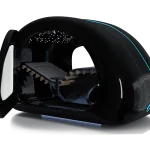
لا يعني هذا أن غرف العلاج بالنيتروجين ستختفي فجأةً في عام 2026. فأنظمة النيتروجين لا تزال ذات أهمية تجارية، لا سيما في المنشآت ذات تفضيلات تشغيلية أو متطلبات تصميم أو استراتيجيات تحديد مواقع محددة. ومع ذلك، يستمر قطاع الأجهزة الكهربائية في جذب الانتباه لأنه يعالج العديد من الشواغل التجارية في آن واحد: تقليل الاعتماد على الخدمات اللوجستية، وتبسيط مسارات التركيب، وتقليل قيود توصيل الغاز، ودمجها بشكل أفضل في مساحات الاستجمام الفاخرة.
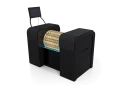
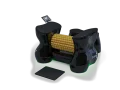
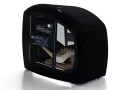
لهذا السبب، تجاوز النقاش في السوق مجرد الجدالات النظرية حول نظرية التوصيل البارد. في عام 2026، غالباً ما يكون السؤال الأكثر عملية هو: أي نظام أسهل في التوسع والإدارة والشرح والصيانة داخل بيئة تجارية حقيقية؟ الأوسع غرف العلاج بالتبريد يعكس هذا التصنيف بالفعل هذا المنطق من خلال تقديم كل من المسارات التي تعتمد على النيتروجين والمسارات الكهربائية كجزء من نظام بيئي حديث للمعدات بدلاً من فرض سردية ذات تنسيق واحد.
الاتجاه الثالث: أصبحت المعدات الذكية ذات قيمة تشغيلية، وليست مجرد معدات قابلة للتسويق.
تتجه تقنية العلاج بالتبريد في عام 2026 نحو الاعتماد بشكل أكبر على البيانات. ويشير ملخص Business Wire لتقرير ResearchAndMarkets إلى دمج الذكاء الاصطناعي والتعلم الآلي في معدات العلاج بالتبريد لدعم المراقبة الآنية، وبروتوكولات العلاج الشخصية، والصيانة التنبؤية، وتتبع النتائج. يُضيف تقرير معهد العافية العالمي لعام 2026 بُعدًا مفيدًا: إذ يرتبط دور أدوات الذكاء الاصطناعي الخفيفة بشكل متزايد بـ التخطيط والالتزام وتتبع التقدم البسيط, ، وليس مجرد ادعاءات براقة حول الأتمتة.
هذا التمييز مهم. فالقيمة الحقيقية للأنظمة الذكية لا تكمن في جعل المعدات تبدو متطورة، بل في قدرتها على تحسين الاتساق، وتبسيط عملية اتخاذ القرارات للموظفين، وتعزيز رؤية المشغلين، ودعم تجارب عملاء أكثر تنظيمًا. بالنسبة لشركات الصحة والعافية المتميزة، تؤثر هذه الميزات على كل من إدراك السلامة وتكرار الخدمة.
توجيه النظام الذكي | لماذا يُعدّ هذا الأمر مهماً في عام 2026 |
المراقبة في الوقت الفعلي | يحسّن من وضوح العمليات والثقة أثناء تقديم العلاج. |
الصيانة التنبؤية | يساعد على تقليل وقت التوقف عن العمل ويدعم إدارة الأسطول بشكل أكثر احترافية. |
دعم البروتوكولات الشخصية | يتماشى العلاج بالتبريد مع الاتجاه الأوسع نطاقاً نحو التخصيص في مجال الصحة والعافية. |
أدوات التخطيط والالتزام | يجعل العلاج بالتبريد أسهل في دمجه في رحلات علاجية أطول للعملاء بدلاً من جلسات معزولة. |
بهذا المعنى، لا يتعلق عام 2026 بـ "استبدال الذكاء الاصطناعي للمشغلين". بل يتعلق بـ الدعم الرقمي يجعل العلاج بالتبريد أكثر تنظيماً وقابلية للتتبع وموثوقية تجارية.
الاتجاه الرابع: يتم دمج العلاج بالتبريد بشكل متزايد مع طرق علاجية أخرى.
أما الموضوع الرئيسي الثاني في توقعات عام 2026 فهو التسلسل الذكي. يؤكد معهد العافية العالمي أن الابتكار يتجه نحو التسلسل متعدد الوسائط، حيث يتم استخدام العلاج بالتبريد كجزء من مسار التعافي أو العافية المنظم بدلاً من كونه عامل جذب مستقل.
لهذا التوجه آثار تجارية واضحة. ففي المنتجعات الصحية، يمكن دمج العلاج بالتبريد ضمن تجارب التباين والتجديد. وفي مراكز الاستشفاء، يمكن استخدامه إلى جانب خدمات الضغط، وتحسين الحركة، أو غيرها من الخدمات التي تركز على الأداء. أما في مراكز إطالة العمر أو تحسين الأداء الحيوي، فيمكن أن يصبح العلاج بالتبريد مرحلةً من مراحل برنامج صحي متكامل. النقطة المهمة هي أن العلاج بالتبريد في عام 2026 يُباع بشكل متزايد كجزء من نظام الخدمات, ليس مجرد جلسة باردة واحدة.
وهذا ما يجعل سير العمل في الغرفة، والجماليات الراقية، والإنتاجية، والتوافق مع التقنيات المجاورة أكثر أهمية. كما أنه يفسر سبب تفضيل المشغلين بشكل متزايد للمعدات التي تتناغم مع تصميم بيئات العافية الراقية بدلاً من المعدات المعزولة عنها ميكانيكياً.
الاتجاه الخامس: أصبحت السلامة عاملاً مميزاً وواضحاً للعلامة التجارية المتميزة
من أبرز الأفكار التي طرحها معهد العافية العالمي لعام 2026 أن السوق يتجه نحو “"السلامة رفاهية".” يُعدّ هذا مفهوماً مفيداً للغاية للمشترين التجاريين. ففي سوق أكثر نضجاً، لم تعد السلامة مجرد إجراء شكلي، بل أصبحت جزءاً لا يتجزأ من تجربة العملاء المتميزين، وذلك من خلال تدريب الموظفين، وتطبيق إجراءات تشغيل قياسية واضحة، وتحسين عمليات الفحص، وتقديم خدمات أكثر ثقة.
لهذا الأمر أهمية تجارية حقيقية. فمع توسع نطاق هذه الفئة، يصبح المستهلكون والمشغلون أقل تسامحًا مع الادعاءات المبهمة والبروتوكولات غير المتسقة. ويرغب المشترون بشكل متزايد في أجهزة وسير عمل يسهل شرحها، وتوفير الموظفين لها، وتوحيدها. وهذا يعني أن شفافية تحديد موقع المنتج ومصداقية العمليات قد تكون أكثر أهمية في عام 2026 من لغة التسويق البراقة.
إشارة ضوئية للسلامة | لماذا يهتم المشترون؟ |
إجراءات تشغيل قياسية مرئية | فهي تزيد من انضباط المشغلين وثقة العملاء. |
تدريب الموظفين وتثقيف الممارسين | فهي تدعم عملية فحص أفضل وتقديم جلسات أكثر اتساقًا. |
بروتوكولات موحدة | فهي تساعد على توسيع نطاق الخدمة دون تحويلها إلى منتج جديد غير خاضع للرقابة. |
منطق قوي للمراقبة والصيانة | فهي تقلل من عدم اليقين التشغيلي في البيئات التجارية ذات الحركة المرورية العالية. |
بالنسبة للمنشآت المتميزة، يجعل هذا السلامة جزءًا من وعد العلامة التجارية بدلاً من مجرد الخلفية التقنية.
الاتجاه السادس: أصبحت هذه الفئة أكثر انتشارًا في قنوات الصحة والعافية
من الأسباب الأخرى لأهمية توقعات عام 2026 استمرار تعمق العلاج بالتبريد في البنية التحتية السائدة للعافية والتعافي. فقد ركزت أنماط التبني السابقة بشكل كبير على تعافي الرياضيين المحترفين والبيئات المتخصصة، لكن السوق الحالية تتشكل بشكل متزايد من خلال توسيع نطاق الوصول، والمكانة المتميزة للعافية، والاندماج في نماذج الخدمات الحضرية ذات الطلب العالي.
يُعدّ هذا التوزيع الأوسع نطاقًا مهمًا لأنه يُغيّر طريقة شراء غرف العلاج. فقد تُعطي العيادة الأولوية لهيكلة البروتوكول ووضوح العمليات. بينما قد يُركّز نادٍ صحي رائد على ملاءمة التصميم، وكفاءة الخدمة، وتجربة الأعضاء المميزة. وقد يُركّز مفهوم التعافي على تسلسل أساليب العلاج وحزم الخدمات. في كل حالة، تُقيّم غرفة العلاج كجزء من نموذج عمل متكامل، وليس كجهاز مستقل.
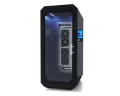
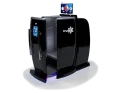
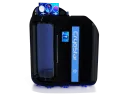
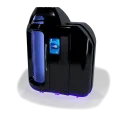
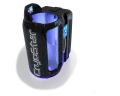
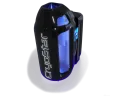
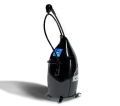
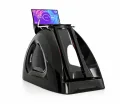
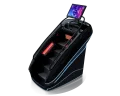
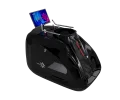
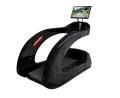
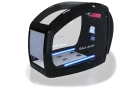
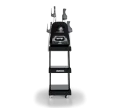
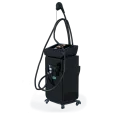
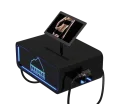
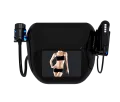
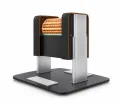
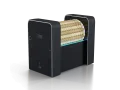
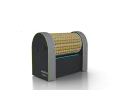
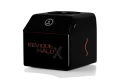
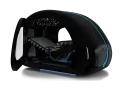
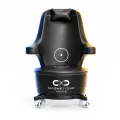
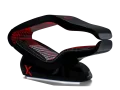
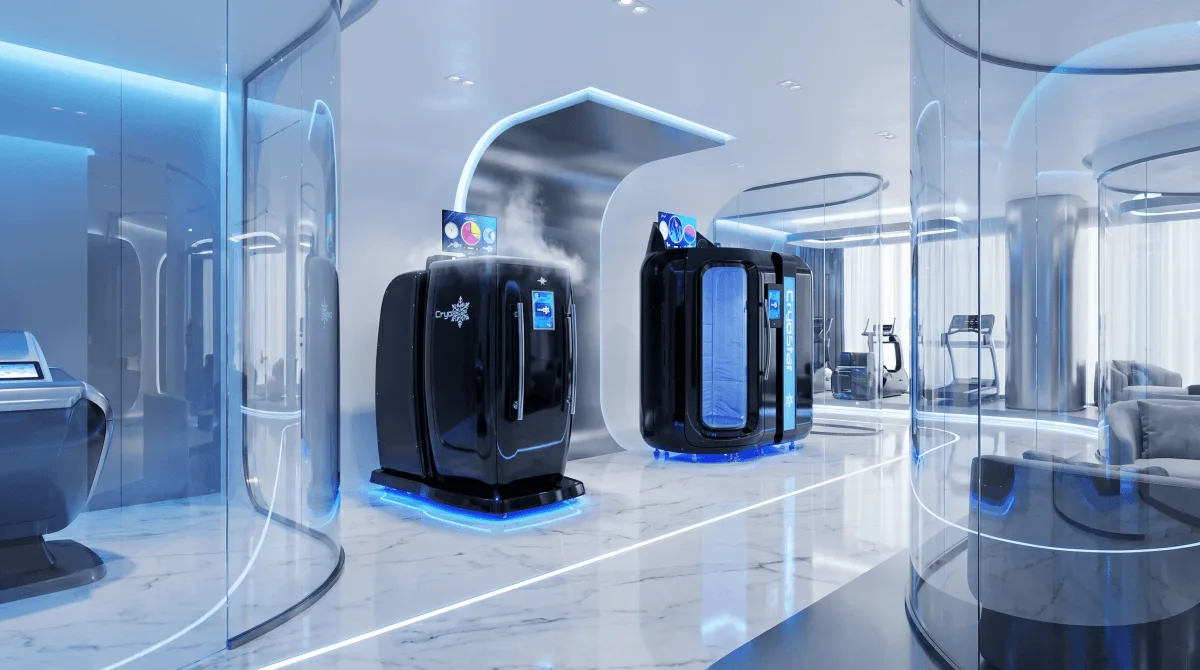
ولهذا السبب فإن عائلات المنتجات مثل غرفة العلاج بالتبريد CryoStar و غرفة العلاج بالتبريد الكهربائي في أنتاركتيكا لن تكون مهمة في عام 2026 كخيارات للمعدات فحسب، بل كأمثلة على كيفية تقسيم السوق حسب التكنولوجيا وسير العمل وحالة الاستخدام التجاري.
ماذا تعني هذه التوجهات لعام 2026 للمشغلين والمشترين؟
بالنسبة لأي شخص يقيّم العلاج بالتبريد هذا العام، فإن الدرس الأساسي هو أن السوق يتشكل بفعل عدة قوى في آن واحد: النمو المستمر، واعتماد الكهرباء، ومنطق المعدات الأكثر ذكاءً، وتوحيد البروتوكولات، وتسلسل الأساليب، والثقة القائمة على السلامة. الفرصة واضحة: فالعلاج بالتبريد أصبح الآن متوافقاً مع مفاهيم تجارية أكثر من ذي قبل. أما التحدي فيكمن في أن هذا المجال يتطلب أيضاً تفكيراً أكثر انضباطاً.
في عام 2026، من المرجح أن يكون المشغلون الأقوى هم أولئك الذين يدركون أن اختيار غرفة التبريد ليس سوى جزء واحد من المعادلة التجارية. فالشركات الأكثر استدامة ستُواءم اختيار المعدات مع نموذج التشغيل، وكفاءة الموظفين، ومكانة العلامة التجارية، والمنظومة العلاجية الأوسع. هذا هو الفرق الحقيقي بين غرفة تبريد تبدو رائعة فحسب، وخدمة علاج بالتبريد تُحقق أداءً جيدًا على المدى الطويل.
النظرة النهائية
يمكن فهم صناعة العلاج بالتبريد في عام 2026 على أنها سوق تنتقل من مرحلة الحماس إلى مرحلة البنية التحتية. لا يزال النمو مهمًا، لكن النضج أهم. وتشهد هذه الفئة نموًا متزايدًا في قابليتها للتوسع، وتوحيدًا للمعايير، ودعمًا رقميًا أكبر، وتكاملًا أعمق في بيئات الصحة والعافية المتميزة.
بالنسبة لعلامات تجارية مثل Vacuactivus، يُتيح ذلك فرصةً للريادة بوضوح بدلاً من المبالغة. ستكون الشركات الأكثر ترجيحاً للفوز في دورة نمو الصناعة القادمة هي تلك التي تجمع بين المعدات القوية والبروتوكولات الفعّالة والمنطق التجاري السليم. إذا كنت ترغب في متابعة كيفية تطور هذه الفئة على مستوى المعدات، فإن النطاق الأوسع أخبار فاكوأكتيفوس القسم والكامل غرف العلاج بالتبريد تُعدّ التشكيلات محطات عملية تالية للمقارنة والتخطيط.
التعليمات
هل لا تزال صناعة العلاج بالتبريد تنمو في عام 2026؟
نعم. لا تزال توقعات السوق الحالية تشير إلى التوسع، على الرغم من أن حجم السوق يختلف اعتمادًا على ما إذا كان المصدر يقيس سوق العلاج بالتبريد الأوسع أو شريحة أجهزة أضيق.
لماذا تحظى أنظمة العلاج بالتبريد الكهربائي باهتمام متزايد في عام 2026؟
وترتبط هذه التقنيات بشكل متزايد بانخفاض العبء اللوجستي، وسهولة التركيب، وتقليل الاعتماد على توصيل الغاز المتكرر، والتكامل الأنظف في بيئات الصحة التجارية.
ما الجديد في نقاش عام 2026 مقارنة بالسنوات السابقة؟
أكبر تحول هو الانتقال نحو النضج: توحيد البروتوكولات، والتسلسل الذكي، وممارسات السلامة المرئية، والنشر التجاري الأكثر تنظيماً.
هل أصبح الذكاء الاصطناعي بالفعل عنصراً أساسياً في عمليات العلاج بالتبريد؟
إنها ظاهرة ناشئة وليست عالمية. وتشمل أبرز استخداماتها العملية الموصوفة في المصادر الحالية المراقبة، والصيانة التنبؤية، ودعم البروتوكولات، والتخطيط، والالتزام، وتتبع التقدم.


