














Ползи от криосауната за кожата: Колаген, тонус и блясък
Криосауна сесиите излагат тялото – и кожата – на силен студ в продължение на една до три минути. По време на това кратко излагане, малките кръвоносни съдове на кожата се свиват бързо и когато тялото се затопли отново, кръвообращението се възстановява с прилив на наситена с кислород кръв към повърхността. Уелнес специалистите описват този цикъл като подпомагащ колагеновата активност, тонуса на кожата, микроциркулацията и ‘сиянието’, което клиентите описват след сесията. Ето какво всъщност прави студената терапия на кожата ви, какво показват настоящите изследвания и реалистичните резултати спрямо маркетинговата реклама.
Тази статия разглежда криотерапията само за цели, свързани с общото благосъстояние и здравето на кожата — тя не е заместител на дерматологичните грижи и не обещава козметични резултати. С тази ясна рамка, науката е наистина интересна.
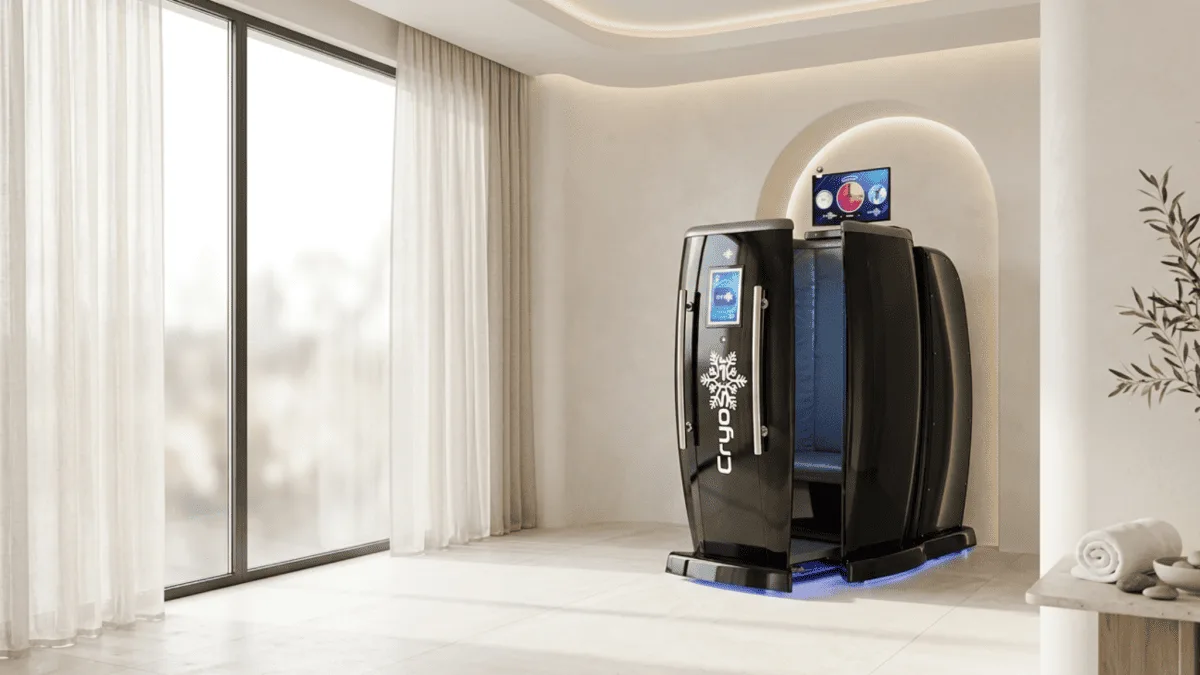
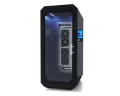
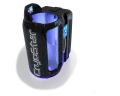
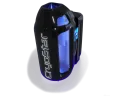
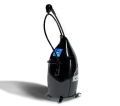
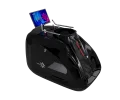
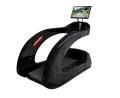
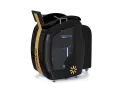
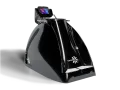
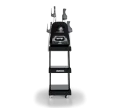
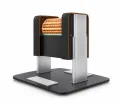
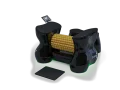
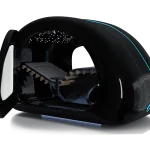
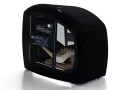
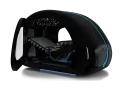
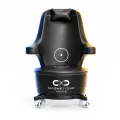
Представено изображение: Криосауна Vacuactivus CryoStar в първокласна уелнес спа обстановка
Как студената терапия влияе на кожата ви: Основна физиология
Когато кожата ви е изложена на силен студ, две неща се случват бързо последователно. Първо, периферните кръвоносни съдове се свиват (вазоконстрикция) - рефлекс за оцеляване, който пренасочва кръвта към сърцевината на тялото и далеч от изложената на студ повърхност. Второ, когато излагането на студ приключи и тялото се затопли отново, същите тези съдове се разширяват (вазодилатация) и кръвообращението се връща към кожата със силен прилив на кръв.
Този цикъл на вазоконстрикция-вазодилатация е централният механизъм зад повечето твърдени ползи за кожата от криотерапията. Бързият цикъл на кръвообращение е свързан с повишено доставяне на кислород и хранителни вещества до кожните клетки, лимфна активация и видимия зачервен вид, който много клиенти виждат веднага след сеанса. Криотерапията също така създава временно усещане за стягане, тъй като кожата реагира на промяната в температурата.
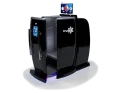
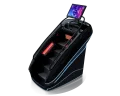
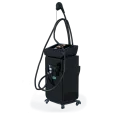
Криосауните довеждат този физиологичен цикъл до крайност — температури от −110°C до −170°C за една до три минути предизвикват много по-силна вазоконстрикция и реакция на затопляне, отколкото хладните душове, ледените компреси или дори ледените вани. Вакуактивус КриоСтар е търговска криосауна, проектирана специално за този вид сесия на излагане на цялото тяло на студ.
Криотерапията наистина ли стимулира колагена?
Това е най-често заявената – и най-често погрешно представяна – полза. Ето я честната версия.
Колагенът е структурният протеин, който придава на кожата твърдост и еластичност. Фибробластите - кожните клетки, които произвеждат колаген - са чувствителни към стресови сигнали, температурни промени и кръвообращение. Краткото, интензивно излагане на студ се счита за хормонален стресор, а изследванията върху хормезиса показват, че кратките изблици на контролиран стрес могат да предизвикат клетъчни възстановителни реакции, включително пътища за производство на колаген.
Какво показват настоящите изследвания: редовната криотерапия е свързана с подобрена циркулация на кожата и може да подпомогне естествената колагенова активност с течение на времето, особено когато се комбинира с други здравословни практики за кожата (защита от слънцето, хидратация, балансирано хранене). Какво не прави: драстично обръща съществуващата загуба на колаген от години на увреждане от слънцето, не замества дерматологичните процедури, предназначени за стимулиране на колагена, нито води до незабавно видимо стягане.
Студиа, които позиционират криотерапията като ‘колагеново лечение’, преувеличават цената. Студиа, които я позиционират като ‘подпомага естествените процеси на кожата ви’, са прави. Честната формулировка печели както доверието на клиентите, така и регулаторната яснота.
Какво всъщност забелязват клиентите след сесиите
Оставете настрана маркетинговия език и вижте какво постоянно съобщават клиентите на криосауната:
- Незабавен блясък след сесията — възстановеното кръвообращение придава на кожата видимо по-жизнен, леко зачервен вид в продължение на няколко часа след сесията — това е реално и е постоянно при всички клиенти.
- Временно усещане за стягане на кожата — излагането на студ създава забележимо стягащо усещане, особено на лицето, шията и деколтето. Ефектът е краткосрочен, но незабавен.
- Намалена подпухналост — излагането на студ и лимфната активация често намаляват подпухналостта на лицето и зоната около очите, поради което някои клиенти насрочват сеанси с криосауна преди големи събития.
- По-спокойна кожа — много клиенти с чувствителна или реактивна кожа съобщават, че редовните сесии са свързани с по-малко видима реактивност с течение на времето, въпреки че индивидуалните резултати варират значително.
- По-добро възстановяване след интензивни тренировки — спортистите често отбелязват, че възстановяването на кожата и цялостното тяло се ускорява, когато криотерапията е част от рутината им — включително външния вид на кожата след високоинтензивни тренировки.
Криосауна за цяло тяло срещу локализирана криосауна за лице
Два различни подхода за криотерапия са насочени към ползите за кожата и не са един и същ продукт.
Криосауна за цяло тяло и кожа
Криосауната третира цялото тяло – включително повърхността на кожата във всички открити зони – с екстремен студ в продължение на една до три минути. Ползите за кожата са системни: подобрена циркулация в цялото тяло, лимфна активация и обща жизненост след сесията, която клиентите описват. Това е най-често срещаният подход в уелнес студиата.
Локализирани крио процедури за лице
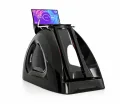
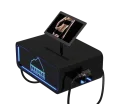
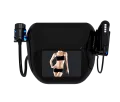
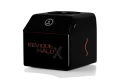
Локализираните устройства за криотерапия са насочени към специфични зони - лице, шия, деколте - с контролиран студен въздух или течен азот при малко по-ниски температури. Сеансите продължават от 5 до 15 минути и фокусират студеното излагане прецизно върху кожата. Вакуаактивус Айсберг Електрик е търговско електрическо локализирано крио устройство, често използвано за процедури за лице и тяло.
Повечето първокласни уелнес студия предлагат и двете - криосауна за цялото тяло за системен ефект и локализирани процедури като целенасочени добавки. Комбинираният протокол е често срещана допълнителна услуга, която значително увеличава средната цена на посещение на клиент.
Реалистични очаквания: Какво може и какво не може да направи криотерапията
Честната комуникация с клиентите е един от най-силните инструменти за задържане на клиенти, с които разполага едно студио. Ето реалистичната рамка, която изгражда дългосрочно доверие:
Какво криотерапията поддържа за кожата
- Подобрена микроциркулация в кожата (добре документиран физиологичен ефект)
- Временно усещане за стягане и намалена подпухналост (незабавно, краткосрочно)
- Сияние и видима жизненост след сесията (постоянни при всички клиенти)
- Възможна подкрепа за естествената колагенова активност при последователни сесии (хормезисно-базирано фрейминг)
- По-спокоен цялостен вид на кожата, когато се комбинира с по-широки здравословни практики
Какво не прави криотерапията
- Заменете дерматологичните лечения за специфични кожни проблеми (акне, тежка розацея, мелазма и др.)
- Обърнете години на увреждания от слънцето с една сесия - или дори с една година
- Премахване на дълбоки бръчки или значителна загуба на обем
- Заместител на слънцезащитни продукти, хидратация или основни продукти за грижа за кожата
- Лекувайте всяко медицинско кожно състояние
Студиата, които преувеличават криотерапията като козметично-медицинско лечение, рискуват както регулаторни проблеми, така и разочарование от страна на клиентите, когато резултатите не съответстват на маркетинга. Студиата, които я формулират точно – като подкрепяща уелнес практика – изграждат доверие, което е водещо до дългосрочни членства.
За кого криотерапията е подходяща (и кой трябва да я пропусне)
За цели, фокусирани върху кожата, криотерапията е подходяща за клиенти, които искат да подпомогнат съществуващата си рутинна грижа за кожата с допълнителна уелнес практика, търсят неинвазивно допълнение към дерматологичните грижи, ценят незабавния видим блясък за събития или фотосесии или се радват на по-широките ползи за възстановяване и енергия на кожата като един от няколкото положителни резултата.
Криотерапията не е подходяща за клиенти със студова алергия (криоглобулинемия), синдром на Рейно, бременност, тежки сърдечно-съдови заболявания или неконтролирана хипертония, отворени рани, скорошни хирургични интервенции, активни кожни инфекции или тежки респираторни заболявания. Винаги преглеждайте клиентите внимателно преди сеансите. Вижте нашите Ръководство за безопасност при криосауна за пълни протоколи за противопоказания.
Колко често за видими кожни ефекти?
Единичните сесии осигуряват непосредственото усещане за блясък и стягане след процедурата, но кумулативните ефекти върху външния вид на кожата – видът, за който клиентите всъщност резервират абонаменти – обикновено изискват постоянство.
Типични за индустрията препоръки за криотерапевтични програми, фокусирани върху кожата:
- Начална интензивна фаза — две до три сесии седмично през първите четири до шест седмици за установяване на базов отговор.
- Фаза на поддръжка — една до две сесии седмично, интегрирани с по-широки процедури за грижа за кожата.
- Подготовка на събитието — единични сесии 24–48 часа преди значими събития за видим блясък и намалено подпухнало лице.
Тези честоти отразяват консенсуса в уелнес индустрията, а не медицинското предписание. Индивидуалният отговор варира значително – някои клиенти виждат забележими промени в рамките на две седмици, други се нуждаят от осем до дванадесет седмици постоянство, преди разликите да станат видими за останалите.
Често задавани въпроси
Криотерапията наистина ли стимулира производството на колаген?
Изследванията показват, че контролираното излагане на студ може да подпомогне естествената колагенова активност чрез хормезис - адаптивната реакция на организма към краткотраен стрес. Това не е директно колагеново лечение по начина, по който са медицинските процедури, предназначени за стимулиране на колаген. Честната формулировка: криотерапията може да подпомогне естествените процеси на кожата ви, но не е заместител на клиничните дерматологични лечения, фокусирани върху колаген.
Ще видя ли резултати след една сесия в криосауна?
Да — но те са временни. След една сесия повечето клиенти виждат незабавен блясък, леко усещане за стягане и намалена подпухналост, които траят от няколко часа до един ден. Кумулативните, по-дълготрайни промени във външния вид на кожата обикновено изискват редовни сесии в продължение на няколко седмици.
Криотерапията за цялото тяло по-добра ли е от криотерапията за лице за кожата?
Те служат за различни цели. Криосауната за цялото тяло осигурява системна циркулация и ползи за възстановяването, като кожата е един от няколкото положителни ефекта. Локализираните криосауни за лице са насочени специално към лицето с по-дълго и по-фокусирано излагане на студ. Повечето първокласни уелнес студия предлагат и двете - много клиенти използват сесиите за цяло тяло като своя редовна рутина и добавят локализирани процедури за лице преди събития.
Колко дълго трае блясъкът след сесията?
Незабавното видимо зачервяване обикновено трае от два до шест часа, с по-фина жизненост, която продължава от 12 до 24 часа. Клиентите, които използват сесиите редовно, често съобщават за подобрен външен вид на кожата в сравнение с изходното ниво, който се запазва между сесиите, въпреки че индивидуалните резултати варират.
Може ли криотерапията да замести посещенията ми при дерматолог?
Не. Криотерапията е уелнес практика, а не медицинско лечение. Всеки клиент със специфични кожни проблеми – персистиращо акне, розацея, кожни образувания, съмнение за рак на кожата или други кожни състояния – трябва да се консултира със сертифициран дерматолог. Криотерапията може да допълни дерматологичните грижи, но никога да не ги замести.
Криотерапията безопасна ли е за чувствителна кожа?
За повечето клиенти с чувствителна кожа, да - излагането на студ е кратко и не включва никакви локални продукти, които биха могли да предизвикат реакции. Клиенти със специфична чувствителност към студ, съдови заболявания като синдром на Рейно или активно кожно възпаление трябва да се консултират с дерматолог преди сеансите. Винаги проверявайте противопоказанията по време на приема на клиента.
Заключение
Криотерапията поддържа кожата чрез естествената циркулация на тялото и адаптивния отговор на стреса, а не чрез някакъв директен козметично-медицински механизъм. Честното обобщение: редовните сеанси в криосауна са свързани с подобрена микроциркулация, незабавна жизненост след сесията, временно стягане и евентуална подкрепа за естествената колагенова активност с течение на времето. Те не заместват дерматологичните грижи, слънцезащитните продукти или основната грижа за кожата, но като поддържаща практика, интегрирана в по-широка уелнес рутина, ползите, свързани с кожата, са реални и постоянно се отчитат.
За уелнес студиата, точното формулиране на ползите за кожата от криотерапията е най-силната възможна маркетингова позиция. Реалистичните очаквания изграждат трайни членства; твърденията за свръхпродажба водят до искания за възстановяване на суми. Оборудването, което ефективно осигурява студено излагане – независимо дали става въпрос за криосауна за цяло тяло или за локализирани крио устройства за лице – е основата, която прави останалото възможно.
Разгледайте търговското оборудване за криотерапия: → vacuactivus.com


