










Азотна срещу електрическа криотерапия: Как работи всяка технология
4.21.2026
Тъй като студената терапия за цялото тяло става все по-видима в бизнесите, свързани с уелнес, възстановяване и естетика, един от най-често задаваните въпроси на купувачите е прост: Каква е истинската разлика между азотната и електрическата криотерапия? На пръв поглед и двете технологии обещават един и същ резултат от широката категория. И двете принадлежат към света на камери за криотерапия на цялото тяло, и двата са предназначени да провеждат кратки, контролирани сесии на излагане на студ в търговска среда.
Двете системи обаче не работят по един и същи начин. Те се различават по метода си на охлаждане, изискванията за инфраструктура, оперативния работен процес, въздушната среда, профила на поддръжка и вида бизнес модел, на който може да са най-подходящи. Поради тази причина фразата азотна срещу електрическа криотерапия не е просто техническо сравнение. Това е и практичен въпрос за закупуване от студиа, спа центрове, центрове за възстановяване и клиники, които се опитват да изградят правилната линия услуги за студена терапия.
Това ръководство обяснява как работи всяка технология, къде основните разлики всъщност са от значение и как да се разглежда категорията в търговска среда, без да се опростява прекалено.
Защо това сравнение е важно
Пазарът на криотерапия често се описва с общ, маркетингово наситен език, което затруднява начинаещите и бизнес купувачите да разберат основната технология. камери за криотерапия Категорията във Vacuactivus представя сегмента като категория професионално оборудване, която включва камери за криотерапия на цялото тяло и допълнителни решения за възстановяване, подкрепени от инсталиране, обучение и гаранционна поддръжка. Това рамкиране е полезно, защото веднага ни казва, че това не е дискусия за джаджи. Това е оборудване и операции дискусия.
На практика, когато някой сравнява азотна и електрическа криотерапия, той обикновено иска отговори на пет въпроса: колко студена става системата, как се генерира студът, какво е усещането на клиента, какви са изискванията за монтаж и кой формат е по-лесен за комерсиална експлоатация. Това са въпросите, които всъщност определят дали една криотерапевтична камера е подходяща за бизнеса.
Какво представлява азотната криотерапия
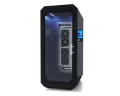
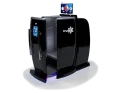
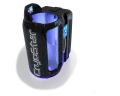
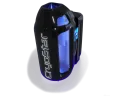
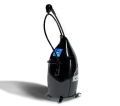
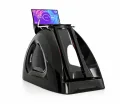
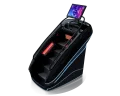
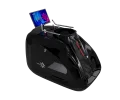
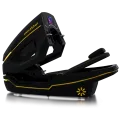
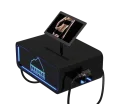
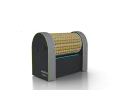
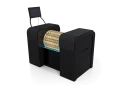
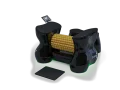
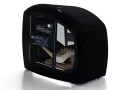
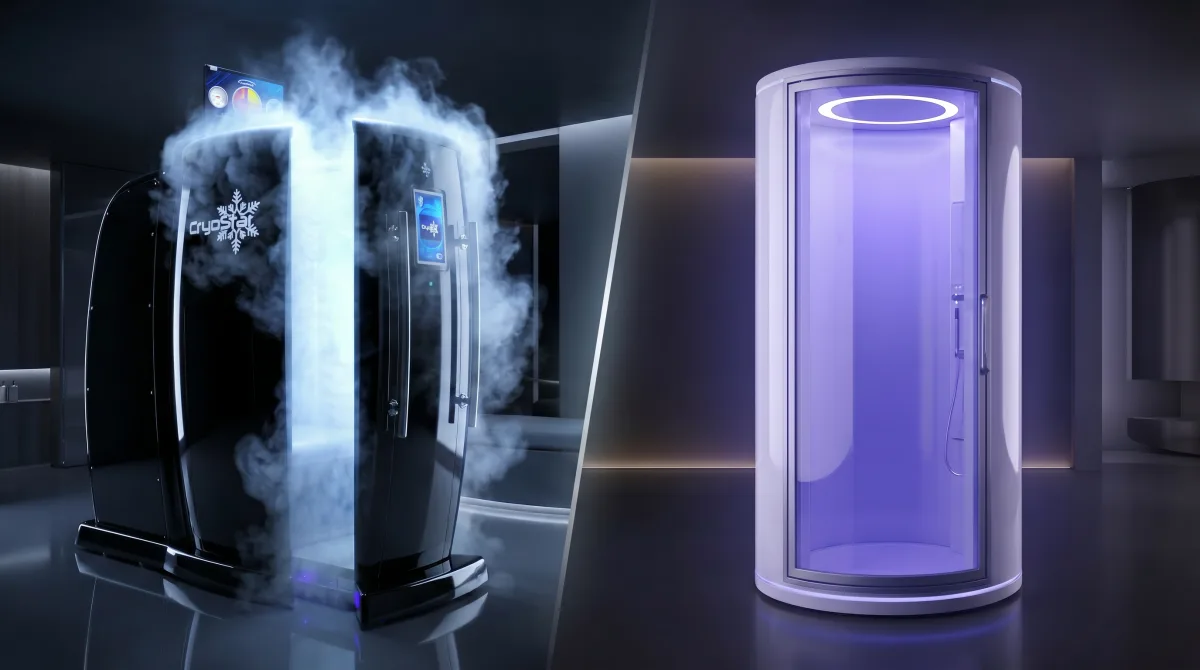
Криокамера с азот използва течен азот като част от процеса на охлаждане, за да създаде ултрастудена среда за лечение на кратки сеанси за цялото тяло. Криотерапевтична камера CryoStar, Vacuactivus заявява, че системата е базирана на течен азот и е предназначен за криотерапия на цялото тяло при приблизително -120°C до -170°C за сесии от около от една до три минути.
Това описание отразява класическото пазарно разбиране за криотерапията. Системите на основата на азот обикновено са това, което много хора си представят първо, когато чуят думите криосауна или криотерапевтична камера. Категорията е свързана с много студени, краткотрайни сесии и с приложения, обхващащи спорт, рехабилитация, козметология и услуги, фокусирани върху уелнес.
Vacuactivus също така подчертава редица технически характеристики, предназначени да подобрят азотното изживяване, включително технология за индиректно азотно пръскане, намалена консумация на азот, по избор термовизионна камера функционалност и монтирани сензори за ниво на кислород на по-високите версии. Тези подробности са важни, защото показват, че азотната криотерапия не е просто “студен азот в кабина”. Съвременните системи са проектирани около разпределението, контрола, мониторинга на безопасността и по-последователното изпълнение на сесиите.
Как работи азотната криотерапия
От оперативна гледна точка, азотната криотерапия разчита на течен азот, за да създаде ултраниски температури в камерата. Страницата на CryoStar описва система, при която технологията за индиректно пръскане помага за по-равномерното разпределение на азотните пари в камерата, с цел поддържане на задържане на студ и намаляване на рисковете от директно излагане.
“Технологията за индиректно азотно пръскане, използваща платинени инжекционни дюзи в центъра на криокамерата, помага за намаляване на консумацията на азот до 3–5 литра на сесия.” — Страница на продукта CryoStar
Това е важен детайл, защото показва, че действителният инженерен въпрос не е само колко студено системата получава, но как се доставя и контролира студът. С други думи, азотната камера се оценява не само по температурния диапазон, но и по качеството на разпределение, оперативната ефективност и функциите за мониторинг.
За много търговски купувачи, криотерапията на основата на азот остава привлекателна, защото е силно свързана с традиционната категория криотерапия, много ниските температурни диапазони и ясно позиционираната като първокласна студена терапия. На страницата на CryoStar, Vacuactivus допълнително отбелязва консумацията на азот от приблизително 3–5 кг на сесия/предварително охлаждане, което е по-скоро практическа оперативна променлива, отколкото просто технически детайл.
Какво е електрическа криотерапия
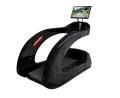
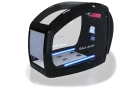
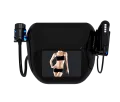
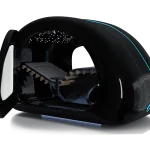
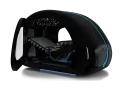
Електрическата криотерапия използва технология за електрическо охлаждане, а не течен азот, за да създаде среда за студена терапия на цялото тяло. Електрическа криотерапевтична камера в Антарктида, Vacuactivus описва системата като камера, която охлажда въздуха през електрическа енергия, като се набляга на удобството, автоматизацията и безазотния оперативен модел.
Страницата представя електрическата криотерапия като по-нов, по-лесен за ползване формат в рамките на същата категория студена терапия. Вместо да се занимава с логистиката на течен азот, системата е позиционирана като автономна камера с автоматизирани сесии и удобство за „plug-and-play“.
Това разграничение е важно, защото веднага променя разговора за покупка. При електрическата криотерапия въпросът става по-малко за боравенето с газовете и повече за изисквания за захранване, охлаждаща архитектура, условия на монтаж, и простота на работния процес. Камерата е описана като предлагаща дишаем въздух вътре в кабината и модел за обслужване на цялото тяло без азот, което я прави особено подходяща за оператори, които дават приоритет на простотата и комфорта на потребителя.
Как работи електрическата криотерапия
Страницата на Antarctica Electric дава необичайно ясно описание на техническата логика. Според Vacuactivus, камерата използва топлообменник, компресор, сепаратор на течности и изпарител, а принципът му на действие е сравнен с този на фризер. Въздухът вътре в камерата се охлажда с електрически средства, а не чрез подаване на азот.
Това означава, че студът се генерира чрез хладилна охладителна система, вградена в самата машина. На страницата на продукта е посочено също, че не е необходим азот за охлаждане, и че системата може да бъде конфигурирана за въздушно охлаждане, водно охлаждане или версии с чилър в зависимост от модела и изискванията за монтаж.
Резултатът е много различен оперативен профил. Електрическата криотерапия се предлага на пазара като напълно автоматизиран, plug-and-play, и подходящ за 12+ часа непрекъсната търговска работа, в зависимост от версията. Въпреки че азотните системи може да са по-прости в някои отношения, отколкото хората предполагат, електрическите системи очевидно се позиционират около удобството на оператора и независимостта на инфраструктурата от газоснабдяването.
Основната технологична разлика в една таблица
Размер | Азотна криотерапия | Електрическа криотерапия |
|---|---|---|
Източник на охлаждане | Охлаждане на базата на течен азот | Електрически генериран студен въздух |
Типично позициониране | Традиционен формат на криотерапевтична камера | Модерен формат на камера без азот |
Позициониране на температурата | На страницата на CryoStar са посочени приблизително -120°C до -170°C | Страницата на Antarctica Electric изброява до около -100°C в зависимост от версията |
Оперативни входове | Изисква снабдяване с азот и свързан работен процес | Не е необходим азот за охлаждане |
Въздушна среда | Дизайнът на камерата зависи от модела и системата за управление | Страницата набляга на дишащия кислороден въздух в кабината |
Търговски ъгъл | Силна класическа криотерапевтична идентичност и ултрастудено позициониране | Удобство, автоматизация и опростен работен процес на оператора |
Електрическа срещу азотна криотерапия: какво може да се почувства потребителят
Въпреки че и двете системи принадлежат към една и съща категория, преживяването по време на сесията може да бъде оформено по различен начин. Азотните системи обикновено се свързват с класическото криотерапевтично преживяване: интензивен студ, кратки сесии и първокласната идентичност на специализирана криотерапевтична камера. Електрическите системи, от друга страна, често се предлагат на пазара като по-достъпни и лесни за експлоатация, особено за заведения, които искат лечение на цялото тяло, без да разчитат на подаване на азот.
Вакуактивус изрично подчертава кислороден дишащ въздух в електрическата камера и позиционира това като част от профила на комфорт и използваемост на електрическата система на Антарктика. Това не прави автоматично един формат универсално “по-добър” от другия. Това просто означава, че двете технологии решават един и същ проблем с категорията по различни начини.
Що се отнася до точността на съдържанието, най-отговорният извод е, че клиентското преживяване зависи от точната камера, настройката, дизайна на сесията и насоките на оператора. Технологията оформя преживяването, но преживяването се оформя и от това как бизнесът пакетира и предоставя услугата.
Разлики в инсталацията и инфраструктурата
За собствениците на бизнес това е една от най-решаващите части от сравнението. Криокамерата не се избира само въз основа на маркетинговата привлекателност. Тя трябва да е подходяща за сградата, комуналните услуги, работния процес и възможностите на персонала.
Страницата на CryoStar посочва стандартна опция за захранване, наред с използването на азот, с относително ниска консумация на енергия в сравнение с електрическата камера, изискваща повече инфраструктурни ресурси. Междувременно страницата на Antarctica Electric отбелязва, че някои версии може да изискват трифазно захранване, възможни водопроводни връзки и специфичен преглед на инсталацията в зависимост от конфигурацията на охлаждането.
Ето защо фразата електрическото е по-лесно трябва да се използва внимателно. Електрическата криотерапия може да е по-лесна от гледна точка на азотната логистика, но това не означава, че винаги е по-проста от гледна точка на абсолютната инсталация. В много случаи е по-точно да се каже, че електрическата криотерапия предлага... различен профил на оперативна сложност. Предизвикателството се измества от доставката на азот и обработката на газ към електрическите и строителните изисквания.
Сравнението по-долу помага да се изясни този момент.
Бизнес обмисляне | Извод за азотната система | Електрическа система за вкъщи |
|---|---|---|
Консумативи | Изисква азот като част от работата | Не е необходим азотен консуматив за охлаждане |
Планиране на комунални услуги | Трябва да се вземе предвид работният процес с азот и мощността на камерата | Трябва да се вземе предвид електрическото натоварване и, в някои версии, изискванията за охлаждане/водопровод |
Работа с персонала | Оперативното обучение все още е от значение, особено по отношение на процедурите за излагане на студ | Силно позиционирани около автоматизацията и лекотата на използване |
Търговска приемственост | Производителността зависи отчасти от управлението на доставките | Препоръчва се за дълги търговски оперативни прозорци до 12+ часа |
Безопасност, контрол и мониторинг
Една достоверна статия за криотерапия трябва да избягва опростени твърдения и да се фокусира върху това как производителите говорят за оперативните предпазни мерки. На страницата на CryoStar, Vacuactivus подчертава сензори за ниво на кислород, термично зрение опции и технология за индиректно азотно пръскане, предназначена да намали рисковете от директно излагане и да подобри равномерното охлаждане. На страницата на Antarctica Electric, ключовият език за безопасност и контрол е съсредоточен върху среда без азот, автоматизирани сесии, и дишаем въздух вътре в камерата.
Това са различни наративи за безопасност, изградени около различни технологии. Азотните системи наблягат на управляваното охлаждане на базата на газ с мониторинг и контрол на разпределението. Електрическите системи наблягат на контролираното генериране на студен въздух без зависимост от азот. Нито един от наративите не бива да се свежда до опростен лозунг. Истинският въпрос на купувача е кой модел на управление най-добре съответства на оперативните предпочитания на съоръжението и очакванията на клиента.
Важно е също да се отбележи, че Vacuactivus включва отказ от отговорност, че тези системи са предназначени за само за спортно възстановяване, рехабилитация и фитнес и уелнес цели, и са не са медицински продукти, одобрени от FDA. Това разграничение трябва да остане видимо във всяко отговорно образователно съдържание.
Коя технология е по-добра за уелнес или възстановяващ бизнес?
Няма универсален отговор, защото правилният избор зависи от бизнес модела. Заведение, което иска класическа криотерапевтична идентичност и се чувства комфортно да работи в рамките на азотен работен процес, може да намери система като... Криотерапевтична камера CryoStar силно завладяващ. Бизнес, който иска модел на обслужване без азот с автоматизирана работа и силно изразено удобство, може да е по-добре съобразен с... Електрическа криотерапевтична камера в Антарктида.
По-стратегическият въпрос не е “Коя машина звучи по-модерно?”, а “Коя камера е подходяща за моето местоположение, техническа настройка, екип, позициониране и дизайн на услугата?”. Това е по-добрият начин да оцените категорията, ако изграждате или разширявате предлагане на студена терапия.
На практика много купувачи не би трябвало да започнат с един-единствен модел, а с по-широкия камери за криотерапия категория и едва след това да стесните решението въз основа на инфраструктурата, стила на работа и целевата клиентела.
Окончателно заключение
И така, в азотна срещу електрическа криотерапия сравнение, основната разлика е ясна: Азотните системи използват течен азот за създаване на ултрастудени условия за третиране, докато електрическите системи генерират студен въздух чрез електрическа охладителна технология.. И двете принадлежат към един и същ пазар за криотерапия на цялото тяло, но са изградени около различна оперативна логика и различни търговски предимства.
Азотните камери са склонни да се съчетаят с класическия образ на криотерапията, ултрастуденото позициониране и охлаждането на газова основа. Електрическите камери са склонни да се съчетаят с автоматизация, работа без азот и удобен търговски работен процес. Нито един от форматите не е автоматично подходящ за всеки бизнес. Правилният избор зависи от това какъв вид камерно изживяване искате да предоставите и какъв оперативен модел може да поддържа вашето съоръжение.
Ако искате да сравните двата подхода в контекста на гама от търговско оборудване, най-добрата следваща стъпка е да прегледате пълния Вакуактив криотерапия и сравнение на Криотерапевтична камера CryoStar с Електрическа криотерапевтична камера в Антарктида. Това дава много по-реалистична картина за това как технологичната разлика се превръща в реални бизнес решения.


