











Υπολογιστής απόδοσης επένδυσης (ROI) Cryosauna: Χρονοδιάγραμμα αποπληρωμής CryoStar
Μια κρυοσάουνα εμπορικής ποιότητας κοστίζει συνήθως από 1,460.000 έως 1,490.000 δολάρια σε εξοπλισμό, συν άλλα 1,440.000 έως 1,480.000 δολάρια σε ανάπτυξη, κεφάλαιο κίνησης και μάρκετινγκ έναρξης. Αυτά είναι πραγματικά χρήματα - και το μόνο ερώτημα που έχει σημασία είναι πόσο γρήγορα θα αποδώσουν. Αυτό το άρθρο σας δίνει το πλήρες μοντέλο απόδοσης επένδυσης (ROI): τον τύπο, τις μεταβλητές, τα ρεαλιστικά εύρη και τα λειτουργικά σενάρια που δείχνουν πώς φαίνεται στην πραγματικότητα η απόσβεση σε διαφορετικά επίπεδα ζήτησης. Συνδυάστε το με το επιχειρηματικό σας σχέδιο, τον λογιστή σας ή την τηλεφωνική σας επικοινωνία πωλήσεων με έναν κατασκευαστή - τα μαθηματικά δεν αλλάζουν.
Δύο πράγματα εξαρχής. Πρώτον, πρόκειται για τυπική μοντελοποίηση του κλάδου για σκοπούς σχεδιασμού, όχι για οικονομικές συμβουλές — οι πραγματικοί σας αριθμοί εξαρτώνται από την αγορά, την τιμολόγηση και τις λειτουργίες σας. Δεύτερον, ο όγκος της ζήτησης είναι η πιο σημαντική μεταβλητή. Ο ίδιος εξοπλισμός με 200 συνεδρίες ανά μήνα και 600 συνεδρίες ανά μήνα παράγει εντελώς διαφορετικά αποτελέσματα απόδοσης επένδυσης (ROI). Κάντε τη σωστή πρόβλεψη ζήτησης και τα υπόλοιπα μαθηματικά ακολουθούν.
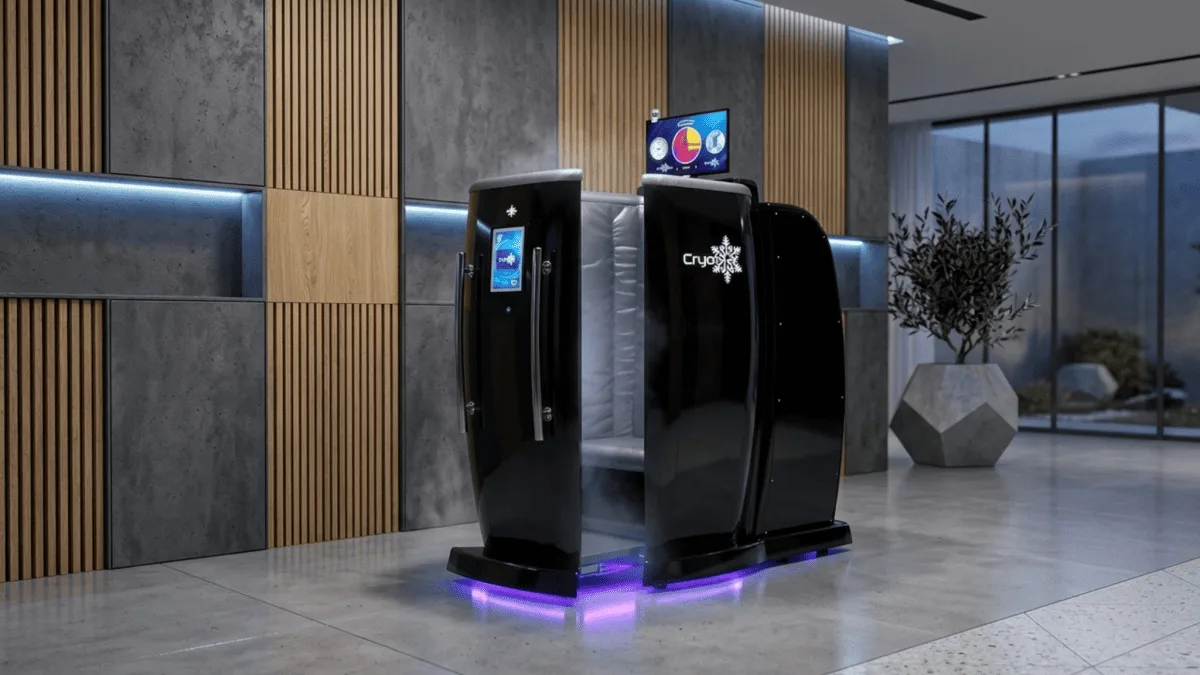
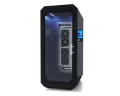
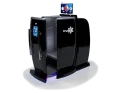
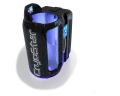
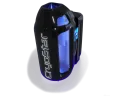
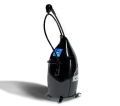
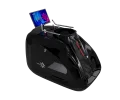
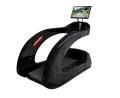
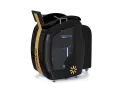
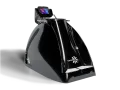
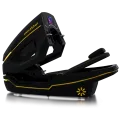
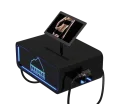
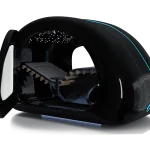
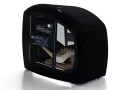
Προτεινόμενη εικόνα: Κρυοσάουνα Vacuactivus CryoStar με οπτικοποίηση πίνακα ελέγχου ROI
Η φόρμουλα ROI της Κρυοσάουνας
Αφαιρέστε όλη την διαφημιστική γλώσσα και ο υπολογισμός της απόδοσης επένδυσης (ROI) της κρυοσάουνας είναι απλή αριθμητική. Πέντε δεδομένα καθορίζουν τα πάντα:
- Συνολικό κεφάλαιο εκκίνησης — εξοπλισμός + ανάπτυξη + κεφάλαιο κίνησης + μάρκετινγκ έναρξης. Συνήθως $100.000 έως $200.000 για ένα στούντιο με μία κρυοσάουνα.
- Συνεδρίες ανά μήνα κατά τη λήξη — η απόδοση που πραγματικά συγκεντρώνει το στούντιό σας μόλις περάσει η φάση της αύξησης. Η πιο ασταθής μεταβλητή και αυτή που υπερεκτιμάται συχνότερα.
- Μέσο έσοδο ανά συνεδρία — μικτή τιμή σε μεμονωμένες συνεδρίες, πακέτα και συνδρομές. Συνήθως $40–$75 στις περισσότερες αγορές της Βόρειας Αμερικής και της ΕΕ.
- Μηνιαία πάγια έξοδα — ενοίκιο, λογικά έξοδα, προσωπικό, λογισμικό, ασφάλιση, μάρκετινγκ. Συνήθως $8.000–$13.000 για ένα στούντιο σε μία τοποθεσία.
- Μηνιαία μεταβλητά κόστη — υγρό άζωτο (για κρυοσάουνες αζώτου), αναλώσιμα ανά συνεδρία, τέλη συναλλαγής. Περίπου $3–$7 ανά συνεδρία για εξοπλισμό αζώτου.
Μόλις έχετε αυτές τις πέντε εισόδους, ο τύπος είναι:
Μηνιαίο καθαρό κέρδος = (Περίοδοι σύνδεσης × Έσοδα ανά περίοδο σύνδεσης) − Σταθερό κόστος − (Περίοδοι σύνδεσης × Μεταβλητό κόστος ανά περίοδο σύνδεσης)
Περίοδος αποπληρωμής σε μήνες = Συνολικό κεφάλαιο έναρξης ÷ Μηνιαίο καθαρό κέρδος
Αυτό είναι όλο. Όλα τα άλλα είναι απλώς η εισαγωγή αριθμών σε αυτές τις δύο γραμμές. Το ενδιαφέρον κομμάτι δεν είναι ο τύπος — είναι η κατανόηση του πώς μοιάζουν τα ρεαλιστικά εύρη για κάθε μεταβλητή και τι μετατρέπει ένα βιώσιμο μοντέλο σε μη βιώσιμο.
Το μοντέλο απόδοσης επένδυσης τριών σεναρίων
Εδώ είναι το ίδιο στούντιο με μία κρυοσάουνα, μοντελοποιημένο σε τρία επίπεδα ζήτησης. Το συνολικό κεφάλαιο εκκίνησης διατηρείται σταθερό στα $140.000 — εξοπλισμός, κατασκευή, κεφάλαιο κίνησης και μάρκετινγκ. Το μόνο που αλλάζει είναι ο μηνιαίος όγκος συνεδριών:
| Μεταβλητός | Χαμηλός όγκος | Μεσαίου όγκου | Υψηλός όγκος |
|---|---|---|---|
| Συνολικό κεφάλαιο εκκίνησης | $140,000 | $140,000 | $140,000 |
| Συνεδρίες ανά μήνα | 200 | 400 | 600 |
| Μέσος όρος εσόδων ανά συνεδρία | $50 | $50 | $50 |
| Μηνιαία ακαθάριστα έσοδα | $10,000 | $20,000 | $30,000 |
| Μηνιαία πάγια έξοδα | $8,000 | $10,000 | $12,000 |
| Μηνιαίο LN2 + μεταβλητό | $1,200 | $2,400 | $3,600 |
| Μηνιαίο καθαρό κέρδος | $800 | $7,600 | $14,400 |
| Περίοδος αποπληρωμής | 175 μήνες (14+ έτη) | 18 μήνες | 10 μήνες |
| Ετήσια απόδοση επένδυσης (ROI) επί του κεφαλαίου | 7% | 65% | 123% |
| 5ετές σωρευτικό κέρδος | $48,000 | $456,000 | $864,000 |
Αυτό δείχνει ακριβώς γιατί η πρόβλεψη της ζήτησης έχει μεγαλύτερη σημασία από την επιλογή εξοπλισμού ή τη βελτιστοποίηση κεφαλαίου. Το ίδιο στούντιο με τον ίδιο εξοπλισμό είναι είτε ένας εφιάλτης δημιουργίας πλούτου σε 10 μήνες είτε ένας εφιάλτης 14ετούς επίτευξης ισορροπίας - και η διαφορά είναι απλώς ο όγκος των συνεδριών.
Τα περισσότερα καλά οργανωμένα στούντιο κρυοθεραπείας σε βιώσιμες αγορές καταλήγουν κάπου μεταξύ των στηλών μεσαίου και μεγάλου όγκου εντός 6 έως 12 μηνών από το άνοιγμα. Τα στούντιο σε οριακές αγορές ή με αδύναμο μάρκετινγκ συχνά περνούν τον πρώτο χρόνο πιο κοντά στη στήλη χαμηλού όγκου πριν φτάσουν στο μεσαίο ή ποτέ δεν το φτάσουν.
Τι σημαίνουν στην πραγματικότητα 200, 400 και 600 συνεδρίες ανά μήνα
Αυτοί δεν είναι αφηρημένοι αριθμοί. Δείτε πώς μοιάζει κάθε τόμος στην επιχειρησιακή πραγματικότητα:
- 200 συνεδρίες/μήνα (~7 ανά ημέρα) — ένα ήσυχο πρόσθετο μέσα σε ένα γυμναστήριο ή ιατρικό σπα, ή ένα προβληματικό αυτόνομο κατάστημα. Ελαφριά επισκεψιμότητα, κυρίως επισκέπτες που εισέρχονται ραντεβού και πελάτες που πραγματοποιούν μία μόνο συνεδρία, ελάχιστη βάση μελών.
- 400 συνεδρίες/μήνα (~13 ανά ημέρα) — ένα υγιές, αυτόνομο στούντιο ανάκαμψης με ενεργό μάρκετινγκ, αυξανόμενη βάση μελών και συνεπή αξιοποίηση εκτός αιχμής. Τυπική ώριμη λειτουργία του κλάδου.
- 600 συνεδρίες/μήνα (~20 ανά ημέρα) — ένα ακμάζον στούντιο σε μια ισχυρή αγορά με ώριμο πρόγραμμα μελών, λίστες αναμονής σε ώρες αιχμής και πειθαρχημένες λειτουργίες. Τα οικονομικά στοιχεία εδώ είναι εξαιρετικά.
Τα στούντιο με μία κρυοσάουνα που πραγματοποιούν πάνω από 700 συνεδρίες ανά μήνα συνήθως αρχίζουν να αντιμετωπίζουν περιορισμούς απόδοσης κατά τις ώρες αιχμής και εξετάζουν το ενδεχόμενο προσθήκης ενός δεύτερου εξοπλισμού — είτε μιας άλλης κρυοσάουνας είτε αναβάθμισης σε θάλαμο πολλαπλών ατόμων. Αυτή είναι μια στρατηγική απόφαση, όχι προεπιλογή.
Οι μοχλοί που επηρεάζουν περισσότερο την απόδοση επένδυσης (ROI)
Πέντε παράγοντες καθορίζουν σε ποια στήλη του πίνακα κατατάσσεται στην πραγματικότητα η επιχείρησή σας:
- Ζήτηση αγοράς — η μεγαλύτερη μεταβλητή. Τα στούντιο σε πυκνοκατοικημένες αστικές αγορές με υψηλό διαθέσιμο εισόδημα και κουλτούρα ανάκαμψης φτάνουν τις 400-600 συνεδρίες ανά μήνα ταχύτερα από τα στούντιο σε προαστιακές ή αγορές χαμηλού εισοδήματος. Η επιλογή τοποθεσίας έχει μεγαλύτερη σημασία από την επιλογή εξοπλισμού.
- Ποσοστό μετατροπής μελών — τα στούντιο που μετατρέπουν 35%+ δοκιμαστικών περιόδων σε συνδρομές επί πληρωμή εντός 30 ημερών επιτυγχάνουν γρήγορη σταθερότητα εσόδων. Τα στούντιο που δεν έχουν μετατρέψει 20% σε συνδρομές δυσκολεύονται να φτάσουν στη στήλη μεσαίου όγκου.
- Μέσο έσοδο ανά συνεδρία — η αύξηση του μικτού επιτοκίου από $50 σε $60 αυξάνει το μηνιαίο κέρδος κατά $4.000–$6.000 σε τυπικούς όγκους. Τα στούντιο υψηλής ποιότητας μπορούν να διατηρήσουν μικτές τιμές $65–$75, ενώ τα στούντιο χαμηλού κόστους κυμαίνονται κάτω από $50.
- Πειθαρχία στο λειτουργικό κόστος — τα πάγια κόστη αυξάνονται με την πάροδο του χρόνου. Τα στούντιο που διατηρούν τα πάγια κόστη στα $10K αντί να τα αφήνουν να κυμαίνονται στα $13K εξοικονομούν $36.000 ετησίως σε καθαρά κέρδη.
- Χρόνος λειτουργίας εξοπλισμού — κάθε μέρα διακοπής λειτουργίας του εξοπλισμού αποτελεί απώλεια εσόδων με πλήρες οριακό κόστος. Ο εξοπλισμός εμπορικής ποιότητας με συμβάσεις σέρβις από τον κατασκευαστή αποδίδει μόνο μέσω της αξιοπιστίας.
Άζωτο vs Ηλεκτρική Κρυοσάουνα: Πώς αλλάζει η απόδοση επένδυσης (ROI)
Το παραπάνω μοντέλο ROI υποθέτει μια αζωτούχα κρυοσάουνα όπως η Vacuactivus CryoStar με το τυπικό κόστος υγρού αζώτου $3–$7 ανά συνεδρία στον κλάδο. Οι ηλεκτρικοί θάλαμοι κρυοθεραπείας εξαλείφουν το αναλώσιμο LN2, αλλά κοστίζουν περισσότερο σε κεφάλαιο.
Πρακτική σύγκριση για ένα στούντιο 400 συνεδριών/μήνα:
- Άζωτο CryoStar — Κεφάλαιο έναρξης $140K, μεταβλητό κόστος LN2 $2.400/μήνα, μηνιαίο καθαρό κέρδος $7.600, αποπληρωμή 18 μηνών.
- Ηλεκτρικό ισοδύναμο με walk-in — Κεφάλαιο έναρξης $220K, μεταβλητό κόστος μόνο για ηλεκτρική ενέργεια $400/μήνα, μηνιαία καθαρά κέρδη $9.600, 23μηνη αποπληρωμή παρά το υψηλότερο μηνιαίο καθαρό (το κεφάλαιο είναι μεγαλύτερο προς ανάκτηση).
Σε διάστημα 5 ετών, η ηλεκτρική ενέργεια συνήθως κερδίζει με βάση το σωρευτικό καθαρό κόστος (εξοικονομούμενες ενώσεις LN2), αλλά το άζωτο κερδίζει με την ταχύτερη αρχική απόσβεση. Για τα στούντιο που δίνουν προτεραιότητα στην κεφαλαιακή αποδοτικότητα, η κρυοσάουνα αζώτου είναι συνήθως η απάντηση. Για τα στούντιο που δίνουν προτεραιότητα στο μακροπρόθεσμο περιθώριο κέρδους, οι ηλεκτρικοί θάλαμοι εισόδου όπως ο Antarctica WBC Electric συνήθως κερδίζουν — ιδιαίτερα πάνω από 500 συνεδρίες ανά μήνα.
Συνηθισμένα λάθη που καταστρέφουν την απόδοση επένδυσης (ROI)
- Υπερεκτίμηση της ζήτησης — η πιο συνηθισμένη λειτουργία αποτυχίας. Οι προβλέψεις 500 συνεδριών ανά μήνα σε αγορές που προσφέρουν 250 καταστρέφουν ολόκληρο το μοντέλο. Επικυρώστε τη ζήτηση με καταθέσεις ή λίστες αναμονής πριν από την υπογραφή παραγγελιών εξοπλισμού.
- Υποπροϋπολογισμός κεφαλαίου κίνησης — η εξάντληση των μετρητών τον 3ο μήνα, πριν από τη σταθεροποίηση των εσόδων από τις συνδρομές, καταστρέφει επιχειρήσεις που θα ήταν βιώσιμες τον 9ο μήνα. Διατήρηση 4-6 μηνών σταθερού κόστους ως κεφάλαιο κίνησης.
- Πολύ χαμηλή τιμολόγηση για να κερδίσετε σε όγκο — Οι μεμονωμένες συνεδρίες $30 σε μια αγορά $60 σηματοδοτούν θέση σε έκπτωση, προσελκύουν πελάτες που είναι ευαίσθητοι στην τιμή με χαμηλό LTV και σπάνια μετατρέπονται σε συνδρομές. Τιμή για τον πελάτη-στόχο σας, όχι για όλους.
- Αγορά εισαγόμενων προϊόντων χαμηλού κόστους — Οι εισαγωγές χωρίς πιστοποιήσεις ασφαλείας, επισκευάσιμα ανταλλακτικά ή εκπαίδευση χειριστών συχνά κοστίζουν 80.000 δολάρια σε διάστημα 3 ετών σε χρόνο εκτός λειτουργίας και αντικατάσταση. Η αρχική τιμή δεν είναι το συνολικό κόστος.
- Αγνοώντας το μάρκετινγκ μελών — τα στούντιο που δεν μετατρέπουν δυναμικά τις δοκιμαστικές περιόδους σε συνδρομές τις πρώτες 90 ημέρες δεν φτάνουν ποτέ στη στήλη μεσαίου όγκου. Η διείσδυση των συνδρομών είναι το μέτρο που διαχωρίζει τα ακμάζοντα στούντιο από αυτά που δυσκολεύονται.
Συχνές ερωτήσεις
Ποια είναι μια ρεαλιστική περίοδος απόσβεσης για μια κρυοσάουνα;
Για ένα καλά οργανωμένο στούντιο με μία μόνο κρυοσάουνα σε μια βιώσιμη αγορά, το ρεαλιστικό εύρος είναι 14 έως 24 μήνες. Τα στούντιο που φτάνουν τις 400+ συνεδρίες ανά μήνα εντός 6 μηνών από το άνοιγμα φτάνουν στο χαμηλότερο σημείο αυτού του εύρους. Τα στούντιο που χρειάζονται περισσότερο χρόνο για να αυξήσουν ή να παραμείνουν κάτω από τις 300 συνεδρίες ανά μήνα φτάνουν πιο κοντά στους 30+ μήνες. Τα στούντιο που δεν φτάνουν ποτέ τις 250 συνεδρίες ανά μήνα σπάνια αποπληρώνουν το κόστος εντός των τυπικών χρονικών περιόδων μίσθωσης.
Πόσο γρήγορα μπορεί μια κρυοσάουνα να γίνει κερδοφόρα σε μηνιαία βάση;
Η λειτουργική κερδοφορία (που καλύπτει όλα τα μηνιαία έξοδα από τα μηνιαία έσοδα) συνήθως φτάνει στον 4ο έως 6ο μήνα σε στούντιο με καλή εμπορική προβολή. Η αποπληρωμή κεφαλαίου (ανάκτηση της αρχικής επένδυσης) συνήθως φτάνει στον 14ο έως 24ο μήνα. Αυτά είναι διαφορετικά ορόσημα — αν τα μπερδεύετε, θα γιορτάσετε πολύ νωρίς ή θα πανικοβληθείτε πολύ αργά.
Πόσο πρέπει να προϋπολογίσω για κεφάλαιο κίνησης;
Η κάλυψη πλήρων πάγιων εξόδων για 4 έως 6 μήνες είναι το τυπικό πρότυπο του κλάδου. Για ένα στούντιο με μηνιαία πάγια έξοδα 10.000 ευρώ, αυτό σημαίνει ότι θα διατεθούν 40.000–60.000 ευρώ επιπλέον του εξοπλισμού και της κατασκευής. Η υποχρηματοδότηση του κεφαλαίου κίνησης είναι ο πιο συνηθισμένος λόγος για τον οποίο βιώσιμες επιχειρήσεις αποτυγχάνουν στον πρώτο χρόνο.
Λειτουργεί η απόδοση επένδυσης (ROI) αν προσθέσω την κρυοσάουνα σε μια υπάρχουσα επιχείρηση;
Ναι — και συχνά καλύτερη από την αυτόνομη. Η προσθήκη μιας κρυοσάουνας σε ένα υπάρχον γυμναστήριο, ιατρικό σπα ή χειροπρακτική κλινική απαιτεί συνήθως 30–50% λιγότερα κεφάλαια έναρξης (δεν διατίθεται ενοίκιο για αυτήν, υπάρχουσα πελατειακή βάση, κοινόχρηστα γενικά έξοδα). Οι περίοδοι αποπληρωμής συνήθως μειώνονται σε 8 έως 14 μήνες λόγω της χαμηλότερης κεφαλαιακής βάσης και της ταχύτερης προσέλκυσης πελατών. Αυτή είναι μια από τις πιο ελκυστικές οδούς στην κρυοθεραπεία.
Ποια είναι η διαφορά μεταξύ της απόδοσης επένδυσης (ROI) και της περιόδου αποπληρωμής;
Η περίοδος αποπληρωμής μετρά πόσο γρήγορα ανακτάτε την αρχική επένδυση. Η ετήσια απόδοση επένδυσης (ROI) μετρά το ποσοστό απόδοσης αυτής της επένδυσης μετά την αποπληρωμή. Ένα στούντιο με 18μηνη αποπληρωμή και ετήσια απόδοση επένδυσης 65% σημαίνει: παίρνετε πίσω το $140K σας σε 18 μήνες και στη συνέχεια η επιχείρηση παράγει περίπου $91.000 σε ετήσιο κέρδος από την αρχική επένδυση, ανατοκίζοντας.
Πώς αλλάζει η απόδοση επένδυσης (ROI) με έναν εξοπλισμό υψηλότερης τιμής, όπως ένας θάλαμος εντοιχισμού;
Το υψηλότερο κόστος εξοπλισμού παρατείνει την περίοδο αποπληρωμής (περισσότερο κεφάλαιο προς ανάκτηση), αλλά συνήθως προσφέρει υψηλότερη τιμολόγηση ανά συνεδρία και απόδοση, γεγονός που αντισταθμίζει εν μέρει τη μεγαλύτερη αποπληρωμή. Τα πολυπρόσωπα γραφεία χωρίς ραντεβού, όπως το Antarctica WBC Electric μπορεί να φτάσει στην απόσβεση σε 16-22 μήνες στα ίδια επίπεδα ζήτησης λόγω υψηλότερων εσόδων ανά ώρα συνεδρίας.
συμπέρασμα
Ο υπολογισμός της απόδοσης επένδυσης (ROI) μιας κρυοσάουνας είναι απλή αριθμητική με μεταβλητές υψηλού ρίσκου. Το κεφάλαιο καθορίζεται περίπου μόλις επιλέξετε εξοπλισμό και τοποθεσία. Το λειτουργικό κόστος είναι περίπου προβλέψιμο. Η τιμολόγηση καθορίζεται περίπου από την αγορά σας. Η μεταβλητή που καταστρέφει ή δημιουργεί το μοντέλο είναι η ζήτηση — και η ζήτηση είναι κάτι που δημιουργείτε εσείς μέσω της επιλογής τοποθεσίας, του μάρκετινγκ και της μετατροπής μελών, όχι κάτι που ο εξοπλισμός παρέχει αυτόματα.
Χρησιμοποιήστε τον τύπο και τον πίνακα τριών σεναρίων για να μοντελοποιήσετε με ειλικρίνεια την συγκεκριμένη κατάστασή σας. Εάν η προβλεπόμενη ζήτηση σας τοποθετεί σταθερά στις στήλες μεσαίου ή υψηλού όγκου, τα οικονομικά στοιχεία είναι εξαιρετικά. Εάν ελπίζετε να φτάσετε κάπου μεταξύ χαμηλού και μεσαίου, κάντε τους υπολογισμούς δύο φορές και υπολογίστε τον προϋπολογισμό σας συντηρητικά. Η κρυοθεραπεία είναι μια από τις κατηγορίες ανάρρωσης και ευεξίας με το υψηλότερο περιθώριο κέρδους — αλλά μόνο όταν η ζήτηση είναι πραγματική και οι λειτουργίες είναι πειθαρχημένες.
Η Vacuactivu προσφέρει εξοπλισμό εμπορικής ποιότητας σε όλο το φάσμα της κρυοθεραπείας — από CryoStar κρυοσάουνα εισαγωγικού επιπέδου προς Antarctica WBC Electric πολυπρόσωπη αίθουσα επισκέψεων υψηλής ποιότητας — με εγκατάσταση, εκπαίδευση και υποστήριξη σέρβις που προστατεύει τα μαθηματικά απόδοσης επένδυσης (ROI) από την πλευρά της λειτουργίας.
Λάβετε προδιαγραφές και τιμές για να εκτελέσετε τους δικούς σας αριθμούς: → vacuactivus.com


