










Cum să cumperi o cameră de crioterapie: un proces pas cu pas pentru noii proprietari de studiouri
Cumpărarea unei camere de crioterapie pentru un studio nou implică opt decizii, nu una singură. Dacă greșești oricare dintre ele, întregul proces se va solda cu depășiri de costuri, întârzieri în obținerea autorizațiilor sau o cameră cu performanțe sub așteptări. Acest ghid prezintă întregul proces pas cu pas pentru a cumpăra o cameră de crioterapie: piața și modelul de afaceri, alegerea tehnologiei (azot vs. electricitate, fără un câștigător universal), spațiu/energie/ventilație, buget cu prețuri de referință pentru dealeri, finanțare și Secțiunea 179, gestionarea ofertelor, instalare și autorizații, instruirea personalului și lansare.
Vacuactivus produce camere de crioterapie comerciale atât cu azot, cât și electrice la fabrica de tehnologie Cronick Wellness din Polonia din 2009 (peste 15 ani). Deoarece construim ambele tehnologii, acesta este un aviz sincer privind ambele tehnologii: nu există un câștigător universal, alegerea depinde de buget, modelul de afaceri și accesul la furnizorii de LN2. Producătorii concurenți care construiesc o singură tehnologie își influențează adesea îndrumările către linia lor de produse.
Cum să cumperi o cameră de crioterapie, fără probleme, pentru un nou proprietar de studio: citește întregul proces, nu sări peste pașii 3, 5 și 7. Cele mai frecvente trei greșeli costisitoare: (1) tratarea prețului din ofertă ca fiind cifra finală atunci când livrarea, instalarea și modernizarea instalației electrice sunt elemente separate, adăugând $8-31K; (2) alegerea unei tehnologii înainte de a planifica spațiul, alimentarea cu energie electrică și ventilația pentru tehnologia respectivă; (3) deschiderea fără o instruire adecvată a operatorilor și fără autorizații de funcționare.
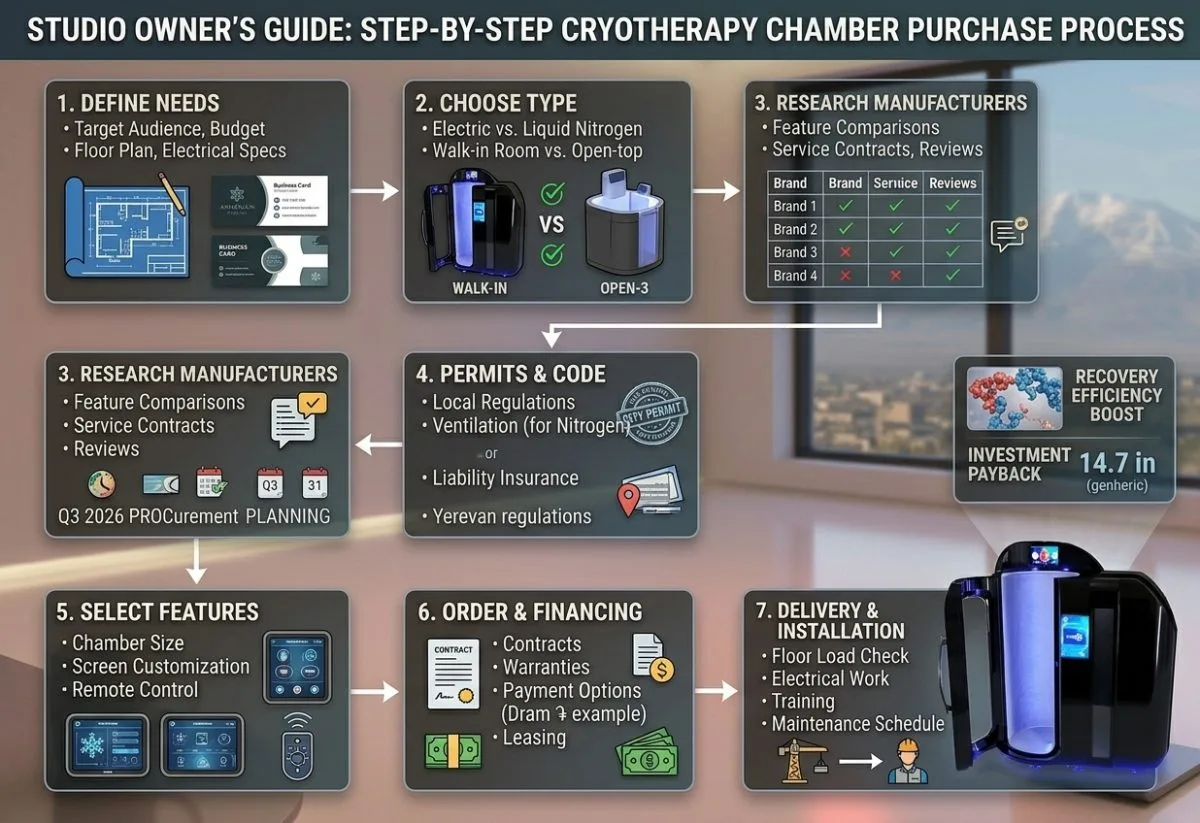
Pasul 1 – Evaluați-vă piața și modelul de afaceri
Cum să pornești o afacere în domeniul crioterapiei începe cu piața și modelul de afaceri, nu cu echipamentul. Răspunde la trei întrebări înainte de a face cumpărături. În primul rând, piața ta țintă este axată pe recuperare (sportivi, săli de sport, clinici sportive), pe wellness (clienți spa, cumpărători de produse estetice) sau mixtă? În al doilea rând, care este peisajul competitiv local? Un oraș cu trei studiouri consacrate are nevoie de un unghi de diferențiere; o piață subaprovizionată oferă mai mult loc pentru un prim venit, cu prețuri de referință pentru sesiuni de la dealeri $45-95.
În al treilea rând, care este modelul dumneavoastră de afaceri? Studio independent, extensie în cadrul unei săli de sport sau spa existente, franciză sau implementare corporativă de wellness? Capacitatea camerei, numărul de stații și cerințele de integrare variază semnificativ. Studiourile independente funcționează de obicei cu o singură cameră de mare randament, cu o capacitate în orele de vârf ca și constrângere de acces. O cameră suplimentară pentru o sală de sport funcționează adesea cu o cameră alături de o zonă de vestiare, cu un volum zilnic mai mic, dar așteptări mai mari în ceea ce privește experiența clienților. Camera de crioterapie pentru uz comercial nu este universală.
Pasul 2 – Alegeți azot sau electricitate
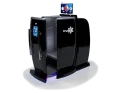
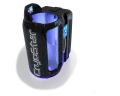
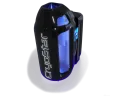
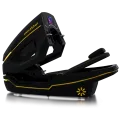
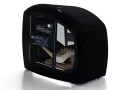
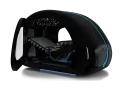
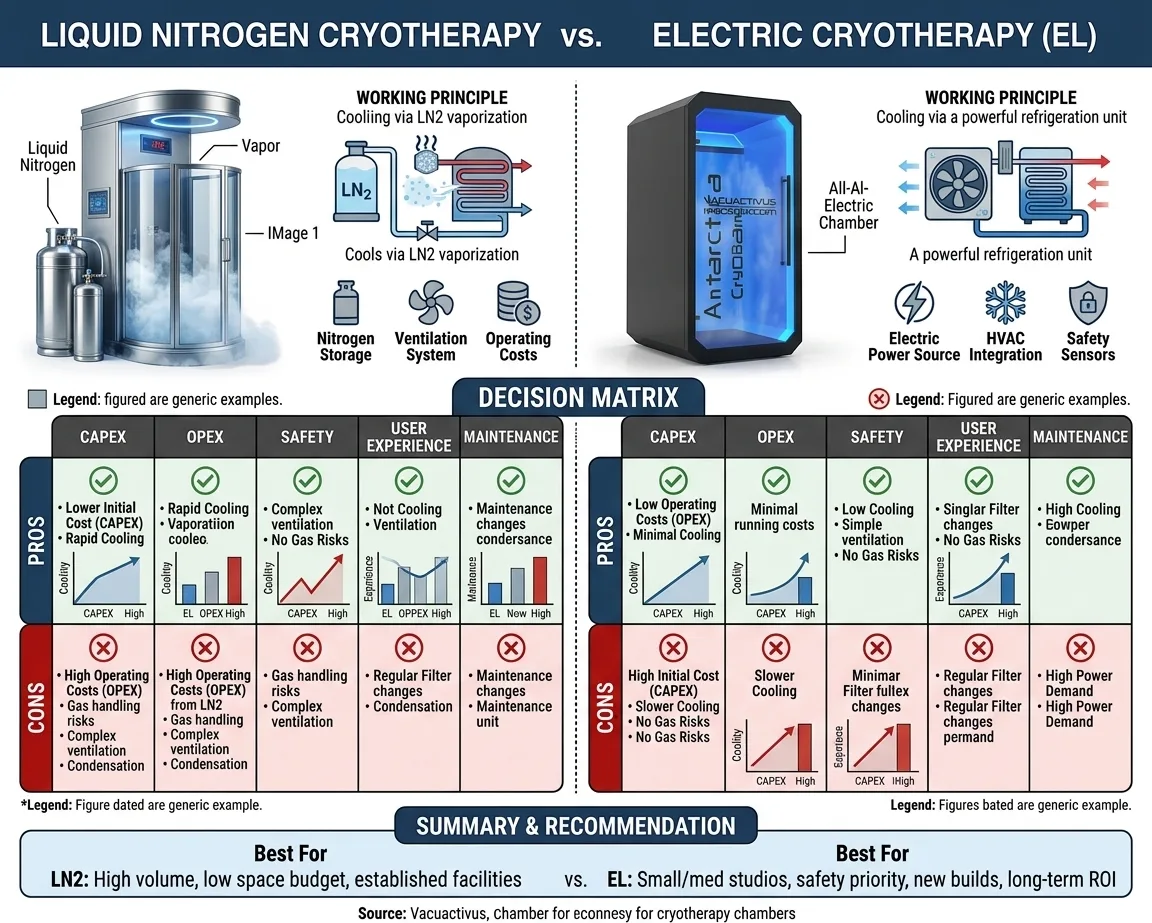
Ar trebui să cumpărați o cameră de crioterapie cu azot sau o cameră de crioterapie electrică? Răspuns sincer: nu există un câștigător universal. Aici este locul în care producătorii concurenți care construiesc o singură tehnologie înclină cumpărătorii către a lor. Vacuactivus produce ambele, așa că acest ghid adoptă o poziție consultativă sinceră. O cameră de crioterapie cu azot (cum ar fi CryoStar) utilizează azot lichid (LN2) pulverizat sub formă de ceață fină; capul clientului este deasupra ceții și respiră aerul ambiental. O cameră de crioterapie electrică (Antarctica Electric WBC sau Antarctica Barrel Electric) utilizează refrigerare mecanică.
Avantaje privind azotul: capital de intrare mai mic, vârf mai rece (~-170°C), randament rapid al sesiunilor (2-3 minute la țintă). Compromisuri privind azotul: logistică de furnizare a LN2, furnizor fiabil, depozitare și ventilație cu senzor de oxigen. Avantaje electrice: fără logistică a LN2, conectare și utilizare după un serviciu trifazat adecvat, aer respirabil pe tot parcursul procesului. Compromisuri electrice: capital de intrare mai mare și vârf mai cald (~-100 până la -110°C). Pentru o comparație detaliată, consultați cameră cu azot versus cameră electrică analiză aprofundată.
| Factor | Azot (CryoStar) | Electric (Antarctica / Butoi) |
|---|---|---|
| Capitală de intrare (doar pentru cameră) | Mai mic – referință dealer ~$25.500 pentru CryoStar | Mai mare – referință dealer ~$54.900 Antarctica Electric WBC / ~$79.450 Antarctica Barrel |
| Temperatura maximă | Mai rece – până la aproximativ -170°C | Mai cald – până la aproximativ -100 până la -110°C |
| Aerul pe care îl respiră clientul | Capul clientului este deasupra ceții de azot (format cu cap deschis), nu inhalează azot | Aer respirabil ambiental – camera electrică răcește aerul, nu pulverizează azot |
| Consumabile de funcționare | Este necesară o cantitate de LN2 (azot lichid), ~3-5 kg per sesiune (conform specificațiilor fabricii Vacuactivus) | Doar electricitate, fără logistică LN2 |
| Pregătirea șantierului pentru utilități | Rezervor de stocare LN2 și ventilație cu senzor de oxigen | Serviciu electric trifazat și capacitate adecvată a întrerupătorului |
| Debitul sesiunii | Rapid – întregul corp atinge temperatura țintă în 2-3 minute | Durata sesiunilor este puțin mai lungă decât cea cu azot, la aceeași țintă |
| Dependența furnizorului LN2 | Da – este nevoie de un furnizor de LN2 fiabil într-o rază de livrare economică | Niciunul – funcționează cu electricitate |
| Cel mai potrivit model de afaceri | Studiouri cu volum mare de producție, cu alimentare fiabilă cu LN2 și un plafon de capital de intrare restrâns | Studiouri cu volum mai mic sau poziționare premium, evitând complexitatea logisticii LN2 |
Pasul 3 – Planificați spațiul, alimentarea cu energie electrică și ventilația
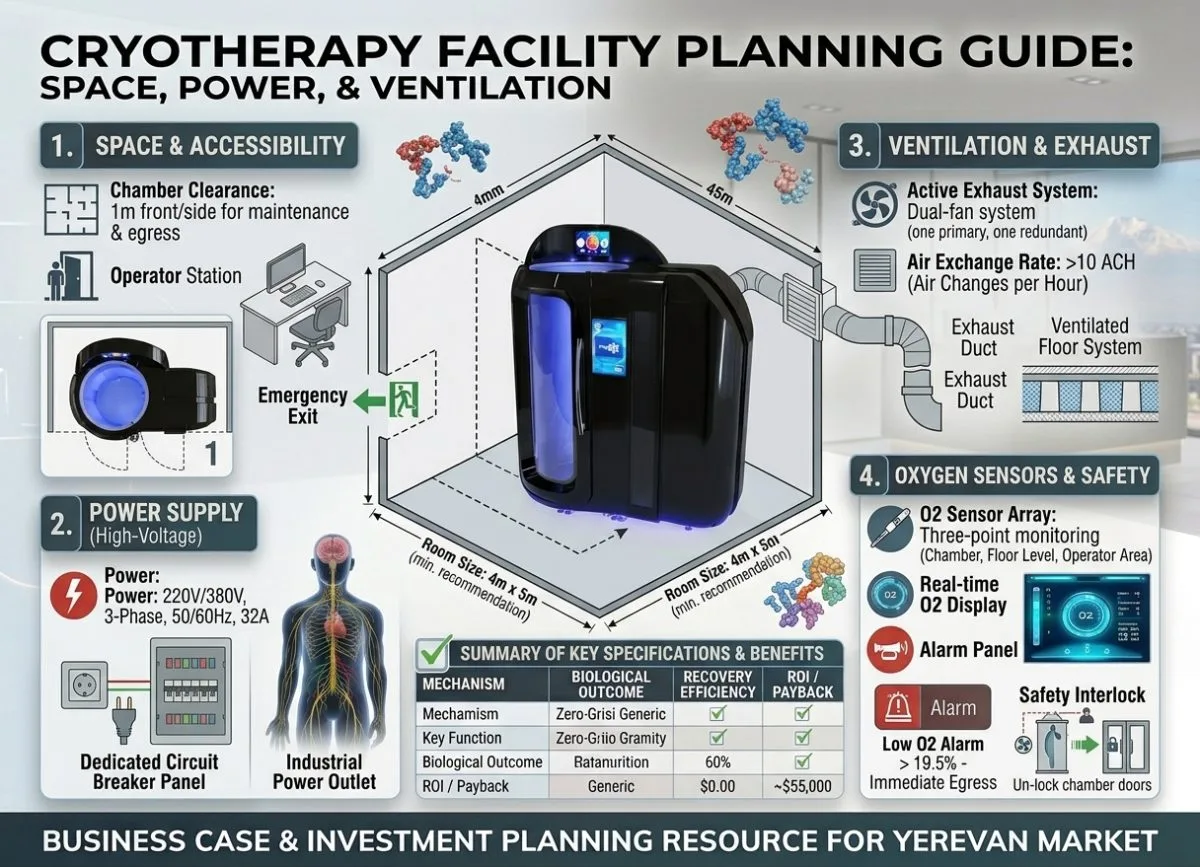
Planificarea amplasamentului este domeniul în care mulți proprietari de studiouri noi pierd avânt. Spațiu: camera de azot CryoStar are o amprentă de ~2600×1020×2315 mm (2,6×1,0×2,3 m sau 8,5×3,3×7,6 ft), cu spații libere și o înălțime adecvată a tavanului. Antarctica Electric WBC și Antarctica Barrel Electric au spații libere similare. Adăugați spațiul liber pentru pasarelă, zona de vestiar și recepția. Un studio tipic cu o singură cameră are nevoie de o suprafață utilă de minimum 350-500 mp.
Alimentare: o cameră electrică necesită de obicei o rețea electrică trifazată cu o capacitate adecvată a întrerupătorului; înainte de a comanda, prevăd în buget o inspecție la fața locului efectuată de un electrician. Confirmați tensiunea din SUA (208V sau 240V trifazat) și amperajul pentru fiecare model. Camerele cu azot funcționează cu o alimentare monofazată modestă (~1,5 kW pentru CryoStar), plus o alimentare fiabilă cu LN2. Ventilație și siguranță: camerele cu azot necesită ventilație pentru fierberea LN2 și un senzor de oxigen cu alarmă, ca practică comercială standard (azotul înlocuiește oxigenul, atmosferele cu conținut scăzut de oxigen reprezintă pericole silențioase). Camerele electrice necesită în continuare ventilație standard a încăperii pentru respingerea umidității și a căldurii.
Pasul 4 – Stabilirea unui buget: Prețurile Camerei de Comerț și Costurile de Operare
Costul camerei de crioterapie este cea mai căutată întrebare din această categorie. Costul real al camerei de crioterapie, conform dealerului de referință, la sfârșitul anului 2025 (verificați costul actual cu vânzările comerciale): CryoStar nitrogen ~$25.500; Antarctica Electric WBC ~$54.900; Antarctica Barrel Electric ~$79.450. Instalațiile locale de crioterapie (unitățile locale Iceberg) costă mult mai puțin. Costul aparatului de crioterapie pentru categoria crio-locală este de obicei 30-50% din costul camerei WBC.
Prețul camerei de crioterapie este un singur element; costul total de proprietate include livrarea ($3-8K transport comercial de marfă cu hayon), instalarea ($2-8K), modernizarea instalației electrice pentru camerele electrice ($3-15K), pregătirea amplasamentului și autorizațiile ($1-5K), instruirea personalului, asigurarea, lansarea pe piață. Costuri de operare: azot la volum mare – LN2 acționează costul – la referința dealerului ~$1.30/L și 3-5 kg/sesiune (conform specificațiilor fabricii Vacuactivus), o operațiune aglomerată de azot de 5 ani poate cheltui $180-300K doar pe LN2. Costul de operare al energiei electrice este dominat de electricitate, ~$5.5-12.5K pe o perioadă de 5 ani, în funcție de utilizare și de tarifele locale kWh.
Pasul 5 – Finanțare și Secțiunea 179
Majoritatea noilor proprietari de studiouri finanțează camera de comerț. Finanțarea echipamentelor (împrumut în favoarea camerei de comerț) și leasingul de echipamente (leasing lunar cu opțiuni de răscumpărare) sunt cele două căi comune, de obicei pe 24-72 de luni la rate comerciale. Ambele economisesc numerar pentru pregătirea amplasamentului și marketing în timpul demarării. Secțiunea 179 poate permite deducerea cheltuielilor din primul an pentru achizițiile de echipamente eligibile până la plafonul anual IRS; combinată cu amortizarea bonus, poate reduce semnificativ costul efectiv din primul an. Verificați cu un expert contabil autorizat.
Împrumuturile SBA (împrumuturile garantate de Administrația pentru Întreprinderi Mici) sunt o altă opțiune, în special pachetele SBA 7(a) pentru capital de lucru și echipamente. Finanțarea SBA se încheie mai lent, dar este mai accesibilă și poate acoperi o dezvoltare mai amplă. În cazul finanțării, solicitați furnizorului de echipamente o ofertă oficială înainte de a aplica, astfel încât creditorul să poată garanta pachetul real. Nu semnați un contract de închiriere pentru cameră înainte de a finaliza pașii 3 și 6.
Pasul 6 – Obțineți oferte în mod corect
Acesta este pasul în care sintagma ‘oferta nu este prețul final’ se aplică cel mai prețios atunci când cumpărați o cameră de crioterapie pentru un studio nou (cum să cumpărați corect o cameră de crioterapie înseamnă să obțineți o ofertă detaliată). O cameră de crioterapie de vânzare este livrată cu un preț de bază pentru cameră pe oferta inițială; livrarea, instalarea, modernizarea instalației electrice și pregătirea amplasamentului sunt de obicei articole separate sau în afara ofertei. Solicitați de la fiecare furnizor o ofertă detaliată completă: prețul de bază al camerei, transportul comercial și livrarea (hayon dacă nu există doc), instalare și punere în funcțiune, estimare pentru modernizarea serviciului electric pentru camerele electrice, pregătirea amplasamentului, termeni de garanție, recomandare inițială de piese de schimb.
Întrebați și: ce NU acoperă garanția? Care este timpul de livrare a pieselor în SUA? Care este intervalul de timp pentru instalare de la comanda până la prima sesiune cu clientul? Cum se gestionează asistența la distanță după punerea în funcțiune? Obțineți oferte de preț de la cel puțin doi furnizori, verificați configurațiile comparabile înainte de a compara prețurile. Pentru vânzări comerciale directe, consultați cumpără o cameră de crioterapie soluție. Pentru recuperarea banilor, consultați ROI și amortizare pentru criosaună ROI și criosaună versus cameră de crioterapie compararea formatelor.
Pasul 7 – Instalare, Permise și Conformitate
Livrarea și instalarea durează de obicei 2-6 săptămâni de la confirmarea comenzii până la punerea în funcțiune, în funcție de disponibilitatea amplasamentului. Camerele cu azot necesită instalarea de la furnizorul de LN2, rezervorul de stocare, ventilația cu senzor de oxigen înainte de prima utilizare. Camerele electrice necesită verificarea serviciului electric trifazat și punerea în funcțiune de către furnizor. Pregătirea amplasamentului: confirmați capacitatea de încărcare a podelei, gestionarea sistemului HVAC a respingerii căldurii camerei, dimensiunile ușii sau liftului pentru ruta de livrare.
Poziția de reglementare din SUA pentru criosauna în format deschis privind poziționarea pentru wellness și recuperare: aceasta nu necesită în prezent aprobarea FDA sau licențierea dispozitivelor medicale, deoarece camera nu este vândută sau operată ca dispozitiv medical. Se aplică permise comerciale și variază în funcție de stat: licențierea afacerilor, clasificarea de ocupare, conformitatea cu codul de construcții, asigurarea (răspundere civilă generală + profesională), documentația de instruire a operatorilor, cerințele departamentului local de sănătate. Verificați toate cerințele aplicabile cu consilierul local înainte de deschidere.
Pasul 8 – Instruirea personalului și lansarea
Instruirea operatorilor este domeniul în care studiourile de crioterapie wellness evită cel mai adesea complicații. Funcționarea camerei de leucocite necesită personal instruit care să înțeleagă: screening-ul contraindicațiilor (boli cardiovasculare, hipertensiune arterială necontrolată, urticarie la rece, fenomen Raynaud, sarcină, intervenții chirurgicale recente, afecțiuni respiratorii severe), fluxul de lucru pentru consimțământul informat, monitorizarea sesiunilor, procedurile de oprire de urgență, manipularea LN2 pentru camerele de azot (inclusiv EIP pentru arsuri criogenice) și igiena standard și rotația. Vacuactivus oferă documentație de instruire a operatorilor și instruire la distanță ca parte a punerii în funcțiune.
Faza de lansare: alocați un buget de cel puțin 30-60 de zile pentru prețuri promoționale, evenimente de lansare în comunitate, parteneriate de recomandare cu săli de sport și clinici sportive locale, cheltuieli de marketing pentru a construi o promovare inițială din gură în gură. Un studio de crioterapie atinge de obicei pragul de rentabilitate între luna 6 și luna 18, în funcție de locație, trafic pietonal, prețul sesiunilor și investițiile de marketing. Pentru vizibilitate locală post-lansare, inclusiv configurarea profilului Google Business, generarea de recenzii și SEO local pentru ‘crioterapie în apropiere’, consultați articolul complementar #44 la data publicării.
Gama de camere Vacuactivus (specificații și prețuri)
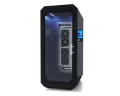
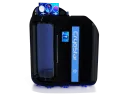
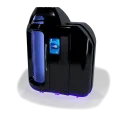
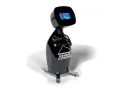
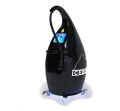
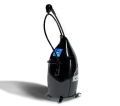
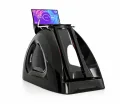
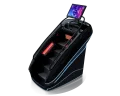
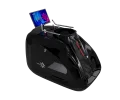
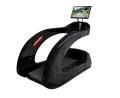
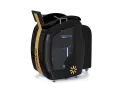
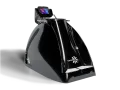
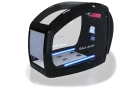
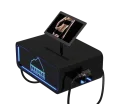
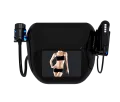
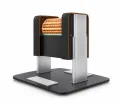
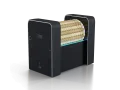
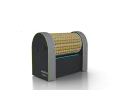
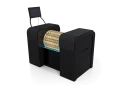
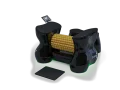
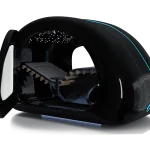
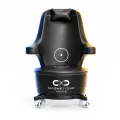
Vacuactivus produce patru modele comerciale de camere de crioterapie pentru întregul corp, plus unități criogenice locale. Camera de azot CryoStar este camera emblematică cu azot cu cap deschis: spray cu LN2 platină, ~-170°C, consum de 1,5 kW, 3-5 kg LN2/sesiune, 2600×1020×2315 mm. Prețul camerei de crioterapie de referință al distribuitorului este de ~$25.500. Camera electrică antarcticăfără LN2, plug-and-play după service trifazat, panou de 10,1 inci, ~-100/-110°C. Referință dealer ~$54.900. Cameră electrică Antarctica Barrel este formatul electric compact; ~$79.450.
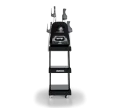
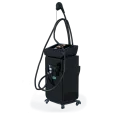
Instalațiile locale de crioterapie (unitățile locale Iceberg Electric Cryo) sunt potrivite pentru clinicile spa și estetice care utilizează aplicații locale; prețul de intrare este substanțial sub camerele WBC. Toate modelele sunt livrate de la fabrica Cronick Wellness Technology din Polonia cu garanție comercială și piese direct din fabrică. Pentru întreaga gamă... camere de crioterapie catalog, consultați pagina categoriei.
Întrebări frecvente
Î1. Cât costă o cameră de crioterapie?
Costul camerei de crioterapie variază în funcție de tehnologie: camerele cu azot, cum ar fi CryoStar, au prețuri de referință la distribuitori de la aproximativ $25.500; camerele electrice, cum ar fi Antarctica Electric WBC ~$54.900 și Antarctica Barrel ~$79.450. Instalările locale de crioterapie sunt substanțial mai ieftine decât camerele pentru întregul corp. Verificați prețurile actuale cu vânzările comerciale; livrarea și instalarea sunt articole separate.
Î2. Ar trebui să cumpăr o cameră cu azot sau una electrică?
Nu există un câștigător universal. Azotul este mai ieftin la capitolul capital de intrare, mai rece și mai rapid per sesiune, dar necesită logistică pentru LN2 și un furnizor fiabil în raza de livrare. Electric nu are logistică pentru LN2, se conectează la rețeaua trifazată, iar clientul respiră aer ambiental, dar are un capital de intrare mai mare și o temperatură de vârf mai ridicată. Alegerea depinde de buget, modelul de afaceri și accesul la furnizorul de LN2.
Î3. De cât spațiu aveți nevoie?
Amprenta CryoStar este de aproximativ 2,6 × 1,0 × 2,3 m (8,5 × 3,3 × 7,6 ft) plus spațiul liber pentru pasarelă și o înălțime adecvată a tavanului. Antarctica Electric WBC și Antarctica Barrel au amprente similare. Un studio tipic cu o singură cameră are nevoie de minimum 350-500 de metri pătrați de spațiu util, inclusiv vestiar, recepție și cameră pentru echipamente.
Î4. Aveți nevoie de o licență pentru a conduce o afacere de crioterapie în SUA?
Pentru criosaunele în format deschis care funcționează în poziționare de wellness și recuperare, reglementările federale americane nu necesită în prezent aprobarea FDA sau licențierea dispozitivelor medicale, deoarece camera nu este vândută sau utilizată ca dispozitiv medical. Cu toate acestea, se aplică permise comerciale și acestea variază în funcție de stat și municipalitate: licențierea afacerilor, ocuparea, asigurarea, instruirea operatorilor, cerințele departamentului local de sănătate. Verificați cu consilierul local.
Î5. Ce putere are nevoie o cameră electrică?
Camerele electrice de celule albe (WBC) necesită de obicei o rețea electrică trifazată cu o capacitate adecvată a întrerupătorului. Înainte de a comanda, preconizați un buget pentru o inspecție la fața locului efectuată de un electrician și confirmați cerințele exacte de tensiune (208V sau 240V trifazat în SUA) și amperaj pentru fiecare model. Camerele cu azot funcționează cu o putere monofazată modestă (~1,5 kW pentru CryoStar), plus o alimentare fiabilă cu LN2.
Î6. Puteți finanța o cameră de crioterapie?
Da. Finanțarea echipamentelor (împrumut în contul camerei de comerț) și leasingul de echipamente (leasing lunar cu opțiuni de răscumpărare) sunt ambele căi comune, de obicei 24-72 de luni. Secțiunea 179 poate permite deducerea cheltuielilor din primul an pentru echipamentele eligibile până la plafonul anual IRS. Verificați cu un contabil autorizat. Împrumuturile SBA 7(a) sunt o altă opțiune pentru pachete de dezvoltare mai ample.
Î7. Cât de profitabil este un studio de crioterapie?
Depinde în mare măsură de locație, trafic pietonal, prețul sesiunilor și marketing. Prețul de referință al dealerului pentru sesiuni este de $45-95 per sesiune; o cameră aglomerată poate genera venituri lunare semnificative, dar rentabilitatea investiției variază foarte mult. Pragul de rentabilitate tipic se situează între luna 6 și luna 18. Acest ghid nu proiectează un anumit număr de rentabilitate a investiției; consultați referința calculatorului de rentabilitate a investiției Vacuactivus pentru modelarea scenariilor.
Î8. Cât durează instalarea?
Livrarea și instalarea durează de obicei 2-6 săptămâni de la confirmarea comenzii până la punerea în funcțiune, în funcție de disponibilitatea la fața locului. Camerele cu azot necesită instalarea de la furnizorul de LN2, un rezervor de stocare și ventilație cu senzor de oxigen înainte de prima utilizare. Camerele electrice necesită verificarea serviciului electric trifazat și punerea în funcțiune de către furnizor sau un tehnician autorizat.
Î9. Ce garanție ar trebui să aibă o cameră?
Solicitați o garanție comercială solidă care să acopere structura camerei, sistemul de refrigerare sau LN2, electronica de control și sistemele de siguranță. Întrebați în mod specific despre timpul de livrare al disponibilității pieselor în SUA sau în regiunea dvs., fluxul de lucru pentru asistență la distanță după punerea în funcțiune și excluderile din garanție. O garanție mai lungă pentru elementele structurale, plus disponibilitatea rapidă a pieselor, contează mai mult decât durata garanției principale.
Î10. Ce garanție este inclusă la o cameră Vacuactivus?
Camerele de crioterapie Vacuactivus sunt livrate cu garanție comercială și piese direct de la fabrica Cronick Wellness Technology din Polonia. Garanția acoperă structura camerei, sistemul de refrigerare (modelele electrice) sau sistemul de livrare a LN2 (modelele cu azot), electronica de control, sistemele de siguranță și panoul tactil; consumabilele și daunele cauzate de transport sunt gestionate separat. Solicitați departamentul de vânzări comerciale Vacuactivus pentru programul de garanție actual și referințele studioului înainte de a comanda.
Concluzie
Cumpărarea unei camere de crioterapie pentru un studio nou implică opt decizii: piața și modelul de afaceri, azot sau electricitate (sincer - nu există un câștigător universal, Vacuactivus le produce pe ambele), spațiu, energie electrică și ventilație, buget realist (costul camerei de crioterapie de referință al dealerului: CryoStar azot ~$25.500, Antarctica Electric WBC ~$54.900, Antarctica Barrel ~$79.450) cu mențiunea sinceră că oferta NU este prețul final (livrare/instalare/electricitate adăugați $8-31K), finanțare inclusiv Secțiunea 179 (verificați cu CPA), oferte detaliate, instalare și autorizații de funcționare (criosauna deschisă de obicei nu are licență FDA/medicală în SUA, dar este necesară autorizația + instruirea operatorilor, verificați local), instruirea personalului înainte de lansare. Din 2009 la Fabrica de Tehnologie Cronick Wellness din Polonia. Pentru vizibilitate locală post-lansare, consultați articolul #44 din materialul complementar, când este publicat.


