




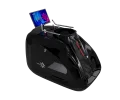
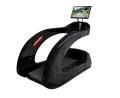
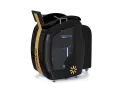
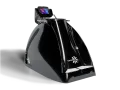
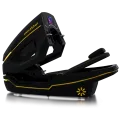
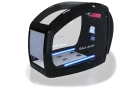

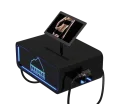
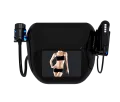

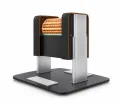
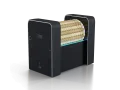
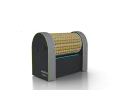
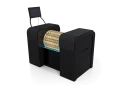
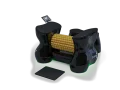
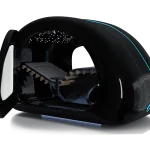
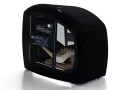
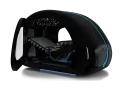





Машина для формування рулонів: комерційні та домашні пристрої для прокатки кузова
Комерційні вальцьовувачі та домашні кузовні вальцьовувачі задовольняють різні потреби за різними ціновими категоріями. Правильний вибір залежить від обсягу використання, бюджету та бізнес-цілей. У цьому посібнику покупця їх чесно порівнюють: де необхідний комерційний варіант, де достатньо домашнього пристрою, і як цінові діапазони фактично розподіляються за рівнями.
Компанія Vacuactivus виробляє профільні машини з 2009 року, маючи широкий комерційний каталог та побутові моделі. Комерційні поставки надходять до клієнтів у понад 50 країнах, а також понад 200 студійних установок, зосереджених на дев'яти основних дистриб'юторських ринках. Наведене нижче порівняння відображає інженерні та польові дані за понад 15 років виробництва та обслуговування, а не маркетингове позиціонування. Воно містить корисний розділ ‘Коли вам не потрібна комерційна машина’, якого конкуруючі сторінки зазвичай уникають.
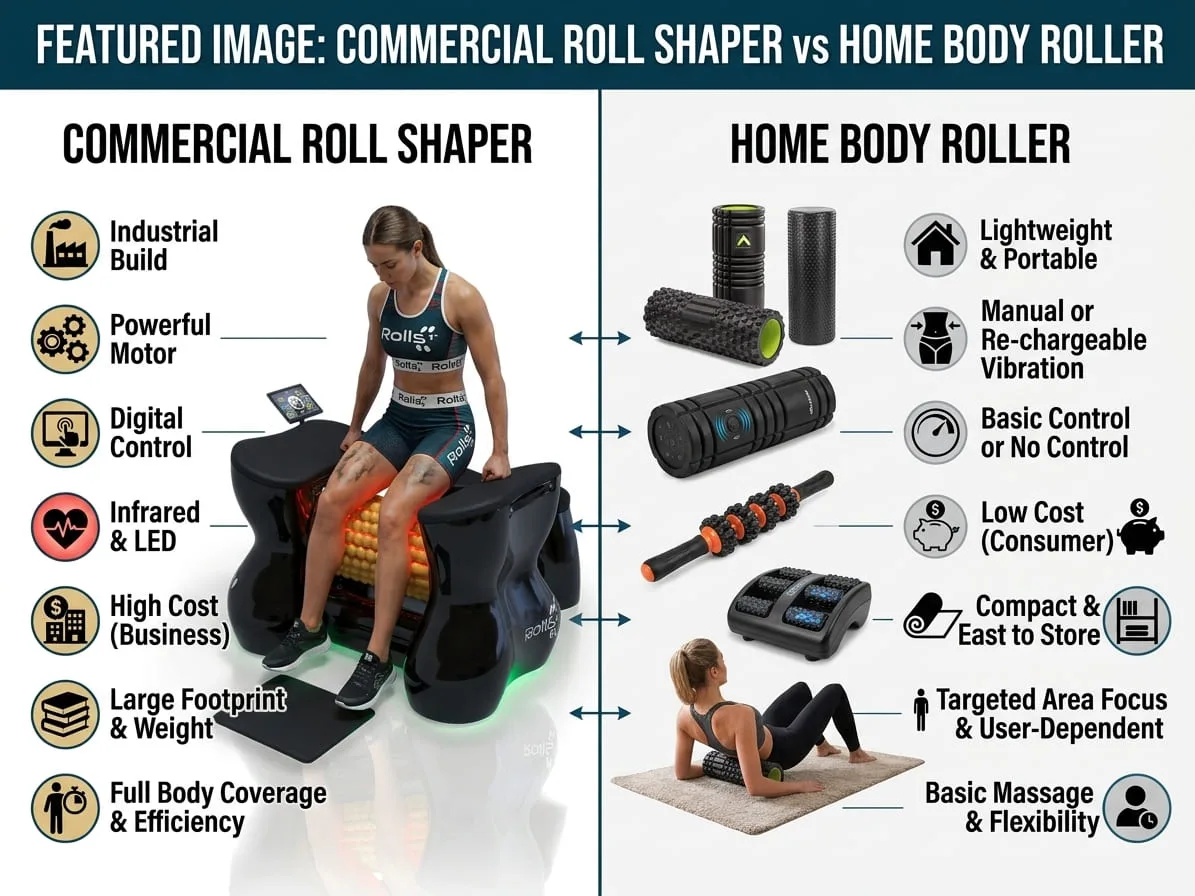
Який для якого користувача? (Короткий довідник)
Шість поширених профілів покупців та рівень, який відповідає кожному з них. Детальний аналіз наведено після цього короткого довідника.
| Тип користувача | Рекомендований рівень | Чому |
|---|---|---|
| Власник велнес-студії / спа-центру | Комерційний формувач рулонів | Пропускна здатність для кількох клієнтів, довговічність понад 5 сеансів на день, професіоналізм бренду |
| Центр контурування тіла | Комерційний формувач рулонів | Щоденний обсяг клієнтів, гарантія для бізнес-використання, налаштовуваний діапазон RPM |
| Центр спортивного відновлення | Комерційний формувач рулонів | Кілька тренувань для спортсменів на день, опція глибшого випромінювання 850 нм у тканини, міцна рама |
| Серйозний домашній користувач (4+ тренувань на тиждень) | Формувач домашнього рол-ролу середнього рівня | Персональний графік тренувань, достатній життєвий цикл (5-10 тис. занять), економічно ефективний |
| Звичайний домашній користувач (1-2 сеанси/тиждень) | Вхід до домашнього пристрою або відвідування студії | Відвідування студії часто економічно вигідніше за низької частоти |
| Мобільний терапевт / тимчасовий велнес-центр | Легкий домашній або портативний комерційний | Зручне транспортування, менша вага рами, достатньо для індивідуальних сесій |
Що таке машина для формування рулонів? (Короткий огляд)
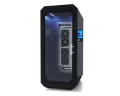
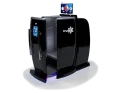
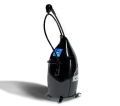
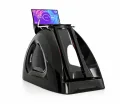
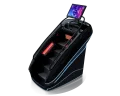
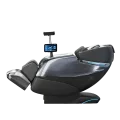
Ролковий тренажер – це оздоровчий пристрій з обертовими дерев’яними роликами, які забезпечують механічний масаж, лімфодренаж та міофасціальне розслаблення в 10–16 програмованих позиціях для клієнта. Сеанси зазвичай тривають від 30 до 45 хвилин. Преміум-прилади включають інфрачервоне нагрівання, кольорову світлотерапію та сенсорне керування. Серед торгових марок – Vacuactivus RollShape та RollStar, ролки для формування тіла Studio Figura, Exclusive Shape та різні комерційні роликові тренажери для тіла під загальними торговими марками.
Ця категорія охоплює ціновий діапазон від житлових одиниць початкового рівня вартістю близько 1500 доларів США до преміальних комерційних моделей з повним набором функцій вартістю від 25 000 доларів США і вище. Технічні характеристики машини з похибкою кузова мають більше значення, ніж бренд, у нижчих класах, а репутація бренду має більше значення у вищих класах.
Фактичні відмінності: комерційні та домашні машини для формування рулонів
Різниця в ціні між комерційним та побутовим рівнями відображає п'ять відмінностей у конструкції бетону. Кожна з них полягає або в місткості щоденного використання, довговічності протягом багатьох років, або в широкому спектрі функцій. Жодна з цих відмінностей не є маркетинговим трюком.
Діапазон двигуна та обертів
Комерційні роликові формувачі пропонують діапазон змінної швидкості 10-99 об/хв, що приводяться в дію промисловими двигунами, розрахованими на 8 або більше годин щоденного робочого циклу. Домашні роликові формувачі тіла зазвичай мають фіксований або вузький діапазон 30-60 об/хв, а двигуни споживчого класу розраховані на 1-2 години щоденного використання. Змінна швидкість обертання має значення, коли клієнти відрізняються толерантністю, ділянкою тіла, що оброблюється, або інтенсивністю сеансів. Роликовий тренажер для спортивного відновлення використовує вищі об/хв (70-99); клієнт з чутливою шкірою використовує нижчі (10-30). Домашні пристрої з фіксованою швидкістю не можуть відповідати цьому діапазону.
Рама, підшипники, матеріали
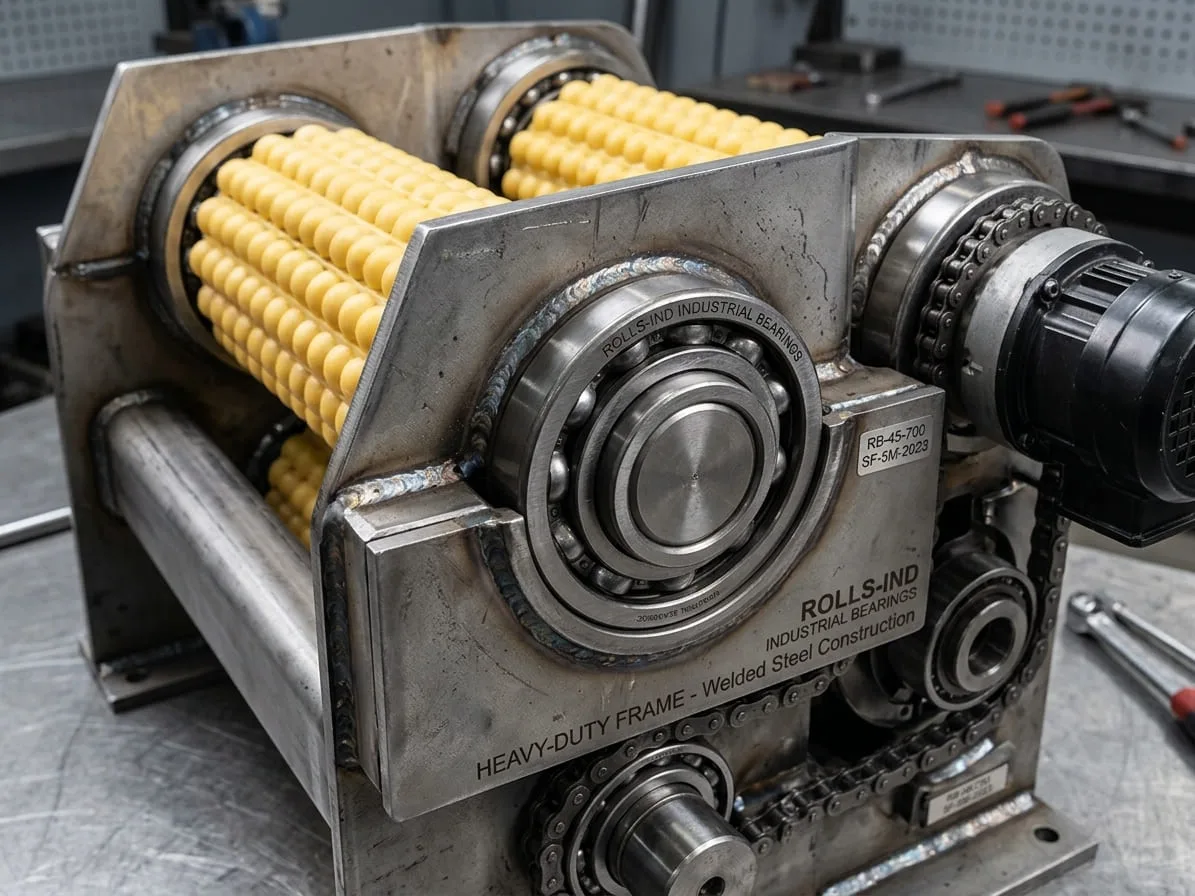
Комерційні рами виготовляються зі звареної сталі з промисловими підшипниками, розрахованими на десятки тисяч циклів використання. Антимікробні покриття на контактних поверхнях забезпечують санітарну очистку між клієнтами. Домашні пристрої використовують легші алюмінієві або полімерні рами з базовими підшипниками, розрахованими на використання в житлових приміщеннях. Різниця в рамі непомітна на маркетингових фотографіях, але визначає, чи надійно працюватиме пристрій при 5+ щоденних клієнтах, чи він почне виходити з ладу на 3000 циклах використання.
Вантажопідйомність та довговічність
Комерційні формувачі рулонів витримують навантаження клієнта 150-250 кг та мають життєвий цикл понад 50 000 сеансів протягом 8-10 років професійної експлуатації. Домашні моделі витримують навантаження 100-150 кг та мають життєвий цикл 5000-10 000 сеансів протягом 3-5 років використання в житлових приміщеннях. Різниця в життєвому циклі має значення при масштабуванні: студія, яка проводить 1250 сеансів на рік, накопичує приблизно 10 000 сеансів протягом 8 років, що комфортно залишається в межах терміну служби комерційного класу, але вичерпає життєвий цикл домашнього обладнання за той самий період.
Гарантія та обслуговування
Авторитетні виробники комерційного обладнання пропонують гарантію на комерційне використання від 1 до 3 років, яка охоплює двигун, раму, електроніку та роботу. Vacuactivus надає 2-річну комерційну гарантію з розширеними договорами на обслуговування. Гарантії на домашнє та житлове обладнання від тих самих виробників зазвичай діють 1-2 роки. Імпортовані товари з Alibaba або Amazon часто пропонують гарантію від 6 до 12 місяців з нечіткою міжнародною сервісною інфраструктурою, що є основним фактором ризику для бізнесу, який залежить від часу безвідмовної роботи обладнання.
Додаткові функції (ІЧ, сенсорний екран, багатомовність)
Преміальні комерційні моделі додають інфрачервоні нагрівальні елементи (660 нм та 850 нм), 7-дюймові сенсорні екрани керування, багатомовні інтерфейси (часто 8+ мов) та програмовані бібліотеки сеансів. Домашні роликові формувачі зазвичай мають одномовну базову панель керування та можуть включати або не включати інфрачервоне випромінювання. Інфрачервоний лімфатичний роликовий апарат коштує на 20-40% дорожче, ніж еквівалент без інфрачервоного випромінювання, але забезпечує глибший вплив на тканини, з яким теплі ролики не можуть зрівнятися.
| Специфікація | Комерційний формувач рулонів | Домашній ролик для тіла |
|---|---|---|
| Діапазон обертів | 10-99 змінна | 30-60 фіксованих або вузьких |
| Робочий цикл двигуна | 8+ годин щодня | 1-2 години щодня |
| Рамка | Зварена сталь + антимікробний захист | Алюміній або полімер |
| Підшипники | Промисловий, герметичний | Базові житлові приміщення |
| Вантажопідйомність | 150-250 кг | 100-150 кг |
| Життєвий цикл (сеанси) | 50 000+ протягом 8-10 років комерційного використання | 5 000–10 000 протягом 3–5 років |
| Гарантія | 1-3 роки комерційного | 1-2 роки проживання |
| особливості | ІЧ, сенсорний екран, багатомовний | Базове керування, обмежене ІЧ-випромінювання |
| Слід | Більший, фіксований монтаж | Компактний, іноді портативний |
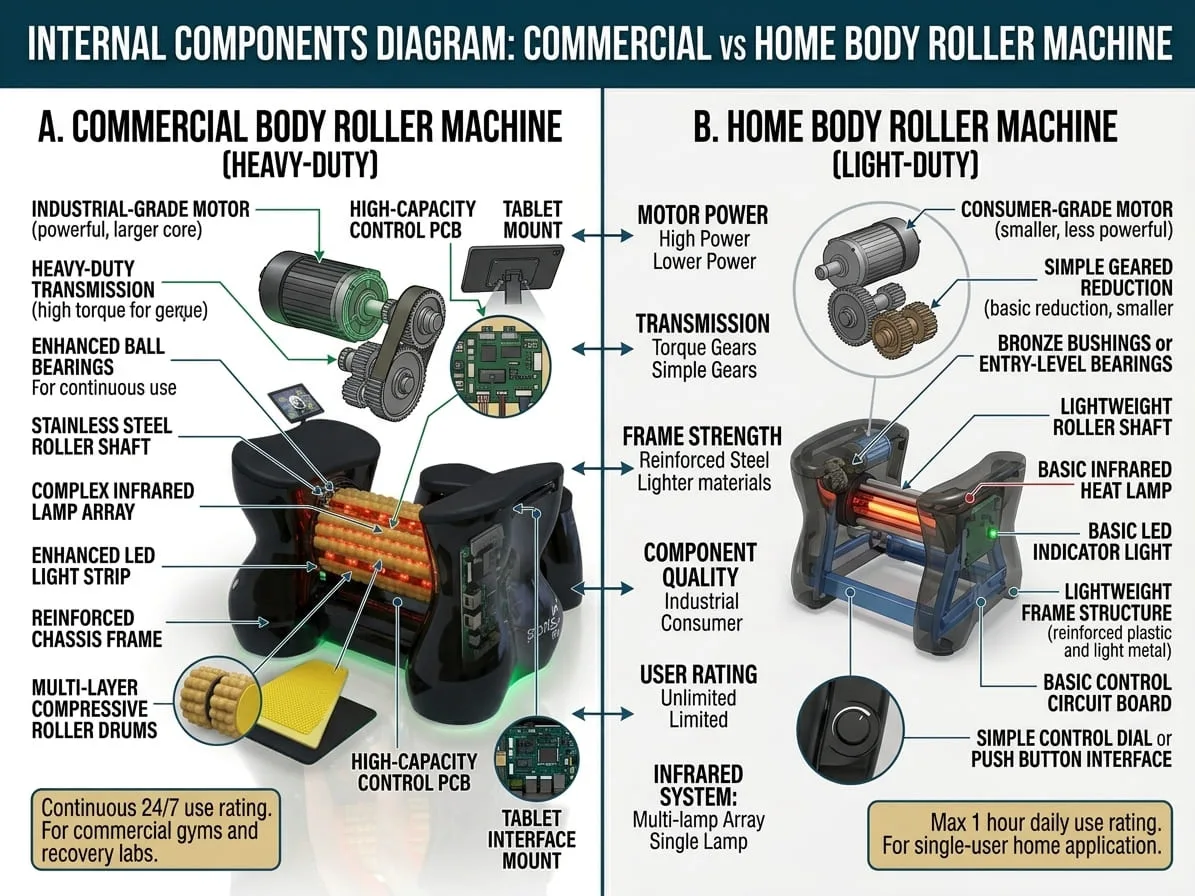
Комерційний формувач рулонів: коли вам це потрібно
Комерційний рол-шейпер – це правильний варіант, коли цього вимагають щоденний обсяг сеансів, пропускна здатність кількох клієнтів, позиціонування бренду бізнесу або дотримання вимог страхування. П'ять типових сценаріїв, коли комерційний підхід є єдиним розумним рішенням.
Студії, які планують 5 або більше сеансів на день, потребують комерційного робочого циклу. Домашній апарат, який проводить 25-30 сеансів на тиждень, витрачає свій життєвий цикл за 3-4 роки замість 8-10. Вартість ремонту та заміни протягом терміну служби обладнання перевищує початкову різницю в ціні. Центрам контурної пластики тіла, що проводять естетичні процедури, потрібен професіоналізм брендового рівня, який комерційні апарати з дерев'яними роликами, сталевим каркасом та сенсорним керуванням пропонують клієнтам, які платять преміальні ціни. Апарат споживчого класу в висококласному спа-салоні підриває всю цінову позицію.
Спортивним відновлювальним центрам, що обслуговують спортсменів, потрібен вищий діапазон обертів за хвилину та інфрачервоний варіант для глибокого відновлення м'язів тканин. Тут найважливіше значення мають комерційні характеристики роликових валиків для тіла, оскільки ефективність сеансу залежить від налаштованої глибини. Відповідність вимогам страхування в деяких штатах США та юрисдикціях ЄС вимагає наявності комерційних сертифікатів (маркування CE, дозвіл FDA 510(k) для певних застосувань), яких немає для обладнання для житлових приміщень. Для підприємств, які планують масштабуватися, відомі виробники пропонують послідовні гарантійні програми та навчальну підтримку, які бренди для житлових приміщень зазвичай не пропонують.
Формувач рулетів для дому: коли цього достатньо
Домашній роликовий тренажер для тіла – це правильний варіант для особистого використання на 3-5 сеансів на тиждень, підтримуючих тренувань для серйозних спортсменів у домашніх тренажерних залах, процедур відновлення після біохакерства та спільного сімейного оздоровчого обладнання для 1-2 дорослих користувачів. Його недостатньо для оплачуваної роботи з клієнтами, щоденного використання кількома людьми або бізнес-операцій, де простої коштують доходу.
Серйозні домашні користувачі, які тренуються 4 або більше разів на тиждень, часто отримують користь від домашнього тренажера середнього класу вартістю 3500-6000 доларів США, який забезпечує більшість переваг відновлення та лімфотоку, як у комерційних моделей, без додаткового навантаження. Спортивні домашні користувачі отримують підтримку відновлення після тренування, порівнянну з відвідуванням студії, за 60-80 доларів США за сеанс, окуповуючи вартість покупки вдома протягом 12-18 місяців постійного використання. Біохакери та користувачі, орієнтовані на довголіття, додають домашній тренажер для бодіролу до ширших оздоровчих процедур, включаючи терапію червоним світлом та інфрачервону сауну, без потреби у студійному обладнанні.
Домашнього роликового шейпера НЕ достатньо, коли плануєте платні сесії для друзів чи родини в обмін на компенсацію (що переходить у комерційну сферу та питання страхування), коли щоденне використання перевищує побутовий робочий цикл або коли ведете підсобний бізнес із домашньої студії. У всіх цих випадках комерційний варіант – це правильний вибір з першого дня. Щоб отримати посібник на рівні механізму про те, як працює обладнання, дивіться нашу супровідну статтю про Ролик для тіла для лімфодренажу та боротьби з целюлітом який охоплює механізм перерозподілу рідини, що лежить в основі ефектів контурування тіла.
Цінові діапазони (чесне розкриття інформації)
Більшість сторінок виробників уникають переліку цін. Цей посібник робить навпаки. Широкі діапазони відображають різницю функцій, рівень гарантії, рівень налаштування та місце призначення доставки. Усі цифри є типовою для галузі рекомендованою роздрібною ціною в доларах США за 2026 рік і корисні як орієнтири для планування, а не як обов'язкові котирування.
| Рівень | Ціновий діапазон (дол. США) | Найкраще для |
|---|---|---|
| Вхід додому | $1,500 – $3,500 | Повсякденне домашнє використання, 1-2 сеанси/тиждень |
| Будинок середнього рівня | $3,500 – $6,000 | Серйозні домашні користувачі, 3-5 сеансів/тиждень |
| Комерційний вхід | $6 000 – $12 000 | Нові студії, менші спа-центри, підробіток |
| Комерційна премія | $12 000 – $25 000+ | Встановлені студії, центри контурування тіла, франшизи |
Чому асортимент широкий: функції (сенсорний екран, ІЧ, багатомовність) додають 20-40%; розширена гарантія додає 5-15%; індивідуальне брендування або колір додає 10-25%; прискорена доставка або встановлення додає 5-10%. Загальний імпорт з Alibaba вартістю до 2000 доларів США існує, але зазвичай не має надійної гарантії, сервісної мережі або перевіреного життєвого циклу, що робить його поганими кандидатами для критично важливого обладнання для бізнесу. Для порівняння цін на машини для перекату кузова запросіть цінові пропозиції щонайменше у трьох виробників з однаковою конфігурацією.
Найкращі моделі формоутворювачів рулонів у 2026 році
У 2026 році три комерційні бренди домінували на ринку студійних інсталяцій у Північній Америці та Європі. Кожен з них займає дещо інше місце.
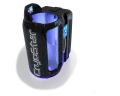
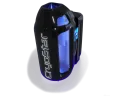
Vacuactivus лімфатичний масажний ролик Rollshaper (RollShape) – це стандартний робочий пристрій середнього комерційного класу: дерев'яні циліндричні ролики, змінна швидкість 10-99 об/хв, 7-дюймовий сенсорний екран, базова опція ІЧ-діапазону, антимікробна сталева рама. Він використовується в концентрованих розгортаннях на дев'яти основних дистриб'юторських ринках і є моделлю, яку більшість студій відновлення обирають для загального лімфодренажу та програм механічного масажу. Vacuactivus лімфатичний роликовий тренажер (RollStar) – це модель із ширшим форматом та більшою площею контакту, що позиціонується як флагманська модель лінійки Vacuactivus, орієнтована на лімфодренаж, з повним інфрачервоним підсвічуванням + багатомовністю та розширеною програмованою бібліотекою сеансів.
Формувальники рулонів Studio Figura є прямими конкурентами франшизи з сильною європейською присутністю та налаштовуваними діапазонами RPM. Exclusive Shape пропонує преміальне позиціонування з широкою багатомовною та позиційною підтримкою, як правило, за вищими цінами за одиницю. Імпортні товари з Alibaba вартістю до 3000 доларів США існують, але мають нечіткий життєвий цикл та слабку гарантію. Для студій, що будують платні клієнтські операції, дотримання послуг відомих виробників (Vacuactivus, Studio Figura, Exclusive Shape) значно знижує бізнес-ризики. Для порівняння двох флагманів Vacuactivus дивіться наш детальний посібник про Роликовий тренажер для тіла Roll Star проти RollShape з критеріями для кожної окремої моделі.
ROI для студій: приклад розрахунку
Простий робочий приклад з використанням консервативних припущень. Реальні цифри залежать від ціноутворення на місцевому ринку, ефективності маркетингу та операційної дисципліни.
Комерційний профільний верстат вартістю 10 000 доларів США за ціною 80 доларів США за сеанс, 5 сеансів на день, 5 днів на тиждень, 50 тижнів на рік забезпечує приблизно 1250 сеансів та 100 000 доларів США валового річного доходу на верстат. Термін окупності при повному використанні становить приблизно 6-8 тижнів. При використанні 50% (середній показник по галузі для нових студій у 1-6 місяці) окупність триває 12-16 тижнів. При використанні 25% (локація з низькими показниками) окупність становить 24-32 тижні, але все одно завершується протягом першого року.
Витрати, які слід відняти від валового доходу: праця оператора (часто 25-351 тенге на квадратний фут від вартості сеансу), розподіл оренди приміщення, витрати на маркетингове залучення на одного клієнта, електроенергія та технічне обслуговування, обробка платежів. Реалістична чиста маржа після всіх витрат для комерційного профілювача рулонів, що працює з коефіцієнтом використання 501 тенге на квадратний фут, становить 35-451 тенге на квадратний фут від валового доходу. Для студій, де цей профіль маржі відповідає місцевому ціновому ринку, комерційні профілювачі рулонів є одними з обладнання з найвищим доходом на квадратний фут у категорії велнесу.
Як вибрати: Структура рішень
Чотири питання вирішують більшість рішень щодо вибору комерційного чи домашнього формоутворювача рулонів.
- Скільки сеансів на тиждень? Менше 5: достатньо домашнього рівня. 5-15: комерційний початковий рівень. 15+: комерційний преміум-рівень.
- Це для платних клієнтів чи особистого використання? Платним клієнтам потрібна гарантія комерційного рівня, сертифікати та довговічність рами незалежно від кількості сеансів.
- Який ваш бюджетний рівень? До 4000 доларів США: лише житло преміум-класу або комерційне житло початкового рівня. Від 12 000 доларів США: комерційне житло середнього або преміум-класу.
- Вам потрібен авторитет брендового рівня? Преміум-спа, центри корекції фігури та франчайзингові центри потребують комерційного обладнання брендового рівня для підтримки цінової політики; домашні тренажерні зали та засоби особистого оздоровлення цього не потребують.
Часті запитання
Q1. Яка різниця між комерційними та домашніми роликовими машинами для кузова?
Комерційні роликові форми для кузова розраховані на 5-10+ сеансів на день, мають промислові двигуни, розраховані на понад 8 годин щоденного використання, сталеві рами, промислові підшипники та комерційну гарантію від 1 до 3 років. Домашні роликові форми для кузова розраховані на 3-5 персональних сеансів на тиждень, мають легші двигуни, полімерні або алюмінієві рами, базові підшипники та житлову гарантію від 1 до 2 років. Різниця в життєвому циклі суттєва: комерційні машини зазвичай витримують понад 50 000 сеансів протягом 8-10 років професійного використання, побутові – 5 000-10 000 сеансів протягом 3-5 років.
Q2. Скільки коштує профільний верстат?
Вартість вальців для домашнього використання починається від 1500 до 3500 доларів США. Моделі середнього класу для дому коштують від 3500 до 6000 доларів США. Комерційні формувачі вальців початкового рівня коштують 6000-12 000 доларів США. Преміальні комерційні моделі з інфрачервоним екраном, сенсорним екраном, програмованими позиціями та багатомовним інтерфейсом коштують від 12 000 до 25 000 доларів США і вище. Можливість налаштування додається до 15-30%. Багато виробників, включаючи Vacuactivus, пропонують варіанти оренди для студій, які віддають перевагу щомісячним платежам, а не початковому капіталу.
Q3. Чи можна використовувати формувач для рулетів вдома?
Так. Домашні роликові тренажери призначені для особистого використання 3-5 сеансів на тиждень. Вони забезпечують аналогічні переваги, як і комерційні тренажери (підтримка лімфотоку, відновлення після тренування, зменшення целюліту) за нижчою ціною. Однак, якщо ви плануєте використовувати тренажер щодня, ділитися ним з членами родини або зрештою пропонувати платні сеанси, комерційна модель прослужить у 5-10 разів довше, ніж побутова, і є кращою довгостроковою інвестицією.
Q4. Як довго служать роликові тренажери для тіла?
Комерційні формувачі рулонів від відомих виробників (Vacuactivus, Studio Figura, Exclusive Shape) зазвичай забезпечують понад 50 000 сеансів протягом 8-10 років професійного використання за умови належного обслуговування. Побутові пристрої працюють 5000-10 000 сеансів, або близько 3-5 років за типового побутового використання. Технічне обслуговування включає регулярне чищення, періодичне обслуговування підшипників та перевірку двигуна. Імпортовані товари вартістю до 2000 доларів США часто мають нечіткі очікування щодо життєвого циклу.
Q5. Які оберти на хвилину повинні бути у роликового тренажера для тіла?
Комерційні роликові формувачі зазвичай пропонують діапазон 10-99 об/хв (змінна швидкість для різних ділянок тіла та рівня комфорту клієнта). Домашні моделі зазвичай мають 30-60 об/хв з обмеженим регулюванням. Нижчий діапазон об/хв (10-30) підходить для чутливих зон та клієнтів-початківців; середній діапазон (40-60) є стандартним для сеансів контурування тіла; вищі об/хв (70-99) спрямовані на глибоке відновлення тканин та спортивних показників. Змінна швидкість є ключовою відмінністю між комерційними та домашніми тренажерами.
Q6. Чи варто використовувати формувальну машину для домашнього використання?
Для серйозних користувачів, які тренуються 4+ рази на тиждень, мають проблеми з хронічним болем у м’язах або хочуть підтримувати контурний режим тіла без постійних відвідувань студії, домашній роликовий тренажер окупається протягом 12-18 місяців порівняно з аналогічними студійними сеансами вартістю 60-80 доларів США кожне. Для повсякденного використання (1-2 сеанси на тиждень) професійні студійні сеанси або простіші інструменти для самомасажу можуть бути більш економічно вигідними.
Q7. Яка гарантія на комерційний профільний верстат?
Авторитетні виробники комерційного обладнання пропонують гарантію на комерційне використання від 1 до 3 років, яка охоплює двигун, раму та електроніку. Vacuactivus надає 2-річну комерційну гарантію з розширеними опціями обслуговування. Гарантії на домашнє та житлове обладнання від тих самих виробників зазвичай діють 2 роки. Імпортне продукція часто пропонує гарантію від 6 до 12 місяців з нечіткою сервісною інфраструктурою, що є основним фактором ризику для бізнесу, який залежить від часу безвідмовної роботи обладнання.
Висновок
Комерційні машини для формування фігури та домашні роликові машини для тіла вирішують різні проблеми за різними ціновими категоріями. Комерційний рівень – це правильне рішення для оплачуваної роботи з клієнтами, щоденного обсягу багаторазових сеансів, позиціонування бренду бізнесу та розгортання франшиз. Домашнього рівня достатньо для особистого відновлення, підтримки спортивної форми та процедур контурування тіла на рівні дому. Принцип ‘коли вдома достатньо’ має значення, оскільки домашнє обладнання може забезпечити реальну цінність за 20-30% комерційної вартості, коли це відповідає сценарію використання.
Для студій, що оцінюють комерційні моделі, комерційні машини для формування рулонів Асортимент охоплює від початкового до преміум-рівнів, з більш ніж 15-річною історією виробництва та комерційними поставками до понад 50 країн. Для отримання ширшої інформації див. Лімфодренажний роликовий тренажер для тіла: як він працює щодо механізму перекату тіла, а також «Ролеровий тренажерний зал: чому студії спортивного відновлення додають перекат тіла» для економічної оцінки студії та варіантів використання.


