










Цена на бягаща пътека с нулева гравитация: реална цена срещу по-евтини алтернативи
Нова бягаща пътека с нулева гравитация струва приблизително от 25 000 до 75 000 рупии или повече, в зависимост от модела. AlterG NEO е в началния клиничен клас, клиничният стандарт M320 струва около 34 900 рупии, а професионалният клас Pro 500 достига 75 000 рупии или повече. Употребяваните уреди в добро състояние обикновено се продават за 15 000 до 50 000 рупии. Съществуват няколко по-евтини алтернативи за купувачи, които не се нуждаят от прецизност на клинично ниво – включително решения за дома, започващи от около 1000 рупии (с лостово движение), и наеми на съоръжения за сесия на цени от 20 до 25 рупии.
Това ръководство е написано от гледна точка на инженерния екип на Vacuactivus като производител на оборудване за фитнес, фокусирано върху формата на тялото, който наблюдава цените на пазара на клинични бягащи пътеки от съседна категория. AlterG (сега под ръководството на Lifeward, преди ReWalk Robotics) е доминиращата марка в технологията за бягащи пътеки с нулева/антигравитация и повечето проучвания на купувачите относно ‘цената на бягащи пътеки с нулева гравитация’ се свеждат до моделите AlterG. Тази статия обяснява прозрачно ценообразуването на AlterG по модели, представя честно по-евтини алтернативи (домашен уред с Lever Movement, наем на съоръжения, посещения за физическа активност, покрити със застраховка, пазар на употребявани продукти) и включва VacuStar като опция от съседна категория за купувачи, чиято действителна цел е кардио, фокусирано върху формата на тялото, а не клинично разтеглящо оборудване, одобрено от FDA.
Предварителна информация за цените: AlterG (под Lifeward) не публикува публично официални цени на дребно. Всички ценови диапазони на AlterG, цитирани в тази статия, са изчислени от ценови ръководства в индустрията (Sourcify China 2025), исторически цени при пускане на пазара (Triathlete 2011, Startup Grind), отчетени разходи за придобиване в клиники и обяви за пазара на употребявани продукти. Действителните цени варират значително в зависимост от конфигурацията на модела, гаранционния пакет, условията на финансиране, географския регион и типа купувач. За официална оферта, поискайте ценообразуване директно от Lifeward или от оторизиран дистрибутор.
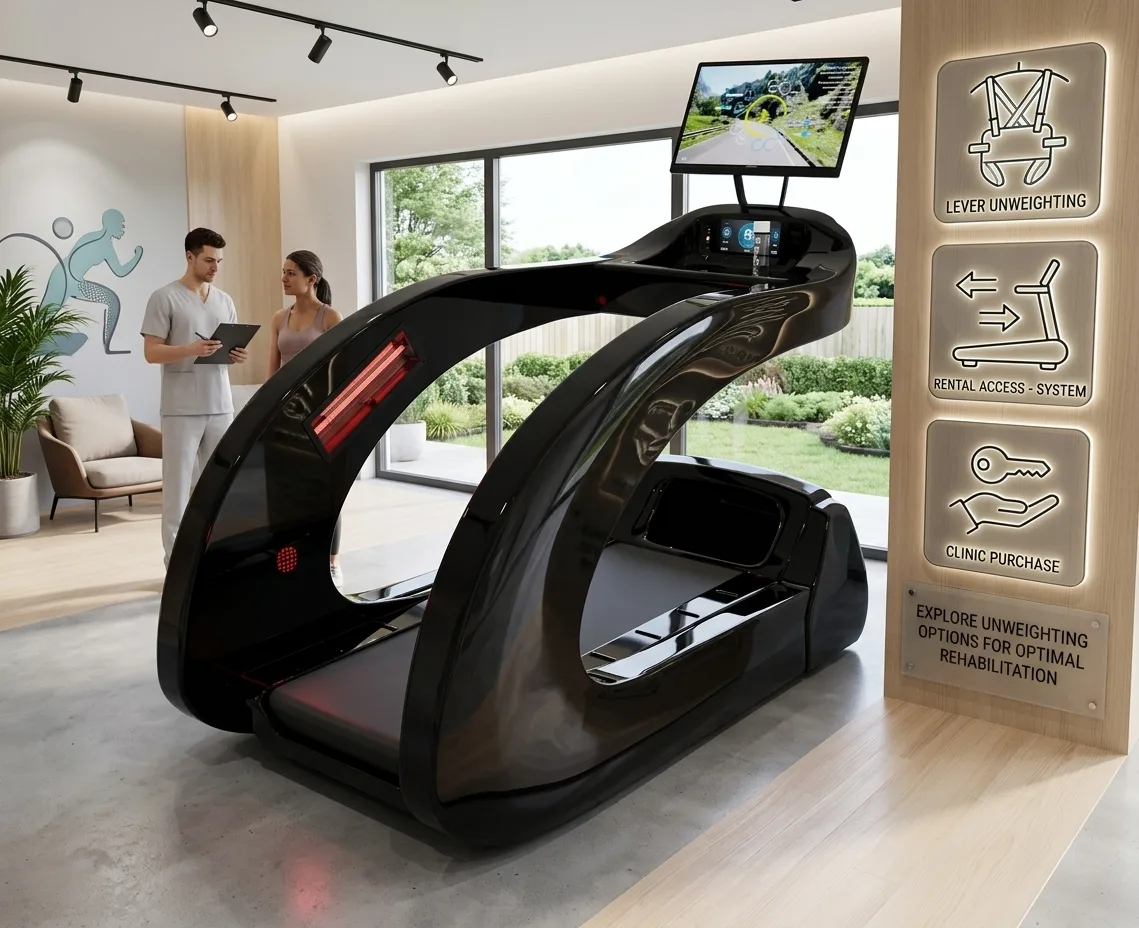
Колко струва бягаща пътека с нулева гравитация през 2026 г.?
Нова бягаща пътека с нулева гравитация AlterG струва приблизително от 125 000 до 75 000 рупии или повече, в зависимост от модела. AlterG е доминиращата марка в тази категория. Според записа за AlterG в Уикипедия и корпоративните разкрития на Lifeward, AlterG е основана през 2005 г., разполага с около 6000 съоръжения в световен мащаб и е придобита през август 2023 г. от ReWalk Robotics (впоследствие преименувана на Lifeward) за приблизително 19 милиона рупии, според широко съобщаваното съобщение за придобиването. AlterG предлага множество модели, насочени към различни сегменти на купувачите: фитнес тренировъчни центрове, клинични практики за физикална терапия, отделения за болнична рехабилитация и професионални центрове за спортни постижения. Таблицата по-долу обобщава моделите с приблизителни ценови диапазони. Индивидуалните резултати и посочените цени ще варират; свържете се директно с Lifeward за официални оферти.
| Модел | Ниво | Приблизителна цена (USD, прогнозна) | Най-подходящ за / Случай на употреба |
|---|---|---|---|
| AlterG NEO / NEO+ | Входна клинична | $25 000-$30 000 (приблизително) | Клиники за физиотерапия и учебни заведения търсят най-рентабилния AlterG – стартира през юни 2024 г. според отразяване в пресата на Lifeward; NEO+ добавя анализи на походката в реално време |
| AlterG M320 | Клиничен стандарт | Приблизително $34 900 (според ценоразписа на Sourcify China за 2025 г.) | Най-разпространеният модел за физиотерапия – медицинско изделие, одобрено от FDA, с намаление на телесното тегло до 80%, работна сила от линията AlterG. |
| AlterG F320 | Ниво на фитнес | Очаква се малко под M320 | Фитнес зали и тренировъчни съоръжения, където не се изискват спецификации за електрически смущения от болничен клас (същото DAP ядро като M320, фитнес класификация) |
| AlterG Via 400 / Via 400X | Среден клас | $40 000-$55 000 (приблизително) | Между ниво M320 и Pro – подобрен анализ на походката, средноклинична производителност |
| AlterG Pro 200 / Pro 500 | Професионален спортист | Приблизително $75 000+ (за всяко покритие на Startup Grind) | Професионални спортни отбори и олимпийски тренировъчни центрове – максимална скорост 29 км/ч за професионалните модели |
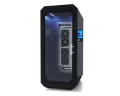
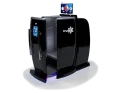
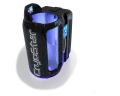
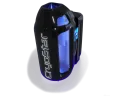
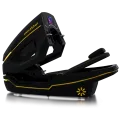
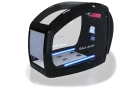
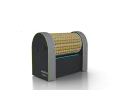
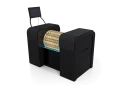
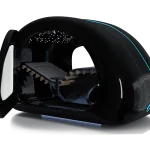
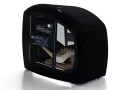
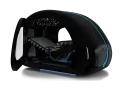
| VacuStar (Vacuactivus BodyShape) | Съседна категория (Кардио / Фитнес за тяло) | Свържете се с Vacuactivus за оферта (производителят не публикува цени в интернет) | B2B body-shape/кардио – вакуумно-налягане + инфрачервена светлина + LED цветна светлинна технология (НЕ е DAP разтегляща; НЕ е позиционирана като клиничен заместител на физиотерапията) |
Защо бягащите пътеки с нулева гравитация са толкова скъпи?
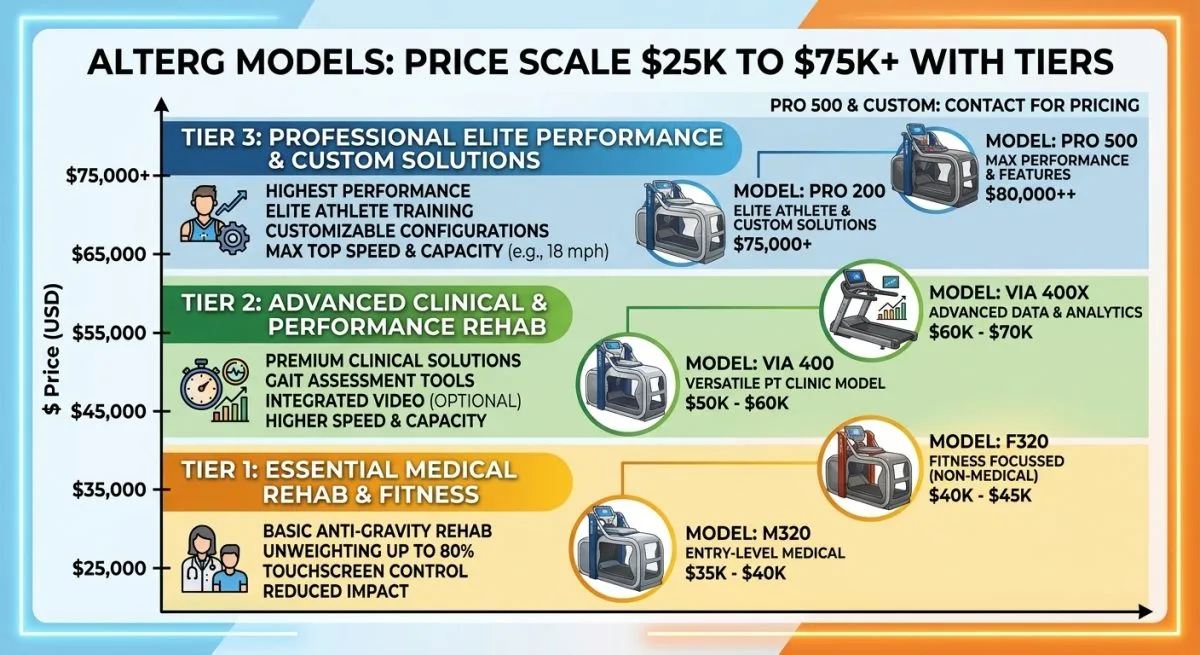
Няколко фактора обуславят премиум ценообразуването. AlterG използва технология за диференциално въздушно налягане (DAP), разработена от НАСА, патентована и лицензирана, която позволява прецизно разтегляване на стъпки от 1% в диапазон на телесно тегло от 20% до 100%. Моделът M320 с медицински клас е одобрен от FDA за клинична употреба, което изисква значителни регулаторни инвестиции. Пазарът на бягащи пътеки с нулева гравитация е малък - според разкритията на Lifeward, около 6000 съоръжения в световен мащаб - така че компанията не може да разпредели разходите върху производството с голям обем, типично за потребителските фитнес марки. Добавете анализ на походката в реално време, интегрирано видео наблюдение, софтуер за сензорен екран, издръжливост на медицинска конструкция за ежедневна клинична употреба и индивидуални системи за калибриране на телесното тегло и ценовата структура започва да има инженерен смисъл, дори и да изглежда скъпа на пръв поглед.
Седемте основни фактора за ценообразуване, по ред на въздействие: (1) лицензиране на технологията на NASA DAP с патентни възнаграждения; (2) одобрение на медицински изделия от FDA за клинични модели (предимно M320) със значителни разходи за съответствие с регулаторните изисквания; (3) специализирана научноизследователска и развойна дейност за прецизни механики за разтегливост с 1% инкремент; (4) размер на нишовия пазар (приблизително 6000 съоръжения в световен мащаб), ограничаващ икономиите от мащаба; (5) качество на изработка от медицински клас за ежедневна клинична употреба; (6) софтуер за анализ на походката в реално време и видеонаблюдение; (7) индивидуална система за калибриране на телесното тегло на потребител. Придобиването на AlterG през август 2023 г. за приблизително 1419 милиона TP19 отразява търговската стойност на технологията и марката, а не цената на частите.
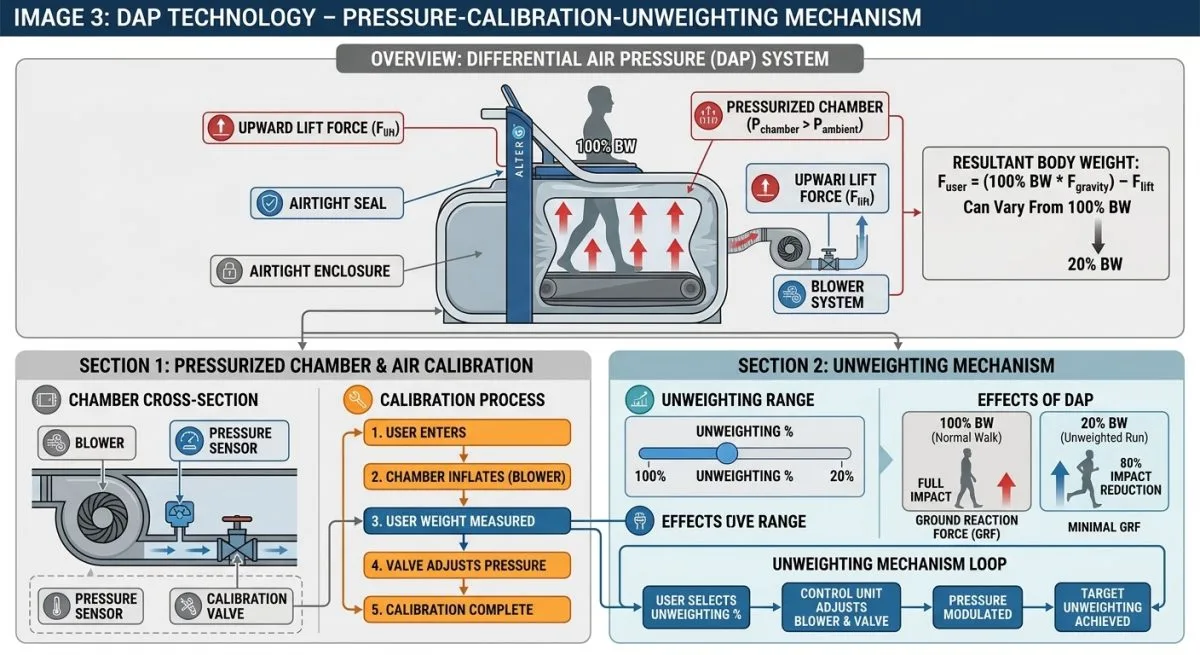
AlterG модели: Подробна разбивка на цените
Серии AlterG NEO и NEO+ (клинични продукти за начално ниво)
Серията NEO беше пусната на пазара през юни 2024 г. според отразяването в пресата на Lifeward на представянето на NATA Symposia, позиционирана като най-рентабилният модел AlterG на компанията за разширяване на достъпа до клиники. NEO+ добавя високоскоростна производителност и анализ на походката в реално време към базовата версия на NEO. Целевите купувачи са клиники за физиотерапия и учебни заведения, които искат AlterG DAP технология, но на по-ниско ниво на капиталови разходи от клиничния стандарт M320 или оборудването Pro-tier. Очакван ценови диапазон: приблизително от 14 250 000 до 14 30000 рупии. Както при всички модели AlterG, действителните обявени цени зависят от конфигурацията, гаранционния пакет и условията на финансиране; свържете се директно с Lifeward за официална оферта.
AlterG M320 (Клиничен стандарт)
AlterG M320 е най-разпространеният модел във физиотерапевтичните клиники и работният кон от линията AlterG. Това е, което повечето купувачи всъщност имат предвид, когато питат за цените на бягащите пътеки за работа с нулева гравитация. M320 е одобрен от FDA като медицинско изделие, предлагайки намаляване на телесното тегло до 80% на стъпки от 1% в диапазона на разтегливост, активиран от DAP. Исторически контекст: В отразяването на пускането на пазара на AlterG M320 в списание Triathlete от 2011 г. е посочена първоначална цена на дребно от приблизително $24 500, която е била широко плащана в продължение на пет години по приблизително $550 на месец. Текущата цена на AlterG M320 на дребно е приблизително $34 900 според ценоразписа на Sourcify China за 2025 г. M320 е това, което повечето купувачи на физиотерапевтично оборудване оценяват, когато търсят професионална рехабилитационна бягаща пътека или антигравитационна бягаща пътека за физиотерапия за ново изграждане на клиника.
AlterG F320 (фитнес ниво)
F320 използва същото DAP ядро като M320, но е класифициран като фитнес оборудване, а не като медицинско устройство. Той не отговаря на някои изисквания за електрически смущения в болниците, на които отговарят клиничните устройства M320, така че клиентската му база са фитнес зали и тренировъчни центрове, а не болнични рехабилитационни отделения. Цената обикновено е малко под клиничния модел M320. Ако дадено заведение не се нуждае от одобрената от FDA класификация и неговият случай на употреба е спортни постижения, а не клинична рехабилитация, F320 предлага същата технология за разтегляване на ядрото на умерено намалена цена.
AlterG Via 400 и Via 400X (среден клас)
Via 400 и Via 400X се намират между клиничния стандарт M320 и оборудването за професионалисти от Pro-tier. Те добавят подобрени функции за анализ на походката и възможности за средноклинична производителност извън базовия клиничен обхват на M320. Приблизителен ценови диапазон: приблизително от 1TP40 000 до 1TP45 000. Типични купувачи са по-големи практики за физическа активност, болнични рехабилитационни системи и спортно-медицински заведения, които искат повече анализи, отколкото M320 предоставя, но не се нуждаят от скорост и спецификации от Pro-tier.
AlterG Pro 200 и Pro 500 (най-висока производителност)
Pro 200 и Pro 500 са нивото за професионални спортисти, с максимална скорост до 29 км/ч за моделите Pro. Типичните купувачи са професионални спортни отбори, олимпийски тренировъчни центрове и елитни спортни съоръжения. Очакваната цена е приблизително 14 000 рупии или повече за покритие на Startup Grind. Това е нивото, където цените на бягащите пътеки с нулева гравитация преминават в територията на големите капиталови разходи, а решенията на купувача обикновено включват многогодишни прогнози за употреба, очаквания за пропускателна способност на спортистите и интеграция с по-широка инфраструктура за анализ на производителността.
Употребявани и ремонтирани бягащи пътеки с нулева гравитация
Пазарът на употребявани бягащи пътеки с нулева гравитация съществува чрез борси за медицинско оборудване (DotMed, BNB Distribution) и периодични обяви в eBay. Цените обикновено варират от 15 000 до 50 000 рупии в зависимост от модела, възрастта, състоянието, гаранционния статус и историята на поддръжката. За клиника за физиотерапия с ограничен бюджет, която е готова да инвестира в поддръжка, употребяван AlterG може да бъде работещ среден път между капиталова инвестиция в ново устройство и сценарии без оборудване. Пазарът на употребявани устройства крие реални рискове, които проучванията на новите купувачи би трябвало да разкрият: оригиналното калибриране на въздушното налягане може да се е отклонило от спецификацията, гаранцията на производителя обикновено не се прехвърля, наличието на резервни части зависи от поколението на модела и може да не се предоставят актуализации на софтуера за устройства, придобити извън канала на дистрибутора на Lifeward.
Практическо ръководство за купувачи на употребявани автомобили: поискайте документирана история на поддръжка, настоявайте за проверка преди покупка от оторизиран от AlterG техник, ако е възможно, проверете състоянието на въздушния мехур и статуса на системата за калибриране, потвърдете прехвърляемостта на софтуерния лиценз и планирайте бюджет за калибриране след покупката и евентуална подмяна на компоненти. Общата цена на антигравитационна бягаща пътека за петгодишен клиничен период често се оказва благоприятна, когато разходите за калибриране и поддръжка са правилно планирани в бюджета. Някои купувачи проучват този път чрез обява за продажба на бягаща пътека с нулева гравитация на пазарите за медицинско оборудване, преди да решат дали новата си струва премията.
По-евтини алтернативи на закупуването на AlterG
За повечето купувачи, притежаването на пълен AlterG не е единственият път към технологията. Съществуват четири осъществими и по-евтини маршрута: механично намаляване на телесното тегло у дома (Lever Movement), наемане на оборудване за физиотерапия за всяка сесия в клиники за физиотерапия и рехабилитационни центрове, посещения за физиотерапия, покрити от застраховката, когато е медицински подходящо, и придобиване на употребяван AlterG (разгледано по-горе). Всеки от тях отговаря на различен профил на купувача и случай на употреба.
Движение на лоста (у дома, приблизително $1,000)
Системата Lever Movement е най-близкото до домашна антигравитационна бягаща пътека на пазара и най-ниската входна цена за антигравитационна бягаща пътека извън наемането на съоръжение. Lever използва система от макари и колани, която механично намалява телесното тегло спрямо стандартна платформа за бягаща пътека. Тя струва приблизително 140 000 рупии и работи със съществуващата бягаща пътека на купувача, предлагайки използваемо намаляване на телесното тегло за управление на травми у дома и възстановяване на любители бегачи. Компромисът е прецизността: Lever не може да осигури контрол на нарастването от 11 рупии на 3 тона в диапазона на телесно тегло от 20 до 100 рупии на 3 тона, а механиката на разтегляване на макарите се различава от разтеглянето с въздушно налягане на AlterG. За домашни потребители, които се справят с рутинни болки или поддържат форма при леки травми, Lever е практичният избор; той не е заместител на професионална рехабилитационна бягаща пътека в клинична обстановка.
Наем на съоръжения ($20-$25 на сесия)
Клиники за физиотерапия, рехабилитационни центрове и спортни съоръжения предлагат платен достъп до AlterG за всяка сесия. Обявени цени от клиники в САЩ за 2022-2024 г.: ProSports Therapy таксува приблизително $25 на сесия или $225 за пакет от 10 сесии. Медицински център Cooperman Barnabas (RWJBarnabas Health) таксува приблизително $20 на 30-минутна сесия или $80 за пакет от 5 сесии. BayCare предлага месечно членство на цена от приблизително $100 за 5 сесии. Това е най-достъпният начин да се възползвате от технологията без да я притежавате и е практичният вариант за хора, които се нуждаят от AlterG няколко пъти месечно, а не ежедневно. Цените и предложенията варират в зависимост от клиниката и региона; проверете с конкретното заведение преди да резервирате.
Физиотерапия със здравно осигуряване
Когато сесия с AlterG е предписана от лекар като част от план за физиотерапия за квалифицирано състояние (следоперативна рехабилитация, неврологично възстановяване, спортна травма), сесията обикновено се таксува като редовно посещение за физиотерапия. Прилагат се стандартно доплащане и самоучастие. Застрахователният план може да изисква направление от лекар. Самостоятелно платените сесии без посещение за физиотерапия не се покриват от застраховката. Този начин на действие осигурява достъп до технологията на AlterG с нулеви допълнителни разходи, надвишаващи нормалните доплащания за физиотерапия за купувачи, чиято застраховка покрива физиотерапия за тяхната конкретна диагноза. Винаги проверявайте покритието на вашия конкретен план и практиките за фактуриране на заведението, преди да насрочите час.
VacuStar като по-евтина съседна алтернатива (кардио за оформяне на тялото, а не клинична рехабилитация)
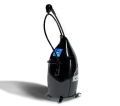
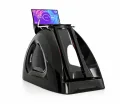
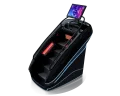
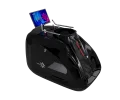
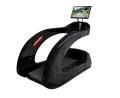
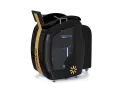
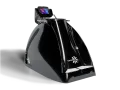
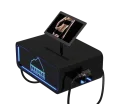
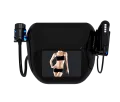
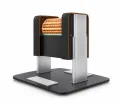
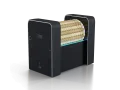
Vacuactivus произвежда Вакуумна бягаща пътека VacuStar като част от неговата Вакуумно фитнес оборудване BodyShape линия от 2009 г. (над 15 години). VacuStar си струва да се спомене тук като алтернатива от СЪСТОЯЩА КАТЕГОРИЯ за тесен профил на купувачите, а не като технически заместител на AlterG. Критично отличие: VacuStar използва технология за вакуумно налягане, комбинирана с инфрачервена и LED цветна светлина за кардио приложения за оформяне на тялото; НЕ използва технология за разтегляване на диференциално въздушно налягане (DAP), НЕ е одобрен от FDA като клинично медицинско устройство и НЕ е позициониран като заместител на клиничната физиотерапия и рехабилитация. Когато AlterG е правилният избор (клинично физиотерапевтично разтегляване, следоперативна рехабилитация, неврологично възстановяване, елитни спортни постижения), Vacuactivus препоръчва решението AlterG и не твърди, че VacuStar е еквивалент.
Къде може да се оцени VacuStar: купувачи, чиято действителна цел е кардио за оформяне на тялото, кардио кондициониране за загуба на мазнини или кардио оборудване за уелнес центрове на ниво обслужване за оформяне на тялото – не клинична рехабилитация. Цените на VacuStar не са публикувани на уебсайта на Vacuactivus; производителят приема директни запитвания за официални оферти, съобразени с конфигурацията и количеството. За съседни B2B купувачи, оценяващи мултимодално оборудване за оформяне на тялото (вакуумна бягаща пътека + инфрачервено облъчване + LED цветна светлина в едно интегрирано устройство) като част от капиталовия бюджет на уелнес център, се свържете директно с отдела за продажби на Vacuactivus. Това е разговор от различна категория от разценяването на AlterG DAP и купувачите трябва да оценят VacuStar по неговите собствени качества (ефективност на кардио за оформяне на тялото, производителност на сесиите, модел на приходи за уелнес център), а не като заместител на одобрено от FDA оборудване за клинична рехабилитация. Вижте визуалното сравнение на цените на AlterG срещу VacuStar (Изображение 8) за сравнителен анализ на технологията + позиционирането.
За клиники и медицински заведения: Съображения за покупка
Математиката за възвръщаемост на инвестициите (ROI) за придобиване на физиотерапевтична клиника обикновено работи по следния начин. При капиталови разходи за оборудване в диапазона $25 000-$75 000 долара плюс отчетена икономическа ефективност на наемане на сесия в размер на $25 долара на местния пазар, точката на рентабилност пада на приблизително 1000 до 3000 проведени сесии. Типична клиника, предоставяща 5-15 сесии с AlterG на ден, достига тази точка на рентабилност за приблизително 1 до 3 години активна употреба. Допълнителни фактори: висококачествено ценообразуване на физиотерапевтичните услуги, подкрепено от привличането на технологии от AlterG, привличане на нови пациенти (AlterG често се цитира в местния маркетинг на физиотерапевтичните клиники като диференциращ фактор) и намалено време за персонал на сесия в сравнение с мануално-асистирана рехабилитация. Опциите за финансиране и лизинг обикновено се предлагат чрез Lifeward и трети страни, предоставящи оборудване.
Ключови фактори за вземане на решение за покупка в клиниката, освен цената: продължителност и покритие на гаранцията, бърза реакция от страна на производителя, включено обучение на персонала (AlterG изисква инвестиция в обучение на оператори за безопасна употреба от пациентите), наличност на резервни части, политика за актуализиране на софтуера, интеграция със съществуващи системи за документация на физиотерапевта и изисквания за площ (уредите на AlterG изискват специално място плюс достъп за оператори). За клиники, които оценяват снабдяването с оборудване по-широко – включително OEM партньорства за фитнес или уелнес оборудване с частна марка извън специфичната за AlterG категория клинична рехабилитация – вижте Ръководството за OEM производители на фитнес оборудване, което разглежда съображенията за снабдяване B2B от гледна точка на производителя.
Често задавани въпроси
В1. Колко струва бягаща пътека с нулева гравитация?
Нова бягаща пътека с нулева гравитация AlterG струва приблизително от 125 000 до 75 000 рупии или повече, в зависимост от модела. AlterG NEO е в началния клиничен сегмент (приблизително 25 000-30 000 рупии), M320 струва около 34 900 рупии според текущите ценови ръководства в индустрията, а Pro 500 достига 75 000 рупии или повече. Употребяваните устройства в добро състояние обикновено се продават за 15 000 до 50 000 рупии. Повечето купувачи са клиники за физиотерапия, спортни съоръжения и болнични рехабилитационни отделения. AlterG (под Lifeward) не публикува публично официални цени, така че посочените диапазони са приблизителни от ценовите ръководства в индустрията.
В2. Защо бягащата пътека AlterG е толкова скъпа?
Няколко фактора определят цената. AlterG използва патентована технология за диференциално въздушно налягане (DAP), извлечена от НАСА, с прецизно разтегляване на стъпки от 1%. Медицинският модел M320 има разрешение от FDA за клинична употреба, което изисква значителни регулаторни инвестиции. Пазарът е малък – според разкритията на Lifeward, приблизително 6000 заведения по целия свят притежават такъв модел – така че компанията не може да разпределя разходите върху големи обеми, както могат потребителските фитнес марки. Добавете анализ на походката в реално време, софтуер за видеонаблюдение, издръжливост на медицинския клас и придобиването на AlterG от ReWalk Robotics (сега Lifeward) през август 2023 г. за приблизително $19 милиона, което показва търговската стойност на технологията отвъд цената на частите.
В3. Мога ли да си купя бягаща пътека с нулева гравитация за домашна употреба?
Технически да, но истински AlterG с DAP технология рядко е разумна покупка за дома, предвид цената ($25 000-$75 000+) и факта, че повечето случаи на домашна употреба не изискват прецизност от 1%. Алтернативата, насочена към дома, е системата Lever Movement (приблизително $1000), която използва намаляване на телесното тегло на базата на макара, а не въздушно налягане. Тя работи със стандартна бягаща пътека и предлага част от прецизността, но на част от цената. За повечето домашни потребители това е практичният избор.
В4. Коя е най-евтината антигравитационна бягаща пътека?
За домашна употреба, системата Lever Movement, на цена от приблизително 1000 паунда (1 TP4T4 1000), е най-евтината практична антигравитационна бягаща пътека. За оборудване от търговско ниво, AlterG NEO (пуснат на пазара през юни 2024 г. според отразяване в пресата на Lifeward) е позициониран като най-рентабилния клиничен модел на компанията и се оценява в диапазона от 25 000 до 30 000 паунда (1 TP4T4 25 000-1 TP4T4 30 000). Използвани устройства M320 понякога се появяват за 15 000-1 TP4T20 000 паунда (1 TP4T4 20 000-1 TP4T4 25). Най-евтиният начин за използване на технологията обаче е наемането на време в клиника – обикновено 20-25 паунда (1 TP4T4 25) на сесия.
В5. Колко струва наемането на AlterG?
Наемането на AlterG на сесия във физиотерапевтични клиники обикновено струва от $20 до $25 за 30-минутен сеанс, с отстъпки за пакети. ProSports Therapy таксува $25 на сесия или $225 за пакет от 10 сесии. Медицинският център Cooperman Barnabas (RWJBarnabas Health) таксува $20 за 30 минути или $80 за пакет от 5 сесии. BayCare предлага месечно членство на цена от приблизително $100 за 5 сесии. Цените варират в зависимост от клиниката и региона; проверете с конкретното заведение преди да резервирате. Това е най-достъпният начин да се възползвате от технологията, без да я притежавате.
В6. Покрива ли се AlterG от застраховката?
В много случаи, да – когато сесия с AlterG е предписана от лекар като част от план за физиотерапия за квалифицирано състояние (следоперативна рехабилитация, неврологично възстановяване, спортна травма), тя се таксува като редовно посещение при физиотерапевт. Прилагат се стандартно доплащане и самоучастие. Може да се изисква направление от лекар. Самостоятелно платените сесии без посещение при физиотерапевт не се покриват от застраховката. Винаги проверявайте конкретния си план и практиките за фактуриране на заведението, преди да насрочите час.
Въпрос 7. AlterG срещу Lever Movement – кое е по-добро?
Те обслужват различни потребители на изключително различни ценови нива. AlterG използва прецизен въздух под налягане, за да намали телесното тегло на стъпки от 1% и е клиничният/професионален стандарт – $25 000-$75 000+. Lever Movement използва система от макари и колани на стандартна бягаща пътека на цена приблизително $1 000, по-малко прецизна, но практична за домашна употреба и управление на развлекателни травми. За физиотерапевтични клиники, следоперативна рехабилитация, неврологично възстановяване и елитни спортни тренировки, AlterG. За поддръжка на травми в домашни условия и бюджетни бегачи, които се справят с рутинни болки, Lever. Различни инструменти, различни задачи.
В8. Колко дълго издържат бягащите пътеки с нулева гравитация?
Създаден за ежедневна употреба в медицински клиники, AlterG обикновено издържа 10-15 години с редовна поддръжка и от време на време подмяна на компоненти (въздушен резервоар, система за калибриране, актуализации на софтуера). Първоначалната компания майка (AlterG, Inc., основана през 2005 г., сега част от Lifeward след придобиването на ReWalk Robotics през 2023 г.) осигурява поддръжка и части. По-старите устройства (M300/M320) от началото на 2010-те години все още се използват активно в клиничната практика. Употребяваните устройства, които си струва да бъдат закупени, обикновено имат документирана история на поддръжка и оставащ полезен живот от поне 50%.
Заключение
Реалната цена на бягаща пътека с нулева гравитация варира приблизително от 25 000 до 75 000+ долара нова за моделите AlterG, с множество по-евтини начини за достъп до технологията: пазар на употребявани модели (15 000-50 000 долара), система Lever Movement за домашна употреба (~1000 долара), наем на съоръжения за тренировка на сесия (20-25 долара/сесия) и покрити от застраховка посещения за физиотерапия, когато е медицински подходящо. Съобразете начина на достъп с вашия действителен случай на употреба. За клиники за физиотерапия, които превръщат AlterG в линия за рехабилитационни услуги, математиката на възвръщаемостта на инвестициите обикновено се изчислява в рамките на 1-3 години при типичен обем на клиничните сесии. За хора със специфични рехабилитационни нужди, покритите от застраховка посещения за физиотерапия или наемът на съоръжения за тренировка на сесия осигуряват достъп до AlterG без капиталови инвестиции. За управление на домашни наранявания и възстановяване при бегачи-любители, Lever Movement е практичният избор на част от цената.
За B2B купувачи, които оценяват съседното оборудване за оформяне на тялото и кардио, заедно с решението си за клинична рехабилитация AlterG, Vacuactivus произвежда Бягаща пътека с нулева гравитация VacuStar и по-широката линия BodyShape като отделна технологична опция в съседната категория за оформяне на тялото/кардио (вакуумно налягане + инфрачервена светлина + LED цветна светлина – без клинично разтегляване на DAP). Свързано четене: Бягаща пътека с нулева гравитация: Физикална терапия: Протоколи за рехабилитация за дълбоко гмуркане в клинично приложение и Бягаща пътека с нулева гравитация: Как бягането без гравитация променя рехабилитацията и загубата на мазнини за ъгъла на бягане.


