



























Wartungsleitfaden für die Kryosauna: So bleibt sie in Topform
Eine Kryosauna ist eine bedeutende Investition, und Studios, die diese Investition am besten schützen, zeichnen sich durch regelmäßige Wartung aus. Eine ordnungsgemäße Wartung gewährleistet dreierlei: Sie maximiert die Betriebszeit der Geräte (jeder Ausfalltag bedeutet Umsatzeinbußen), sie sorgt für Sicherheit (Kältetherapiegeräte verfügen über Sicherheitssysteme, die kalibriert bleiben müssen) und sie verlängert die Lebensdauer der Geräte (gut gewartete gewerbliche Kryosaunen arbeiten viele Jahre zuverlässig). Dieser Leitfaden enthält den kompletten Wartungsplan – täglich, wöchentlich, monatlich, vierteljährlich und jährlich – sowie Grundlagen zur Fehlerbehebung und Hinweise, wann ein Fachmann hinzugezogen werden sollte.
Ein wichtiger Hinweis vorab: Jedes Kryosauna-Modell verfügt über eine spezifische Wartungsdokumentation des Herstellers, die stets Vorrang vor allgemeinen Hinweisen hat. Die folgenden Vorgehensweisen entsprechen branchenüblichen Wartungspraktiken, die maßgebliche Informationsquelle ist jedoch das Servicehandbuch Ihres Geräts. Im Zweifelsfall befolgen Sie bitte die Anweisungen des Herstellers.
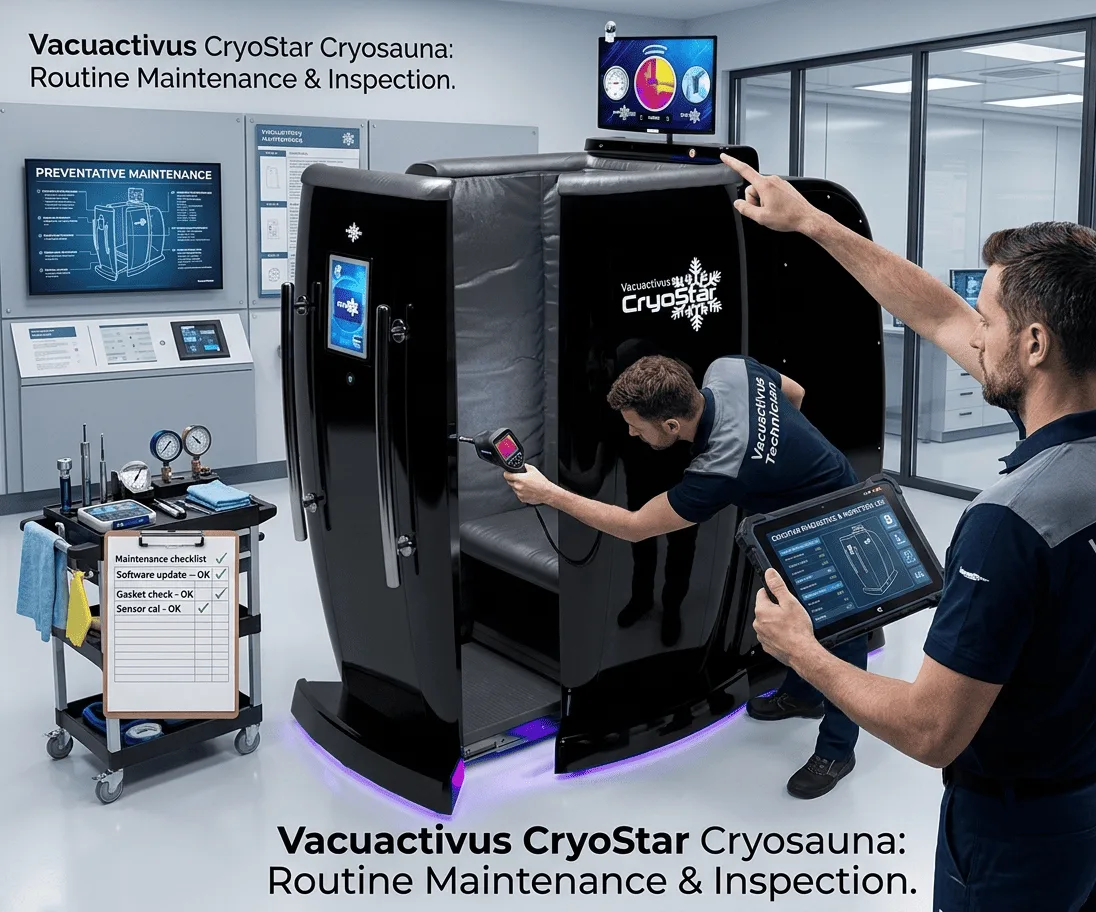
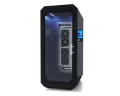
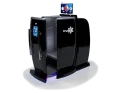
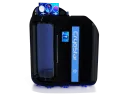
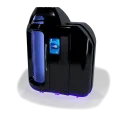
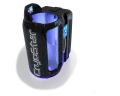
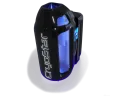
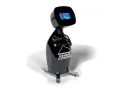
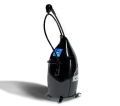
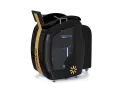
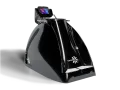
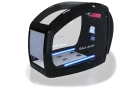
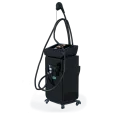
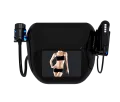
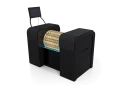
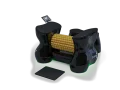
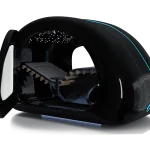
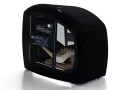
Abbildung: Routinemäßige Wartung und Inspektion der Vacuactivus CryoStar Kryosauna
Warum Wartung wichtig ist: Betriebszeit, Sicherheit, ROI
Die wirtschaftlichen Vorteile einer disziplinierten Wartung liegen auf der Hand. Ein Studio mit 400 Sitzungen pro Monat und einem durchschnittlichen Stromverbrauch von $50 verliert pro Tag Ausfall der Geräte etwa $650 Umsatz. Ein einziger vermeidbarer Ausfall, dessen Behebung eine Woche dauert, kostet Tausende an entgangenen Buchungen, zuzüglich der Reparaturkosten und der Abwanderung unzufriedener Kunden. Vorbeugende Wartung ist deutlich günstiger als reaktive Reparatur.
Sicherheit steht an zweiter Stelle. Die Sicherheitssysteme der Kryosauna – Not-Aus-Schalter, Temperaturbegrenzungen, Türmechanismen und (bei Stickstoffanlagen) Sauerstoffmonitore – müssen stets kalibriert und funktionsfähig sein. Wartung bedeutet nicht nur, den Betrieb der Anlage aufrechtzuerhalten, sondern auch, einen sicheren Betrieb zu gewährleisten.
Die Lebensdauer ist der dritte Faktor. Kommerzielle Kryosaunen wie die Vacuactivus CryoStar Geräte sind für eine lange Lebensdauer ausgelegt, aber nur bei regelmäßiger Wartung. Vernachlässigte Geräte verschleißen schneller, fallen früher aus und erzielen einen geringeren Wiederverkaufswert. Wartung ist der Schlüssel zum Werterhalt Ihrer Anlage.
Der vollständige Wartungsplan
Hier ist der vollständige Wartungsplan für kommerzielle Kryosaunas, geordnet nach Häufigkeit, mit Angabe, wer üblicherweise die einzelnen Arbeitsschritte durchführt:
| Frequenz | Wartungsarbeiten | Wer tritt auf? |
|---|---|---|
| Vor jeder Sitzung | Sichtprüfung, Temperaturkontrolle, Tür- und Not-Aus-Test, Oberflächenreinigung | Operator |
| Täglich | Vollständige Flächendesinfektion, Protokollierung der Sauerstoffmonitorwerte, Überprüfung des Stickstoffstands, Überprüfung des Dampfsystems | Operator |
| Wöchentlich | Innenraum gründlich reinigen, Dichtungen und Dichtungsringe prüfen, Touchscreen-Funktion testen, Sitzungsprotokolle überprüfen | Bediener / Manager |
| Monatlich | Überprüfung der Transferleitung, Überprüfung des Belüftungsluftstroms, elektrische Anschlüsse, Überprüfung der Entwässerung | Geschultes Personal |
| Vierteljährlich | Prüfung der internen Komponenten, Überprüfung der Kälteanlage (elektrisch), Filterwechsel | Techniker / Hersteller |
| Jährlich | Umfassender Herstellerservice, Kalibrierung von Sauerstoffmonitoren, Zertifizierung von Sicherheitssystemen | Hersteller / Zertifizierter Techniker |
Das Prinzip: Die Bediener kümmern sich um die täglichen und wöchentlichen Aufgaben, geschultes Personal oder Manager um die monatlichen, und zertifizierte Techniker oder der Hersteller übernehmen die vierteljährliche und jährliche Wartung. Die Disziplin, jede Wartungsstufe termingerecht durchzuführen – und nicht erst dann, wenn etwas nicht stimmt – ist das, was gut geführte Studios von störungsanfälligen unterscheidet.
Tägliche Wartung (Aufgaben des Bedieners)
Die Grundlage bildet die tägliche Wartung. Diese Aufgaben dauern nur wenige Minuten, verhindern aber die meisten vermeidbaren Probleme:
- Sichtprüfung vor der Eröffnung — Überprüfen Sie vor dem ersten Kunden die Außen- und Innenbereiche der Kammer auf sichtbare Schäden, Frostbildung oder Unregelmäßigkeiten.
- Temperaturprüfung — Sicherstellen, dass die Kammer während der Vorkühlung die Zieltemperatur erreicht und hält. Temperaturdrift ist ein frühes Warnzeichen für Probleme mit der Kühlung oder der Stickstoffzufuhr.
- Sicherheitssystemtest — Prüfen Sie den Not-Aus-Schalter und die Türfunktion. Diese müssen jeden Tag einwandfrei funktionieren – lassen Sie diese Prüfung niemals aus.
- Sauerstoffmonitorprotokoll (Stickstoffausrüstung) – Notieren Sie den Sauerstoffmesswert beim Öffnen. Ein Protokoll dient als Frühwarnsystem, falls die Werte zu schwanken beginnen.
- Stickstoffstandprüfung (Stickstoffausrüstung) — Sicherstellen, dass ausreichend flüssiger Stickstoff für die anstehenden Sessions vorhanden ist und die Transferleitung auf sichtbaren Frost oder Beschädigungen überprüfen.
- Flächendesinfektion — Wischen Sie alle Oberflächen, die mit Kunden in Kontakt kommen, nach jeder Sitzung ab und führen Sie am Ende des Tages eine gründliche Reinigung durch. Hygiene ist sowohl für das Kundenerlebnis als auch für die Einhaltung der Gesundheitsvorschriften wichtig.
Wöchentliche Wartung
Wöchentliche Aufgaben gehen über die tägliche Reinigung hinaus und decken Probleme auf, bevor sie sich verschärfen:
- Gründliche Innenreinigung — Gründliche Reinigung des Kammerinneren, einschließlich der Bereiche, die bei der täglichen Reinigung nicht erreicht werden. Verwenden Sie ausschließlich vom Hersteller zugelassene Reinigungsmittel – aggressive Chemikalien können Dichtungen und Oberflächen beschädigen.
- Dichtungs- und Dichtungsprüfung — Überprüfen Sie die Türdichtungen auf Verschleiß, Risse oder Druckverlust. Beschädigte Dichtungen verringern die Effizienz und können die Temperaturkonstanz beeinträchtigen.
- Touchscreen- und Bedienelemente-Check — Überprüfen Sie, ob alle Touchscreen-Funktionen, Kontrollleuchten und Bedienelemente korrekt funktionieren.
- Sitzungsprotokollprüfung Überprüfen Sie die Sitzungsdaten der vergangenen Woche auf Temperaturabweichungen, Fehlercodes oder Leistungsveränderungen. Moderne Geräte protokollieren diese Daten automatisch; eine wöchentliche Überprüfung ermöglicht es, Trends frühzeitig zu erkennen.
Monatliche Wartung
Monatliche Aufgaben erfordern in der Regel geschultes Personal und betreffen Systeme, die keiner wöchentlichen Überprüfung bedürfen, aber nicht ein ganzes Quartal lang unbeaufsichtigt bleiben sollten:
- Inspektion der Transferleitung (Stickstoff) — detaillierte Inspektion der Flüssigstickstoff-Transferleitung auf Eisbildung, Beschädigung der Isolierung oder Integrität der Verbindungen.
- Überprüfung des Belüftungsluftstroms (Stickstoff) — Prüfen Sie, ob die Abluftanlage ausreichend Luft fördert und die Zuluft ungehindert ist. Ein reduzierter Luftstrom stellt ein Sicherheitsrisiko dar, das sich schleichend entwickelt.
- Prüfung der elektrischen Verbindung — Überprüfen Sie die sichtbaren elektrischen Anschlüsse und das Netzteil auf Anzeichen von Verschleiß, Lockerung oder Hitzeschäden.
- Überprüfung von Entwässerung und Kondensation — Prüfen Sie, ob alle Kondenswasserablaufsysteme frei und funktionsfähig sind, um Feuchtigkeitsansammlungen zu vermeiden.
Vierteljährliche und jährliche Wartung (Professionell)
Die höheren Servicestufen erfordern zertifizierte Techniker oder den Kundendienst des Herstellers. Hier zahlt sich die enge Zusammenarbeit mit dem Hersteller aus.
Vierteljährlich
Überprüfung der internen Komponenten, Überprüfung des Kühlsystems (bei elektrischen Geräten wie z. B. Antarktis WBC Electric), Filterwechsel und detaillierte Leistungsdiagnose. Viele Hersteller bieten Ferndiagnose an, die Leistungsabweichungen zwischen den physischen Serviceeinsätzen erkennt.
Jährlich
Der jährliche Service umfasst den kompletten Herstellerservice, die Kalibrierung des Sauerstoffmonitors (unerlässlich für Stickstoffgeräte – die Sensoren unterliegen einer Drift und müssen für genaue Messwerte neu kalibriert werden), die Zertifizierung des Sicherheitssystems und eine umfassende Zustandsprüfung der Geräte. Bei der jährlichen Wartung dokumentieren Sie außerdem den Gerätezustand für Versicherungs- und Garantiezwecke.
Vacuactivus bietet Hersteller-Serviceverträge und Ferndiagnose für installierte Geräte an. Damit werden die vierteljährlichen und jährlichen Wartungsintervalle abgedeckt und Probleme erkannt, bevor es zu Ausfallzeiten kommt. Für viele Studios ist ein Servicevertrag die einfachste Möglichkeit, die termingerechte Durchführung der professionellen Wartung zu gewährleisten.
Häufige Probleme und grundlegende Fehlerbehebung
Manche Probleme können die Bediener selbst beheben; andere erfordern sofortige professionelle Hilfe. Grundlegende Kenntnisse zur Fehlerbehebung:
- Die Kammer erreicht die Zieltemperatur nicht. Prüfen Sie zunächst den Stickstoffstand (bei Stickstoffgeräten) bzw. mögliche Luftstrombehinderungen (bei elektrischen Geräten). Sollten Stickstoffstand und Luftstrom normal sein und die Temperatur dennoch schwanken, stellen Sie das Gerät ein und kontaktieren Sie den Kundendienst – dies deutet auf ein Systemproblem hin.
- Übermäßige Frostbildung Leichter Frost ist normal; übermäßiger oder ungewöhnlicher Frost kann jedoch auf Probleme mit der Abdichtung oder Isolierung hinweisen. Melden Sie sich umgehend beim Kundendienst, falls sich die Situation verschlimmert.
- Sauerstoffmonitoralarm (Stickstoff) Behandeln Sie jeden Alarm ernst. Befolgen Sie die Notfallmaßnahmen, lüften Sie den Raum und nehmen Sie die Arbeit erst wieder auf, wenn sich die Messwerte normalisiert haben. Wiederkehrende Alarme erfordern eine sofortige professionelle Überprüfung.
- Touchscreen- oder Steuerungsfehler Notieren Sie sich alle Fehlercodes und kontaktieren Sie den Herstellersupport. Versuchen Sie nicht, Sicherheitsfunktionen zu umgehen oder Fehlerzustände zu ignorieren.
- Ungewöhnliche Geräusche oder Vibrationen Neue Geräusche von Kälte- oder Stickstoffsystemen erfordern eine umgehende Überprüfung. Dokumentieren Sie, wann und unter welchen Bedingungen diese Geräusche auftreten, für den Servicetechniker.
Die universelle Regel: Sicherheitssysteme dürfen niemals umgangen werden, um den Betrieb aufrechtzuerhalten. Bei einer Störung einer Sicherheitsvorrichtung wird die Anlage außer Betrieb genommen, bis sie von einem Fachmann freigegeben wird. Umsatzeinbußen durch einen Ausfalltag sind kompensierbar; ein Sicherheitsvorfall hingegen nicht.
Aufbau einer Wartungskultur in Ihrem Studio
Wartungspläne funktionieren nur, wenn sie auch eingehalten werden. Die Studios mit der besten Verfügbarkeit integrieren die Wartung in ihre Betriebsabläufe, anstatt sie als nachträglichen Gedanken zu behandeln.
- An den Geräten angebrachte Checklisten — Die von der Handelskammer täglich und wöchentlich ausgedruckten Checklisten machen die Routine sichtbar und nachvollziehbar.
- Protokolliert, nicht gespeichert — Wartungsprotokolle (digital oder in Papierform) schaffen Verantwortlichkeit und einen Prüfpfad für Versicherungen, Garantien und den Wiederverkauf.
- Bedienerschulung — Jeder Bediener ist in der täglichen und wöchentlichen Wartung geschult, nicht nur im Sitzungsbetrieb. Wartung ist Teil der Arbeit, keine Zusatzaufgabe.
- Serviceverträge für die tieferen Ebenen — die vierteljährliche und jährliche Wartung an den Hersteller oder zertifizierte Techniker auslagern, damit sie immer planmäßig erfolgt.
- Behandeln Sie Instandhaltung als Umsatzsicherung — Vermitteln Sie den Mitarbeitern, dass die Wartung den Betrieb und die Buchungen sichert und nicht als lästige Pflicht ansieht. Dieser Mentalitätswandel verbessert die Einhaltung der Vorschriften.
Häufig gestellte Fragen
Wie oft muss eine Kryosauna professionell gewartet werden?
Branchenübliche Praxis: Vierteljährliche professionelle Inspektion und jährliche vollständige Herstellerwartung zusätzlich zu den täglichen, wöchentlichen und monatlichen Aufgaben, die Bediener und Mitarbeiter durchführen. Stickstoffanlagen erfordern außerdem eine jährliche Kalibrierung des Sauerstoffmonitors. Die Dokumentation des Herstellers Ihrer spezifischen Anlage enthält den verbindlichen Zeitplan.
Kann ich die Wartung meiner Kryosauna selbst durchführen oder benötige ich einen Techniker?
Die Bediener erledigen die täglichen, wöchentlichen und die meisten monatlichen Aufgaben – Reinigung, Inspektionen, Protokollierung und grundlegende Überprüfungen. Vierteljährliche und jährliche Wartungen, die Kalibrierung des Sauerstoffmonitors, Arbeiten an der Kälteanlage und jegliche Reparaturen an internen Komponenten erfordern zertifizierte Techniker oder den Kundendienst des Herstellers. Führen Sie niemals Reparaturen an internen Komponenten oder Wartungsarbeiten an Sicherheitssystemen ohne entsprechende Qualifikation durch.
Was passiert, wenn ich die regelmäßige Wartung vernachlässige?
Unterlassene Wartung führt zu schleichendem Leistungsabfall, erhöhtem Ausfallrisiko, verkürzter Lebensdauer der Geräte, potenziellen Sicherheitsrisiken und oft zum Verlust der Garantie. Die Kosten der Vernachlässigung – durch Ausfallzeiten, Reparaturen und entgangene Buchungen – übersteigen die Kosten regelmäßiger Wartung bei Weitem. Es ist eindeutig ein Trugschluss im Studiobetrieb.
Wie hoch sind die jährlichen Wartungskosten einer Kryosauna?
Die Kosten variieren je nach Gerätetyp und Servicevereinbarung. Tägliche und wöchentliche Wartungsarbeiten erfordern lediglich Personalaufwand und Reinigungsmittel. Die professionelle vierteljährliche und jährliche Wartung sowie die Kalibrierung des Sauerstoffmonitors (Stickstoffgeräte) verursachen in der Regel geringe jährliche Kosten, die im Verhältnis zum generierten Umsatz gering sind. Viele Betreiber nutzen Serviceverträge mit den Herstellern, um die Kosten planbar zu machen und die Durchführung der planmäßigen Wartung sicherzustellen.
Ist die Wartung von elektrischen Kryotherapiegeräten geringer als die von Stickstoffgeräten?
Im Allgemeinen ja – elektrische Anlagen eliminieren die stickstoffspezifische Wartung (Überprüfung der Transferleitung, Kalibrierung des Sauerstoffmonitors, Stickstoffstandskontrolle, Überprüfung des Belüftungssystems). Elektrische Anlagen benötigen zwar weiterhin die übliche Kältemittelwartung, Reinigung und Komponentenprüfung, der Gesamtwartungsaufwand ist jedoch geringer, da die Stickstoffinfrastruktur nicht gewartet werden muss.
Wie lange hält eine gut gepflegte Kryosauna?
Gewerbliche Kryosaunen sind bei ordnungsgemäßer Wartung auf jahrelangen zuverlässigen Betrieb ausgelegt. Die genaue Lebensdauer hängt von der Nutzungshäufigkeit, der Wartungsdisziplin und der Gerätequalität ab. Gut gewartete gewerbliche Geräte von Qualitätsherstellern halten in der Regel zehn Jahre oder länger; vernachlässigte Geräte fallen deutlich früher aus. Die Wartungsdisziplin ist der mit Abstand wichtigste Faktor für die Lebensdauer eines Geräts.
Abschluss
Die Wartung einer Kryosauna ist nicht kompliziert, erfordert aber Disziplin und Kontinuität. Tägliche Kontrollen durch den Bediener, wöchentliche gründliche Reinigung und Inspektion, monatliche Systemprüfungen sowie professionelle vierteljährliche und jährliche Wartungen gewährleisten die drei wichtigsten Faktoren: Betriebsbereitschaft, Sicherheit und Langlebigkeit der Geräte. Studios mit der besten Wirtschaftlichkeit sind diejenigen, die die Wartung als Umsatzsicherung und nicht als lästige Pflicht betrachten.
Der einfachste Weg zu zuverlässiger Wartung besteht darin, disziplinierte interne Wartungsroutinen mit einem Servicevertrag des Herstellers für professionelle Anwender zu kombinieren. Vacuactivus bietet Serviceunterstützung und Ferndiagnose für installierte Geräte – einschließlich der CryoStar Kryosauna und Antarktis WBC Electric begehbare Kammer – so kann die Wartung der tieferen Anlagen planmäßig erfolgen und die Anlagen bleiben jahrelang in Top-Zustand.
Erfahren Sie mehr über die Geräte und den Kundendienst von Vacuactivus: → vacuactivus.com


