















Offene Kryosauna oder begehbarer Raum: Was ist besser für Spas?
Für Spas, die Kältetherapie anbieten, stehen im Wesentlichen zwei Geräte zur Auswahl: eine offene Kryosauna, in der der Kunde in einer vertikalen Kammer steht und sein Kopf über den Rand hinausragt, oder eine begehbare Kryotherapiekabine, in der der Kunde eine vollständig geschlossene Kabine betritt. Beide bieten eine effektive Ganzkörperkältebehandlung, schaffen aber deutlich unterschiedliche Spa-Erlebnisse, benötigen unterschiedlich viel Platz und eignen sich für verschiedene Spa-Geschäftsmodelle. Dieser Leitfaden vergleicht die beiden Varianten aus der Perspektive eines Spas – Kundenerlebnis, Behandlungsablauf, Premium-Positionierung und die für Spa-Betreiber relevanten wirtschaftlichen Aspekte.
Kurz gesagt: Offene Kryosaunen eignen sich für kompakte Day Spas, Kosmetikstudios und Spas, die Kältetherapie als eine von vielen angebotenen Leistungen anbieten. Begehbare Kryotherapieräume sind ideal für Premium-Medizin-Spas, Destination Spas und Einrichtungen, die Kältetherapie als besonderes Highlight positionieren. Beide Varianten funktionieren – die richtige Wahl hängt von den räumlichen Gegebenheiten, der Lage und der Zielgruppe Ihres Spas ab.
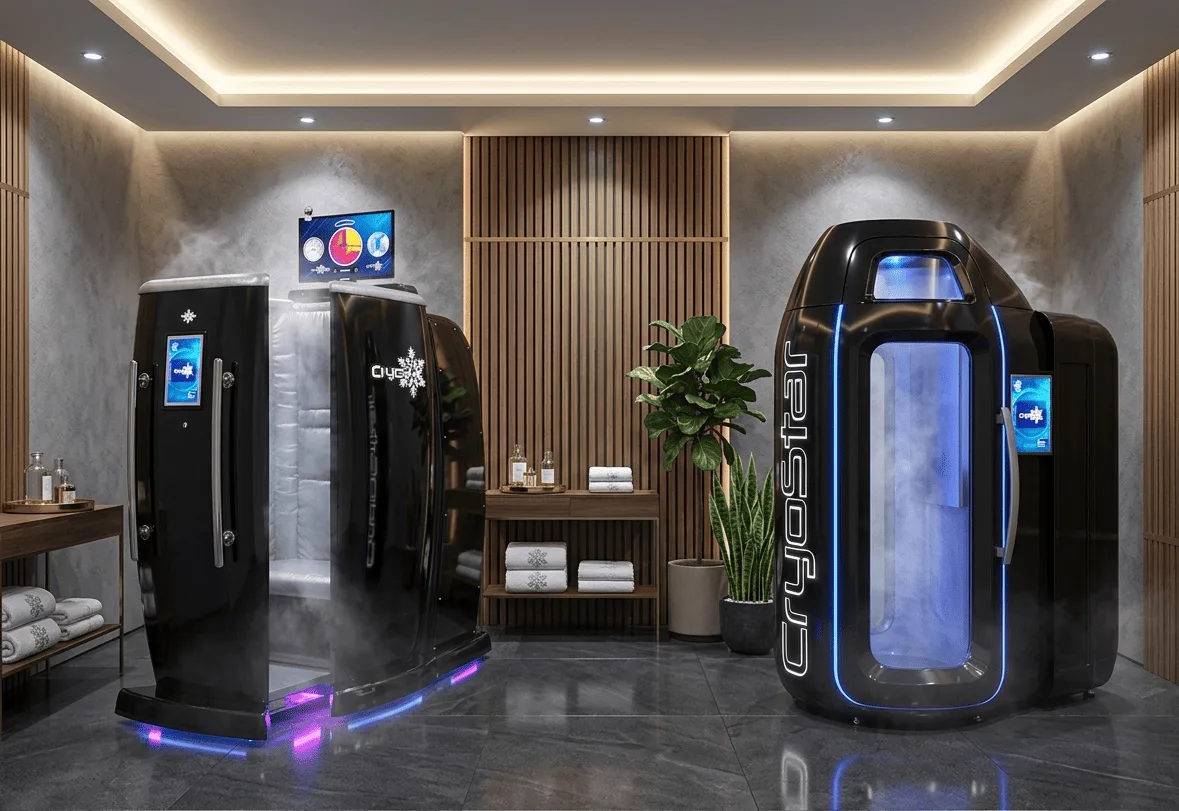
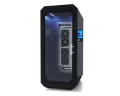
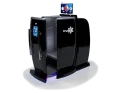
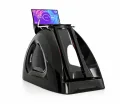
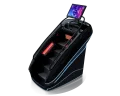
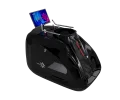
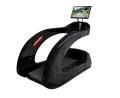
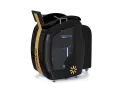
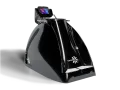
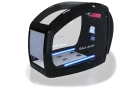
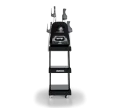
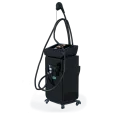
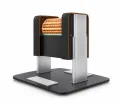
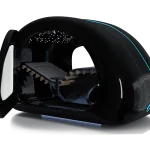
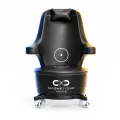
Titelbild: Vacuactivus CryoStar offene Kryosauna und begehbare WBC-Kammer Antarctica in einem eleganten Spa-Ambiente
Was ist eine offene Kryosauna?
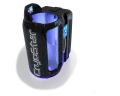
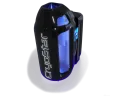
Eine offene Kryosauna ist eine vertikale Kammer für eine Person. Der Nutzer betritt sie in minimaler Schutzkleidung, und die Kammer steigt um ihn herum an, sodass sein Kopf in normaler Raumluft über dem Rand bleibt. Flüssiger Stickstoffdampf kühlt die Kammer für eine ein- bis dreiminütige Sitzung auf −110 °C bis −170 °C ab. Die kompakte, aufrechte Bauweise ist die platzsparendste verfügbare Form der Kältetherapie.
Für Spas bietet das offene Format spezifische Vorteile. Neukunden fühlen sich oft wohler, wenn ihr Kopf außerhalb der Kammer ist – es entsteht kein Gefühl der vollständigen Eingeschlossenheit, was die Angst vor Kältetherapie-Neulingen reduziert. Die kompakte Bauweise passt in Räume, in denen eine begehbare Kabine keinen Platz findet. Und die kurze Behandlungsdauer sorgt für einen reibungslosen Ablauf. Vacuactivus CryoStar ist eine repräsentative, nach oben offene Kryosauna, die für Spa- und Wellnessbereiche konzipiert wurde.
Was ist ein begehbarer Kryotherapieraum?
Eine begehbare Kältekammer (auch Ganzkörper-Kältekammer genannt) ist eine vollständig geschlossene Kabine, die der Klient mit seinem gesamten Körper, einschließlich des Kopfes, betritt. Die Kälte umgibt ihn vollständig für eine zwei- bis vierminütige Sitzung. Begehbare Kammern sind mit zwei Kühltechnologien erhältlich: Stickstoffkühlung (erreicht die niedrigsten Temperaturen) und elektrische Kühlung (kein flüssiger Stickstoff, atmungsaktive, gekühlte Luft und die Möglichkeit für Sitzungen mit mehreren Personen).
Für Spas bietet das begehbare Format ein intensiveres und hochwertigeres Erlebnis. Kunden beschreiben die Ganzkörperkabine als ein umfassenderes Sinneserlebnis als die offene Variante. Die größere physische Präsenz signalisiert eine Investition auf höchstem Niveau, was für die Premium-Positionierung entscheidend ist. Elektrische, begehbare Modelle können zudem mehrere Kunden gleichzeitig bedienen – ein Vorteil für Paarbehandlungen und Gruppenbuchungen. Vacuactivus Antarctica WBC Electric ist eine begehbare elektrische Kammer, die bis zu drei Klienten pro Sitzung aufnehmen kann.
Direkter Vergleich von Whirlpools
Elf Wellness-spezifische Überlegungen im direkten Vergleich:
| Spa-Überlegungen | Offene Kryosauna | Begehbarer Kryotherapieraum |
|---|---|---|
| Körperhaltung des Klienten | Stehend, Kopf über dem Rand | Stehend/sitzend, vollständig geschlossen |
| Komfort für Erstbesucher | Höher (Kopf bleibt draußen) | Mittel (vollständiges Eintauchen) |
| Premium-Spa-Erlebnis | Raffiniert, kompakt | Immersiv, Flaggschiff |
| Sitzungsdauer | 1–3 Minuten | 2–4 Minuten |
| Besuchszeit des Kunden | 5–10 Minuten | 8–12 Minuten |
| Durchsatz pro Stunde | 10–15 Kunden | 8–12 (mehr bei mehreren Personen) |
| Fußabdruck | ca. 50–80 Quadratfuß | ca. 100–150 Quadratfuß |
| Paarsitzungen / Gruppensitzungen | Nein (Single) | Ja (Mehrpersonenmodelle) |
| Kapitalkosten | Niedriger ($40K–$90K) | Höher ($120K–$250K) |
| Kühloptionen | Stickstoff | Stickstoff oder elektrisch |
| Optimale Spa-Passform | Kompakte Tages-Spas, Zusatzoptionen | Premium-Medizin-Spas, Destination-Spas |
Im Spa-Bereich gilt: Offene Kryosaunen punkten mit Platzeffizienz, geringen Investitionskosten, hohem Komfort für Erstbesucher und schnellerem Durchsatz. Begehbare Kabinen überzeugen durch ein intensives Premium-Erlebnis, die Möglichkeit, mehrere Personen gleichzeitig zu betreuen, und eine repräsentative Positionierung. Keine der beiden Varianten ist jedoch generell besser für Spas geeignet – die optimale Lösung hängt vom jeweiligen Spa-Konzept und der Zielgruppe ab.
Das Spa-Kundenerlebnis: Wie unterscheiden sie sich?
Spa-Kunden kaufen Erlebnisse, nicht nur Behandlungen. Der Unterschied im Format prägt das Erlebnis maßgeblich.
In einer offenen Kryosauna steht der Kunde mit dem Kopf draußen, kann sich mit dem Personal unterhalten und das Geschehen im Raum beobachten. Das Erlebnis wirkt kontrolliert und gleichzeitig angenehm – wichtig für die vielen Spa-Gäste, die zum ersten Mal eine Kältetherapie ausprobieren und möglicherweise Bedenken wegen der vollständigen Umhüllung haben. Die Sitzung ist kurz, und oft kombinieren Kunden sie mit anderen Spa-Behandlungen im selben Besuch.
In einem begehbaren Kälteraum betritt der Kunde die Umgebung vollständig und taucht in die Kälte ein. Für viele fühlt sich dies eher wie eine ‘Reisebehandlung’ an – ein bewusstes, intensives Erlebnis und nicht nur eine kurze Zusatzbehandlung. Premium-Spas integrieren den begehbaren Kälteraum oft in ihr charakteristisches Behandlungskonzept. Der Nachteil ist, dass manche Kunden die vollständige Abgeschlossenheit anfangs als beängstigend empfinden, weshalb eine sorgfältige Einweisung durch das Personal wichtig ist.
Viele Premium-Spas lösen dieses Problem, indem sie beides anbieten: die offene Kryosauna als Einstiegsmöglichkeit und den begehbaren Raum als Premium-Upgrade. Neukunden beginnen in der Kryosauna und wechseln zum begehbaren Raum, sobald sie sich an die Kältetherapie gewöhnt haben.
Behandlungsablauf und Spa-Betrieb
Wie sich die einzelnen Formate in die Terminplanung von Spa-Behandlungen einfügen, ist genauso wichtig wie das Erlebnis selbst.
- offene Kryosauna Der kurze Behandlungszyklus (5–10 Minuten pro Kunde) ermöglicht es, die Kryotherapie problemlos zwischen oder neben andere Behandlungen zu integrieren. So kann ein Kunde beispielsweise Kryotherapie, anschließend eine Gesichtsbehandlung und dann eine Massage in einem einzigen Besuch genießen. Die Kryosauna sorgt für einen reibungslosen Ablauf im Spa und füllt Lücken effizient.
- Ablauf im begehbaren Zimmer — Etwas längere Besuche (8–12 Minuten) und das Erlebnis einer exklusiven Behandlung eignen sich für Spas, die Kältetherapie als festen Termin und nicht als kurze Zusatzleistung anbieten. Walk-in-Räume sind ideal als Hauptbestandteile von Premium-Spa-Paketen.
- Kombination mit Spa-Dienstleistungen Beide Formate lassen sich ideal mit Spa-Behandlungen kombinieren. Kältetherapie vor einer Massage, nach dem Training in den angeschlossenen Fitnessräumen oder als Teil eines Wechselbad-Therapieprogramms mit Infrarotsauna. Das Format beeinflusst den Ablauf der Terminplanung, nicht aber die Kombinationsmöglichkeiten.
- Personalbeschaffung Beide Varianten erfordern die Anwesenheit einer Aufsichtsperson während der Sitzungen. Der schnellere Durchlauf bei offenen Sitzplätzen ermöglicht mehr Kunden pro Mitarbeiterstunde; die längeren Sitzungen bei offenen Sitzplätzen führen zu weniger, aber höherwertigen Buchungen pro Mitarbeiterstunde.
Wellness-Ökonomie: Was generiert höhere Renditen?
Die wirtschaftlichen Gegebenheiten unterscheiden sich in spezifischen Aspekten des Spa-Betriebs.
Offene Kryosaunen zeichnen sich durch geringere Investitionskosten ($40K–$90K) und einen kompakten Platzbedarf aus und bieten somit einen risikoarmen Einstieg in die Kältetherapie für Spas, die die Nachfrage testen möchten. Der höhere Durchsatz pro Stunde eignet sich besonders für Spas mit konstantem Kundenaufkommen. Bei guter Auslastung amortisiert sich die Investition schnell, und der geringe Platzbedarf bedeutet, dass keine anderen umsatzgenerierenden Behandlungsräume verdrängt werden.
Begehbare Kryotherapieräume sind zwar mit höheren Anschaffungskosten ($120K–$250K) und einem größeren Platzbedarf verbunden, erzielen aber höhere Preise pro Sitzung und können – insbesondere in elektrischen Mehrpersonenmodellen – auch Paare und Gruppen bedienen, was den Umsatz pro Sitzung deutlich steigert. Für Premium-Medizin- und Wellnesshotels, in denen Kunden exklusive Erlebnisse erwarten und entsprechend bezahlen, rechtfertigt die höhere Preisgestaltung der begehbaren Räume oft die größere Investition.
Speziell für Spas: Die Fläche ist wertvolle Einnahmequelle. Eine kompakte Kryosauna mit 5,6 m² im Vergleich zu einem Behandlungsraum mit 12 m² macht einen erheblichen Unterschied, da jeder Behandlungsraum Umsatz generiert. Spas mit begrenztem Platzangebot entscheiden sich oft gezielt für die Kryosauna, um Raum für andere Behandlungen zu schaffen; Spas mit ausreichend Platz und Premium-Lage wählen den Behandlungsraum aufgrund des besonderen Erlebnisses und der damit verbundenen Preisgestaltungsmöglichkeiten.
Welche Wahl sollte Ihr Spa treffen?
Wählen Sie das Format passend zu Ihrem Spa-Modell:
- Wählen Sie eine offene Kryosauna, wenn — Sie betreiben ein kompaktes Tages-Spa oder ein Schönheitsstudio, bieten Kältetherapie als eine Dienstleistung unter vielen an, die Fläche ist begrenzt, Sie betreuen viele Kunden, die zum ersten Mal eine Kältetherapie in Anspruch nehmen, oder Sie möchten mit einem geringeren Kapitaleinsatz die Nachfrage validieren.
- Wählen Sie einen begehbaren Kryotherapieraum, wenn — Sie betreiben ein Premium-Med-Spa oder ein Destination-Spa, möchten Kältetherapie als Flaggschiff-Signature-Behandlung anbieten, haben ausreichend Platz dafür, bedienen Paare und Gruppen (elektrische Mehrpersonenmodelle) oder Ihre Kundschaft erwartet und bezahlt für intensive Premium-Erlebnisse.
- Wähle beides aus, wenn Sie betreiben ein größeres Premium-Spa mit ausreichend Platz und Kapital, um Kältetherapie auf zwei Ebenen anzubieten: die einladende Kryosauna und den exklusiven, begehbaren Behandlungsraum. So sprechen Sie sowohl Erstbesucher als auch anspruchsvolle Gäste an und schaffen einen natürlichen Übergang zwischen den beiden Gruppen.
Die meisten Spas beginnen mit dem Format, das am besten zu ihren räumlichen und finanziellen Möglichkeiten passt, und fügen dann das zweite hinzu, sobald sich die Kältetherapie in ihrem Behandlungsangebot bewährt hat.
Häufig gestellte Fragen
Was eignet sich besser für ein Tages-Spa: ein offenes oder ein begehbares Bad?
Für die meisten Day Spas ist die offene Kryosauna der bessere Einstieg – geringere Investitionskosten, kompakte Stellfläche, die keine anderen Behandlungsräume beeinträchtigt, schnellerer Kundendurchlauf, der sich optimal in den Tagesablauf eines Day Spas einfügt, und höherer Komfort für Erstbesucher. Day Spas mit Premium-Lage und viel Platz bevorzugen möglicherweise die begehbare Kryosauna für ihr Flaggschiff-Erlebnis, aber die Kryosauna ist die gängigere Lösung für Day Spas.
Bevorzugen Spa-Kunden offene oder begehbare Kryotherapie-Behandlungen?
Die Vorlieben variieren je nach Kunde. Neulinge und Kältetherapie-Neulinge bevorzugen oft die offene Variante, da ihr Kopf außerhalb der Kammer bleibt und so Ängste abgebaut werden. Erfahrene Kunden und solche, die ein intensives Premium-Erlebnis suchen, bevorzugen hingegen häufig die begehbare Kabine. Spas, die beides anbieten, ermöglichen ihren Kunden die freie Wahl, weshalb Premium-Spas mit zwei Formaten eine hohe Kundenzufriedenheit über alle Kundengruppen hinweg verzeichnen.
Wie viel Stellfläche benötigt jeder einzelne Bereich in einem Spa?
Eine offene Kryosauna benötigt inklusive Servicefläche etwa 50–80 Quadratfuß (ca. 4,6–7,5 m²), ein begehbarer Kryotherapieraum hingegen etwa 100–150 Quadratfuß (ca. 9,3–14 m²). Für Spas, in denen jeder Raum Umsatz generiert, ist dieser Flächenunterschied ein wichtiger Faktor – die Kryosauna lässt mehr Platz für andere Behandlungen, während der begehbare Raum einen größeren Behandlungsbereich erfordert.
Kann ein Spa Kryotherapie-Sitzungen für Paare anbieten?
Ja – aber nur in einer begehbaren Mehrpersonenkammer. Offene Kryosaunen sind nur für Einzelpersonen geeignet. Elektrische Mehrpersonen-Kryosaunen wie die Antarctica WBC Electric bieten Platz für zwei oder drei Personen gleichzeitig und ermöglichen so Kryotherapie für Paare und kleine Gruppen. Dies ist ein entscheidender Wettbewerbsvorteil für Spas im Romantik- und Reisezielsegment.
Welches Format hat die niedrigsten Betriebskosten für ein Spa?
Es kommt mehr auf die Kühltechnologie als auf das Bauformat an. Stickstoffanlagen (sowohl offene Kryosaunen als auch begehbare Stickstoffkabinen) verursachen laufende Kosten für flüssigen Stickstoff. Elektrische begehbare Kabinen haben zwar nur Stromkosten im Betrieb, erfordern aber höhere Anschaffungskosten. Für ein Spa können elektrische begehbare Kabinen trotz des höheren Anschaffungspreises langfristig niedrigere Betriebskosten aufweisen als Stickstoffkryosaunen, insbesondere bei hoher Auslastung.
Ist Kältetherapie eine sinnvolle Ergänzung für ein medizinisches Spa?
Kältetherapie hat sich in medizinischen Spas als beliebte Ergänzung zu umfassenderen Regenerations- und Wellnessprogrammen etabliert. Sie ergänzt die bereits angebotenen ästhetischen und Wellnessbehandlungen ideal, spricht eine regenerationsorientierte Kundschaft an und unterstützt Premium-Mitgliedschaften. Ob ein offener Behandlungsraum oder ein begehbarer Bereich besser geeignet ist, hängt von den räumlichen Gegebenheiten, der Lage und der Zielgruppe des jeweiligen medizinischen Spas ab – Premium-Spas bevorzugen für ihr Flaggschiff-Erlebnis oft einen begehbaren Behandlungsraum.
Abschluss
Für Spas hängt die Entscheidung zwischen einer offenen Kryosauna und einem begehbaren Kryotherapieraum von Platzbedarf, Investitionskosten, Lage und Zielgruppe ab. Offene Kryosaunen eignen sich für kompakte Day Spas und Kosmetikstudios, die eine zugängliche, platzsparende und kostengünstige Kältetherapie wünschen. Begehbare Kryotherapieräume hingegen sind ideal für Premium-Med-Spas und Destination Spas, die Kältetherapie als exklusives Erlebnis positionieren – mit dem zusätzlichen Vorteil der Möglichkeit zur gleichzeitigen Nutzung durch mehrere Personen bei elektrischen Modellen.
Die bestpositionierten Premium-Spas bieten oft beides: die einladende Kryosauna für Einsteiger und die luxuriöse, begehbare Wellnesskabine für anspruchsvolle Gäste. Vacuactivus produziert beide Varianten – die CryoStar offene Kryosauna und die Antarktis WBC Electric begehbare Kammer – damit Spas die Ausstattung an ihr Modell anpassen können und nicht umgekehrt.


