










Εξοπλισμός θεραπείας με κόκκινο φως προς πώληση: Λίστα ελέγχου εμπορικής αγοράς
Ο εμπορικός εξοπλισμός θεραπείας με κόκκινο φως χωρίζεται σε σαφείς κατηγορίες τιμολόγησης το 2026: οι εμπορικές κλίνες εισαγωγικής κατηγορίας κυμαίνονται περίπου $14.997-$29.997, τα συστήματα μεσαίας κατηγορίας FDA Class II $34.995-$69.995 και οι ναυαρχίδες κάψουλες $59.997-$130.000. Η προδιαγραφή που διαχωρίζει μια εμπορική αγορά από μια καταναλωτική δεν είναι η τιμή, αλλά η επαληθευμένη ακτινοβολία σε δηλωμένη απόσταση, τα διπλά μήκη κύματος 660nm και 850nm, η διάρκεια ζωής των LED 50.000-100.000 ωρών, η εμπορική εγγύηση 2-3 ετών με ρητή ρήτρα εμπορικής χρήσης και η τεκμηριωμένη κατάσταση FDA. Το πιο παρεξηγημένο στοιχείο σε αυτήν τη λίστα είναι αυτό του FDA, και εκεί ξεκινούν τα περισσότερα λάθη αγοράς. Η ένδειξη «Εγκεκριμένη από τον FDA» σημαίνει ότι η συσκευή πέρασε με επιτυχία μια ειδοποίηση πριν από την κυκλοφορία του προϊόντος στην αγορά 510(k) και φέρει αριθμό K, ενώ η ένδειξη «Εγγεγραμμένη από τον FDA» σημαίνει μόνο ότι η εγκατάσταση κατέβαλε ετήσια συνδρομή και ανέφερε τη διεύθυνσή της, χωρίς κλινικές δοκιμές για το ίδιο το προϊόν. Η Vacuactivus κατασκευάζει εμπορικό εξοπλισμό θεραπείας με κόκκινο φως, συμπεριλαμβανομένου του κρεβατιού InfraCouch Red Light, επομένως αυτή η λίστα ελέγχου αγοράς εμπορικής θεραπείας με κόκκινο φως συντάσσεται από την πλευρά της κατασκευής της συναλλαγής.
Αυτός ο οδηγός πώλησης εξοπλισμού θεραπείας με κόκκινο φως έχει γραφτεί για χειριστές κέντρων ευεξίας, ιδιοκτήτες medspa, χειροπράκτες, αγοραστές στούντιο αποκατάστασης και χειριστές γυμναστηρίων που αξιολογούν ένα εμπορικό κρεβάτι θεραπείας με κόκκινο φως προς πώληση ή ένα πάνελ κόκκινου φωτός προς πώληση στην κεφαλαιουχική κλίμακα $15,000-$130,000. Η κατηγορία του εμπορικού εξοπλισμού θεραπείας με κόκκινο φως προς πώληση είναι αυτή όπου τα λάθη στην προμήθεια είναι τα πιο ακριβά, επειδή η λανθασμένη επιλογή μπορεί να ακυρώσει την κάλυψη της εγγύησης, να αποτύχει εντός του παραθύρου απόδοσης επένδυσης (ROI) ή να μην ευθυγραμμίσει την εγκεκριμένη από τον FDA κατάσταση ή την κατάσταση εγγραφής του FDA με τη ρύθμιση και τις αξιώσεις σας. Ένα κρεβάτι θεραπείας με κόκκινο φως προς πώληση που διατίθεται στην αγορά ως εγκεκριμένο από τον FDA δεν είναι το ίδιο με ένα κρεβάτι θεραπείας με κόκκινο φως προς πώληση που διατίθεται στην αγορά ως εγκεκριμένο από τον FDA και το χάσμα κόστους του κρεβατιού θεραπείας με κόκκινο φως μεταξύ τους αντικατοπτρίζει αυτή τη διαφορά στις δοκιμές και όχι απλώς την τοποθέτηση της μάρκας. Το κόστος της κλίνης θεραπείας με κόκκινο φως για μια εμπορική κλίνη θεραπείας με κόκκινο φως εισαγωγικής κατηγορίας προς πώληση ξεκινά από περίπου $14.997 ως αναφορά αγοράς, ενώ το κόστος της κλίνης θεραπείας με κόκκινο φως για μονάδες μεσαίας κατηγορίας FDA Class II ξεκινά από $34.995 ανά δεδομένα κόστους κλίνης ευεξίας με κόκκινο φως. Ένα πάνελ κόκκινου φωτός προς πώληση στην εγκεκριμένη από τον FDA ζώνη συνήθως ξεκινά από $3.000 - σημαντικά χαμηλότερο από οποιοδήποτε εμπορικό κρεβάτι θεραπείας με κόκκινο φως προς πώληση στην ίδια κατηγορία φωτοβιοδιαμόρφωσης. Η RLT για τους φορείς εκμετάλλευσης spa αντιμετωπίζει συγκεκριμένα το ερώτημα της έγκρισης από τον FDA έναντι της κατάστασης καταχώρισης από τον FDA, επειδή το μάρκετινγκ spa συνήθως παραμένει στη γενική γλώσσα ευεξίας και όχι στους ισχυρισμούς θεραπείας. Αυτή η λίστα ελέγχου αγοράς έχει συνταχθεί για να εφαρμοστεί σε οποιονδήποτε προμηθευτή εμπορικού εξοπλισμού θεραπείας με κόκκινο φως προς πώληση - συμπεριλαμβανομένου του Vacuactivu. Όπου η λίστα ελέγχου υποδεικνύει ένα ανταγωνιστικό σύστημα ως την καλύτερη επιλογή για έναν συγκεκριμένο όγκο ή προϋπολογισμό, το λέμε εμείς, και τα μαθηματικά του νεκρού σημείου σε αυτόν τον οδηγό έχουν συνταχθεί για να εφαρμόζονται σε κάθε κρεβάτι θεραπείας με κόκκινο φως προς πώληση στην κατηγορία.
Η Vacuactivus κατασκευάζει εξοπλισμό θεραπείας με κόκκινο φως, συμπεριλαμβανομένου του επαγγελματικού κρεβατιού InfraCouch Red Light για ιατρικά σπα, χειροπρακτικές κλινικές, στούντιο αποκατάστασης, γυμναστήρια και εγκαταστάσεις ευεξίας. Αυτό το άρθρο δεν ισχυρίζεται ότι διαθέτει άδεια χρήσης FDA για κανένα προϊόν Vacuactivus, εκτός εάν αναφέρεται διαφορετικά στη συγκεκριμένη σελίδα προϊόντος. Οι τιμές των ανταγωνιστών που αναφέρονται σε όλο το άρθρο αποτελούν σημεία αναφοράς της αγοράς από τον Ιούλιο του 2026, όχι εγγυήσεις - οι τιμές των κατασκευαστών αλλάζουν και οι αγοραστές θα πρέπει να επαληθεύουν τις τρέχουσες τιμές απευθείας με κάθε ονομαστική πηγή (Red Light Wellness, RecovAthlete, Body Balance, Prism, NovoTHOR, TheraLight) πριν από την αγορά. Καμία από τις δύο καταστάσεις του FDA δεν είναι καθολικά σωστή - αυτό που έχει σημασία είναι η αντιστοίχιση της άδειας χρήσης FDA ή της άδειας χρήσης FDA με τη συγκεκριμένη ρύθμιση, τους ισχυρισμούς και τον τύπο αγοραστή σας.
Εγκεκριμένο από τον FDA έναντι Εγγεγραμμένου στον FDA: Η διαφορά που κοστίζει χρήματα στους αγοραστές
Αυτό είναι το πιο συχνά χρησιμοποιούμενο ζεύγος όρων στην κατηγορία της εμπορικής θεραπείας με κόκκινο φως, και το χάσμα μεταξύ τους είναι το σημείο όπου συμβαίνουν λάθη στην προμήθεια. Η ένδειξη "Εγκεκριμένη από τον FDA" σημαίνει ότι η συσκευή πέρασε από μια διαδικασία ειδοποίησης πριν από την κυκλοφορία στην αγορά 510(k), αποδεικνύοντας ότι είναι ουσιαστικά ισοδύναμη με μια νόμιμα διατιθέμενη στην αγορά ιατρική συσκευή σύμφωνα με τον οδηγό προμήθειας B2B της Kaiyan Medical του Ιουνίου 2026. Οι εγκεκριμένες συσκευές φέρουν έναν αριθμό K (για παράδειγμα, στη μορφή K25xxxx) που μπορείτε να αναζητήσετε απευθείας στη βάση δεδομένων του FDA και μπορούν να διατεθούν νόμιμα στην αγορά για τη θεραπεία συγκεκριμένων παθήσεων σύμφωνα με τις εγκεκριμένες ενδείξεις. Αυτή η διαδικασία κοστίζει στον κατασκευαστή πραγματικά χρήματα και χρόνο, γι' αυτό και ένα τυπικό ιατρικό πάνελ κόκκινου φωτός με έγκριση FDA προς πώληση κοστίζει $3.000 και άνω σύμφωνα με τον οδηγό διάκρισης FDA του YouLumi του Απριλίου 2026. Η ένδειξη "Εγγεγραμμένη από τον FDA" σημαίνει κάτι εντελώς διαφορετικό. Σημαίνει ότι η εγκατάσταση κατέβαλε ετήσια χρέωση και ανέφερε την επιχειρησιακή της διεύθυνση στον οργανισμό. Δεν σημαίνει ότι το ίδιο το προϊόν πέρασε οποιαδήποτε κλινική δοκιμή ασφάλειας σύμφωνα με το πλαίσιο της Kaiyan Medical. Αμέτρητα εργοστάσια λευκής ετικέτας εμπορεύονται εξοπλισμό ως εγγεγραμμένο στον FDA, και η φράση είναι τεχνικά ακριβής ενώ υπονοεί κάτι που δεν προσφέρει.
Οι συσκευές που διατίθενται στο εμπόριο ως εγγεγραμμένες στον FDA κοστίζουν συνήθως 50-70% λιγότερο από τα αντίστοιχα που έχουν εγκριθεί από τον FDA, επειδή παραλείπουν εντελώς την ιατρική υποβολή και πωλούνται για γενική ευεξία και όχι για θεραπεία μιας πάθησης σύμφωνα με το YouLumi 2026. Ούτε η κατάσταση "Εγγεγραμμένη στον FDA" ούτε η κατάσταση "Εγγεγραμμένη στον FDA" είναι εγγενώς λανθασμένη για έναν αγοραστή εμπορικού εξοπλισμού θεραπείας με κόκκινο φως προς πώληση. Αυτό που έχει σημασία είναι η αντιστοίχιση της κατάστασης FDA με το περιβάλλον σας και τους ισχυρισμούς μάρκετινγκ σας. Ένα νοσοκομείο, ιατρείο ή χειροπρακτική κλινική που κάνει θεραπευτικούς ισχυρισμούς χρειάζεται εξοπλισμό εγκεκριμένο από τον FDA. Ένα γυμναστήριο, στούντιο αποκατάστασης ή σπα που πωλεί συνεδρίες γενικής ευεξίας μπορεί νόμιμα να λειτουργεί εξοπλισμό εγγεγραμμένο στον FDA, υπό την προϋπόθεση ότι το μάρκετινγκ παραμένει εντός της γενικής διατύπωσης ευεξίας και όχι των ισχυρισμών θεραπείας. Το σφάλμα αγοράς είναι η πληρωμή ενός ασφαλίστρου εγκεκριμένης συσκευής για μια εγγεγραμμένη συσκευή ή η υποβολή ισχυρισμών θεραπείας με μια εγγεγραμμένη συσκευή. Ρωτήστε οποιονδήποτε υποψήφιο εμπορικό προμηθευτή θεραπείας με κόκκινο φως για τον αριθμό K. Εάν ένας προμηθευτής δεν μπορεί να προσκομίσει έναν αριθμό K, η συσκευή δεν είναι εγκεκριμένη από τον FDA, ό,τι και αν υπονοεί το μάρκετινγκ του φυλλαδίου. Από την πλευρά της κατασκευής, η πιστοποίηση ISO 13485 διέπει την παραγωγή ιατροτεχνολογικών προϊόντων και αποτελεί ισχυρότερο σήμα συμμόρφωσης από οποιονδήποτε ισχυρισμό μάρκετινγκ που απευθύνεται στον καταναλωτή, σύμφωνα με την Kaiyan Medical, Ιούνιος 2026. Ο παρακάτω πίνακας με έγκριση FDA έναντι εγγεγραμμένων προϊόντων FDA αναλύει κάθε παράγοντα που έχει σημασία για την απόφαση προμήθειας.
| Παράγοντας | Εγκεκριμένο από τον FDA | Εγγεγραμμένο στον FDA |
|---|---|---|
| Τι σημαίνει | Η συσκευή πέρασε με επιτυχία τη διαδικασία ειδοποίησης πριν από την κυκλοφορία στην αγορά 510(k), επιδεικνύοντας ουσιαστική ισοδυναμία με μια νόμιμα κυκλοφορούσα ιατρική συσκευή | Η εγκατάσταση κατέβαλε ετήσια συνδρομή και ανέφερε την επιχειρησιακή της διεύθυνση στο πρακτορείο |
| Τι δοκιμάστηκε στην πραγματικότητα | Η ίδια η συσκευή υποβλήθηκε στον FDA με τεκμηρίωση ουσιαστικής ισοδυναμίας. | Το ίδιο το προϊόν ΔΕΝ έχει ελεγχθεί κλινικά από τον FDA – μόνο η εγκατάσταση είναι εγγεγραμμένη |
| Αναγνωριστικό προς επαλήθευση | Αριθμός K στη μορφή K25xxxx (ή παρόμοιο πρόθεμα έτους) που μπορεί να αναζητηθεί στη βάση δεδομένων του FDA | Αριθμός μητρώου εγκατάστασης – ΔΕΝ υποδεικνύει καμία δοκιμή σε επίπεδο προϊόντος |
| Τυπική επίδραση στην τιμή λιανικής | Πάνελ $3.000 και άνω· εμπορικά κρεβάτια συνήθως μεσαίας βαθμίδας FDA Class II $34.995-$69.995 και άνω | Περίπου 50-70% λιγότερο από τα εγκεκριμένα ισοδύναμα επειδή παραλείπεται η υποβολή ιατρικής εξέτασης |
| Επιτρέπονται ισχυρισμοί μάρκετινγκ | Μπορεί νόμιμα να διατεθεί στην αγορά για τη θεραπεία συγκεκριμένων παθήσεων σύμφωνα με τις εγκεκριμένες ενδείξεις | Μόνο γενικοί ισχυρισμοί ευεξίας – οι ισχυρισμοί για θεραπευτικούς ή θεραπευτικούς σκοπούς υπερβαίνουν τα όρια συμμόρφωσης |
| Η καλύτερη επιλογή για τον αγοραστή | Νοσοκομεία, ιατρεία, χειροπρακτικές κλινικές που υποβάλλουν θεραπευτικούς ισχυρισμούς | Γυμναστήρια, στούντιο αποκατάστασης, σπα, κέντρα γυμναστικής που πωλούν συνεδρίες γενικής ευεξίας |
| Πώς να επαληθεύσετε | Ζητήστε τον αριθμό K και αναζητήστε τον απευθείας στη βάση δεδομένων FDA 510(k) | Ρωτήστε τι ελέγχθηκε από ποιον – αν η απάντηση είναι ‘η καταχώριση της εγκατάστασης’, το προϊόν δεν ελέγχθηκε. |
Πόσο κοστίζει ο εμπορικός εξοπλισμός θεραπείας με κόκκινο φως το 2026
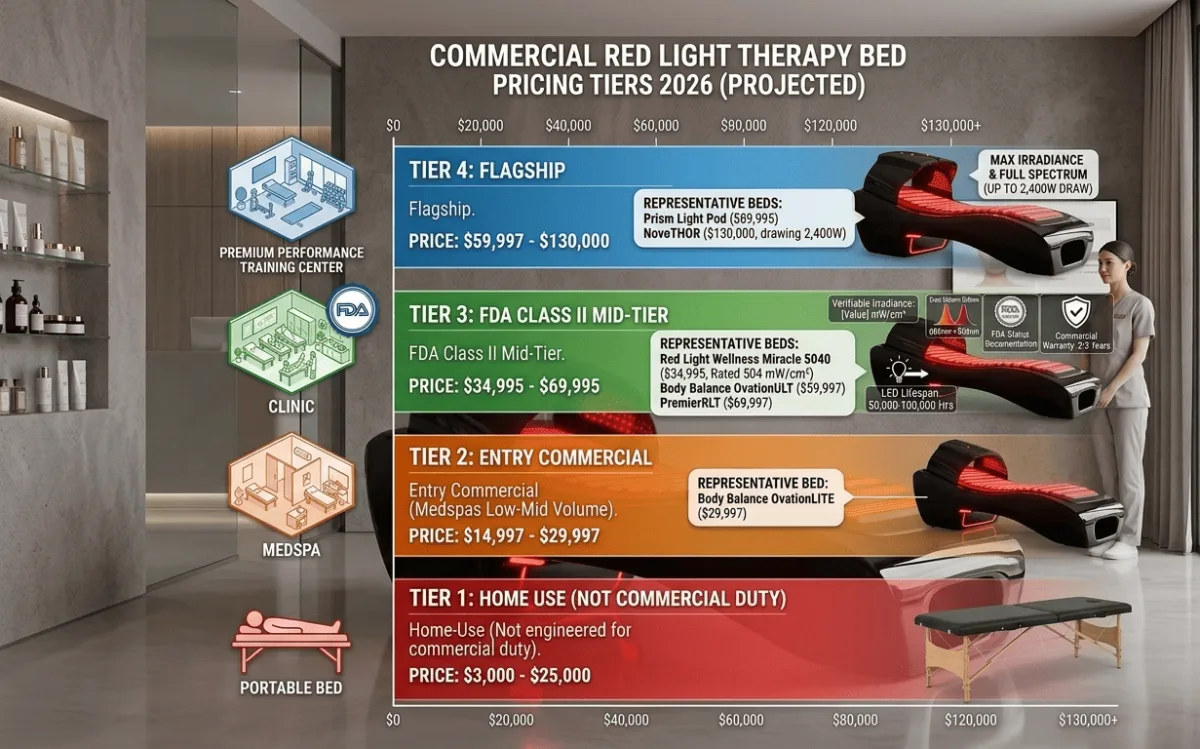
Οι τιμές του εμπορικού εξοπλισμού θεραπείας με κόκκινο φως ομαδοποιούνται σε αναγνωρίσιμα επίπεδα τιμολόγησης το 2026, και η γνώση τους αποτρέπει τόσο την υπερπληρωμή όσο και την υποαγορά κατά την αξιολόγηση του εμπορικού εξοπλισμού θεραπείας με κόκκινο φως προς πώληση. Το κόστος της κλίνης θεραπείας με κόκκινο φως που θα πρέπει να περιμένετε ποικίλλει σημαντικά ανά επίπεδο και ανά εγκεκριμένο από τον FDA καθεστώς έναντι της εγγεγραμμένης κατάστασης του FDA. Τα εμπορικά κρεβάτια θεραπείας με κόκκινο φως εισαγωγικού τύπου κυμαίνονται περίπου από $14.997-$29.997 και ταιριάζουν σε ιατρικά κέντρα και κέντρα ευεξίας με χαμηλό έως μέτριο όγκο συνεδριών σύμφωνα με τον οδηγό τιμολόγησης RecovAthlete Ιουνίου 2026 - ένα κρεβάτι θεραπείας με κόκκινο φως προς πώληση σε αυτό το επίπεδο εισαγωγικού τύπου συνήθως φέρει καθεστώς εγγεγραμμένο από τον FDA αντί για εγκεκριμένο από τον FDA, με το κόστος του κρεβατιού θεραπείας με κόκκινο φως να αντικατοπτρίζει την αρχική τιμή τιμολόγησης που έχει καταχωρηθεί από τον FDA. Το Body Balance OvationLITE βρίσκεται στα $29.997 σε αυτήν την εμπορική σειρά θεραπείας με κόκκινο φως εισαγωγικού τύπου. Τα συστήματα μεσαίας κατηγορίας FDA Class II (με έγκριση FDA) λειτουργούν με $34.995-$69.995: Η Red Light Wellness κατασκευάζει τέσσερα μοντέλα σε αυτήν τη ζώνη κατηγορίας II του FDA από τις εγκαταστάσεις της στο Σεντ Λούις, σύμφωνα με τον οδηγό κόστους της Red Light Wellness, ξεκινώντας με το Miracle 5040 στα $34.995 (ονομαστική ισχύς 504 mW/cm2), επεκτείνοντας τα Miracle 6200, Big Miracle 7200 και φτάνοντας στην κορυφή το Max Miracle 9600 - ένα κρεβάτι θεραπείας με κόκκινο φως προς πώληση σε αυτήν τη ζώνη κατηγορίας II, με έγκριση FDA, παρέχει μήκη κύματος 625-670nm συν 830-910nm με 10ετή εγγύηση πλαισίου. Τα Body Balance OvationULT ($59,997) και PremierRLT ($69,997) βρίσκονται στην ίδια μεσαία κατηγορία εμπορικής θεραπείας με κόκκινο φως ανά RecovAthlete, με το κόστος της κλίνης θεραπείας με κόκκινο φως να αντικατοπτρίζει την υψηλότερη επένδυση σε δοκιμές φωτοβιοδιαμόρφωσης που έχει εγκριθεί από τον FDA.
Τα κορυφαία εμπορικά συστήματα θεραπείας με κόκκινο φως κοστίζουν $59.997-$130.000 για κλινικές και αθλητικές εγκαταστάσεις μεγάλου όγκου σύμφωνα με την αξιολόγηση του κορυφαίου ανταγωνιστικού τοπίου Red Light Therapy Find Ιουνίου 2026 – συνήθως μονάδες που έχουν εγκριθεί από τον FDA με μαθηματικά νεκρού σημείου που δικαιολογούν το υψηλότερο κόστος κλίνης θεραπείας με κόκκινο φως μέσω του όγκου χρήσης. Το Prism Light Pod στα $89.995 παρέχει φως 360 μοιρών σε αυτοματοποιημένες συνεδρίες 15 λεπτών και χρησιμοποιείται από επαγγελματικές αθλητικές ομάδες ως σημείο αναφοράς αγοράς. Το NovoTHOR λειτουργεί με $130.000 νέα και καταναλώνει 2.400 watt σε κύκλωμα 220-240V, με τις συνεδρίες να κοστίζουν συνήθως $50-$55 για μία μόνο επίσκεψη ή $385 για μια συσκευασία δέκα τεμαχίων σε εμπορικές τοποθεσίες NovoTHOR – ένα κόστος κλίνης θεραπείας με κόκκινο φως που έχει νόημα μόνο σε όγκο νεκρού σημείου υψηλής απόδοσης. Το TheraLight 360 προσφέρει ανεξάρτητο έλεγχο στις ζώνες των 633nm, 810nm, 850nm και 940nm, με το TheraLight 360i να προσθέτει ενσωματωμένο PEMF και να χρηματοδοτεί περίπου $2.005 ανά μήνα. Τα πάνελ βρίσκονται πολύ κάτω από τα κρεβάτια στην ιεραρχία τιμολόγησης της εμπορικής θεραπείας με κόκκινο φως - ένα πάνελ κόκκινου φωτός προς πώληση στη ζώνη που έχει εγκριθεί από τον FDA συνήθως ξεκινά από $3.000, ενώ ένα πάνελ κόκκινου φωτός προς πώληση στη ζώνη γενικής ευεξίας που έχει καταχωρηθεί από τον FDA μπορεί να κοστίζει 50-70% λιγότερο από το αντίστοιχο που έχει εγκριθεί από τον FDA. Αυτή η διάκριση μεταξύ πάνελ κόκκινου φωτός προς πώληση και κρεβατιού θεραπείας με κόκκινο φως προς πώληση έχει σημασία κατά την επιλογή μεταξύ στοχευμένης θεραπείας μίας περιοχής (πάνελ) και κάλυψης ολόκληρου του σώματος (κρεβάτι). Τα κρεβάτια θεραπείας με κόκκινο φως για οικιακή χρήση κοστίζουν $3.000-$25.000 ανά κρεβατάκι ευεξίας με κόκκινο φως – ένα κόστος κρεβατιού θεραπείας με κόκκινο φως που φαίνεται δελεαστικό σε σύγκριση με ένα εμπορικό κρεβάτι θεραπείας με κόκκινο φως προς πώληση αξίας $35.000, αλλά φέρνει στο φως το πιο ακριβό λάθος σε αυτήν την κατηγορία και το θέμα της επόμενης ενότητας.
| Κερκίδα | Εύρος τιμών 2026 | Αντιπροσωπευτικά μοντέλα (αναφορά αγοράς) | Βέλτιστη εφαρμογή / Όγκος συνεδρίας |
|---|---|---|---|
| Κρεβάτια θεραπείας με κόκκινο φως για οικιακή χρήση (ΜΗ εμπορικά) | $3,000-$25,000 | Διάφορα μοντέλα οικιακής χρήσης ΔΕΝ έχουν σχεδιαστεί για 20-30 καθημερινές συνεδρίες | Μόνο για προσωπική ευεξία, 1-2 χρήστες, λίγες συνεδρίες την εβδομάδα – ακυρώνει την εγγύηση σε εμπορικό περιβάλλον |
| Είσοδος Εμπορική θεραπεία με κόκκινο φως | $14,997-$29,997 | Ισορροπία σώματος OvationLITE $29.997 | Medspa, κέντρα ευεξίας, χαμηλός-μεσαίος όγκος συνεδριών |
| Διαφημιστικό μέσου επιπέδου κατηγορίας II του FDA | $34,995-$69,995 | Red Light Wellness Miracle 5040 $34.995 (504 mW/cm2), 6200, Big Miracle 7200, Max Miracle 9600 (και τα τέσσερα με 10ετή εγγύηση πλαισίου). Body Balance OvationULT $59.997. PremierRLT $69.997 | Medspas + χειροπρακτικές κλινικές + στούντιο αποκατάστασης που υποβάλλουν γενική ευεξία ή εγκεκριμένες αξιώσεις ανά περιβάλλον |
| Εμβληματική εμπορική θεραπεία με κόκκινο φως | $59,997-$130,000 | Prism Light Pod $89,995 (360 μοίρες, 15 λεπτά αυτοματοποιημένο). NovoTHOR $130,000 (2.400W σε 220-240V, συνεδρίες $50-55 μονή / $385 συσκευασία 10 τεμαχίων). TheraLight 360 (ανεξάρτητες ζώνες 633/810/850/940nm). TheraLight 360i με PEMF (χρηματοδότηση ~$2.005/μήνα) | Κλινικές και αθλητικές εγκαταστάσεις μεγάλου όγκου, χωρητικότητα 20-30 συνεδριών ημερησίως |
Γιατί ένα κρεβάτι σπιτιού σε εμπορικό περιβάλλον αποτυγχάνει
Τα κρεβάτια θεραπείας με κόκκινο φως για οικιακή χρήση κοστίζουν $3.000-$25.000, και η διαφορά τιμής έναντι ενός εμπορικού κρεβατιού θεραπείας με κόκκινο φως αξίας $35.000 δελεάζει τους χειριστές που υποστηρίζουν ότι η φυσική μήκους κύματος είναι ίδια. Είναι πανομοιότυπο - και αυτό δεν είναι το θέμα. Τα κρεβάτια θεραπείας με κόκκινο φως για οικιακή χρήση έχουν σχεδιαστεί για προσωπική ευεξία, που σημαίνει λίγες συνεδρίες την εβδομάδα για ένα ή δύο άτομα. Τα εμπορικά κρεβάτια θεραπείας με κόκκινο φως χρησιμοποιούν εξαρτήματα βιομηχανικής ποιότητας, LED υψηλότερης απόδοσης και ανοχές κατασκευής σχεδιασμένες για συνεχή λειτουργία σε 20-30 συνεδρίες την ημέρα σύμφωνα με το πλαίσιο εμπορικού κύκλου λειτουργίας του Red Light Wellness 2026. Η λειτουργία μιας οικιακής μονάδας υπό αυτό το εμπορικό φορτίο θεραπείας με κόκκινο φως παράγει δύο προβλέψιμα αποτελέσματα που αξίζει να γνωρίζετε πριν υπογράψετε μια παραγγελία αγοράς.
Πρώτον, ακυρώνει την εγγύηση. Οι εγγυήσεις καταναλωτών για οικιακά κρεβάτια θεραπείας με κόκκινο φως αποκλείουν την εμπορική χρήση με ψιλά γράμματα. Τη στιγμή που ένας πελάτης που πληρώνει χρησιμοποιεί τη συσκευή, η κάλυψη της εγγύησης λήγει και ο κατασκευαστής θα αναφέρει αυτήν τη ρήτρα αποκλεισμού εμπορικής χρήσης όταν υποβάλετε μια αξίωση. Δεύτερον, η χρήση ενός οικιακού κρεβατιού θεραπείας με κόκκινο φως σε εμπορικό περιβάλλον επιταχύνει την αποτυχία. Τα εξαρτήματα που έχουν ονομαστική διακοπτόμενη λειτουργία φθείρονται γρήγορα υπό συνεχή κύκλο λειτουργίας και η μονάδα που εξοικονόμησε $20.000 εκ των προτέρων συχνά αποτυγχάνει εντός του παραθύρου αποπληρωμής και μειώνει τη ροή εσόδων μαζί της. Η προδιαγραφή εμπορικής θεραπείας με κόκκινο φως υπάρχει επειδή ο κύκλος λειτουργίας είναι διαφορετικός, όχι επειδή οι κατασκευαστές θέλουν να χρεώσουν περισσότερο. Ένα καλοκατασκευασμένο εμπορικό κρεβάτι θεραπείας με κόκκινο φως θα πρέπει να διαρκεί 10-15+ χρόνια με σωστή συντήρηση σύμφωνα με τα δεδομένα μακροζωίας του Red Light Wellness. Η διάρκεια ζωής των LED 50.000-100.000 ωρών αντιπροσωπεύουν δεκαετίες εμπορικής χρήσης και το πλαίσιο και τα μηχανικά εξαρτήματα (μηχανισμοί θόλου, κινούμενα μέρη) είναι τα πιο πιθανά στοιχεία συντήρησης σε αυτό το διάστημα και όχι τα ίδια τα LED. Ελέγξτε ρητά το έγγραφο εμπορικής εγγύησης για ρήτρα εμπορικής χρήσης πριν από την αγορά και όχι αφού ο πρώτος πελάτης που πληρώνει χρησιμοποιήσει τον εξοπλισμό.
Λίστα ελέγχου προδιαγραφών: Τι πρέπει να επαληθεύσετε πριν αγοράσετε
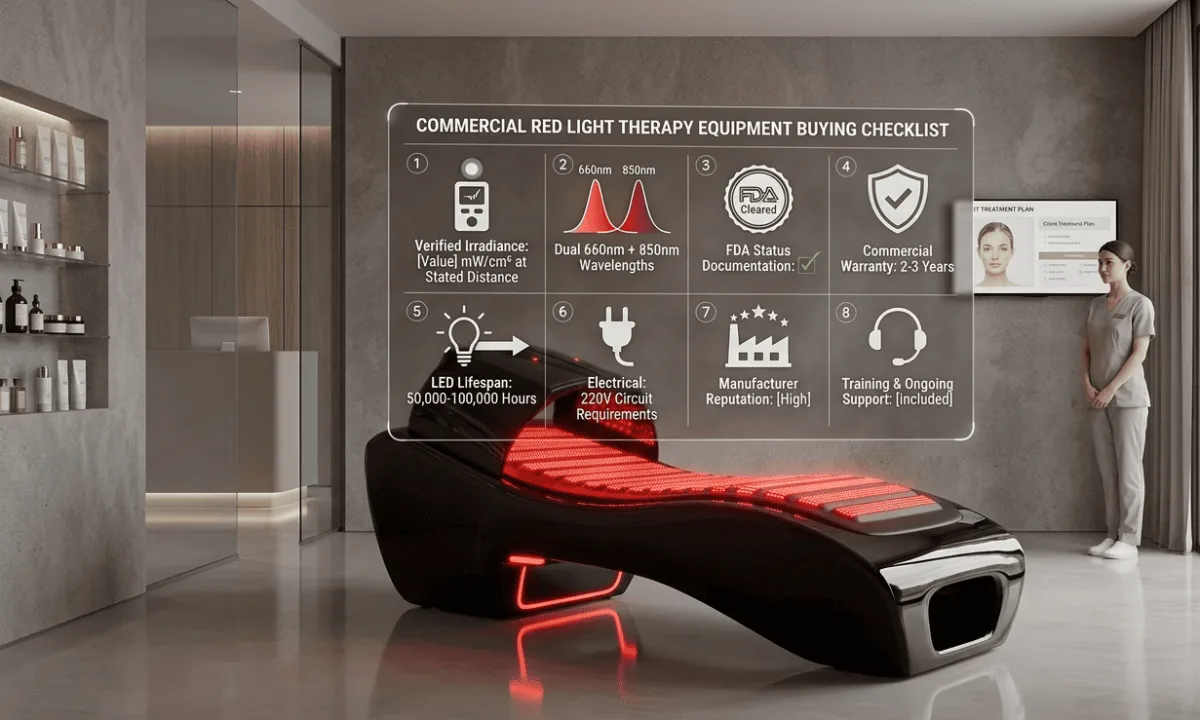
Διαβάστε το φύλλο προδιαγραφών με αυτά τα στοιχεία ελέγχου αγοράς εμπορικής θεραπείας με κόκκινο φως, επειδή το διαφημιστικό κείμενο δεν θα τα καλύψει χωρίς να σας ζητηθεί. Η επαληθευμένη ακτινοβολία σε μια καθορισμένη απόσταση είναι το πρώτο στοιχείο: η ακτινοβολία που μετράται σε mW/cm2 δεν σημαίνει τίποτα χωρίς την απόσταση στην οποία μετρήθηκε και το όργανο που χρησιμοποιήθηκε για τη μέτρησή της. Ένα φασματοραδιόμετρο μετρά μόνο τα μήκη κύματος που εκπέμπει πραγματικά η συσκευή, ενώ ένας ηλιακός μετρητής καταγράφει ενέργεια ευρείας ζώνης που δεν φτάνει ποτέ στον ιστό-στόχο θεραπευτικά, γεγονός που διογκώνει τη δημοσιευμένη τιμή ακτινοβολίας σύμφωνα με το πλαίσιο επαλήθευσης προδιαγραφών Vacuactivus Best At-Home Red Light Therapy. Ρωτήστε ποιο όργανο χρησιμοποιήθηκε και σε ποια απόσταση - χωρίς και τα δύο στοιχεία, ο αριθμός mW/cm2 σας λέει πολύ λίγα. Τα διπλά μήκη κύματος 660nm και 850nm είναι το δεύτερο στοιχείο: το κόκκινο 660nm φτάνει στο δέρμα και το κολλαγόνο σε βάθος 8-10 mm, το εγγύς υπέρυθρο 850nm φτάνει στους μύες και τις αρθρώσεις σε βάθος 15-30 mm+ και η κλινική εμπορική θεραπεία με κόκκινο φως χρειάζεται και τα δύο μήκη κύματος. Ορισμένοι κατασκευαστές διαθέτουν στην αγορά 4-8 μήκη κύματος ως premium χαρακτηριστικό, αλλά η δημοσιευμένη κλινική έρευνα εκτός των βασικών εύρων των 660nm και 850nm είναι σημαντικά λεπτότερη, επομένως η μέτρηση μηκών κύματος από μόνη της δεν αποτελεί σήμα ποιότητας.
Η διάρκεια ζωής των LED 50.000 ωρών ή υψηλότερη είναι το τρίτο στοιχείο - ο επαγγελματικός δείκτης που διακρίνει την εμπορική θεραπεία με κόκκινο φως από τις καταναλωτικές συσκευές ανά πλαίσιο επαλήθευσης προδιαγραφών. Η εμπορική εγγύηση του κατασκευαστή 2-3 ετών ή περισσότερο για τη συσκευή είναι το τέταρτο, έναντι ενός καταναλωτικού προτύπου 1-2 ετών, με σαφή ρήτρα εμπορικής χρήσης που περιλαμβάνεται αντί να εξαιρείται (εδώ προέρχονται τα λάθη που αφορούν την ακύρωση της εγγύησης). Οι δοκιμασμένες προδιαγραφές τρίτων με προσβάσιμη αναφορά δοκιμών από τον ιστότοπο του κατασκευαστή είναι το πέμπτο - όχι ένας ισχυρισμός σε μια λίστα με κουκκίδες, μια πραγματική αναφορά που μπορείτε να διαβάσετε. Η τεκμηριωμένη κατάσταση του FDA είναι το έκτο: Εγκεκριμένο από τον FDA με αριθμό K, εάν ισχύει, ή ρητά Εγγεγραμμένο στον FDA με ειλικρινή διατύπωση σχετικά με το τι σημαίνει αυτό. Η περιοχή κάλυψης που αντιστοιχεί σε αυτό που πραγματικά αντιμετωπίζετε είναι το έβδομο: ένα πάνελ κόκκινου φωτός προς πώληση στοχεύει μία περιοχή του σώματος κάθε φορά, ενώ ένα εμπορικό κρεβάτι ή κάψουλα θεραπείας με κόκκινο φως τυλίγει ολόκληρο το σώμα σε μία μόνο συνεδρία 10-20 λεπτών. Ο ρεαλιστικός χρόνος δοσολογίας είναι ο όγδοος: στην ακτινοβολία της συσκευής, υπολογίστε ποια διάρκεια συνεδρίας παρέχει τη δόση-στόχο σας - εάν η επίτευξη του στόχου σας απαιτεί μη πρακτικές ώρες συνεδρίας, η συσκευή έχει χαμηλή ισχύ για τον στόχο, ανεξάρτητα από την κύρια τιμή mW/cm2. Η παρακάτω εικόνα λίστας ελέγχου προδιαγραφών συνοψίζει και τα οκτώ στοιχεία.
Ηλεκτρικές Απαιτήσεις και Κόστος Εγκατάστασης Κανείς δεν Προσφέρει Προσφορές
Τα εμπορικά κρεβάτια θεραπείας με κόκκινο φως δεν είναι plug-and-play και το ηλεκτρικό στοιχείο εκπλήσσει τους αγοραστές που είχαν προϋπολογίσει μόνο την ίδια τη μονάδα. Τα αποκλειστικά κυκλώματα 220V στην περιοχή των 30-50A είναι στάνταρ ανάλογα με το συγκεκριμένο μοντέλο εμπορικού κρεβατιού θεραπείας με κόκκινο φως σύμφωνα με τα δεδομένα ηλεκτρικών προδιαγραφών του Red Light Wellness. Ως σημεία αναφοράς της αγοράς, τα Miracle 5040 και 6200 απαιτούν κυκλώματα 220V/30A, το Big Miracle 7200 απαιτεί 220V/40A και το Max Miracle 9600 απαιτεί 220V/50A, ενώ ένα NovoTHOR καταναλώνει 2.400 watt σε 220-240V ανά Red Light Therapy Find. Τα μαθηματικά εγκατάστασης εξαρτώνται από την υπάρχουσα ηλεκτρική υποδομή της εγκατάστασής σας. Μια αναβάθμιση του πίνακα, εάν ο ηλεκτρικός σας πίνακας χρειάζεται επέκταση για να φιλοξενήσει το νέο αποκλειστικό εμπορικό κύκλωμα θεραπείας με κόκκινο φως, κοστίζει $800-$3.000 σύμφωνα με τον οδηγό κόστους εγκατάστασης του Red Light Wellness. Η εγκατάσταση ειδικού κυκλώματος και πρίζας εκτελείται με τις τιμές $300-$800. Ο συνολικός προϋπολογισμός για την εγκατάσταση εμπορικού εξοπλισμού θεραπείας με κόκκινο φως κυμαίνεται μεταξύ $500 και $4.000, ανάλογα με την υποδομή που υπάρχει ήδη στο κτίριο.
Επιβεβαιώστε τις ηλεκτρικές απαιτήσεις με έναν αδειούχο ηλεκτρολόγο πριν από την αγορά, όχι αφού το φορτίο του εμπορικού εξοπλισμού θεραπείας με κόκκινο φως φτάσει στην αποβάθρα φόρτωσης. Τα περισσότερα εμπορικά κρεβάτια θεραπείας με κόκκινο φως αποστέλλουν φορτίο, πράγμα που σημαίνει είτε μια αποβάθρα φόρτωσης είτε μια ρύθμιση παράδοσης με πόρτα ανύψωσης και ένα σχέδιο για τη μετακίνηση της μεγάλης μονάδας στην αίθουσα θεραπείας. Ο σχεδιασμός του δωματίου είναι απλός με τυπική απόσταση γύρω από την κλίνη, αλλά μετρήστε τη διαδρομή της πόρτας και τις στροφές του διαδρόμου μεταξύ της θέσης παράδοσης και της αίθουσας θεραπείας πριν εμφανιστεί το φορτηγό. Αυτή η ενότητα ηλεκτρικών απαιτήσεων είναι το στοιχείο που οι περισσότερες σελίδες μάρκετινγκ για τον εξοπλισμό θεραπείας με κόκκινο φως προς πώληση παραλείπουν εντελώς, γι' αυτό και το $500-$4.000 σε μη προϋπολογισμένες ηλεκτρικές εργασίες είναι η δεύτερη πιο συνηθισμένη έκπληξη στην προμήθεια εμπορικής θεραπείας με κόκκινο φως μετά τη σύγχυση που καλύφθηκε προηγουμένως με την έγκριση του FDA έναντι της εγγραφής του FDA. Προσθέστε τη γραμμή προϋπολογισμού για τις ηλεκτρικές συσκευές στην παραγγελία αγοράς σας πριν υπογράψετε την παραγγελία του εξοπλισμού, όχι μετά.
Απόδοση επένδυσης: Τι πραγματικά προσφέρει ένα κρεβάτι θεραπείας με κόκκινο φως
Η απόφαση αγοράς εμπορικής θεραπείας με κόκκινο φως καταλήγει στα έσοδα από τις συνεδρίες έναντι του κόστους εξοπλισμού και οι αριθμοί είναι εφικτοί σε ρεαλιστική αξιοποίηση ανά πλαίσιο απόδοσης επένδυσης Red Light Wellness. Οι κλινικές και τα σπα συνήθως τιμολογούν τις συνεδρίες θεραπείας με κόκκινο φως ολόκληρου του σώματος στην κατηγορία $50-$150, με την εξάπλωση να καθορίζεται από το επίπεδο αγοράς και από το αν η συνεδρία πωλείται μεμονωμένα ή σε πακέτα εντός μιας συνδρομής. Οι συνδρομές οδηγούν στη χρήση, η οποία είναι αυτή που καθορίζει στην πραγματικότητα την απόσβεση σε ένα εμπορικό κρεβάτι θεραπείας με κόκκινο φως. Τα εμπορικά καταστήματα NovoTHOR λειτουργούν περίπου $50-55 για μία μόνο συνεδρία ή $385 για ένα πακέτο δέκα ατόμων ως σημείο αναφοράς αγοράς ανά Έρευνα Red Light Therapy. Με πέντε συνεδρίες την ημέρα, το τυπικό νεκρό σημείο σε ένα εμπορικό κρεβάτι θεραπείας με κόκκινο φως φτάνει μεταξύ έξι και δώδεκα μηνών ανά δεδομένα απόδοσης επένδυσης Red Light Wellness. Η απόσβεση μιας εμπορικής κλίνης θεραπείας με κόκκινο φως στην περιοχή $15.000-$30.000 βρίσκεται στο ίδιο χρονικό διάστημα έξι έως δώδεκα μηνών με μέτρια χρήση, γι' αυτό και η εισαγωγική εμπορική βαθμίδα είναι αυτή όπου καταλήγουν οι περισσότερες πρώτες αγορές εμπορικής θεραπείας με κόκκινο φως.
Εκτελέστε τους υπολογισμούς απόδοσης επένδυσης (ROI) με τους δικούς σας αριθμούς αντί για μια αριθμομηχανή προμηθευτή: την τιμή της συνεδρίας σας για το τοπικό σας επίπεδο αγοράς, τον ρεαλιστικό ημερήσιο όγκο σας τον τρίτο μήνα (όχι τον δωδέκατο μήνα μετά την αύξηση), το κόστος ηλεκτρικών εγκαταστάσεων και εγκατάστασης από την παραπάνω ενότητα και τους όρους χρηματοδότησής σας, εάν ισχύουν. Ένα εμπορικό κρεβάτι θεραπείας με κόκκινο φως στα 60% του προβλεπόμενου όγκου συνεδριών σας θα πρέπει να αποπληρώνει την αξία του εντός δεκαοκτώ μηνών ή η πρόβλεψη κάνει την εργασία που θα έπρεπε να κάνει ο εξοπλισμός. Το RLT για τους φορείς εκμετάλλευσης σπα θα πρέπει συγκεκριμένα να μοντελοποιεί την τιμολόγηση των μελών έναντι της τιμολόγησης μίας συνεδρίας, καθώς οι συνδρομές καθοδηγούν τη χρήση που καθορίζει την αποπληρωμή και όχι το βασικό ποσοστό μίας συνεδρίας. Οι πολυτροπικές εμπορικές μονάδες θεραπείας με κόκκινο φως, όπως το Cocoon, κοστίζουν περίπου $45 για συνεδρίες 30 λεπτών με απεριόριστες μηνιαίες συνδρομές κοντά στο $79,99 ανά Red Light Therapy. Βρείτε το RLT ως ανταγωνιστικό σημείο αναφοράς αγοράς για αποφάσεις τιμολόγησης σπα. Ούτε η τιμολόγηση μίας συνεδρίας ούτε η τιμολόγηση των μελών είναι καθολικά σωστές - αυτό που έχει σημασία είναι η αντιστοίχιση του μοντέλου τιμολόγησης με την τοπική σας αγορά και τον στόχο απόδοσης που έχετε θέσει.
Έλεγχος του Προμηθευτή
Ο εμπορικός εξοπλισμός θεραπείας με κόκκινο φως διαρκεί περισσότερο από τη συναλλαγή, επομένως ο προμηθευτής έχει την ίδια σημασία με το ίδιο το φύλλο προδιαγραφών. Ζητήστε τον αριθμό K εάν η συσκευή παρουσιάζεται ως εγκεκριμένη από τον FDA και αναζητήστε τον στη βάση δεδομένων 510(k) του FDA αντί να αποδεχτείτε μια εικόνα πιστοποιητικού. Ρωτήστε πού βρίσκεται η εγκατάσταση παραγωγής και εάν είναι καταχωρημένη στον FDA - οι κατασκευαστές που δημοσιεύουν αυτό ανοιχτά το κάνουν επειδή η αποκάλυψη επιβιώνει από τον έλεγχο (η Red Light Wellness δημοσιεύει μια εγκατάσταση καταχωρημένη στον FDA του Σεντ Λούις ως παράδειγμα διαφάνειας). Ζητήστε την έκθεση δοκιμής τρίτου μέρους σχετικά με την ακτινοβολία, με το όργανο μέτρησης (φασματοραδιόμετρο έναντι ηλιακού μετρητή) και την απόσταση μέτρησης που αναφέρεται. Ρωτήστε τι καλύπτει η εμπορική εγγύηση και, συγκεκριμένα, εάν η εμπορική χρήση περιλαμβάνεται ή εξαιρείται στο έγγραφο εγγύησης.
Ρωτήστε για τη διαθεσιμότητα ανταλλακτικών και τη διαδρομή σέρβις όταν μια συστοιχία LED ή ένας μηχανισμός θόλου παρουσιάσει βλάβη στο τέταρτο έτος, γιατί τελικά θα συμβεί. Ζητήστε μια αναφορά από μια εγκατάσταση που διαχειρίζεται τον όγκο συνεδριών σας, όχι μια μαρτυρία μάρκετινγκ από τον ιστότοπο του ίδιου του προμηθευτή. Οι προμηθευτές που δημοσιεύουν διαφανείς τιμές, ηλεκτρικές προδιαγραφές και όρους εγγύησης χωρίς να αποκλείουν τα πάντα πίσω από ένα αίτημα προσφοράς είναι γενικά πιο εύκολο να συνεργαστείτε μετά την πώληση, καθώς η ίδια συνήθεια γνωστοποίησης τείνει να ισχύει για την εξυπηρέτηση και την υποστήριξη. Ένας εμπορικός προμηθευτής θεραπείας με κόκκινο φως που δεν θα καταγράψει γραπτώς τη μεθοδολογία ακτινοβολίας σας λέει ότι ο αριθμός δεν θα επιβιώσει από την καταγραφή. Για την επιστήμη πίσω από τις απαιτήσεις μήκους κύματος 660nm και 850nm που αναφέρονται σε αυτήν την εμπορική λίστα ελέγχου αγοράς θεραπείας με κόκκινο φως, ανατρέξτε στο Πίνακας θεραπείας με κόκκινο φως Πώς τα μήκη κύματος 660nm + 850nm θεραπεύουν τους ιστούς - συνοδευτικό επιστημονικό άρθρο για την εξήγηση του υποκείμενου μηχανισμού. Για την αξιολόγηση του εξοπλισμού παρακείμενων κέντρων ευεξίας, ανατρέξτε στον οδηγό B2B του Καλύτερου Εξοπλισμού Θεραπείας με Κόκκινο Φωτο για Κέντρα Ευεξίας, ο οποίος είναι ειδικός για κέντρα ευεξίας.
Πού ταιριάζει το Vacuactivu
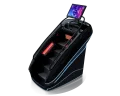
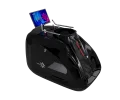
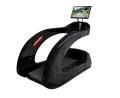
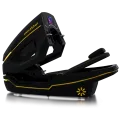
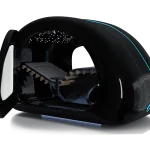
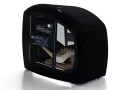
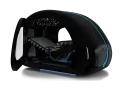
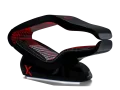
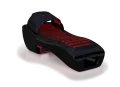
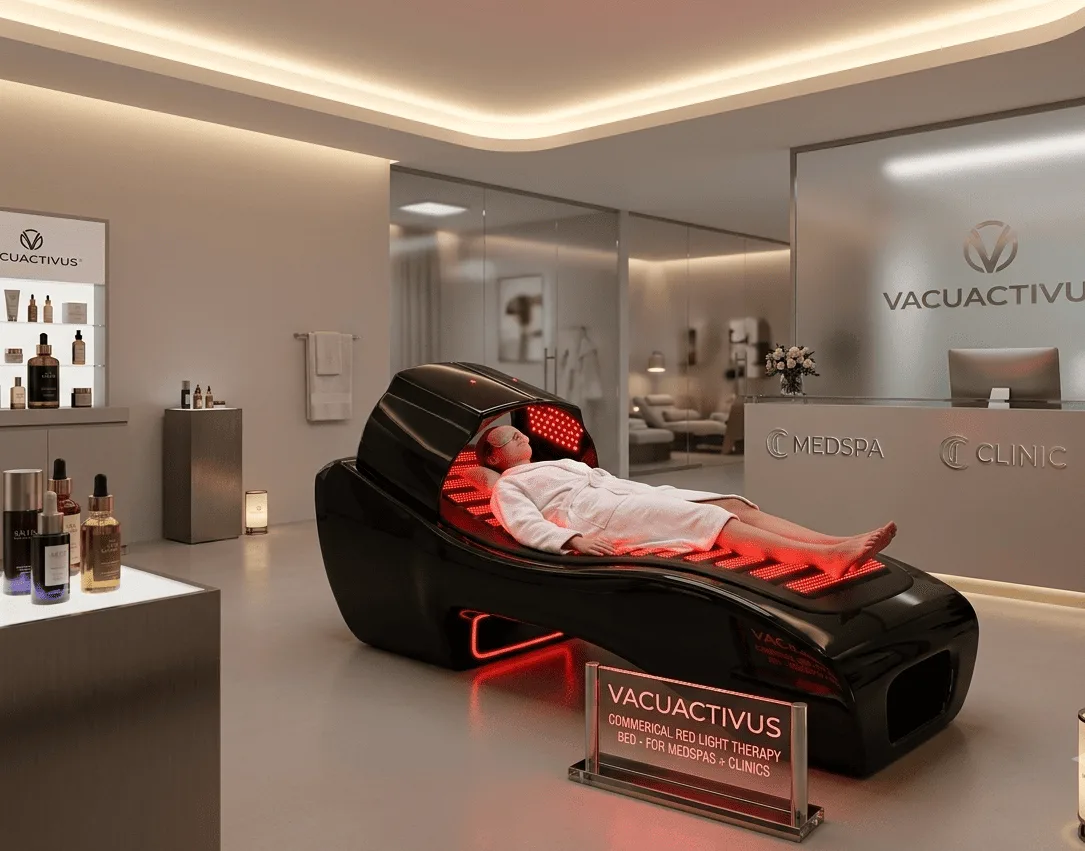
Το περιεχόμενο του προϊόντος διατηρείται με περιορισμένο κριτήριο, καθώς αυτό το άρθρο είναι μια λίστα ελέγχου και όχι μια σελίδα πωλήσεων. Η Vacuactivus κατασκευάζει εξοπλισμό θεραπείας με κόκκινο φως, συμπεριλαμβανομένου του Εμπορικό κρεβάτι θεραπείας με κόκκινο φως InfraCouch Red Light Κατασκευασμένο για ιατρικά σπα, χειροπρακτικές κλινικές, στούντιο αποκατάστασης, γυμναστήρια και εγκαταστάσεις ευεξίας υψηλής ποιότητας. Η μορφή InfraCouch είναι μια μοντέρνα σιλουέτα σολάριουμ χωρίς έκθεση σε υπεριώδη ακτινοβολία: ο πελάτης ξαπλώνει σε μια διαμορφωμένη επιφάνεια, το κάλυμμα κλείνει γύρω από το σώμα και η συνεδρία διαρκεί δεκαπέντε έως είκοσι λεπτά. Το InfraCouch ανήκει στην εμπορική κατηγορία θεραπείας με κόκκινο φως που συζητήθηκε παραπάνω και όχι στην κατηγορία οικιακής θεραπείας, η οποία είναι η διάκριση που έχει σημασία για τους λόγους εγγύησης και κύκλου λειτουργίας που καλύπτονται στην ενότητα "βλάβες οικιακού κρεβατιού" νωρίτερα. Οι τιμές και οι προδιαγραφές για το InfraCouch και άλλο εξοπλισμό θεραπείας με κόκκινο φως Vacuactivus προς πώληση βρίσκονται στη σελίδα του προϊόντος μας και δημοσιεύουμε τη μεθοδολογία ακτινοβολίας κατόπιν αιτήματος και όχι μόνο σε ένα φυλλάδιο.
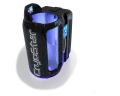
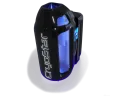
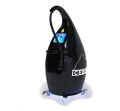
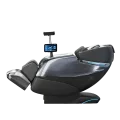
Η Vacuactivus κατασκευάζει επίσης παρακείμενο εμπορικό εξοπλισμό ευεξίας, τον οποίο οι χειριστές συχνά συνδυάζουν με θεραπεία με κόκκινο φως σε μια διαμόρφωση δωματίου θεραπείας, συμπεριλαμβανομένου του Πολυθρόνα μασάζ μηδενικής βαρύτητας De-Stress Lounge για αίθουσες θεραπείας και το Κάψουλα βιο-χακάροντας Revique HaloX για μακροζωία. Εάν ένα ανταγωνιστικό εμπορικό σύστημα θεραπείας με κόκκινο φως ταιριάζει στον όγκο και τον προϋπολογισμό σας καλύτερα από το InfraCouch, η παραπάνω λίστα ελέγχου οκτώ σημείων αγοράς εξακολουθεί να ισχύει - έχει συνταχθεί για να χρησιμοποιηθεί έναντι οποιουδήποτε εμπορικού προμηθευτή θεραπείας με κόκκινο φως, συμπεριλαμβανομένου του Vacuactivu. Όταν ένα ανταγωνιστικό σύστημα δημοσίευσε διαφανή τιμολόγηση, αριθμούς K, μεθοδολογία ακτινοβολίας φασματοραδιόμετρου και κάλυψη εγγύησης εμπορικής χρήσης που αντιστοιχεί ή υπερβαίνει αυτά που προσφέρει το Vacuactivu, αυτό το ανταγωνιστικό σύστημα μπορεί να είναι η κατάλληλη επιλογή για τη συγκεκριμένη εγκατάστασή σας. Η ειλικρινής καθοδήγηση για τις προμήθειες είναι πιο χρήσιμη από το να προσποιείστε ότι μόνο ένας προμηθευτής εξυπηρετεί την αγορά.
Συχνές ερωτήσεις
Ε1. Πόσο κοστίζει ένα επαγγελματικό κρεβάτι θεραπείας με κόκκινο φως;
Τα εμπορικά κρεβάτια θεραπείας με κόκκινο φως ομαδοποιούνται σε επίπεδα τιμολόγησης το 2026. Οι εισαγωγικές εμπορικές μονάδες κυμαίνονται περίπου από $14.997-$29.997 και ταιριάζουν σε ιατρικά σπα και κέντρα ευεξίας με χαμηλό έως μέτριο όγκο σύμφωνα με τα δεδομένα τιμολογιακής κλίμακας του RecovAthlete για τον Ιούνιο του 2026 (Body Balance OvationLITE $29.997 ως αναφορά αγοράς). Τα συστήματα μεσαίας κατηγορίας FDA Class II κυμαίνονται από $34.995-$69.995: Η Red Light Wellness κατασκευάζει τέσσερα μοντέλα σε αυτήν την κατηγορία, ξεκινώντας από $34.995 για το Miracle 5040 (ονομαστική ισχύς 504 mW/cm2) με 10ετή εγγύηση πλαισίου. Τα κορυφαία εμπορικά συστήματα θεραπείας με κόκκινο φως κοστίζουν $59,997-$130,000, συμπεριλαμβανομένου του Prism Light Pod στα $89,995 και του NovoTHOR στα $130,000, που καταναλώνουν 2.400 watt. Τα οικιακά κρεβάτια θεραπείας με κόκκινο φως κοστίζουν $3,000-$25,000, αλλά δεν έχουν σχεδιαστεί για εμπορικούς κύκλους λειτουργίας ανά Red Light Wellness. Προϋπολογίστε επιπλέον $500-$4,000 για ηλεκτρικές εργασίες, καθώς τα εμπορικά κρεβάτια θεραπείας με κόκκινο φως χρειάζονται αποκλειστικά κυκλώματα 220V στην περιοχή των 30-50A ανάλογα με το μοντέλο. Οι αναφερόμενες τιμές είναι σημεία αναφοράς της αγοράς από τον Ιούλιο του 2026 - επαληθεύστε τις τρέχουσες τιμές απευθείας με κάθε κατασκευαστή πριν από την αγορά.
Ε2. Ποια είναι η διαφορά μεταξύ της θεραπείας με κόκκινο φως που έχει εγκριθεί από τον FDA και της θεραπείας που έχει καταχωρηθεί από τον FDA;
Έγκριση από τον FDA σημαίνει ότι η συσκευή υποβλήθηκε σε διαδικασία ειδοποίησης πριν από την κυκλοφορία του προϊόντος στην αγορά 510(k), επιδεικνύοντας ουσιαστική ισοδυναμία με μια νόμιμα κυκλοφορούσα ιατρική συσκευή σύμφωνα με τον οδηγό προμήθειας της Kaiyan Medical του Ιουνίου 2026. Οι συσκευές που έχουν εγκριθεί από τον FDA φέρουν έναν αριθμό K που μπορείτε να αναζητήσετε στη βάση δεδομένων του FDA και μπορούν να διατεθούν νόμιμα στην αγορά για τη θεραπεία συγκεκριμένων παθήσεων σύμφωνα με τις εγκεκριμένες ενδείξεις, γι' αυτό και οι οθόνες που έχουν εγκριθεί από τον FDA συνήθως κοστίζουν λιανικά από $3.000 και άνω ανά YouLumi 2026. Εγγεγραμμένες στον FDA συσκευές σημαίνει μόνο ότι η εγκατάσταση κατέβαλε ετήσια χρέωση και ανέφερε την επιχειρησιακή της διεύθυνση στον οργανισμό - αυτό δεν σημαίνει ότι το ίδιο το προϊόν πέρασε οποιαδήποτε κλινική δοκιμή ασφάλειας. Οι συσκευές που έχουν εγκριθεί από τον FDA κοστίζουν συνήθως 50-70% λιγότερο από τις αντίστοιχες που έχουν εγκριθεί από τον FDA, επειδή παραλείπουν εντελώς την ιατρική υποβολή και πωλούνται για γενική ευεξία και όχι για θεραπεία. Κανένα από τα δύο καθεστώτα του FDA δεν είναι καθολικά λανθασμένο: ένα ιατρείο, ένα νοσοκομείο ή μια χειροπρακτική κλινική που κάνει θεραπευτικούς ισχυρισμούς χρειάζεται εξοπλισμό εγκεκριμένο από τον FDA, ενώ ένα γυμναστήριο, ένα στούντιο αποκατάστασης ή ένα σπα που πωλεί συνεδρίες γενικής ευεξίας μπορεί να χρησιμοποιεί εξοπλισμό εγγεγραμμένο στον FDA εάν το μάρκετινγκ παραμένει εντός της γενικής ορολογίας ευεξίας. Ζητήστε τον αριθμό K - εάν ένας προμηθευτής δεν μπορεί να παράγει έναν, η συσκευή δεν είναι εγκεκριμένη από τον FDA.
Ε3. Μπορείτε να χρησιμοποιήσετε ένα κρεβάτι θεραπείας με κόκκινο φως στο σπίτι σε μια επιχείρηση;
Τεχνικά, μπορείτε να συνδέσετε ένα οικιακό κρεβάτι θεραπείας με κόκκινο φως σε μια εμπορική πρίζα, αλλά είναι το πιο ακριβό λάθος στην προμήθεια εμπορικής θεραπείας με κόκκινο φως για δύο λόγους σύμφωνα με τις οδηγίες κύκλου λειτουργίας του Red Light Wellness. Πρώτον, η χρήση ενός οικιακού κρεβατιού σε μια επιχείρηση ακυρώνει την εγγύηση: οι εγγυήσεις καταναλωτών για οικιακά κρεβάτια θεραπείας με κόκκινο φως αποκλείουν την εμπορική χρήση με ψιλά γράμματα, επομένως η κάλυψη της εγγύησης λήγει τη στιγμή που ένας πελάτης που πληρώνει χρησιμοποιεί τη συσκευή και ο κατασκευαστής θα αναφέρει αυτήν τη ρήτρα αποκλεισμού εμπορικής χρήσης όταν υποβάλλετε μια αξίωση. Δεύτερον, επιταχύνει την αποτυχία. Τα οικιακά κρεβάτια θεραπείας με κόκκινο φως ($3,000-$25,000) έχουν σχεδιαστεί για προσωπική ευεξία - μερικές συνεδρίες την εβδομάδα για ένα ή δύο άτομα. Τα εμπορικά κρεβάτια θεραπείας με κόκκινο φως χρησιμοποιούν εξαρτήματα βιομηχανικής ποιότητας, LED υψηλότερης απόδοσης και ανοχές κατασκευής σχεδιασμένες για συνεχή λειτουργία σε 20-30 συνεδρίες την ημέρα. Τα εξαρτήματα που έχουν ονομαστική τιμή για διακοπτόμενη λειτουργία υποβαθμίζονται γρήγορα υπό συνεχή εμπορικό κύκλο, επομένως η μονάδα που εξοικονόμησε $20,000 εκ των προτέρων συχνά αποτυγχάνει εντός του παραθύρου αποπληρωμής και παίρνει μαζί της τη ροή εσόδων. Ελέγξτε το έγγραφο εγγύησης για τυχόν ρήτρα εμπορικής χρήσης πριν από την αγορά.
Ε4. Ποιες ηλεκτρικές απαιτήσεις χρειάζεται ένα κρεβάτι θεραπείας με κόκκινο φως;
Τα εμπορικά κρεβάτια θεραπείας με κόκκινο φως χρειάζονται ειδικά κυκλώματα, συνήθως στην περιοχή των 220V/30-50A ανάλογα με το μοντέλο σύμφωνα με τις ηλεκτρικές προδιαγραφές του Red Light Wellness. Ως σημεία αναφοράς της αγοράς, τα Miracle 5040 και 6200 απαιτούν 220V/30A, το Big Miracle 7200 απαιτεί 220V/40A, το Max Miracle 9600 απαιτεί 220V/50A και ένα NovoTHOR καταναλώνει 2.400 watt σε 220-240V ανά Red Light Therapy Find. Το κόστος εγκατάστασης εξαρτάται από την υπάρχουσα υποδομή της εγκατάστασης: μια αναβάθμιση πίνακα κοστίζει $800-$3.000 εάν ο ηλεκτρικός σας πίνακας χρειάζεται επέκταση για το νέο κύκλωμα, και η εγκατάσταση ειδικού κυκλώματος συν πρίζας κυμαίνεται $300-$800. Ο συνολικός ηλεκτρικός προϋπολογισμός για την εγκατάσταση εμπορικού εξοπλισμού θεραπείας με κόκκινο φως κυμαίνεται μεταξύ $500 και $4.000. Επιβεβαιώστε τις ηλεκτρικές απαιτήσεις με έναν αδειούχο ηλεκτρολόγο πριν από την αγορά και όχι μετά την άφιξη του εμπορικού φορτίου θεραπείας με κόκκινο φως. Τα περισσότερα εμπορικά κρεβάτια θεραπείας με κόκκινο φως αποστέλλουν το φορτίο, επομένως προγραμματίστε την παράδοση σε μια αποβάθρα φόρτωσης ή σε μια πόρτα ανύψωσης και μετρήστε τη διαδρομή της πόρτας προς την αίθουσα θεραπείας.
Ε5. Πόσος χρόνος χρειάζεται για να αποπληρωθεί ένα κρεβάτι θεραπείας με κόκκινο φως;
Με πέντε συνεδρίες την ημέρα, το τυπικό νεκρό σημείο επένδυσης σε μια εμπορική κλίνη θεραπείας με κόκκινο φως κυμαίνεται μεταξύ έξι και δώδεκα μηνών ανά πλαίσιο απόδοσης επένδυσης Red Light Wellness. Οι κλινικές και τα σπα συνήθως κοστολογούν τις συνεδρίες θεραπείας με κόκκινο φως ολόκληρου του σώματος στην περιοχή $50-$150, με την εξάπλωση να καθορίζεται από το επίπεδο της αγοράς και από το αν οι συνεδρίες πωλούνται μεμονωμένα ή εντός συνδρομής - και οι συνδρομές καθορίζουν τη χρήση που στην πραγματικότητα καθορίζει την απόσβεση σε μια εμπορική κλίνη θεραπείας με κόκκινο φως. Οι εμπορικές τοποθεσίες NovoTHOR προσφέρουν περίπου $50-55 ανά συνεδρία ή $385 για μια συσκευασία δέκα ατόμων ως αναφορά αγοράς. Η απόσβεση σε μια εμπορική κλίνη θεραπείας με κόκκινο φως στην περιοχή $15.000-$30.000 βρίσκεται στο ίδιο παράθυρο έξι έως δώδεκα μηνών με μέτρια χρήση. Εκτελέστε τους υπολογισμούς της απόδοσης επένδυσης με τους δικούς σας αριθμούς αντί για μια αριθμομηχανή προμηθευτή: την τιμή της συνεδρίας σας για την τοπική σας αγορά, τον ρεαλιστικό ημερήσιο όγκο σας τον τρίτο μήνα (όχι τον δωδέκατο μήνα μετά την πλήρη αύξηση), το κόστος ηλεκτρικού ρεύματος και εγκατάστασης και τους όρους χρηματοδότησής σας. Εάν ένα εμπορικό κρεβάτι θεραπείας με κόκκινο φως δεν αποσβέσει την απόδοση εντός δεκαοκτώ μηνών στα 60% του προβλεπόμενου όγκου συνεδριών, η προβολή κάνει την εργασία που θα έπρεπε να κάνει ο εξοπλισμός.
Ε6. Τι ένταση ακτινοβολίας πρέπει να έχει μια εμπορική συσκευή θεραπείας με κόκκινο φως;
Τα ερευνητικά πρωτόκολλα γενικά απαιτούν 50-150 mW/cm2 στην απόσταση θεραπείας για την παροχή αρκετών φωτονίων για την ενεργοποίηση της οξειδάσης του κυτοχρώματος c για φωτοβιοδιαμόρφωση, και τα εμπορικά συστήματα θεραπείας με κόκκινο φως δημοσιεύουν υψηλότερα στοιχεία - το Red Light Wellness Miracle 5040 έχει βαθμολογία 504 mW/cm2 ως αναφορά αγοράς. Αλλά οποιοσδήποτε αριθμός ακτινοβολίας mW/cm2 είναι άνευ νοήματος χωρίς δύο συνοδευτικά στοιχεία: την απόσταση στην οποία μετρήθηκε και το όργανο που χρησιμοποιήθηκε για τη μέτρησή του. Ένα φασματοραδιόμετρο μετρά μόνο τα μήκη κύματος που η συσκευή εκπέμπει πραγματικά θεραπευτικά, ενώ ένα ηλιακό μετρητή καταγράφει ενέργεια ευρείας ζώνης που δεν φτάνει ποτέ στον ιστό-στόχο θεραπευτικά, γεγονός που διογκώνει σημαντικά το δημοσιευμένο ποσοστό ακτινοβολίας σύμφωνα με την ειλικρίνεια της μεθοδολογίας μέτρησης ακτινοβολίας. Ρωτήστε ποιο όργανο χρησιμοποιήθηκε και σε ποια δηλωμένη απόσταση από την επιφάνεια της συσκευής και ζητήστε την αναφορά δοκιμής τρίτου μέρους αντί να αποδεχτείτε μια κουκκίδα σε ένα φύλλο προδιαγραφών. Στη συνέχεια, υπολογίστε τον ρεαλιστικό χρόνο δοσολογίας σε αυτήν την ένταση ακτινοβολίας: εάν η επίτευξη της στοχευόμενης δόσης απαιτεί μη πρακτικές διάρκειες συνεδρίας, η συσκευή δεν έχει επαρκή ισχύ για τον στόχο, ανεξάρτητα από την τιμή mW/cm2 του βασικού δείκτη.
Ε7. Πόσο θα πρέπει να χρεώνει ένα σπα για μια συνεδρία θεραπείας με κόκκινο φως;
Οι κλινικές και τα σπα συνήθως τιμολογούν τις συνεδρίες θεραπείας με κόκκινο φως ολόκληρου του σώματος στην περιοχή $50-$150 ανά δεδομένα απόδοσης επένδυσης (ROI) του Red Light Wellness. Η διαφορά εξαρτάται από το επίπεδο της αγοράς, τη διάρκεια της συνεδρίας και από το αν η συνεδρία πωλείται αυτόνομα ή σε πακέτο συνδρομής ή συνεδρίας. Τα εμπορικά καταστήματα NovoTHOR προσφέρουν περίπου $50-55 για μία μόνο συνεδρία και $385 για ένα πακέτο δέκα τεμαχίων ανά αναφορά αγοράς Red Light Therapy Find, ενώ οι μονάδες πολλαπλών τρόπων θεραπείας στην κατηγορία (Cocoon και παρόμοια) έχουν τιμή περίπου $45 για συνεδρίες 30 λεπτών με απεριόριστες μηνιαίες συνδρομές κοντά στο $79,99. Η τιμολόγηση των πακέτων και των συνδρομών έχει μεγαλύτερη σημασία από την τιμή μίας μόνο συνεδρίας για το RLT για τους φορείς εκμετάλλευσης σπα, επειδή η αξιοποίηση είναι αυτή που οδηγεί στην απόσβεση: ένα εμπορικό κρεβάτι θεραπείας με κόκκινο φως με πέντε συνεδρίες την ημέρα συνήθως ισοσκελίζεται σε έξι έως δώδεκα μήνες και οι συνδρομές είναι αυτές που παράγουν σταθερό ημερήσιο όγκο συνεδριών και όχι σποραδικές κρατήσεις. Προσδιορίστε την τιμή σας σε σχέση με το επίπεδο της τοπικής αγοράς και τον ρεαλιστικό στόχο απόδοσης που έχετε θέσει, όχι σε σχέση με την υψηλότερη τιμή μίας συνεδρίας που είναι ορατή στο διαδίκτυο.
Ε8. Πόσο διαρκούν τα εμπορικά κρεβάτια θεραπείας με κόκκινο φως;
Με σωστή συντήρηση, ένα καλοκατασκευασμένο εμπορικό κρεβάτι θεραπείας με κόκκινο φως θα πρέπει να διαρκεί 10-15+ χρόνια σύμφωνα με τα δεδομένα μακροζωίας του Red Light Wellness. Η διάρκεια ζωής των LED 50.000-100.000 ωρών αντιπροσωπεύουν δεκαετίες εμπορικής χρήσης, επομένως τα ίδια τα LED σπάνια αποτελούν τον περιοριστικό παράγοντα στη διάρκεια ζωής του εμπορικού κρεβατιού θεραπείας με κόκκινο φως - το πλαίσιο και τα μηχανικά εξαρτήματα, όπως οι μηχανισμοί του καλύμματος και τα κινούμενα μέρη, είναι τα πιο πιθανά στοιχεία συντήρησης σε αυτό το διάστημα. Μια βαθμολογία LED 50.000 ωρών ή υψηλότερη είναι ο επαγγελματικός δείκτης ποιότητας που πρέπει να αναζητήσετε σε οποιοδήποτε εμπορικό φύλλο προδιαγραφών θεραπείας με κόκκινο φως, διακρίνοντας τις εμπορικές μονάδες από τις καταναλωτικές συσκευές. Οι εμπορικές εγγυήσεις συνήθως ισχύουν 2-3 χρόνια για την ίδια τη συσκευή, έναντι ενός καταναλωτικού προτύπου 1-2 ετών, και ορισμένοι κατασκευαστές προσφέρουν μεγαλύτερη κάλυψη ειδικά για το πλαίσιο (η Red Light Wellness δημοσιεύει μια 10ετή εγγύηση πλαισίου για τα κρεβάτια της ως αναφορά στην αγορά). Ρωτήστε για τη διαθεσιμότητα ανταλλακτικών και τη διαδρομή σέρβις για μια βλάβη συστοιχίας LED ή μηχανισμού καλύμματος στο τέταρτο έτος - η απάντηση σε αυτό το ερώτημα διαδρομής σέρβις καθορίζει την πραγματική διάρκεια ζωής του εμπορικού κρεβατιού θεραπείας με κόκκινο φως περισσότερο από την βαθμολογία LED σε ώρες.
συμπέρασμα
Ο εμπορικός εξοπλισμός θεραπείας με κόκκινο φως προς πώληση το 2026 χωρίζεται σε αναγνωρίσιμα επίπεδα τιμολόγησης: εμπορική έκδοση εισαγωγικού τύπου $14,997-$29,997, μεσαίου τύπου κατηγορίας FDA Class II $34,995-$69,995, ναυαρχίδα $59,997-$130,000 και οικιακή χρήση $3,000-$25,000 (δεν έχει σχεδιαστεί για εμπορική χρήση). Η διαφορά στις προδιαγραφές μεταξύ μιας εμπορικής αγοράς θεραπείας με κόκκινο φως και μιας καταναλωτικής δεν είναι η τιμή, αλλά η επαληθευμένη ακτινοβολία σε δηλωμένη απόσταση με καθορισμένο όργανο, διπλά μήκη κύματος 660nm και 850nm, διάρκεια ζωής LED 50.000+ ώρες, εμπορική εγγύηση 2-3 ετών με ρητή ρήτρα εμπορικής χρήσης και τεκμηριωμένη κατάσταση FDA. Το "Εγκεκριμένο από τον FDA" έναντι του "Εγγεγραμμένου από τον FDA" είναι το πιο παρεξηγημένο στοιχείο σε αυτήν τη λίστα: "Εγκεκριμένο" σημαίνει 510(k) με αριθμό K που επιτρέπει αξιώσεις θεραπείας (τυπικός πίνακας $3.000+), "Εγγεγραμμένο" σημαίνει μόνο τέλος εγκατάστασης χωρίς δοκιμή προϊόντος (50-70% μείον κόστος, μόνο γενική ευεξία). Καμία από τις δύο καταστάσεις δεν είναι καθολικά σωστή - αντιστοιχίστε την κατάσταση του FDA με το περιβάλλον και τους ισχυρισμούς μάρκετινγκ σας.
Τα οικιακά κρεβάτια θεραπείας με κόκκινο φως σε εμπορικά περιβάλλοντα ακυρώνουν την εγγύηση και επιταχύνουν την αστοχία λόγω αναντιστοιχίας κύκλου λειτουργίας. Οι ηλεκτρικές απαιτήσεις ($500-$4.000 για αναβάθμιση πάνελ και αποκλειστικό κύκλωμα 220V/30-50A) είναι η δεύτερη πιο συνηθισμένη έκπληξη στον προϋπολογισμό. Τα μαθηματικά απόδοσης επένδυσης (ROI) αποδίδουν σε 6-12 μήνες με 5 συνεδρίες την ημέρα με τιμές συνεδριών $50-$150. Ελέγξτε τον προμηθευτή ζητώντας τον αριθμό K, την έκθεση δοκιμής ακτινοβολίας τρίτου μέρους με το όργανο και την αναφερόμενη απόσταση, τη γλώσσα εγγύησης εμπορικής χρήσης και την αναφορά από μια εγκατάσταση στον όγκο των συνεδριών σας. Η Vacuactivus κατασκευάζει εμπορικό εξοπλισμό θεραπείας με κόκκινο φως, συμπεριλαμβανομένου του κρεβατιού InfraCouch Red Light. Για παρακείμενο εμπορικό πλαίσιο B2B, ανατρέξτε στο Καλύτερη θεραπεία με κόκκινο φως στο σπίτι Γιατί οι επαγγελματίες επιλέγουν επαγγελματικό εξοπλισμό; Οδηγός σχετικά με τη διάκριση μεταξύ οικιακής και επαγγελματικής ποιότητας ή τον οδηγό Red Light Bed Therapy Commercial Tanning-Style Beds for Spa σχετικά με τη μορφή του εμπορικού σολάριουμ, ειδικά. Αυτή η λίστα ελέγχου αγοράς εμπορικής θεραπείας με κόκκινο φως έχει συνταχθεί για να εφαρμοστεί σε οποιονδήποτε προμηθευτή, συμπεριλαμβανομένου του Vacuactivus - η ειλικρινής καθοδήγηση για τις προμήθειες είναι πιο χρήσιμη από το να προσποιούμαστε ότι μόνο ένας κατασκευαστής εξυπηρετεί την αγορά.


