




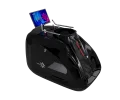
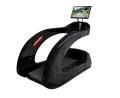
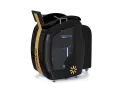
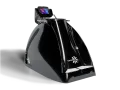






CryoStar Grand M vs Juka Cryosauna: Comparativa completa de sus características (2026)
4.23.2026
Si estás comparando CryoStar Grand M vs Juka Cryosauna, Ya has superado la etapa de principiante. Ya no se trata simplemente de qué es la crioterapia, sino de una cuestión comercial: determinar qué cámara de nitrógeno ofrece la mejor combinación de seguridad, control, flujo de trabajo del operador, profundidad de monitorización y adecuación a la marca para tu centro. Esta distinción es importante porque dos productos pueden pertenecer a la misma categoría y aun así ofrecer un rendimiento muy diferente en el uso diario.
Ambos sistemas pertenecen al mundo de las cámaras de crioterapia de nitrógeno de un solo usuario, y ambos están posicionados para entornos profesionales en lugar de para uso doméstico ocasional. Al mismo tiempo, el material de origen público sobre ellos no es idéntico. Vacuactivus proporciona información de primera mano inusualmente detallada sobre el Cámara de crioterapia CryoStar, incluyendo versiones, controles, dimensiones, rango de temperatura, consumo de nitrógeno y lógica de actualización. Las páginas públicas oficiales de JUKA en inglés hacen mayor hincapié en la arquitectura de seguridad, el diseño de los dispositivos médicos y el control del tratamiento, mientras que una página pública para distribuidores proporciona especificaciones técnicas adicionales para JUKA SINGLE.
Eso significa que la comparación más útil no es un veredicto impulsado por la publicidad. Es una Comparación de características orientada al comprador Basándonos en la información documentada públicamente, en esta guía compararemos CryoStar Grand M y Juka Cryosauna en cuanto a concepto de cámara, experiencia de usuario, sistema de control, seguridad, especificaciones para el público y adecuación al negocio, para que un estudio de bienestar, centro de recuperación, clínica o spa pueda elaborar una lista de opciones más informada.
Por qué esta comparación es importante para los compradores comerciales
La compra de una criosauna rara vez se basa únicamente en la temperatura. La máquina debe adaptarse al flujo de trabajo de su personal, a la narrativa de su servicio, a las limitaciones de instalación, al nivel de monitorización que prefiera y al tipo de confianza que desea generar en sus clientes. cámaras de crioterapia La propia categoría ya demuestra que los fabricantes segmentan el mercado por formato, características y lógica de funcionamiento, en lugar de basarse simplemente en el principio de que "lo frío es frío".“
En términos prácticos, un comprador que compara CryoStar y JUKA generalmente quiere comprender cinco aspectos. El primero es cómo cada cámara gestiona la administración de frío y el control de la sesión. El segundo es qué producto ofrece una mayor visibilidad en materia de seguridad. El tercero es el nivel de monitorización y retroalimentación que proporciona el sistema al operador. El cuarto es si la máquina se percibe más moderna, más clínica o más versátil comercialmente. El quinto es para qué tipo de centro es más probable que se adapte mejor cada modelo.
Pregunta del comprador | Por qué es importante |
¿Cómo se suministra y se controla el frío? | Esto influye en la coherencia de las sesiones, la confianza del operador y el posicionamiento del producto. |
¿Qué arquitectura de seguridad está documentada públicamente? | Antes de realizar la compra, los compradores deben comprender la geometría de la salida de la cabina, la ventilación, la monitorización del oxígeno y la lógica de control. |
¿Qué tan avanzada es la interfaz y la capa de monitoreo? | Las funciones de monitorización premium pueden cambiar tanto el flujo de trabajo del personal como la forma en que se vende el servicio a los clientes. |
¿Cuáles son las especificaciones técnicas públicas? | Las dimensiones, la potencia, el rango de temperatura y el uso de nitrógeno influyen en la planificación y el coste de funcionamiento. |
¿Qué modelo de negocio se adapta mejor a cada producto? | La máquina adecuada depende de si el comprador valora una propuesta tecnológica de vanguardia, una historia de confianza clínica o una configuración clásica de criosauna. |
Qué es CryoStar Grand M
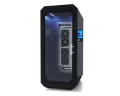
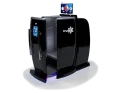
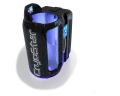
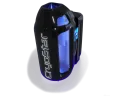
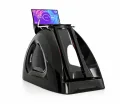
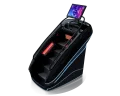
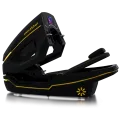
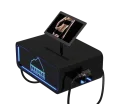
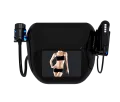
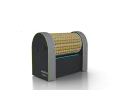
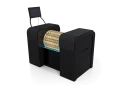
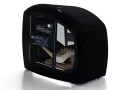
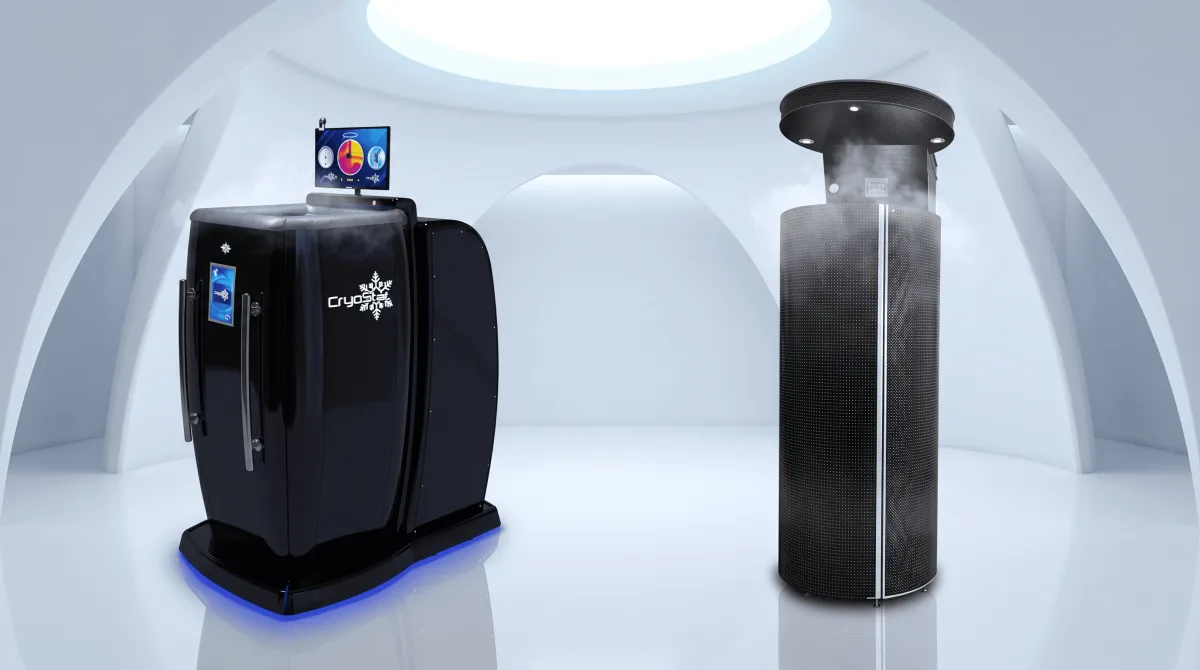
La línea CryoStar es presentada por Vacuactivus como una cámara de crioterapia de cuerpo entero basada en nitrógeno líquido con múltiples versiones, incluyendo Simple, grandioso, y Gran M. La versión Grand M se posiciona como el modelo mejorado con un gran Pantalla superior de 21 pulgadas y una opción de imagen térmica, mientras que el conjunto de funciones más amplio de CryoStar incluye tecnología de pulverización indirecta de nitrógeno, apertura automática de la puerta, controles de pantalla táctil y actualizaciones orientadas a la monitorización.
Lo que distingue comercialmente a CryoStar en los materiales públicos no es solo la cámara en sí, sino la forma en que se presenta el producto. Vacuactivus enfatiza una arquitectura de cámara más moderna, pulverización indirecta de nitrógeno a través de boquillas ubicadas centralmente, consumo reducido de nitrógeno, termografía opcional, monitoreo del nivel de oxígeno y una interfaz de operador refinada con tres programas automáticos y un programa manual. Eso crea una narrativa más sólida sobre la "cámara de monitoreo premium" que la que ofrece una criosauna tradicional básica.
“La tecnología de pulverización indirecta de nitrógeno, que utiliza boquillas de inyección de platino en el centro de la cámara criogénica, ayuda a reducir el consumo de nitrógeno a 3-5 litros por sesión.” Página del producto CryoStar
La página oficial del producto enumera un rango de temperatura programado de -120°C a -170°C, consumo de energía de 1,5 kW hasta 20 A, una fuente de alimentación de 220V/50Hz o 110V/60Hz, y el consumo de nitrógeno de 3-5 kg por sesión/preenfriamiento. Un artículo aparte de Vacuactivus describe además a CryoStar como una empresa que opera en -160°C a -180°C y sitúa la cámara en torno a la exposición a frío extremo, la monitorización térmica en tiempo real en las versiones superiores y una complejidad de mantenimiento mínima. Dado que estas dos referencias de temperatura aparecen en diferentes fuentes oficiales, la postura editorial más prudente es afirmar que CryoStar se presenta públicamente como una cámara de nitrógeno de muy baja temperatura, mientras que los compradores deben confirmar el programa de funcionamiento exacto y el rango específico de la versión directamente con el fabricante antes de la compra.
Qué es Juka Cryosauna
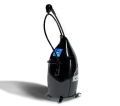
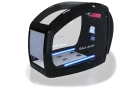
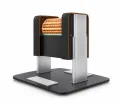
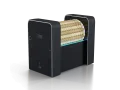
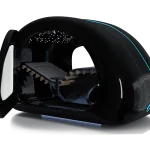
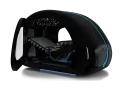
JUKA describe su criosauna como un Cámara criogénica de nitrógeno innovadora e individual para tratamientos de crioterapia de cuerpo entero. y afirma que se encuentra entre un grupo relativamente pequeño de dispositivos que poseen una certificado médico, clase IIb en su página oficial de producto en inglés. Eso por sí solo le da al producto una imagen pública diferente. Mientras que CryoStar se centra en las funciones digitales, la interfaz de usuario y el refinamiento técnico de alta gama, JUKA se enfoca públicamente en la credibilidad según los estándares médicos, la seguridad de los procedimientos y la presentación profesional del tratamiento.
El artículo oficial de seguridad de JUKA añade más estructura a ese posicionamiento. La empresa afirma un rango de temperatura de tratamiento de -100°C a -160°C, una duración máxima de sesión de 3 minutos, un piso móvil diseñado para mantener la cabeza al menos 15 cm por encima del borde superior de la cabina, y un proceso de control automático que rige el curso de la sesión y reduce el límite inferior al final del ciclo. El mismo material destaca por su distribución uniforme de la temperatura y un diseño ovalado ergonómico.
Un listado público de JUKA SINGLE de Welltechnics amplía el panorama técnico al incluir 230V / 50 Hz fuente de alimentación, 1,5 kW consumo nominal de energía eléctrica, 900 mm ancho con las puertas de la cabina cerradas, 1550 mm ancho con las puertas abiertas, 1600 mm longitud, 2450 mm altura total con techo iluminado, -120°C a -160°C temperatura regulada de la cabina, 4-8 minutos Tiempo de congelación y cifras de consumo nominal de nitrógeno para las sesiones de preenfriamiento y tratamiento. Dado que estas cifras detalladas provienen de la página de un distribuidor y no de la página principal de productos de JUKA en inglés, son útiles para una comparación preliminar, pero aun así conviene verificarlas con el fabricante antes de tomar una decisión de compra definitiva.
CryoStar Grand M vs Juka Cryosauna: una comparación rápida
La forma más clara de entender estos productos es separarlos hechos documentados de interpretación del comprador. La tabla que aparece a continuación lo hace centrándose en lo que muestran explícitamente los materiales públicos.
Dimensión | CryoStar Grand M | Crioosauna Juka |
|---|---|---|
Tipo de cámara | Cámara de crioterapia con nitrógeno para un solo usuario / familia de criosaunas. | Cámara criogénica de nitrógeno para un solo usuario, destinada a la crioterapia de cuerpo entero. |
Posicionamiento público | Cámara de imagenología comercial de alta calidad para entornos de bienestar, recuperación, spas, medicina deportiva, clínicas y gimnasios. | Cámara de crioterapia profesional con certificado médico y estructura de seguridad reforzada. |
Versiones / lógica de configuración | Las versiones Simple, Grand y Grand M están disponibles públicamente. | Los materiales en inglés de dominio público que se analizan aquí hacen hincapié en el modelo central de la criosauna, en lugar de en una amplia gama de versiones visibles. |
Historia de la interfaz principal | Pantalla táctil de 10,1 pulgadas, 3 programas automáticos, 1 programa manual; el modelo Grand M añade una pantalla superior de 21 pulgadas y opción térmica. | El control automático de sesiones está documentado, pero las fuentes públicas en inglés que se revisan aquí ofrecen menos detalles sobre la interfaz. |
Historia de seguimiento | Opción de imagen térmica, sensores de oxígeno integrados, narración premium centrada en la termografía. | En la página del distribuidor público se menciona la monitorización de oxígeno en tiempo real; las páginas oficiales de seguridad hacen hincapié en el control y la geometría, en lugar de en una capa de visualización de alta calidad. |
Rango de temperatura pública | En la página del producto se indica un rango de temperatura de -120 °C a -170 °C; un artículo aparte sobre Vacuactivus también indica un rango de -160 °C a -180 °C. | De -100 °C a -160 °C según el artículo de seguridad oficial; de -120 °C a -160 °C según la ficha técnica del distribuidor. |
consumo de energía | 1,5 kW hasta 20 A. | Consumo nominal de energía eléctrica de 1,5 kW. |
Uso público de nitrógeno | 3-5 kg por sesión / preenfriamiento. | 8-10 kg para preenfriamiento; 1,0-1,5 kg/min durante la sesión en la página del distribuidor. |
Lógica de seguridad destacada públicamente | Pulverización indirecta de nitrógeno, apertura automática de puertas, control de oxígeno, opciones de control térmico. | Piso móvil, sistema lógico de control de altura de la cabina, control automático de sesiones, ventilación, puertas magnéticas, monitorización de oxígeno, estructura para dispositivos médicos. |
Seguridad y vigilancia: donde la diferencia se hace visible.
Para muchos compradores, esta es la sección más importante de la comparación. No porque una máquina pueda ser declarada universalmente más segura solo en páginas web públicas, sino porque tipo de historia de seguridad difiere entre los dos productos.
La historia pública de CryoStar se basa en... refinamiento de ingeniería y visibilidad del operador. Vacuactivus destaca la pulverización indirecta de nitrógeno, las boquillas situadas en posición central, la monitorización del oxígeno, las opciones de visión térmica y la apertura automática de la puerta. Esto le confiere a la cámara una imagen más avanzada, con instrumentación de última generación y tecnología de punta. Si su empresa desea que la experiencia de crioterapia se sienta moderna, controlada y visiblemente mejorada con respecto a los formatos de criosauna más antiguos, esto es importante.
La historia pública de JUKA se construye en torno a seguridad de los procedimientos y protección estructural. El artículo oficial de seguridad explica cómo el suelo móvil mantiene la cabeza del cliente por encima del borde de la cabina, cómo se limita la duración de la sesión y cómo la lógica automática de la sesión rige el ciclo de principio a fin. La página del distribuidor refuerza esta idea con referencias a la circulación forzada, la generación de nitrógeno fuera de la cabina, la ventilación de la cabina, las puertas magnéticas y la monitorización del oxígeno por encima de la cabeza del paciente. Si su empresa prefiere una explicación de seguridad más clásica, basada en la lógica médica, los materiales públicos de JUKA facilitan su comunicación.
Lente de seguridad | Interpretación de CryoStar Grand M | Interpretación de la criosauna de Juka |
|---|---|---|
Lo que el cliente puede “ver” como premium | Termografía, control mediante pantalla táctil, pantalla superior, sistema de monitorización digital. | Una experiencia de criosauna profesional más tradicional, con la seguridad explicada a través de la geometría de la cámara y el control del proceso. |
Lo que el operador puede describir con seguridad | Pulverización indirecta, programas automatizados, sensores de oxígeno, análisis térmico opcional. | Suelo móvil, posición con la cabeza hacia afuera, sesiones con duración limitada, ventilación, monitorización de oxígeno y estructura que cumple con los estándares médicos. |
Mejor para qué narrativa de ventas | Narrativa de cámara de alta gama impulsada por la tecnología. | Narrativa sobre seguridad de los procedimientos y confianza clínica. |
Experiencia de usuario y flujo de trabajo del operador
La experiencia del usuario no se limita a lo que el cliente siente durante la exposición inicial. También incluye la rapidez con la que el equipo aprende a usar la máquina, la claridad con la que se controlan las sesiones y si el dispositivo permite realizar presentaciones de alta calidad en la sala.
CryoStar Grand M parece más fuerte en esta área si valora Interfaz de alta visibilidad y diferenciación basada en actualizaciones.. Los materiales disponibles para el público facilitan la comprensión de los cambios que se producen a medida que el comprador pasa de la versión Simple a la Grand y a la Grand M, lo que ayuda a un operador comercial a justificar la cámara como un servicio de primera calidad en lugar de una criosauna genérica. La presencia de una gran pantalla superior, programas con pantalla táctil y opciones de termografía contribuyen a una estrategia de ventas más experiencial.
JUKA parece más fuerte si valoras Lógica de tratamiento sencilla con un flujo de trabajo de criosauna tradicional.. Los materiales públicos no hacen tanto hincapié en la interfaz, pero describen claramente la duración de la sesión, la geometría de la cabina, la lógica de detección de oxígeno y los parámetros de tratamiento controlados por el operador. Esto puede resultar atractivo para clínicas, centros de rehabilitación o compradores que no necesitan una presentación visualmente impactante y que, en cambio, desean una cámara cuya explicación se base en una ejecución disciplinada de las sesiones.
Especificaciones técnicas públicas y planificación práctica
Un equipo de compras eventualmente tendrá que pasar del lenguaje de marca a la instalación y operación prácticas. Incluso cuando dos dispositivos pertenecen a la misma categoría de cámaras de nitrógeno, las dimensiones, el consumo y la planificación del sitio siguen siendo importantes.
Especificación | CryoStar Grand M | Crioosauna Juka |
|---|---|---|
Longitud | 2600 mm con la puerta cerrada. | Longitud exterior de 1600 mm. |
Ancho | 1020 mm. | 900 mm con las puertas cerradas; 1550 mm con las puertas abiertas. |
Altura | 2315 mm. | 2450 mm con techo iluminado; 2250 mm sin opción de techo iluminado; altura de la cabina 1850 mm. |
Peso | 450 kg; 600 kg brutos con jaula. | 345 kg más una persona de hasta 80 kg que figura por separado en la hoja pública. |
Fuente de alimentación | 220V/50Hz o 110V/60Hz. | 230V/50Hz. |
consumo de energía | 1,5 kW hasta 20 A. | 1,5 kW nominales. |
Duración de la sesión | La página del producto indica que la exposición de todo el cuerpo dura entre 1 y 3 minutos. | Tanto el artículo oficial de seguridad como la hoja de especificaciones pública describen un tiempo de hasta 3 minutos. |
Uso de nitrógeno | 3-5 kg por sesión / preenfriamiento. | Preenfriamiento de 8-10 kg y 1,0-1,5 kg/min durante la sesión en la pista pública. |
La implicación práctica es simple. Los materiales públicos de CryoStar facilitan la estimación de la cámara como parte de un entorno comercial premium con una fuerte ventaja en la historia del producto. Los materiales públicos de JUKA facilitan la comprensión de la cámara como una criosauna clásica con un control de sesión claramente estructurado y una historia de documentación más orientada médicamente. Ninguno de estos sistemas hace automáticamente que uno sea el adecuado para todos los compradores. Significa que La lógica de compra es diferente.
¿Qué cámara de comercio se adapta mejor a cada tipo de negocio?
Un spa o centro de bienestar que busca una experiencia de cámara más exclusiva, visiblemente avanzada y orientada al cliente, encontrará en la CryoStar Grand M una opción que se ajusta mejor a su posicionamiento. La combinación de control táctil, pantalla superior, información termográfica, sistema de monitorización de oxígeno y un diseño industrial moderno le confiere un mayor impacto visual y una propuesta de venta más diferenciada.
Una clínica, un centro de rehabilitación o un profesional que valore una explicación más tradicional sobre la criosauna podría inclinarse por JUKA. El énfasis público en la certificación médica de clase IIb, el control del tratamiento, el diseño ergonómico seguro y la estructura de sesión controlada por el operador le confieren a JUKA un perfil de mayor credibilidad clínica en los materiales revisados para este artículo.
Existe también una tercera categoría de comprador: aquel que se preocupa menos por la mitología de la marca y más por la disciplina en las compras. Para este comprador, el siguiente paso más inteligente no es elegir basándose únicamente en una página web, sino solicitar documentación específica de la versión, confirmar las dimensiones reales de la instalación, verificar los requisitos de cumplimiento locales, solicitar estimaciones del consumo de nitrógeno en un flujo de trabajo real y comparar las condiciones de soporte, instalación, capacitación y garantía.
El veredicto más honesto
Si su prioridad es Monitorización de alta calidad, una interfaz más moderna, una lógica de actualización más robusta y una cámara con un aspecto y una sensación más vanguardistas en un entorno de bienestar comercial., CryoStar Grand M tiene una ventaja pública más clara. Su historia de producto está mejor documentada, se diferencia de forma más visible y es más fácil de traducir en una propuesta de servicio premium.
Si su prioridad es Lógica clásica del tratamiento con criosauna, geometría de seguridad estructurada y un marco de certificado médico más sólido en los materiales disponibles públicamente., Juka Cryosauna puede parecer más interesante. Se presenta menos como una experiencia tecnológica de lujo y más como un instrumento de crioterapia profesional y riguroso.
La conclusión más acertada, sin embargo, es que no se trata de una batalla entre lo "mejor" y lo "peor". Es una elección entre dos enfoques comerciales distintos dentro de la misma categoría de crioterapia con nitrógeno. Uno es más visiblemente digital y se centra en productos de alta gama. El otro es más explícitamente procedimental y con un enfoque médico. La mejor opción depende del tipo de negocio que se esté desarrollando y de la confianza que se necesite generar con los clientes.
Si desea continuar evaluando las cámaras basadas en nitrógeno en un contexto de mercado más amplio, tiene sentido revisar el documento completo. cámaras de crioterapia categoría y luego examinar la Cámara de crioterapia CryoStar con más detalle junto con su lista de preseleccionados. Para una visión más amplia de la gama y el posicionamiento de la marca, también puede explorar vacuactivo.
Preguntas frecuentes
¿El modelo CryoStar Grand M es igual que un modelo CryoStar básico?
No. Vacuactivus presenta públicamente a CryoStar como una familia de productos con Simple, grandioso, y Gran M versiones. La versión Grand M se describe como que tiene una Pantalla superior de 21 pulgadas y acceso a opciones de monitorización de gama alta, lo que significa que los compradores no deberían compararlo con la versión básica como si fueran productos idénticos.
¿La criosauna Juka dispone de posicionamiento para dispositivos médicos?
La página oficial de productos en inglés de JUKA afirma que su criosauna se encuentra entre un pequeño número de dispositivos que poseen una certificado médico, clase IIb. Los compradores deben verificar el alcance del certificado vigente, su aplicabilidad en el mercado y las reivindicaciones permitidas para su país antes de utilizar ese punto en la adquisición o comercialización.
¿Qué cámara de comercio parece más sólida desde la perspectiva de las ventas de productos de alta gama?
Según la información pública disponible, el CryoStar Grand M tiene una propuesta de venta más sólida en el segmento premium, ya que sus características se explican a través de la termografía, la monitorización del oxígeno, las mejoras en la pantalla y una interfaz de usuario moderna. Eso no la convierte automáticamente en la opción correcta para todas las instalaciones, pero le otorga una ventaja comercial más evidente.
¿Qué cámara parece más tradicional en el flujo de trabajo de la criosauna?
En cuanto a su posicionamiento público, Juka Cryosauna parece más tradicional porque sus materiales hacen hincapié en la duración de las sesiones, la geometría del suelo móvil, la lógica de la cabina con la cabeza por encima de la cabeza y la seguridad de los procedimientos. Eso puede ser una ventaja para los compradores que prefieren una explicación clásica sobre la criosauna en lugar de una experiencia más visiblemente digital.
¿Es posible decidir entre CryoStar y JUKA basándose únicamente en fuentes públicas?
No de forma responsable. Los materiales públicos son útiles para elaborar una lista de candidatos preseleccionados, pero la decisión final también debe incluir demostraciones en vivo, folletos específicos de cada versión, revisión de la instalación, verificación del cumplimiento, alcance de la capacitación del operador, términos de la garantía y supuestos sobre los costos operativos reales.


