













Cryosauna vs Sauna infrarouge : Comparaison pour les centres de bien-être
La cryosauna et le sauna infrarouge sont deux des méthodes de bien-être et de récupération les plus populaires aujourd'hui, et pourtant leurs mécanismes d'action sont totalement opposés. La cryosauna expose le corps à un froid extrême (de -110 °C à -170 °C) pendant une à trois minutes, provoquant une vasoconstriction suivie d'un réchauffement intense. Le sauna infrarouge, quant à lui, plonge le corps dans une chaleur pénétrante et profonde (de 40 °C à 70 °C) pendant 30 à 45 minutes, augmentant la température corporelle et induisant une vasodilatation durable. Bien que leurs mécanismes soient physiologiquement opposés, leurs bienfaits sont souvent complémentaires. Voici une comparaison complète, qui explique pourquoi la plupart des centres de bien-être haut de gamme proposent désormais les deux, et non l'un ou l'autre.
Le principe fondamental de cet article est le suivant : il ne s’agit pas de technologies concurrentes, mais de modalités complémentaires qui répondent aux différents besoins des clients en termes d’humeur, de temps disponible et d’objectifs de rétablissement. Les centres de bien-être qui n’en proposent qu’une seule se privent ainsi d’importantes opportunités de revenus et de fidélisation.
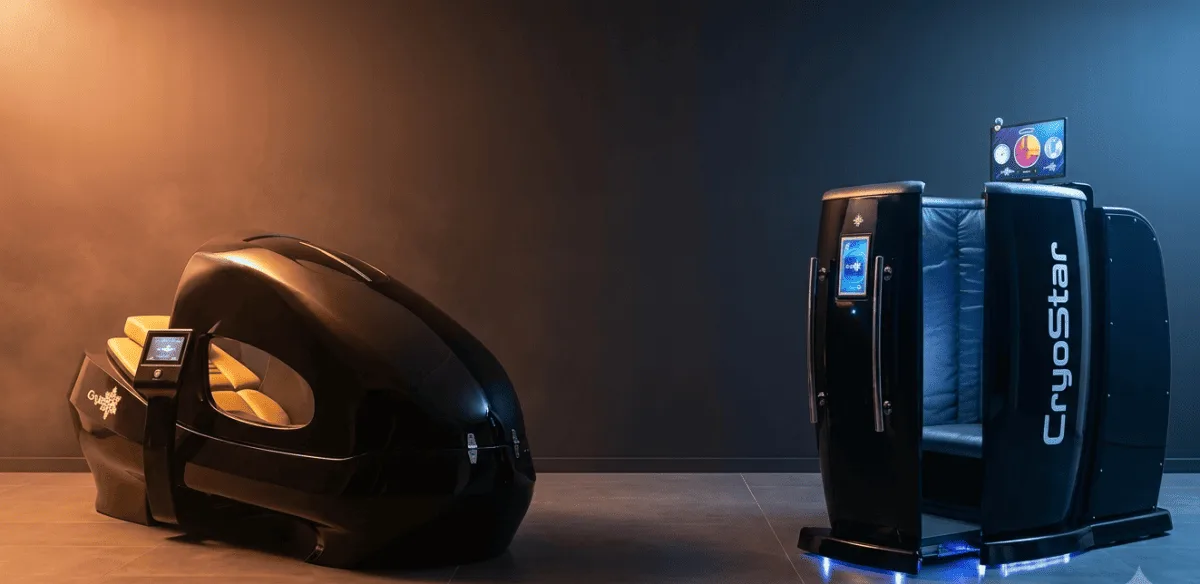
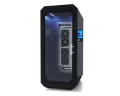
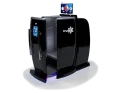
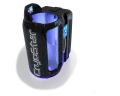
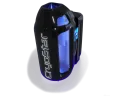
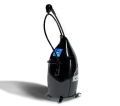
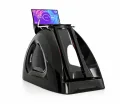
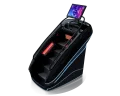
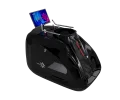
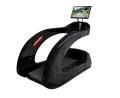
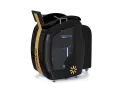
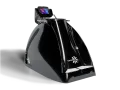
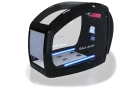
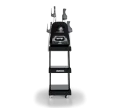
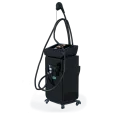
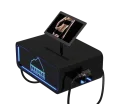
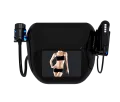
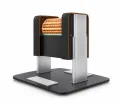
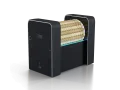
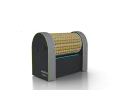
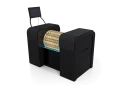
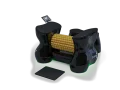
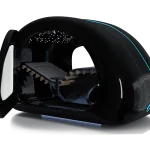
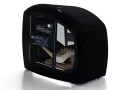
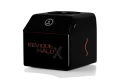
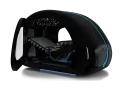
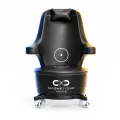
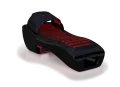
Image principale : Cryosauna Vacuactivus CryoStar et unité infrarouge InfraStar — des technologies opposées dans un seul établissement haut de gamme
Comment fonctionne un cryosauna ?
Un cryosauna expose le corps à un froid extrême pendant une courte séance. De la vapeur d'azote liquide (dans les systèmes à azote) ou de l'air réfrigéré (dans les systèmes électriques) entoure le corps à des températures comprises entre -85 °C et -170 °C, selon le type d'appareil. La réaction du corps est rapide : les vaisseaux sanguins périphériques se contractent, le sang est redirigé vers les organes vitaux et le système nerveux central libère des endorphines en réponse au stress dû au froid. À la fin de la séance, lorsque le corps se réchauffe, la vasodilatation reprend et la circulation sanguine est rétablie au niveau de la peau et des extrémités, avec un afflux important de sang oxygéné.
La durée totale de la visite du client est courte — 5 à 10 minutes, incluant le changement de vêtements, le briefing et la séance elle-même. C’est là le principal avantage opérationnel du cryosauna : un débit élevé, un délai d’exécution rapide et une expérience client immédiate. CryoStar Vacuactivus est un cryosauna à azote représentatif ; Antarctique WBC électrique est l'équivalent électrique d'une chambre froide.
Comment fonctionne un sauna infrarouge ?
Un sauna infrarouge chauffe directement le corps, et non l'air ambiant. Les longueurs d'onde des infrarouges lointains et proches pénètrent la peau et les tissus, augmentant progressivement la température corporelle interne pendant 30 à 45 minutes. La température ambiante est sensiblement inférieure à celle des saunas finlandais traditionnels (40 °C à 70 °C contre 80 °C à 100 °C), mais le chauffage direct des tissus induit une chaleur plus profonde et une transpiration plus abondante, même à des températures ambiantes plus basses.
La réponse du corps se déploie progressivement : la vasodilatation s’accentue, le rythme cardiaque augmente modérément, une transpiration abondante apparaît et le système cardiovasculaire se met dans un état similaire à celui d’un exercice aérobique modéré. Les séances sont plus longues (30 à 45 minutes), l’expérience est apaisante et méditative, et cette méthode se prête naturellement à la relaxation, à la détoxification et à la récupération entre les séances d’entraînement.
Les équipements infrarouges vont des simples cabines de sauna individuelles aux systèmes multimodaux intégrés. Vacuactivus propose la thérapie infrarouge sous plusieurs formats : InfraStar La plateforme cardio sous vide et infrarouge combine la chaleur infrarouge avec le vide et l'aromathérapie, et Lumière rouge InfraCouch Intègre la thérapie infrarouge à la luminothérapie rouge pour les séances de relaxation.
Comparaison côte à côte
Onze facteurs qui déterminent quelle modalité convient à quelle visite du client :
| Facteur | Cryosauna (Froid) | Sauna infrarouge (chaleur) |
|---|---|---|
| Plage de température | −110°C à −170°C | +40°C à +70°C |
| Durée de la session | 1 à 3 minutes | 30 à 45 minutes |
| Mécanisme | Vasoconstriction → réchauffement | chauffage des tissus profonds, vasodilatation |
| Transpiration | Non | Oui — lourd |
| réponse de la fréquence cardiaque | brève augmentation rapide | altitude modérée soutenue |
| Positionnement principal | Récupération, performance, énergie | Détox, relaxation, récupération profonde |
| Temps consacré par client | Visite totale de 5 à 10 minutes | Durée totale de la visite : 45 à 60 minutes |
| débit par heure | 10 à 20 clients | 1 à 2 clients par unité |
| Coût d'investissement (typique) | $40K – $150K | $8K – $40K par unité |
| Coût d'exploitation par séance | $3–$7 (LN2) ou électrique | Électrique uniquement (~$1–$3) |
| À déguster de préférence avec | sauna infrarouge, luminothérapie rouge | Cryosauna, bain froid |
Deux tendances se dégagent. Premièrement, le débit horaire : un cryosauna prend en charge environ dix fois plus de clients par heure qu’un appareil infrarouge individuel, car la durée des séances est considérablement plus courte. Deuxièmement, la rentabilité : si l’équipement infrarouge coûte nettement moins cher à l’unité, le cryosauna génère un chiffre d’affaires nettement supérieur par mètre carré et par heure. Les deux modèles économiques sont viables, mais fonctionnent différemment.
À quoi chaque modalité est associée
Le positionnement marketing de chaque modalité repose sur sa physiologie sous-jacente. Il s'agit d'une présentation honnête des liens que les professionnels du bien-être et la recherche suggèrent entre chaque modalité et :
Cryosauna (froid extrême)
- Récupération sportive entre les séances d'entraînement
- Réduction des courbatures après l'entraînement
- Énergie et vigilance après les séances
- soutien du teint et de la microcirculation
- Amélioration de l'humeur par la réponse endorphinique
- Réinitialisation rapide de l'état de stress
Sauna infrarouge (chaleur pénétrante)
- relaxation musculaire profonde
- Conditionnement cardiovasculaire par exposition passive à la chaleur
- Pratiques de détoxification par la transpiration
- Soutien à la qualité du sommeil (séances en soirée)
- Teint et circulation sanguine grâce à une vasodilatation prolongée
- Régulation à la baisse méditative et activation du système parasympathique
Le chevauchement des associations est significatif — les deux favorisent la peau, la circulation, l'humeur et la récupération — mais leurs mécanismes sont opposés. La cryosauna active la réponse au stress dû au froid ; le sauna infrarouge active la réponse au stress dû à la chaleur. Ces deux facteurs de stress hormétiques permettent à l'organisme de s'adapter et d'obtenir des résultats globalement positifs lorsque les séances sont pratiquées à un rythme approprié.
Thérapie par contraste : quand les deux sont utilisées ensemble
La thérapie par contraste – alternance d'exposition au chaud et au froid au cours d'une même séance – représente l'application la plus avantageuse de la combinaison des deux modalités dans un même établissement. La transition chaud-froid amplifie la réponse cardiovasculaire, intensifie la sensation de chaleur liée au réchauffement et procure une expérience subjective plus forte que chaque modalité prise isolément.
Deux protocoles de contraste courants dans les centres de bien-être :
- Chauffer d'abord, puis refroidir — 30 minutes de sauna infrarouge → bref refroidissement → 2 à 3 minutes de cryosauna. La sensation de froid intense après la chaleur profonde provoque un cycle spectaculaire de vasodilatation-vasoconstriction-vasodilatation et une forte libération d'endorphines après la séance.
- Alternances multiples — Séance infrarouge plus courte (15 minutes) → cryosauna (2 minutes) → infrarouge (10 minutes) → cryosauna (1 minute). Proche des bains de contraste nordiques traditionnels. Plus intense, exige une meilleure condition physique.
D'un point de vue commercial, la thérapie par contraste augmente considérablement le ticket moyen. Une séance de cryosauna seule est facturée $50 ; une séance infrarouge seule est facturée $40 ; un protocole de contraste combiné est facturé entre $90 et $120. Même consultation. Revenus plus élevés. Meilleure expérience client. C'est l'un des exemples les plus flagrants de l'application du principe “ vendre ce que les clients désirent vraiment ” dans le secteur du bien-être.
Lequel acheter en premier ?
Pour les studios qui évoluent vers la multimodalité mais qui débutent avec un seul équipement, la décision dépend du positionnement et du capital :
- Cryosauna d'abord — pour les studios axés sur la récupération, la performance ou le sport. La durée plus courte des séances permet une rentabilité accrue, la modalité bénéficie d'une forte notoriété auprès des consommateurs en 2026 et le positionnement haut de gamme attire une clientèle active.
- Infrarouge d'abord — pour les studios de bien-être axés sur la relaxation, la détoxification ou la contemplation. Un coût d'investissement moindre, une installation simplifiée et des séances plus longues correspondent au rythme de fonctionnement d'un spa.
- Les deux à la fois (version premium) — pour les centres de bien-être de plus de 110 m², une stratégie tarifaire haut de gamme et une clientèle cible recherchant à la fois performance et détente. Cette offre combinée positionne l'établissement comme une destination de récupération complète plutôt que comme un studio spécialisé dans une seule discipline.
La plupart des opérateurs de bien-être haut de gamme atteignent les deux objectifs dans les 12 à 24 mois suivant leur ouverture, en commençant par celui qui correspond le mieux au modèle de lancement et en ajoutant le second une fois que les revenus et la demande valident l'expansion.
Réalités opérationnelles de la mise en œuvre des deux modalités
L'exécution simultanée des deux opérations a des implications qui vont au-delà du poste budgétaire relatif à l'équipement :
- Aménagement de l'espace Les cabines infrarouges nécessitent des salles de traitement dédiées (de 4 à 8 m² chacune), les cryosaunas requièrent une pièce séparée avec une ventilation adéquate. Les centres multimodaux nécessitent une superficie minimale de 93 m².
- Complexité de la réservation Les séances infrarouges occupent un appareil pendant 45 minutes ; les séances de cryosauna durent de 5 à 8 minutes. Les logiciels de réservation doivent gérer ces deux rythmes. La plupart des plateformes de bien-être modernes (Mindbody, Mariana Tek, Vagaro) le font nativement.
- Personnel — personnel supplémentaire minimal requis — un seul opérateur à l'accueil peut gérer les deux modalités puisque les séances infrarouges ne nécessitent pas de supervision active comme la cryothérapie.
- Commercialisation — L’élargissement de la gamme de modalités signifie une acquisition de clientèle plus large (recherchant la performance et la détente), mais la communication doit clairement positionner chaque modalité afin que les clients ne soient pas confus quant à ce qu’ils doivent réserver en premier.
- Tarifs d'adhésion Les établissements proposant les deux modalités offrent généralement différents niveaux d'abonnement : basique (une seule modalité), premium (les deux) et VIP (illimité + options supplémentaires). Cette structure augmente significativement la valeur vie client.
Foire aux questions
Le cryosauna ou le sauna infrarouge est-il plus efficace pour la récupération ?
Ces deux techniques favorisent la récupération par des mécanismes différents. La cryosauna est associée à une récupération rapide après l'effort, une réduction des courbatures et une libération d'endorphines énergisante. Le sauna infrarouge, quant à lui, est associé à une relaxation musculaire plus profonde, à des bienfaits cardiovasculaires durables et à une récupération plus sereine. La plupart des athlètes de haut niveau et des personnes soucieuses de leur récupération utilisent les deux, souvent selon des protocoles complémentaires.
Puis-je faire les deux au cours de la même séance ?
Oui, la thérapie par contraste combinant infrarouge et cryosauna en une seule séance est l'un des protocoles haut de gamme les plus demandés en 2026. Séquence typique : 30 minutes de sauna infrarouge, une brève pause à température ambiante, puis 2 à 3 minutes de cryosauna. Cette combinaison procure une expérience subjective plus intense que chaque technique prise séparément et amplifie la réponse cardiovasculaire.
Lequel est le plus sûr ?
Les deux méthodes sont généralement sans danger pour les adultes en bonne santé lorsque les séances sont adaptées et que les contre-indications sont vérifiées. Les risques liés au cryosauna sont principalement dus à l'intensité de l'exposition au froid et, pour les systèmes à l'azote, au déplacement d'oxygène, ce qui nécessite une ventilation adéquate. Les risques liés au sauna infrarouge sont principalement liés à l'épuisement par la chaleur, à la déshydratation et au stress cardiovasculaire chez les personnes présentant certaines pathologies. Ces deux modalités nécessitent un examen médical préalable ; elles sont contre-indiquées chez les femmes enceintes, en cas de certaines affections cardiovasculaires ou de contre-indications spécifiques.
Quel est le décalage horaire pour les clients ?
C'est significatif. Une séance de cryosauna dure généralement 10 minutes, tandis qu'une séance de sauna infrarouge dure entre 45 et 60 minutes. La cryosauna s'intègre facilement à une pause déjeuner, tandis que le sauna infrarouge est un rendez-vous bien-être planifié. Cette différence de temps est l'un des facteurs les plus sous-estimés dans les décisions de réservation des clients : ces deux modalités s'inscrivent dans des périodes différentes de la semaine.
Les clients ont-ils une préférence pour l'un ou l'autre ?
Le choix varie considérablement selon le profil et l'objectif. Les clients axés sur la performance, disposant de peu de temps et cherchant à récupérer après l'entraînement privilégient la cryosauna. Ceux qui privilégient la relaxation, ont des horaires flexibles et souhaitent gérer leur stress optent pour l'infrarouge. Les établissements proposant les deux techniques constatent régulièrement un chevauchement significatif : un même client réserve la cryosauna les jours d'entraînement et l'infrarouge les jours de repos. C'est ce qui justifie commercialement de proposer les deux.
Quelle est la différence en termes de coûts d'exploitation ?
Par séance, l'infrarouge est nettement moins coûteux à l'usage (électricité uniquement, généralement entre $1 et $3 par séance). Les séances de cryosauna à l'azote liquide coûtent entre $3 et $7, auxquels s'ajoutent les frais liés aux conteneurs. Les séances de cryothérapie électrique coûtent entre $1 et $2 en électricité, mais nécessitent un investissement initial plus important. Sur une année d'exploitation, l'infrarouge présente les coûts variables les plus faibles, mais le cryosauna génère un revenu horaire plus élevé. Deux modèles économiques différents, mais tous deux viables.
Conclusion
Le cryosauna et le sauna infrarouge ne sont pas des technologies concurrentes ; ce sont des modalités complémentaires qui répondent à différents besoins, disponibilités et objectifs de récupération. Le cryosauna procure un froid extrême en 1 à 3 minutes, avec un débit élevé et une position de récupération intensive. Le sauna infrarouge, quant à lui, diffuse une chaleur pénétrante pendant 30 à 45 minutes, associée à une position de relaxation et de détoxification. Utilisés conjointement selon des protocoles différents, ils offrent des expériences uniques et augmentent significativement le ticket moyen et la valeur vie client des abonnements pour les centres de bien-être qui les proposent.
Pour les exploitants de centres de bien-être haut de gamme, la question est rarement “ laquelle ” mais “ dans quel ordre ”. La plupart des établissements performants proposent une modalité de lancement et ajoutent la seconde une fois la demande validée, atteignant ainsi la configuration à double modalité dans les deux premières années d'exploitation.
Vacuactivus fabrique des équipements de thérapie par le froid et par la chaleur — de CryoStar cryosaunas à InfraStar plateformes infrarouges sous vide et Lumière rouge InfraCouch Unités de relaxation — le choix de la modalité dépend donc de ce qui correspond au modèle de votre centre de bien-être plutôt que de ce que votre fournisseur propose.
Explorez les équipements de cryothérapie et de thérapie infrarouge : → vacuactivus.com


