











Recenzija InfraStar bicikla: Vacuactivus infracrvena tehnologija vakuumskog bicikliranja
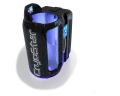
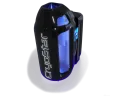
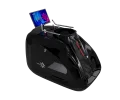
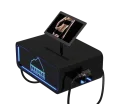
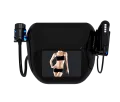
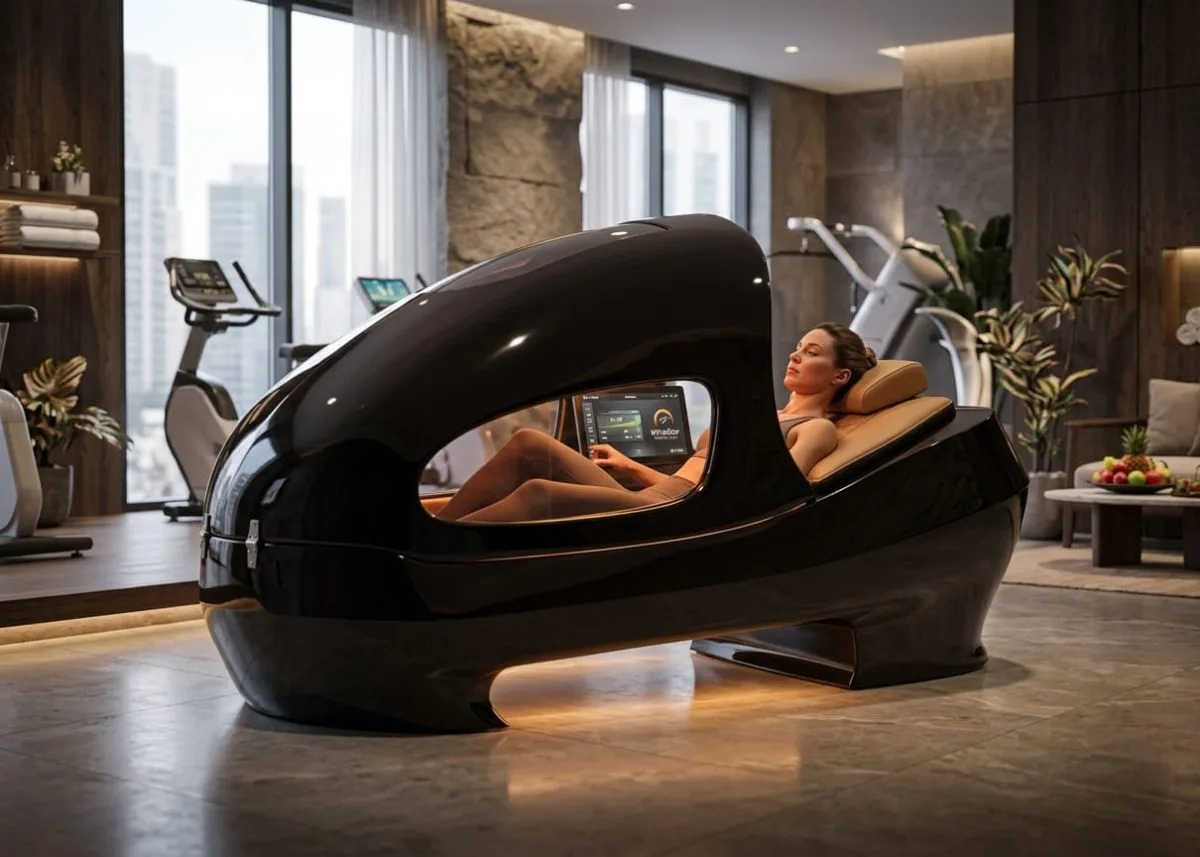
Vacuactivus InfraStar je stacionarni bicikl za vježbanje ugrađen unutar zatvorene kapsule koji kombinira vakuumski otpor, infracrveno grijanje i niz tehnologija oporavka u jednoj kardio sesiji niskog utjecaja. Pumpa snižava tlak zraka oko donjeg dijela tijela, podesiv od 0 do 30 mbara, dok infracrveno zagrijava tkivo do dubine od otprilike 4 mm i podiže temperaturu jezgre za oko 2 °C u petnaest minuta, a klijent pedalira u poluležećem položaju koji smanjuje opterećenje kralježnice.
Mi smo izgradili ovaj bicikl, pa ova recenzija razdvaja dvije stvari koje prodajne stranice brišu zajedno. Mehanizam je stvaran i radi ono što fizika predviđa: više znoja, veći protok krvi u donji dio tijela, manji utjecaj na zglobove. Brojke kalorija pridružene njemu kreću se od 800 do 1500 po sesiji kod različitih prodavača bez zajedničke metode mjerenja iza njih, a nijedna se brojka ne slaže s ostalima. Mehanizam shvatite kao provjeren, a specifične brojke kao marketinške procjene.
Vacuactivus, koji posluje kao Cryonick Wellness Technology Factory, projektira vakuumsku infracrvenu kardio opremu od 2009. (više od 15 godina). Ovo je recenzija proizvoda od strane proizvođača, a ne prodajna stranica. Fizika dobiva zasluge koje zaslužuje, a marketing dobiva pozornost koju obično ne dobiva. Ništa ovdje nije medicinski savjet; tvrdnje o terapiji, gubitku težine ili celulitu usmjerene na klijente trebale bi biti pregledane s kvalificiranim regulatornim ili medicinskim stručnjakom prije objave u marketinškim materijalima.
Što je zapravo InfraStar bicikl
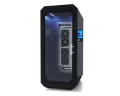
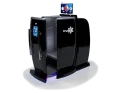
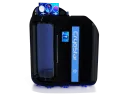
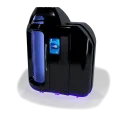
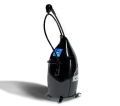
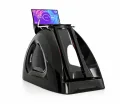
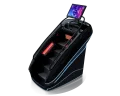
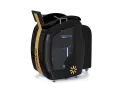
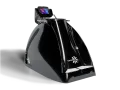
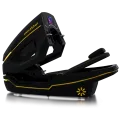
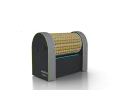
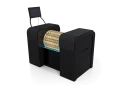
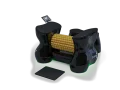
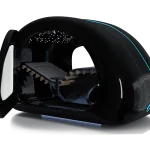
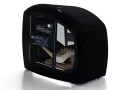
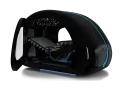
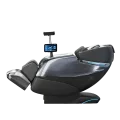
Uklonite marketing i InfraStar je ležeći bicikl za vježbanje s donjim dijelom tijela zatvorenim u zatvorenoj kapsuli i skupom terapijskih sustava postavljenih na vrhu. Vozač sjedi polu-ležeći, noge i bokovi unutar kapsule i pedalira normalnim biciklističkim pokretima. Ono što ga razlikuje od ležećeg bicikla u teretani je ono što okružuje noge. Vakuumska pumpa snižava tlak zraka unutar kapsule, podesiv od 0 do 30 mbar negativnog tlaka. Infracrveni paneli zagrijavaju zatvoreno tkivo. Uz tu bazu, InfraStar nudi opcije koje se razlikuju ovisno o konfiguraciji: krioterapijski zrak kroz Cryonick sustav, kolagen i kromoterapijsko osvjetljenje, kisik i ozon, EMS i aromaterapiju.
Sučelje je 10-inčni zaslon osjetljiv na dodir s VR 3D izbornikom za vježbanje, metrikama u stvarnom vremenu i streamingom s Netflixa, Spotifyja i Radio Gardena, plus daljinskim pristupom putem aplikacije Vacuactivus_User. Kućište je od stakloplastike. Popis značajki je dug, a poštena recenzija to jasno kaže: jezgra uređaja je vakuum plus infracrveno zračenje plus biciklizam, a sve ostalo je dodatak koji kupac može procijeniti prema tome je li to važno za njegovu uslugu. Poluležeći položaj nije detalj udobnosti - to je razlog zašto uređaj dolazi do klijenata koji ne mogu koristiti uspravni bicikl i vjerojatno je najvažniji pojedinačni dizajnerski izbor u cijelom uređaju.
Potpune specifikacije u nastavku svode stroj na referentnu karticu. Potpune mogućnosti konfiguracije i trenutne cijene za InfraStar bicikl Stranica proizvoda pokriva matricu terapijskog steka i mogućnosti generiranja.
| Specifikacija | InfraStar (izvornik / originalna generacija) |
|---|---|
| Format | Ležeći sobni bicikl unutar zatvorene kapsule (donji dio zatvoren) |
| Položaj | Poluležeći / poluležeći (dizajn s rasterećenjem kralježnice) |
| Otpornost na vakuum | Negativni tlak od 0 do 30 mbara, podesiv pumpom |
| Infracrvena dubina | Prodiranje u kožu i potkožno tkivo otprilike 4 mm |
| Porast temperature jezgre | Otprilike 2°C tijekom 15 minuta sesije |
| Trajanje sesije | Tipično 30 do 45 minuta |
| Sučelje | 10-inčni zaslon osjetljiv na dodir, 3D izbornik za vježbanje u VR stilu, metrike u stvarnom vremenu |
| Streaming | Ugrađeni Netflix, Spotify, Radio Garden |
| Daljinski upravljač | Udaljeni pristup aplikaciji Vacuactivus_User |
| Dodatni terapijski paket | Krioterapija (Cryonick sustav), kolagena i kromoterapijska rasvjeta, kisik i ozon, EMS, aromaterapija – konfigurirano |
| Materijal tijela | Kapsula i presvlaka od fiberglasa |
| Dostupne generacije | InfraStar (originalni, full stack) i InfraStar S (Gen 2, poboljšani poluležeći, kompaktni, čišći dodatni nišan) |
| Proizvođač | Vacuactivus (Tvornica Cryonick Wellness tehnologije), 15+ godina u kategoriji, izravno iz tvornice s OEM-om i opcijama leasinga |
Kako funkcionira vakuumsko i infracrveno cikliranje
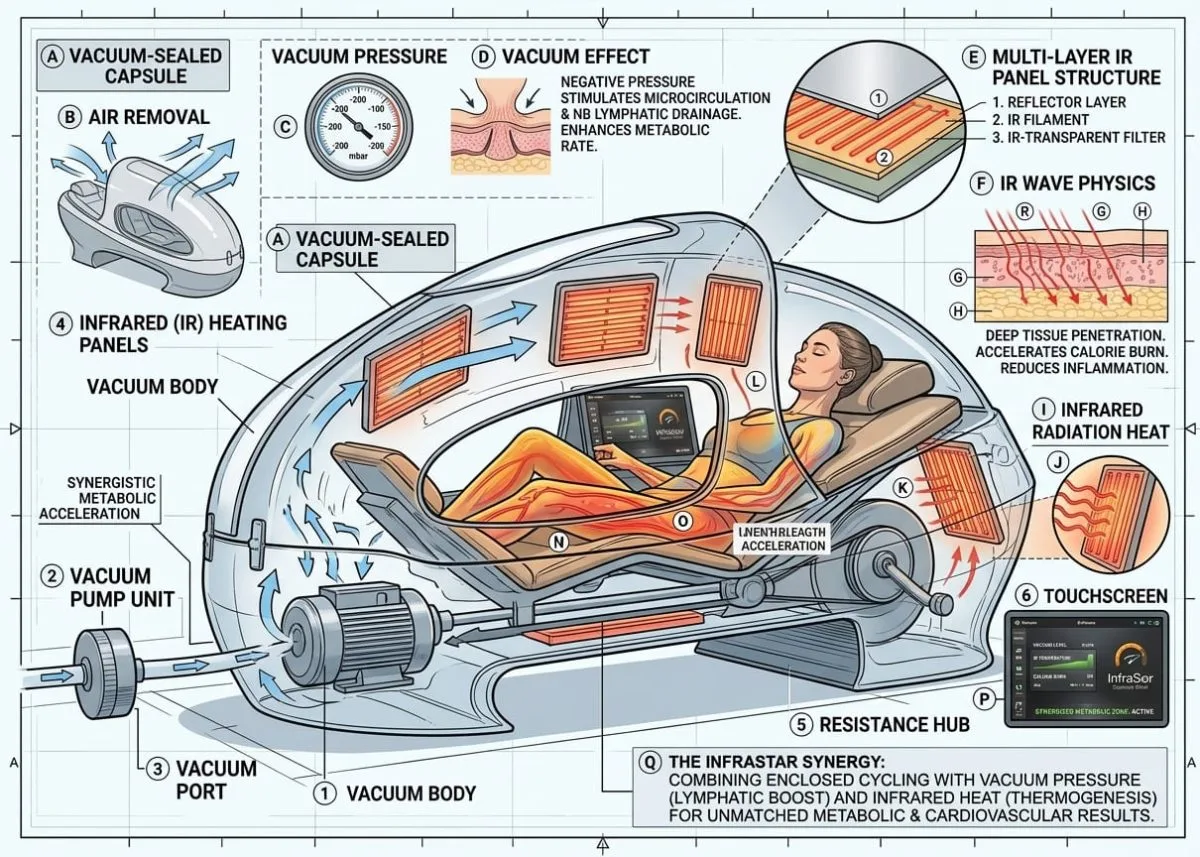
Mehanizam je dio ovog stroja koji izdržava lupu, stoga ga je vrijedno precizno objasniti. Počnimo s vakuumom. Kapsula se zatvara oko struka, a pumpa uklanja zrak dok tlak oko nogu i bokova ne padne ispod atmosferskog, podesivo u rasponu od 0 do 30 mbar. Taj negativni tlak vuče krv prema donjem dijelu tijela, povećavajući cirkulaciju kroz bokove, bedra i trbuh, što je isti princip koji koriste Hypoxi i Exclusive Shape sustavi. Veći protok krvi u neko područje znači veću dostavu kisika i hranjivih tvari te brže uklanjanje metaboličkog otpada kroz to tkivo.
Sada dodajte infracrveno zračenje. Paneli zagrijavaju zatvorenu kožu i tkivo ispod nje, prodirući do oko 4 mm i podižući temperaturu jezgre za otprilike 2°C tijekom petnaest minuta. Toplije tkivo znači proširene žile, više znoja i veću brzinu metabolizma tijekom treninga. Biciklizam pokreće cijelu stvar: mišićni rad generira kardiovaskularno opterećenje, a vakuum i infracrveno zračenje mijenjaju okruženje u kojem se rad odvija. Ta se kombinacija zaista razlikuje od standardnog bicikla, a za specifične ciljeve cirkulacije donjeg dijela tijela i treninga s niskim utjecajem i toplinskim opterećenjem, radi ono što tvrdi.
Iskrenost je ono gdje je potrebna skok s tih mehanizama na specifične rezultate. Povećana cirkulacija u područjima bogatim mastima stvaran je učinak; tvrdnja da se time preferencijalno sagorijeva masnoća iz tih točnih zona mnogo je jača izjava koju temeljna fizika ne podržava jasno. Mehanizam treba tretirati kao utvrđen, a okvir ciljanog gubitka masti kao hipotezu koju marketing iznosi s više samopouzdanja nego što to čine dokazi. Isti oprez vrijedi i za tvrdnje o detoksikaciji kroz kožu koje se pojavljuju na nekim stranicama kategorija: povećano znojenje je stvarno, ali medicinsko značenje koje mu se pripisuje u marketingu ide dalje od onoga što fiziologija čišćenja znoja zapravo podržava. Za opće obrazovanje o kategoriji vakuumskog treninga kao koncepta bez marketinškog sloja, pogledajte Stacionarni bicikli s infracrvenim i vakuumskim fitnessom za oblikovanje tijela koji obrađuje mehanizam na razini kategorije.
O tim brojkama kalorija
Ovdje recenzija zaslužuje svoje mjesto, jer se navodi da kalorije za ovaj bicikl ne slažu. Naša vlastita stranica proizvoda navodi 800 do 1000 kcal po 30-minutnoj sesiji. Popis prodavača za isti uređaj navodi do 1500. A naš vlastiti vodič za sobne bicikle navodi da obični sobni bicikl troši 600 do 800 kcal na sat, a ne po pola sata. Te tri brojke ne mogu sve biti točne, a nijedna od njih ne dolazi s navedenom metodom mjerenja - nema testiranja VO2, nema metaboličkih kolica, nema navedenog protokola.
Što je fiziološki opravdano: infracrvena toplina i napor bicikliranja doista povećavaju potrošnju energije iznad vožnje na sobnoj temperaturi, uglavnom kroz termoregulaciju i povećano znojenje, a zagrijana sesija s niskim utjecajem može se osjećati težom i sagorjeti nešto više od istog napora na hladnom. Ono što nije opravdano jest specifična brojka poput 1500 kalorija u 30 minuta, što bi premašilo ono što većina sportaša sagori u satu naporne vožnje bicikla. Fizička nevjerojatnost tog broja je važna, jer kupac koji uspoređuje opcije zaslužuje znati kada je specifikacija marketinška procjena, a ne izmjereni rezultat.
Iskren stav kupca je sljedeći: InfraStar sagorijeva više od ekvivalentne nezagrijane biciklističke staze, dodatno sagorijevanje dolazi uglavnom od toplinskog opterećenja, a ne od vakuumskog topljenja masti, a svaki pojedinačni broj kalorija naveden za njega treba tretirati kao marketinšku procjenu dok netko ne objavi izmjereni protokol. To upozorenje ne slabi stroj. Samo pomiče prodajnu prezentaciju s broja koji nitko ne može braniti na mehanizam koji itko može. Za usporedbu sobnog bicikla za kućno tržište gdje je prednost vakuuma i infracrvenog zračenja važna naspram onog gdje nije, pogledajte Najbolji sobni bicikl za kućnu teretanu: Kada infracrveni vakuum pobjeđuje redovitu vožnju biciklom koji zadovoljava iskrenu usporedbu na razini kućnog tržišta.
InfraStar vs InfraStar S: Dvije generacije
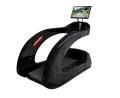
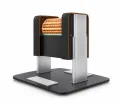
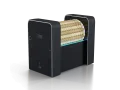
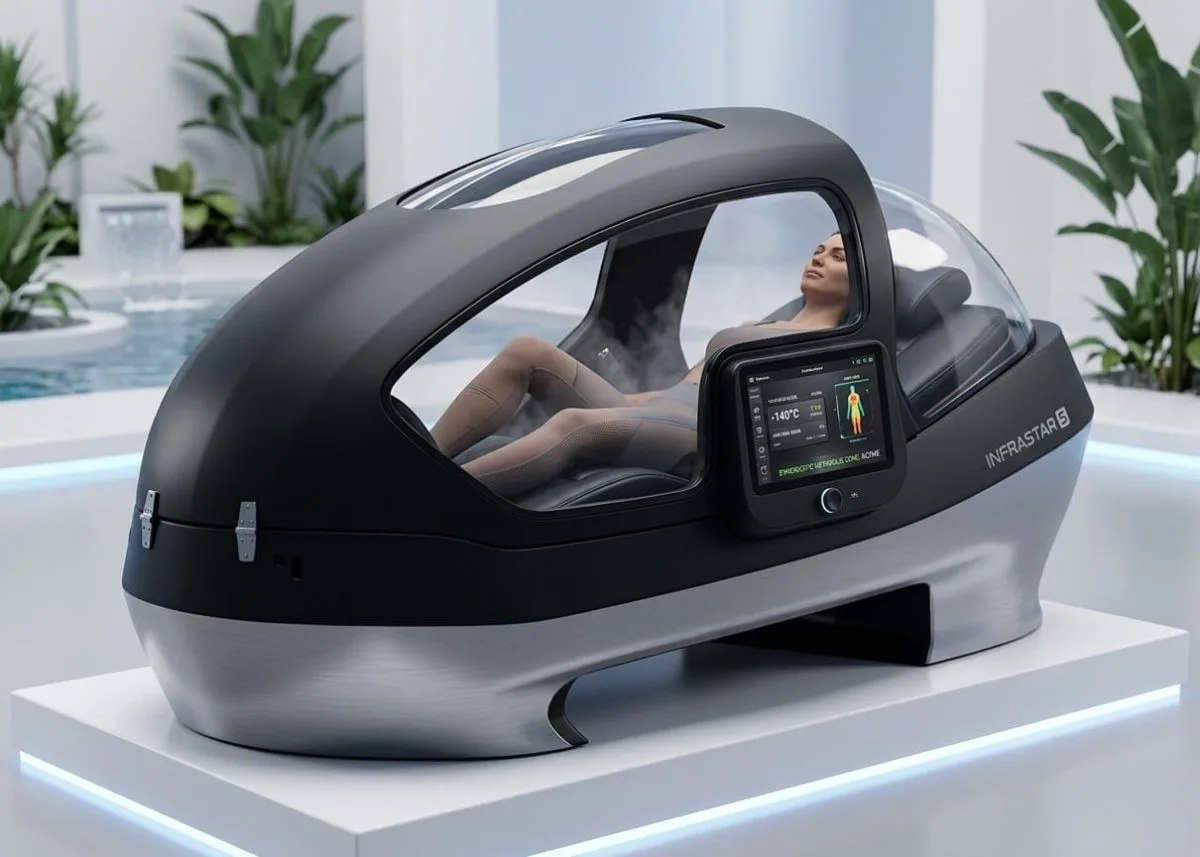
Vacuactivus isporučuje InfraStar u dvije generacije, a kupac bi trebao znati koju generaciju nudi. Izvorni InfraStar je gore opisani kapsulni bicikl s punom značajkom, s najširim terapijskim paketom: krioterapija, kisik i ozon, EMS, kolagen i svjetlo u boji, aromaterapija, VR izbornik i streaming. InfraStar S bicikl druge generacije je model druge generacije, izgrađen na istoj osnovi vakuumskog otpora, infracrvenog grijanja i ergonomskog ciklusa, ali poboljšan za udobnost, performanse i učinkovitost.
Generacija S koristi poluležeći ergonomski položaj koji dodatno smanjuje opterećenje zglobova, dodaje kolagen i rasvjetu za terapiju bojama te pokreće pametni zaslon osjetljiv na dodir s unaprijed postavljenim programima treninga, u kompaktnijem dizajnu namijenjenom studijima i kućnim korisnicima s ograničenim prostorom. U praksi, S mijenja dio maksimalističkog dodatnog paketa originala za čišći, prostorno učinkovitiji paket, koji odgovara operateru koji želi vakuumsko-infracrveni učinak u jezgri bez plaćanja za svaku perifernu terapiju. Niti jedno ni drugo nije bolje; ciljaju na različite kupce. Vrhunski studio za oblikovanje tijela koji gradi prepoznatljivu uslugu možda će htjeti potpuniji original; manji studio ili kućna instalacija koja daje prioritet dizajnu i jednostavnosti možda će preferirati S. Prije usporedbe provjerite na koju se generaciju odnosi određena cijena i specifikacije, jer ih je lako pomiješati pod zajedničkim nazivom InfraStar.
Kako se uspoređuje s kategorijom
InfraStar se nalazi u kategoriji s dva druga imenovana pristupa, a objektivna recenzija ga svrstava među njih, umjesto da se pretvara da stoji samostalno. Exclusive Shape proizvodi najbliži izravni ekvivalent: Vacu Bike i Infra-Vacu kombiniraju vakuum i infracrveno zračenje u kapsuli za donji dio tijela s ležećim položajem za bicikliranje, a prodaju se putem trgovaca poput Rehabmarta sa standardnim i premium razinama. To je najbliži konkurent slične kvalitete, a glavne razlike su u terapijskom paketu i softveru, a ne u osnovnom principu. Obje su široke kardio-plus-vakuum-infracrvene stanice niskog utjecaja, obje ciljaju slične kupce wellness studija i medicinskih spa centara, i obje bi dobro poslužile kao usluga oblikovanja tijela.
Hypoxi ide drugačijim putem. Njegovi Vacunaut, S120 i L250 sustavi izgrađeni su oko kliničkog ciljanja tijela, a ne oko općeg kardio treninga: Vacunaut koristi odijelo sa 122 tlačne komore za usmjeravanje protoka krvi posebno na trbušnu masnoću, a Hypoxi studiji nude konzultativni model probnih sesija s programima osmišljenim po klijentu. To je uži, medicinskiji prijedlog od InfraStara, koji je šira kardio-plus-regeneracijska stanica. Hypoxi pristup je legitimni servisni model koji odgovara operaterima koji grade konzultativnu praksu u stilu franšize oko ciljanog rada na trbuhu, a ne oko općeg oblikovanja tijela i kardio bicikla.
Praktična poruka za kupca: ako je cilj ciljani rad na trbušnim mišićima s konzultativnom uslugom u stilu franšize, Hypoxi je namjenski izrađen za to; ako je cilj svestrana kardio i stanica za oporavak niskog intenziteta koja ujedno i oblikuje tijelo, InfraStar i Exclusive Shape jedinice su širi alati. Nijedan od ta tri nije slab proizvod; namijenjeni su različitim modelima usluga, a pravi izbor proizlazi iz usluge, a ne iz broja značajki. Za B2B operatere koji donose širu odluku o nabavi u kategoriji sobnih bicikala, naš B2B vodič za kupnju sobnih bicikala pokriva potpuniji postupak nabave.
Za koga je zapravo namijenjen InfraStar
Najjači argument za InfraStar nije klijent kojem standardni bicikl već služi – to je klijent kojem standardni bicikl odbija. Netko u pedesetima s kroničnom boli u koljenu ne sjeda na uspravni spin bicikl. Netko s hernijom diska ne trči na traci za trčanje. Netko s prekomjernom težinom od dvadeset kilograma ne izdrži kardio vježbe visokog intenziteta. InfraStar doseže sve njih, jer poluležeći položaj uklanja opterećenje kralježnice, pedaliranje s niskim intenzitetom štiti zglobove, a zatvoreni okoliš čini da se lagana tjelovježba osjeća produktivno.
Za wellness studio, medicinski spa, rehabilitacijsku kliniku ili centar za dugovječnost, to je komercijalna poanta: uređaj popunjava prazninu na tržištu kardio opreme umjesto da se natječe za klijenta koji već ima deset kardio opcija. Djeluje kao usluga oblikovanja tijela, alat za kondicioniranje s niskim utjecajem za klijente s lošom kondicijom ili starije klijente i stanica za oporavak. Prirodno se slaže sa susjednom BodyShape opremom s niskim utjecajem – VacuStar traka za trčanje proširuje isti princip vakuumsko-infracrvenog zračenja na hodanje, a operateri koji grade potpuni krug niskog utjecaja obično uparuju bicikl, traku za trčanje i steper preko Vacuactivus BodyShape raspon kategorija.
Gdje se manje uklapa: visokoučinkoviti atletski objekt čiji klijenti žele maksimalno kardiovaskularno opterećenje smatrat će kapsulu i toplinu ograničenjem, a ne značajkom, a jeftina teretana koja se natječe cijenom neće nadoknaditi trošak kapsulnog bicikla u odnosu na stalak standardnih spin bicikala. Iskreni filter su klijenti. Ako značajan udio vaših potencijalnih klijenata odbije konvencionalni kardio, InfraStar ih preobraćuje; ako ne, to je premium novost, a ne popunjavanje praznine. Modelirajte broj kupaca koji posebno zahtijevaju kapsulu, a ne broj kupaca koji bi je tolerirali, prije potpisivanja narudžbenice.
Gdje se Vacuactivus uklapa
Vacuactivus, koji posluje kao Cryonick Wellness Technology Factory, projektira vakuumsku infracrvenu kardio opremu od 2009. (više od 15 godina), a InfraStar se nalazi u liniji BodyShape uz vakuumske infracrvene trake za trčanje, InfraStepper i srodne kapsule. Tvrtka prodaje izravno iz tvornice s OEM i opcijama leasinga, što je važno za studio koji financira kupnju kapitala ili distributera koji gradi liniju privatne robne marke. Specifikacije, trenutne cijene i konfiguracija InfraStar S nalaze se na stranici proizvoda InfraStar, a šira stranica kategorije BodyShape pokriva kako se bicikl uklapa uz traku za trčanje i steper za operatere koji grade potpunu krug s niskim utjecajem.
Primijenite na nas istu provjeru koju je ova recenzija primijenila na tvrdnje o kalorijama: zatražite podatke o izmjerenim sesijama ako je neki broj važan za vašu prodajnu prezentaciju, potvrdite koju generaciju ponuda pokriva i uskladite terapijski paket s onim što vaša usluga zapravo koristi umjesto da plaćate periferne uređaje koje nećete uključiti. Proizvođač koji je siguran u opremu pružit će izmjerene podatke o performansama na zahtjev i navest će koja je generacija navedena; onaj koji navodi zaokružene marketinške brojke bez metodologije govori vam nešto o tome koliko je specifikacija provjereno.
Često postavljana pitanja
P1. Što je InfraStar bicikl i kako radi?
InfraStar je ležeći sobni bicikl ugrađen unutar zatvorene kapsule koji kombinira vakuumski otpor, infracrveno zagrijavanje i vožnju bicikla u jednoj sesiji s niskim utjecajem. Vozač sjedi poluležeći sa zatvorenim nogama i kukovima, a pumpa snižava tlak zraka oko donjeg dijela tijela, podesiv od 0 do 30 mbar. Taj negativni tlak vuče krv prema kukovima, bedrima i trbuhu, povećavajući cirkulaciju tamo. Infracrveni paneli zagrijavaju zatvoreno tkivo do dubine od otprilike 4 mm i podižu temperaturu jezgre za oko 2 °C tijekom petnaest minuta, što povećava znojenje i metabolizam tijekom sesije. Vožnja bicikla osigurava kardiovaskularni rad dok vakuum i infracrveno zračenje mijenjaju okruženje u kojem se odvija. Uz tu bazu, InfraStar nudi i dodatne terapije - krioterapiju, kolagen i svjetlo u boji, kisik, EMS i aromaterapiju - plus 10-inčni zaslon osjetljiv na dodir sa streamingom i upravljanjem aplikacijom. Jezgra je vakuum plus infracrveno zračenje plus vožnja bicikla; ostalo se može konfigurirati.
P2. Koliko kalorija sagorijeva InfraStar bicikl?
Iskreno, nitko nije objavio izmjerenu brojku, a tvrdnje se ne slažu. Stranice proizvoda Vacuactivus navode 800 do 1000 kcal po 30-minutnoj sesiji, popis prodavača (RecovAthlete) navodi do 1500, a obični sobni bicikl sagorijeva otprilike 600 do 800 kcal na sat za usporedbu. Ne mogu svi ti brojevi biti točni, a nijedan ne dolazi s navedenom metodom mjerenja. Ono što je fiziološki opravdano: infracrveno grijanje plus biciklizam povećava potrošnju energije iznad vožnje na sobnoj temperaturi, uglavnom kroz termoregulaciju i povećano znojenje, pa zagrijana sesija sagorijeva nešto više nego isti napor na hladnoj. Ono što nije opravdano je specifična brojka poput 1500 kalorija u 30 minuta, što bi premašilo ono što većina sportaša sagorijeva u satu napornog bicikliranja i fizički je nevjerojatno za ležeći trening s niskim utjecajem, bez obzira na toplinsko opterećenje. Tretirajte bilo koji pojedinačni broj kalorija naveden za InfraStar kao marketinšku procjenu dok ne postoji izmjereni protokol. Mehanizam koji povećava sagorijevanje je stvaran; točna brojka nije utvrđena.
P3. Kako infracrveni vakuumski bicikl sagorijeva više kalorija od običnog bicikla?
Kroz dodatno toplinsko opterećenje i cirkulaciju, a ne kroz nešto magično vezano uz vakuum. Infracrveni paneli zagrijavaju zatvoreno tkivo, podižući temperaturu jezgre za oko 2°C tijekom petnaest minuta, a tijelo troši energiju na termoregulaciju - hlađenje povećanim znojenjem i protokom krvi - uz energiju utrošenu na pedaliranje. Taj trošak termoregulacije glavni je razlog zašto zagrijavanje bicikla sagorijeva više energije od nezagrijanog pri istom naporu. Vakuum doprinosi povećanjem protoka krvi u donji dio tijela, što podržava radne mišiće i reakciju znojenja, ali sam vakuum ne sagorijeva masnoće niti dodaje veliki broj kalorija. Dakle, pošten mehanizam je napor vožnje bicikla plus termoregulacija potaknuta toplinom, pri čemu vakuum poboljšava cirkulaciju donjeg dijela tijela. To je stvarno povećanje u odnosu na standardnu vožnju bicikla, ali je skromno potaknuto toplinom, a ne dramatičnim brojkama koje neki oglasi navode. Svatko tko ga prodaje trebao bi navesti mehanizam, a ne broj kalorija koji se ne može obraniti.
P4. Koja je razlika između InfraStara i InfraStara S?
Dijele istu jezgru – otpor vakuuma, infracrveno grijanje i ergonomsko cikliranje – ali ciljaju različite kupce. Izvorni InfraStar je potpuno opremljeni kapsulni bicikl s najširim terapijskim paketom: krioterapija, kisik i ozon, EMS, kolagen i svjetlo u boji, aromaterapija, VR izbornik i streaming. InfraStar S je model druge generacije, poboljšan za udobnost, performanse i učinkovitost, koristeći poluležeći ergonomski položaj koji smanjuje naprezanje zglobova, rasvjetu za kolagen i terapiju bojama te pametni zaslon osjetljiv na dodir s unaprijed postavljenim programima, u kompaktnijem prostoru. U praksi, S mijenja dio maksimalističkog dodatnog paketa za čišći, prostorno učinkovit paket. Vrhunski studio za oblikovanje tijela koji gradi prepoznatljivu uslugu možda će htjeti potpuniji original; manji studio ili kućna instalacija koja daje prioritet prostoru možda će preferirati S. Ništa nije jednostavno bolje. Provjerite na koju se generaciju odnosi cijena i specifikacije prije usporedbe, budući da je lako pomiješati ih pod zajedničkim nazivom.
P5. Smanjuje li InfraStar bicikl doista celulit?
Podržava promjene izgleda povezane s celulitom, a ne uklanja masnoću, a iskreno izražavanje je važno. Mehanizam je stvaran: vakuum povećava cirkulaciju u bokovima i bedrima, infracrveno zračenje zagrijava tkivo, a vožnja biciklom djeluje na mišiće donjeg dijela tijela, a ta kombinacija može poboljšati izgled celulita i teksturu kože tijekom niza sesija. Ono što fizika ne podržava jasno jest jača tvrdnja da vakuumsko cikliranje preferencijalno sagorijeva masnoću iz točnih zona na koje cilja. Utvrđena je povećana cirkulacija u područjima bogatim masnoćama; ciljani gubitak masnoće iz tih područja je hipoteza koju marketing iznosi s više samopouzdanja nego dokazi. Točno predstavljen, bicikl je alat za oblikovanje tijela i izgled s istinskim cirkulatornim i toplinskim učinkom, koji se održava kontinuiranim sesijama, a ne jednokratnim rješenjem. Predstavljen kao ciljano smanjenje masnoće, izaziva razočaranje. Prodajte cirkulaciju, toplinu i kondicioniranje niskog utjecaja, koji su stvarni, a ne tvrdnju o ciljanoj masnoći koju temeljna fizika ne podržava.
P6. Tko bi trebao koristiti infracrveni vakuumski bicikl?
Najjače pristaje klijentu kojem standardni bicikl odbija. Osobe s kroničnom boli u koljenu, hernijom diska, značajnom prekomjernom težinom ili ograničenom pokretljivošću često ne mogu koristiti uspravni bicikl ili traku za trčanje, a InfraStar im dopire jer poluležeći položaj uklanja opterećenje kralježnice, a pedaliranje s malim udarcem štiti zglobove. Odgovara klijentima s smanjenom kondicijom i starijim klijentima, rehabilitacijskim programima i svima kojima je potreban blagi kardio koji se i dalje osjeća produktivno. Za wellness studio, medicinski spa centar, rehabilitacijsku kliniku ili centar za dugovječnost, ta uloga popunjavanja praznina je komercijalna poanta – pretvara klijente koje konvencionalni kardio ne može zadovoljiti. Manje pristaje visokoučinkovitom sportskom objektu čiji klijenti žele maksimalno kardiovaskularno opterećenje, gdje kapsula i toplina postaju ograničenja, te za teretanu s niskim budžetom koja se cijenom natječe s nizom standardnih bicikala. Iskreni filter je klijentela: ako značajan udio potencijalnih klijenata odbije konvencionalni kardio, InfraStar ih pretvara; ako ne, to je premium novitet.
P7. Kako se InfraStar uspoređuje s Hypoxi ili Exclusive Shapeom?
To su tri pristupa istoj kategoriji, usmjerena na različite modele usluga. Exclusive Shape gradi najbliži izravni ekvivalent – Vacu Bike i Infra-Vacu kombiniraju vakuum i infracrveno zračenje u ležećoj kapsuli za donji dio tijela, koja se prodaje preko trgovaca sa standardnim i premium razinama, s razlikama od InfraStara uglavnom u terapijskom paketu i softveru, a ne u osnovnom principu. Hypoxi bira klinički, ciljani put: njihov Vacunaut koristi odijelo sa 122 tlačne komore za usmjeravanje protoka krvi posebno na trbušnu masnoću, a Hypoxi studiji vode konzultativni model probnih sesija s programima po klijentu. To je uži i medicinskiji pristup od InfraStara, koji je šira kardio-plus-regeneracijska stanica. Ako je cilj ciljani rad na trbuhu s konzultativnom uslugom u stilu franšize, Hypoxi je namjenski izgrađen za to. Ako je cilj svestrana kardio- i regeneracijska stanica s niskim utjecajem koja također oblikuje tijelo, InfraStar i Exclusive Shape jedinice su širi alati. Nijedan nije slab proizvod; pravi izbor proizlazi iz modela usluge.
P8. Isplati li se infracrveni bicikel za vakuumski studio?
Za pravi studio, da, a slučaj počiva na dosezanju klijenta, konvencionalni kardio ne može. Vakuumski infracrveni bicikl je premium kapitalna kupnja, pa svoju cijenu opravdava otvaranjem usluge koju studio inače ne bi mogao ponuditi - kondicioniranje i oblikovanje tijela niskog utjecaja za klijente s lošom kondicijom, starije, ozlijeđene ili prekomjerne težine koje odbijaju uspravni bicikli i trake za trčanje. Djeluje kao prepoznatljiva usluga oblikovanja tijela, kardio alat prilagođen rehabilitaciji i stanica za oporavak, često rezervirana u serijama, što odgovara modelima članstva i paketa. Vacuactivus prodaje izravno iz tvornice s OEM i opcijama leasinga, a poslovno financiranje raspodjeljuje kupnju, što je važno za studio koji testira uslugu prije ulaganja kapitala. Ne isplati se za ustanovu čiji klijenti već imaju dovoljno kardio opcija i žele maksimalno atletsko opterećenje ili za proračunsku operaciju koja se natječe cijenom. Izračunajte brojke na specifičnoj klijenteli koju bi konvertirao, a ne na generičkoj tvrdnji o kalorijama ili gubitku masti, i potvrdite koju generaciju i konfiguraciju terapije ponuda pokriva.
Zaključak
InfraStar je ležeći sobni bicikl unutar zatvorene kapsule koji kombinira vakuumski otpor od 0 do 30 mbara, infracrveno grijanje do dubine od približno 4 mm, podižući temperaturu jezgre za oko 2 °C tijekom 15 minuta i vožnju biciklom u poluležećem položaju s niskim utjecajem. Mehanizam je stvaran i radi ono što fizika predviđa: više znoja, veći protok krvi u donji dio tijela, manji utjecaj na zglobove. Brojke kalorija pridružene uređaju (800 do 1000 na 30 minuta na našoj stranici proizvoda, do 1500 na popisu prodavača, 600 do 800 na SAT za obični sobni bicikl) ne mogu sve biti točne, a nijedan ne dolazi s navedenom metodom mjerenja. Mehanizam tretirajte kao provjeren, a svaki određeni broj kalorija kao marketinšku procjenu.
Postoje dvije generacije: originalni InfraStar s punijim terapijskim paketom i InfraStar S s profinjenim poluležećim položajem i kompaktnim dimenzijama – različiti kupci, a ne stroga nadogradnja. U toj kategoriji, Exclusive Shape proizvodi najbliži ekvivalent, a Hypoxi nudi uži klinički model usmjeren na tijelo sa 122 tlačne komore; sva tri su legitimna pod vlastitim modelima usluga. Komercijalni slučaj je najjači tamo gdje InfraStar doseže klijenta kojem se konvencionalni kardio tretmani ne sviđaju – kronična bol u koljenu, hernija diska, značajna prekomjerna težina, ograničena pokretljivost – a najslabiji je kao premium novost u ustanovi čiji klijenti već imaju deset kardio opcija. Prodajte mehanizam, ograničite broj kalorija i uskladite terapijski paket s onim što usluga zapravo koristi. To je iskrena prodajna prezentacija i traje dulje od broja koji nitko ne može braniti.


