














Варіанти фінансування кріосауни: купуйте з низькою початковою вартістю
Комерційна кріосауна зазвичай коштує від 140 000 до 150 000 рупій лише за обладнання, а загальний стартовий капітал часто перевищує 200 000 рупій після врахування будівництва, оборотного капіталу та маркетингу. Для більшості власників студій це не той чек, який вони хочуть виписувати авансом, навіть якщо довгострокова математика рентабельності інвестицій працює. Гарна новина: обладнання для кріотерапії є однією з найбільш фінансово привабливих категорій у велнесі, з кількома доступними структурами для розподілу витрат протягом терміну служби обладнання, що генерує дохід. Цей посібник охоплює основні варіанти фінансування кріосауни, як кожен з них працює та що оцінити перед підписанням, з застереженням компанії, що будь-яке рішення щодо фінансування потребує перегляду кваліфікованими фінансовими консультантами, які знають ваш конкретний бізнес та ринок.
Важливе попереднє формулювання: ніщо в цій статті не є фінансовою порадою. Умови фінансування, ставки, кваліфікації та податкові наслідки суттєво відрізняються залежно від кредитора, юрисдикції, профілю бізнесу та кредитних умов. Завжди консультуйтеся з кваліфікованими фінансовими консультантами та бухгалтерами, перш ніж підписувати будь-яку угоду про фінансування. Vacuactivus є виробником обладнання — ми можемо співпрацювати зі сторонніми фінансовими партнерами, але вони встановлюють свої умови самостійно, і вам слід оцінювати будь-яку пропозицію окремо.
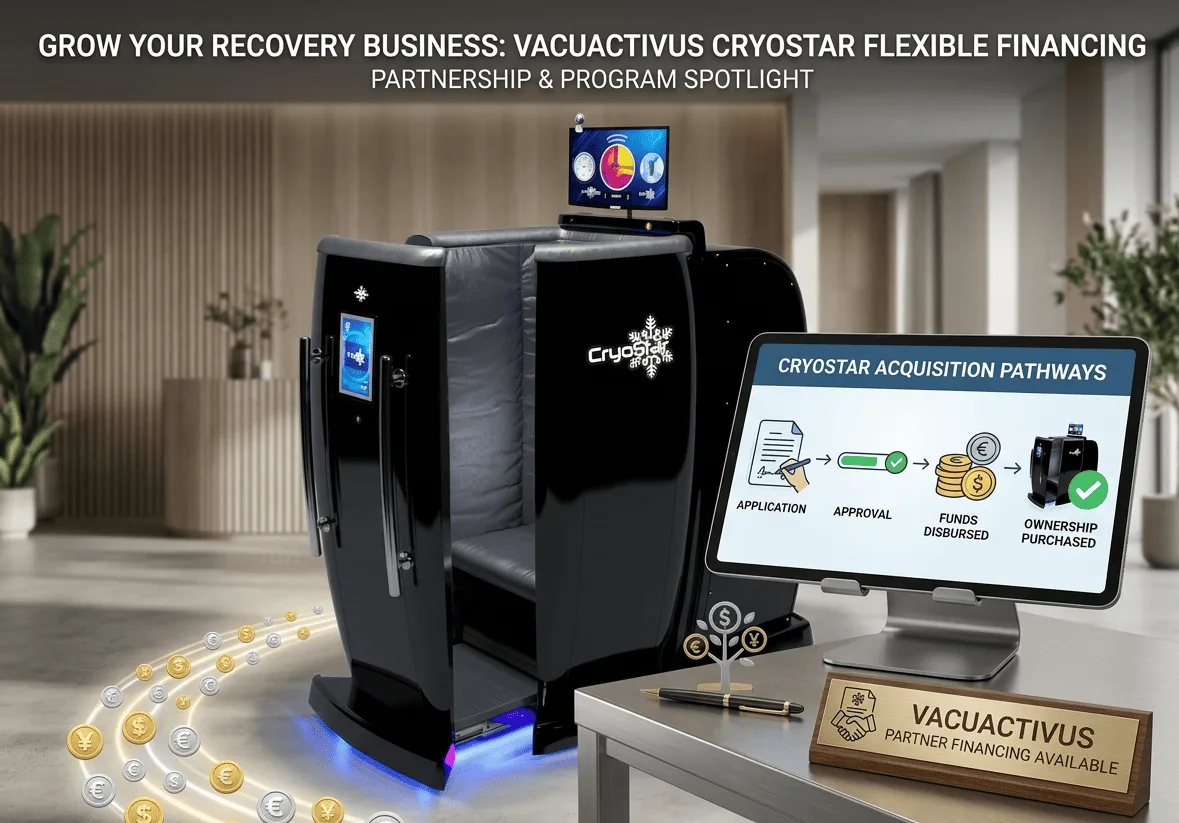
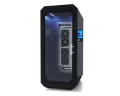
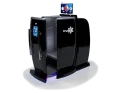
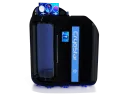
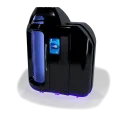
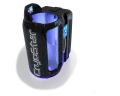
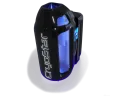
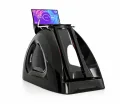
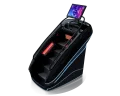
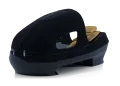
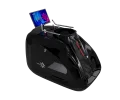
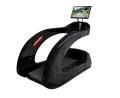
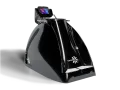
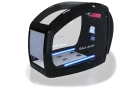
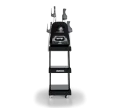
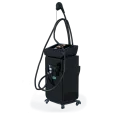
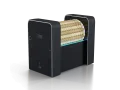
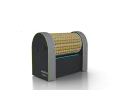
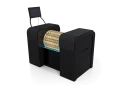
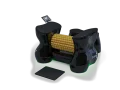
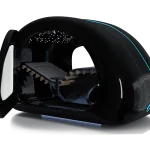
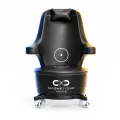
Зображення: кріосауна Vacuactivus CryoStar та контекст фінансування
Чому фінансування кріотерапевтичного обладнання має сенс
Комерційні кріосауни мають характеристики, які роблять їх добре підходящими для фінансування: високі капітальні витрати, тривалий термін служби (десятиліття або більше за належного обслуговування) та пряме отримання доходу з першого дня експлуатації. Це саме той профіль, який шукають кредитори — актив, що генерує грошовий потік для обслуговування власних фінансових платежів.
Практичний результат: студія зазвичай може фінансувати кріосауну протягом кількох років, де щомісячний платіж за обладнання значно менший за щомісячний дохід, який воно генерує, навіть за умови скромного використання. Капітал, який би пішов на придбання обладнання, залишається доступним для розвитку, маркетингу та оборотного капіталу — часто це різниця між успішним запуском та тим, що не має достатнього фінансування.
Ось чому більшість комерційних запусків кріотерапії у 2026 році передбачають певну форму фінансування обладнання, а не купівлю готівкою. Математика просто працює краще, коли капітал зберігається, а вартість обладнання розподіляється на роки, коли воно приносить дохід.
Основні варіанти фінансування кріосауни
Сім структур фінансування, які найчастіше використовуються для придбання комерційного кріотерапевтичного обладнання, порівняно:
| Варіант фінансування | Типова структура | Найкраще для |
|---|---|---|
| Оренда обладнання (операційна) | Щомісячні платежі, обладнання повернено в кінці терміну | Студії, які прагнуть гнучкості та меншого ризику капіталу |
| Оренда капіталу / оренда з правом викупу | Щомісячні платежі, передача права власності наприкінці терміну | Студії планують довгострокове зберігання обладнання |
| Кредит на обладнання | Кредит під заставу обладнання, фіксований щомісячний платіж, повне право власності | Студії з високим кредитним рейтингом |
| SBA / кредит, гарантований урядом | Нижчі ставки, довший термін, більше документів | Кваліфікаційні малі підприємства (США) |
| Бізнес-кредитна лінія | Гнучкий вибір згідно із затвердженим лімітом | Встановлені підприємства додають обладнання |
| Фінансування постачальника / виробника-партнера | Попередньо узгоджені умови через партнерів-кредиторів постачальника обладнання | Студії, які прагнуть оптимізованого процесу з одного джерела |
| Покупка готівкою | Повна передоплата, без комісії за фінансування | Капіталізовані студії максимізують довгострокову маржу |
Правильна структура залежить від профілю вашого бізнесу, стану капіталу, планів зростання та податкового режиму, який найкраще підходить для вашого обліку. Жоден з них не є універсально найкращим. У кожному розділі нижче пояснюється, як працює цей варіант і кому він зазвичай підходить.
Лізинг обладнання (оперативний лізинг)
Оперативний лізинг – це, по суті, довгострокова оренда: студія здійснює щомісячні платежі за використання обладнання протягом встановленого терміну (зазвичай 3–7 років), а після закінчення терміну обладнання повертається, поновлюється або купується за залишковою вартістю. Щомісячні платежі зазвичай нижчі за капітальні лізингові платежі, оскільки ви не будуєте договір оренди, спрямований на придбання права власності.
Операційний лізинг підходить студіям, які бажають гнучкості для регулярного оновлення обладнання, вважають витрати на обладнання операційними, а не капітальними (залежно від бухгалтерського обліку за чинними стандартами), або хочуть зберегти капітал. Він також корисний для студій, які не впевнені щодо довгострокових зобов'язань щодо певного ринку чи моделі.
Компроміси: ви не накопичуєте власний капітал в обладнанні, загальні платежі протягом терміну можуть перевищувати вартість покупки, а рішення щодо поновлення, повернення або покупки наприкінці терміну вимагають планування.
Оренда капіталу (оренда з правом володіння)
Лізинг капіталу, який також називають фінансовим лізингом або лізингом з правом викупу, структурований як позика, але документально оформлений як лізинг. Студія здійснює щомісячні платежі протягом певного терміну (зазвичай 3–7 років), а після закінчення терміну право власності на обладнання переходить до студії, часто за символічну суму викупу.
Капітальний лізинг підходить студіям, які планують довгостроково зберігати обладнання — більшість власників кріосаун — оскільки він передбачає поступове володіння, розподіляючи капітальні витрати. Податковий режим відрізняється від операційного лізингу (зазвичай обладнання амортизується в балансі лізингоодержувача, а структура лізингу розглядається радше як позика для цілей бухгалтерського обліку), що може мати суттєві податкові наслідки, які варто обговорити з вашим бухгалтером.
Компроміси: щомісячні платежі зазвичай вищі, ніж за операційним лізингом, а обладнання надається на повний термін.
Кредит на фінансування обладнання
Кредит на придбання обладнання – це традиційний забезпечений кредит, де обладнання служить заставою. Студія отримує повне право власності на обладнання під час покупки, здійснює щомісячні платежі за кредитом протягом терміну (зазвичай 3–7 років), а кредитор має заставне право на обладнання до повного погашення кредиту.
Кредити на обладнання підходять студіям із сильним кредитним портфелем, усталеною історією доходів або банківськими відносинами, що може забезпечити вигідні умови. Вони часто є варіантом фінансування з найнижчою загальною вартістю, якщо такі є, оскільки в структурі не передбачено лізингової маржі.
Компроміси: кваліфікаційні вимоги зазвичай суворіші, ніж до оренди, студія відображає обладнання на своєму балансі як актив і як пасив, а амортизація є відповідальністю студії для цілей оподаткування.
SBA та позики, гарантовані урядом
У Сполучених Штатах позики Управління малого бізнесу (SBA), зокрема програми SBA 7(a) та 504, можуть фінансувати придбання обладнання за, як правило, вигіднішими ставками, ніж звичайні комерційні позики, з довшими термінами та нижчими початковими внесками. Позики SBA вимагають більше документів та довших термінів схвалення, ніж комерційне фінансування, але для відповідних малих підприємств перевага у вартості може бути значною.
В інших країнах існують паралельні програми бізнес-кредитування, що підтримуються урядом (національні програми ЄС, бізнес-кредити у Великій Британії тощо). Завжди досліджуйте, що доступно у вашій юрисдикції.
SBA та державні позики підходять для малого бізнесу, який відповідає вимогам та готовий витрачати час на оформлення документів та процеси затвердження на вигідних умовах. Вони не підходять для покупців, яким потрібне швидке виконання замовлень.
Бізнес-кредитна лінія
Бізнес-кредитна лінія — це відновлювана угода — студія отримує максимальний ліміт, і вона використовує його за потреби. Для придбання обладнання це забезпечує гнучкість (використовуйте лише необхідне), але зазвичай за змінними процентними ставками. Кредитні лінії найкраще підходять для усталених підприємств з численними потребами в капіталі з часом, а не як основний інструмент для придбання обладнання.
Більшість покупців кріотерапії використовують кредитні лінії для покриття оборотного капіталу, запасів або операційних витрат, а не для фінансування основного обладнання, але для деяких структур це залишається варіантом.
Фінансування постачальника / виробника-партнера
Деякі виробники обладнання підтримують відносини з фінансовими партнерами, які спеціалізуються в їхній галузі. Для покупців кріотерапії це може означати спрощений процес, коли домовленості про фінансування вводяться як частина цінової пропозиції на обладнання, з кредиторами, які вже розуміють обладнання та бізнес-модель.
Фінансування від постачальника до партнера підходить покупцям, які бажають простішого досвіду з одного джерела та зручності інтегрованих переговорів щодо котирування та фінансування. Важливо: умови фінансування все ще надаються стороннім кредитором, а не виробником обладнання. Оцініть запропоновані умови порівняно з альтернативами — зручність цінна, але не ціною значно гірших умов. Vacuactivus співпрацює з фінансовими партнерами, щоб спростити цей процес для покупців, тоді як рішення про фінансування та умови залишаються між покупцем та кредитором.
Що оцінити перед підписанням
Яку б структуру ви не розглядали, оцініть ті самі основні фактори, перш ніж приймати рішення:
- Загальна вартість капіталу — щомісячний платіж × тривалість терміну, плюс будь-які комісії та витрати наприкінці терміну. Порівняйте загальну вартість за всіма структурами, а не лише щомісячний платіж.
- Процентна ставка або імпліцитна ставка — для лізингу розрахуйте ефективну ставку, порівнявши загальну суму платежів з вартістю обладнання. Порівняння «яблук до яблук» вимагає цього розрахунку.
- Тривалість терміну та умови дострокового погашення — довші терміни означають нижчі щомісячні платежі, але більшу загальну суму відсотків. Перевірте, чи дозволено дострокове погашення без штрафних санкцій.
- Податковий режим — різні структури призводять до різних податкових результатів — амортизація, вирахування відсотків, врахування витрат на оренду. Попросіть свого бухгалтера змоделювати податковий вплив кожного варіанта.
- Зобов'язання наприкінці терміну — для договорів оренди точно розуміти, що відбувається наприкінці терміну (повернення, купівля, поновлення), та витрати на кожен етап.
- Умови за замовчуванням та умови ковенанту — що станеться, якщо щомісячні платежі будуть пропущені; які бізнес-ковенанти накладає фінансування.
- Особисті гарантії — багато фінансування малого бізнесу вимагають особистих гарантій від власника. Зрозумійте особисту відповідальність, перш ніж підписувати.
Часті запитання
Чи можу я профінансувати комерційну кріосауну без початкового внеску?
Деякі структури фінансування пропонують мінімальний або взагалі відсутній початковий внесок, особливо деякі види лізингу обладнання. Умови значною мірою залежать від кредитора, вашого кредитного профілю, історії бізнесу та конкретного обладнання. Багато кредиторів надають перевагу принаймні невеликому початковому внеску, оскільки це знижує їхній ризик та ваш. Обговоріть конкретні структури з кваліфікованими кредиторами для вашої ситуації.
Який кредитний рейтинг потрібен для фінансування кріотерапевтичного обладнання?
Вимоги суттєво відрізняються залежно від кредитора та структури. Лізинг обладнання часто доступніший, ніж традиційні банківські позики. Позики, підтримані SBA, мають власну кваліфікаційну систему. Програми фінансування постачальників-партнерів іноді працюють з ширшими кредитними профілями. Чесна відповідь: пройдіть попередню кваліфікацію у кількох потенційних кредиторів, щоб зрозуміти свої реальні можливості, а не покладатися на загальні орієнтири.
Скільки часу займає схвалення фінансування кріотерапевтичного обладнання?
Типові діапазони: лізинг обладнання та фінансування постачальником-партнером часто схвалюються протягом кількох днів; традиційні позики на обладнання надаються 1–4 тижні; позики, підтримані SBA, можуть надаватися 6–12 тижнів через вимоги до документації та схвалення. Якщо терміни запуску обмежені, враховуйте терміни схвалення під час вибору джерела фінансування.
Чи варто мені орендувати чи купувати обладнання для кріотерапії?
Повністю залежить від вашого капіталу, бізнес-планів, податкової ситуації та операційних уподобань. Купівля (готівкою або в кредит на обладнання) зазвичай має нижчі загальні витрати в довгостроковій перспективі та збільшує власний капітал обладнання. Лізинг зберігає капітал, може спростити модернізацію та запропонувати бухгалтерські переваги залежно від типу лізингу. Нехай ваш бухгалтер змоделює обидва варіанти відповідно до ваших конкретних бізнес-прогнозів.
Чи можу я фінансувати будівництво та оборотний капітал разом з обладнанням?
Деякі структури (зокрема, кредити SBA та бізнес-кредитні лінії) можуть фінансувати ширші витрати на запуск, ніж просто обладнання. Лізингові договори на конкретне обладнання зазвичай покривають лише саме обладнання. Якщо ваш повний запуск потребує фінансування обладнання, будівництва та оборотного капіталу, ширший бізнес-кредит може підійти краще, ніж фінансування лише обладнання.
Що станеться, якщо моя студія не генеруватиме достатньо доходу, щоб покрити витрати на обладнання?
Ось чому резерви оборотного капіталу важливі, і чому чесне прогнозування попиту важливіше, ніж вибір обладнання. Більшість видів фінансування обладнання передбачає наслідки невиконання зобов'язань — вилучення обладнання, пошкодження бізнес-кредиту, потенційну особисту відповідальність, якщо застосовуються гарантії. Захисний підхід: резервуйте достатній оборотний капітал (типові для галузі 4–6 місяців фіксованих витрат), прогнозуйте попит консервативно та не фінансуйте обладнання на основі найкращих прогнозів.
Висновок
Фінансування комерційних кріосаун широко доступне та добре відповідає економічній ефективності обладнання — тривалий термін служби та пряме отримання доходу роблять кріокамери однією з найбільш фінансово привабливих категорій оздоровчого обладнання. Чесний висновок: більшість успішних запусків кріотерапії у 2026 році використовують певну форму фінансування обладнання, а не готівкову купівлю, зберігаючи капітал для розвитку, оборотного капіталу та маркетингу, розподіляючи вартість обладнання протягом років отримання доходу.
Правильна структура фінансування залежить від профілю вашого бізнесу, стану капіталу, податкової ситуації та планів зростання. Порівняйте загальну вартість капіталу в різних структурах, а не лише щомісячні платежі. Отримайте кваліфіковану фінансову та бухгалтерську консультацію перед підписанням угоди. І співпрацюйте з виробниками, які можуть запровадити спрощене партнерство з фінансування, коли таке спрощення є цінним.
Vacuactivus пропонує CryoStar кріосауна та Antarctica WBC Electric Камера з обслуговуванням за різними ціновими категоріями, з представленням партнерів з фінансування, доступними для покупців, які відповідають вимогам. Рішення про фінансування та умови залишаються між вами та обраним вами кредитором.
Ознайомтеся з обладнанням для кріотерапії та запросіть вигідну цінову пропозицію на фінансування: → vacuactivus.com


