











Діапазон температур кріотерапії: наскільки холодним стає кожен тип
Температури кріотерапії охоплюють величезний діапазон — від комфортної крижаної ванни з температурою 5°C до екстремальної азотної камери з температурою -180°C. Кожен тип апарату знаходиться в певному діапазоні температур, і температура визначає тривалість сеансу, враження клієнта, вимоги до інфраструктури та фізіологічний вплив на організм. Цей посібник надає вам точний температурний діапазон для кожного типу комерційного апарату для холодотерапії, пояснює інженерію кожного з них та відповідає на питання, яке є найважливішим для покупців та операторів: чи справді холодніше означає краще?
Коротка відповідь одразу: ні, холодніше не означає автоматично ефективніше. Зазначена температура є одним із факторів; конструкція камери, тривалість сеансу, потік повітря та індивідуальна реакція – все це формує фізіологічний результат. Наведені нижче цифри є корисними орієнтирами, але вони не вичерпують усі аспекти.
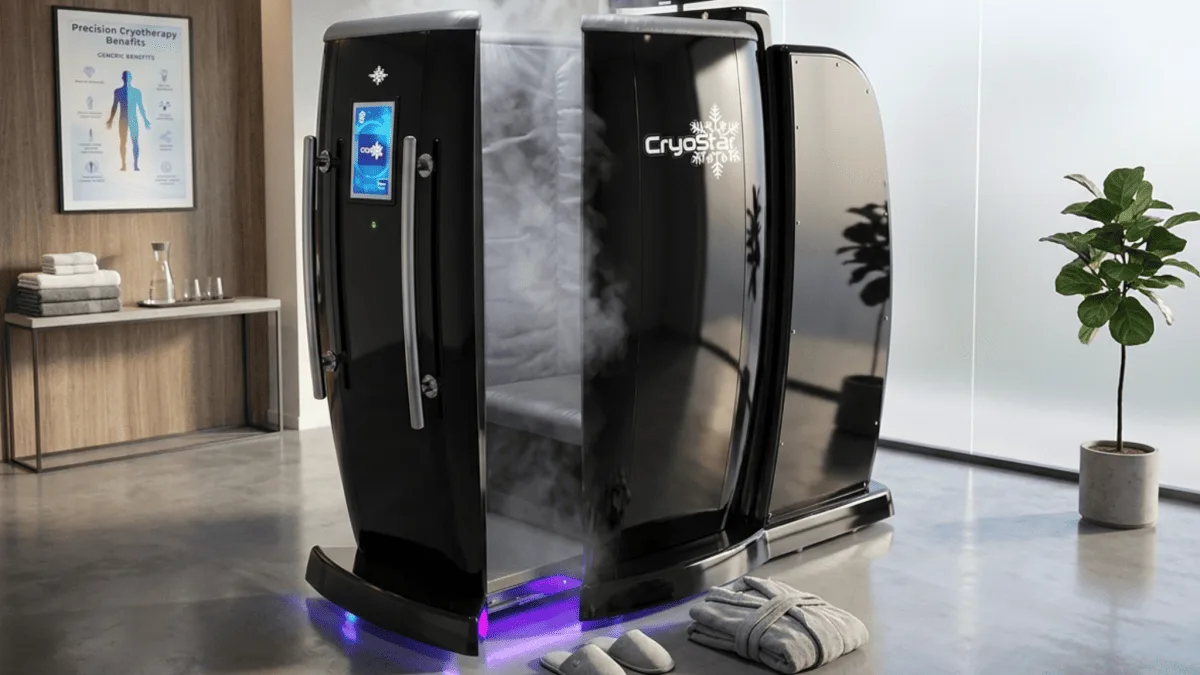
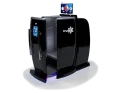
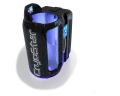
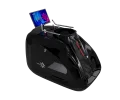
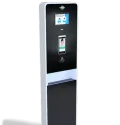
Зображення: дисплей температури на панелі керування кріосауною Vacuactivus CryoStar
Огляд усіх діапазонів температур кріотерапії
Ось повний температурний спектр комерційної холодотерапії для кожної основної категорії обладнання у 2026 році:
| Тип обладнання | Діапазон температур | Тривалість сеансу | Метод охолодження |
|---|---|---|---|
| Азотна кріосауна (відкрита зверху) | від −110°C до −170°C | 1–3 хв | Пара рідкого азоту |
| Камера для визначення лейкоцитів азоту | від −140°C до −180°C | 2–4 хв | Пара рідкого азоту |
| Електрична камера для визначення лейкоцитів | від −85°C до −110°C | 2–4 хв | Замкнутий цикл охолодження |
| Локалізований кріо (електричний) | від −25°C до −90°C | 5–15 хв | Охолоджене холодне повітря |
| Локалізований кріо (азот) | від −90°C до −160°C | 3–10 хв | Пара рідкого азоту |
| Холодне занурення / крижана ванна | від +2°C до +15°C | 1–10 хв | Охолоджена вода |
| Кріо-паличка для обличчя | від −10°C до −30°C | 10–20 хв | Охолоджений наконечник / пара N₂ |
Одразу впадають у око дві закономірності. По-перше, системи на основі азоту стабільно досягають нижчих температур, ніж електричні еквіваленти, оскільки рідкий азот випаровується при -196°C і може виробляти пару при екстремальному холоді без складного охолодження. По-друге, діапазон температур корелює з тривалістю сеансу — холодніші системи потребують коротшого впливу для того ж фізіологічного ефекту, тоді як тепліші системи використовують довші сеанси для досягнення порівнянної реакції. Обидві системи забезпечують ефективну холодову терапію завдяки різним інженерним підходам.
Азотна кріосауна: від −110°C до −170°C
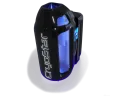
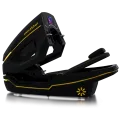
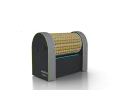
Кріосауни з відкритим верхом на азоті є найпоширенішим комерційним кріотерапевтичним обладнанням у світі. Рідкий азот подається в камеру, випаровується, і холодна пара огортає тіло. Оператори встановлюють температуру в межах діапазону обладнання залежно від рівня досвіду клієнта та цілей сеансу — новачки зазвичай працюють у теплішому кінці, досвідчені клієнти — у холоднішому.
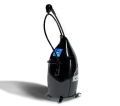
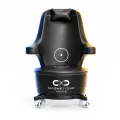
Оскільки пари азоту витісняють кисень, голова клієнта залишається над краєм камери в звичайному кімнатному повітрі протягом усього сеансу. Вакуаактивус КріоСтар — це азотна кріосауна сучасного покоління із сенсорним керуванням температурою та стандартним комерційним асортиментом.
Камера для аналізу лейкоцитів азоту: від -140°C до -180°C
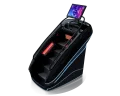
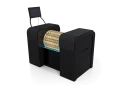
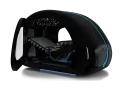
Азотні камери без попереднього запису досягають найнижчих температур у комерційній кріотерапії — у деяких моделях до −180°C. Клієнт повністю заходить у камеру, включаючи голову, на сеанси тривалістю від 2 до 4 хвилин. Оскільки середовище для дихання містить пари азоту, камера вимагає активної витяжної вентиляції, моніторингу кисню та навчання операторів спеціально для роботи з обладнанням для азотної лейкоцитології.
Ці системи орієнтовані на операторів, які саме хочуть максимально екстремальних температур, що є в наявності, — це, перш за все, оздоровчі центри преміум-класу та спортивні центри, що орієнтовані на максимально інтенсивний вплив холоду.
Електрична камера для визначення лейкоцитів: від −85°C до −110°C
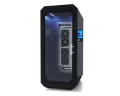
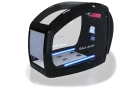
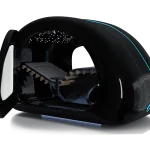
Електричні камери без попереднього запису використовують холодильний компресор із замкнутим циклом для охолодження повітря в камері без використання рідкого азоту. Температура сягає від -85°C до -110°C — значно тепліше за заявленими показниками, ніж азотні альтернативи, але з двома важливими перевагами: відсутність витратних матеріалів (лише електроенергія) та дихання охолодженим повітрям (без витіснення кисню). Клієнт входить у камеру з усім тілом та головою на 2-4 хвилини.
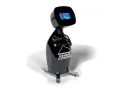
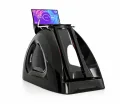
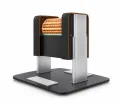
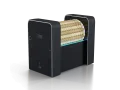
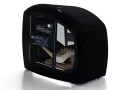
Незважаючи на заявлену вищу температуру, електричні камери забезпечують зниження температури шкіри та реакцію на зігрівання, порівнянну з азотними системами за нижчих температур, оскільки сухе охолоджене повітря передає тепло інакше, ніж пари азоту. Вакуаактивус Антарктида WBC Electric це електрична лейкоцитарна камера сучасного покоління, яка підтримує до трьох клієнтів за сеанс у теплішому кінці діапазону.
Локалізована кріотерапія: від −25°C до −160°C
Локалізована кріотерапія спрямована на певні ділянки тіла — коліна, плечі, поперек, обличчя, шию — за допомогою цілеспрямованого впливу холоду, а не на все тіло. Домінують два технологічні підходи:
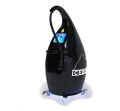
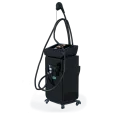
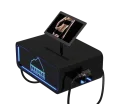
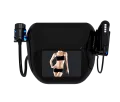
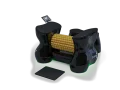
Електричні локалізовані пристрої використовують холодильний агрегат для подачі холодного повітря температурою від -25°C до -90°C через ручну або стаціонарну форсунку, при цьому сеанси тривають від 5 до 15 хвилин на кожну цільову ділянку. Вакуаактивус Айсберг Електрик є репрезентативним комерційним електричним локалізованим кріогенним пристроєм. Не потребує витратних матеріалів на азот, простіша експлуатація, приємніший досвід для клієнта.
Пристрої з локалізованим азотом подають пару при температурі від −90°C до −160°C протягом коротших сеансів тривалістю від 3 до 10 хвилин. Більш агресивний холодовий вплив, більш драматична негайна реакція, але та ж логістика LN2, що й у кріосаунах.
Обидва добре служать додатковими послугами в кріотерапевтичних студіях, збільшуючи середню кількість квитків на відвідування клієнта та надаючи операторам інструмент для конкретних зон відновлення.
Холодне занурення / Крижана ванна: від +2°C до +15°C
Холодні процедури знаходяться в теплому кінці спектра холодної терапії, але базуються на зануренні у воду, яка передає тепло від тіла приблизно в 25 разів швидше, ніж повітря тієї ж температури. 10-хвилинне холодне занурення при температурі 10°C може викликати реакцію температури шкіри, порівнянну з 3-хвилинним сеансом кріосауни — інший механізм, порівнянний фізіологічний результат.
Багато преміальних оздоровчих центрів зараз пропонують обидва варіанти: кріосауну для швидкого впливу сухого холоду та холодне занурення для триваліших сеансів із зануренням. Ці два формати радше доповнюють один одного, ніж конкурують.
Кріофаціал: від −10°C до −30°C
Кріофабрикальні аплікатори для обличчя та невеликі портативні пристрої працюють за відносно теплих температур холодної терапії (порівняно з кріосаунами для всього тіла), але з подовженим часом сеансу від 10 до 20 хвилин, повністю зосередженого на обличчі, шиї та декольте. Повільніший, м’якший вплив підходить для чутливості шкіри та точності, необхідної навколо рис обличчя.
Зазвичай це додаткові послуги в спа-центрах та закладах естетичного здоров'я, що поєднуються з кріотерапією всього тіла для комбінованого протоколу, орієнтованого на шкіру.
Чому заявлена температура не дорівнює фізіологічному ефекту
Це найважливіша концепція статті. У маркетинговій мові зазвичай припускається, що −180°C вдвічі ефективніше, ніж −90°C. Холодна терапія працює не так.
Що насправді визначає фізіологічний вплив на організм:
- Зниження температури шкіри — фактичне зниження температури поверхні шкіри під час сеансу, яке залежить від заявленої температури, тривалості, потоку повітря та конструкції камери, а не лише від основного показника.
- Реакція на зігрівання — відновлення вазодилатації організму та покращення кровообігу після сеансу, що є основним механізмом дії холодової терапії. Сильно залежить від характеру впливу, а не лише від інтенсивності.
- Теплоносій — пари азоту та охолоджене повітря передають тепло з суттєво різною швидкістю. Вода передає тепло приблизно в 25 разів швидше, ніж повітря. Однакова температура в різних середовищах створює різні ефекти.
- Тривалість сеансу — 3-хвилинний сеанс при температурі −110°C забезпечує порівнянне зниження температури шкіри з 2-хвилинним сеансом при −150°C. Компроміси між часом і температурою мають таке ж значення, як і чистий холод.
- Індивідуальна відповідь — склад тіла, стан судинної системи та рівень акліматизації впливають на те, як конкретний клієнт реагує на певну температуру. Персоналізація переважає абсолютну інтенсивність.
Практичний висновок для операторів: не просуйте свої послуги, ґрунтуючись на найнижчій опублікованій температурі. Співвідносьте свої послуги з урахуванням результатів, досвіду клієнтів та відповідного впливу на вашу клієнтську базу. “Холодніше — краще” звучить переконливо, але не витримує взаємодії з фізіологією.
Який температурний діапазон підходить для вашої студії?
Підберіть температурний діапазон відповідно до клієнтської бази та експлуатаційних умов:
- Клієнти, що вперше звертаються до нас, та клієнти, що займаються загальним оздоровленням — тепліший кінець діапазону будь-якої системи — електрична лейкоцитарна температура при −85°C, азотна кріосауна при −110°C. М’якший досвід, легша акліматизація, нижчий ризик випадання.
- Спортивне відновлення та досвідчені клієнти — середній та холодніший діапазон азотних систем (від −140°C до −170°C). Швидші сеанси, інтенсивніший вплив підходять клієнтам, які прагнуть агресивного відновлення.
- Мультимодальні оздоровчі центри — пропонують як теплі, так і холодні екстремальні умови — холодне занурення + кріосауна + локалізована кріотерапія. Дозволяє клієнтам самостійно вибирати інтенсивність та надає операторам ширший вибір програм.
- Преміум-розташовані об'єкти — найнижчі комерційні температури (−180°C з азотним балансом лейкоцитів) мають маркетингову вагу, але з точки зору експлуатації різниця порівняно з −110°C з електричним балансом менша, ніж свідчать опубліковані цифри. Вибирайте на основі позиціонування та бюджету, а не лише технічних характеристик.
Часті запитання
Яка найнижча температура, яку може досягати комерційна кріокамера?
Криокамери з азотними лейкоцитами досягають приблизно -180°C, що є практичною межею для комерційного кріотерапевтичного обладнання. Деякі спеціалізовані системи за певних умов досягають трохи нижчої температури, але -180°C є стандартною стелею для азотних лейкоцитів і найнижчою комерційно доступною температурою.
Чому електричні камери тепліші за азотні?
Фізика замкнутого циклу охолодження обмежує електричні камери приблизно -110°C як практичну комерційну поверхню. Нижче цієї температури вартість обладнання, складність та енергопотреби різко зростають. Азот досягає нижчих температур, оскільки рідкий азот випаровується при -196°C і по суті утворює холодну пару. Обидва забезпечують ефективну холодну терапію — просто за допомогою різних інженерних шляхів.
Чи насправді −180°C ефективніша за −110°C?
Заявлені різниці температур такої величини не пропорційно впливають на фізіологічний ефект. Падіння температури шкіри та реакція на зігрівання залежать від середовища впливу, тривалості та конструкції камери так само, як і від заявленої температури. Багато клієнтів повідомляють про порівнянні результати між агресивними азотними сеансами та тривалішими електричними сеансами. Виберіть діапазон температур на основі клієнтської бази, моделі роботи та відповідності обладнання, а не виходячи з припущення, що нижчі цифри означають кращі результати.
При якій температурі зазвичай проходить сеанс кріосауни?
Типові для галузі сеанси комерційної кріосауни проводяться при температурі від -130°C до -150°C протягом 2-3 хвилин — це середина можливого діапазону для обладнання. Нові клієнти починають з тепліших температур (від -110°C до -130°C); досвідчені клієнти переходять до холодніших температур (від -150°C до -170°C). Оператори коригують температуру залежно від індивідуальних особливостей.
Чи холодне занурення таке ж ефективне, як кріосауна?
Для порівнянного впливу холоду, так — хоча й через різні механізми. Занурення у воду при температурі 10°C протягом 10 хвилин викликає температурні реакції шкіри, подібні до 3-хвилинного сеансу кріосауни при -130°C. Холодні занурення виграють завдяки вартості та простоті; кріосауни — завдяки швидкості та преміальному розташуванню. Багато серйозних відновлювальних центрів пропонують і те, й інше.
Висновок
Комерційна кріотерапія охоплює величезний діапазон температур — від м’яких занурень у холодну воду +5°C до екстремальних азотних камер з температурою -180°C. Кожен тип обладнання має температурний діапазон, що відповідає тривалості сеансу, технології охолодження та досвіду клієнта. Правильний вибір залежить від вашої клієнтської бази, вашої операційної моделі та вражень, які ви хочете забезпечити, а не від того, яке обладнання показує найнижчі показники.
Vacuactivus виробляє повний спектр комерційної холодової терапії — від CryoStar азотна кріосауна (від −110°C до −170°C) та Antarctica WBC Electric електрична камера для входу (від −85°C до −110°C) до Айсберг Електрик локалізовані кріогенні пристрої — тому рішення щодо діапазону температур ґрунтується на тому, що підходить вашому об'єкту, а не на тому, що виробляє ваш постачальник.
Порівняйте кріотерапевтичне обладнання за температурою та варіантом використання: → Дізнайтеся більше на vacuactivus.com


