















Какво е биохакинг? Пълно ръководство за оптимизация на производителността за 2026 г.
Biohacking is the practice of using data, science, and self-experimentation to optimize how your body and mind perform. It treats the body as a system you can measure, adjust, and improve through nutrition, recovery, sleep, and targeted technology, ranging from everyday lifestyle habits to advanced tracking and recovery equipment.
Biohacking at a Glance (TL;DR)
Quick-reference summary covering the five most-asked aspects of what biohacking is. Detailed analysis follows by section.
| Aspect | Quick Answer |
| What it is | Data-driven self-experimentation to optimize body and mind through nutrition, recovery, sleep, and lifestyle |
| Who does it | From everyday wellness enthusiasts (about 90% lifestyle category) to professional athletes, longevity researchers, and a small extreme fringe |
| Main methods | Sleep optimization, nutrition and fasting, recovery technology (cold, red light, sauna), data tracking via wearables, stress and cognitive practices |
| Risk spectrum | Low for lifestyle and tracking; medium for nutrigenomics and supplements; high for DIY biology and grinder (implants, gene editing) |
| Where to start | Free foundations first: morning sunlight, consistent sleep, whole foods, daily movement, basic stress management. Track one metric. Optimize one variable at a time |
The Cleveland Clinic describes biohacking as a DIY approach to self-care that uses everything from lifestyle changes to high-tech tools. The term entered the Merriam-Webster Dictionary in 2018, defined as biological experimentation aimed at improving the qualities or capabilities of living organisms. ScienceInsights reports the biohacking market valued at $20.58B in 2025 and projects $56.31B by 2034. Most of what falls under biohacking definition today is structured everyday habits, not science fiction; the extreme grinder fringe captures media attention but represents a small minority of the practice.
This guide explains the biohacking meaning across history, types, methods, and starting points. Two structural elements anchor the reading: a Types of Biohacking taxonomy table covering the five categories with risk spectrum, and a beginner framework with progressive levels from free foundations to advanced optimization. A ‘What Biohacking Is NOT’ section addresses common misconceptions. The audience for this pillar guide is beginners exploring the term for the first time (about 90% of readers) and wellness operators evaluating biohacking-oriented services in their commercial offering (about 10%).
Biohacking Meaning: Where the Term Comes From
The biohacking meaning has evolved from a niche tech-entrepreneur subculture into a mainstream wellness category. When someone asks what is biohacking today, the answer covers a far broader range of practices than it did 20 years ago. The term emerged in Silicon Valley in the early 2000s, when engineers, programmers, and entrepreneurs began applying systems-thinking and data analysis to their own bodies. Dave Asprey, who later popularized the modern usage through the Bulletproof brand, was an early voice in framing the body as a system that could be measured, debugged, and optimized like software. Performance optimization became the dominant frame in this Silicon Valley-tech-entrepreneur context.
When you define biohacking historically, two strands converge: the DIY biology movement (citizen scientists experimenting outside institutional labs) and the quantified self movement (Wired editors Gary Wolf and Kevin Kelly coining the term in 2007). Both strands shared a core conviction: individuals could understand and influence their own biology with rigor previously reserved for laboratories. The Merriam-Webster entry in 2018 marked the term’s transition into general English usage, by which point biohacking had spread well beyond its Bay Area origins into wellness, fitness, longevity, and recovery contexts. The 2025 market valuation reflects this mainstream adoption: $20.58B annually across supplements, wearables, recovery equipment, longevity protocols, and biohacking products generally. The contemporary biohacking definition spans from morning sunlight habits to advanced laboratory protocols, with most practitioners in the moderate middle.
The Types of Biohacking
There are five broad types of biohacking, organized along a risk spectrum from low-risk lifestyle interventions to high-risk extreme experimentation. About 90% of the biohacking community sits in the lifestyle and quantified self categories, according to go-health.net’s clinical beginner’s guide. The taxonomy below covers the full spectrum so readers can place themselves and understand the risk gradient before adopting practices.
| Тип | Какво е това | Risk Level | Example |
| Lifestyle Biohacking | Structured everyday habits: sleep, nutrition, exercise, stress management | Ниско | Consistent sleep schedule + morning sunlight + whole-food diet |
| Nutrigenomics | Food-gene interaction; targeted nutrition, fasting, biohacking supplements | Low to Medium | Intermittent fasting + omega-3 + vitamin D testing-based dosing |
| Quantified Self | Data tracking via wearables, blood biomarkers, continuous glucose monitor (CGM), DEXA scan | Low (orthosomnia risk) | Oura ring sleep tracking + monthly blood panel + HRV trends |
| DIY Biology | Home experiments with biology kits, citizen science, garage labs | Medium to High | Home microbiome sequencing kits; non-medical genetic experimentation |
| Grinder Biohacking | Implants, body modifications, unproven gene editing – extreme fringe | High – not recommended | RFID implants, magnetic finger implants, unproven gene therapies |
Lifestyle Biohacking (Safest, Most Common)
Lifestyle biohacking covers the foundational interventions that produce the largest measurable effects for the smallest investment. Sleep hygiene, circadian rhythm alignment through morning sunlight, whole-food nutrition, daily movement, and stress management techniques constitute this category. It is what 90% of the biohacking community actually practices, even when conversations are dominated by gadgets and supplements. The evidence base is strongest here because these interventions overlap with decades of established health science.
Nutrigenomics and Nutrition
Nutrigenomics applies the principle that food affects gene expression. Targeted nutrition includes intermittent fasting, time-restricted eating, ketogenic and other dietary protocols, and selective supplementation based on tested needs. The risk is low when interventions stay within established protocols. For a research-grounded review of which biohacking supplements have actual peer-reviewed support, see Biohacking Supplements 2026: What’s Backed by Research, What’s Hype which evaluates 14 supplements on evidence quality. For dietary-specific protocols, see Biohacking Diet: Macros, Fasting, and Cellular Nutrition Decoded.
Quantified Self (Data Tracking)
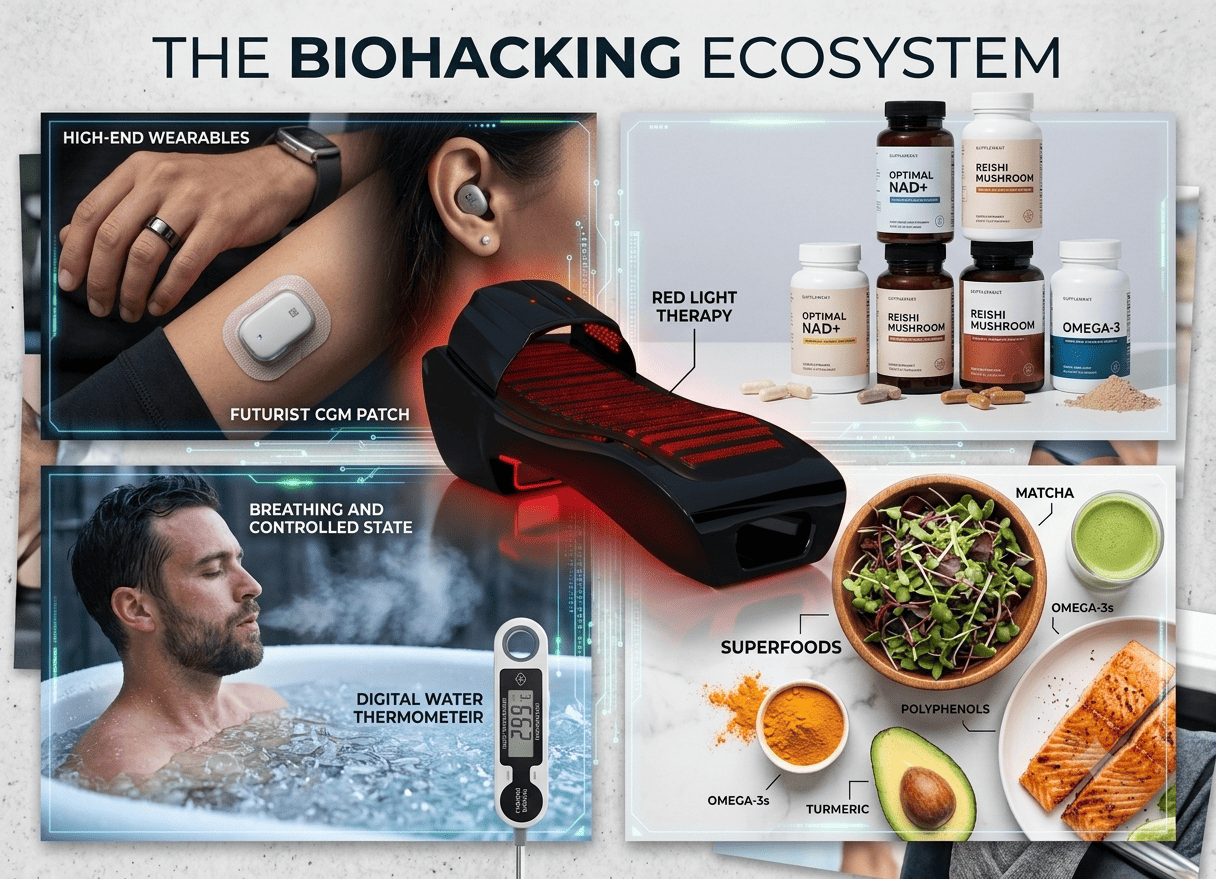
Quantified self centers on measurement. Sleep tracking via Oura or WHOOP, continuous glucose monitor (CGM) for food response patterns, periodic blood biomarker panels, HRV trend tracking, DEXA scan for body composition, and similar instrumented practices. CraftBodyScan’s February 2026 review documents the convergence of wearables and medical-grade tools into a unified personal data layer. The main caveat: data anxiety (sometimes called orthosomnia when sleep tracking causes sleep disruption) is a real, documented risk. Use data to inform decisions, not to chase scores.
DIY Biology and Grinder Biohacking (Extreme Edge)
DIY biology covers home experiments with biological techniques, citizen-science projects, and garage labs. Grinder biohacking goes further into body modification: RFID implants, magnetic finger implants, and the most extreme cases of unproven gene-editing experimentation. These categories carry real medical risks and ethical concerns. This guide describes them factually so readers understand the term but does not recommend grinder practices for anyone outside specialized supervised contexts. The vast majority of biohacking conversations and outcomes happen in the first three categories.
Common Biohacking Methods (What Actually Works)
Biohacking techniques organize across four pillars: sleep, nutrition, recovery technology, and cognitive practices. Each pillar has high-evidence foundations and lower-evidence experimental practices; the framing below emphasizes what reliably works according to current research and practical experience. Practitioners often describe biohacking your body in terms of these four pillars, with the contemporary biohacking definition framing them as interdependent rather than separate.
Оптимизация на съня
Sleep is the foundation pillar. The evidence base for sleep quality affecting cognition, mood, immune function, hormonal balance, and recovery is among the strongest in health science. Core practices: consistent bedtime and wake time (circadian rhythm alignment), morning sunlight exposure within 30-60 minutes of waking, cool bedroom (60-67F), darkness during sleep, and limiting evening blue light. Tracking sleep stages and HRV via wearables helps you verify the basics are working before adding interventions. Most people improve markedly from foundations alone, before any biohacking products enter the picture.
Nutrition and Fasting
The nutrition pillar covers what you eat, when you eat, and what you supplement. Evidence-based interventions include intermittent fasting (time-restricted eating 12-16 hour overnight fasts), whole-food prioritization, adequate protein (1.6-2.2 g/kg body weight for active adults), omega-3 intake, and selective supplementation. Biohacking weight loss approaches often combine fasting protocols with continuous glucose monitoring to map individual food responses. For broader dietary frameworks, supplementation evidence reviews, and the women-specific considerations around fasting and hormonal cycles, see the cross-linked articles in the biohacking diet and supplements sections.
Recovery Technology
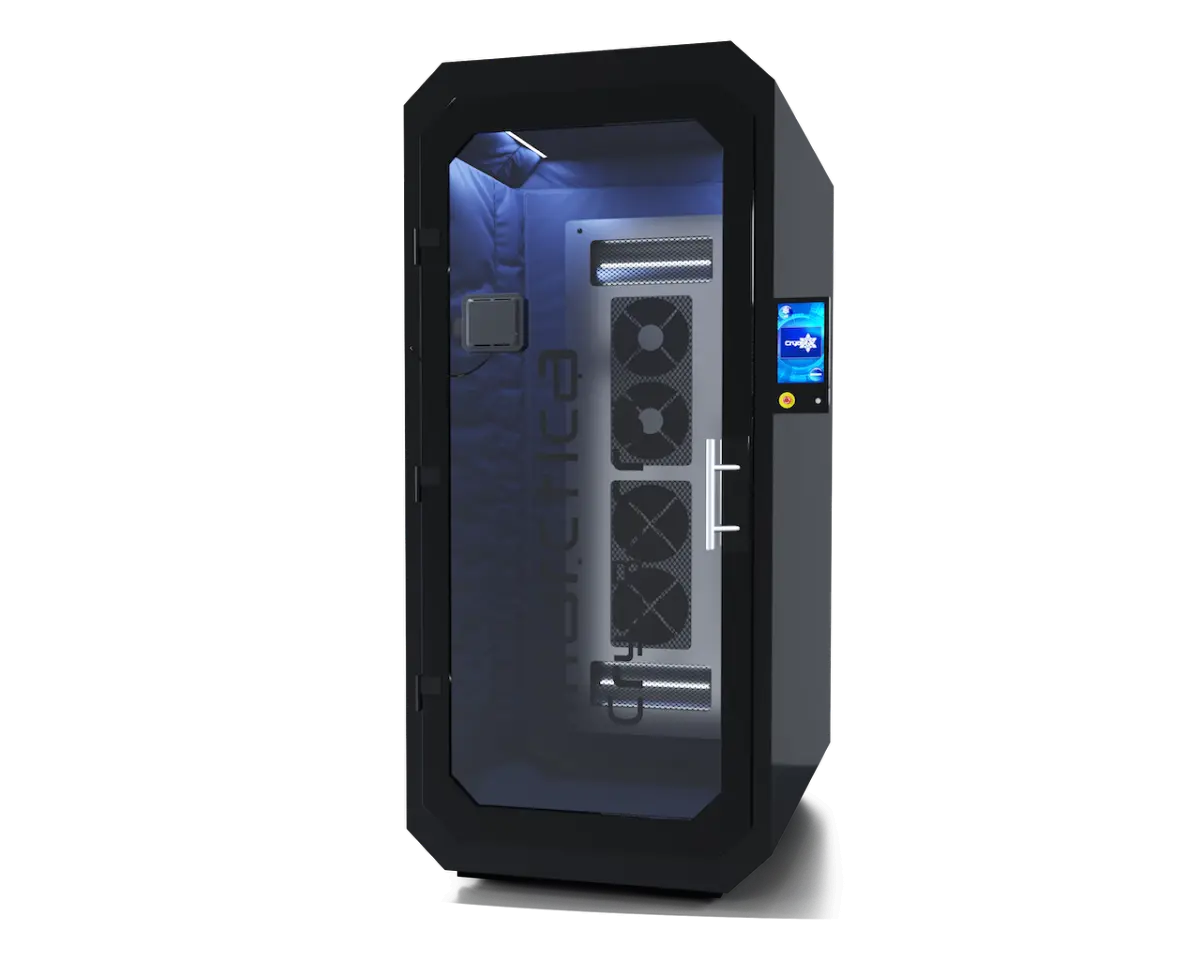
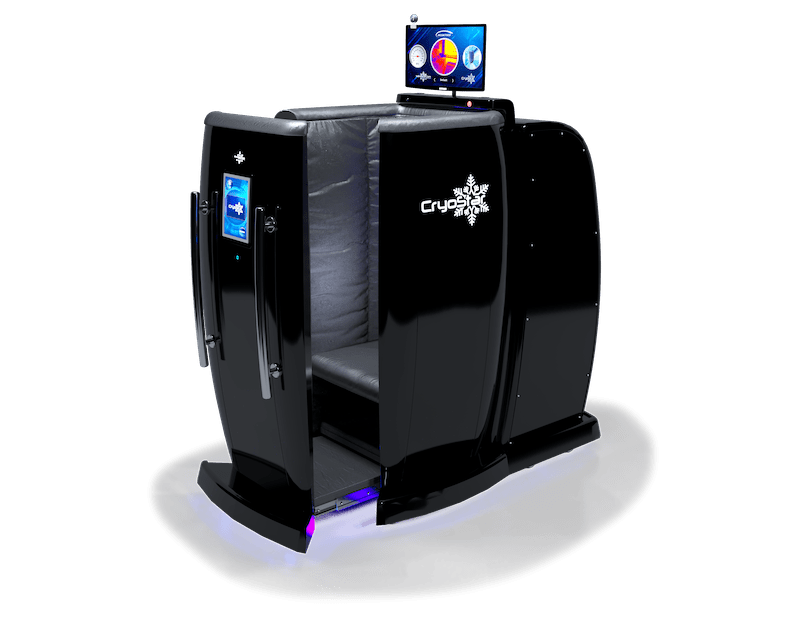
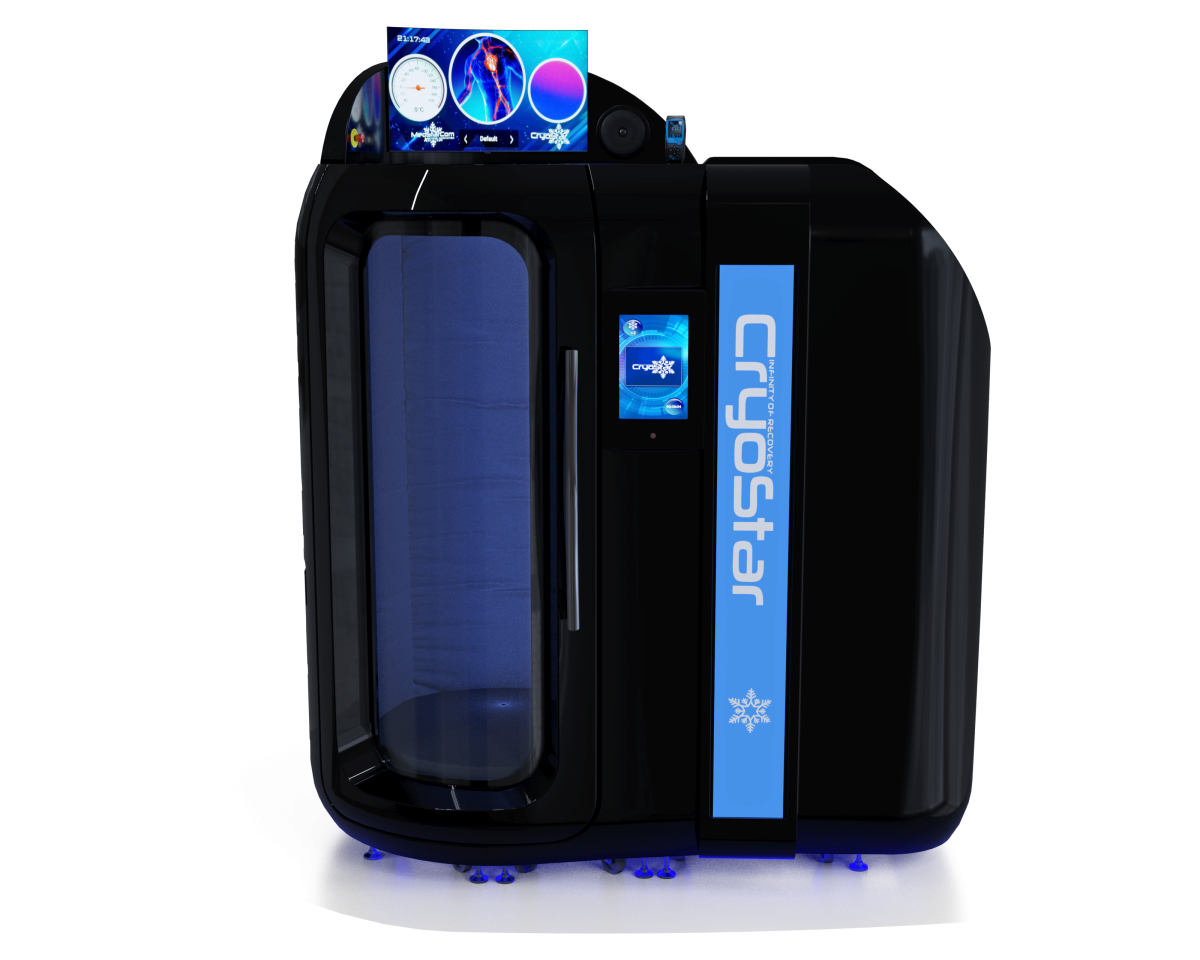
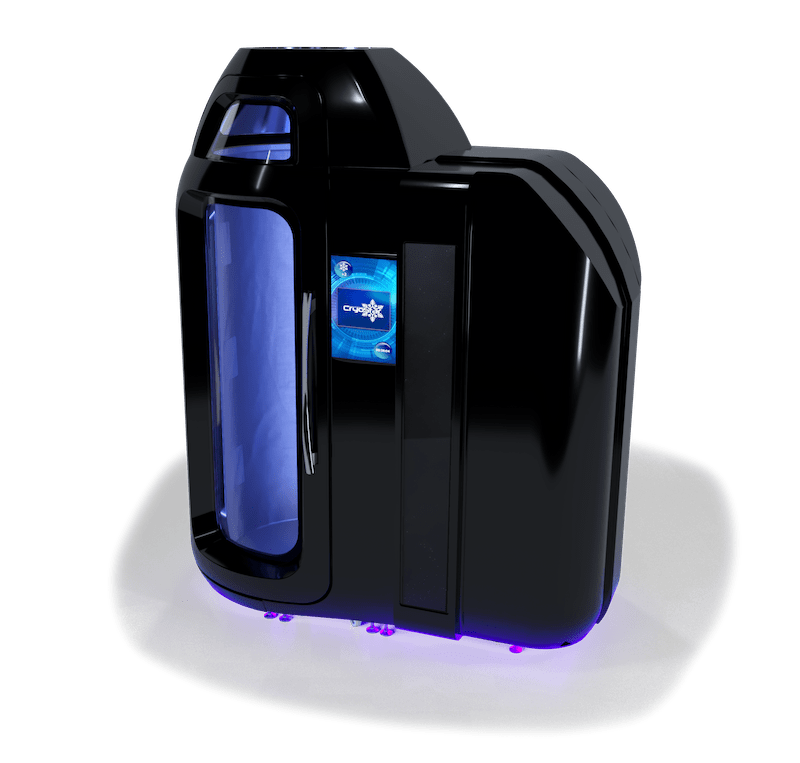
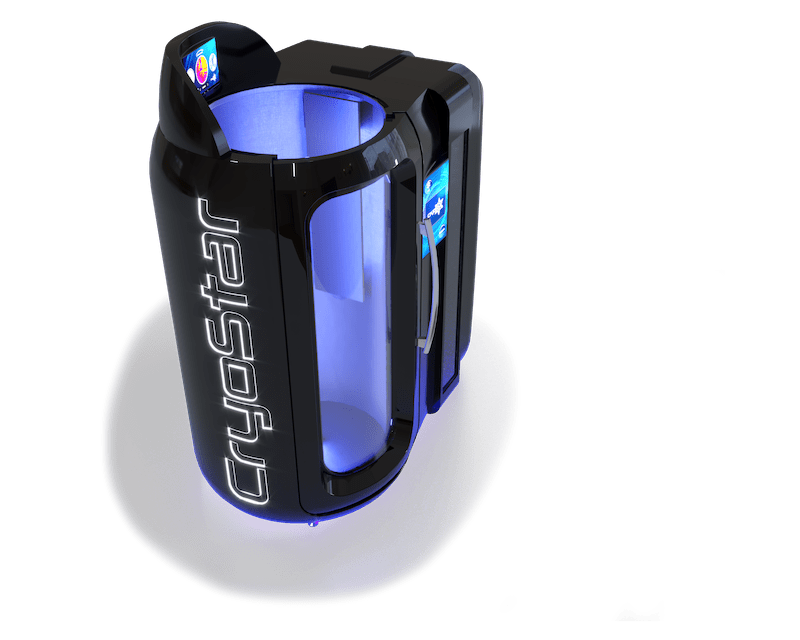
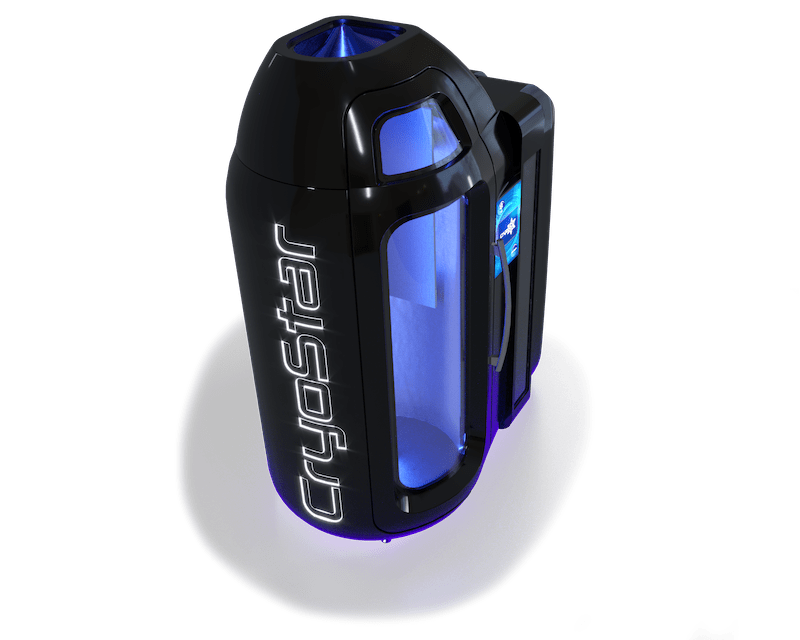
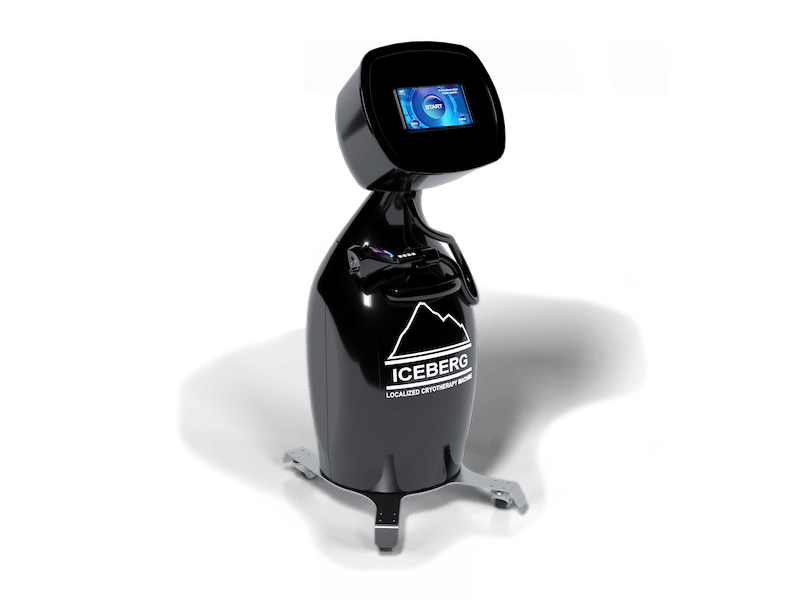
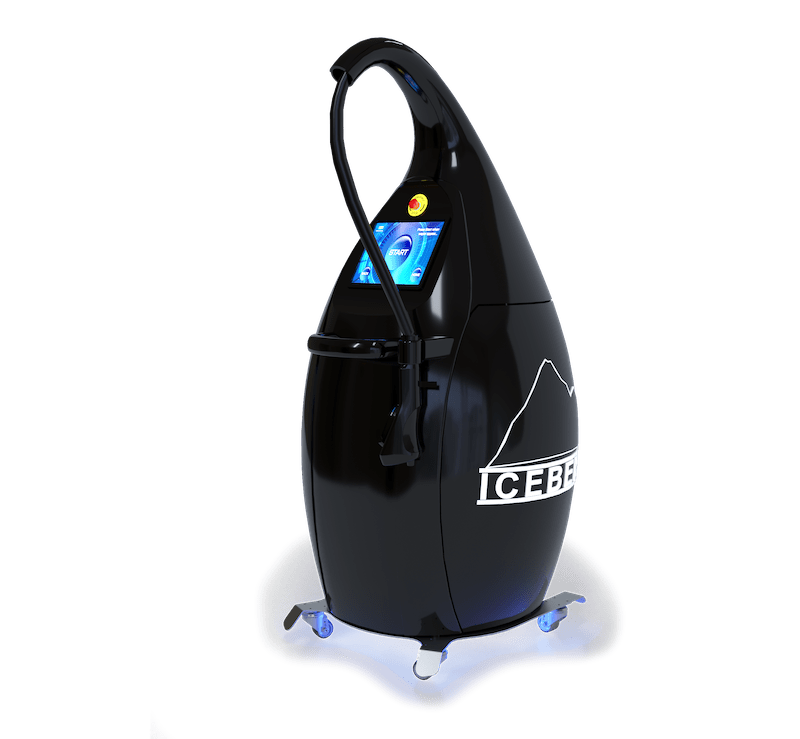
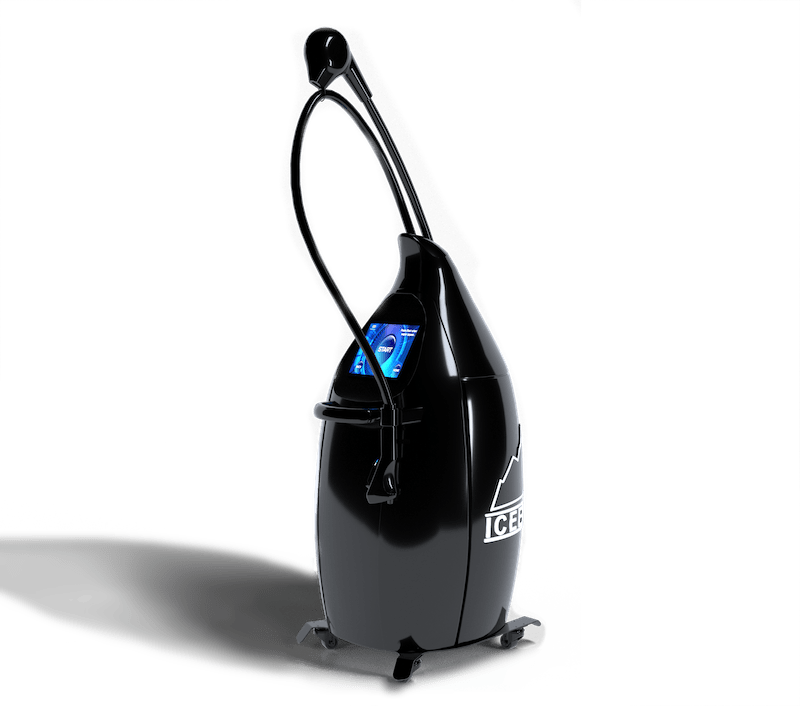
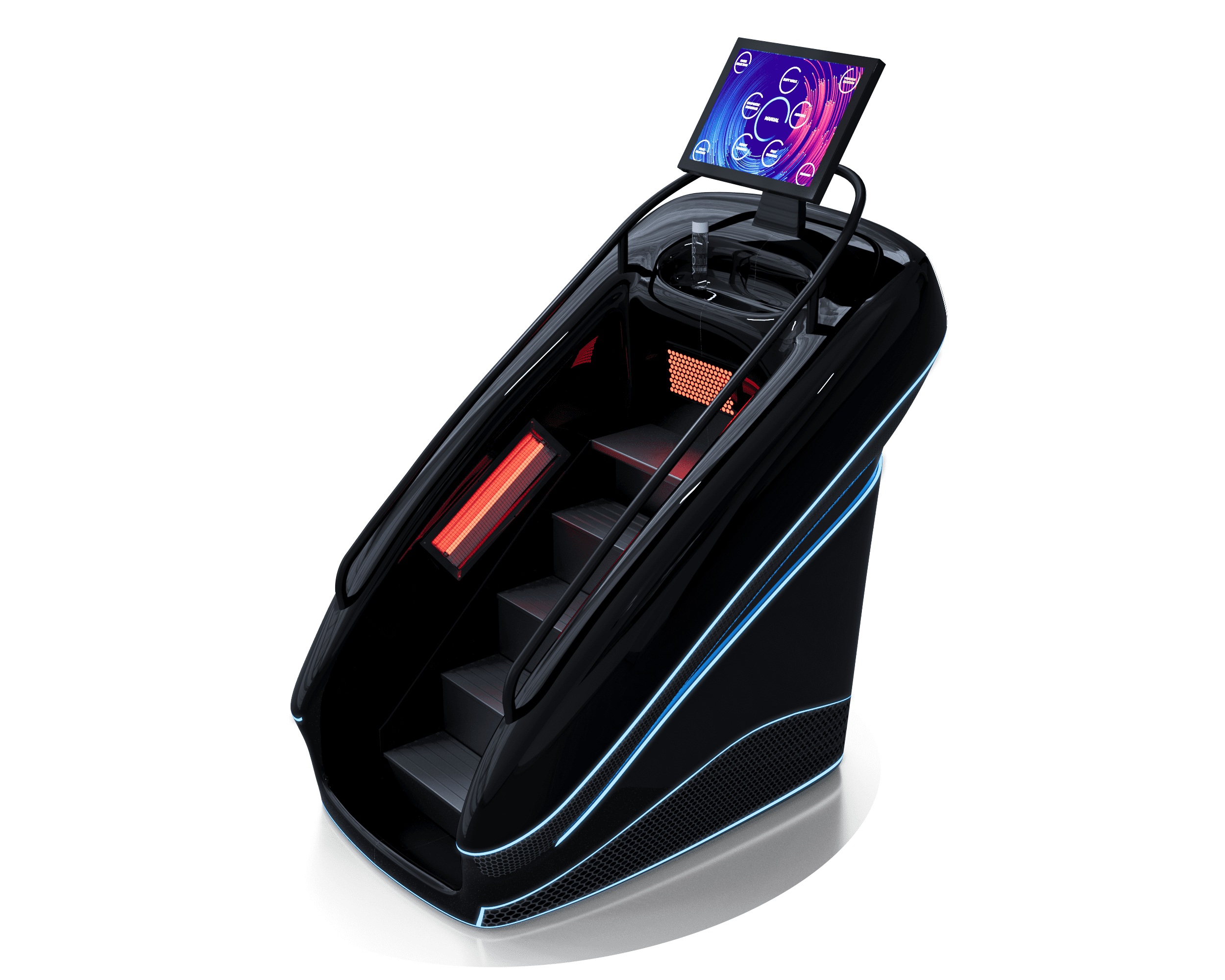
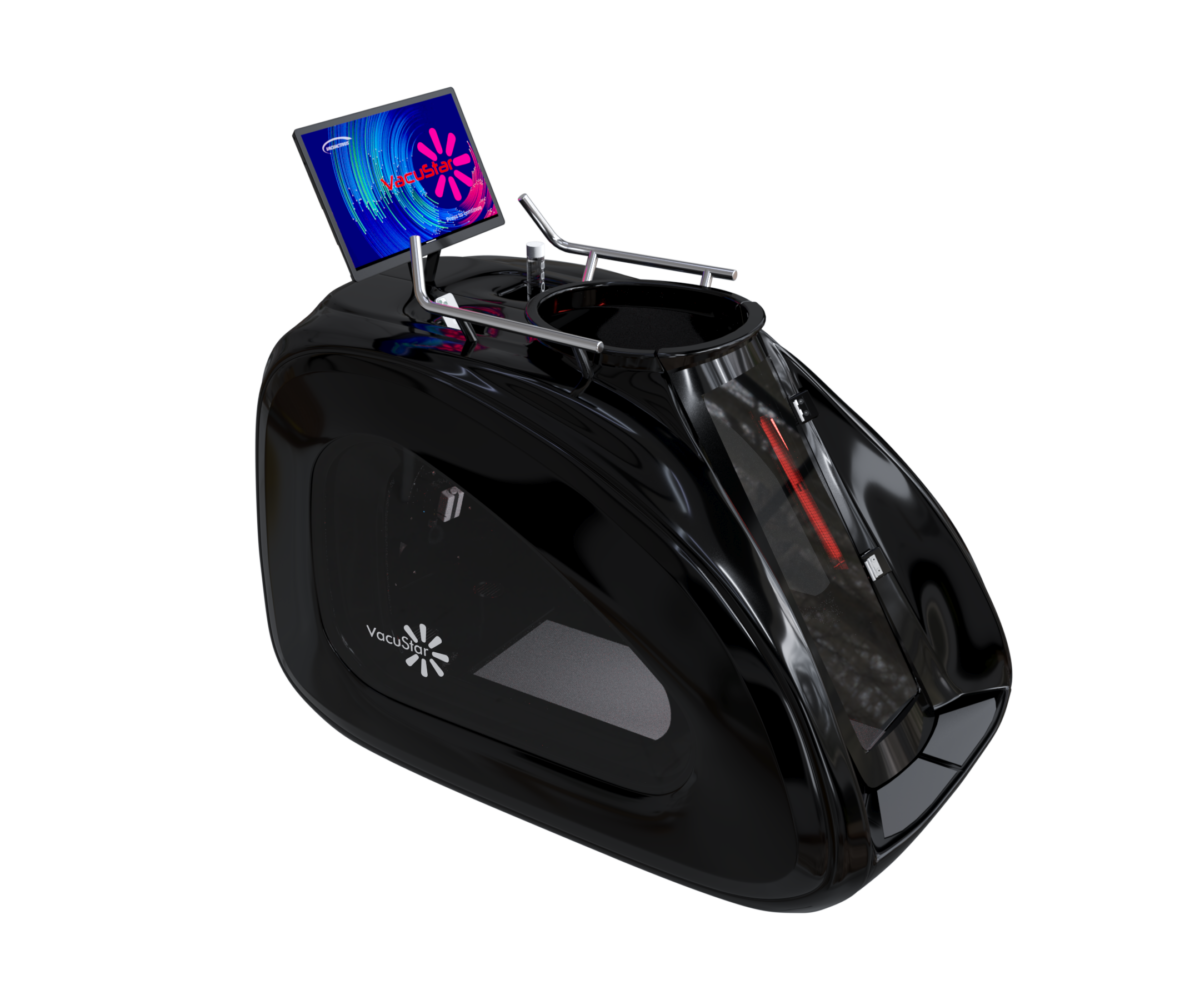
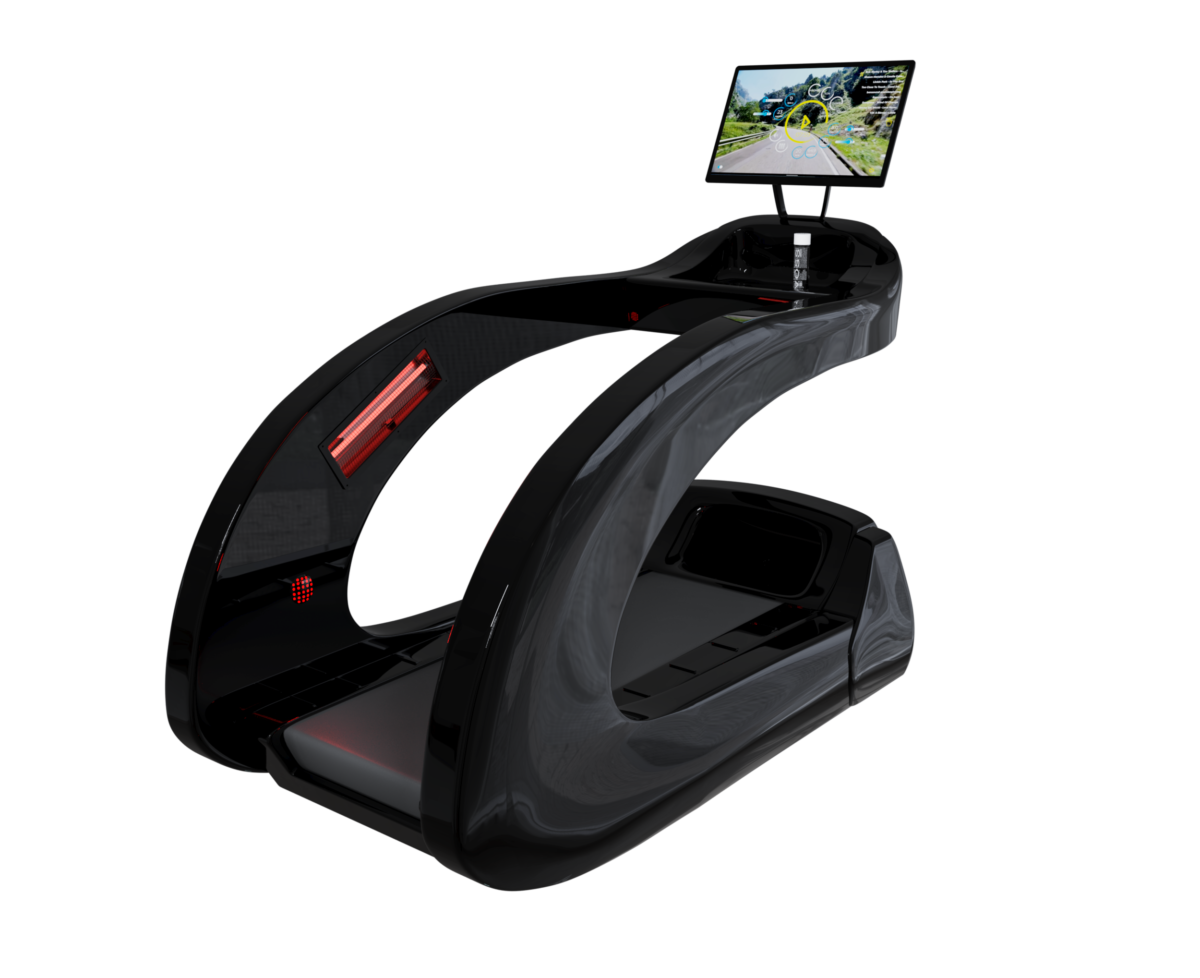
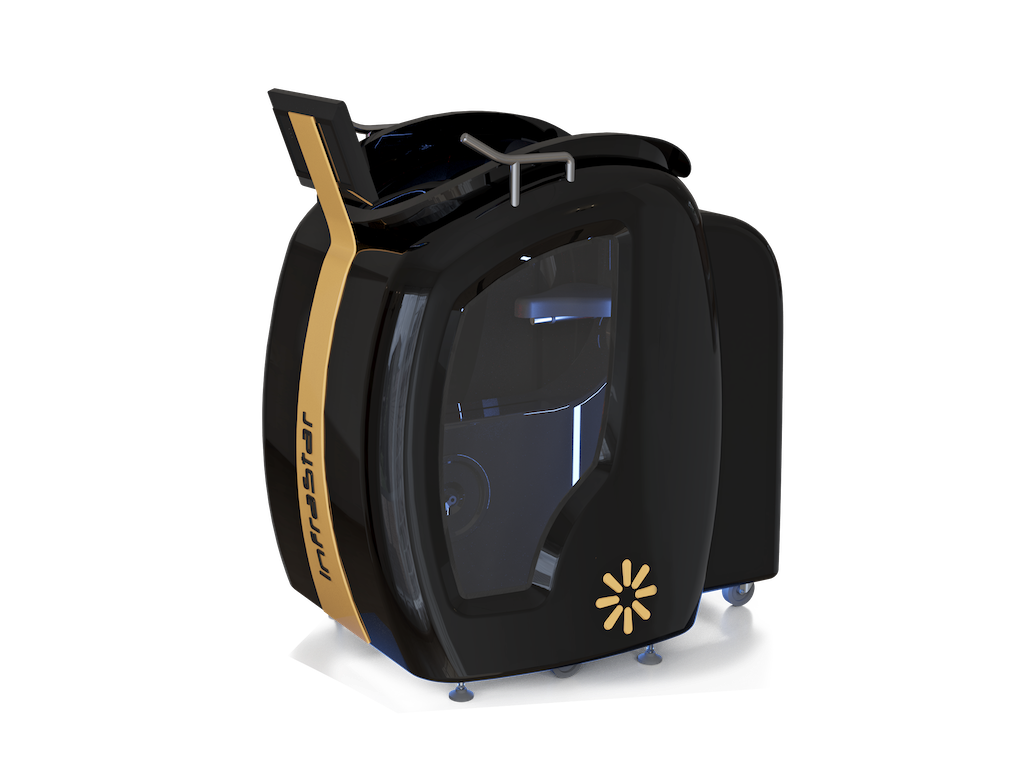
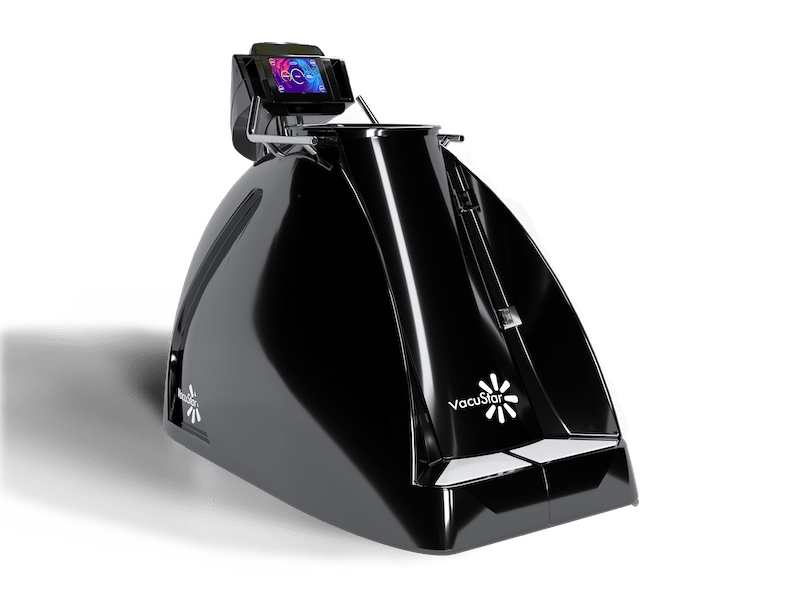
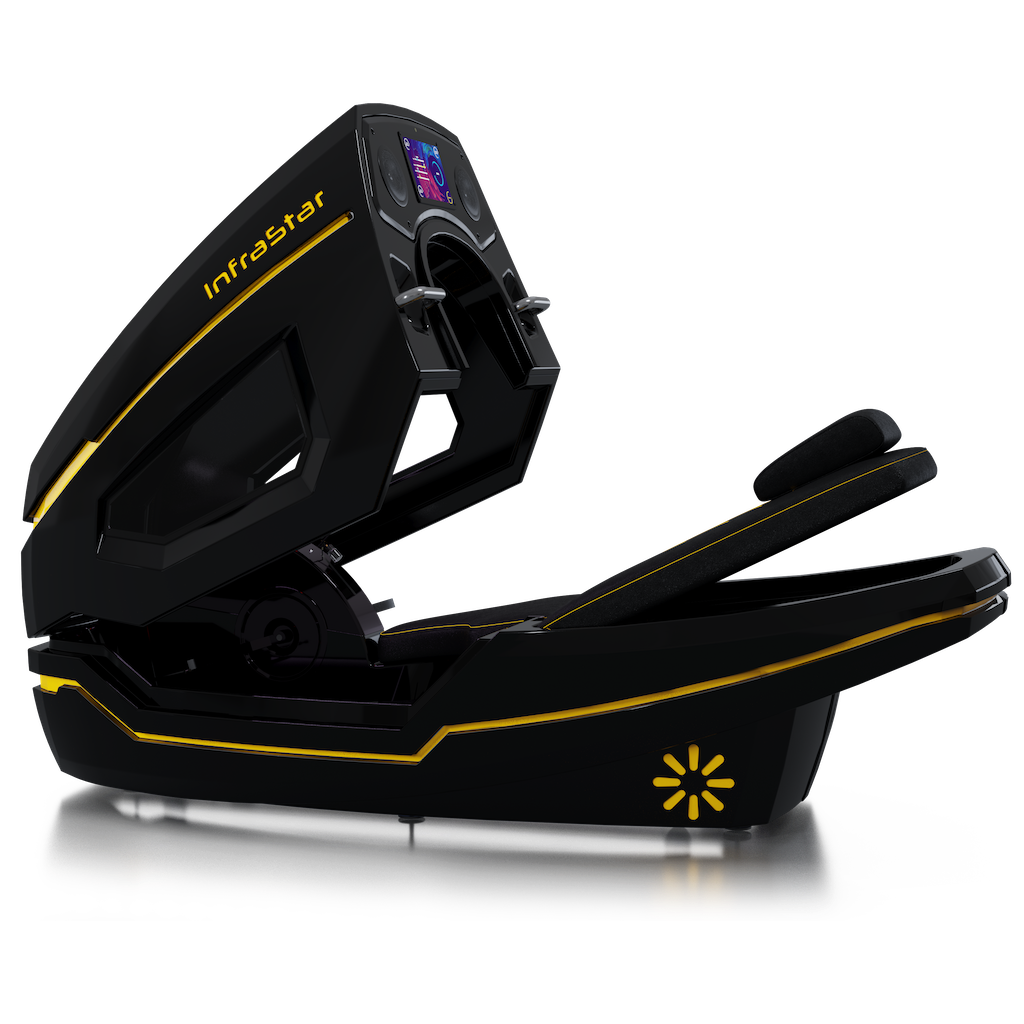
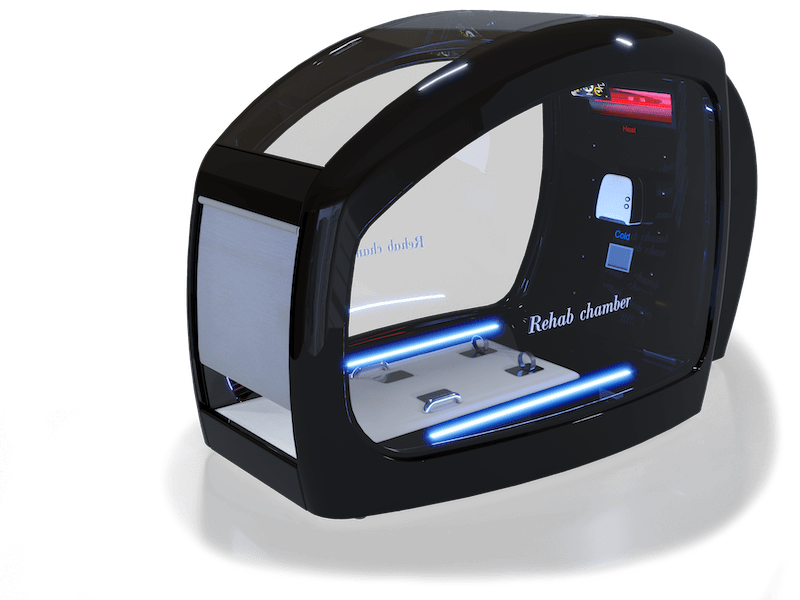
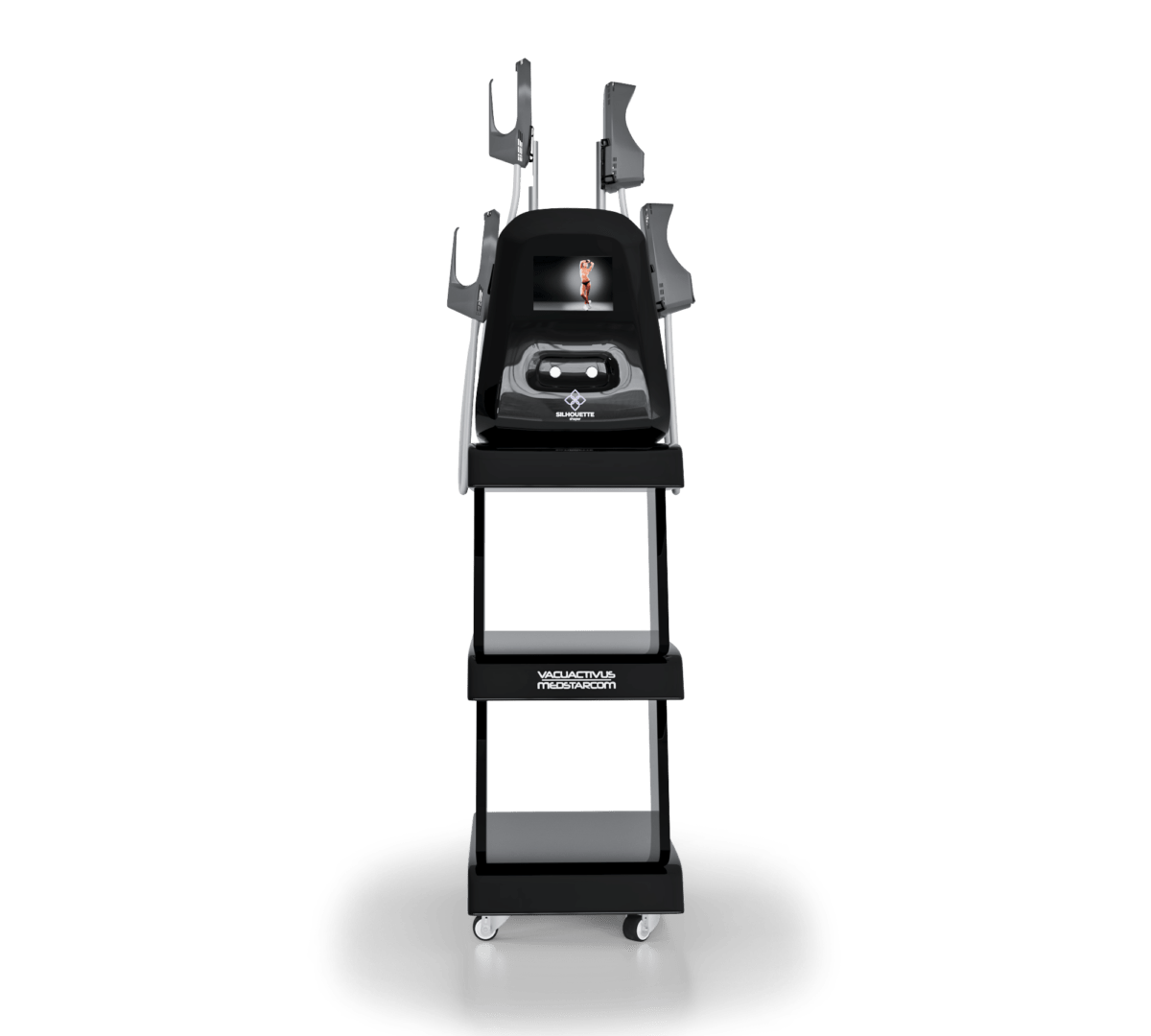
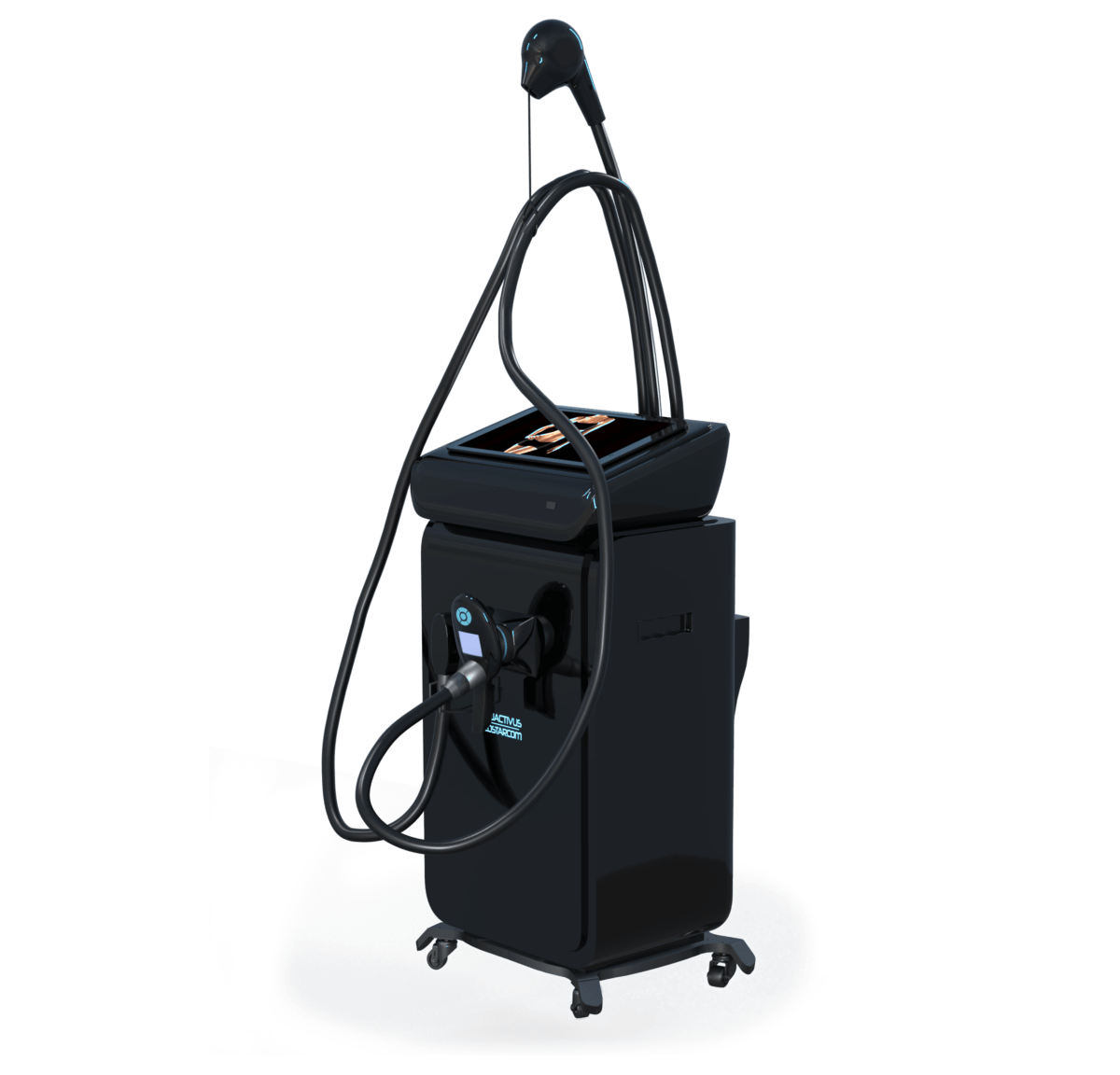
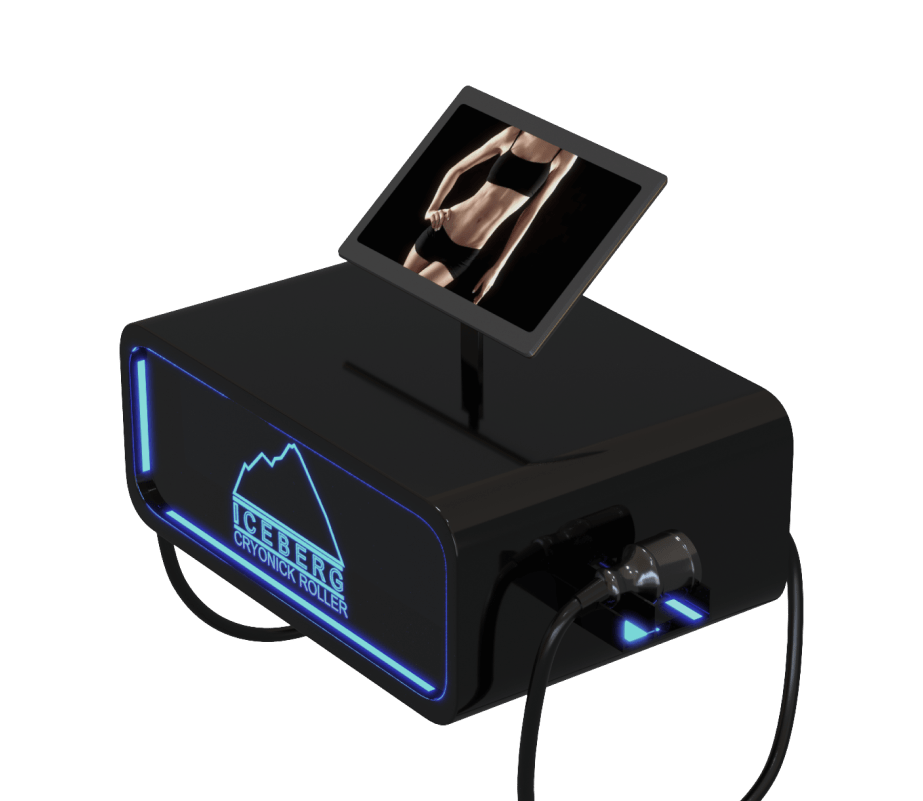
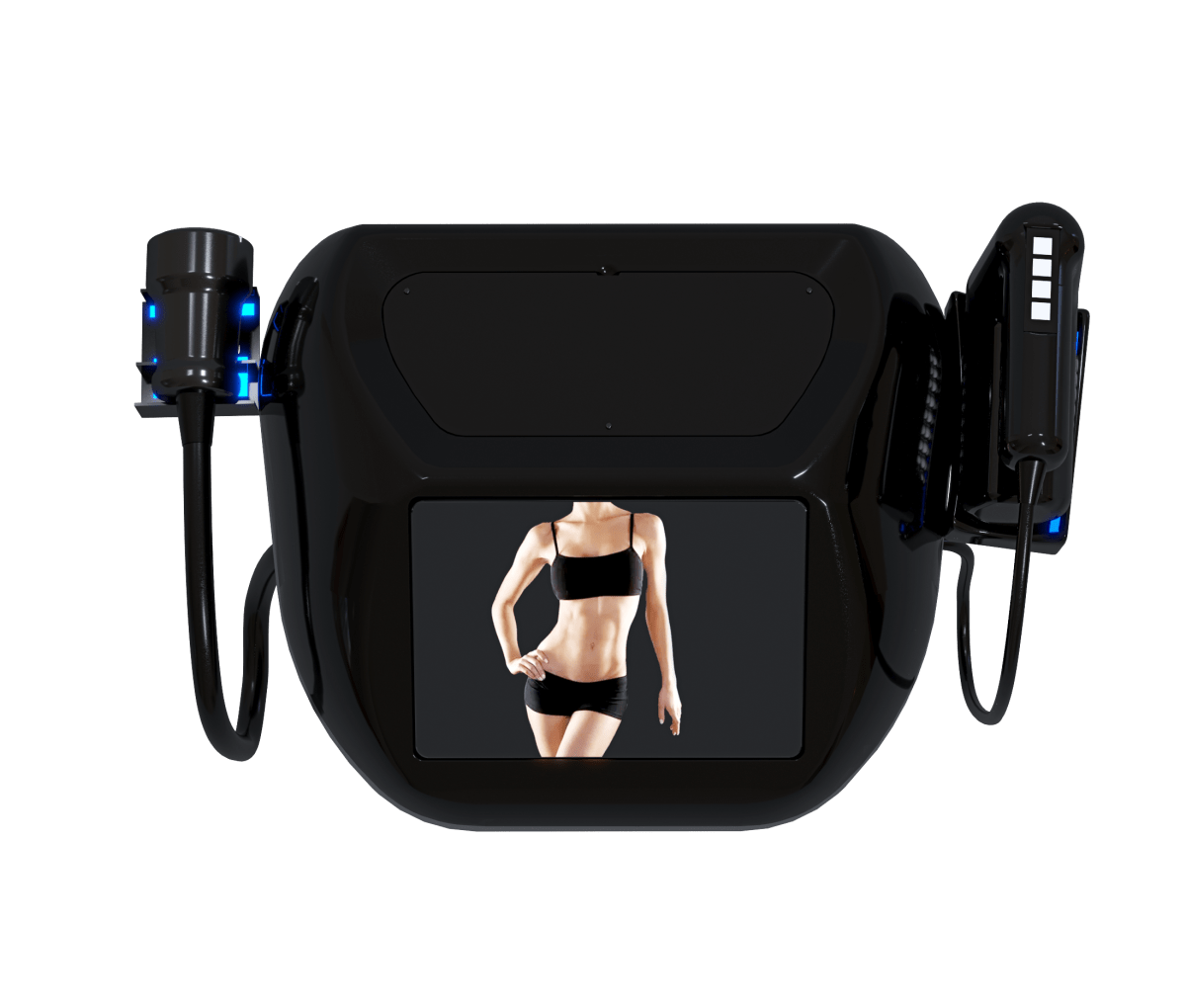
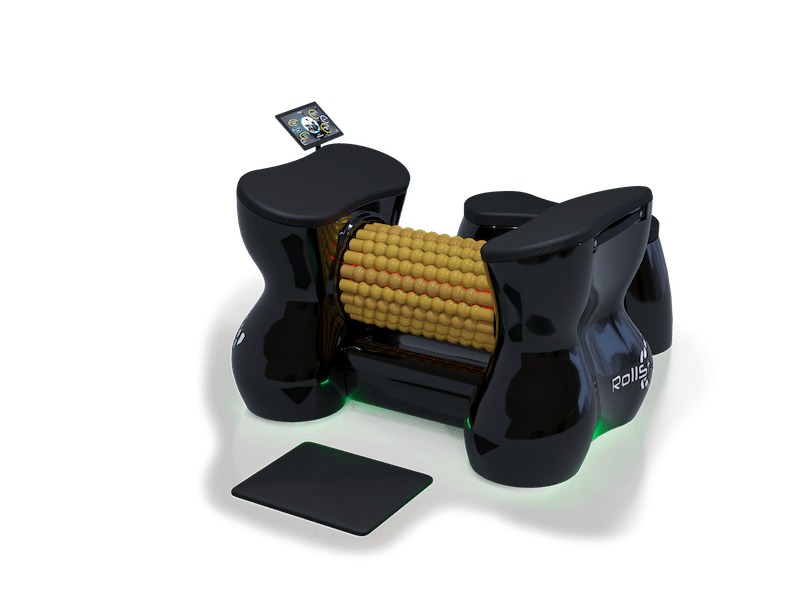
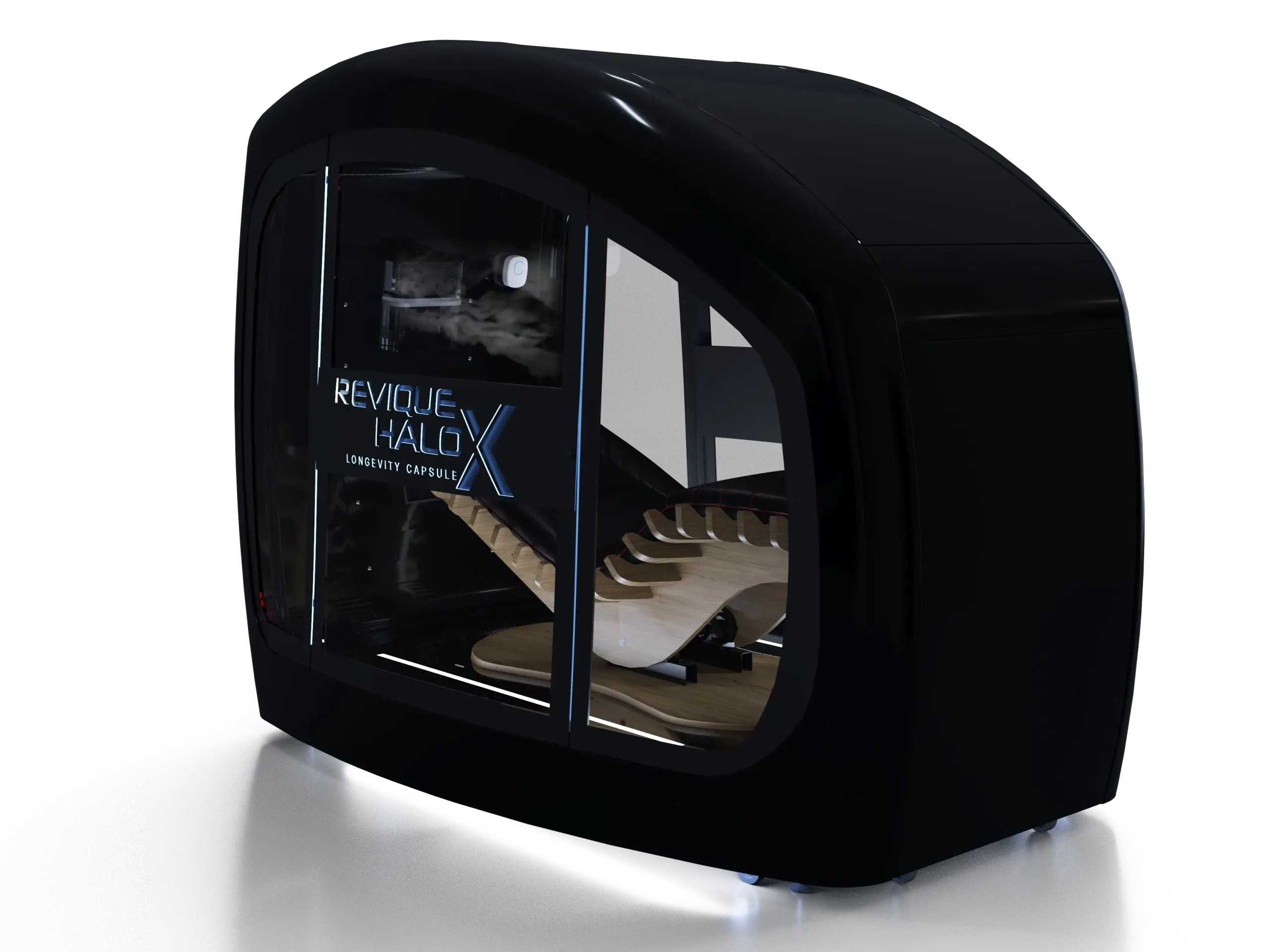
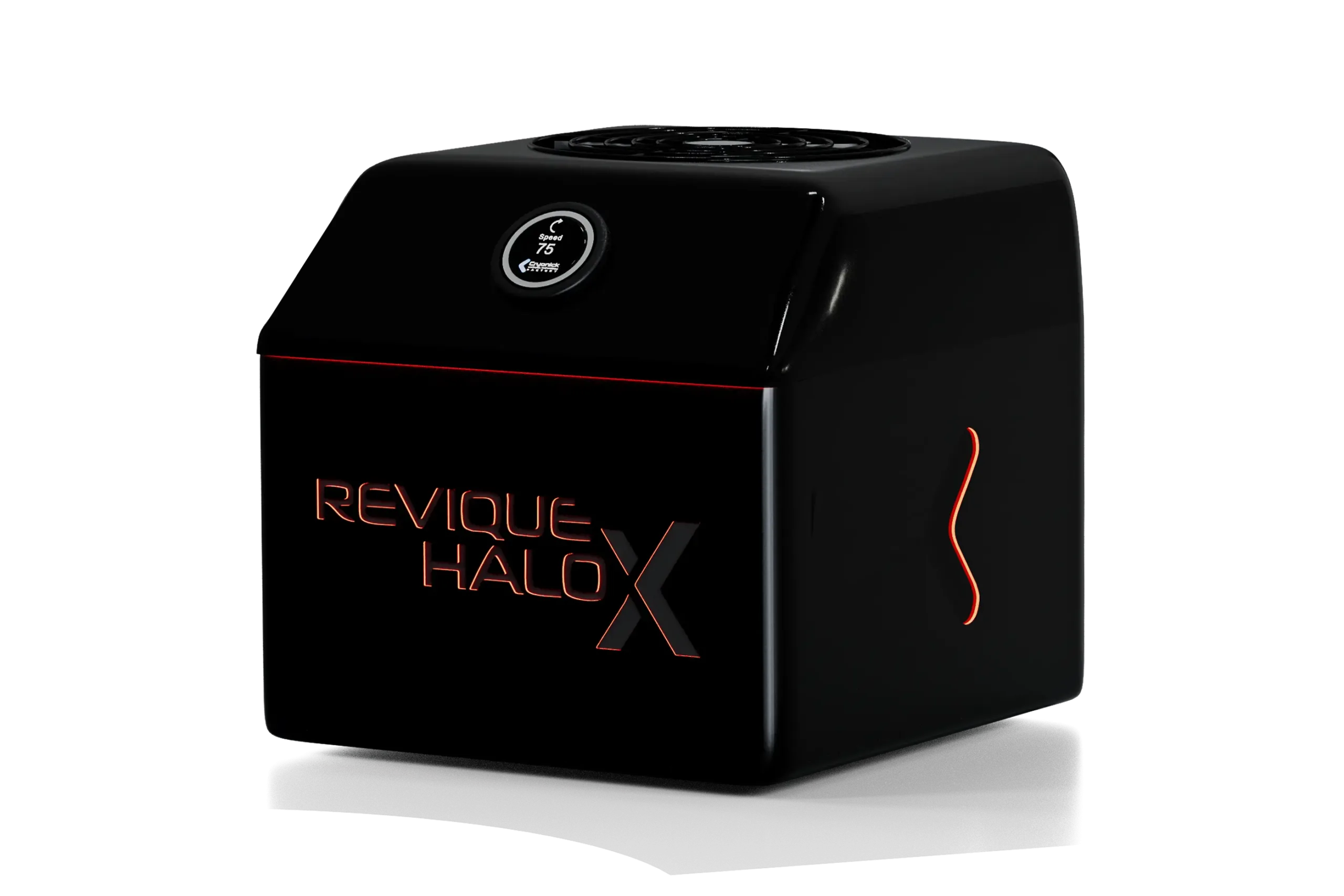
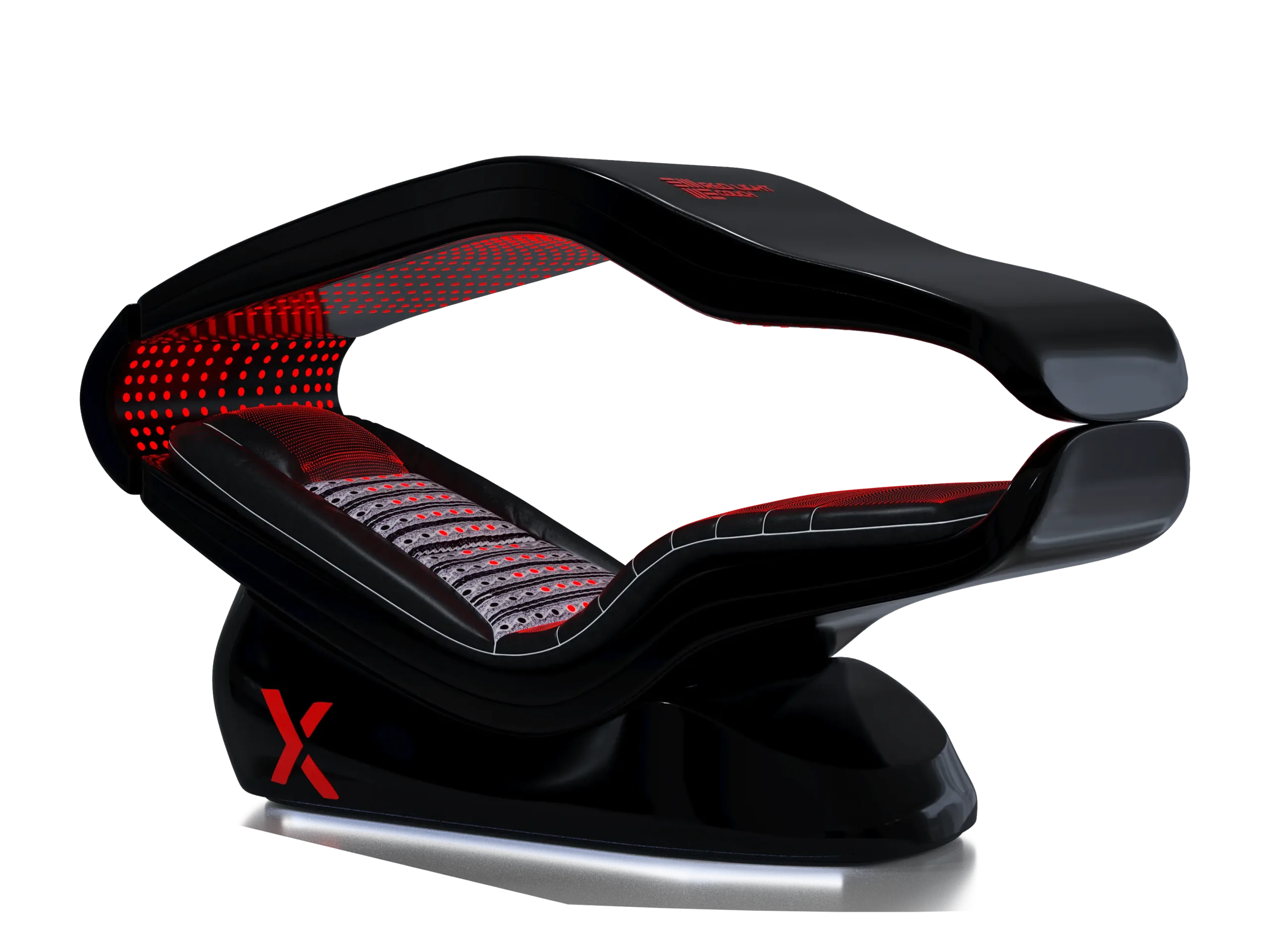
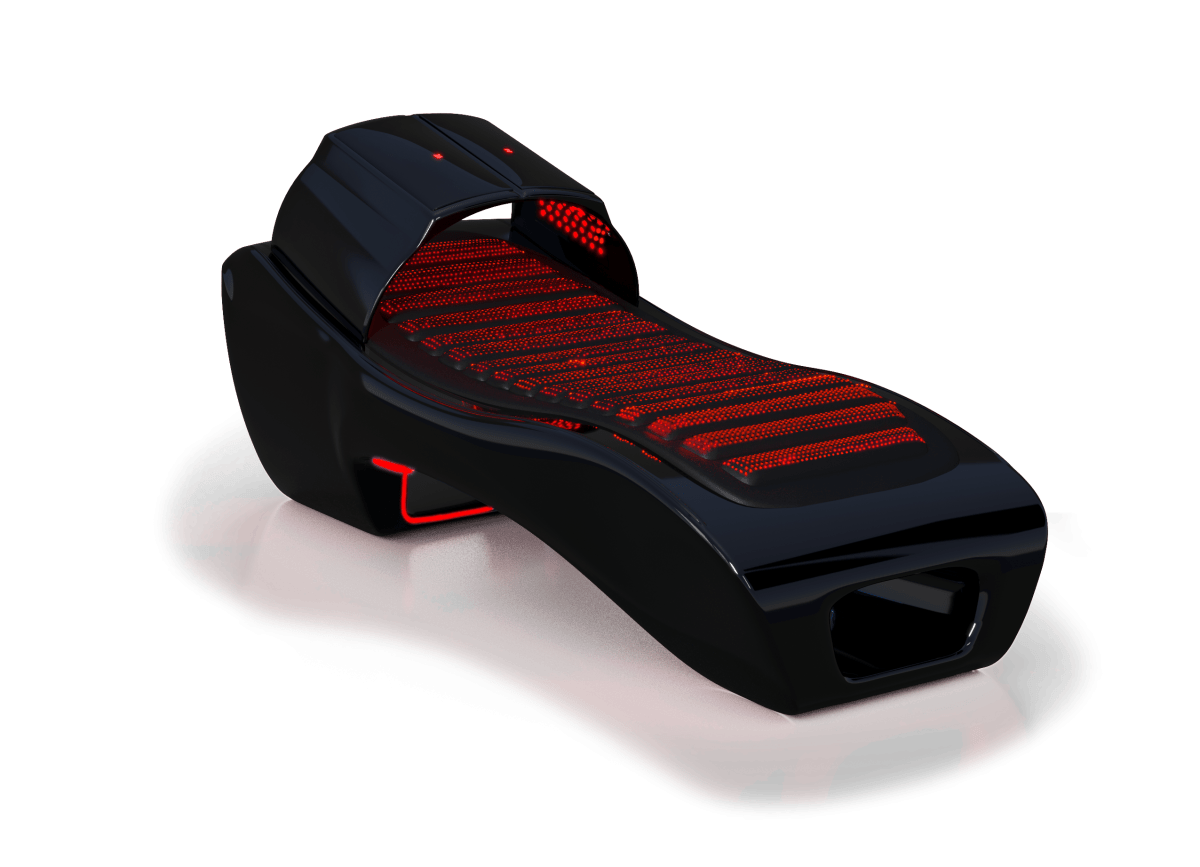
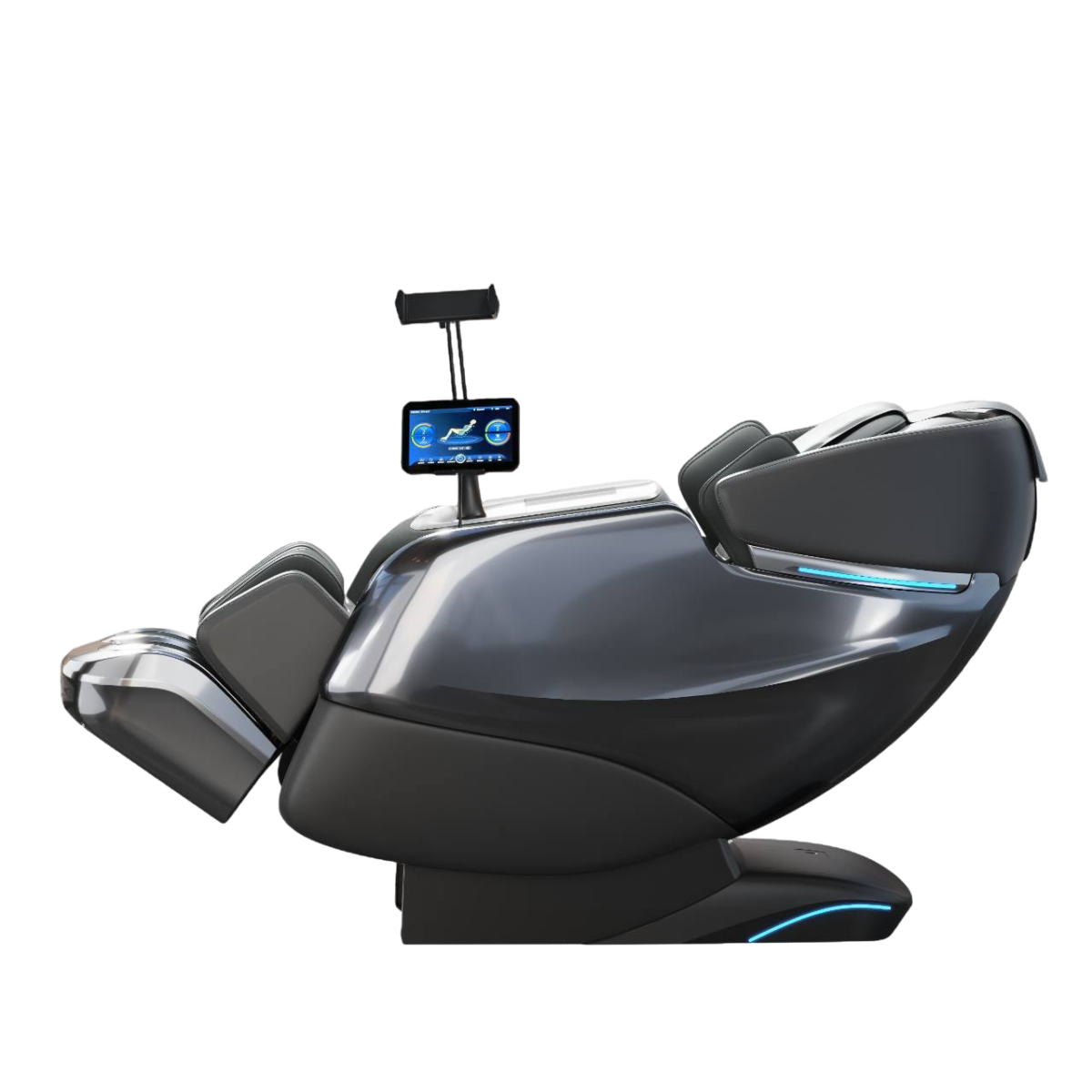
Recovery technology covers cold exposure (cold plunges, ice baths, cryotherapy chambers), heat therapy (infrared sauna, traditional sauna), red light therapy panels, compression boots (pressotherapy), body rolling equipment, and zero-gravity massage. These modalities form the recovery pillar of biohacking your body and have evidence ranging from strong (sauna for cardiovascular outcomes) to emerging (red light for various endpoints). Vacuactivus manufactures equipment across most of these recovery categories. For the multi-modality recovery approach in particular, see Longevity Capsule: How HaloX Replaces 5-7 Wellness Devices which covers the HaloX combination unit.
Cognitive and Stress (Biohacking Your Brain)
The cognitive pillar covers biohacking your brain and stress management. Practices include meditation, breathwork (box breathing, physiological sighs, Wim Hof method), nootropic supplements with reasonable evidence (caffeine, L-theanine, creatine for cognition), HRV tracking and biofeedback, and structured cognitive training. Olympic BMX racer Connor Fields described in January 2026 that elite athletic biohacking centers on extracting fractions of a second of performance through data, recovery tools, and cognitive preparation rather than extreme interventions. The same principle applies to biohacking your mind in non-athletic contexts: small consistent gains from evidence-based practices outperform dramatic but unproven interventions.
How to Start Biohacking (Beginner Framework)
BodySpec’s 2026 guide organizes the starting path into a Beginner-Intermediate-Advanced framework. The progression below adapts that framework with a focus on free, foundational interventions before any equipment purchase.
Beginner (months 1-3): focus on free foundations. Consistent sleep and wake times. Morning sunlight exposure within an hour of waking. Whole-food nutrition without elaborate supplements. Daily movement (any modality, just consistency). Basic stress management (5-10 minutes of breathwork or meditation daily). No gadgets required. Most people see meaningful improvements in energy, mood, and cognition from foundations alone within 4-8 weeks. The biohacking products budget at this stage is zero.
Intermediate (months 4-9): add tracking. Choose one wearable (Oura ring or WHOOP strap, $300-$400 first year cost). Track sleep stages, HRV, and resting heart rate. Begin one targeted nutritional intervention (intermittent fasting or supplementation based on a blood test). Optimize one variable at a time for 2-4 weeks before changing anything else. The key rule from experimental design: change one thing, measure the result, adjust. This phase teaches you how your specific body responds to interventions.
Advanced (year 2 and beyond): add specialized equipment if usage patterns justify it. Cryotherapy chamber for serious recovery-focused users at 5+ sessions per week. Red light therapy for skin and recovery outcomes. Continuous glucose monitor for metabolic optimization. The advanced phase is also where biohacking for women adds specific considerations around hormonal cycles, iron status, and pregnancy timing – see Biohacking for Women: Hormonal Health and Recovery for gender-specific protocols. Most users find Intermediate sufficient indefinitely; Advanced equipment investment pays back only at consistent high-utilization.
What Biohacking Is NOT
Several misconceptions cause people to either oversell or dismiss biohacking. The clarifications below address the common confusions.
Biohacking is not a magic pill or shortcut. The biggest gains come from boring foundations consistently applied over time, not from any single supplement or device. Biohacking is not just for tech-bros, Silicon Valley celebrities, or extreme protocols. Most practitioners are everyday people optimizing sleep and nutrition without spectacle. Biohacking is not inherently extreme or dangerous; the grinder category is real but represents a tiny fringe, while 90% of the community practices structured versions of established health behaviors. Biohacking is not a replacement for medical care; people with diagnosed conditions need proper medical treatment and should view biohacking as a complement, not a substitute. Biohacking does not guarantee reversed aging or extreme lifespan extension; the evidence supports improvements in measurable healthspan markers (sleep quality, metabolic flexibility, recovery, cognition) without the dramatic transformation that marketing sometimes promises.
Famous Biohackers and the Industry
The most-cited biohackers shape public perception of the practice, sometimes accurately and sometimes misleadingly. Bryan Johnson runs the Blueprint protocol, which reportedly costs around $2 million per year and aims to slow aging through extensive measurement, supplementation, and lifestyle optimization. For a sober look at what the Blueprint protocol actually delivers and what the cost-effectiveness gradient looks like, see Bryan Johnson Biohacking: What His $2M/Year Protocol Reveals About Premium Recovery. Dave Asprey popularized the modern term through the Bulletproof brand, with a focus on Bulletproof Coffee, nootropics, and an extensive supplement protocol; for the broader picture of his influence and which Bulletproof recommendations hold up under scrutiny, see Dave Asprey Biohacking: From Bulletproof to Mainstream Wellness. Tim Ferriss authored The 4-Hour Body, an early mainstream self-experimentation guide that helped popularize the framing.
The biohacking conference circuit (Biohacker Summit, Health Optimisation Summit, RAADfest) and online communities (r/Biohackers, dedicated podcasts) have professionalized the practice over the past decade. Reading these figures’ protocols is valuable for ideas; copying them wholesale is rarely advisable because most are far more extreme and expensive than what an evidence-based beginner needs. Start with foundations, layer in tracking, then evaluate which advanced interventions earn their place through measured results in your own data.
Biohacking for Wellness Businesses
Wellness centers, premium spas, recovery studios, and longevity clinics increasingly position biohacking services as a category in their offering. The B2B opportunity is real: clients with biohacking interest gravitate toward facilities offering structured services around recovery technology, longevity protocols, and data-tracking infrastructure. Common equipment categories include cryotherapy chambers (Vacuactivus cryotherapy chambers cover commercial and residential configurations), red light therapy panels (the оборудване за терапия с червена светлина page covers commercial-grade options), and multi-modality longevity capsules. The Капсула за дълголетие HaloX combines red light, infrared, and aromatherapy into one unit and is increasingly deployed in biohacking-oriented commercial wellness centers. Premium positioning works because the audience accepts higher session prices when the equipment and protocols match their expectations.
Често задавани въпроси
Q1. What is biohacking in simple terms?
Biohacking is making deliberate, data-informed changes to your body, diet, and lifestyle to improve how you function. In simple terms, it treats your body like a system you can measure and adjust. It ranges from everyday habits like optimizing sleep and nutrition to advanced practices like tracking biomarkers with wearables. The Cleveland Clinic describes it as a DIY approach to self-care using everything from lifestyle changes to high-tech tools.
Q2. What are the main types of biohacking?
There are five broad types along a risk spectrum: lifestyle biohacking (sleep, diet, exercise – the safest and most common, used by about 90% of the community), nutrigenomics (food-gene interaction and fasting), quantified self (tracking data via wearables and blood tests), DIY biology (home experiments), and grinder biohacking (the extreme edge involving implants or gene editing). Most people stay in the first three, low-risk categories.
Q3. Is biohacking safe?
Most biohacking is safe because it consists of structured versions of everyday healthy habits – better sleep, smarter nutrition, regular movement, and stress management. The safety depends on which type you practice. Lifestyle and data-tracking biohacks carry minimal risk. Extreme grinder biohacking (implants, unproven gene therapies) carries real danger and is not recommended. The key safety rules: favor evidence-based interventions, change one variable at a time, and consult a doctor before anything invasive.
Q4. How do I start biohacking as a beginner?
Start with the free foundations before buying any gadgets: get consistent sleep, expose yourself to morning sunlight, eat whole foods, and move daily. Next, begin tracking one metric (sleep or heart rate variability with a wearable). Then optimize one variable at a time and measure the result before changing anything else. The most powerful biohacks cost nothing – you do not need a $5,000 setup to start meaningfully improving how you feel.
Q5. What’s the difference between biohacking and longevity?
They overlap but are not identical. Biohacking is the broad practice of self-experimentation to improve performance, energy, and health right now. Longevity (or healthspan) focuses specifically on extending the years you live in good health. Many biohacks serve both goals – intermittent fasting and resistance training, for example, support daily energy and long-term aging. Longevity is one possible goal within the wider biohacking field.
Q6. Does biohacking actually work?
The evidence-based foundations work reliably: quality sleep, good nutrition, exercise, and stress management produce measurable improvements in energy, focus, and health markers. Data tracking helps you understand your own patterns. The results are less certain for trendier interventions – some supplements and gadgets have weak or preliminary evidence. Biohacking works best when you stick to interventions backed by human studies and verify results with your own measurements rather than chasing every new trend.
Q7. What is an example of biohacking?
A simple, everyday example is tracking your sleep with a wearable, then adjusting your evening light exposure and bedtime to improve sleep quality, and measuring whether your recovery scores improve. Other common examples include intermittent fasting, using a continuous glucose monitor to see how foods affect your blood sugar, cold exposure for recovery, and red light therapy. Each follows the same loop: measure, change one thing, measure again.
Q8. Who are the most famous biohackers?
The best-known figures include Bryan Johnson, whose Blueprint protocol reportedly costs around $2 million per year and aims to slow aging through extensive measurement; Dave Asprey, who popularized the term through his Bulletproof brand; and Tim Ferriss, author of The 4-Hour Body, an early self-experimentation advocate. Their protocols are interesting references, but most are far more extreme and expensive than what an evidence-based beginner needs.
Заключение
Biohacking is accessible, data-driven self-optimization that ranges from free everyday habits to advanced recovery technology. The pillar definition cited from Cleveland Clinic (DIY self-care from lifestyle changes to high-tech tools) and codified by Merriam-Webster in 2018 remains the working frame: measure, adjust, improve. The taxonomy of five types provides a map; the four-pillar methods framework (sleep, nutrition, recovery, cognitive) provides the practical playbook; and the beginner-intermediate-advanced progression provides the entry path.
Start with foundations – sleep, sunlight, whole foods, movement, stress management – before adding any equipment or supplements. Add tracking to learn how your specific body responds. Add specialized recovery and cognitive technology if usage patterns justify the investment. For category-specific deeper dives across the biohacking ecosystem, the cross-linked articles on supplements, diet, women-specific protocols, and notable figures complete the pillar hub. For the equipment side, the Vacuactivus all products catalogue covers cryotherapy chambers, red light therapy, pressotherapy, body rolling, infrared heat, and HaloX longevity capsules deployed across commercial and residential biohacking settings.


