










Beschaffung von Fitnessgeräten: Leitfaden für Markeninhaber bis 2026
Die Beschaffung von Fitnessgeräten für eine Fitnessmarke umfasst vier Schritte: Definition der Produktspezifikation, Auswahl des Partners (OEM, ODM oder Handelsunternehmen), Prüfung der Produktionskapazitäten und der Einhaltung von Vorschriften sowie Produktions- und Logistikmanagement. Dieser Leitfaden erläutert die einzelnen Schritte detailliert, inklusive konkreter Mindestbestellmengen, Zertifizierungsanforderungen, Lieferzeiten und Warnsignale, die einen seriösen Hersteller von einem fälschlicherweise als solchen ausgegebenen Händler unterscheiden.
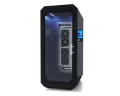
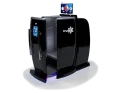
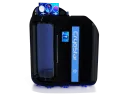
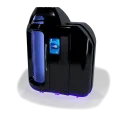
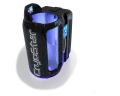
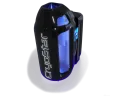
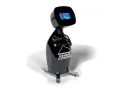
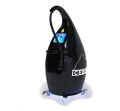
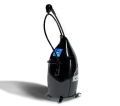
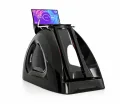
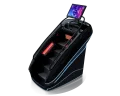
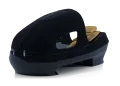
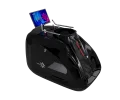
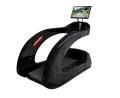
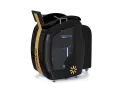
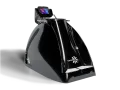
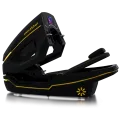
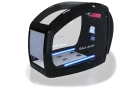
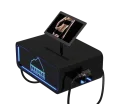
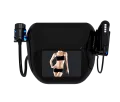
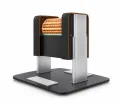
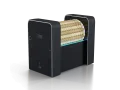
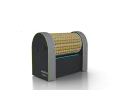
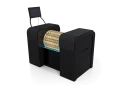
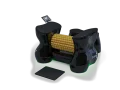
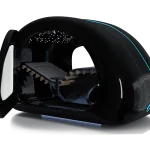
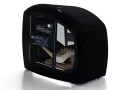
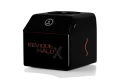
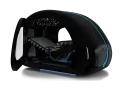
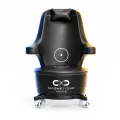
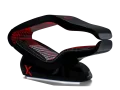
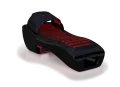
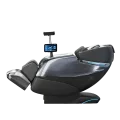
Vacuactivus produziert seit 2009 in Polen (EU) Wellness- und Fitnessgeräte (über 15 Jahre Produktionserfahrung). Das aktuelle Sortiment umfasst über 30 Modelle, darunter Kryotherapiekammern, Rotlichttherapiepaneele, Körperrollgeräte (RollShape und RollStar), Infrarotwärmegeräte, die HaloX-Langlebigkeitskapsel und Zero-Gravity-Massagesessel (De-Stress Lounge). Das Unternehmen unterhält OEM- und ODM-Partnerschaften in über 50 Ländern. Vacuactivus stellt keine Pressotherapiegeräte her. Wo Pressotherapie in den folgenden branchenweiten Abschnitten (Mindestbestellmengen, Kategoriebeispiele) erwähnt wird, handelt es sich um eine Kategorie von Drittanbietern und nicht um eine Produktlinie von Vacuactivus. Die praxisorientierte Herangehensweise basiert auf über 15 Jahren Erfahrung im Austausch mit Markeninhabern, Distributoren, Einzelhändlern und Einkaufsteams verschiedenster Kategorien – von Geräten für den Massenmarkt bis hin zu spezialisierten Wellnessgeräten.
Dieser Leitfaden richtet sich an Markeninhaber, die eine Fitnessgeräte-Linie einführen oder erweitern möchten, an Distributoren, die neue Lieferantenbeziehungen evaluieren, und an Einzelhändler, die Eigenmarken in ihr Sortiment aufnehmen wollen. Der Tonfall ist der eines Branchenberaters mit eigener Produktionsstätte: Wir sind ein EU-Hersteller, aber die folgenden Vergleichsabschnitte schließen konkurrierende Regionen oder Partnertypen nicht aus. Die Produktion in China, Europa und den USA eignet sich jeweils für spezifische Anwendungsfälle. Handelsunternehmen spielen dabei eine wichtige Rolle. Die richtige Entscheidung hängt von der Produktkategorie, der Mindestbestellmenge, dem Budget und den Zertifizierungsanforderungen ab.
Zwei Strukturelemente bilden die Grundlage des Leitfadens: eine Entscheidungsmatrix für OEM vs. ODM vs. Handelsunternehmen und eine Tabelle mit Mindestbestellmengen (MOQ) nach Produktkategorie. Anschließend folgen eine Checkliste für Warnsignale und ein 5-stufiges Rahmenwerk zur Werksprüfung für die praktische Anwendung. Wenn Sie sich bereits in einer Phase des Beschaffungsprozesses befinden, springen Sie direkt zum entsprechenden Abschnitt.
Was bedeutet Sourcing für Fitnessgeräte?
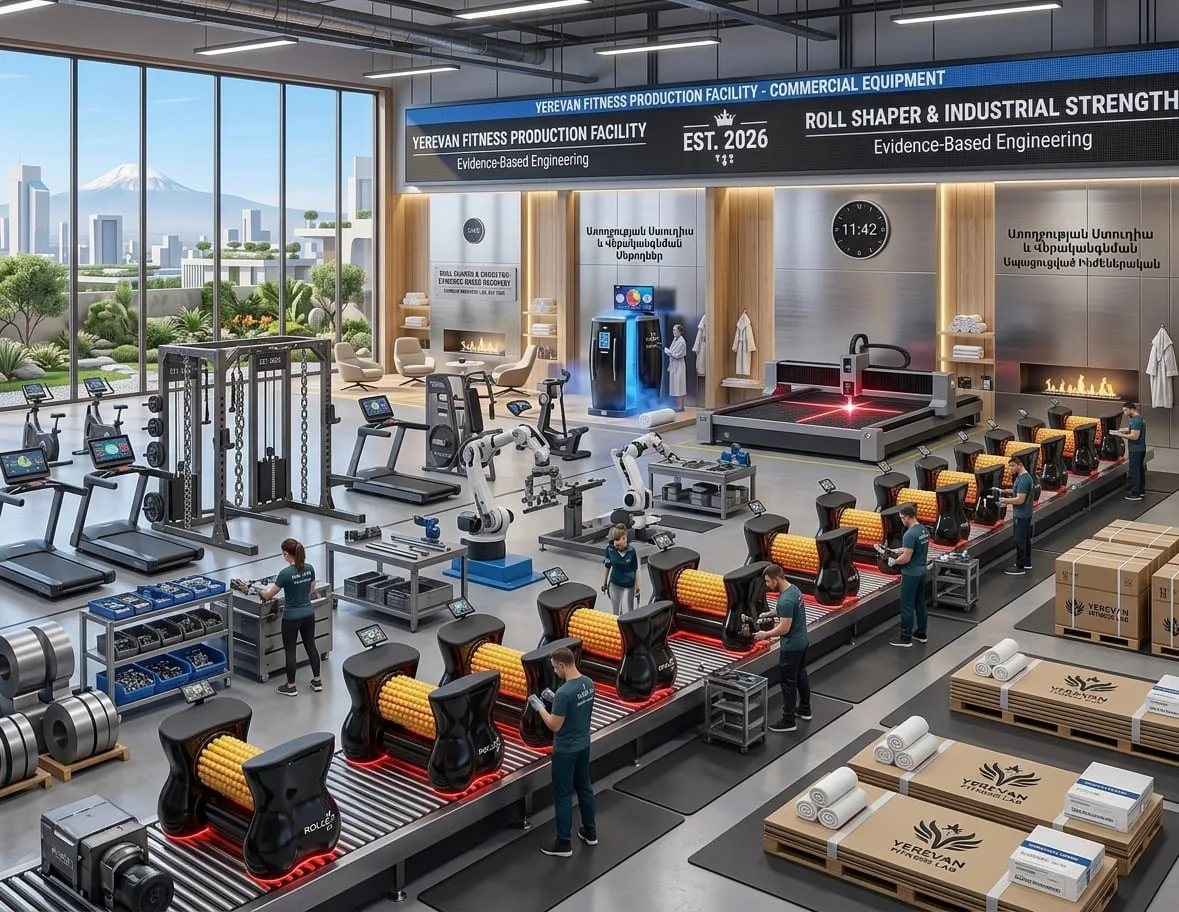
Sourcing bezeichnet die vorgelagerten Beschaffungsentscheidungen: die Auswahl des Herstellers Ihrer Ausrüstung, die Spezifikationen, die verwendeten Materialien, die Mindestbestellmenge und die erforderlichen Zertifizierungen. Es unterscheidet sich vom Einkauf. Einkauf findet nachgelagert statt: Hierbei werden Katalogartikel aus dem Lagerbestand eines Großhändlers oder Distributors ausgewählt. Sourcing erfordert die direkte Zusammenarbeit mit dem Hersteller, oft mithilfe eines technischen Datenblatts und einer Stückliste, und Entscheidungen, die die Wirtschaftlichkeit Ihres Produkts für die nächsten zwei bis fünf Jahre festlegen.
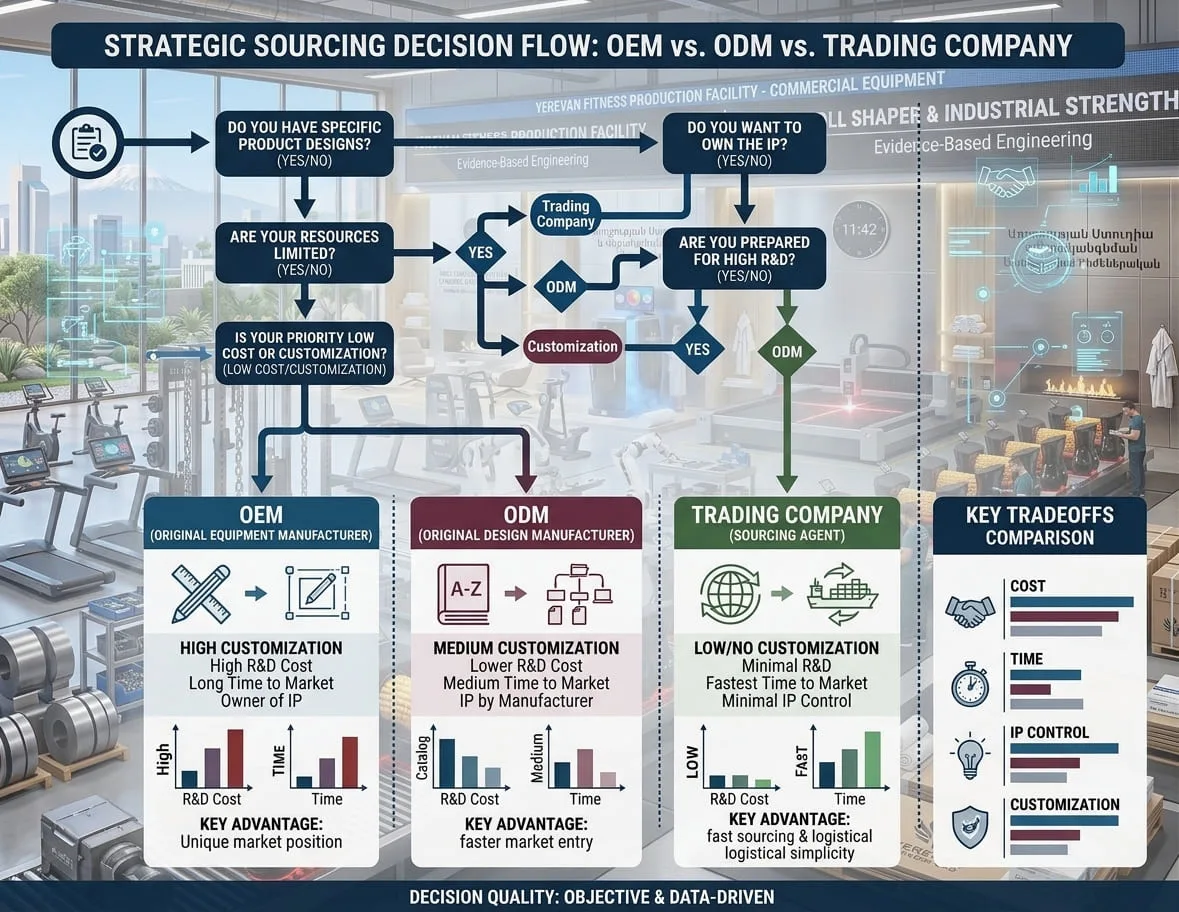
Für einen Markeninhaber von Fitnessgeräten beantwortet die Beschaffung vier zentrale Fragen. Erstens: Was ist das Produkt, und zwar so detailliert, dass jeder qualifizierte Hersteller ein Angebot erstellen kann? Hierfür sind ein technisches Datenblatt (Abmessungen, Materialien, elektrische Spezifikationen, Oberflächenbeschaffenheit, Branding-Bereiche) und eine Stückliste erforderlich. Zweitens: Welcher Partner eignet sich am besten für die Herstellung dieses Produkts – ein OEM, der nach Ihrem Design fertigt, ein ODM, der ein bestehendes Modell anpasst, oder ein Handelsunternehmen, das fertige Geräte von Herstellern bezieht? Drittens: Wie überprüfen Sie, ob der Partner tatsächlich der ist, für den er sich ausgibt (echter Hersteller, gültige Zertifizierungen, echte Qualitätskontrolle)? Viertens: Wie wickeln Sie die Bestellung von der Musterfreigabe über die Containerverladung bis zur Anlieferung in Ihr Lager ab? Die folgende Tabelle veranschaulicht die Entscheidung für den passenden Partner.
| Partnertyp | Definition | Wann wählen | Mindestbestellbereich | Anpassungsgrad |
|---|---|---|---|---|
| OEM (Originalgerätehersteller) | Die Fabrik fertigt nach Ihren Vorgaben und Spezifikationen; Sie besitzen die Rechte am geistigen Eigentum und an der Marke. | Sie haben ein klares Produktdesign, wollen maximale Differenzierung und sind bereit, in Werkzeuge und längere Lieferzeiten zu investieren. | Spezialisierte Wellnessgeräte: 1–10. Gewerbliche Krafttrainingsgeräte: 20–50. Gewerbliche Cardiogeräte: 50–100. Zubehör: 500–5000 | Komplett (Design, Materialien, Branding, Verpackung) |
| ODM (Original Design Manufacturer) | Die Fabrik bietet bestehende Designs an; Sie gestalten und passen die Kosmetikprodukte an. | Sie wünschen sich eine schnellere Markteinführung, geringere Vorabinvestitionen und eine sinnvolle Differenzierung, ohne von Grund auf neu entwickeln zu müssen. | Oftmals niedrigere Werte als die entsprechenden OEM-Produkte (30-50%). | Medium (Branding, Farbe, Verpackung, Anpassungen der Lichtspezifikationen) |
| Handelsunternehmen | Zwischenhändler, der Waren von einer oder mehreren Fabriken weiterverkauft; keine Fabrik selbst. | Sehr kleine Testbestellungen (1-5 Einheiten), Machbarkeitsstudien oder Standardartikel, bei denen keine Anpassung erforderlich ist | Oft künstlich niedrig (1-10 Einheiten), weil keine Produktion stattfindet. | Minimal (oft nur Etikett oder keine individuelle Anpassung) |
OEM, ODM, Private Label – Was ist der Unterschied?
OEM (Original Equipment Manufacturer) bedeutet, dass ein Hersteller Ihre Fitnessgeräte nach Ihren Vorgaben und Spezifikationen fertigt und Sie diese unter Ihrer eigenen Marke vertreiben. Sie besitzen die Designrechte, die Marke und die Kundenbeziehung; der Hersteller steuert Fertigungskapazitäten, Materialbeschaffung und Qualitätssicherungssysteme bei. OEM ist sinnvoll, wenn Sie in Produktentwicklung investiert haben (intern oder über ein Industriedesignbüro) und sich maximal im Markt differenzieren möchten.
ODM (Original Design Manufacturer) kehrt die Designverantwortung um. Der Hersteller passt bestehende Produkte an Ihr Branding, Ihre Farbwünsche und Ihre Verpackung an. Sie sparen sich die Entwicklungsinvestition, müssen aber in Kauf nehmen, dass Konkurrenzmarken nahezu identische Geräte aus demselben Werk anbieten. ODM ist schneller (1–2 Wochen für Muster, im Vergleich zu 4–8 Wochen für die OEM-Entwicklung), mit geringeren Vorlaufkosten und weniger Differenzierung. Viele Hersteller von Heimfitnessgeräten starten mit ODM, um die Marktnachfrage zu testen, und wechseln dann für vielversprechende Produktkategorien zur OEM-Produktion.
Private-Label-Fitnessgeräte weisen viele Überschneidungen mit ODM auf, beinhalten aber typischerweise eine noch geringere Individualisierung: lediglich das Logo wird auf ein Standardprodukt aufgebracht, manchmal die Farbe angepasst, oft ohne jegliche Spezifikationsänderungen. Das Verzeichnis von Inven.ai für kommerzielle Fitnessunternehmen zeigt, dass über 40 Länder von OEM/ODM-Fabriken beliefert werden, die das gesamte Spektrum abdecken. Handelsunternehmen stehen außerhalb dieser drei Kategorien: Sie fungieren als Zwischenhändler und verkaufen Produkte von einem oder mehreren Herstellern weiter, ohne selbst etwas herzustellen. Nutzen Sie Handelsunternehmen für kleine Testbestellungen, wenn Sie die Mindestbestellmenge eines Herstellers nicht erreichen können. Für einen detaillierteren Einblick in die OEM-Partnerschaft mit Vacuactivus lesen Sie „Fitnessgerätehersteller: Warum Marken sich für Vacuactivus OEM entscheiden“. Dort wird unser spezifischer Ansatz für Markenpartnerschaften erläutert.
Mindestbestellmengen je nach Produktkategorie
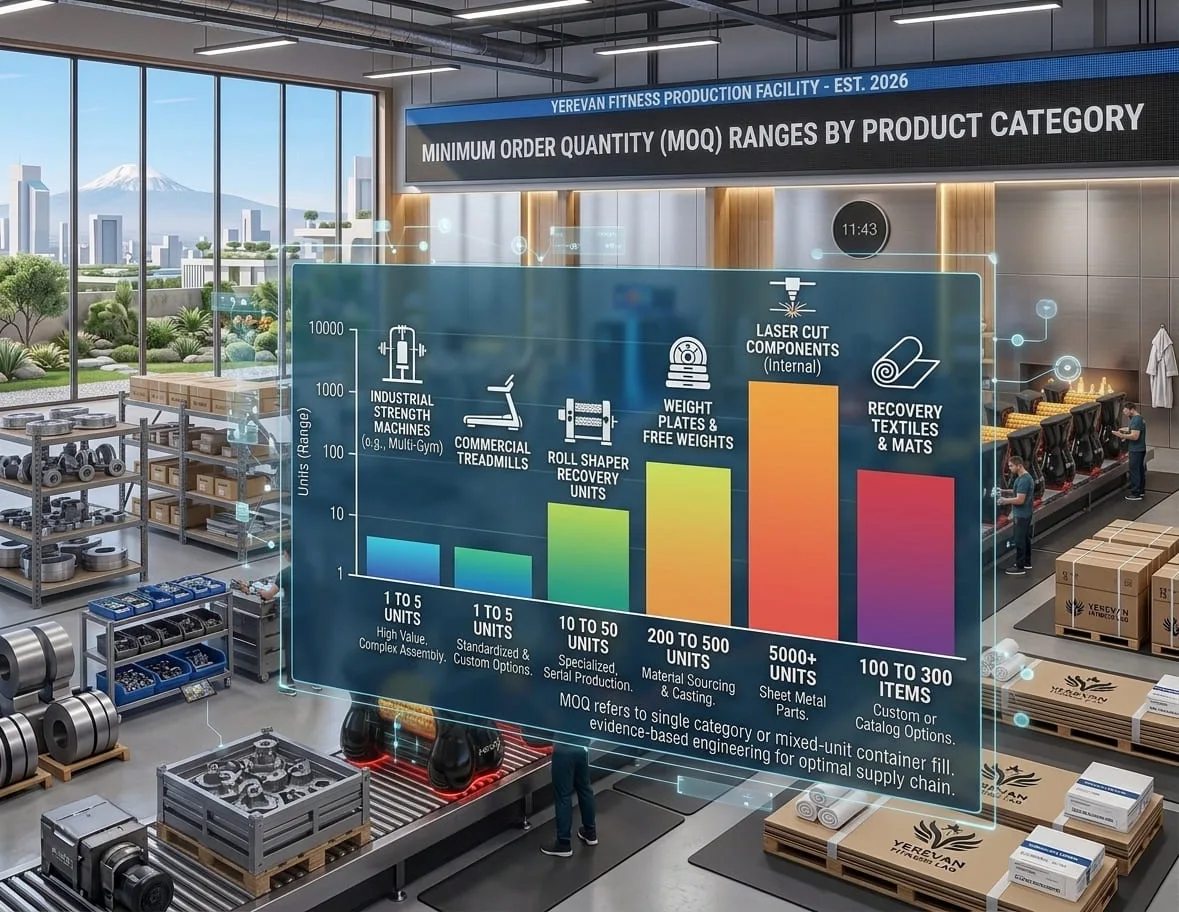
Die Mindestbestellmenge (MOQ) variiert je nach Produktkategorie, Produktionsgröße und Umfang der Anpassung. Die unten aufgeführten Spannen entsprechen branchenüblichen Werten etablierter OEM- und ODM-Partner im Jahr 2026. Im unteren Bereich ist eine Verhandlung möglich, wenn Sie Folgeaufträge annehmen oder die Produktion an die saisonschwache Zeit im ersten Quartal des Werks anpassen.
| Kategorie | Typische Mindestbestellmenge (Einheiten) | Lieferzeit | Anmerkungen |
|---|---|---|---|
| Spezialisierte kommerzielle Wellnessangebote (Kryotherapie, Rotlichttherapie, Körperrolltherapie, Langlebigkeitskapseln; Pressotherapie durch Dritte) | 1-10 | 8-14 Wochen | Einzelstückfertigung als OEM-Lösung bei EU-Herstellern möglich (Vacuactivus für den eigenen Katalog). Hohe Stückmarge rechtfertigt niedrige Mindestbestellmenge. |
| Krafttrainingsgeräte mit Auswahlmöglichkeiten (kommerzielles Fitnessstudio) | 20-50 | 10-14 Wochen | Werkzeuge werden linienübergreifend genutzt; niedrigere Mindestbestellmenge bei Verwendung vorhandener Formen. |
| Plattenbeladene Krafttrainingsgeräte | 10-30 | 8-12 Wochen | Einfachere Konstruktion als bei selektierten Systemen; niedrigere Mindestbestellmenge möglich |
| Professionelle Cardiogeräte (Laufbänder, Crosstrainer, Fahrräder) | 50-100 | 12-16 Wochen | Motoren, Elektronik und Displays erfordern höhere Mindestbestellmengen, um die Werkzeugkosten zu amortisieren. |
| Heim-Cardiogeräte | 200-500 | 10-14 Wochen | Eine geringere Gewinnspanne pro Einheit erfordert ein hohes Produktionsvolumen, um den Zeitaufwand in der Fabrik zu rechtfertigen. |
| Zubehör (Yogamatten, Hanteln, Widerstandsbänder) | 500-5,000 | 6-10 Wochen | Niedrigste Gewinnspanne pro Einheit; hohe Absatzmengen entscheidend. LeeLine Sports gibt eine Mindestabnahmemenge von 500 Einheiten an. |
| Bekleidung (Sportbekleidung, Markenartikel) | 50-300 | 8-12 Wochen | BeRun Sports nennt eine Mindestbestellmenge von 300 Stück mit 15-tägiger Musterphase für Fitnessbekleidung unter Eigenmarken. |
Warum variieren Mindestbestellmengen (MOQs) so stark? Werkzeug- und Formenkosten, Produktionslinieneffizienz, Mindestbestellmengen für Rohmaterialien und die Stückmarge spielen dabei eine Rolle. Ein kommerzielles Cardio-Laufband benötigt eine spezielle Motorhalterung, ein Displaygehäuse und Konsolenelektronik – allein die Werkzeugkosten liegen zwischen 20.000 und 80.000 £ und amortisieren sich über Hunderte von Einheiten. Eine spezielle Kryotherapiekammer eines EU-Herstellers ist als Einzelstückprodukt konzipiert; die Werkzeuge sind bereits aus früheren Produktionsläufen vorhanden, sodass die Mindestbestellmenge wirtschaftlich auf 1–5 Einheiten sinken kann. Bei Zubehör verhält es sich umgekehrt: Geringe Werkzeugkosten, aber geringe Stückmarge erfordern hohe Stückzahlen, um die Produktion rentabel zu gestalten. Heimfitnessgeräte: OEM- und Einzelhandelsbeschaffung für Marken Der Artikel behandelt die Beschaffungsökonomie im Wohnsegment ausführlicher.
Wichtige Zertifizierungen (für kommerzielle Märkte unabdingbar)
Zertifizierungen sind keine bloßen bürokratischen Formalitäten; sie bestimmen, in welchen Märkten Sie Ihre Produkte legal verkaufen dürfen und welche Haftung Ihre Marke trägt. Die folgende Matrix zeigt die acht Zertifizierungen, die in Gesprächen über die Beschaffung von Fitnessgeräten in den Bereichen Cardio, Krafttraining, Wellness und Regeneration immer wieder zur Sprache kommen.
| Zertifizierung | Was es beinhaltet | Erforderlich für |
|---|---|---|
| ISO 9001 | Qualitätsmanagementsystem auf Werksebene | Mindestanforderungen für jede seriöse Fabrik. Fehlende ISO 9001-Zertifizierung = Warnsignal |
| ISO 13485 | Qualitätsmanagement für Medizinprodukte | Kryotherapiekammern, FDA-geprüfte Geräte, Rehabilitations- und Genesungsgeräte |
| CE-Kennzeichnung | Einhaltung der EU-Standards für Gesundheit, Sicherheit und Umwelt | Erforderlich für alle Verkäufe von Fitnessgeräten auf dem EU-Markt |
| FDA 510(k) | Vorabbenachrichtigung für Medizinprodukte in den USA | Kryosaunen, bestimmte Rotlichttherapiegeräte (sofern medizinische Ansprüche geltend gemacht werden), andere als medizinisch klassifizierte Geräte |
| UL-Listung | Zertifizierung für elektrische Sicherheit durch Underwriters Laboratories (UL) in den USA | Elektrische Geräte, die in den USA verkauft werden (Laufbänder, elektrische Kryosaunen, motorisierte Geräte) |
| ETL-Eintrag | Interteks Äquivalent zu UL, anerkannt von NRTLs in den USA | Alternative zu UL für die Einhaltung der US-amerikanischen Elektrosicherheitsstandards |
| RoHS | Beschränkung gefährlicher Stoffe (EU) | Alle in die EU eingeführten elektronischen Geräte |
| ERREICHEN | Registrierung, Bewertung, Zulassung und Beschränkung von Chemikalien (EU) | Alle Geräte mit chemischen Komponenten, Beschichtungen oder Kunststoffen, die in der EU verkauft werden |
| Kalifornische Proposition 65 | Offenlegung der Chemikalienbelastung für Verkäufe in Kalifornien | Alle in Kalifornien verkauften Konsumgüter, einschließlich Fitnessgeräte |
Die Zertifizierungskosten liegen zwischen $5.000 und $25.000 pro Produkt und Zertifizierung und werden einmalig bei der Zertifizierung mit regelmäßiger Verlängerung fällig. Einige Hersteller rechnen die relevanten Zertifizierungen in ihre Stückpreise ein, andere berechnen sie separat. Überprüfen Sie dies, indem Sie die Zertifikatsnummern anfordern und mit den Datenbanken der ausstellenden Stellen abgleichen. Everbright-fitness.com gibt ISO 9001, CE, UL und RoHS als Standard für seinen OEM-Service an; dies ist die Mindestanforderung, die Sie erwarten können. Vacuactivus arbeitet nach ISO 9001 Qualitätsmanagement und verfügt über eine CE-Kennzeichnung für alle Modelle für den EU-Markt. Bei Medizinprodukten (Kryotherapiekammern und bestimmten Wellnessgeräten) sollten potenzielle Käufer den aktuellen ISO 13485-Zertifizierungsstatus und die spezifischen FDA/CE-Konformitätsnachweise direkt bei Vacuactivus zum Zeitpunkt der Bestellung überprüfen, um die Einhaltung der Vorschriften sicherzustellen. Beispiele für kategoriespezifische OEM-Zertifizierungen finden Sie hier: OEM-Hersteller (Original Equipment Manufacturer): Was B2B-Marken wissen sollten welche die Nuancen der OEM-Zertifizierung detailliert behandelt und als Ergänzung auf diesen Beschaffungsleitfaden verweist (gegenseitige 10↔26 OEM-Cluster-Referenz).
Wie man einen Hersteller von Fitnessgeräten überprüft (5-Schritte-Anleitung)
Die Überprüfung ist der häufigste Fehler bei der Beschaffung. Die folgenden fünf Schritte stellen die Mindestprüfung dar, die einen echten OEM-Partner von einem reinen Vertriebsunternehmen unterscheidet. Führen Sie alle fünf Schritte durch, bevor Sie eine Bestellung über $25.000 unterzeichnen.
Schritt 1: Überprüfen Sie die Legitimität des Unternehmens. Fordern Sie die Handelsregisterauszüge, die Angaben zum Betriebsjahr und die wichtigsten Zertifizierungen mit Zertifikatsnummern an. Vergleichen Sie die ISO-Zertifikatsnummern mit dem Online-Register der ausstellenden Stelle (die meisten großen Zertifizierungsstellen bieten durchsuchbare Datenbanken an). Stellen Sie sicher, dass die registrierte Adresse mit dem Produktionsstandort übereinstimmt und nicht nur mit einer Vertriebsniederlassung. Handelsunternehmen haben oft repräsentative Büroadressen, die nicht zu ihren Produktionsstätten gehören.
Schritt 2: Fordern Sie Referenzmuster an. Ein Referenzmuster dient als Vorserienmuster und definiert die Abnahmekriterien für die restliche Produktionsserie. Fordern Sie 1–3 Referenzmuster zur Prüfung an, bevor Sie die endgültige Bestellung aufgeben. Hersteller fertigen diese in 2–4 Wochen; Handelsunternehmen benötigen 6–12 Wochen, da sie die Muster bei ihrem Lieferanten in Auftrag geben müssen. Zahlen Sie die Mustergebühr; der Versuch, kostenlose Muster zu erhalten, führt in der Regel zu ODM-Ware anstelle von OEM-kundenspezifischen Mustern.
Schritt 3: Werksaudit. Führen Sie eine virtuelle Werksbesichtigung durch (Videoanruf mit Rundgang durch die Produktionshalle) oder beauftragen Sie ein externes Audit durch SGS, Bureau Veritas oder Intertek. Externe Audits umfassen die Kategorien $500–$2000 und erstellen einen 20- bis 50-seitigen Bericht, der Kapazität, Qualitätssicherungssysteme, Zertifizierungsprüfung und Arbeitsbedingungen abdeckt. Bei Aufträgen über $50000 amortisiert sich das Audit durch die Risikominderung. Etablierte OEM-Werke mit langjähriger Erfahrung akzeptieren externe Audits in der Regel problemlos; eine Ablehnung ist ein Warnsignal.
Schritt 4: Referenzprüfung. Bitten Sie mindestens drei bestehende Kunden, mit denen Sie direkt sprechen können, idealerweise aus Ihrem Zielmarkt (Markeninhaber in den USA oder der EU). Eine Kontaktaufnahme per E-Mail ist üblich; manche Fabriken bieten auch kurze Videogespräche an. Fragen Sie die Referenzkunden nach folgenden Punkten: tatsächliche Lieferzeiten im Vergleich zu den Angeboten, gleichbleibende Qualität bei allen Bestellungen, Reaktionsfähigkeit bei Problemen und Bereitschaft zur Unterstützung von Nachbestellungen. Eine Fabrik, die keine Referenzen vorweisen kann, ist ein Warnsignal.
Schritt 5: Testbestellung. Geben Sie eine kleine erste Charge auf (oft 25–501 TP3T Ihres geplanten Erstjahresvolumens), um Qualität, Kommunikation und Versand zu validieren. Diese Charge sollte vor der Containerverladung im Werk eine AQL-1.5/2.5-Prüfung durch Dritte (LeeLine Sports-Protokollstandard) bestehen. Mit der Testbestellung überprüfen Sie auch, ob das Werk die angegebenen Lieferzeiten unter realer Produktionsbelastung einhält. Schließen Sie erst nach einer erfolgreichen Testbestellung mehrjährige Mengenverträge ab.
Warnsignale, die Sie vermeiden sollten (Ehrliche Checkliste)
Die folgenden Warnsignale basieren auf Mustererkennungsergebnissen aus über 15 Jahren Gesprächen mit Markeninhabern über deren Beschaffung. Jedes einzelne Warnsignal führt zu einer eingehenderen Prüfung; treten zwei oder mehr Warnsignale gemeinsam auf, sollte der Partner für Bestellungen über 10.000 £ disqualifizieren.
- Es liegen keine Gewerbeanmeldungsunterlagen vor oder Dokumente, die nicht mit dem ausstellenden Regierungsregister abgeglichen werden können. Echte Fabriken stellen diese innerhalb von 48 Stunden nach Anfrage zur Verfügung.
- Keine anhand von Satellitenbildern verifizierbare physische Adresse, keine Möglichkeit zur Werksbesichtigung (weder virtuell noch vor Ort). Handelsunternehmen buchen daher häufig Vorführräume in fremden Fabriken für Käuferbesuche.
- Die Mindestbestellmenge ist für diese Produktkategorie unrealistisch niedrig. Eine Mindestbestellmenge von 5 Einheiten für gewerbliche Cardiogeräte ist in einem realen Werk strukturell unmöglich; dieses Angebot stammt von einem Händler, der die 5 Einheiten anderweitig beschaffen wird.
- Unklare Zertifizierungen: ‘Wir haben alle’, ohne Angabe konkreter Zertifikatsnummern oder Nummern, die sich nicht mit der Datenbank der ausstellenden Stelle abgleichen lassen. BeRun Sports stellt eine hohe Rate an gefälschten Dokumenten (12-15%) im Bereich der Bekleidungsbeschaffung fest; die Rate ist bei Ausrüstungszertifizierungen vergleichbar.
- Das Angebot ist verdächtig niedrig (30%+ unter vergleichbaren Marktpreisen). Die versteckten Kosten zeigen sich später in Form von Qualitätsmängeln, Lieferverzögerungen oder unerwarteten Zolltarifnummern.
- Unklare oder schwankende Lieferzeiten. Reale Hersteller geben 8–16 Wochen für gewerbliche Anlagen mit konkreten Meilensteinen an; die vage Antwort ‘ein paar Monate’ ist typisch für Händler.
- Die Weigerung, eine Inspektion durch Dritte (SGS, Bureau Veritas, Intertek) vor der Containerverladung zu akzeptieren, ist ein eindeutiges Warnsignal für Handelsunternehmen, die sich als Fabriken ausgeben.
- Zahlungsbedingungen, die eine Vorauszahlung von 100% fordern. Branchenübliche Bedingungen sind eine Anzahlung von 30% und 70% bei Vorlage der Versanddokumente (30/70 T/T) oder Akkreditivbedingungen (L/C). Eine Vorauszahlung von 100% ohne Treuhandkonto ist ein Warnsignal für unseriöse Unternehmen.
- Langsame oder unzuverlässige Kommunikation. Die Vertriebsteams der Hersteller beantworten qualifizierte Käuferanfragen innerhalb von 24–48 Stunden an Werktagen. Dauert die Kommunikation länger als 5 Tage, deutet dies auf die Beteiligung eines Zwischenhändlers hin.
China vs. Europa vs. USA: Fertigung im ehrlichen Vergleich
Jede Produktionsregion eignet sich für bestimmte Produktkategorien und Markenstrategien. Die folgende Zusammenfassung vermeidet voreingenommene Vergleiche; der Fokus liegt darauf, welche Region welchen Anwendungsfall am besten bedient.
Die chinesische Fertigung bietet die niedrigsten Stückkosten in den meisten Fitnessgerätekategorien und verfügt über große Produktionskapazitäten für Standardartikel und Zubehör. Die Lieferzeiten für gewerbliche Geräte betragen 8–12 Wochen zuzüglich 4–6 Wochen Seefracht in die USA oder die EU. Die Mindestbestellmenge (MOQ) ist ein entscheidender Vorteil: Hersteller verhandeln bei größeren Bestellungen aggressiv, und die Werkzeugkosten amortisieren sich bei größeren Stückzahlen. ISO 9001 ist weit verbreitet; ISO 13485 (Medizintechnik) ist selten und erfordert in der Regel die Zusammenarbeit mit spezialisierten Premium-Herstellern. Der Schutz geistigen Eigentums verbessert sich, sollte aber bei innovativen Designs weiterhin berücksichtigt werden – Designpatente sollten in China angemeldet werden, bevor CAD-Dateien in großem Umfang weitergegeben werden. Ideal geeignet für: Standard-Cardiogeräte, Zubehör, Bekleidung und Heimfitnessgeräte in mittleren Stückzahlen.
Die Fertigung von Fitnessgeräten in Europa (Polen, Deutschland und Italien als Hauptstandorte) ist pro Einheit bei vergleichbaren Spezifikationen 20–301 TP3T teurer als in China. Die Lieferzeiten für gewerbliche Geräte betragen 6–10 Wochen zuzüglich 1–3 Wochen Versand innerhalb Europas (bzw. 2–4 Wochen an die US-Ostküste). Die Mindestbestellmengen sind in der Regel geringer – 1–50 Einheiten sind für spezialisierte Wellnessgeräte realisierbar. ISO 9001 ist Standard in etablierten Fabriken; die medizinische Zertifizierung nach ISO 13485 ist bei Herstellern spezialisierter Wellnessgeräte verfügbar, sofern die Produktkategorie dies erfordert. Der Schutz geistigen Eigentums ist nach EU-Recht stark. Am besten geeignet für: spezialisierte gewerbliche Wellnessgeräte (Kältekammern, Rotlichttherapie, Body-Rolling-Systeme, Langlebigkeitskapseln; auch Pressotherapie-Bezug von Drittanbietern), Marken mit Tradition, Marken, die auf den EU-Markt abzielen, Marken mit niedrigem Bedarf an Mindestbestellmengen.
Die US-amerikanischen Fertigungskosten sind pro Einheit 40–801 TP3T höher als in China, dafür bieten sie die kürzesten Lieferzeiten (4–8 Wochen für kommerzielle Geräte) und die niedrigsten Mindestbestellmengen (einige Fabriken akzeptieren 5–20 Einheiten für spezialisierte kommerzielle Geräte). UL- und ETL-Zertifizierungen sind in der Regel Standard. Der Schutz geistigen Eigentums ist in den USA nach Patent- und Geschäftsgeheimnisrecht am stärksten. Ideal geeignet für: Premiummarken mit Tradition, Marken, die auf Regierungs- und institutionelle Aufträge abzielen (Buy-American-Bestimmungen), und zeitkritische Produkteinführungen, bei denen die Lieferzeit wichtiger ist als die Stückkosten.
Lieferzeiten, Versand und Landekosten
Die Gesamtzeit von der ersten Designbesprechung bis zur Ankunft der Ware in Ihrem Lager beträgt für OEM-Gewerbegeräte aus Asien 12–22 Wochen. Die Standardaufteilung sieht wie folgt aus: 2–4 Wochen für Mustererstellung und Designfreigabe, 6–12 Wochen Produktion nach Auftragsbestätigung und 4–6 Wochen Seefracht von Asien in die USA oder die EU. ODM-Produkte mit vorhandenen Formen verkürzen die Lieferzeit auf insgesamt 4–8 Wochen. Luftfracht reduziert die Versandzeit auf 7–14 Tage, ist aber 5–10-mal so teuer wie Seefracht. Nutzen Sie Luftfracht daher nur für Muster und Notfallnachbestellungen, nicht für den regulären Warentransport.
Die Wirtschaftlichkeit der Containerbeladung ist bei großen Mengen entscheidend. Ein 20-Fuß-Container fasst etwa 12 Laufbänder für den gewerblichen Einsatz, 25 Krafttrainingsgeräte oder über 30 spezialisierte Wellness-Einheiten (Kältekammern sind größer; Rotlichtpaneele lassen sich dicht stapeln). Ein 40-Fuß-Container verdoppelt diese Kapazität nahezu. Die Ladeeffizienz beeinflusst die Versandkosten pro Einheit; unzureichend beladene Container verschwenden 30 bis 40 Tonnen Frachtbudget. Stimmen Sie sich bei der Auftragsbestätigung mit dem Verladeteam des Werks ab, um die optimale Beladung für Ihre spezifische Geräteauswahl zu gewährleisten.
Die Gesamtkosten (die Kosten für die Anlieferung der Geräte in Ihr Lager, bereit für den Versand) setzen sich zusammen aus dem Ab-Werk-Preis zuzüglich See- oder Luftfrachtkosten, Zöllen, Zollabfertigungsgebühren und der Kosten für die Zustellung auf der letzten Meile. Die US-Zölle auf Fitnessgeräte chinesischer Herkunft liegen je nach HS-Code zwischen 7,51 TP3T und über 251 TP3T und ändern sich mit Aktualisierungen der Handelspolitik. Bitte überprüfen Sie die aktuellen Zölle bei der US-Zoll- und Grenzschutzbehörde oder einem zugelassenen Zollagenten für Ihre spezifischen HS-Codes, bevor Sie die Gesamtkosten berechnen. Die Zollabfertigungsgebühren betragen 1 TP4T150 bis 1 TP4T500 pro Sendung. Der umfassende B2B-Einkaufsleitfaden „Kryotherapiegeräte zu verkaufen 2026“ behandelt die Berechnung der Gesamtkosten im Bereich Kryotherapie detailliert.
Warum Markeninhaber sich für Vacuactivus entscheiden
Vacuactivus ist ein in der EU (Polen) ansässiger Hersteller mit ISO 9001-zertifiziertem Qualitätsmanagement für das gesamte Sortiment und CE-Kennzeichnung für Geräte auf dem EU-Markt. Für medizinisch klassifizierte Kategorien (Kryotherapiekammern und bestimmte Wellnessgeräte) sollten potenzielle Käufer den aktuellen ISO 13485-Zertifizierungsstatus und die spezifischen FDA/CE-Konformitätsnachweise direkt bei Vacuactivus zum Zeitpunkt der Bestellung überprüfen, um die Einhaltung der Vorschriften sicherzustellen. Das Sortiment umfasst über 30 Modelle in spezialisierten Wellness- und Regenerationskategorien: Kryotherapiekammern (CryoStar, Antarctica), Rotlichttherapiepaneele, Körperrollgeräte (RollShape und RollStar), die HaloX-Langlebigkeitskapsel, Infrarotwärmegeräte und Schwerelosigkeitsmassagesessel (De-Stress Lounge). Pressotherapiegeräte werden nicht von Vacuactivus hergestellt – Studiobetreiber beziehen diese von Drittanbietern (Ballancer, Zemits, CarePump, Canta Esthetic u. a.). Für Markeninhaber, die ihre Positionierung auf spezialisierte gewerbliche Wellnessgeräte ausrichten, passen die Produktionsstätte in der EU und die über 15-jährige Produktionsgeschichte zu den Erwartungen der Zielgruppe vermögender und gewerblicher Spa-Käufer.
Niedrige Mindestbestellmengen sind ein praktischer Vorteil für Markeninhaber, die neue Produktkategorien testen. Vacuactivus akzeptiert Bestellungen von 1–10 Einheiten spezialisierter Wellnessgeräte für den gewerblichen Bereich. Im Vergleich dazu liegen die Mindestbestellmengen bei chinesischen Massenherstellern, denen es an spezialisierter Technik und Zertifizierungen mangelt, typischerweise bei 50–100 Einheiten. Die Individualisierung umfasst Logoplatzierung, Farbgestaltung, Verpackung und (bei OEM-Partnerschaften ab 10–20 Einheiten jährlich) kundenspezifische Designänderungen. Die Lieferzeiten betragen 8–14 Wochen für Erstbestellungen und 6–10 Wochen für Nachbestellungen etablierter Designs. Weitere Informationen finden Sie hier. OEM-Fertigungsservice Die OEM-Partnerschaftsseite enthält insbesondere Prozessdetails; Informationen zum Vertrieb anstelle von Eigenmarken finden Sie unter [Link einfügen]. Partnerschaft zwischen einem Vertriebspartner für Wellnessgeräte. Produktkategorieseiten beinhalten kommerzielle Kryotherapiekammern und Rotlichttherapiegerät.
Häufig gestellte Fragen
Frage 1: Was versteht man unter OEM im Bereich Fitnessgeräte?
OEM (Original Equipment Manufacturer) bedeutet, dass ein Hersteller Fitnessgeräte nach Ihren Vorgaben produziert, die Sie anschließend unter Ihrer eigenen Marke vertreiben. Der OEM-Partner übernimmt Entwicklung, Materialbeschaffung und Produktion; Sie liefern Produktspezifikationen, Branding und Verpackungsanforderungen. OEM unterscheidet sich von ODM (Optimal Design Manager) (bei dem der Hersteller das Design liefert) und von Handelsunternehmen (die Geräte weiterverkaufen, ohne sie selbst herzustellen). Die meisten etablierten Hersteller bieten je nach Kundenbedarf sowohl OEM- als auch ODM-Services an.
Frage 2: Wie beschafft man Fitnessgeräte für eine Marke?
Die Beschaffung erfolgt in vier Schritten: (1) Definition der Produktspezifikation mit detailliertem technischen Datenblatt und Stückliste. (2) Auswahl des Partners: OEM für kundenspezifische Designs, ODM für eine schnellere Markteinführung, Handelsunternehmen für Standardprodukte. (3) Prüfung der Produktionskapazitäten durch Überprüfung der Handelsregistereintragung, Zertifizierungen (mindestens ISO 9001, ISO 13485 für Medizinprodukte), Referenzmuster und idealerweise ein Werksaudit. (4) Produktionsmanagement, Inspektion durch Dritte (AQL 1,5/2,5), Versand und Berechnung der Gesamtkosten. Die Lieferzeiten für kommerzielle Geräte betragen in der Regel 8–16 Wochen.
Frage 3: Worin besteht der Unterschied zwischen OEM und ODM?
OEM (Original Equipment Manufacturer) fertigt Produkte nach Ihren Vorgaben und Spezifikationen – Sie haben die volle Kontrolle über das Produkt. ODM (Original Design Manufacturer) stellt Ihnen bestehende Designs zur Verfügung, die Sie unter Ihrer Marke vertreiben – die Produktion erfolgt durch den Hersteller, die Markenführung liegt in Ihrer Hand. OEM ermöglicht eine stärkere Differenzierung, benötigt jedoch 4–8 Wochen länger für Mustererstellung und Entwicklung. ODM ist schneller (Mustererstellung innerhalb von 1–2 Wochen) und mit geringeren Investitionen verbunden, bietet aber in wettbewerbsintensiven Märkten weniger Produktdifferenzierung.
Frage 4: Wie hoch ist die Mindestbestellmenge für Fitnessgeräte unter Eigenmarken?
Die Mindestbestellmenge (MOQ) variiert je nach Produktkategorie erheblich. Spezialisierte Wellnessgeräte für den gewerblichen Bereich (Kältekammern, Rotlichttherapiegeräte, Body-Roller, Langlebigkeitskapseln und Pressotherapiegeräte von Drittanbietern) werden häufig ab 1–10 Einheiten pro Bestellung von EU-Herstellern wie Vacuactivus angenommen. Gewerbliche Krafttrainingsgeräte (mit Gewichtslisten, Hantelscheiben) werden typischerweise ab 20–50 Einheiten benötigt. Gewerbliche Cardiogeräte beginnen bei 50–100 Einheiten. Heim-Cardiogeräte erfordern 200–500 Einheiten. Zubehör (Yogamatten, Hanteln) benötigt aufgrund der geringeren Stückmargen 500–5.000 Einheiten.
Frage 5: Wie finde ich einen Hersteller von Fitnessgeräten?
Beginnen Sie mit Branchenverzeichnissen (Inven, GlobalSources, Made-in-China für chinesische Fabriken; Verzeichnisse der Europäischen Fitnessföderation für EU-Fabriken). Besuchen Sie Fachmessen (FIBO Cologne, IHRSA, Bizfair Asia). Suchen Sie bei spezialisierten Wellnessgeräten nach Kategorie (Kältekammern, Rotlichttherapie, Körperrollsysteme; Pressotherapie ist eine separate Kategorie von Drittanbietern), da diese eine ISO 13485-Zertifizierung erfordern – weniger generische Hersteller erfüllen diese. Vereinbaren Sie vor einer endgültigen Zusage immer eine virtuelle Werksbesichtigung.
Frage 6: Welche Zertifizierungen benötigen Hersteller von Fitnessgeräten?
ISO 9001 (Qualitätsmanagement) ist die Mindestanforderung – jede Fabrik ohne diese Zertifizierung ist ein Warnsignal. Für den Vertrieb auf dem EU-Markt ist die CE-Kennzeichnung erforderlich. In den USA ist eine UL- oder ETL-Zertifizierung für die elektrische Sicherheit notwendig. ISO 13485 (Qualitätsmanagement für Medizinprodukte) ist unerlässlich für Kryotherapiekammern, FDA-zugelassene Geräte und Rehabilitationsgeräte. Die FDA-510(k)-Zulassung ist für in den USA verkaufte Medizinprodukte erforderlich. RoHS und REACH regeln den Umgang mit Gefahrstoffen für den Import in die EU. California Prop 65 schreibt die Offenlegung von Chemikalien für den US-Vertrieb vor. Die Zertifizierung kostet den Hersteller 5.000 bis 25.000 US-Dollar pro Produkt und Zertifizierung.
Frage 7: Wie lange dauert die Herstellung von Fitnessgeräten?
Standard-Lieferzeitraum: 2–4 Wochen für Mustererstellung und Designfreigabe, 6–12 Wochen für die Produktion nach Auftragsbestätigung, 4–6 Wochen für den Seetransport von Asien in die USA oder die EU. Gesamtzeit von der ersten Designphase bis zur Wareneingangsbestätigung: 12–22 Wochen. Schnellere Lieferzeiten sind für ODM-Produkte mit vorhandenen Formen möglich (Mustererstellung entfällt, insgesamt 4–8 Wochen) oder per Luftfracht (7–14 Tage, aber 5–10-fache Seefrachtkosten). Spezialisierte Wellnessgeräte von EU-Herstellern werden innerhalb Europas innerhalb von 1–3 Wochen versendet.
Frage 8: Worauf sollte man bei der Beschaffung von Fitnessgeräten achten?
Wichtige Warnsignale: Die Fabrik kann keine Handelsregisterauszüge vorlegen; keine physische Adresse oder Möglichkeit zur Werksbesichtigung; unrealistisch niedrige Mindestbestellmenge für die Produktkategorie (5 Einheiten für kommerzielle Cardiogeräte sind in einer realen Fabrik unmöglich); unklare Zertifizierungen ohne konkrete Zertifikatsnummern; Angebot von 30%+ unter Marktpreis; unklare Lieferzeiten; Ablehnung von Inspektionen durch Dritte; Zahlungsbedingungen, die eine Vorauszahlung von 100% verlangen; langsame oder inkonsistente Kommunikation. Handelsfirmen geben sich oft als Fabriken aus – überprüfen Sie dies durch die Anforderung von Video-Rundgängen durch die Produktionshalle.
Abschluss
Die Beschaffung von Fitnessgeräten lässt sich in vier Phasen unterteilen: Spezifikationsdefinition, Auswahl des Partnertyps (OEM, ODM oder Handelsunternehmen gemäß der obigen Entscheidungsmatrix), Werksprüfung (5-Punkte-Modell und Checkliste für Warnsignale) und Produktionsmanagement (Lieferzeiten, AQL-Prüfung, Containerverladung, Gesamtkosten). Die oben genannten Mindestbestellmengen und die Zertifizierungsmatrix beantworten die spezifischen operativen Fragen, die sich nach der Wahl des Partnertyps ergeben.
Die richtige Produktionsregion hängt von der Produktkategorie und der Markenstrategie ab: China für Standard-Cardiogeräte und Zubehör, Europa für spezialisierte Wellnessgeräte für den gewerblichen Bereich, die USA für Traditionsmarken und Regierungsaufträge. Keine Region ist generell überlegen; die voreiligen Vergleiche, die in den Diskussionen um die Beschaffung von Fitnessgeräten vorherrschen, halten einer genauen Betrachtung der wirtschaftlichen Gegebenheiten der jeweiligen Produktkategorie selten stand.
Für Markeninhaber, die spezialisierte Wellnessgeräte für den gewerblichen Bereich als Produktkategorie in Betracht ziehen – Kryotherapiekammern, Rotlichttherapiepaneele, Körperrollsysteme, die HaloX-Langlebigkeitskapsel, Schwerelosigkeitsmassagesessel (Pressotherapie ist eine separate Kategorie von Drittanbietern, z. B. von Ballancer, Zemits, CarePump und ähnlichen Herstellern) – ist Vacuactivus ein EU-Hersteller mit über 15 Jahren Produktionserfahrung seit 2009, ISO 9001-zertifiziertem Qualitätsmanagement und flexiblen Mindestbestellmengen (1–10 Einheiten für den gewerblichen Bereich). Einen umfassenderen Überblick über unser Angebot an Vakuum-Infrarot-Geräten finden Sie hier: Vakuum-Infrarot-Fitnessgeräte Dies umfasst speziell die Kategorie BodyShape. Informationen zu generalüberholten Gewerbegeräten und Preisen auf dem Gebrauchtmarkt finden Sie hier: gebrauchte Wellnessgeräte.


