










Θεραπεία με κόκκινο φως για απώλεια βάρους: Ο πραγματικός μηχανισμός (Ειλικρινής κριτική)
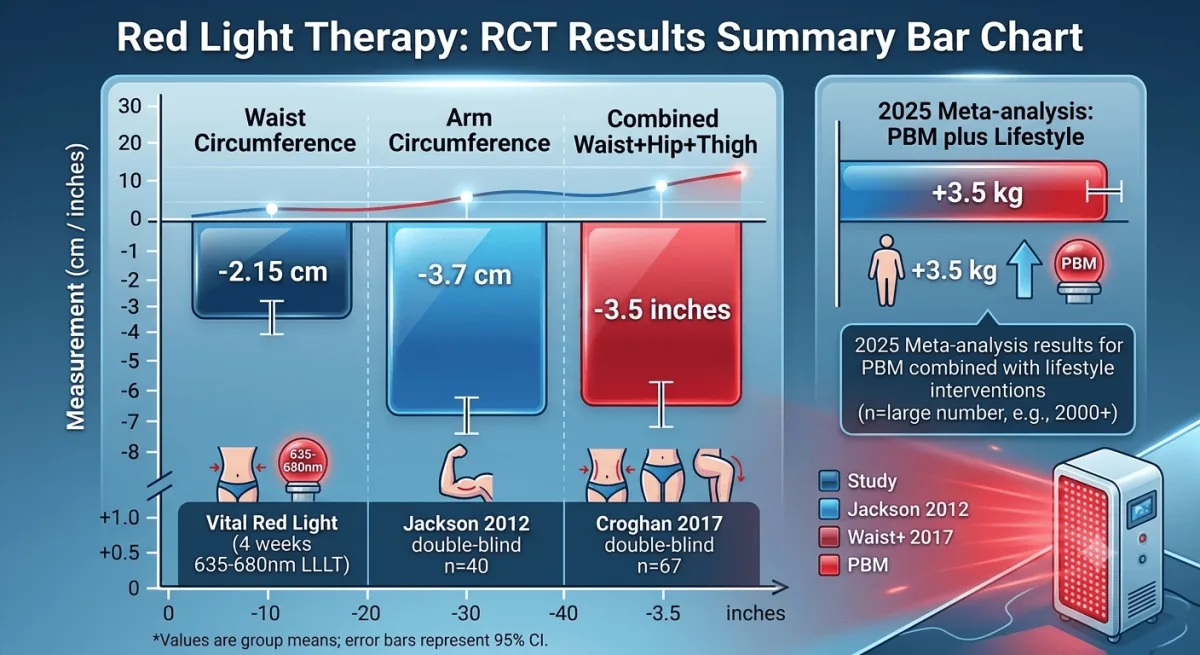
Προκαλεί πράγματι η θεραπεία με κόκκινο φως απώλεια βάρους; Ορισμένες μελέτες που έχουν αξιολογηθεί από ομοτίμους αναφέρουν μέτρια μείωση της περιφέρειας (μετρούμενη ως απώλεια ιντσών με την έννοια της μεζούρας) σε περιοχές που έχουν υποβληθεί σε θεραπεία, όπως η μέση, τα χέρια και οι μηροί - και επιλεγμένες συσκευές LLLT κλινικής ποιότητας, όπως το λέιζερ Erchonia Zerona, έχουν άδεια από τον FDA για προσωρινή μείωση της περιφέρειας σε συγκεκριμένες ανατομικές ζώνες υπό συγκεκριμένα εποπτευόμενα πρωτόκολλα. Ωστόσο, αυτές οι επιδράσεις είναι συνήθως αλλαγές στην εμφάνιση που εντοπίζονται στην περιοχή που έχει υποβληθεί σε θεραπεία, είναι παροδικές εκτός εάν υποστηρίζονται από ταυτόχρονη θερμιδική διαχείριση και σωματική δραστηριότητα, και καμία συσκευή θεραπείας με κόκκινο φως για καταναλωτές δεν έχει άδεια από τον FDA για τη θεραπεία της παχυσαρκίας.
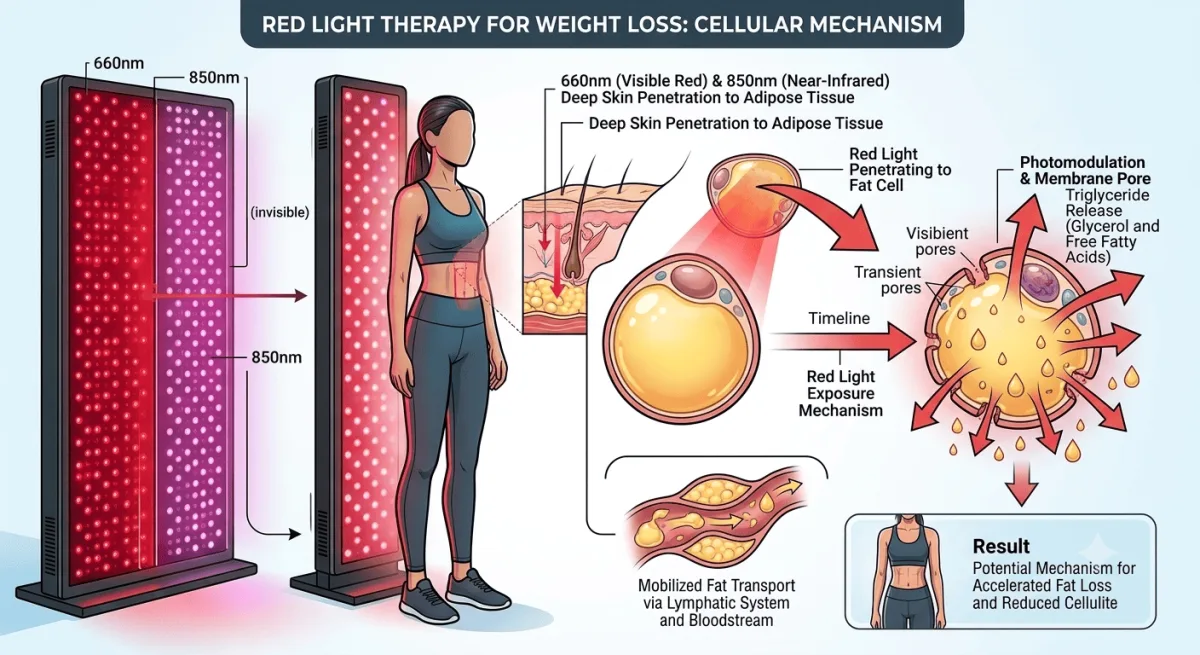
Ο μηχανισμός είναι πραγματική φυσιολογία, όχι μαγεία. Τα κόκκινα και εγγύς υπέρυθρα φωτόνια στα 660nm και 850nm απορροφώνται από την οξειδάση του κυτοχρώματος c στα μιτοχόνδρια, διεγείροντας για λίγο την παραγωγή ATP και πυροδοτώντας έναν παροδικό σχηματισμό πόρων στη μεμβράνη των λιποκυττάρων, μέσω των οποίων τα ενδοκυτταρικά τριγλυκερίδια περνούν στον ενδιάμεσο χώρο. Το αν αυτά τα απελευθερούμενα λιπαρά οξέα χρησιμοποιούνται (μέσω δραστηριότητας ή θερμιδικού ελλείμματος) ή αποκαθίστανται στα λιποκύτταρα τις επόμενες ώρες έως ημέρες είναι η διαφορά μεταξύ ενός διατηρούμενου αποτελέσματος απώλειας βάρους και μιας προσωρινής αλλαγής στην εμφάνιση. Αυτός είναι ο πραγματικός πυρήνας της μεθόδου και είναι το πλαίσιο στο οποίο μένει αυτό το άρθρο.
Η Vacuactivus κατασκευάζει εμπορικά πάνελ και κρεβάτια θεραπείας με κόκκινο φως από το 2009 (πάνω από 15 χρόνια) και αυτό το άρθρο συνοψίζει τι αναφέρει η έρευνα που έχει αξιολογηθεί από ομότιμους σχετικά με τον πραγματικό μηχανισμό και το ρεαλιστικό όριο απώλειας βάρους. Η κρυοθεραπεία έχει μια παράλληλη βάση τεκμηρίωσης για ισχυρισμούς απώλειας βάρους (spoiler: επίσης μέτρια και μη αυτόνομη) που καλύπτονται σε βάθος στο Κρυοθεραπεία για απώλεια βάρους: Πώς το κρύο ενεργοποιεί το καφέ λίπος η οποία ακολουθεί την παράλληλη κατάρριψη των ισχυρισμών μάρκετινγκ στούντιο. Τίποτα εδώ δεν αποτελεί ιατρική συμβουλή. Συμβουλευτείτε έναν ειδικευμένο γιατρό ή έναν εγγεγραμμένο διαιτολόγο πριν ξεκινήσετε οποιοδήποτε πρωτόκολλο απώλειας βάρους με θεραπεία με κόκκινο φως.
Τι κάνει στην πραγματικότητα η θεραπεία με κόκκινο φως σε κυτταρικό επίπεδο
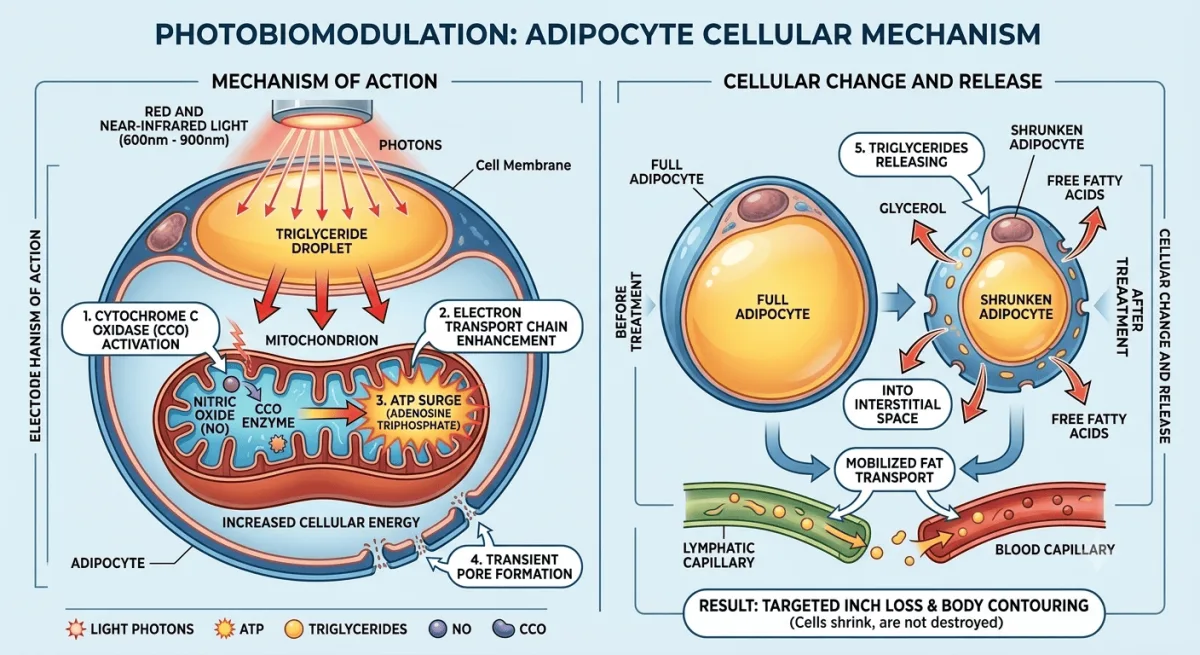
Η θεραπεία με κόκκινο φως (που ονομάζεται επίσης θεραπεία με λέιζερ χαμηλού επιπέδου ή LLLT και φωτοβιοδιαμόρφωση) λειτουργεί μέσω μιας καθορισμένης φωτοβιολογικής οδού. Τα κόκκινα φωτόνια στα περίπου 660nm και τα φωτόνια εγγύς υπέρυθρου στα περίπου 850nm απορροφώνται από την οξειδάση του κυτοχρώματος c, το τελικό ένζυμο της μιτοχονδριακής αλυσίδας μεταφοράς ηλεκτρονίων. Αυτή η απορρόφηση αυξάνει για λίγο την παραγωγή ATP και ρυθμίζει την κυτταρική σηματοδότηση των αντιδραστικών ειδών οξυγόνου, επιδράσεις που έχουν τεκμηριωθεί σε δεκάδες μελέτες με αξιολόγηση από ομότιμους σχετικά με την επούλωση τραυμάτων, το δέρμα, την αποκατάσταση των μυών και τη συμπεριφορά των λιποκυττάρων.
Συγκεκριμένα, για τα λιποκύτταρα, το παρατηρούμενο φαινόμενο είναι ένας παροδικός σχηματισμός πόρων στην κυτταρική μεμβράνη. Όταν ανοίγει αυτός ο πόρος, μέρος της ενδοκυτταρικής περιεκτικότητας σε τριγλυκερίδια μετακινείται στο διάμεσο υγρό έξω από το κύτταρο. Αυτή η ενδοκυτταρική προς διάμεσο λιπιδική κίνηση είναι η μηχανιστική βάση για τις παρατηρήσεις μείωσης της περιφέρειας που αναφέρθηκαν σε ορισμένες μελέτες αξιολόγησης από ομοτίμους για τη θεραπεία με κόκκινο φως στην περιοχή του σώματος. Είναι κρίσιμο το γεγονός ότι τα απελευθερούμενα λιπαρά οξέα δεν εγκαταλείπουν αυτόματα το σώμα. Είναι μεταβολικό καύσιμο που περιμένει να χρησιμοποιηθεί - και το αν καίγονται ή αποκαθίστανται καθορίζεται από το μεταβολικό πλαίσιο γύρω από τη θεραπεία, όχι από το ίδιο το φως. Αυτός ο μηχανισμός είναι ο λόγος για τον οποίο οι συσκευές LLLT κλινικής ποιότητας που έχουν εγκριθεί από τον FDA επιδεικνύουν προσωρινή μείωση της περιφέρειας υπό συγκεκριμένα εποπτευόμενα πρωτόκολλα, ενώ οι ζώνες καταναλωτών που διατίθενται στην αγορά με την ίδια γλώσσα σπάνια παράγουν συγκρίσιμα αποτελέσματα.
Προκαλεί όντως η θεραπεία με κόκκινο φως απώλεια βάρους; Ορίστε η ειλικρινής απάντηση
Ως αυτόνομη παρέμβαση, δεν επιφέρει αξιόπιστη απώλεια βάρους με ζυγαριά ή μείωση του ΔΜΣ στη βιβλιογραφία που έχει αξιολογηθεί από ομοτίμους. Αυτό που αναφέρουν ορισμένες μελέτες που έχουν αξιολογηθεί από ομοτίμους είναι μέτρια μείωση της περιφέρειας (απώλεια ιντσών που μετράται με ταινία στη μέση, τα χέρια, τους γοφούς ή τους μηρούς) στην περιοχή που έχει υποβληθεί σε θεραπεία υπό συγκεκριμένες συνθήκες συσκευής και πρωτοκόλλου. Αυτή η διάκριση μεταξύ του βάρους της ζυγαριάς και της εντοπισμένης περιφέρειας έχει σημασία επειδή τα δύο είναι διαφορετικά φυσιολογικά αποτελέσματα με διαφορετικές επιπτώσεις στις προσδοκίες ενός πελάτη.
Ο FDA έχει εγκρίνει το σύστημα λέιζερ LLLT κατηγορίας Erchonia Zerona για προσωρινή μείωση της περιφέρειας σε συγκεκριμένες ανατομικές ζώνες (μέση, γοφούς, μηρούς) βάσει συγκεκριμένων εποπτευόμενων πρωτοκόλλων. Αυτή η έγκριση είναι το ρυθμιστικό σημείο αναφοράς: ο FDA έχει επαληθεύσει αυτόν τον περιορισμένο ισχυρισμό βάσει αυτής της συγκεκριμένης κατηγορίας συσκευών, πρωτοκόλλου και πλαισίου χρήσης. Οι ζώνες LED για καταναλωτές, ακόμη και οι συσκευές μεσαίας κατηγορίας που διατίθενται στην αγορά με παρόμοιους ισχυρισμούς, δεν καλύπτονται από αυτήν την έγκριση και το μάρκετινγκ τους συχνά υπερβαίνει τα αποδεικτικά στοιχεία. Εάν μια συσκευή κόκκινου φωτός ή μια κλινική αναφέρει την απώλεια βάρους ζυγαριάς ή ΔΜΣ ως αναμενόμενο αποτέλεσμα, ο ισχυρισμός δεν υποστηρίζεται από την έγκριση του FDA ούτε από την κύρια βιβλιογραφία που έχει αξιολογηθεί από ομοτίμους.
Ζώνες LED έναντι συσκευών λέιζερ: Γιατί έχει σημασία
Δεν είναι όλες οι συσκευές κόκκινου φαναριού ίδιες και το μάρκετινγκ συχνά θολώνει τρία επίπεδα που συμπεριφέρονται πολύ διαφορετικά στην πράξη. Ο παρακάτω συγκριτικός πίνακας τα αναλύει.
| Κλάση συσκευής | Τυπική τιμή | Ακτινοβολία / Δοσολογία | FDA / Κανονιστικό Καθεστώς | Ρεαλιστικό αποτέλεσμα απώλειας βάρους |
|---|---|---|---|---|
| Ζώνη / περιτύλιγμα LED για καταναλωτές (τύπου Amazon) | $30 – $200 | Συχνά υποθεραπευτικό· η ακτινοβολία σπάνια δημοσιεύεται σε mW/cm2 | Γενικό προϊόν ευεξίας καταναλωτών (χωρίς ιατρική έγκριση) | Συχνή υπέρβαση μάρκετινγκ. Δεν υπάρχει αξιόπιστο φαινόμενο απώλειας ίντσας βάσει στοιχείων σε αυτό το επίπεδο. |
| Εμπορικό πάνελ LED (δοσολογία ιατρικής ποιότητας) | $1.500 – $15.000 | Δόση ιατρικής ποιότητας συνήθως 50-200 mW/cm2 στα 660nm και 850nm, πρότυπο ασφαλείας IEC 60601-2-57 για ιατρικούς εκπομπούς φωτός | Εξοπλισμός ευεξίας (χωρίς άδεια απώλειας βάρους) | Ορισμένες μελέτες με αξιολόγηση από ομοτίμους αναφέρουν μέτρια μείωση της περιφέρειας στις ζώνες που έχουν υποστεί αγωγή ως αλλαγή στην εμφάνιση. Τα αποτελέσματα διατηρούνται μόνο με ταυτόχρονες αλλαγές στον τρόπο ζωής. |
| Λέιζερ LLLT κλινικής ποιότητας (κατηγορίας Erchonia Zerona) | $30.000 – $100.000+ | Συστοιχία διόδων λέιζερ 635nm, ειδικό πρωτόκολλο δοσολογίας εγκεκριμένο από τον FDA | Έγκριση από τον FDA για προσωρινή μείωση της περιφέρειας σε συγκεκριμένες ανατομικές ζώνες βάσει συγκεκριμένων πρωτοκόλλων | Το ρυθμιστικό σημείο αναφοράς: Ο FDA έχει εγκρίνει την προσωρινή μείωση της περιφέρειας, όχι την απώλεια βάρους, βάσει συγκεκριμένων εποπτευόμενων πρωτοκόλλων. |
Το μοτίβο που αντικατοπτρίζει αυτός ο πίνακας: τα πραγματικά αποτελέσματα μείωσης της περιφέρειας σε δημοσιευμένες κλινικές εργασίες προέρχονται σε μεγάλο βαθμό από συσκευές λέιζερ LLLT κλινικής ποιότητας υπό εποπτευόμενα πρωτόκολλα, με τα εμπορικά πάνελ LED να παρέχουν δοσολογία ιατρικής ποιότητας (σύμφωνα με το πρότυπο ασφαλείας IEC 60601-2-57 για ιατρικούς εκπομπούς φωτός) προσεγγίζοντας τα αποτελέσματα των κλινικών λέιζερ πιο προσεκτικά από τις οικονομικές ζώνες καταναλωτών. Μια ζώνη καταναλωτή στην περιοχή $30-$200 συνήθως δεν μπορεί να προσφέρει την ακτινοβολία ή τη συνέπεια μήκους κύματος που απαιτείται για την παραγωγή του μηχανισμού, ανεξάρτητα από τις δηλώσεις του μάρκετινγκ. Για την υποκείμενη επιστήμη μήκους κύματος που διαχωρίζει αυτά τα επίπεδα, βλ. Πάνελ θεραπείας με κόκκινο φως: Πώς τα μήκη κύματος 660nm + 850nm θεραπεύουν τους ιστούς το οποίο περπατά σε βάθος το κανονικό ζεύγος μηκών κύματος.
Ποια μήκη κύματος λειτουργούν πραγματικά για την απόκριση των λιποκυττάρων
Το κανονικό ζεύγος μηκών κύματος για τη φωτοβιοδιαμόρφωση που σχετίζεται με τα λιποκύτταρα είναι 660nm (ερυθρό ορατό φως) και 850nm (εγγύς υπέρυθρο). Τα 660nm φτάνουν στα λιποκύτταρα της επιφανειακής στιβάδας σε διείσδυση περίπου 2-3 mm στο δέρμα και το χόριο. Τα 850nm φτάνουν στον βαθύτερο υποδόριο λιπώδη ιστό σε διείσδυση περίπου 4-5 mm. Μαζί καλύπτουν το εύρος βάθους ιστού όπου το υποδόριο λίπος βρίσκεται στις περισσότερες ανατομικές περιοχές που στοχεύουν τα πρωτόκολλα διαμόρφωσης περιγράμματος σώματος.
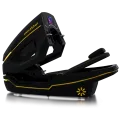
Τα μήκη κύματος μικρότερα από περίπου 630nm (ορατό κόκκινο) έχουν ανεπαρκή διείσδυση για στόχευση στο λιπώδη ιστό. Τα μήκη κύματος μεγαλύτερα από περίπου 900nm διεισδύουν βαθύτερα, αλλά απομακρύνονται από το μέγιστο φάσμα απορρόφησης της οξειδάσης του κυτοχρώματος c, μειώνοντας την επίδραση του μιτοχονδριακού ATP. Τα εμπορικά πάνελ Vacuactivus και το κρεβάτι κόκκινου φωτός InfraCouch χρησιμοποιούν το κανονικό ζεύγος 660nm + 850nm, σύμφωνα με τη βιβλιογραφία που έχει αξιολογηθεί από ομότιμους και ταιριάζουν με το πρότυπο μήκους κύματος σε όλη τη γκάμα προϊόντων κόκκινου φωτός μας.
Ρεαλιστικό Πρωτόκολλο: Πόσο Συχνά και Για Πόσο Διάρκεια
Τα πρωτόκολλα που χρησιμοποιούνται σε δημοσιευμένες κλινικές εργασίες συνήθως περιλαμβάνουν 2 έως 3 συνεδρίες την εβδομάδα σε ένα πρόγραμμα 6 έως 12 εβδομάδων, με διάρκεια συνεδριών 10 έως 30 λεπτά σε κατάλληλη ακτινοβολία για το μέγεθος της περιοχής που έχει υποστεί αγωγή. Η πρόοδος παρακολουθείται με μεζούρα κατά την έναρξη και εβδομαδιαίως στις ζώνες που έχουν υποστεί αγωγή (όχι με βάση το βάρος της ζυγαριάς), επειδή το βάρος της ζυγαριάς και η περιφέρεια είναι διαφορετικά αποτελέσματα και η μέθοδος δεν μετακινεί αξιόπιστα τη ζυγαριά.
Το ταυτόχρονο πλαίσιο του τρόπου ζωής είναι καθοριστικό. Ένα πρωτόκολλο σε συνδυασμό με ήπιο θερμιδικό περιορισμό και τακτική σωματική δραστηριότητα υποστηρίζει την αξιοποίηση των απελευθερωμένων λιπαρών οξέων και παράγει μετρήσιμη και διατηρούμενη μείωση της περιφέρειας πιο συχνά από ό,τι το ίδιο πρωτόκολλο που εφαρμόζεται μεμονωμένα. Ένα πρωτόκολλο που εφαρμόζεται μεμονωμένα, χωρίς ταυτόχρονη θερμιδική διαχείριση ή σωματική δραστηριότητα, θα δείξει παροδικές αλλαγές στην περιφέρεια που αντιστρέφονται καθώς τα λιπαρά οξέα αποκαθίστανται. Αυτό δεν είναι ένα πλαίσιο μάρκετινγκ. Είναι η φυσιολογία. Για ένα στοιβαγμένο πρωτόκολλο που συνδυάζει τη θεραπεία με κόκκινο φως με την κρυοθεραπεία για σύνθετα οφέλη αποκατάστασης και εμφάνισης, βλ. Θεραπεία με κόκκινο φως σε συνδυασμό με κρυοθεραπεία: Οφέλη από το στοιβαγμένο πρωτόκολλο η οποία ακολουθεί την προσέγγιση του συνδυασμού τρόπων.
Τι δεν μπορεί να κάνει η θεραπεία με κόκκινο φως (Ειλικρινή όρια)
Η θεραπεία με κόκκινο φως δεν αφαιρεί τα λιποκύτταρα (όπως κάνουν οι συσκευές κατηγορίας κρυολιπόλυσης μέσω επιλεκτικής απόπτωσης), δεν μειώνει αξιόπιστα το βάρος της ζυγαριάς ή τον ΔΜΣ ως αυτόνομη θεραπεία, δεν στοχεύει στο σπλαχνικό λίπος (μόνο τον υποδόριο λιπώδη ιστό στην περιοχή θεραπείας) και δεν προκαλεί μόνιμη απώλεια λίπους - τα λιπαρά οξέα που απελευθερώνονται μέσω του παροδικού πόρου είτε χρησιμοποιούνται μέσω δραστηριότητας και ελλείμματος είτε αποκαθίστανται στα ίδια ή γειτονικά λιποκύτταρα σε διάστημα ωρών έως ημερών. Αυτά δεν αποτελούν αποτυχίες μάρκετινγκ από την πλευρά του κατασκευαστή. είναι φυσιολογικά όρια της μεθόδου που οι υπεύθυνοι χειριστές θα πρέπει να γνωστοποιούν στους πελάτες κατά τη διάρκεια της συμβουλευτικής.
Παρουσιαζόμενη με ακρίβεια, η θεραπεία με κόκκινο φως είναι μια νόμιμη υπηρεσία για την υποστήριξη της εμφάνισης, την απώλεια βάρους, την ποιότητα του δέρματος, την ανάρρωση και την επικουρική βελτίωση του περιγράμματος του σώματος, παράλληλα με ένα εποπτευόμενο πρόγραμμα διαχείρισης βάρους. Παρουσιαζόμενη ως μαγεία μείωσης βάρους σε σημεία ή ως αυτόνομη θεραπεία απώλειας βάρους, δημιουργεί απογοήτευση και αιτήματα επιστροφής χρημάτων. Η ειλικρινής προσέγγιση πουλάει περισσότερες κρατήσεις σε σειρές με την πάροδο του χρόνου από την υπερβολική προσέγγιση, επειδή οι πελάτες που βλέπουν την εμφάνιση να αλλάζει και τους υποσχέθηκαν επιστρέφουν και παραπέμπουν, ενώ οι πελάτες στους οποίους υποσχέθηκαν απώλεια βάρους με ζυγαριά σταματούν να έρχονται όταν η ζυγαριά δεν κινείται.
Συνδυασμένη Προσέγγιση: Όταν η θεραπεία με κόκκινο φως έχει πραγματικά αποτελέσματα
Τα ισχυρότερα αποτελέσματα σε δημοσιευμένες κλινικές εργασίες και στην εμπειρία των χειριστών προέρχονται από τον συνδυασμό της θεραπείας με κόκκινο φως με συμπληρωματικές μεθόδους βελτίωσης του περιγράμματος του σώματος και με ένα πλαίσιο τρόπου ζωής. Για τα στούντιο που δημιουργούν ένα μενού υπηρεσιών βελτίωσης του περιγράμματος του σώματος, ο συνδυασμός του κόκκινου φωτός με εξοπλισμό βελτίωσης του περιγράμματος του σώματος κατηγορίας CoolSculpting προσθέτει την κρυολιπόλυση (επιλεκτική απόπτωση λιποκυττάρων μέσω ελεγχόμενης ψύξης, ένας διαφορετικός μηχανισμός που παράγει τοπική μείωση των λιποκυττάρων) ως σύνθετη υπηρεσία - δύο μηχανισμοί που αντιμετωπίζουν διαφορετικές πτυχές του ίδιου στόχου του πελάτη. Προσθήκη Εξοπλισμός γυμναστικής με ηλεκτρική σκούπα BodyShape στο ίδιο μενού παρέχεται η καρδιοαναπνευστική λειτουργία χαμηλής έντασης και η κυκλοφορία κενού-υπέρυθρης ακτινοβολίας που υποστηρίζουν τη μεταβολική αξιοποίηση των απελευθερωμένων λιπαρών οξέων. Και για το εμπορικό πλαίσιο σχετικά με την απόδοση επένδυσης (ROI) του χειριστή από μια γραμμή υπηρεσιών θεραπείας με κόκκινο φως, βλ. Θεραπεία με κόκκινο φως ολόκληρου του σώματος: Απόδοση επένδυσης (ROI) για στούντιο αποκατάστασης και κέντρα ευεξίας η οποία διέπει την επιχειρηματική υπόθεση.
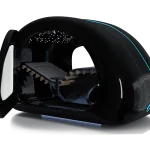
Για ένα στούντιο ευεξίας, ένα medspa ή μια κλινική περιποίησης σώματος που αξιολογεί τη θεραπεία με κόκκινο φως ως γραμμή υπηρεσιών, τοποθετήστε την μέθοδο γύρω από αυτό που πραγματικά προσφέρει (απώλεια ίντσας με υποστήριξη εμφάνισης, ανάρρωση, ποιότητα δέρματος, συμπληρωματική περιποίηση σώματος εντός ενός ευρύτερου εποπτευόμενου σχεδίου) αντί για ισχυρισμούς με βάση το βάρος της ζυγαριάς ή τον ΔΜΣ που η βάση δεδομένων και η θέση του FDA δεν υποστηρίζουν. Εξερευνήστε το Πάνελ θεραπείας με κόκκινο φως Vacuactivu για την πλήρη γκάμα επαγγελματικού εξοπλισμού, συμπεριλαμβανομένου του κρεβατιού InfraCouch Red Light για κάλυψη ολόκληρου του σώματος.
Συχνές ερωτήσεις
Ε1. Λειτουργεί όντως η θεραπεία με κόκκινο φως για την απώλεια βάρους;
Όχι ως αυτόνομη παρέμβαση για τη μείωση του βάρους στη ζυγαριά ή του ΔΜΣ. Ορισμένες μελέτες που έχουν αξιολογηθεί από ομοτίμους αναφέρουν μέτρια μείωση της περιφέρειας (απώλεια ιντσών με την έννοια της μεζούρας) σε περιοχές που έχουν υποστεί θεραπεία, όπως η μέση, τα χέρια και οι μηροί, και ο FDA έχει εγκρίνει το σύστημα λέιζερ LLLT κατηγορίας Erchonia Zerona για προσωρινή μείωση της περιφέρειας σε συγκεκριμένες ανατομικές ζώνες υπό συγκεκριμένα εποπτευόμενα πρωτόκολλα. Ωστόσο, το βάρος στη ζυγαριά και η εντοπισμένη περιφέρεια είναι διαφορετικά αποτελέσματα. Ο μηχανισμός είναι ένας παροδικός πόρος στη μεμβράνη των λιποκυττάρων που απελευθερώνει ενδοκυτταρικά λιπίδια στον διάμεσο χώρο. Το αν αυτά τα λιπαρά οξέα θα χρησιμοποιηθούν ή θα αποκατασταθούν εξαρτάται εξ ολοκλήρου από την ταυτόχρονη θερμιδική διαχείριση και τη σωματική δραστηριότητα. Παρουσιάστε το ως απώλεια ιντσών που υποστηρίζει την εμφάνιση με μια απαίτηση που σχετίζεται με τον τρόπο ζωής και όχι ως απώλεια βάρους με ζυγαριά, και αυτό αντέχει στον έλεγχο των αποδεικτικών στοιχείων.
Ε2. Πώς προκαλεί στην πραγματικότητα η θεραπεία με κόκκινο φως την απώλεια λίπους;
Μέσω ενός καθορισμένου φωτοβιολογικού μηχανισμού. Τα κόκκινα φωτόνια στα 660nm και τα φωτόνια εγγύς υπέρυθρου στα 850nm απορροφώνται από την οξειδάση του κυτοχρώματος c στα μιτοχόνδρια των λιποκυττάρων, διεγείροντας για λίγο την παραγωγή ATP. Αυτό πυροδοτεί έναν παροδικό σχηματισμό πόρων στην κυτταρική μεμβράνη των λιποκυττάρων, μέσω των οποίων μέρος της ενδοκυτταρικής περιεκτικότητας σε τριγλυκερίδια μετακινείται στο διάμεσο υγρό έξω από το κύτταρο. Αυτή είναι η μηχανιστική βάση για την εντοπισμένη μείωση της περιφέρειας που παρατηρείται σε ορισμένες μελέτες με αξιολόγηση από ομοτίμους. Τα απελευθερούμενα λιπαρά οξέα είναι μεταβολικό καύσιμο που περιμένει αξιοποίηση - εάν ο ασθενής βρίσκεται σε θερμιδικό περιορισμό ή εκτελεί σωματική δραστηριότητα, καίγονται. Χωρίς ταυτόχρονη δραστηριότητα ή έλλειμμα, αποκαθίστανται στα λιποκύτταρα σε διάστημα ωρών έως ημερών. Γι' αυτό το πλαίσιο του τρόπου ζωής είναι καθοριστικό για τη διατήρηση των αποτελεσμάτων.
Ε3. Πόση απώλεια ιντσών μπορείτε πραγματικά να περιμένετε από τη θεραπεία με κόκκινο φως;
Ορισμένες μελέτες με αξιολόγηση από ομοτίμους αναφέρουν μέτρια μείωση της περιφέρειας στις περιοχές που έχουν υποβληθεί σε θεραπεία, οι οποίες μετρήθηκαν με ταινία στη μέση, τα χέρια, τους γοφούς ή τους μηρούς. Τα συγκεκριμένα αναφερόμενα εύρη ποικίλλουν ανάλογα με το πρωτόκολλο, το επίπεδο της συσκευής, τη διάρκεια της θεραπείας και το πόσο αυστηρά τυποποιήθηκε η αρχική τιμή. Η LLLT κλινικής ποιότητας (κατηγορία Erchonia Zerona), η οποία έχει εγκριθεί από τον FDA, έχει επιδείξει προσωρινή μείωση της περιφέρειας σε συγκεκριμένες ανατομικές ζώνες υπό συγκεκριμένα εποπτευόμενα πρωτόκολλα. Το μάρκετινγκ ζωνών LED για καταναλωτές ισχυρίζεται συχνά αποτελέσματα που η βαθμίδα της συσκευής δεν μπορεί να προσφέρει με την ακτινοβολία που παράγει. Παρακολουθήστε με μεζούρα κατά την έναρξη και εβδομαδιαίως αντί με το βάρος της ζυγαριάς, καθώς το βάρος της ζυγαριάς δεν είναι το αποτέλεσμα που παράγει ο μηχανισμός. Ορίστε τις προσδοκίες γύρω από ένα μέτριο, τοπικό και απαιτητικό πλαίσιο τρόπου ζωής που πρέπει να διατηρείται παράλληλα.
Ε4. Λειτουργούν πράγματι οι ζώνες θεραπείας με κόκκινο φως;
Οι περισσότερες ζώνες LED καταναλωτών στην περιοχή $30 έως $200 δεν παρέχουν τη σταθερότητα μήκους κύματος ή την ακτινοβολία που απαιτείται για την παραγωγή του μηχανισμού σε θεραπευτικά σημαντικό επίπεδο, ανεξάρτητα από τους ισχυρισμούς μάρκετινγκ τους. Ο φωτοβιολογικός μηχανισμός απαιτεί συγκεκριμένα μήκη κύματος (660nm κόκκινο και 850nm εγγύς υπέρυθρο κανονικό ζεύγος) σε συγκεκριμένη ακτινοβολία (συνήθως 50-200 mW/cm2 στην επιφάνεια του δέρματος) για επαρκή διάρκεια συνεδρίας. Οι ζώνες καταναλωτών συχνά αποτυγχάνουν σε μία ή περισσότερες από αυτές τις διαστάσεις. Τα εμπορικά πάνελ LED με δοσολογία ιατρικής ποιότητας (σύμφωνα με το πρότυπο ασφαλείας IEC 60601-2-57 για ιατρικούς εκπομπούς φωτός) προσεγγίζουν τα αποτελέσματα του κλινικού λέιζερ με μεγαλύτερη αξιοπιστία από τις ζώνες χαμηλού κόστους. Οι συσκευές λέιζερ LLLT κλινικής ποιότητας, όπως η Erchonia Zerona, έχουν άδεια FDA για προσωρινή μείωση της περιφέρειας υπό συγκεκριμένα εποπτευόμενα πρωτόκολλα. Εάν μια ζώνη είναι σε τιμή καταναλωτή, η ειλικρινής προσδοκία είναι ελάχιστη έως καθόλου θεραπευτική επίδραση στο λιπώδες επίπεδο.
Ε5. Ποια είναι η διαφορά μεταξύ της θεραπείας με κόκκινο φως LED και της θεραπείας με κόκκινο φως λέιζερ;
Η βασική διάκριση είναι η συνοχή και η ακρίβεια δοσολογίας. Τα λέιζερ παράγουν συνεκτικό μονοχρωματικό φως σε πολύ στενή ζώνη μήκους κύματος με αυστηρά ελεγχόμενη ακτινοβολία. Οι συσκευές LED παράγουν στενής ζώνης αλλά μη συνεκτικό φως που συνήθως συγκεντρώνεται γύρω από το μήκος κύματος-στόχο με κάπως ευρύτερη φασματική κατανομή και ακτινοβολία που ποικίλλει ανάλογα με την απόσταση από το πάνελ. Και οι δύο μπορούν να παράγουν τον φωτοβιολογικό μηχανισμό όταν δοσολογούνται σωστά. Οι συσκευές LLLT που προσαρμόζονται στο περίγραμμα του σώματος και έχουν εγκριθεί από τον FDA (κατηγορία Erchonia Zerona) είναι συστήματα λέιζερ. Τα εμπορικά πάνελ LED με δοσολογία ιατρικής ποιότητας (50-200 mW/cm2 στα 660nm και 850nm, πρότυπο ασφαλείας IEC 60601-2-57) μπορούν να παράγουν συγκρίσιμα αποτελέσματα σε χαμηλότερη τιμή όταν χρησιμοποιούνται ανά πρωτόκολλο. Οι καταναλωτικές ζώνες LED συχνά αποτυγχάνουν στη δοσολογία και όχι συγκεκριμένα στο ερώτημα LED έναντι λέιζερ. Αντιστοιχίστε το επίπεδο της συσκευής με το μοντέλο υπηρεσίας αντί να υποθέτετε ότι είτε το LED είτε το λέιζερ είναι εγγενώς ανώτερα.
Ε6. Πόσο συχνά πρέπει να κάνω θεραπεία με κόκκινο φως για απώλεια βάρους;
Τα δημοσιευμένα κλινικά πρωτόκολλα συνήθως περιλαμβάνουν 2 έως 3 συνεδρίες την εβδομάδα σε ένα πρόγραμμα 6 έως 12 εβδομάδων, με διάρκεια συνεδριών 10 έως 30 λεπτά σε κατάλληλη ακτινοβολία για την περιοχή θεραπείας. Παρακολουθήστε την πρόοδο με μεζούρα κατά την έναρξη και εβδομαδιαίως στις ζώνες θεραπείας και όχι με βάση το βάρος της ζυγαριάς, καθώς η μέθοδος προκαλεί τοπική αλλαγή στην περιφέρεια και όχι απώλεια βάρους με ζυγαριά. Συνδυάστε το πρωτόκολλο με ήπιο θερμιδικό περιορισμό και τακτική σωματική δραστηριότητα για να υποστηρίξετε την αξιοποίηση των απελευθερωμένων λιπαρών οξέων και να επιτύχετε διατηρήσιμα αποτελέσματα. Χωρίς ταυτόχρονο πλαίσιο τρόπου ζωής, αναμένετε μόνο παροδικές αλλαγές. Συμβουλευτείτε έναν εξειδικευμένο πάροχο υγειονομικής περίθαλψης πριν ξεκινήσετε οποιοδήποτε πρωτόκολλο απώλειας βάρους με θεραπεία με κόκκινο φως, ειδικά εάν λαμβάνετε φωτοευαισθητοποιητικά φάρμακα, έχετε ενεργές δερματικές παθήσεις στην περιοχή θεραπείας, είστε έγκυος ή έχετε δυσλειτουργία του θυρεοειδούς.
Ε7. Μπορεί η θεραπεία με κόκκινο φως να κάψει συγκεκριμένα το κοιλιακό λίπος;
Η θεραπεία με κόκκινο φως στοχεύει τον υποδόριο λιπώδη ιστό στην συγκεκριμένη περιοχή που αντιμετωπίζεται, επομένως η έκθεση σε πάνελ ή κρεβάτι της κοιλιακής περιοχής μπορεί να προκαλέσει τοπική μείωση της περιφέρειας εκεί με τον ίδιο τρόπο που μπορεί να κάνει στη μέση, τα χέρια, τους μηρούς ή τους γοφούς. Αυτό που δεν στοχεύει η θεραπεία με κόκκινο φως είναι το σπλαχνικό λίπος (το λίπος γύρω από τα εσωτερικά όργανα) - τα μήκη κύματος δεν διεισδύουν σε αυτό το βάθος και το σπλαχνικό λίπος ανταποκρίνεται στην συστηματική ενεργειακή ισορροπία και όχι στην τοπική έκθεση στο φως. Για τη μείωση της περιφέρειας ειδικά για την κοιλιά (υποδόρια, αισθητική), η θεραπεία με κόκκινο φως μπορεί να συμβάλει παράλληλα με την εποπτευόμενη διαχείριση του βάρους. Για τη μείωση του σπλαχνικού λίπους (το μεταβολικά σχετικό κοιλιακό λίπος), οι προσεγγίσεις που βασίζονται σε τεκμήρια (θερμιδική διαχείριση, σωματική δραστηριότητα και, όπου είναι κλινικά σκόπιμο, ιατρική παρέμβαση) παραμένουν η αξιόπιστη οδός. Η διάκριση μεταξύ υποδόριου και σπλαχνικού κοιλιακού λίπους είναι το κλινικά σχετικό πλαίσιο.
Ε8. Πόσο κοστίζει ένα πρόγραμμα απώλειας βάρους με θεραπεία με κόκκινο φως;
Η τιμολόγηση των συνεδριών που απευθύνονται στον πελάτη σε στούντιο ευεξίας και ιατρικά κέντρα κυμαίνεται συνήθως από $50 έως $150 ανά συνεδρία στις ΗΠΑ, με πακέτα 10 συνεδριών με έκπτωση 15-20% και μηνιαίες απεριόριστες συνδρομές από $99 έως $249 ανάλογα με το επίπεδο της συσκευής. Τα πρωτόκολλα λέιζερ LLLT κλινικής ποιότητας (κατηγορίας Erchonia Zerona) σε ιατρικές κλινικές έχουν υψηλότερες τιμές, συχνά από $200 έως $500 ανά συνεδρία σε μορφή πακέτου 6 συνεδριών υπό επίβλεψη. Για τους χειριστές που αξιολογούν τη θεραπεία με κόκκινο φως ως γραμμή υπηρεσιών, τα εμπορικά πάνελ LED κυμαίνονται από $1.500 έως $15.000 στο επίπεδο δοσολογίας ιατρικής ποιότητας, και τα λέιζερ LLLT κλινικής ποιότητας κυμαίνονται από $30.000 έως $100.000+. Η πλήρης περιγραφή της απόδοσης επένδυσης (ROI) B2B για στούντιο ευεξίας είναι... Θεραπεία με κόκκινο φως ολόκληρου του σώματος: Απόδοση επένδυσης (ROI) για στούντιο αποκατάστασης. Το κόστος για τον πελάτη ποικίλλει ανάλογα με την αγορά. Το κόστος εξοπλισμού ποικίλλει ανάλογα με το επίπεδο και τη διαμόρφωση.
συμπέρασμα
Η θεραπεία με κόκκινο φως δεν επιφέρει αξιόπιστη απώλεια βάρους με ζυγαριά ή μείωση του ΔΜΣ ως αυτόνομη παρέμβαση. Αυτό που επιτυγχάνεται, στη βιβλιογραφία που έχει αξιολογηθεί από ομοτίμους και υπό συνθήκες πρωτοκόλλου κλινικής ποιότητας που έχει εγκριθεί από τον FDA, είναι μέτρια εντοπισμένη μείωση της περιφέρειας (απώλεια σε ίντσες που μετράται με ταινία στις περιοχές που έχουν υποστεί αγωγή) μέσω ενός καθορισμένου φωτοβιολογικού μηχανισμού - παροδικού σχηματισμού πόρων στα λιποκύτταρα που απελευθερώνουν ενδοκυτταρικά λιπίδια στον διάμεσο χώρο. Το εάν αυτά τα λιπαρά οξέα θα χρησιμοποιηθούν ή θα αποκατασταθούν εξαρτάται εξ ολοκλήρου από την ταυτόχρονη διαχείριση των θερμίδων και τη σωματική δραστηριότητα, γεγονός που καθιστά τη μέθοδο ένα συμπληρωματικό εργαλείο υποστήριξης της εμφάνισης και όχι μια αυτόνομη θεραπεία απώλειας βάρους.
Ο FDA έχει εγκρίνει το λέιζερ LLLT κατηγορίας Erchonia Zerona για προσωρινή μείωση της περιφέρειας βάσει συγκεκριμένων εποπτευόμενων πρωτοκόλλων. Οι ζώνες LED για καταναλωτές συχνά υπερβαίνουν τα δεδομένα στο επίπεδό τους. Τα εμπορικά πάνελ LED με δοσολογία ιατρικής ποιότητας (πρότυπο ασφαλείας IEC 60601-2-57) βρίσκονται μεταξύ των δύο. Συνδυάστε τη συσκευή με το μοντέλο υπηρεσίας, ορίστε τις προσδοκίες του πελάτη γύρω από την απώλεια βάρους σε ίντσες (όχι βάρους ζυγαριάς) με το ταυτόχρονο πλαίσιο τρόπου ζωής και η μέθοδος θεωρείται μια νόμιμη υπηρεσία ευεξίας. Τοποθετημένη ως μαγεία σημειακής μείωσης ή ως αυτόνομη θεραπεία απώλειας βάρους, προκαλεί απογοήτευση. Συμβουλευτείτε έναν εξειδικευμένο πάροχο υγειονομικής περίθαλψης ή έναν εγγεγραμμένο διαιτολόγο πριν ξεκινήσετε οποιοδήποτε πρωτόκολλο απώλειας βάρους με θεραπεία με κόκκινο φως και δώστε προτεραιότητα σε προσεγγίσεις που βασίζονται σε δεδομένα για τη συνολική διαχείριση του βάρους.


