















Crioterapia y salud mental: Actualización de la investigación de 2026
La crioterapia y el bienestar mental constituyen uno de los temas más debatidos —y a la vez más exagerados— en el debate sobre la terapia de frío de cara a 2026. Investigadores de diversas disciplinas, como la ciencia del deporte, la fisiología del ejercicio y el bienestar, exploran cómo la exposición breve a frío extremo interactúa con el estado de ánimo, la respuesta al estrés, los patrones de sueño y el bienestar subjetivo general. Los primeros hallazgos son interesantes, pero son preliminares, exploratorios y, en absoluto, constituyen una base para comercializar la crioterapia como tratamiento para ninguna afección de salud mental. Este artículo analiza qué está examinando la investigación actual, qué ha establecido y qué no, y cómo los profesionales del bienestar pueden hablar de la crioterapia y el bienestar mental de forma responsable.
Aclaración importante antes de continuar: este artículo no constituye asesoramiento médico. La crioterapia no es un tratamiento para la depresión, la ansiedad, el trastorno de estrés postraumático ni ninguna otra afección de salud mental. Si experimenta dificultades de salud mental, consulte con un profesional de la salud mental autorizado. La crioterapia puede contribuir al bienestar dentro de las rutinas de autocuidado de algunas personas, pero esa es toda su función, y un lenguaje exagerado que vaya más allá de esto genera riesgos regulatorios para los centros y decepción para los clientes.
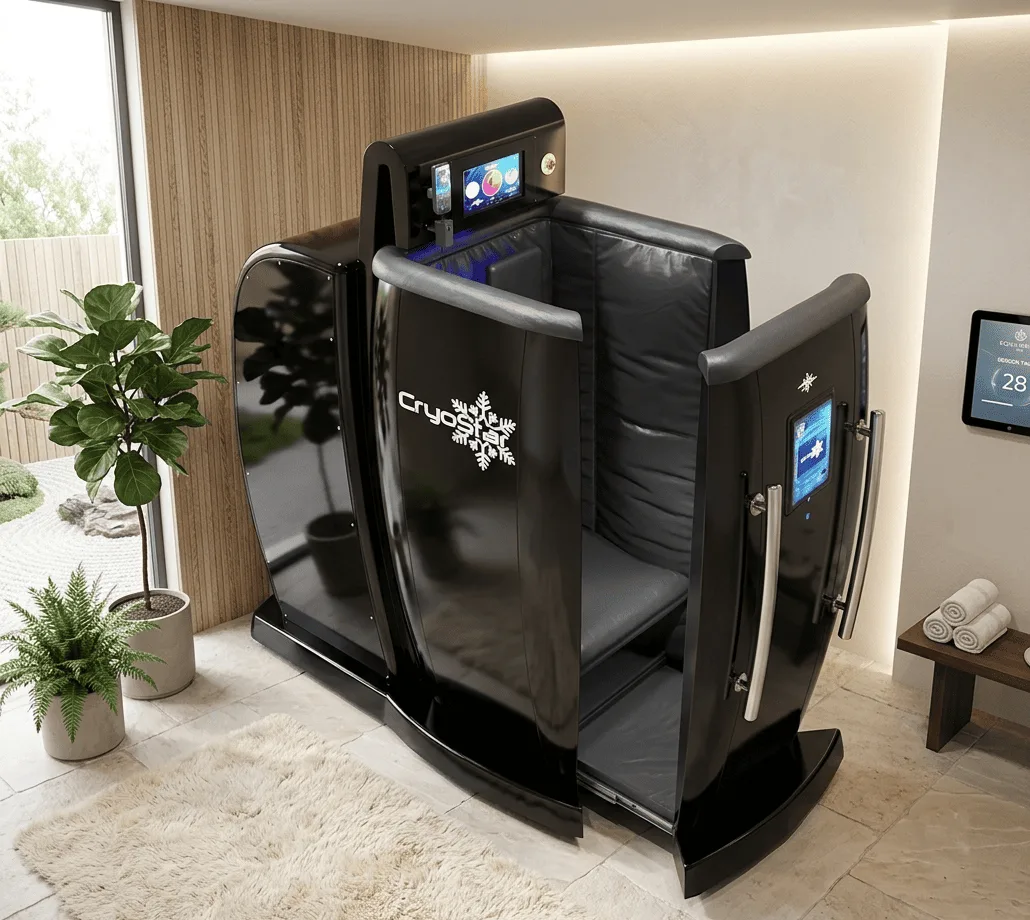
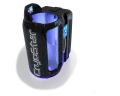
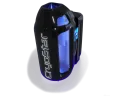
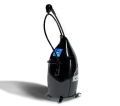
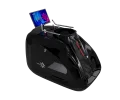
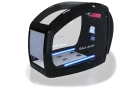
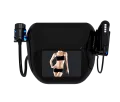
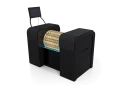
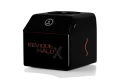
Imagen destacada: Crioosauna Vacuactivus CryoStar en un entorno tranquilo de bienestar.
Por qué los investigadores están estudiando la exposición al frío y el bienestar mental
La exposición breve a frío extremo desencadena una cascada inusualmente intensa de respuestas fisiológicas en tan solo 1 a 3 minutos, una respuesta más rápida y concentrada que la que producen la mayoría de las demás intervenciones de bienestar. El cuerpo libera endorfinas, norepinefrina y otras moléculas de señalización neuroactivas; los ciclos de vasoconstricción-vasodilatación activan el sistema cardiovascular; el sistema nervioso simpático se activa brevemente antes de la recuperación parasimpática. Todo esto ocurre en los mismos sistemas biológicos implicados en la regulación del estado de ánimo, la respuesta al estrés y el bienestar mental general.
Esa coincidencia es lo que hace interesante la investigación. Los mecanismos que activa la exposición al frío se superponen fisiológicamente con los mecanismos que influyen en el estado de ánimo y el estrés. Esto no prueba que la crioterapia trate afecciones de salud mental, pero da a los investigadores motivos para investigar si una breve exposición al frío tiene efectos beneficiosos para el bienestar más allá de la recuperación física.
Por eso mismo el lenguaje publicitario se ha adelantado a la evidencia. Afirmar que “la exposición al frío libera endorfinas, por lo tanto, la crioterapia trata la depresión” es una conclusión precipitada, no una afirmación definitiva. La respuesta de las endorfinas es solo una pequeña parte de cómo funciona realmente el estado de ánimo, y el tratamiento de la depresión requiere mucho más que provocar respuestas bioquímicas breves. Es fundamental una comunicación honesta.
Lo que la investigación actual dice y no dice
La forma más clara de comunicar esto a los clientes es mediante una comparación directa de lo que la investigación preliminar está explorando frente a lo que no ha determinado:
| Área | ¿Qué está explorando la investigación? | Lo que NO ha establecido |
|---|---|---|
| Mejora del estado de ánimo | Respuestas breves de mejora del estado de ánimo asociadas con sesiones de exposición al frío. | La crioterapia como tratamiento para la depresión clínica. |
| respuesta al estrés | Patrones de modulación del estrés agudo y cambios en los niveles de cortisol | La crioterapia como alternativa al tratamiento de los trastornos por estrés. |
| Calidad del sueño | Relación entre las rutinas de exposición al frío y los informes de sueño autodeclarados. | La crioterapia como intervención clínica para el insomnio |
| Respuestas de ansiedad | Patrones de señalización de endorfinas y neurotransmisores después de la sesión. | La crioterapia como tratamiento para los trastornos de ansiedad. |
| Bienestar mental general | Informes subjetivos de bienestar en usuarios habituales de crioterapia. | La crioterapia como sustituto de la psicoterapia o la atención psiquiátrica. |
| Vías de inflamación | Mecanismos antiinflamatorios con posibles implicaciones para el bienestar mental | Tratamiento directo de afecciones mentales relacionadas con la inflamación |
La columna izquierda refleja las áreas de investigación activa a partir de 2026: preguntas que los investigadores están explorando, con algunas señales tempranas que vale la pena seguir. La columna derecha refleja límites claros: afirmaciones que no se pueden hacer con base en la evidencia actual. Los profesionales del bienestar que se mantienen en la columna izquierda generan confianza; quienes se adentran en la derecha generan responsabilidad.
Áreas de interés para la investigación activa en 2026
Respuesta del estado de ánimo tras la exposición al frío
Diversos grupos de investigación están estudiando los informes subjetivos sobre el estado de ánimo inmediatamente después de las sesiones de crioterapia. Los primeros hallazgos sugieren mejoras breves pero significativas en el estado de ánimo, el estado de alerta y la energía, según lo informado por muchos participantes, probablemente debido a la combinación de la liberación de endorfinas, el aumento de norepinefrina y la satisfacción psicológica de completar un desafío breve e intenso. Estas respuestas son a corto plazo (horas, no días) y están bien documentadas en encuestas a usuarios, pero la investigación sobre los efectos acumulativos a lo largo de semanas o meses aún se encuentra en sus primeras etapas.
Respuesta al estrés y modulación del cortisol
La exposición breve al frío activa la respuesta de estrés agudo: una activación del sistema nervioso simpático seguida de una recuperación parasimpática. Los investigadores exploran si la exposición regular y controlada al frío entrena el sistema de respuesta al estrés del cuerpo de forma beneficiosa (hipótesis de hormesis), lo que podría mejorar la resiliencia ante otros factores estresantes. Existen estudios preliminares en este campo, pero los resultados son contradictorios; se trata de investigación activa, no de ciencia establecida.
Autoinformes sobre la calidad del sueño
Muchos usuarios habituales de crioterapia afirman experimentar una mejora en la calidad del sueño, sobre todo cuando las sesiones se realizan por la mañana. Aún se investiga si esto se debe a un efecto directo de la exposición al frío sobre los sistemas de regulación del sueño, a un efecto indirecto de una mejor recuperación física o a un sesgo de autoselección (las personas activas y centradas en el bienestar duermen mejor de todos modos). La investigación sobre el sueño es una de las áreas más difíciles de estudiar con rigor.
Patrones de endorfinas y neurotransmisores
La exposición al frío afecta notablemente a los neurotransmisores circulantes —endorfinas, norepinefrina y otros— inmediatamente después de las sesiones. La cuestión central que investigan los científicos es si estos breves cambios bioquímicos se traducen en beneficios significativos para el bienestar mental a largo plazo. La bioquímica es real; las implicaciones para el bienestar aún se están explorando.
Lo que la investigación NO ha establecido
Igualmente importante —y donde se producen la mayoría de los excesos de marketing— es lo que la investigación actual no ha demostrado:
- Crioterapia como tratamiento para la depresión Actualmente no existen pruebas que respalden la crioterapia como tratamiento para la depresión clínica. La depresión es una afección compleja que requiere atención profesional; la exposición breve al frío no sustituye un tratamiento basado en la evidencia.
- Crioterapia como tratamiento para los trastornos de ansiedad Si bien la exposición al frío puede producir breves respuestas de relajación, esto no equivale a tratar un trastorno de ansiedad. Promocionar la crioterapia para la ansiedad se adentra en el terreno de las afirmaciones médicas y carece de respaldo científico.
- La crioterapia como intervención para el TEPT — No existe evidencia creíble que respalde la crioterapia como intervención para el TEPT. El procesamiento del trauma requiere enfoques terapéuticos especializados que las intervenciones fisiológicas no pueden reemplazar.
- Crioterapia como sustituto de medicamentos o terapia. Cualquier afirmación de que la crioterapia sustituye a la medicación psiquiátrica prescrita o a la terapia autorizada carece de fundamento y es peligrosa. Los pacientes nunca deben modificar su tratamiento médico en función de intervenciones de bienestar.
- Beneficios acumulativos a largo plazo para la salud mental La investigación sobre los efectos acumulativos de la crioterapia regular en el bienestar mental a lo largo de meses y años se encuentra en sus primeras etapas. Las afirmaciones sobre una transformación a largo plazo de la salud mental son prematuras.
Cómo deberían hablar de esto los operadores de bienestar
Los estudios que presentan la crioterapia y el bienestar mental de forma responsable generan una confianza duradera en sus clientes. Los estudios que exageran la base científica se exponen a riesgos regulatorios, decepción en los clientes y posibles daños si estos retrasan o reemplazan la atención médica de salud mental adecuada.
Lenguaje honesto y preciso para usar con los clientes:
- “Muchos clientes afirman sentirse renovados y llenos de energía después de las sesiones”.”
- “La exposición al frío activa respuestas fisiológicas que algunas personas consideran beneficiosas para su rutina de bienestar general”.”
- “Las investigaciones están explorando cómo la terapia con frío interactúa con el estado de ánimo y los patrones de estrés”.”
- “La crioterapia puede ser un complemento útil para tus prácticas de autocuidado actuales”.”
- “Esto no sustituye la atención a la salud mental, pero algunos clientes consideran que complementa su rutina de bienestar general”.”
Lenguaje que se debe evitar a toda costa:
- “La crioterapia trata la depresión”
- “Cura la ansiedad”
- “Reemplaza a los antidepresivos”
- “Cura el trauma”
- “Terapia de salud mental”
- Cualquier afirmación que implique diagnóstico, tratamiento o cura de la salud mental.
Un enfoque honesto genera claridad regulatoria y confianza en el cliente. Un enfoque exagerado crea expectativas a corto plazo y responsabilidades a largo plazo.
Comunicación con el cliente: ¿Cuándo derivar a otro profesional?
Los operadores de bienestar no son profesionales de la salud mental, y no deberían intentar serlo. Los operadores deben derivar a sus clientes a los recursos de salud mental adecuados cuando:
- Un cliente describe depresión persistente, ansiedad u otros síntomas durante la evaluación inicial o las sesiones.
- Un paciente afirma que está utilizando crioterapia en lugar del tratamiento de salud mental prescrito.
- Si un cliente expresa pensamientos de autolesión, suicidio o desesperanza, remítalo inmediatamente a los servicios locales de crisis.
- Un cliente solicita consejo sobre cómo manejar un problema de salud mental; rediríjalo amablemente a profesionales de la salud mental con licencia.
Mantén a mano en el estudio recursos locales para casos de crisis y referencias a profesionales de la salud mental autorizados. Capacita al personal para que reconozca cuándo una interacción con un cliente trasciende el ámbito del bienestar y se convierte en un problema de salud mental. Esto protege a los clientes, al personal y al estudio.
Preguntas frecuentes
¿Puede la crioterapia ayudar con la depresión?
No, la crioterapia no es un tratamiento para la depresión clínica y no debe utilizarse como sustituto de un tratamiento para la depresión basado en la evidencia. Algunas investigaciones exploran si la exposición breve al frío tiene efectos beneficiosos sobre el estado de ánimo en el contexto del bienestar general, pero esto es preliminar y completamente independiente del tratamiento de la depresión clínica. Si usted padece depresión, consulte con un profesional de la salud mental autorizado.
¿La terapia con frío reduce la ansiedad?
La exposición breve al frío puede producir una relajación transitoria en muchas personas mediante la liberación de endorfinas y la activación del sistema parasimpático tras la sesión. Esto no equivale a tratar un trastorno de ansiedad. Los trastornos de ansiedad requieren atención psiquiátrica profesional; la crioterapia no es un sustituto. En resumen: muchos pacientes disfrutan de la calma posterior a la sesión, pero esto no es un tratamiento para la ansiedad.
¿Existen pruebas de que la crioterapia mejore la salud mental a largo plazo?
A fecha de 2026, la investigación a largo plazo sobre los efectos acumulativos de la crioterapia regular en el bienestar mental se encuentra en sus primeras etapas. Algunos datos de autoinforme sugieren asociaciones positivas en usuarios habituales, pero distinguir los efectos directos de la crioterapia de factores más amplios del estilo de vida (las personas activas duermen mejor, hacen más ejercicio y, en general, practican más hábitos saludables) resulta metodológicamente complejo. Es necesario esperar a que se realicen investigaciones longitudinales más rigurosas antes de poder hacer afirmaciones contundentes.
¿Debo dejar de tomar mi medicación para la salud mental si empiezo la crioterapia?
Absolutamente no. Nunca modifique la medicación para la salud mental recetada basándose en una intervención de bienestar. Consulte con su médico sobre cualquier cambio en el plan de tratamiento. La crioterapia puede complementar el autocuidado en general, pero nunca sustituye la atención médica prescrita.
¿Pueden los profesionales del bienestar asesorar a sus clientes sobre salud mental?
No. Los operadores de programas de bienestar no son profesionales de la salud mental con licencia y nunca deben ofrecer asesoramiento, diagnóstico ni recomendaciones de tratamiento en materia de salud mental. Su función apropiada es brindar servicios de bienestar de calidad, reconocer cuándo las conversaciones con los clientes trascienden el ámbito del bienestar y se adentran en problemas de salud mental, y derivarlos a los profesionales con licencia correspondientes. Cruzar este límite conlleva riesgos éticos y legales.
¿Qué debo hacer si un cliente menciona autolesiones o una crisis durante una sesión?
Tómelo en serio de inmediato. Proporcione recursos locales para casos de crisis (líneas telefónicas nacionales de salud mental, servicios de emergencia), exprese su preocupación con empatía y derive al paciente a profesionales de la salud mental autorizados. En casos graves, contacte a los servicios de emergencia. Capacite a todo el personal del estudio en protocolos básicos de respuesta ante crisis de salud mental. Esto es fundamental para cualquier negocio de bienestar que atienda al público.
Conclusión
La crioterapia y el bienestar mental son temas de investigación que merecen atención, pero no una estrategia de marketing válida. Para los profesionales del bienestar, la explicación honesta es la siguiente: la exposición breve a frío extremo produce respuestas fisiológicas que se superponen con los sistemas de estado de ánimo y estrés, y algunos clientes encuentran que la crioterapia regular les resulta beneficiosa dentro de sus rutinas de autocuidado. Esta es la única afirmación respaldada por la evidencia actual. Cualquier otra afirmación se adentra en un terreno que la investigación actual no ha establecido y que los organismos reguladores no aceptan.
Para los responsables de los estudios, la guía práctica es sencilla: ofrecer la crioterapia como un servicio de bienestar, nunca como atención de salud mental; capacitar al personal para reconocer problemas de salud mental y derivarlos adecuadamente; mantener accesibles los recursos locales de atención a crisis; y nunca permitir que el lenguaje publicitario exceda lo que respalda la evidencia científica. Los estudios que siguen esta disciplina generan confianza duradera y evitan tanto problemas regulatorios como el riesgo más grave de perjudicar a los clientes que podrían retrasar la atención de salud mental por pensar que un servicio de bienestar podría sustituirla.
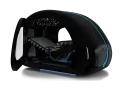
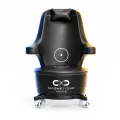
Vacuactivus fabrica equipos comerciales de crioterapia. crioestrella criosaunas, Antártida WBC Eléctrico Cámaras de acceso libre y otras, para centros de bienestar que ofrecen terapia de frío como parte de programas integrales de recuperación y bienestar. Brindamos capacitación a nuestros estudios asociados, incluyendo la formación de operadores y la definición de límites apropiados en la comunicación con los clientes.
Obtenga más información sobre los equipos comerciales de crioterapia: → vacuactivus.com


