












Cryosauna pour les athlètes : la science de la récupération expliquée
5.4.2026
Les athlètes s'intéressent rarement à la cryothérapie par simple curiosité. Ils l'utilisent comme outil de récupération. Dans un contexte de haut niveau, la question n'est pas de savoir si un cryosauna a une allure futuriste, mais s'il peut aider les athlètes à réduire leurs courbatures, à récupérer plus efficacement entre les séances d'entraînement intensives et à reprendre l'entraînement en meilleure forme.
C'est pourquoi la phrase Cryosauna pour la récupération des athlètes Cela mérite une explication détaillée. Les données actuelles ne permettent pas de présenter la cryothérapie corps entier comme une solution miracle, et les équipes sportives responsables ne la présentent généralement pas ainsi. En revanche, les séances de cryosauna sont généralement utilisées comme une composante d'un système de récupération plus large qui peut également inclure le sommeil, la nutrition, l'hydratation, la récupération active, la gestion de la charge et la physiothérapie.
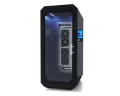
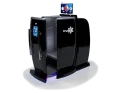
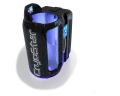
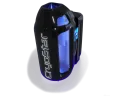
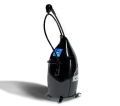
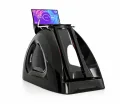
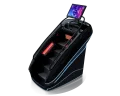
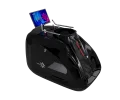
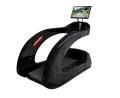
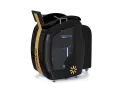
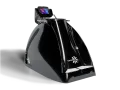
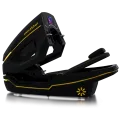
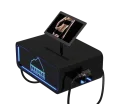
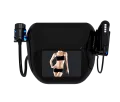
Pour les entreprises évaluant la cryothérapie destinée aux athlètes, cette distinction est importante tant sur le plan commercial que scientifique. Une chambre de haute qualité, telle qu'une Chambre de cryothérapie CryoStar Elle peut être positionnée efficacement pour les clubs sportifs, les studios de récupération, les entreprises de réadaptation et les environnements de performance, mais seulement si les affirmations à son sujet restent crédibles, mesurées et opérationnellement réalistes.
Ce guide explique pourquoi les athlètes utilisent les cryosaunas, ce que suggèrent réellement les recherches, où les bénéfices semblent les plus importants et dans quels domaines les opérateurs doivent rester prudents.
En bref : les athlètes utilisent principalement les cryosaunas pour favoriser la récupération après l’effort.
La raison pratique la plus convaincante pour laquelle les athlètes utilisent les cryosaunas est simple : ils souhaitent une séance d’exposition au froid courte et répétable qui peut les aider à… douleurs perçues, confort de récupération et disponibilité entre les séances d'entraînement.
Le document de consensus 2021 de Frontiers sur la cryostimulation post-exercice souligne que la récupération est un élément clé pour réduire le risque de blessure et aider les athlètes à retrouver leur équilibre après l'entraînement. Il conclut que, parmi les stratégies de récupération examinées, la cryothérapie corps entier a démontré une efficacité remarquable. impact positif sur le rétablissement. Le même article explique également que la cryostimulation est associée à une analgésie, contribue à réduire l'œdème post-traumatique et la charge inflammatoire, et diminue la sensation de courbatures musculaires d'apparition retardée après l'effort.
Cela dit, la formulation la plus défendable n'est pas que les cryosaunas “ boostent les performances ”, mais plutôt qu'elles peuvent soutenir les processus de récupération importants pour les athlètes, notamment lorsqu'elles sont utilisées dans le cadre d'un programme structuré plutôt que comme un gadget isolé.
Ce qu'une séance de cryosauna apporte réellement à un athlète
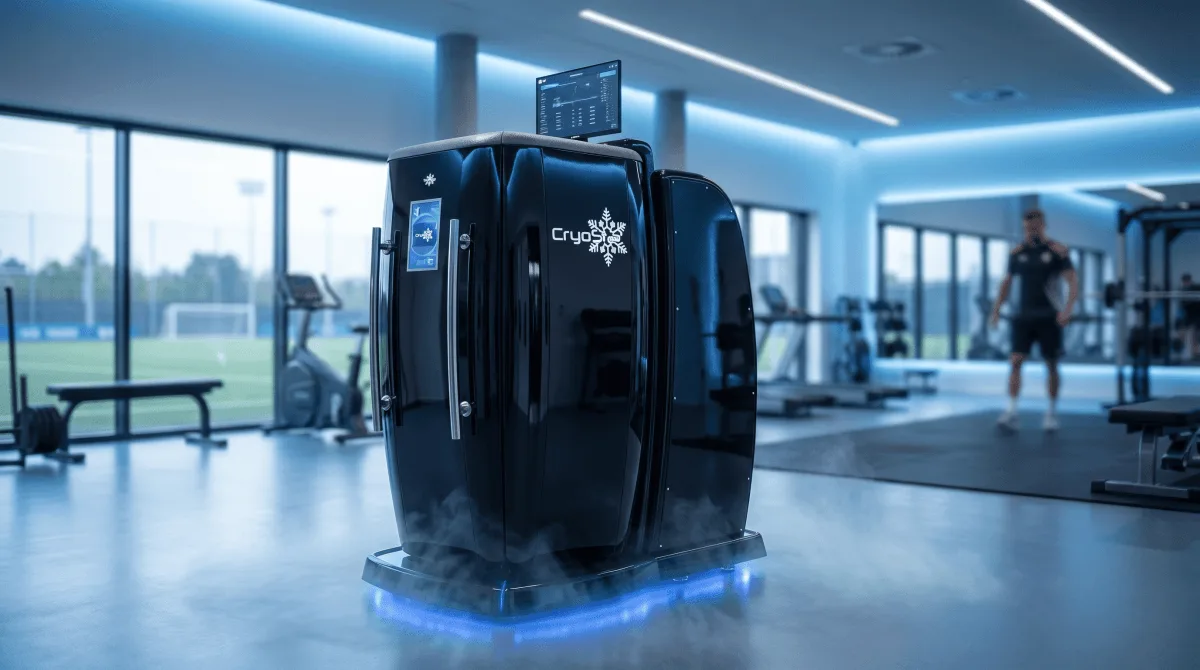
Une séance de cryosauna est volontairement brève. Vacuactivus décrit une séance typique de cryosauna comme durant environ 1 à 3 minutes, en utilisant de la vapeur d'azote liquide ou de l'air froid généré électriquement plutôt que l'immersion dans l'eau. Dans le milieu sportif, cette courte durée explique en partie l'attrait commercial de cette méthode. Elle permet de créer un rituel de récupération optimal sans nécessiter le temps considérable qu'implique un bain de glace.
Pour les athlètes, le bénéfice immédiat ne réside généralement pas dans une “ cryothérapie tissulaire profonde ”, une description qui serait trompeuse. L'objectif réel est une exposition rapide au froid au niveau de la peau et du système nerveux, suivie d'un réchauffement après l'effort. En pratique, les athlètes et les opérateurs s'intéressent généralement à trois résultats : si la séance réduit les courbatures perçues, si elle aide l'athlète à se sentir plus récupéré et si elle s'intègre efficacement au flux de travail de récupération de l'établissement.
C'est aussi pourquoi le plus large chambres de cryothérapie Cette catégorie continue de séduire les entreprises du secteur sportif. Elle propose une expérience de récupération contrôlée, structurée en séances et sous une marque, facile à mettre en œuvre.
Ce que la science semble confirmer le plus clairement
Les preuves concernant la cryothérapie pour athlètes sont les plus convaincantes lorsque les affirmations restent ciblées et réalistes.
Zone | Ce que les preuves suggèrent | Signification pratique pour les athlètes |
|---|---|---|
Douleurs musculaires perçues | La cryostimulation post-exercice est souvent associée à une réduction des courbatures et à un confort accru après un entraînement intensif. | Les athlètes peuvent se sentir mieux entre les séances, surtout pendant les périodes d'entraînement intensif. |
Récupération subjective | Les études et les documents de synthèse décrivent des effets positifs sur la récupération, mais les résultats varient selon le protocole et le contexte de l'athlète. | La cryosauna peut être utile dans le cadre d'un programme de récupération plus global, et non comme solution miracle. |
Marqueurs de récupération physiologique à court terme | Une étude menée en 2024 auprès d'avironneurs d'élite a révélé une récupération plus rapide du lactate sanguin après une seule séance de WBC par rapport au groupe témoin. | Certains processus de rétablissement aigu peuvent s'améliorer, mais il ne faut pas généraliser les résultats de manière trop hâtive. |
Facilité d'utilisation | Les séances de cryothérapie corps entier sont courtes, structurées et faciles à superviser en milieu commercial. | Les équipes et les studios peuvent intégrer des sessions sans pour autant baser l'intégralité du planning sur une logistique d'immersion à froid. |
L'étude récente publiée dans Frontiers en 2024 est particulièrement pertinente en tant qu'exemple spécifique aux athlètes. Chez les rameurs de haut niveau, une seule séance de cryothérapie corps entier après un entraînement de haute intensité a permis d'obtenir des taux de lactate sanguin inférieurs à ceux du groupe témoin, immédiatement après le traitement et cinq minutes plus tard, ce qui suggère une récupération du lactate plus rapide dans ce contexte précis. Cela ne prouve pas une supériorité universelle pour tous les athlètes, tous les sports ou tous les objectifs de récupération. Mais cela soutient l'idée que la cryothérapie corps entier peut avoir effets de récupération mesurables à court terme sous certaines conditions.
Ce qui importe souvent aux athlètes et aux entraîneurs dans le monde réel
Dans les milieux sportifs de haut niveau et semi-professionnels, les outils de récupération sont rarement évalués uniquement sur la base de données théoriques. Les entraîneurs, les thérapeutes et les athlètes recherchent avant tout une méthode pratique, reproductible et facile à intégrer dans des cycles d'entraînement chargés. C'est l'une des raisons pour lesquelles les séances de cryosauna restent si prisées. Une courte séance d'exposition au froid peut souvent être programmée après l'entraînement, entre deux compétitions ou lors de périodes de courbatures intenses, sans les contraintes logistiques liées aux baignoires, aux vestiaires et à la désinfection de l'eau.
L'hôpital Mass General Brigham décrit la cryothérapie non pas comme un traitement médical, mais comme un outil pouvant favoriser la récupération sportive et devant être utilisé dans un cadre supervisé tenant compte des objectifs et du profil de santé global de l'athlète. Cette approche est importante car elle est à la fois commercialement responsable et scientifiquement plus sûre. Les entreprises les plus performantes dans ce domaine ne promettent pas de transformation impossible. Elles expliquent comment la cryothérapie peut s'intégrer dans un programme de rétablissement plus global.
“ La cryothérapie n’est pas recommandée comme traitement médical, mais plutôt comme outil pour faciliter la récupération des athlètes. ” — Mass General Brigham, Cryothérapie pour les athlètes
Pour les installations accueillant des athlètes, cette phrase est en réalité très utile. Elle donne le ton juste : professionnel, mesuré et axé sur la récupération plutôt que sur le sensationnalisme.
Pourquoi les athlètes comparent souvent la cryosauna aux bains de glace
La comparaison est naturelle, car les deux appareils utilisent le froid pour la récupération. Cependant, l'expérience utilisateur est très différente. Un cryosauna propose généralement une séance beaucoup plus courte, utilisant de la vapeur ou de l'air très froid, tandis qu'un bain de glace repose sur une immersion directe dans l'eau froide pendant une période plus longue. Cette différence influe sur le confort, l'observance et le déroulement des séances avant même d'affecter la physiologie.
Pour certains athlètes, c'est crucial. Un protocole de récupération n'est efficace que s'il est appliqué. Les séances de cryosauna sont plus faciles à standardiser dans un contexte commercial ou d'équipe car elles sont courtes, encadrées par un opérateur et constituent un service haut de gamme très visible. Pour une entreprise spécialisée dans la récupération sportive, cette clarté opérationnelle est tout aussi importante que le froid lui-même.
C’est également là que le contenu pédagogique interne s’avère utile. Une personne ayant d’abord besoin d’une définition de base peut être redirigée vers Qu'est-ce qu'un cryosauna ?, tandis que les lecteurs davantage orientés vers l'achat peuvent se diriger vers les pages produits ou catégories selon qu'ils recherchent du matériel pour un studio, un centre de formation ou une entreprise de réadaptation.
Ce que fait la science pas justifier de dire
Un article responsable sur la récupération des athlètes se doit également de préciser les incertitudes qui subsistent. La cryothérapie corps entier ne remplace pas le sommeil. Elle ne se substitue ni à la nutrition, ni à un programme d'entraînement progressif, ni à un diagnostic médical. Elle n'est pas adaptée à tous les athlètes et ne doit pas être présentée comme une solution miracle pour améliorer les performances dans tous les contextes.
Le document de consensus de Frontiers souligne explicitement la nécessité d'adapter les protocoles de cryostimulation au contexte, à l'objectif et aux caractéristiques du sujet. Le général de division Brigham note également que l'expérience peut être intense, qu'elle peut être contre-indiquée pour certaines personnes et qu'elle doit être supervisée car le froid extrême peut mettre l'organisme à rude épreuve.
C'est important pour la crédibilité. Dans le domaine de la performance sportive, les affirmations exagérées peuvent nuire à la confiance. Un message plus pertinent serait que la cryosauna peut aider certains athlètes à récupérer plus confortablement et plus efficacement, mais que le résultat dépend du moment de la séance, de sa conception, de la charge d'entraînement et de la condition physique générale de l'athlète.
Pourquoi la supervision de l'accouchement est importante dans le milieu sportif
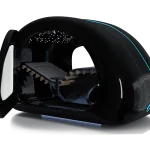
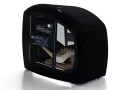
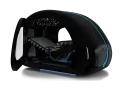
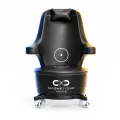
La cryothérapie gagne en crédibilité lorsqu'elle est pratiquée comme un processus contrôlé plutôt que comme une nouveauté non supervisée. La documentation de Vacuactivus décrit des systèmes professionnels dotés d'éléments tels que des capteurs d'oxygène, une ventilation contrôlée, des commandes tactiles et, sur certains modèles, une surveillance thermographique. Les Chambre de cryothérapie CryoStar La page produit met également l'accent sur le fonctionnement à base d'azote, la détection d'oxygène, l'utilisation supervisée et un positionnement fort dans le domaine de la récupération sportive.
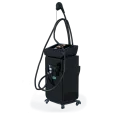
Pour les athlètes, cela signifie que la chambre ne représente qu'une partie de la valeur. La véritable valeur commerciale réside dans… protocole fiable Tout cela englobe : l'évaluation initiale, la planification des séances, l'encadrement du personnel, les conseils de récupération ou de mobilisation post-séance, et un environnement où les athlètes ont le sentiment d'être pris en charge de manière professionnelle. C'est l'une des raisons pour lesquelles certains acheteurs comparent les systèmes classiques à l'azote avec des alternatives telles que… Chambre de cryothérapie électrique en Antarctique en fonction de leur espace, de leurs préférences en matière de ventilation et de leur modèle de fonctionnement.
Une façon pratique d'envisager la cryosauna pour les athlètes
La meilleure façon de positionner la cryosauna dans le sport n'est pas de la considérer comme une simple astuce pour améliorer les performances, mais comme un modalité de soutien au rétablissement. Bien utilisée, elle peut rendre l'expérience de récupération de l'athlète plus structurée, plus reproductible et plus intéressante commercialement pour une entreprise spécialisée dans la performance. Cela ne signifie pas que tous les athlètes en ont besoin. Cela signifie que les athlètes concernés peuvent y trouver un intérêt si le service est correctement intégré.
Si l'objectif est principalement… | La cryosauna peut aider en… | Mais cela ne remplace pas… |
|---|---|---|
Réduire l'inconfort après l'entraînement | Gestion des courbatures et séances de récupération courtes. | Gestion de la charge, sommeil et bonne programmation. |
Amélioration du flux de travail de récupération | Nous proposons un format de session rapide, haut de gamme et facile à planifier. | Planification de la reprise à plus grande échelle tout au long de la semaine. |
Création d'un service de récupération sportive haut de gamme | Offrir aux équipes ou aux studios une thérapie par le froid visible pour l'ensemble du corps. | Jugement clinique ou dépistage fondé sur des données probantes. |
Soutien aux opérations des athlètes à volume élevé | Proposer une exposition au froid supervisée et répétable après des séances exigeantes. | Une prise de décision individualisée pour chaque athlète. |
Pour les opérateurs, ce cadre est utile car il correspond à la vision des clients sportifs de haut niveau. Ils recherchent des outils de récupération intégrés à un système. Une offre de chambre performante sous le Vacuactivus Umbrella peut soutenir ce positionnement lorsque le message reste clair : la récupération de l’athlète d’abord, le buzz ensuite.
Conclusion finale
L'utilisation de la cryosauna chez les athlètes est plus pertinente lorsqu'elle est envisagée comme une modalité de récupération courte et supervisée cela peut contribuer à atténuer les courbatures, à favoriser la récupération subjective et à améliorer la condition physique après un entraînement exigeant. Les données actuelles sont prometteuses dans plusieurs domaines, notamment en ce qui concerne le confort après l'effort et certains marqueurs de récupération aiguë, mais elles restent dépendantes du contexte et ne doivent pas être surestimées.
Pour les acheteurs commerciaux et les centres de performance, c'est une excellente nouvelle. Cela signifie que le positionnement le plus solide est aussi le plus crédible. Plutôt que de promettre des miracles, le message est simple : un cryosauna professionnel peut devenir un atout précieux dans un environnement de récupération sportive bien conçu, à condition d'être utilisé de manière responsable, expliqué en toute transparence et intégré à un système de récupération plus global.


