
















Table ronde sur la thérapie par la lumière rouge : Comment les longueurs d’onde de 660 nm et 850 nm favorisent la cicatrisation des tissus
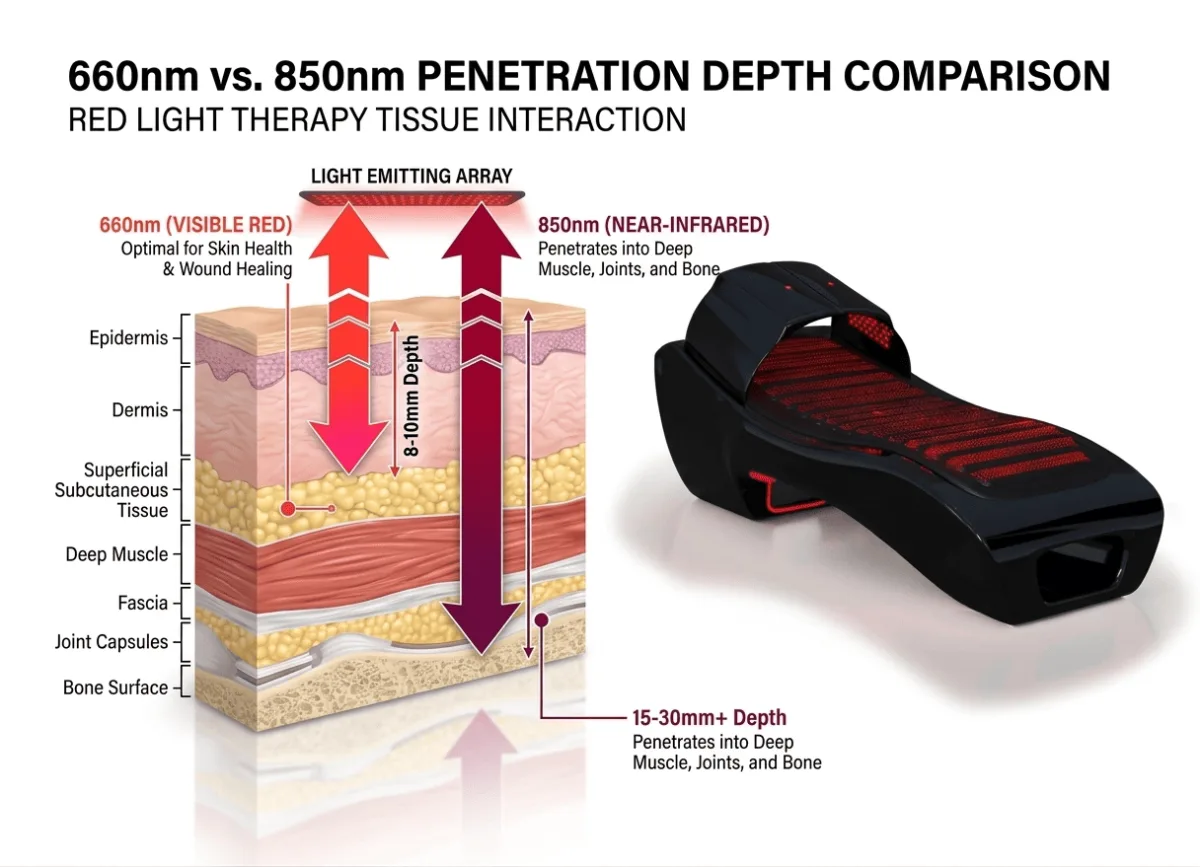
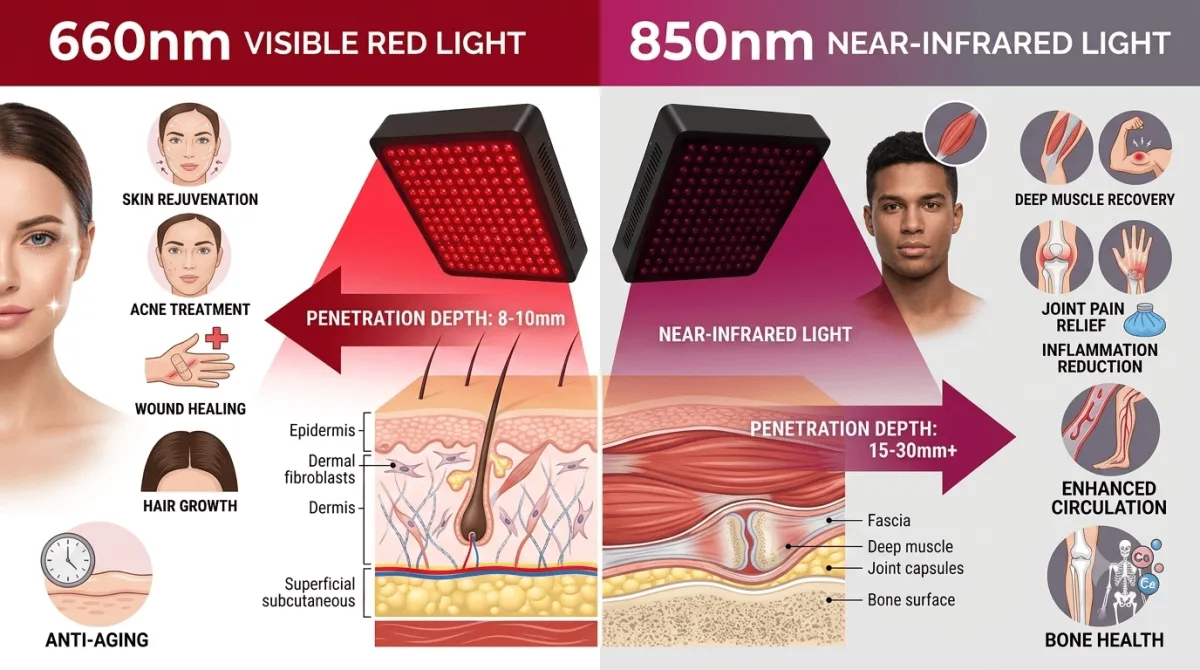
Un panneau de luminothérapie rouge utilise deux gammes de longueurs d'onde qui agissent à différentes profondeurs tissulaires. La lumière rouge à 660 nm pénètre à environ 8-10 mm, atteignant l'épiderme, le derme et le tissu sous-cutané superficiel, où elle stimule les fibroblastes dermiques et la production de collagène. Le proche infrarouge à 850 nm pénètre à 15-30 mm, voire plus, atteignant les muscles, les fascias, les capsules articulaires et la surface osseuse pour une action de récupération plus profonde. Ces deux longueurs d'onde sont absorbées par la cytochrome c oxydase, l'enzyme du complexe IV de la chaîne respiratoire mitochondriale, qui déplace l'oxyde nitrique inhibiteur et augmente la production d'ATP d'environ 30 à 50 µM, selon les études réalisées avec des capteurs d'ATP fluorescents. Il s'agit de photobiomodulation : un processus photochimique non thermique, et non d'une thérapie par la chaleur. Vacuactivus conçoit des équipements de luminothérapie rouge pour les centres de bien-être ; nous vous proposons donc une explication précise du mécanisme, sans fioritures marketing.
La catégorie de recherche ‘ panneau de luminothérapie rouge ’ génère 12 100 recherches mensuelles aux États-Unis, selon les données Serpstat 2026, contre 14 800/mois pour ‘ panneau de luminothérapie rouge ’ et 4 400/mois pour ‘ appareil de luminothérapie rouge ’. La plupart de ces recherches sont motivées par une volonté d'information : les utilisateurs cherchent à comprendre le rôle des longueurs d'onde avant d'acheter un appareil. Ce guide aborde précisément ces questions : la signification des nanomètres (nm) en fonction de la profondeur tissulaire, la pénétration de la longueur d'onde de 660 nm dans la peau et dans les tissus profonds, la conversion des photons en ATP par la cytochrome c oxydase, la différence entre la photobiomodulation et la chaleur d'un sauna infrarouge, le calcul de la dose (irradiance × temps = J/cm² délivrés) et deux controverses majeures du secteur : le débat sur les différentes longueurs d'onde et la question de la mesure de l'irradiance. La science des longueurs d'onde est essentielle au fonctionnement d'un panneau de luminothérapie rouge.
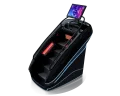
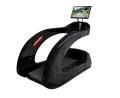
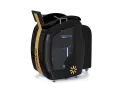
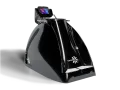
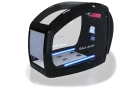
Vacuactivus fabrique des appareils de luminothérapie rouge, notamment des panneaux et le lit de luminothérapie InfraCouch (630-660 nm et 810-850 nm), destinés aux centres médico-esthétiques, aux centres de réadaptation et aux centres de bien-être. Cet article informatif ne prétend pas que la luminothérapie rouge guérisse une quelconque affection diagnostiquée ; les panneaux de luminothérapie rouge sont des appareils de bien-être destinés à favoriser le bien-être général, et non un traitement médical contre l’arthrite, les douleurs chroniques ou le rajeunissement. La réponse à la dose est biphasique (une exposition trop faible est inefficace, tandis qu’une exposition excessive peut réduire les bienfaits), et les recherches cliniques sur les longueurs d’onde en dehors des bandes 660 nm et 850 nm, largement validées, restent moins nombreuses que pour ces deux bandes principales. Le mécanisme précis des longueurs d’onde, expliqué ci-dessous, est une information essentielle pour tout exploitant de centre de bien-être ou utilisateur averti à domicile avant d’envisager l’achat d’un panneau de luminothérapie rouge.
Signification des chiffres : nm, longueur d’onde et profondeur du tissu
Le terme nm signifie nanomètres et désigne l'unité de mesure de la longueur d'onde de la lumière. Différentes longueurs d'onde correspondent à différentes couleurs de lumière et, plus important encore, à différentes profondeurs de pénétration et à différents effets biologiques sur les tissus. La luminothérapie rouge agit dans ce que les chercheurs appellent la fenêtre optique des tissus biologiques : approximativement de 620 à 1400 nm, la gamme où la lumière peut pénétrer suffisamment profondément pour avoir un effet biologique au lieu d'être absorbée en surface ou diffusée. En dessous de cette fenêtre (dans les gammes du bleu et du vert), la lumière est bloquée par la peau. Au-dessus (dans l'infrarouge profond), les molécules d'eau des tissus absorbent l'énergie sous forme de chaleur au lieu de déclencher la réaction photochimique spécifique qui permet à la luminothérapie rouge d'agir. Au sein de cette fenêtre optique, deux gammes concentrent la quasi-totalité des recherches cliniques : le rouge visible à 630-680 nm et le proche infrarouge à 810-850 nm.
Un panneau de luminothérapie rouge annonçant 660 nm et 850 nm cible les deux longueurs d'onde les plus efficaces dans cette fenêtre optique. La longueur d'onde détermine la profondeur, et la profondeur détermine le tissu spécifique que la lumière peut atteindre à une irradiance thérapeutique. Les longueurs d'onde de lumière rouge apparentées obéissent aux mêmes principes physiques : les longueurs d'onde plus courtes, comme 630 nm, pénètrent moins profondément que 660 nm, et les longueurs d'onde des panneaux NIR à 810 nm et 830 nm atteignent des profondeurs similaires à 850 nm. Les longueurs d'onde plus profondes de la lumière rouge dans le NIR, comme 940 nm et 1072 nm, pénètrent plus profondément, mais les études cliniques étayant leurs applications spécifiques sont moins nombreuses. Comprendre ces longueurs d'onde de lumière rouge est important, car une affirmation comme ‘ atteint les muscles profonds ’ n'est physiquement valable qu'à partir de 810-850 nm ou plus ; un panneau fonctionnant uniquement à 660 nm n'atteindra pas l'articulation sous-cutanée, quelles que soient ses affirmations commerciales. C’est pourquoi tout panneau NIR ou proche infrarouge ciblant les tissus profonds doit inclure une longueur d’onde de 850 nm (ou équivalente) en plus du traitement de surface à 660 nm. Un panneau à double longueur d’onde, combinant 660 nm et 850 nm, couvre les deux profondeurs en une seule séance, ce qui explique pourquoi cette configuration est devenue la norme. Lorsqu’on compare les longueurs d’onde de lumière rouge d’une gamme de panneaux NIR ou proche infrarouge, le nombre et la sélection des longueurs d’onde sont plus importants que les arguments marketing. Une conception à double longueur d’onde adaptée, avec une irradiance adéquate, est préférable à une gamme de longueurs d’onde rouges plus large, avec une faible irradiance par bande. Tout panneau proche infrarouge compatible avec la double longueur d’onde (660 nm + 850 nm) couvre les deux longueurs d’onde de lumière rouge les plus étudiées dans la fenêtre optique.
660 nm : Effets de la lumière rouge à 8-10 mm
La lumière à 660 nm se situe dans le spectre rouge visible. C'est cette lueur rouge intense que l'on observe lorsqu'un panneau de luminothérapie rouge s'allume. Cette longueur d'onde pénètre à environ 8-10 mm de profondeur, atteignant l'épiderme, le derme et le tissu sous-cutané superficiel (données de RedLightOS, avril 2026, et du Light Therapy Institute, 2026). À cette profondeur, la lumière à 660 nm interagit principalement avec les fibroblastes dermiques, les cellules responsables de la production de collagène et d'élastine, protéines structurales qui assurent la fermeté et l'élasticité de la peau. L'exposition au rouge et au proche infrarouge stimule la synthèse de collagène et d'élastine dans les fibroblastes dermiques (voir le guide de preuves de Superpower, juin 2026, qui résume le mécanisme). C'est le principe cellulaire des applications anti-âge des panneaux de luminothérapie rouge.
Soutien clinique spécifique à la longueur d'onde de 660 nm : l'étude de Wunsch et Matuschka (2014), évaluée par des pairs, a démontré que les sujets traités avec des longueurs d'onde comprises entre 611 et 650 nm présentaient des améliorations significatives de l'état de leur peau au cours du traitement. Dans le spectre rouge, la longueur d'onde de 660 nm surpasse systématiquement celle de 630 nm en termes d'effets anti-âge, comme l'ont montré les études cliniques du Light Therapy Institute (2026). C'est pourquoi 660 nm est devenue la longueur d'onde rouge de référence pour les panneaux à double longueur d'onde. L'essai contrôlé randomisé de 2025 sur un masque LED, cité par Mito Red Light et utilisant les longueurs d'onde de 630 nm et 850 nm pendant 16 semaines, a mis en évidence une réduction des rides de la patte d'oie, confirmant ainsi l'intérêt d'une combinaison de longueurs d'onde plus large que celle de 660 nm seule. Applications principales de la longueur d'onde de 660 nm d'un panneau de luminothérapie rouge : santé de la peau, stimulation du collagène, amélioration du teint et traitement des rides, cicatrisation des plaies superficielles et stimulation des follicules pileux au niveau du cuir chevelu (la cible se situant à 8-10 mm de la longueur d'onde rouge de 660 nm). Pour les zones plus profondes, la longueur d'onde de 660 nm seule est insuffisante.
850 nm : Effets du proche infrarouge à 15-30 mm
La lumière à 850 nm se situe dans le proche infrarouge et est quasiment invisible à l'œil nu. Un panneau de luminothérapie rouge équipé de LED à 850 nm peut sembler ‘ éteint ’ par rapport à la lumière visible à 660 nm, mais les émetteurs NIR sont bien actifs. Cette longueur d'onde pénètre plus profondément que les longueurs d'onde couramment utilisées en luminothérapie rouge, atteignant 15 à 30 mm, voire plus selon les données de pénétration 2026 du Light Therapy Institute. Elle atteint ainsi les muscles profonds, les fascias, les capsules articulaires et la surface osseuse. Absorbée par la cytochrome c oxydase présente dans ces tissus profonds, ainsi que par l'eau et les protéines contenues dans les cellules à ces profondeurs, elle déclenche la même cascade de photobiomodulation que les longueurs d'onde rouges visibles ne peuvent atteindre en quantités thérapeutiques significatives. C'est pourquoi un bon panneau de luminothérapie rouge doit utiliser les deux longueurs d'onde : traiter une douleur au genou avec seulement 660 nm revient à traiter la peau au-dessus du genou, et non l'articulation elle-même.
Applications principales de la partie proche infrarouge (850 nm) d'un panneau de luminothérapie rouge : soulagement des douleurs articulaires et de l'arthrite (usage bien-être, non médical), récupération musculaire profonde et amélioration des performances sportives, réparation des tissus conjonctifs, amélioration de la circulation et effets anti-inflammatoires systémiques (selon le cadre de référence Superpower de juin 2026). 850 nm est la longueur d'onde proche infrarouge la plus utilisée dans les panneaux de luminothérapie rouge, tant grand public que professionnels (d'après le guide des longueurs d'onde de Mito Red Light de mai 2026). Les longueurs d'onde proches infrarouges apparentées (810 nm et 830 nm) se situent dans la même fenêtre thérapeutique et produisent des résultats positifs comparables dans les études cliniques ; la différence pratique entre elles est donc significative, mais peu importante. Certains panneaux combinent 810 nm et 850 nm pour élargir la couverture proche infrarouge, tandis que les partisans d'une approche bi-longueur d'onde préconisent de concentrer la puissance sur 660 nm et 850 nm (voir la section « Débat sur les longueurs d'onde multiples » ci-dessous).
| Propriété | Lumière rouge de 660 nm | 850 nm proche infrarouge |
|---|---|---|
| Visibilité | lueur rouge foncé visible | Quasi invisible à l'œil nu (NIR) |
| Profondeur de pénétration | Environ 8 à 10 mm | Environ 15 à 30 mm ou plus |
| Tissu atteint | Épiderme, derme, tissu sous-cutané superficiel | Muscles profonds, fascia, capsules articulaires, surface osseuse |
| cellules cibles primaires | Fibroblastes dermiques (synthèse de collagène et d'élastine) | myocytes profonds, cellules du tissu conjonctif, teneur en eau et en protéines |
| Absorbé par | Cytochrome c oxydase dans les tissus superficiels | Cytochrome c oxydase dans les tissus profonds, plus eau et protéines |
| Principales applications | Santé de la peau, soutien du collagène, anti-âge, cicatrisation des plaies superficielles, stimulation des follicules pileux | Soutien dans la gestion des douleurs articulaires et de l'arthrite, récupération musculaire profonde, réparation des tissus conjonctifs, circulation, effets anti-inflammatoires systémiques |
| Idéal pour | Soins anti-âge et du teint, repousse des cheveux (ciblage du cuir chevelu à portée de main) | Travail de récupération sous la peau, applications profondes sur les articulations et les muscles |
Le mécanisme : comment la cytochrome c oxydase transforme la lumière en ATP
La photobiomodulation agit par l'intermédiaire d'une enzyme spécifique, et non par la chaleur. La cytochrome c oxydase (CCO) est une enzyme contenant du cuivre, présente dans le complexe IV de la chaîne respiratoire mitochondriale. Selon le guide de preuves de Superpower (juin 2026) et l'étude de Hamblin (2017) sur la photobiomodulation à la Harvard Medical School, elle est le principal photoaccepteur de la lumière rouge et proche infrarouge dans les tissus. Le mécanisme se déroule en quatre étapes séquentielles. Étape 1 : les photons de 630 à 850 nm frappent l'enzyme CCO du complexe IV mitochondrial et sont absorbés par les centres de cuivre. Étape 2 : cette absorption déplace l'oxyde nitrique inhibiteur lié à l'enzyme CCO, levant ainsi un frein à la respiration cellulaire qui ralentissait la production d'ATP mitochondriale. Étape 3 : une fois le frein de l'oxyde nitrique levé, la production d'ATP augmente – des études utilisant des capteurs d'ATP fluorescents documentent des augmentations d'environ 30 à 50 % de l'ATP cellulaire après une exposition appropriée à la lumière rouge ou au proche infrarouge à une irradiance thérapeutique, selon l'examen de Peak Primal Wellness de mars 2026 sur la recherche sur la quantification de l'ATP.
Étape 4 : L’augmentation de l’ATP entraîne des effets en aval. L’oxyde nitrique libéré par le CCO induit une vasodilatation (élargissement des vaisseaux sanguins) et améliore la circulation locale, apportant ainsi davantage d’oxygène et de nutriments au tissu traité. La modulation des espèces réactives de l’oxygène (ROS) au sein des mitochondries déclenche des cascades de signalisation anti-inflammatoires. Les fibroblastes dermiques stimulent la synthèse de collagène et d’élastine dans les tissus superficiels exposés à 660 nm. Michael Hamblin, de la Harvard Medical School, a confirmé dans sa revue de 2017, publiée dans une publication à comité de lecture, que la photobiomodulation a un effet positif sur la régénération tissulaire, la réduction de l’inflammation et le soutien du collagène lorsque les longueurs d’onde et les doses appropriées sont utilisées. Autre confirmation par les pairs : Shinhmar et al. (2020), de l’Institut d’ophtalmologie de l’UCL (laboratoire Jeffery), ont démontré qu’une brève exposition à 670 nm améliore la fonction mitochondriale dans la rétine des personnes âgées – une démonstration in vivo spécifique de l’effet de la photobiomodulation sur des tissus humains. Ce mécanisme de la cytochrome c oxydase est parmi les mieux caractérisés dans le domaine des dispositifs grand public, avec des résultats cohérents dans les études sur les lignées cellulaires et les tissus humains.
Pourquoi un panneau lumineux rouge n'est pas un sauna infrarouge
Les panneaux de luminothérapie rouge sont souvent confondus avec trois autres technologies, et la distinction de leur mécanisme d'action est essentielle pour comprendre les performances de chaque type d'appareil. Les saunas infrarouges fonctionnent par la chaleur : les longueurs d'onde infrarouges lointaines agitent les molécules d'eau dans les tissus, ce qui augmente leur température et induit une réponse cardiovasculaire et la transpiration. La photobiomodulation est non thermique : il s'agit d'une réaction photochimique où des photons rouges et infrarouges proches spécifiques sont absorbés par une enzyme spécifique (la cytochrome c oxydase), déclenchant la cascade de cytochrome c oxydase décrite précédemment, sans pour autant chauffer les tissus. Un panneau de luminothérapie rouge ne réchauffe la peau que légèrement au cours d'une séance, bien en deçà des températures d'un sauna infrarouge. Les lasers LLLT médicaux (thérapie laser de faible puissance) utilisent le même principe de longueur d'onde que les panneaux de luminothérapie rouge, mais avec une densité de puissance et une optique de faisceau différentes en milieu clinique pour un traitement ciblé. La physique sous-jacente de la longueur d'onde est identique, mais le mode d'application diffère. Les ceintures et les enveloppes infrarouges proches utilisent les mêmes longueurs d'onde à une irradiance plus faible et sont plus compactes pour une meilleure portabilité.
Les lampes chauffantes produisent des longueurs d'onde infrarouges B et C qui génèrent de l'énergie thermique sans intervention de la cytochrome c oxydase (CCO). Elles procurent donc chaleur et confort, mais pas l'effet de stimulation de l'ATP cellulaire d'un panneau de luminothérapie rouge. La caractéristique distinctive de la photobiomodulation est l'absorption spécifique des photons rouges et infrarouges proches (620-1400 nm) par la cytochrome c oxydase mitochondriale, conformément au cadre de référence Superpower de juin 2026. L'utilisation d'un panneau de luminothérapie rouge ne vise pas à chauffer les tissus, mais à délivrer des photons absorbés par une enzyme mitochondriale spécifique pour moduler la respiration cellulaire. C'est pourquoi les séances durent 10 à 15 minutes à courte distance, contre 30 à 45 minutes à une température induisant la transpiration, comme c'est le cas pour les saunas infrarouges. Même famille de longueurs d'onde (spectre infrarouge), mécanisme biologique et protocole de séance totalement différents.
Calcul de la dose : irradiance, distance et durée de la séance
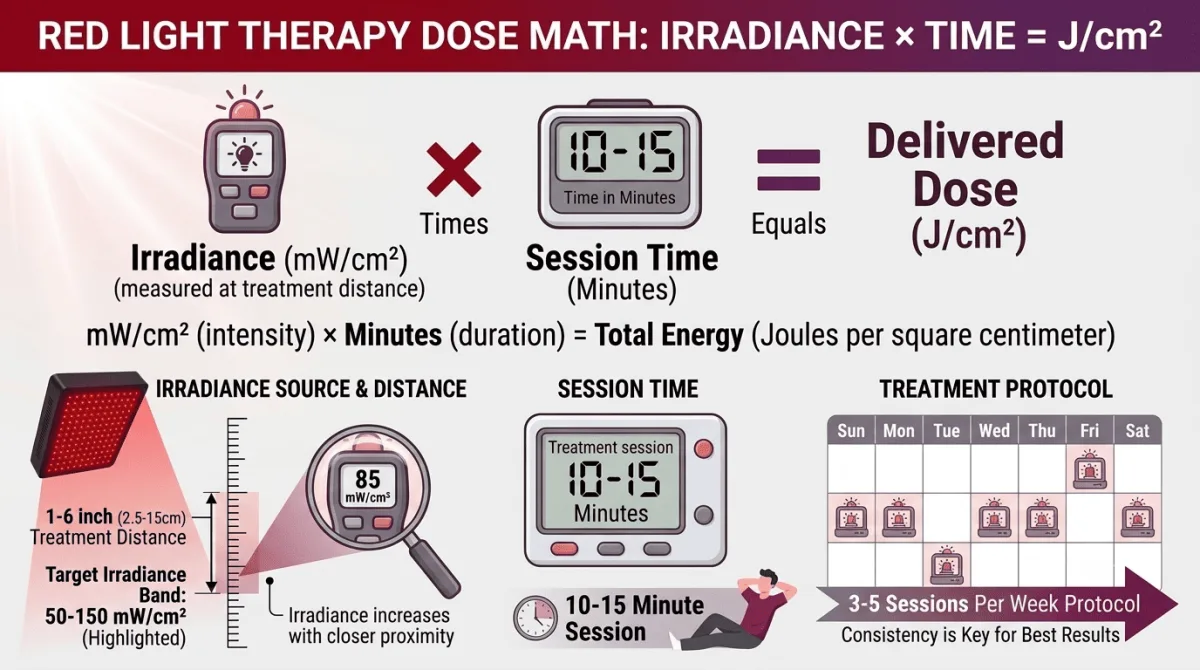
La longueur d'onde détermine la trajectoire de la lumière ; l'irradiance et la durée de la séance déterminent la quantité de lumière atteignant le tissu cible. L'irradiance (ou densité de puissance) est mesurée en mW/cm² à une distance de traitement donnée par rapport à la surface du panneau. Les protocoles de recherche exigent généralement une irradiance de 50 à 150 mW/cm² à cette distance pour délivrer suffisamment de photons afin d'activer la cytochrome c oxydase, selon une étude de Peak Primal Wellness (mars 2026) sur l'irradiance en photobiomodulation (PBM). En multipliant l'irradiance par la durée de la séance, on obtient la dose délivrée en J/cm², qui détermine l'effet biologique. C'est là que les panneaux de luminothérapie rouge diffèrent le plus en pratique : un panneau sous-dimensionné, même aux longueurs d'onde optimales de 660 nm ou 850 nm, nécessite des séances excessivement longues pour atteindre une dose utile en J/cm². La distance est cruciale, car l'irradiance diminue fortement avec la distance au panneau ; pour la plupart des panneaux et masques, la plage de fonctionnement optimale se situe entre 2,5 et 15 cm de la peau. Protocole typique : séances de 10 à 15 minutes, 3 à 5 fois par semaine, les résultats apparaissant généralement après 4 à 6 semaines d’utilisation régulière, conformément aux protocoles des fabricants dans l’ensemble du secteur.
Un avertissement important concernant les spécifications d'irradiance publiées : les valeurs d'irradiance sont mesurées différemment selon les secteurs, ce qui influe sur la comparabilité des données des fiches techniques. Un spectroradiomètre mesure uniquement les longueurs d'onde réellement émises par le panneau (généralement 660 nm et 850 nm), fournissant une mesure précise de la lumière thérapeutique atteignant la cible, conformément à la méthodologie d'irradiance décrite dans le rapport Mito Red Light de juin 2026, avec les commentaires du Dr Alexis Cowan, PhD (Princeton). Un photomètre solaire enregistre l'énergie à large bande, incluant des longueurs d'onde qui n'atteignent jamais le tissu cible à des fins thérapeutiques, ce qui gonfle la valeur indiquée dans les fiches techniques. Demandez toujours aux fabricants de panneaux de luminothérapie rouge la méthode de mesure (spectroradiomètre ou photomètre solaire) et la distance de traitement indiquée ; sans ces deux informations, une valeur d'irradiance seule ne vous renseigne que très peu sur la dose réellement délivrée. Les tests effectués par un laboratoire tiers, avec divulgation de la méthodologie, constituent la méthode de vérification standard du secteur pour les allégations d'irradiance. Cette question de transparence est l'une des deux controverses majeures du secteur des panneaux de luminothérapie rouge, abordées dans la section suivante, en parallèle du débat sur les longueurs d'onde multiples.
Plus de longueurs d'onde, est-ce mieux ? Le débat sur les longueurs d'onde multiples
Le débat sur les longueurs d'onde multiples est loin d'être clos. Certains panneaux de luminothérapie rouge mettent en avant trois, cinq ou sept longueurs d'onde distinctes comme un atout majeur par rapport à la conception standard à deux longueurs d'onde (660 nm et 850 nm). L'argument en faveur des longueurs d'onde multiples : chaque longueur d'onde supplémentaire permet d'atteindre une profondeur de pénétration différente ou de cibler un tissu spécifique. De plus, certaines études cliniques soutiennent l'utilisation des longueurs d'onde de 630 nm, 810 nm et 830 nm, en plus de la paire de base 660 nm et 850 nm, conformément au guide de référence Mito Red Light 2026. L'argument contre les longueurs d'onde multiples (position puriste de la double longueur d'onde) : les recherches cliniques publiées sur les longueurs d'onde autres que 660 nm et 850 nm sont nettement moins nombreuses que pour la paire de base. Par ailleurs, la puissance totale du panneau est répartie entre tous les émetteurs, ce qui signifie que chaque longueur d'onde individuelle délivre une irradiance inférieure à celle d'une conception à double longueur d'onde focalisée, où la puissance est concentrée sur les deux bandes les plus efficaces. Les deux arguments présentent des arguments techniques valables.
Pour la plupart des acheteurs de panneaux de luminothérapie rouge, la combinaison 660 nm + 850 nm reste la plus courante et la mieux prise en charge en 2026. Un panneau bi-longueur d'onde de qualité, fonctionnant à une irradiance adéquate (50-150 mW/cm² mesurée au spectroradiomètre à la distance indiquée), est généralement plus performant qu'un panneau multi-longueurs d'onde qui répartit la puissance de manière diffuse sur des bandes spectrales dont l'efficacité clinique est limitée, selon les recommandations pratiques de Mito Red Light 2026. Si un panneau propose plus de deux longueurs d'onde, il est essentiel de vérifier que l'irradiance par bande reste dans la plage utile, plutôt que de considérer le nombre de longueurs d'onde comme un indicateur automatique de qualité. C'est là que la question de la mesure de l'irradiance prend toute son importance : un panneau multi-longueurs d'onde revendiquant une irradiance globale élevée, mesurée au luminomètre solaire, peut ne délivrer qu'une faible quantité de lumière thérapeutique par bande une fois la valeur décomposée par longueur d'onde. Le nombre de longueurs d'onde indiqué sur la fiche technique d'un panneau n'a d'effet biologique que si chaque longueur d'onde atteint le seuil de 50-150 mW/cm² à la distance de traitement.
Panneaux versus systèmes complets pour les centres de bien-être
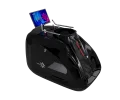
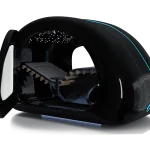
Dans un bref contexte B2B, cet article ayant pour principal objectif l'explication scientifique du fonctionnement de la luminothérapie, les mêmes principes s'appliquent aux longueurs d'onde de 660 nm et 850 nm, quel que soit le format utilisé : panneau de luminothérapie rouge, lit ou cabine de luminothérapie pour le corps entier. La différence réside dans la zone de couverture et le débit par séance. Un panneau de luminothérapie rouge cible une zone du corps à la fois et convient aux particuliers, aux traitements ciblés pour des zones musculaires ou cutanées spécifiques, ainsi qu'aux cliniques proposant la luminothérapie en complément de leurs services. Un lit ou une cabine de luminothérapie pour le corps entier diffuse simultanément les longueurs d'onde de 660 nm et 850 nm sur l'ensemble du corps en une seule séance de 10 à 20 minutes. Ce temps est particulièrement important pour un centre de bien-être accueillant 20 à 30 clients par jour, qui ne peut se permettre de repositionner un panneau pour chaque client. Les systèmes professionnels utilisent également des LED plus puissantes et une conception robuste, garantissant un fonctionnement quotidien continu. La durée de vie des LED est généralement de 50 000 à 100 000 heures pour les équipements professionnels.
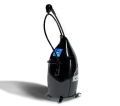
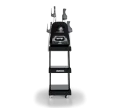
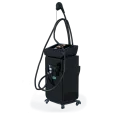
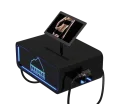
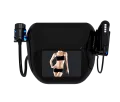
Vacuactivus fabrique Équipement de luminothérapie rouge comprenant des panneaux et le lit commercial InfraCouch Avec des longueurs d'onde de 630-660 nm et de 810-850 nm pour les centres médico-esthétiques, les salles de convalescence et les centres de bien-être. La physique des longueurs d'onde abordée dans cet article est identique, que la thérapie soit diffusée par un panneau de luminothérapie rouge ou par un lit InfraCouch commercial pour le corps entier ; la conception axée sur le débit et la durabilité en utilisation continue est ce qui différencie concrètement les formats de diffusion pour les acheteurs professionnels. Pour les adeptes du biohacking et les personnes soucieuses de leur longévité qui évaluent l'intégration multimodale, Capsule de longévité HaloX, capsule de biohacking Ce dispositif combine la luminothérapie rouge à d'autres techniques de longévité dans un format compact. Les acheteurs professionnels qui évaluent les équipements de luminothérapie rouge doivent vérifier, avant tout achat, la méthode de mesure de l'irradiance, la durée de vie des LED, la configuration des longueurs d'onde (double ou multiple) et la résistance à une utilisation continue, selon les mêmes critères que ceux abordés dans cet article pour l'évaluation de tout panneau de luminothérapie rouge.
Foire aux questions
Q1. Quelle est la différence entre la lumière rouge de 660 nm et celle de 850 nm ?
La différence réside dans la profondeur de pénétration et les tissus atteints par la lumière. La lumière rouge visible à 660 nm pénètre à environ 8-10 mm, atteignant l'épiderme, le derme et le tissu sous-cutané superficiel, où elle stimule les fibroblastes dermiques et la production de collagène. La lumière proche infrarouge à 850 nm, quasiment invisible à l'œil nu, pénètre à 15-30 mm, voire plus, dans les muscles profonds, les fascias, les capsules articulaires et la surface osseuse. Ces deux longueurs d'onde sont absorbées par la même enzyme (la cytochrome c oxydase du complexe IV de la chaîne respiratoire mitochondriale) et activent la même voie de signalisation cellulaire, mais elles atteignent des profondeurs tissulaires différentes. C'est pourquoi les panneaux de luminothérapie rouge combinent les deux : la lumière à 660 nm agit sur la peau et le collagène à 8-10 mm, tandis que la lumière à 850 nm favorise la récupération musculaire et articulaire plus profonde à 15-30 mm et plus. Traiter une douleur au genou uniquement avec la lumière à 660 nm revient à traiter la peau au-dessus du genou plutôt que l'articulation elle-même.
Q2. À quelle profondeur pénètre la thérapie par la lumière rouge ?
La profondeur de pénétration dépend de la longueur d'onde. La lumière rouge à 660 nm pénètre d'environ 8 à 10 mm, atteignant l'épiderme, le derme et le tissu sous-cutané superficiel (données de pénétration RedLightOS 2026). Le proche infrarouge à 850 nm pénètre de 15 à 30 mm, voire plus, atteignant les muscles profonds, le fascia, les capsules articulaires et la surface osseuse (données du Light Therapy Institute 2026). Les longueurs d'onde apparentées suivent le même schéma : les longueurs d'onde rouges plus courtes, comme 630 nm, restent moins profondes que celles de 660 nm, tandis que les longueurs d'onde du proche infrarouge à 810 nm et 830 nm se situent dans une gamme de profondeur tissulaire similaire à celle de 850 nm. Toutes ces longueurs d'onde de lumière rouge se situent dans ce que les chercheurs appellent la fenêtre optique des tissus biologiques, approximativement de 620 à 1400 nm, où la lumière peut pénétrer de manière significative au lieu de s'arrêter à la surface ou d'être absorbée sous forme de chaleur. La profondeur de pénétration réelle dépend également de l'irradiance et de la distance par rapport au panneau, car un panneau sous-dimensionné délivre moins de photons à une profondeur donnée.
Q3. Comment fonctionne la thérapie par la lumière rouge au niveau cellulaire ?
La thérapie par la lumière rouge agit par photobiomodulation, un processus photochimique non thermique. Les photons de 630 à 850 nm sont absorbés par la cytochrome c oxydase, une enzyme contenant du cuivre appartenant au complexe IV de la chaîne respiratoire mitochondriale et principal photoaccepteur de ces longueurs d'onde rouges. Cette absorption déplace l'oxyde nitrique inhibiteur lié à l'enzyme, levant ainsi un frein à la respiration cellulaire. La production d'ATP augmente alors : des études utilisant des capteurs d'ATP fluorescents documentent des augmentations d'environ 30 à 50 mg/L d'ATP cellulaire après une exposition appropriée, selon une revue de la littérature publiée en 2026 par Peak Primal Wellness. En aval, l'oxyde nitrique libéré induit une vasodilatation et améliore la circulation sanguine, la modulation des espèces réactives de l'oxygène déclenche une signalisation anti-inflammatoire et les fibroblastes dermiques stimulent la synthèse de collagène et d'élastine dans les tissus superficiels. Michael Hamblin, de la faculté de médecine de Harvard, a documenté ce mécanisme de photobiomodulation dans sa revue anti-inflammatoire de 2017, publiée dans une revue à comité de lecture.
Q4. La thérapie par la lumière rouge est-elle la même chose qu'un sauna infrarouge ?
Non. Un sauna infrarouge fonctionne par la chaleur : les longueurs d’onde infrarouges lointaines agitent les molécules d’eau dans les tissus, ce qui augmente leur température et induit une réponse cardiovasculaire et la transpiration. La thérapie par la lumière rouge est une photobiomodulation, une réaction photochimique non thermique où des photons rouges et infrarouges proches spécifiques (660 nm et 850 nm) sont absorbés par la cytochrome c oxydase dans les mitochondries pour déclencher la cascade CCO. Un panneau de thérapie par la lumière rouge réchauffe légèrement la peau au cours d’une séance, bien en deçà des températures d’un sauna infrarouge. Cette distinction est importante car les effets biologiques proviennent de sources totalement différentes : le sauna induit un stress thermique, tandis que le panneau de thérapie par la lumière rouge délivre des photons à une enzyme spécifique. Les panneaux de lumière rouge diffèrent également des lasers LLLT médicaux (même principe de longueur d’onde, mais densité de puissance et optique du faisceau différentes en milieu clinique) et des lampes chauffantes (qui émettent des infrarouges B et C pour produire de l’énergie thermique sans déclencher la photochimie CCO).
Q5. Est-ce que plus il y a de longueurs d'onde, mieux c'est dans un panneau à lumière rouge ?
Pas nécessairement. Certains panneaux de luminothérapie rouge mettent en avant trois, cinq ou sept longueurs d'onde comme un atout majeur, et l'argument de la multi-longueurs d'onde est pertinent : chaque longueur d'onde supplémentaire permet de cibler une profondeur de pénétration ou un tissu spécifique. Cependant, les études cliniques publiées sur les longueurs d'onde autres que 660 nm et 850 nm sont nettement moins nombreuses que sur la paire de longueurs d'onde principales, et la puissance totale du panneau est répartie entre tous les émetteurs. Par conséquent, chaque longueur d'onde délivre une irradiance inférieure à celle d'un panneau à deux longueurs d'onde focalisées. En pratique, la combinaison 660 nm + 850 nm reste la plus courante et la mieux étayée pour les panneaux de luminothérapie rouge. Un panneau à deux longueurs d'onde de qualité, fonctionnant à une irradiance adéquate (50-150 mW/cm²), est plus performant qu'un panneau multi-longueurs d'onde dont la puissance est faiblement répartie sur plusieurs bandes, avec des preuves limitées. Si un panneau de luminothérapie rouge propose davantage de longueurs d'onde, il est important de vérifier que l'irradiance par bande reste dans une plage utile plutôt que de considérer le nombre de longueurs d'onde comme un indicateur automatique de qualité.
Q6. Quel niveau d'irradiance est nécessaire pour que la thérapie par la lumière rouge soit efficace ?
Les protocoles de recherche exigent généralement une puissance de 50 à 150 mW/cm² à la distance de traitement pour délivrer suffisamment de photons et activer la cytochrome c oxydase (d'après l'étude Peak Primal Wellness 2026). L'irradiance (densité de puissance) multipliée par la durée de la séance donne la dose délivrée en J/cm², qui détermine l'effet biologique. C'est là que les panneaux de luminothérapie rouge présentent les plus grandes différences en pratique : un panneau sous-dimensionné, même aux longueurs d'onde optimales de 660 nm ou 850 nm, nécessite des séances excessivement longues pour atteindre une dose utile en J/cm². Attention toutefois aux spécifications d'irradiance publiées : les mesures d'irradiance varient selon les secteurs. Un spectroradiomètre mesure uniquement les longueurs d'onde spécifiques émises par le panneau (indiquant la lumière thérapeutique atteignant la cible), tandis qu'un photomètre solaire enregistre une énergie à large bande qui n'atteint jamais les tissus cibles de manière thérapeutique, ce qui fausse les valeurs rapportées (d'après l'étude Mito Red Light 2026, commentée par le Dr Alexis Cowan, PhD (Princeton)). Demandez toujours la méthode de mesure et la distance indiquée – sans ces deux informations, une valeur d'irradiance ne vous apprendra pas grand-chose.
Q7. Combien de temps et à quelle fréquence faut-il utiliser un panneau de luminothérapie rouge ?
Le protocole typique d'un panneau de luminothérapie rouge consiste en des séances de 10 à 15 minutes, 3 à 5 fois par semaine. Les résultats sont généralement visibles après 4 à 6 semaines d'utilisation régulière. La distance est importante car l'irradiance diminue fortement avec la distance : pour la plupart des panneaux et masques de luminothérapie rouge, la plage de traitement optimale se situe entre 2,5 et 15 cm de la peau. La durée des séances doit être calculée en fonction de l'irradiance réelle de votre appareil plutôt que de se baser sur une recommandation générique. À 50-150 mW/cm², 10 à 15 minutes permettent d'obtenir une dose efficace de J/cm², tandis qu'un panneau moins puissant nécessitera une durée plus longue pour atteindre la même dose. Plus n'est pas forcément mieux : la photobiomodulation suit une réponse dose-effet biphasique. Une exposition trop faible est inefficace, tandis qu'une exposition excessive peut en réduire les bénéfices. La régularité des séances sur plusieurs semaines est plus importante que leur durée.
Q8. Peut-on utiliser simultanément les longueurs d'onde de 660 nm et de 850 nm ?
Oui, et la plupart des panneaux de luminothérapie rouge de qualité clinique sont conçus pour utiliser les deux longueurs d'onde simultanément. L'utilisation conjointe des longueurs d'onde de 660 nm et 850 nm offre un effet thérapeutique plus large, car elles atteignent des profondeurs tissulaires différentes au cours d'une même séance : la longueur d'onde de 660 nm agit sur la peau, le collagène et les tissus superficiels à une profondeur de 8 à 10 mm, tandis que celle de 850 nm atteint les muscles profonds, les fascias et les articulations à une profondeur de 15 à 30 mm et plus. Il est également possible de les utiliser séparément en fonction de l'objectif du traitement : la longueur d'onde de 660 nm uniquement pour la peau et le collagène, et celle de 850 nm uniquement pour les tissus profonds et la récupération articulaire. Le protocole à double longueur d'onde (660 nm et 850 nm) est celui utilisé dans la plupart des essais cliniques sur la luminothérapie combinant lumière rouge et proche infrarouge. Les deux longueurs d'onde activent la même voie de la cytochrome c oxydase dans les mitochondries ; leur utilisation simultanée ne crée donc pas de conflit photochimique, mais permet simplement de couvrir une plus grande profondeur tissulaire par séance, pour une même durée de traitement.
Conclusion
Un panneau de luminothérapie rouge utilise la longueur d'onde de 660 nm (rouge visible) pour agir en surface (8-10 mm de profondeur, fibroblastes dermiques, production de collagène) et celle de 850 nm (proche infrarouge) pour la régénération des tissus profonds (15-30 mm de profondeur et plus, muscles, fascias, capsules articulaires, surface osseuse). Ces deux longueurs d'onde sont absorbées par la cytochrome c oxydase du complexe IV de la chaîne respiratoire mitochondriale, ce qui entraîne la suppression de l'oxyde nitrique inhibiteur et une augmentation de la production d'ATP d'environ 30 à 50 J/cm², selon les études réalisées avec un capteur d'ATP fluorescent. Il s'agit d'un processus de photobiomodulation, un mécanisme photochimique non thermique, et non d'un effet sauna infrarouge. La dose dépend de l'irradiance (50-150 mW/cm², mesurée par spectroradiomètre à la distance indiquée) et de la durée de la séance, délivrant une dose de J/cm² lors de séances de 10 à 15 minutes, 3 à 5 fois par semaine. Les résultats sont visibles après 4 à 6 semaines. La combinaison à double longueur d'onde de 660 nm et 850 nm est la configuration la mieux prise en charge dans la recherche clinique actuelle, bien que le débat sur les longueurs d'onde multiples se poursuive parmi les fabricants.
Pour les professionnels du bien-être B2B qui envisagent d'utiliser des équipements de luminothérapie rouge, le guide d'achat commercial « Meilleur équipement de luminothérapie rouge pour centres de bien-être » couvre la sélection d'équipements pour les spas et les centres de récupération. Pour plus d'informations sur les lits de luminothérapie rouge pour le corps entier, consultez le comparatif des lits de luminothérapie rouge commerciaux pour spas. Meilleure thérapie par la lumière rouge à domicile : pourquoi les professionnels choisissent-ils un équipement professionnel ? Comparaison entre équipements domestiques et professionnels. Pour les acheteurs professionnels, la liste de vérification d'achat d'équipements de luminothérapie rouge à vendre aborde la méthodologie d'irradiance, la durée de vie des LED et la configuration à double longueur d'onde, utiles aux exploitants de centres de bien-être qui envisagent l'acquisition d'équipements de luminothérapie rouge.


