






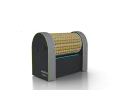
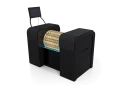
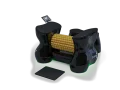




כיצד פועלות קריוסאונות חנקן נוזלי: בתוך תא הקירור
4.30.2026
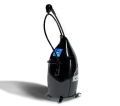
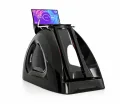
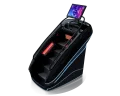
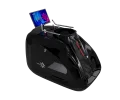
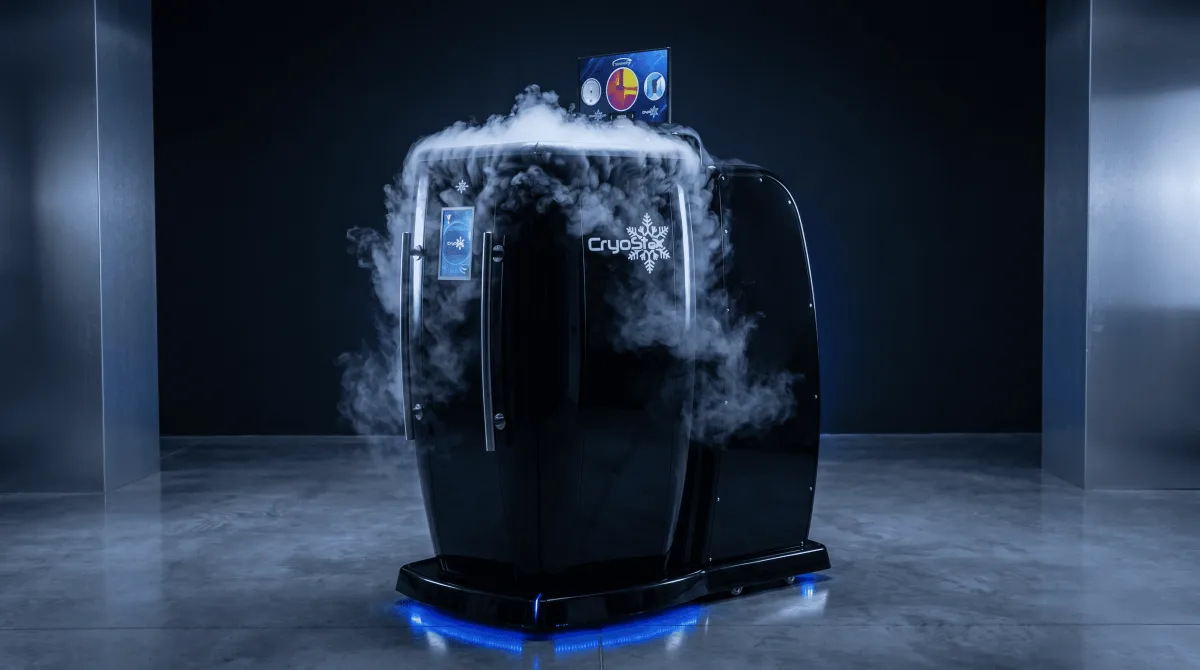
קריוסאונות חנקן נוזלי מתוארות לעתים קרובות במונחים דרמטיים, אך המנגנון הבסיסי קל יותר להבנה ממה שקונים רבים מצפים. קריוסאונת חנקן אינה מיכל שמתמלא בנוזל סביב המשתמש. זוהי מערכת תאים מבוקרת המאחסנת חנקן נוזלי חיצונית, ממירה את הקריוגן הזה לאדים קרים במיוחד, ומשתמשת באדים אלה כדי ליצור סשן חשיפה קצר ומבוקר היטב לכל הגוף לקור.
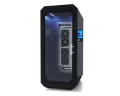
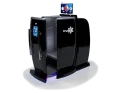
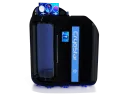
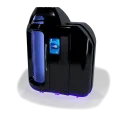
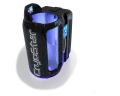
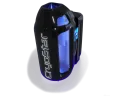
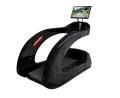
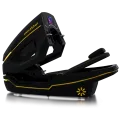
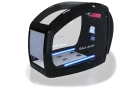
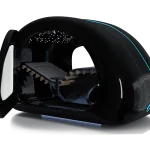
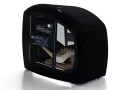
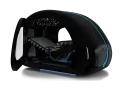
עבור קונים מסחריים, הבחנה זו חשובה. כאשר מפעילים מבינים כיצד המכונה פועלת בפועל, הם יכולים להעריך ציוד בצורה חכמה יותר, לתכנן את תשתית החדר בצורה מדויקת יותר ולהסביר את הטיפול בצורה ברורה יותר ללקוחות. זה חשוב במיוחד בקטגוריה שבה עסקים מסוימים משווים מערכות חנקן קלאסיות עם חלופות חשמליות כמו... תא קריותרפיה חשמלי באנטארקטיקה, בעוד שאחרים עדיין מחליטים האם א תא קריותרפיה CryoStar מתאים למודל השירות שלהם.
מדריך זה מסביר מה קורה בתוך קריוסאונה המופעלת בחנקן נוזלי, כיצד פועל רצף הקירור, מדוע ניטור אוורור וחמצן חשוב, ומה מפעילים מסחריים צריכים להבין לפני רכישה או התקנה של אחד כזה.
התשובה הקצרה: התא משתמש באדי חנקן קרים, לא בחשיפה ישירה לנוזל
ההסבר הפשוט ביותר הוא זה: חנקן נוזלי מאוחסן בכלי מבודד, מועבר דרך קו מבוקר ומשוחרר לתא כאדי חנקן קרים מאוד.. אדים אלה מורידים במהירות את טמפרטורת החדר ומקררים את עור המשתמש במהלך טיפול קצר שנמשך בדרך כלל בין דקה לשלוש דקות.
זוהי הנקודה שרבים מהקונים הראשונים והמשתמשים הסופיים מבינים לא נכון. בקריוסאונה סטנדרטית עם חנקן פתוח, הלקוח לא עושה זאת. לֹא לעמוד באמבט של חנקן נוזלי. במקום זאת, המדיום הקר הוא חנקן גזי בתוך אזור הטיפול, בעוד הראש נשאר מעל הפתח העליון כך שהאדם ממשיך לנשום אוויר חדר רגיל במקום גז מהחדר.
עיצוב זה הוא אחת הסיבות לכך שקריוסאונות חנקן הפכו פופולריות בחדרי כושר, אולפני התאוששות, ספא ועסקי בריאות. הן מספקות קירור מהיר מאוד, יכולות לעבוד בגודל קומפקטי יחסית, ויוצרות פורמט מפגשים ייחודי ופרימיום בתוך התחום הרחב יותר. תאי קריותרפיה קָטֵגוֹרִיָה.
שלב אחר שלב: איך קריוסאונה בחנקן נוזלי עובדת בפועל
רצף הפעולות הופך להיות הרבה יותר ברור כאשר הוא מחולק לשלבים.
שָׁלָב | מה קורה | למה זה משנה |
|---|---|---|
1. אחסון חנקן | חנקן נוזלי מאוחסן בכלי דיואר מבודד בוואקום או בכלי קריוגני דומה. | זה שומר על הקריוגן קר מספיק לשימוש מסחרי מעשי. |
2. העברה לחדר | המערכת מעבירה חנקן מהכלי דרך קווי העברה מבודדים לכיוון הקריוסאונה. | בידוד מסייע בהפחתת אובדן חום ומשפר את היעילות. |
3. שחרור גז וקירור תא | חנקן נכנס למערכת ויוצר אדים קרים מאוד הממלאים את אזור הטיפול. | התא יכול להגיע במהירות לטמפרטורות של טיפול קריותרפיה. |
4. חשיפת הלקוח | המשתמש עומד בפנים למשך סשן קצר, הנשלט על ידי המפעיל, בדרך כלל כ-1-3 דקות. | חשיפה קצרה היא מרכזית הן בעיצוב החוויה והן בתהליך העבודה התפעולי. |
5. אוורור ופליטה | יש להוציא אדי חנקן משומשים מהחדר באמצעות אוורור ותכנון פליטה. | זה עוזר לשמור על רמות החמצן בחדר ותומך בפעולה בטוחה יותר. |
בפועל, המכונה מתחילה לפעול הרבה לפני שהמטופל נכנס. אספקת החנקן צריכה להיות זמינה, הצינורות והבקרות צריכים לתפקד כראוי, וחלל הטיפול צריך להיות מוכן מבחינת אוורור וניטור. רק אז המפעיל מתחיל את הטיפול בפועל.
למה הראש בדרך כלל נשאר מעל התא
קריוסאונה קלאסית של חנקן נוזלי היא בדרך כלל מערכת פתוחה. הגוף נמצא בתוך אזור הטיפול בקור, אך הראש נשאר מעל הפתח. פריסה זו אינה רק סגנון עיצובי. היא קשורה קשר הדוק לאופן שבו מערכות חנקן פועלות ולאופן שבו החוויה מנוהלת בסביבה מסחרית.
אדי חנקן יכולים לדחוק חמצן בסביבה הסובבת אם אוורור החדר לקוי. מסיבה זו, התקנות מקצועיות מבוססות חנקן מסתמכות על תכנון החדר, אסטרטגיית פליטה וניטור חמצן ולא רק על תא הניקוז. שמירת הראש מעל החדר מסייעת גם בשמירה על חוויית משתמש נסבלת יותר, מכיוון שהלקוח ממשיך לנשום אוויר סביבתי במהלך הטיפול.
זהו אחד ההבדלים החשובים ביותר בין קריוסאונות חנקן לבין תאי גוף חשמליים לחלוטין. מערכות חשמליות יכולות לכסות את הראש מכיוון שהן מקררות באוויר מקורר במקום לצרוך חנקן בסביבת החדר. זו הסיבה שקונים רבים משווים מערכות חנקן ותאים חשמליים לא רק לפי טענות טמפרטורה, אלא גם לפי זרימת עבודה, תשתית והיגיון בטיחות.
מה הקור באמת עושה במהלך האימון
במהלך טיפול קריוסאונה בחנקן, המכונה שואפת להפחית את טמפרטורת העור במהירות במקום להקפיא רקמות עמוקות. Vacuactivus מסביר כי טיפולי קריוסאונה בדרך כלל כרוכים בחשיפה קצרה מאוד לטמפרטורות נמוכות במיוחד, בעוד שחומר ההדרכה שלה מציין שטמפרטורת העור יכולה לרדת באופן משמעותי בחלק הראשון של הטיפול. ההיגיון הרחב יותר של קריותרפיה הוא שקירור מהיר של פני השטח מפעיל דפוס תגובה חזק של קור בגוף, שלאחריו המשתמש יוצא ומתחיל להתחמם מחדש.
מבחינה מסחרית, זה משנה כי השירות מתוכנן סביב חשיפה קצרה ובעצימות גבוהה, לא טבילה קרה ארוכת טווח. זו הסיבה שסשן קריוסאונה בחנקן אינו ניתן להחלפה לאמבט קרח. המדיום שונה, מנגנון ההעברה שונה וזרימת העבודה שונה. קריוסאונה בחנקן משתמשת באדים קרים בסביבת תא, בעוד שאמבט קרח מסתמך על מגע ישיר עם מים קרים.
הבחנה זו שימושית גם בשיחות מכירה. קונים זקוקים לעתים קרובות לשפה טכנית מספיק כדי להיות מדויקת אך פשוטה מספיק כדי להסביר ללקוחות. הניסוח המעשי ביותר הוא שהמכונה משתמשת אדים קרים קיצוניים לסשן קצר בחדר, במקום מגע עם נוזל או טבילה במים.
התשתית הנסתרת מאחורי החדר
אחת הטעויות הגדולות ביותר שקונים חדשים עושים היא להתמקד רק בארון הנראה לעין. בפעולה אמיתית, קריוסאונה חנקנית היא חלק מ... מערכת קריוגנית קטנה, לא סתם קופסה עצמאית.
ההסבר של דמאקו לגבי תשתית קריוסאונה שימושי במיוחד כאן. הוא מציין כי מפעילים בדרך כלל זקוקים לאזור מאוורר היטב, דיואר מבודד בוואקום וקווי העברה מבודדים בוואקום, ובמקביל ממליץ על ניטור חמצן מכיוון שעודף חנקן יכול להפחית את ריכוז החמצן בחדר. Cryo Innovations מציינת באופן דומה כי מפעילים עשויים להזדקק לסירקולציית אוויר מוגברת או למאוורר פליטה בחדר הטיפולים.
עבור קונה, פירוש הדבר ששיחת ההתקנה צריכה לכלול יותר ממראה החדר וטמפרטורת הגג. היא צריכה לכלול גם את מיקום הדיואר, זרימת האוויר בחדר, אסטרטגיית פליטה, חישת חמצן, גישה לשירות וזרימת עבודה יומיומית של הצוות. תא שנראה אטרקטיבי בעלון עדיין יכול ליצור חיכוך תפעולי אם תוכנית החדר חלשה.
מה מפעילים עוקבים אחר במהלך סשן אמיתי
בעסק מנוהל היטב, הטיפול מנוהל על ידי המפעיל ולא נותר לאלתור. Vacuactivus מדגיש מספר מאפיינים הנפוצים בציוד קריותרפיה מקצועי, כולל חיישני חמצן, אוורור פליטה ובקרות מסך מגע. חומרי הקטגוריה שלה מתארים גם מערכות תאים כציוד הבנוי סביב בקרות ותכונות בטיחות כגון פונקציות עצירת חירום.
זו הסיבה שזרימת העבודה של הצוות חשובה כל כך. המפעיל בדרך כלל בודק האם החדר מוכן, האם הגדרות החדר נכונות, האם המשתמש ממוקם כראוי, והאם משך הטיפול תואם את פרוטוקול הטיפול. בקריוסאונות חנקן רבות, כוונון הגובה הוא גם חלק מהתהליך כך שראש הלקוח יישאר מעל האזור הקר.
מנקודת מבט עסקית, זה חשוב מכיוון שערך המכונה אינו נובע רק מעוצמת הקירור. הוא נובע גם מ... בקרת סשן צפויה וחוזרת על עצמה. על קונים לחפש מערכת המסייעת לצוות לספק את אותה רמת טיפול בכל פעם, במקום להסתמך על ניחושים ידניים.
כיצד מערכות חנקן משתוות לחלופות חשמליות
השאלה אינה האם טכנולוגיה אחת טובה יותר באופן אוניברסלי. השאלה הטובה יותר היא איזה סוג של מודל תפעולי עסק רוצה.
מֵמַד | קריוסאונה של חנקן נוזלי | תא קריותרפיה חשמלי |
|---|---|---|
שיטת קירור | משתמש בחנקן נוזלי מאוחסן שהופך לאדים קרים בפעולה. | משתמש באוויר מקורר המופק חשמלית. |
פורמט טיפוסי | בדרך כלל פתוח למעלה, כאשר הראש מעל התא. | לעתים קרובות צורה של כל הגוף, כולל הראש. |
צורכי תשתית | דורש לוגיסטיקה של אספקת חנקן בתוספת אוורור ומודעות לחמצן. | נמנע משרשרת אספקת חנקן אך תלוי בחומרת קירור חשמלית. |
אטרקטיביות מסחרית | נבחר לעתים קרובות בשל זרימת עבודה קלאסית של קריוסאונה, פורמט קומפקטי וזהות חזותית חזקה. | נבחר לעתים קרובות על ידי קונים המעדיפים סבבים סגורים וללא פליטת חנקן. |
שאלת קונה | האם אנחנו רוצים את מודל הקריוסאונה המסורתי של חנקן? | האם אנחנו רוצים חוויית אוויר קר חשמלית לכל הגוף? |
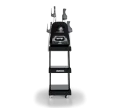
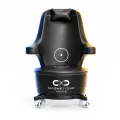
לדוגמה, עסק שרוצה פורמט קריוסאונה חנקנית מוכר עשוי להישען לכיוון דגם דגל כמו ה- תא קריותרפיה CryoStar. עסק שנותן עדיפות לזרימת עבודה חשמלית סגורה לחלוטין עשוי לבחון במקום זאת את ה- תא קריותרפיה חשמלי באנטארקטיקה. התשובה הנכונה תלויה במרחב, בנרטיב השירות, באסטרטגיית האוורור, בעלויות התפעול ובהעדפות הצוות.
היכן קריותרפיה מקומית משתלבת בשיחה
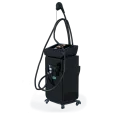
כמו כן, כדאי להבחין בין קריוסאונות חנקן של כל הגוף לבין קריותרפיה מקומית. אלו אינם כלים הניתנים להחלפה. קריוסאונה בחנקן בנויה סביב חוויית טיפול קצרה ומלאה בתא. קריותרפיה מקומית, לעומת זאת, מתמקדת בטיפול קר באזור גוף ספציפי במקום להקיף את כל הגוף באדי תא.
הבחנה זו מסייעת לקונים מסחריים להימנע מבלבול בין קטגוריות. סטודיו להחלמה המחפש שירות תאי ייחודי פותר בעיה שונה ממרפאה שרוצה טיפול נקודתי ממוקד לכתפיים, ברכיים או אזורים ספציפיים אחרים. לכן, הבנת אופן פעולתם של קריוסאונות בחנקן נוזלי אינה רק בעיה טכנית. זוהי חלק מהבנת סוג השירות שהעסק מנסה למכור בפועל.
מה קונים חכמים צריכים לשאול לפני הרכישה
לפני השקעה בקריוסאונה המופעלת בחנקן, קונה צריך לחשוב במונחים תפעוליים. כיצד יאוחסן החנקן? היכן יימצא מיכל הדיואר? כיצד החדר יטפל באוורור ובפליטה? אילו חיישנים ובקרות כלולים? כמה קל לצוות לנהל סשנים בטוחים וחוזרים? אלו שאלות קנייה טובות יותר מאשר פשוט לשאול איזו מכונה טוענת למספר הקר ביותר.
כדאי גם לחשוב על מיצוב. אם העסק רוצה שירות פרימיום, גלוי, המונחה על ידי תא, עם היגיון קלאסי של קריוסאונה בחנקן, זה מצביע לכיוון אחד. אם הוא רוצה סביבה חשמלית סגורה עם פרופיל תשתית שונה, זה מצביע לכיוון אחר. הרחב יותר Vacuactivus הטווח מראה מדוע קונים צריכים להשוות את מודל התפעול, ולא רק את שפת השיווק.
מסירה אחרונה
קריוסאונה של חנקן נוזלי פועלת על ידי אחסון נוזל קריוגני בכלי מבודד, הזזתו דרך צינורות מוגנים, שחרורו כאדי חנקן קרים, ושימוש באדים אלה ליצירת סשן חשיפה קור קצר ומבוקר של כל הגוף. התא הוא רק חלק אחד מהמערכת. אוורור, מודעות לחמצן, בקרות וזרימת עבודה של המפעיל חשובים לא פחות מהמכונה הנראית לעין עצמה.
עבור קונים רציניים, הבנה זו מובילה להחלטות טובות יותר. במקום לשאול רק כמה קר התא, הם יכולים לשאול את השאלה המועילה יותר: עד כמה המערכת הזו מתאימה לחדר שלנו, לזרימת העבודה של הצוות שלנו, לתקני הבטיחות שלנו ומודל השירות שלנו? זוהי השאלה שהופכת ציוד קריותרפיה מחפץ מרשים לנכס מסחרי בר-שימוש.


