




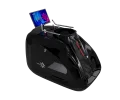
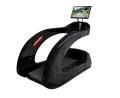
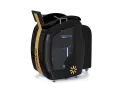
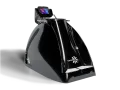

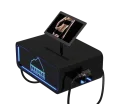
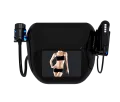

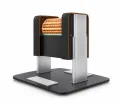
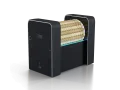





קריותרפיה של גוף חלקי לעומת קריותרפיה של גוף שלם: ניתוח זה לצד זה
4.29.2026
ככל שקריותרפיה הופכת לגלויה יותר במועדוני בריאות, מרכזי התאוששות ספורט, עסקי פיזיותרפיה וקונספטים בסגנון מדספא, קונים שואלים שאלה ספציפית יותר מבעבר: האם עלינו להציע קריותרפיה לחלק מהגוף או קריותרפיה לכל הגוף? על פני השטח, שניהם שייכים לאותה קטגוריית טיפול בקור. בפועל, לעומת זאת, הם פותרים בעיות שונות, יוצרים חוויות שונות של לקוחות ומתאימים למודלים עסקיים שונים.
זו הסיבה קריותרפיה חלקית לעומת קריותרפיה של כל הגוף זו לא רק השוואה טכנית. זוהי החלטה של עיצוב שירות. עסק המציע הקלה ממוקדת לנקודת כאב בכתף, בברך או לאחר אימון עשוי להזדקק לציוד שונה מאוד מסטודיו בריאות שמוכר טיפול חשיפה לקור פרימיום כטיפול דגל. הרחב תאי קריותרפיה הקטגוריה ב-Vacuactivus כבר משקפת את ההבחנה הזו על ידי הפרדת פורמטים של תאי גוף מלאים מ קריותרפיה מקומית מכשירים המיועדים לטיפול נקודתי.
מדריך זה מסביר את ההבדל בשפה פשוטה, משווה בין שני הפורמטים זה לצד זה, ומראה היכן כל אחד מהם נוטה להיות הגיוני ביותר מבחינה מסחרית.
התשובה הקצרה: היקף הטיפול שונה לחלוטין
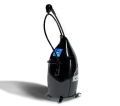
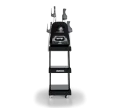
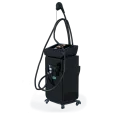
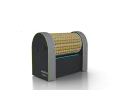
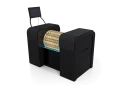
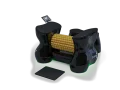
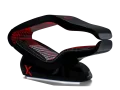
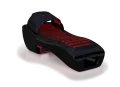
ההבדל הברור ביותר הוא היקף. קריותרפיה חלקית של הגוף מכוון לאזור ספציפי בגוף. הוא משמש כאשר מטרת הטיפול היא מקומית וממוקדת ולא כלל-טיפולית. Vacuactivus מתאר קריותרפיה מקומית כפורמט המטפל באזור ספציפי וממוקם בדרך כלל עבור כאב, דלקת, החלמה, שיקום ויישומים אסתטיים.
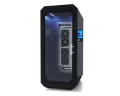
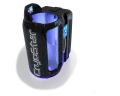
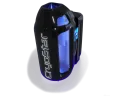
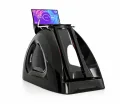
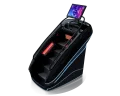
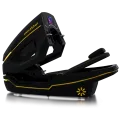
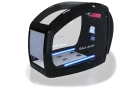
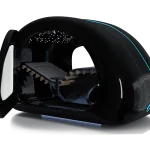
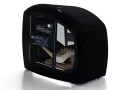
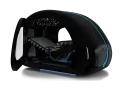
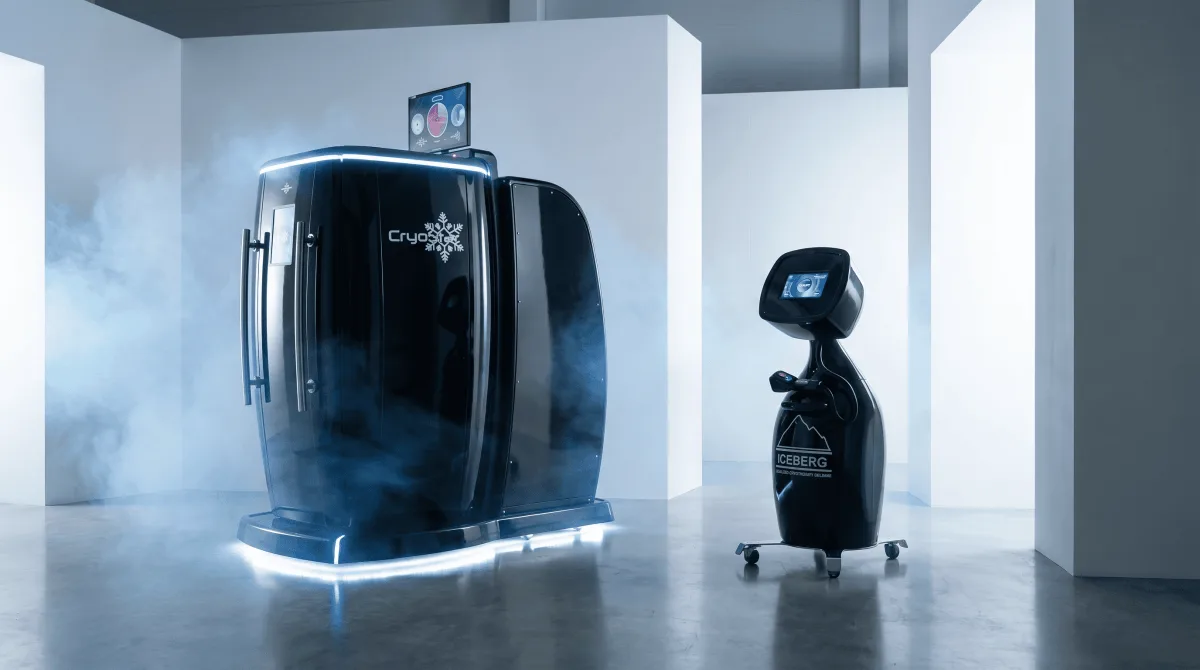
קריותרפיה לכל הגוף, לעומת זאת, הוא פורמט של מפגשים תאיים. WebMD מתאר זאת כחוויה המועברת בחדר, מיכל או תא מיוחד המקוררים לטמפרטורות נמוכות במיוחד, כאשר המשתמשים עומדים בפנים לפגישה קצרה ועוטים כיסויי מגן על הידיים, הרגליים והאוזניים. דף הקטגוריה Vacuactivus מציג באופן דומה תאי קריותרפיה כציוד המיועד לטיפולים בגוף כולו, כולל תאים זקופים ותאים קריוגניים סגורים לחלוטין.
במילים אחרות, קריותרפיה חלקית של הגוף היא בדרך כלל בערך אֵיפֹה הקור מוחל, בעוד שקריותרפיה לכל הגוף היא בערך טבילת הלקוח בסביבת טיפול קר לחלוטין.
למה אנשים מבלבלים בין שני הפורמטים
שפת הקטגוריות סביב קריותרפיה לרוב מבולגנת. עסקים מסוימים משתמשים ב"קריותרפיה" כדי להתייחס לכל טיפול המבוסס על קור, בעוד שאחרים משתמשים בו בצורה צר יותר כדי להתייחס לחשיפה תאית של כל הגוף. זה יוצר בלבול עבור קונים ועבור משתמשים סופיים. אדם המחפש קריותרפיה באינטרנט עשוי לדמיין קריוסאונה בגובה הכתפיים, תא טיפול ללא כניסה, פיה מקומית לקריותרפיה, או אפילו טיפול פנים בקריותרפיה.
לבלבול הזה יש חשיבות משום שהוא יכול להוביל להחלטות קנייה גרועות. מרפאה שמטפלת בעיקר באי נוחות מקומית אולי לא תצטרך קודם כל חדר ניתוח גוף מלא. סטודיו בריאות יוקרתי שמנסה ליצור שירות ייחודי ובלתי נשכח עשוי לגלות שמכשיר מקומי קטן אינו מספק את אותה השפעה חזותית וחווייתית. התשובה הנכונה תלויה פחות בהייפ גנרי ויותר בהבטחת השירות בפועל שהעסק רוצה להבטיח.
השוואה זו לצד זו בטבלה אחת
מֵמַד | קריותרפיה חלקית של הגוף | כל הגוף קריותרפיה |
|---|---|---|
היקף הטיפול | מתמקד באזור גוף או אזור טיפול ספציפי. | מספק חוויית חשיפה רחבה יותר לקור לאורך כל הצפייה. |
ציוד טיפוסי | מכשיר קריותרפיה מקומי או נייד עם יישום ממוקד. | יחידת קריותרפיה זקופה, מיכל או חדר טיפולי. |
מיצוב מסחרי | לעיתים קרובות מתאים לשירותי שיקום, פיזיותרפיה, אסתטיקה ושירותי התאוששות נוספים. | מתאים לעתים קרובות למרכזי בריאות, אולפני התאוששות ספורטיבית, מועדונים, ספא והצעות דגל לטיפול בקור. |
זרימת עבודה | גמיש, ממוקד, וקל יחסית לשילוב בחדר טיפולים. | בדרך כלל כרוך בזרימת טיפול ייעודית הכוללת הכנה, ביגוד מגן, כניסה לחדר ופיקוח על המפעיל. |
ציפיית הלקוח | הקלה או טיפול באזור מסוים שמדאיג אותך. | חוויה קרה רחבה וסוחפת יותר של כל הסשן. |
פרופיל החלל | טביעת רגל קטנה יותר ושילוב קל יותר בחדר. | יותר תלוי חדר וממורכז בתא. |
השאלה הראשונה הטובה ביותר | האם לקוחות זקוקים לטיפול ממוקד באזורים ספציפיים? | האם לקוחות רוצים טיפול קריותרפיה מלא של כל הגוף כשירות יעד? |
איזו קריותרפיה חלקית של הגוף היא הטובה ביותר
קריותרפיה חלקית של הגוף היא החזקה ביותר כאשר הצורך בטיפול הוא ספציפי, גלוי וקל לאיתור. Vacuactivus מציגה קריותרפיה מקומית כיעילה בהתאוששות מספורט, שיקום, תמיכה בכאב כרוני, ניהול נפיחות לאחר ניתוח, שירותים הקשורים ליופי וטיפולים נקודתיים ממוקדים. זה הופך אותו לאטרקטיבי מבחינה מסחרית עבור פיזיותרפיסטים, מפעילי שיקום, ספקי שירותי התאוששות ספורטיבית וקונספטים של ספא רפואי שרוצים שיטת טיפול קרה גמישה מבלי לבנות את כל תפריט השירותים סביב תא אחד.
יש כאן גם יתרון עסקי מעשי. קריותרפיה מקומית יכולה להיות קלה יותר לשילוב בזרימת החדר הקיימת מכיוון שהיא מתנהגת יותר כמו... כלי טיפול ממוקד מאשר התקנה יעדית. היא יכולה להשלים שירותים אחרים במקום להחליף אותם. מתקן עשוי להשתמש בה לצד עיסוי, טיפול ידני, פרוטוקולי התאוששות, טיפולים אסתטיים או שירותי ביצועים. במובן זה, קריותרפיה חלקית של הגוף עובדת לעתים קרובות היטב כ... תוסף, שדרוג, או שירות ספציפי לבעיה ולא כאטרקציה מרכזית.
עבור קונים, זה הופך את הקריו המקומי למושך במיוחד כאשר המטרה היא גמישות. אם הלקוחות שלכם מגיעים עם תלונות מרוכזות או יעדי טיפול ממוקדים, מכשיר ממוקד עשוי ליצור היגיון מסחרי מיידי יותר מאשר תא גוף שלם.
איזו קריותרפיה לכל הגוף היא הטובה ביותר
קריותרפיה לכל הגוף נוטה להיות החזקה ביותר כאשר העסק רוצה למכור חווית בריאות או התאוששות מלאה. פורמט החדר משנה את האופן שבו השירות נתפס. במקום לטפל באזור אחד, העסק מציע טקס חשיפה מלא לקור שניתן לארוז כשירות חברות פרימיום, מפגש התאוששות ספורטיבי או חלק ממסע בריאות רחב יותר.
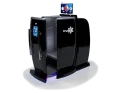
קטגוריית תאי Vacuactivus מציגה מגוון פורמטים של טיפול בקריותרפיה מלאה, החל מקונספטים של תאים למשתמש יחיד ותא זקוף ועד לסביבות סגורות יותר של הגוף כולו, מה שמחזק את הרעיון שקריותרפיה לכל הגוף היא קטגוריה בפני עצמה ולא רק גרסה גדולה יותר של קריותרפיה מקומית. WebMD מדגיש גם את אופי הפעולה המעשי של WBC: טמפרטורות קרות מאוד, זמני חשיפה קצרים והכנה מגינה לפני הכניסה.
פורמט הפגישה הזה חשוב מבחינה מסחרית כי ניסיון מוכר. תא קריותרפיה CryoStar או מערך דומה המונחה על ידי תא יכול להפוך למרכז גלוי של החדר, לנכס שיווקי ולסיפור שירות פרימיום. זה רלוונטי במיוחד עבור סטודיואים ומועדונים שרוצים שטיפול בקור יהיה יעד מוכר ולא כלי עזר נסתר בחדר האחורי.
איזה מהם קל יותר לנהל בעסק אמיתי?
בפעילות היומיומית, התשובה תלויה במה המשמעות של "קל". קריותרפיה חלקית לרוב קלה יותר לשילוב מכיוון שיש לה טביעת רגל קטנה יותר, היא תומכת בהיגיון טיפולי ממוקד ומתאימה באופן טבעי יותר לחדרי שירות קיימים. הצוות יכול למקם זאת סביב צורך הטיפול במקום לבנות את לוח הזמנים סביב תחלופת החדר.
קריותרפיה לכל הגוף עשויה להיות תובענית יותר בכוריאוגרפיה של הטיפול מכיוון שבדרך כלל יש תהליך קאמרי: הכנת הלקוח, אביזרי הגנה, בקרת המפעיל, הטיפול עצמו ומעבר לאחר הטיפול. עם זאת, מבנה נוסף זה לא תמיד מהווה חיסרון. בעסקים רבים, זה בדיוק מה שגורם לשירות להרגיש יוקרתי וייחודי.
אז התשובה המדויקת יותר היא זו: קריותרפיה לחלק מהגוף לרוב קלה יותר לשילוב, בעוד שקריותרפיה לכל הגוף לרוב קלה יותר לשיווק כשירות דגל עצמאי.. אלו סוגים שונים של ערך תפעולי.
כיצד חוויית הלקוח שונה
חוויית הלקוח אינה עוסקת רק בטמפרטורה. היא גם נוגעת לנרטיב וציפייה. קריותרפיה חלקית נתפסת בדרך כלל כפרקטית וממוקדת. הלקוח מגיע בדרך כלל עם בעיה ברורה: ברך כואבת, כתף מתוחה, אזור מודלק, אזור יעד קוסמטי או צורך בהחלמה. החוויה היא פונקציונלית וספציפית.
קריותרפיה לכל הגוף מרגישה שונה משום שהתא עצמו מעצב את הפסיכולוגיה של הטיפול. הלקוח מתכונן, נכנס לתא, חווה סביבה קרה קצרה אך עזה, ויוצא בתחושה שהשלים טיפול בריאותי ייחודי. WebMD מציין שחלק מהמיכלים נמצאים בגובה הכתפיים בעוד שאחרים עוטפים את כל הגוף, מה שמחזק את העובדה שקריותרפיה לכל הגוף נחווית כפורמט טיפול ייעודי ולא כהתערבות נקודתית.
עבור עסקים מסוימים, ההבדל הזה הוא מכריע. אם המטרה היא למכור מפגש פרימיום בלתי נשכח, ייתכן שטיפול בגוף כולו מתאים יותר. אם המטרה היא לפתור ממוקד תלונות לקוחות ביעילות, גוף חלקי עשוי להציע הצעת ערך ברורה יותר.
איזה פורמט עדיף להחזר השקעה (ROI)?
אין תשובה אוניברסלית, מכיוון שהחזר ההשקעה (ROI) תלוי בקהל היעד, במודל התמחור, בשטח, בכוח אדם ובתפריט השירות. ובכל זאת, ההיגיון הכלכלי של שני הפורמטים שונה.
קריותרפיה חלקית לרוב הגיונית כאשר רוצים להוסיף מקור הכנסה עם גמישות רבה. היא יכולה לתמוך במספר מקרי שימוש בתחומי שיקום, אסתטיקה והחלמה מבלי לדרוש שכל זהות המותג תסתובב סביב קריותרפיה. זה יכול להיות בעל ערך עבור עסקים שבהם קריו נועד לשפר טיפולים אחרים במקום לשלוט בתוכנית הקומה.
קריותרפיה לכל הגוף לרוב הגיונית כשרוצים הצעה פרימיום גלויה יותר שיכולה לעגן חברות, חבילות בריאות משולבות, מיקום התאוששות ספורטיבי או שיווק בסגנון אולם תצוגה. שירות המונע על ידי חדר טיפולים עשוי לדרוש יותר מקום ותהליך עבודה מכוון יותר, אך הוא יכול גם לייצר אפקט חזק יותר של "טיפול גיבור" במודל העסקי.
שאלת ה-ROI החכמה ביותר, אם כן, אינה "איזה מהם עדיף?" אלא “"איזה מהם מתאים לסוג העסק שאנחנו בונים בפועל?"”
מסגרת קבלת החלטות מעשית עבור קונים
אם העסק שלך זקוק בעיקר... | ההתקפה הראשונה החזקה יותר היא בדרך כלל... | מַדוּעַ |
|---|---|---|
טיפול ממוקד לאזורי גוף ספציפיים | קריותרפיה חלקית של הגוף | הפורמט מתוכנן סביב יישום מקומי והיגיון טיפול ממוקד. |
שירות קריותרפיה בסגנון יעד פרימיום | קריותרפיה לכל הגוף | קל יותר למקם טיפול בחדר טיפול כטיפול עצמאי. |
שילוב קל בחדרי טיפול קיימים | קריותרפיה חלקית של הגוף | ציוד בפורמט קטן יותר בדרך כלל קל יותר לשילוב בתהליכי עבודה קיימים. |
השפעה חזקה באולם התצוגה ושיווק חזותי | קריותרפיה לכל הגוף | הלשכה עצמה הופכת לחלק מסיפור המכירות והמותג. |
שיקום, פיזיותרפיה, נקודות כאב או גמישות אסתטית | קריותרפיה חלקית של הגוף | מקרי השימוש רחבים וכוללים שירותי ספורט, שיקום, בריאות וקוסמטיקה. |
טיפול בקור כמוצר מרכזי לחברות בריאות | קריותרפיה לכל הגוף | חוויות קאמריות של מפגשים מלאים מתאימות יותר למיצוב הופעות דגל. |
פסק דין סופי
ההבדל האמיתי בין קריותרפיה לחלקי הגוף ולכל הגוף זה לא שאחד מודרני והשני מסורתי, או שאחד אוטומטית טוב יותר. ההבדל האמיתי הוא היקף השירות. קריותרפיה לחלקי הגוף היא פורמט טיפול ממוקד לאזורים ספציפיים ולמקרי שימוש ממוקדים. קריותרפיה לגוף מלא היא חוויה של טיפול מלא, המבוססת על תא, שנועדה לספק שירות רחב יותר של חשיפה לקור.
עבור מפעילים רבים, נקודת ההתחלה הנכונה היא פשוט זו שמתאימה ביותר למסע הלקוח שהם רוצים ליצור. אם העסק שלכם פותר צרכים מקומיים של החלמה, דלקת, אסתטיקה או שיקום, קריותרפיה מקומית עשויה להיות הבחירה הנבונה יותר מבחינה מסחרית. אם העסק שלכם מוכר בריאות יוקרתית, זהות התאוששות ספורטיבית או חווית חשיפה לקור ייחודית, קריותרפיה לכל הגוף עשויה להתאים יותר.
הגישה היעילה ביותר לקנייה היא להפסיק לשאול איזה פורמט הוא "הטוב ביותר" באופן מופשט ולהתחיל לשאול איזה פורמט הוא בהתאמה הטובה ביותר לחדר שלך, לזרימת העבודה שלך, לקהל שלך ולמודל העסקי שלך. כאן מתחילות החלטות חכמות בנוגע לקריותרפיה.


