










תאי קריוג ליחיד לעומת תאי קריוג מרובים: השוואה בין החזר השקעה
תא קריוגני לאדם אחד משרת לקוח אחד בכל פעם; תא מרובה אנשים משרת שניים או שלושה. זה נראה כמו הבדל קטן במוצר על הנייר, אבל זה מעצב מחדש את מודל העסק - תפוקה, הכנסה שעתית, כלכלה בשעות שיא, הצעות קבוצתיות ובסופו של דבר הכנסה למטר מרובע - כל אלה משתנים באופן משמעותי. מדריך זה משווה את שתי האפשרויות זו לצד זו, עם חישוב החזר השקעה קונקרטי, כך שמפעילי מרכזי בריאות יוכלו לבחור את התצורה שמתאימה בפועל לגודל ולשאיפה של העסק שלהם.
התשובה הכנה מראש: אף אחת מהאפשרויות אינה טובה יותר באופן גורף. תאים של אדם אחד מנצחים ביעילות הון ופשטות עבור מתקנים קטנים יותר. תאים מרובי אנשים מנצחים בתפוקה ובהכנסה למטר מרובע עבור פעילות בנפח גבוה יותר. הבחירה הנכונה תלויה בשוק שלכם, במטר מרובע ובמסלול הצמיחה.
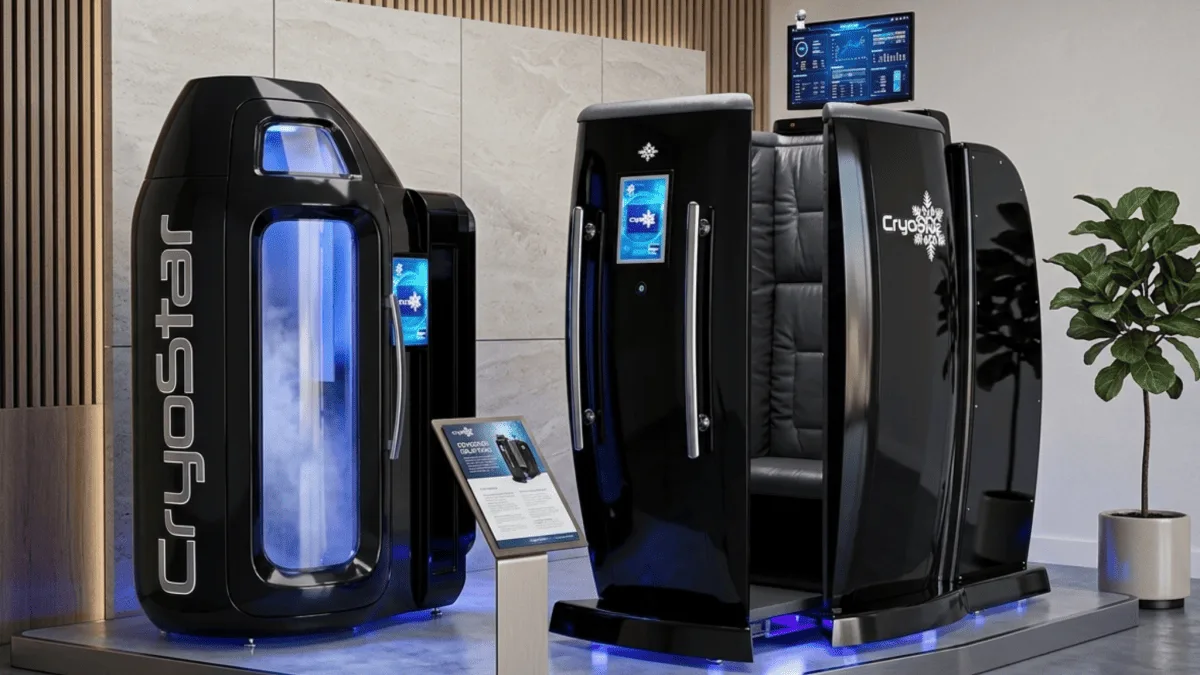
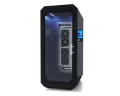
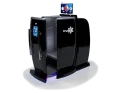
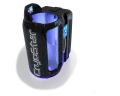
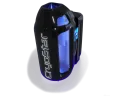
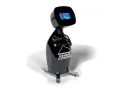
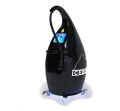
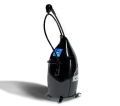
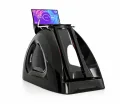
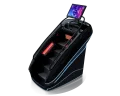
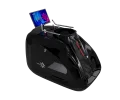
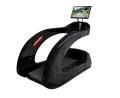
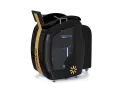
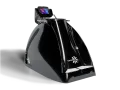
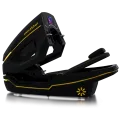
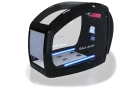
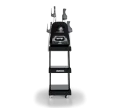
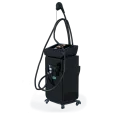
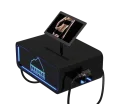
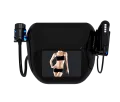
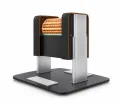
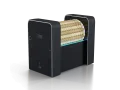
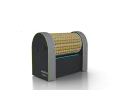
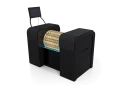
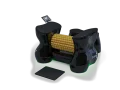
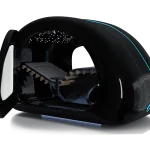
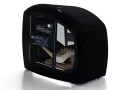
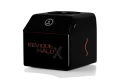
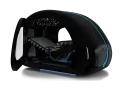
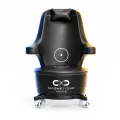
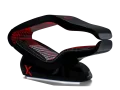
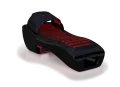
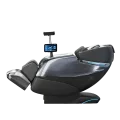
תמונה ראשית: תא רב-אנשים Vacuactivus Antarctica WBC Electric וקריוסאונה לאדם אחד CryoStar זה לצד זה
תאי קריוגן לאדם יחיד: איך הם עובדים
תאי קריותרפיה לאדם אחד כוללים הן קריוסאונות פתוחות קלאסיות - בהן הלקוח עומד בתוך תא אנכי כשראשו מעל השפה - והן תאים קטנים יותר המיועדים למטופל אחד בכל פעם. משך הטיפולים הוא דקה עד שלוש דקות עבור קריוסאונות ושתיים עד ארבע דקות עבור תאים ליחידים.
המאפיין המובהק הוא שירות אישי: לקוח אחד, איש צוות אחד מנהל את הפגישה, טביעת רגל אחת בחדר. המפעילים שולטים בקצב הפגישה ישירות - הלקוח הבא יכול בדרך כלל להיכנס תוך מספר דקות מסיום הקודם, בהתאם לניקיון, זמן התדרוך ומרחב ההתאוששות לאחר הפגישה.
עלות ההון היא היתרון העיקרי: קריוסאונה מסחרית לאדם אחד כמו ה- Vacuactivus CryoStar בדרך כלל נע בין $40,000 ל-$90,000, וזוהי נקודת הכניסה הנגישה ביותר לקריותרפיה מסחרית. עבור סטודיואים הפותחים את הסניף הראשון שלהם, זהו הציוד ההתחלתי הסטנדרטי.
תאי קריוגן מרובי אנשים: כיצד הם פועלים
תאי קריותרפיה מרובי אנשים הם תאים גדולים יותר שנועדו להכיל שניים או שלושה לקוחות בו זמנית בפגישה אחת. חוויית הלקוח דומה לתאים של אדם אחד - חשיפה לקור של כל הגוף למשך 2 עד 4 דקות - אך עם אפשרות לחלוק את החוויה עם בן/בת זוג, קבוצת אימון או חבר.
מצד המפעיל, החישובים משתנים באופן דרמטי. סשן אחד של 3 דקות משרת עד 3 לקוחות במקום אחד. ניקוי ואיפוס מתרחשים פעם אחת בכל קבוצת סשן במקום פעם אחת לכל לקוח. אותו מפעיל מנהל את כל סשן הקבוצה. ההון גבוה יותר, אך ההכנסה לכל סשן ותפוקת השעה משתנות בהתאם לקיבולת.
ה Vacuactivus Antarctica WBC Electric הוא תא חשמלי רב-אנשים מהדור הנוכחי התומך בעד 3 לקוחות בו זמנית, ללא חומרי צריכה של חנקן נוזלי והתקנה פשוטה יותר בהשוואה לחלופות חנקן. עלות ההון נעה בדרך כלל בין $120,000 ל-$250,000, בהתאם לתצורה ולקיבולת.
השוואה זו לצד זו: כל המספרים החשובים
ההחלטה נובעת ביסודה מכלכלת התפוקה. הנה מספרים אופייניים בתעשייה עבור ציוד ברמה מסחרית בשנת 2026:
| גוֹרֵם | קירור חשמלי | קירור חנקן |
|---|---|---|
| קיבולת לכל מפגש | לקוח אחד | עד 3 לקוחות |
| אורך ההפעלה | 1–3 דקות (קריוזונה) · 2–4 דקות (כניסה) | 2–4 דקות |
| מקסימום מפגשים לשעה | 10–15 (עם זמן הכנה) | 8–12 (לכל מפגש, אבל ×2–3 לקוחות) |
| מקסימום לקוחות לשעה | 10–15 | 16–36 |
| עלות הון (טיפוסית) | $40,000 – $90,000 | $120,000 – $250,000 |
| שטח רצפה נדרש | ~50-80 רגל מרובע | ~100–150 רגל מרובע |
| תמחור לפי סשן | $40 – $75 יחיד | $40 – $75 לאדם (×2–3) |
| הכי טוב עבור | התאוששות ספורטיבית לבד, הגעה ללא תור | הזמנות קבוצתיות, זוגות, קבוצות ספורטאים |
| הכנסה לשעה (שיא) | $500 – $1,100 | $900 – $2,500 |
| הכנסה למטר מרובע (שנתית) | קו בסיס | קו בסיס של פי 1.5–2 |
שני מספרים משפיעים בעיקר על העבודה הקשה בהשוואה זו: מקסימום לקוחות לשעה, והכנסה למטר מרובע. שניהם מעדיפים חדרי עבודה מרובי אנשים בקנה מידה גדול - אבל רק אם לסטודיו שלכם יש את נפח הביקוש ואת תרבות ההזמנות הקבוצתיות כדי למלא בפועל את הקיבולת.
מתמטיקה של ROI: מספרים אמיתיים עבור אולפנים אמיתיים
השוואות מחירי מדבקות מפספסות את הנקודה. ההשוואה הנכונה היא כושר ההכנסה השנתי וציר הזמן להחזר. בואו נריץ שני תרחישים מציאותיים.
תרחיש א' - קריוסטאר לאדם יחיד
סטודיו התאוששות עצמאי בעיר ברמה 2, קריוסאונה CryoStar יחידה, הפועלת 60 שעות בשבוע. פעילות בוגרת בחודש 6:
- הוֹן — 70,000 דולר לציוד + 40,000 דולר לבנייה + 30,000 דולר להשקעה בהון חוזר = 140,000 דולר להשקעה בסך הכל.
- מפגשים לחודש במועד הפדיון — 400 (לוח זמנים בוגר עם בסיס חברים בריא).
- הכנסה ממוצעת לכל סשן — $50 מעורבב.
- הכנסה ברוטו חודשית — $20,000.
- נטו חודשי (לאחר הוצאות הפעלה) — $7,000–$8,000.
- החזר הון — 18 עד 20 חודשים.
תרחיש ב' - אנטארקטיקה מרובת אנשים WBC Electric
מרכז בריאות באותה עיר ברמה 2, שירות חשמל יחיד באנטארקטיקה WBC (קיבולת ל-3 אנשים), אותן 60 שעות בשבוע, אותו תמחור משולב ללקוח:
- הוֹן — $180,000 ציוד + $50,000 בנייה + $50,000 הון חוזר = $280,000 סך ההשקה.
- מפגשים לחודש במועד הפדיון — 400 מפגשים אך עם ממוצע של 1.8 לקוחות לפגישה = 720 מפגשי לקוחות.
- הכנסה ממוצעת לכל ביקור לקוח — תערובת של $50 (אותו מחיר ללקוח).
- הכנסה ברוטו חודשית — $36,000.
- נטו חודשי (לאחר הוצאות הפעלה, מעט גבוה יותר מתרחיש א') — $15,000–$17,000.
- החזר הון — 16 עד 22 חודשים למרות ההון הגבוה יותר.
המדד המכריע הוא ממוצע הלקוחות לפגישה. אם ההזמנות שלכם ממלאות באופן עקבי את הקיבולת מרובת האנשים (1.8-2.5 לקוחות ממוצעים לפגישה), הכלכלה של ריבוי אנשים עולה משמעותית על הביצועים. אם ההזמנות שלכם עולות לעיתים רחוקות על 1.2 לקוחות לפגישה, קניתם קיבולת שאתם לא יכולים למלא - ולשכת העובדים היחידה בתרחיש א' הייתה הקצאת הון טובה יותר.
כאשר תא רב-אנשים מנצח
תאים מרובי אנשים מציגים ביצועים טובים יותר כאשר אחד או יותר מהתנאים הבאים מתקיימים:
- הזמנות לזוגות ולשותפים — מרכזי בריאות בשווקי רומנטיקה/לייף סטייל — ערי יעד, אזורי נופש, רובעי עירוניים יוקרתיים — הזמנת מקומות זוגיים באופן עקבי. החוויה המשותפת ללא כניסה היא חלק מהקסם.
- קבוצות אתלטיקה וקבוצות אימון — קופסאות קרוספיט, חדרי כושר, אקדמיות לספורט ומתקני קבוצות מקצועיות/מכללות מזמינים מפגשים מרובי אנשים כחלק מפרוטוקולי התאוששות קבוצתיים.
- קבוצות חברים והזמנות חברתיות — אולפני בוטיק לבריאות וקהילות ביו-האקינג מזמינים יותר ויותר מפגשים מרובי אנשים כפעילות בריאות חברתית.
- תקופות שיא בנפח גבוה — מתקנים שתפוסים באופן עקבי בשעות השיא (בוקר מוקדם, אחרי העבודה, בקרים בסופי שבוע) מרוויחים רבות מהיכולת לשרת 2-3 לקוחות בכל משבצת במקום אחד.
- מיצוב פרימיום — תאי קריוסאונה מרובי אנשים מאותתים על קנה מידה ושאפתנות שונים מקריוסאונות לאדם אחד. עבור מרכזי בריאות המכוונים לתמחור חברות פרימיום, הציוד עצמו הוא חלק ממיצוב המותג.
כאשר לשכת יחיד מנצחת
תאי חימום לאדם אחד נותרים הבחירה הנכונה כאשר:
- הון ההשקה מצומצם — עלות ציוד נמוכה פי 2-3 יכולה להיות ההבדל בין פתיחה לאי פתיחה.
- שטח הרצפה מוגבל קריוסאונות קומפקטיות לאדם אחד מתאימות לשטחי תנועה במקום שבו תאים מרובי אנשים אינם מתאימים לכך.
- הביקוש הוא בעיקר אינדיבידואלי — אולפני התאוששות אתלטית המשרתים ספורטאים בודדים, חברות התאוששות אישית או שווקים ללא תרבות חזקה של הזמנות קבוצתיות כמעט ולא ממלאים קיבולת של אנשים מרובים.
- תוספת בתוך מתקן קיים — חדרי כושר, ספא רפואי או מרפאות כירופרקטיקה שמוסיפים קריותרפיה כשירות מתחילים בדרך כלל עם ציוד לאדם אחד כדי לאמת את הביקוש לפני ההרחבה.
- מודל צמיחה שמרני — אולפנים המעדיפים סיכון נמוך והתאוששות הון מהירה בוחרים לעתים קרובות ציוד לאדם אחד ומוסיפים קיבולת של מספר אנשים בשנה השנייה או השלישית לאחר שהוכח הביקוש.
הגישה ההיברידית: שני סוגי הציוד באולפן אחד
מרכזי בריאות מבוססים מפעילים יותר ויותר את שני סוגי הציוד באותו מתקן. קריוסאונה לאדם אחד מטפלת בטיפולים אישיים מהירים, נוכחות ללא תור ולקוחות בלוח זמנים צפוף. תא רב-אנשים מטפל בהזמנות קבוצתיות, זוגות, קבוצות ספורט ומיקום פרימיום. תצורת הציוד הכפול לוכדת את שני סוגי הלקוחות - מחפשי התאוששות בודדים והזמנות קבוצתיות/חברתיות - ומנתבת כל אחד לציוד אופטימלי.
ההון הכולל גבוה יותר, אך כך גם תקרת ההכנסות. עבור מרכזי בריאות עם שטח של יותר מ-1,200 רגל מרובע ומיצוב יוקרתי חזק, ציוד כפול הופך יותר ויותר לתצורה הסטנדרטית.
אסטרטגיית תמחור עבור מפגשים מרובי אנשים
האופן שבו אתם מתמחרים מפגשים מרובי אנשים קובע אם אתם באמת מנצלים את יתרון התפוקה או מחזירים אותו ללקוחות.
- תמחור ללקוח (זהה ליחיד) — גבו מכל לקוח את תעריף הטיפול הסטנדרטי, בין אם הוא לבד או עם אחרים. זהו המודל הפשוט ביותר וממקסם את ההכנסות מכל טיפול. השתמשו בזה לתמחור שווה ערך לקריוסאונה.
- הנחה קלה לקבוצות — הנחה של 10–15% ללקוח עבור 2+ לקוחות המזמינים יחד. מעודד הזמנות קבוצתיות תוך ניצול יתרון התפוקה. השתמשו באפשרות זו בשווקים בהם רגישות התמחור גבוהה.
- חבילת פרימיום לקבוצות — גובים מחיר קבוע עבור כל האולם (למשל, $120 לעד 3 לקוחות). פחות ללקוח, אך מקבלים מפגשים מלאים באופן אמין. השתמשו באפשרות זו עבור חבילות זוגיות והזמנות קבוצתיות.
הימנעו ממלכודת תמחור מפגשים מרובי אנשים כאילו עלותם זהה למחירם של מפגשים של אדם אחד - הם אכן עולים, אך תקרת ההכנסות שלכם גבוהה משמעותית כאשר הקיבולת משותפת.
שאלות נפוצות
האם חוויית החדר הרב-אנשים באמת שונה עבור לקוחות?
החשיפה לקור עצמה זהה מבחינה פיזיולוגית. החוויה החברתית שונה - לקוחות שחולקים טיפול עם בן/בת זוג או קבוצה מדווחים באופן עקבי על כך כמהנה יותר וקל יותר להתחייב אליו כתרגול חוזר. מרכזי בריאות רבים מדווחים על שימור חברים גבוה יותר כאשר הזמנות קבוצתיות הן חלק מהשגרה.
האם אני יכול לשרת לקוח יחיד בחדר רב-אנשים?
כן - לשכות מרובות אנשים פועלות כרגיל עם לקוח אחד. הלשכה לא צריכה להיות מלאה כדי לפעול. אתם פשוט מוותרים על חלק מהיתרון של הכנסות לכל מפגש כשאתם מפעילים מפגשים שלא נמכרו מספיק. אסטרטגיית התמחור וניהול ההזמנות קובעים עד כמה זה משנה בפועל.
מה ההבדל בדרישות שטח הרצפה?
קריוסאונה אחת מתאימה לכ-50-80 רגל רבוע כולל שטח שירות. תא טיפולים מרוב אנשים זקוק לכ-100-150 רגל רבוע. שני הדברים ניתנים להשגה בחללים מסחריים אופייניים; הדרישה למספר אנשים פירושה רק חדר טיפולים ייעודי גדול במעט. אישור הבנייה ודרישות האוורור תלויות בטכנולוגיית הקירור (חשמל פשוט יותר מחנקן), לא בקיבולת.
כיצד משתנה רמת הצוות בין עובד יחיד לעובד מרובה אנשים?
אותו מפעיל יכול להפעיל כל אחד מהסוגים. מפגשים מרובי אנשים דורשים מעט יותר זמן הקמה - תדרוך של 2-3 לקוחות לוקח יותר זמן מתדרוך 1 - אך הזמן לכל לקוח נמוך משמעותית. האפקט נטו: דרישות הצוות דומות, אך ריבוי אנשים משפר באופן דרמטי את הפרודוקטיביות של הצוות מבחינת הכנסות.
מה אם השוק שלי לא מזמין מפגשי קבוצה?
אז ציוד לאדם אחד הוא הבחירה הנכונה. חדרי אירוח מרובי אנשים מציגים ביצועים טובים יותר רק כאשר תרבות ההזמנות תומכת במפגשים קבוצתיים. שווקים ללא תרבות כזו מתייחסים לחדרי אירוח מרובי אנשים כציוד יקר לאדם אחד - הוצאתם את ההון מבלי לנצל את יתרון התפוקה. ודאו שאתם מתחייבים להזמנות קבוצתיות לפני שאתם מתחייבים להון בעל קיבולת גבוהה יותר.
האם תאים מרובי אנשים יכולים להיות חשמליים, או רק חנקן?
שניהם. תאים חשמליים מרובי אנשים כמו ה- אנטארקטיקה WBC Electric לבטל את השימוש בחומרי חנקן נוזליים ולפשט באופן דרמטי את ההתקנה - תצורת הפרימיום הסטנדרטית בשנת 2026. תאי חנקן מרובי אנשים מגיעים לטמפרטורות נמוכות יותר אך דורשים את אותו אוורור פליטה וניטור חמצן כמו כל ציוד חנקן.
סיכום
תאי קריוגן לאדם אחד הם הבחירה הנכונה להשקות חסכוניות, שטח רצפה מוגבל ושווקים שבהם התאוששות אישית היא דפוס ההזמנות הדומיננטי. תאי קריוגן מרובי אנשים מציגים ביצועים טובים יותר בתפוקה, בהכנסה למטר מרובע ובמיקום פרימיום - אך רק כאשר הזמנות קבוצתיות, זוגות וקבוצות ספורט אכן ממלאות את הקיבולת.
עבור רוב מרכזי הבריאות המתכננים לפעול בקנה מידה גדול, הכלכלה של ריבוי אנשים מנצחת ברגע שהביקוש מתאושש. עבור סטודיואים שעדיין מוכיחים ביקוש או הפועלים בשטח צנוע, ציוד לאדם אחד הוא הדרך המהירה יותר להשבת הון. תצורות מרובות ציוד מבוססות לוכדות את שני פלחי הלקוחות ומייצגות את הסטנדרט הנוכחי של מרכזי בריאות ברמה היוקרתית.
Vacuactivus מייצרת את שניהם - ה CryoStar קריוסאונה לאדם אחד ו- אנטארקטיקה WBC Electric תא חשמלי רב-אנשים - כך שהחלטת התצורה מבוססת על מה שמתאים למודל העסקי שלך ולא על מה שהספק שלך מייצר במקרה.
השווה תצורות של תאי קריותרפיה: → גלו באתר vacuactivus.com


