












Macchina per massaggio corporeo in vendita: guida all'acquisto per centri benessere e spa
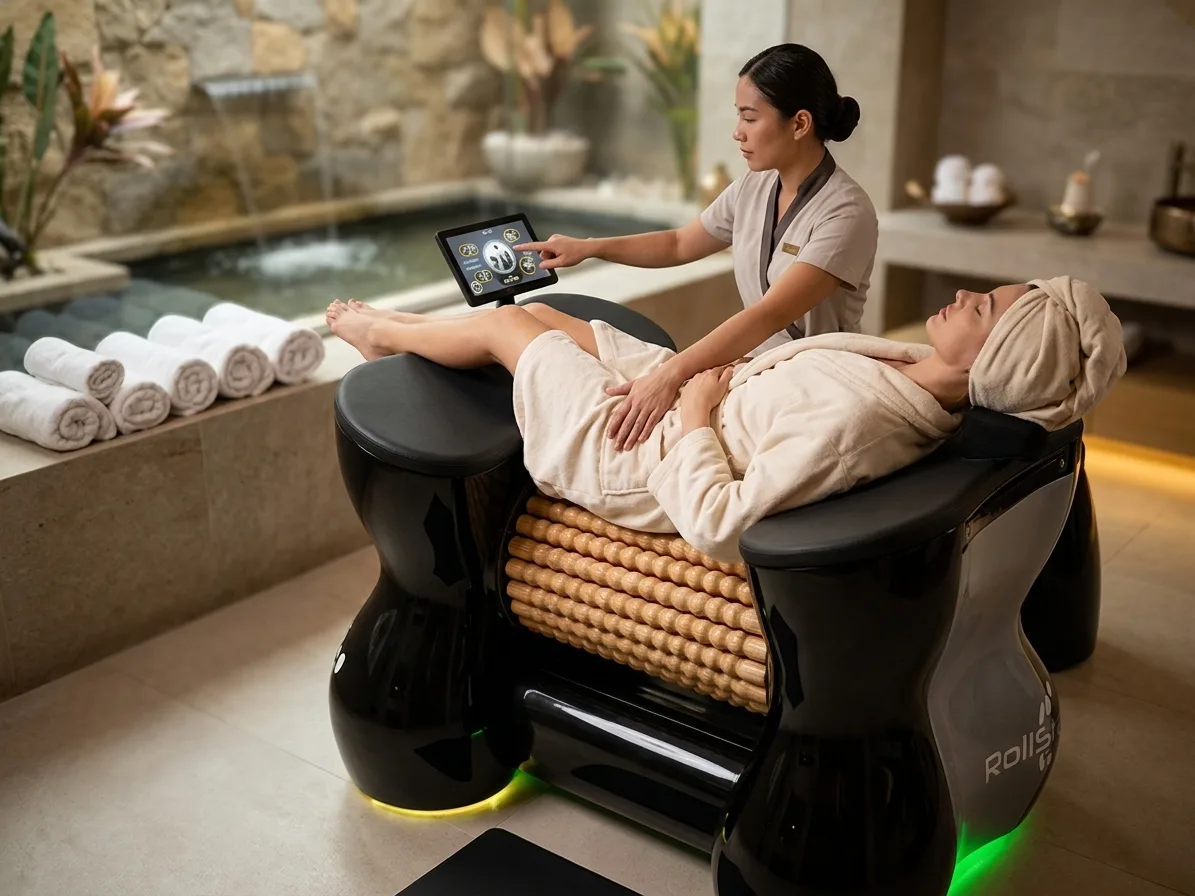
Una macchina per il massaggio corporeo con rulli è un dispositivo motorizzato per il benessere dotato di rulli di legno rotanti che offre massaggio meccanico, stimolazione del drenaggio linfatico e rimodellamento del corpo mentre il cliente si muove attraverso posizioni guidate attorno a un cilindro. Meccanizza la maderoterapia, una tradizione di massaggio con il legno, consentendo a uno studio di effettuare sessioni da 30 a 45 minuti senza la necessità di un terapista che lavori manualmente. Il motivo per cui esiste questa guida è che, cercando "macchina per il massaggio corporeo con rulli" online, compaiono tre prodotti molto diversi tra loro, che non sono intercambiabili.
I kit di attrezzi manuali in legno hanno un prezzo che varia da $20 a $40. Le macchine a ventosa con sfera interna, costruite attorno a una sfera in silicone, rappresentano un approccio meccanico completamente diverso. Le macchine a rullo in legno per tutto il corpo, la categoria professionale che le spa acquistano effettivamente, costano all'incirca da $8.000 a $14.000 negli Stati Uniti. Tutti e tre i prodotti compaiono negli stessi risultati di ricerca e nessuna delle prime pagine li distingue, lasciando l'utente a confrontare un kit di bastoncini da $30 e una macchina a cilindro da pavimento da $12.000 nella stessa pagina dei risultati. Questo è il problema che questo articolo si propone di risolvere prima di trattare qualsiasi altro argomento.
Dal 2009 (oltre 15 anni), Vacuactivus produce le linee RollStar e RollShape di macchine per il trattamento del corpo con rulli in legno, dotate di balaustre in frassino, riscaldamento a infrarossi e illuminazione per collagene e cromoterapia. Queste macchine sono utilizzate da più di 200 centri in 9 paesi. Questa guida è stata redatta tenendo conto della fase di produzione e dell'esperienza maturata in anni di spedizione di queste macchine a centri estetici professionali, e si concentra prima sulle categorie di prodotto e poi sulle strategie di vendita. Nulla di quanto riportato in questa guida costituisce un consiglio medico; le affermazioni estetiche o terapeutiche rivolte ai clienti devono essere discusse con un professionista qualificato in ambito medico o normativo prima della pubblicazione nei materiali di marketing.
Tre prodotti, un unico termine di ricerca
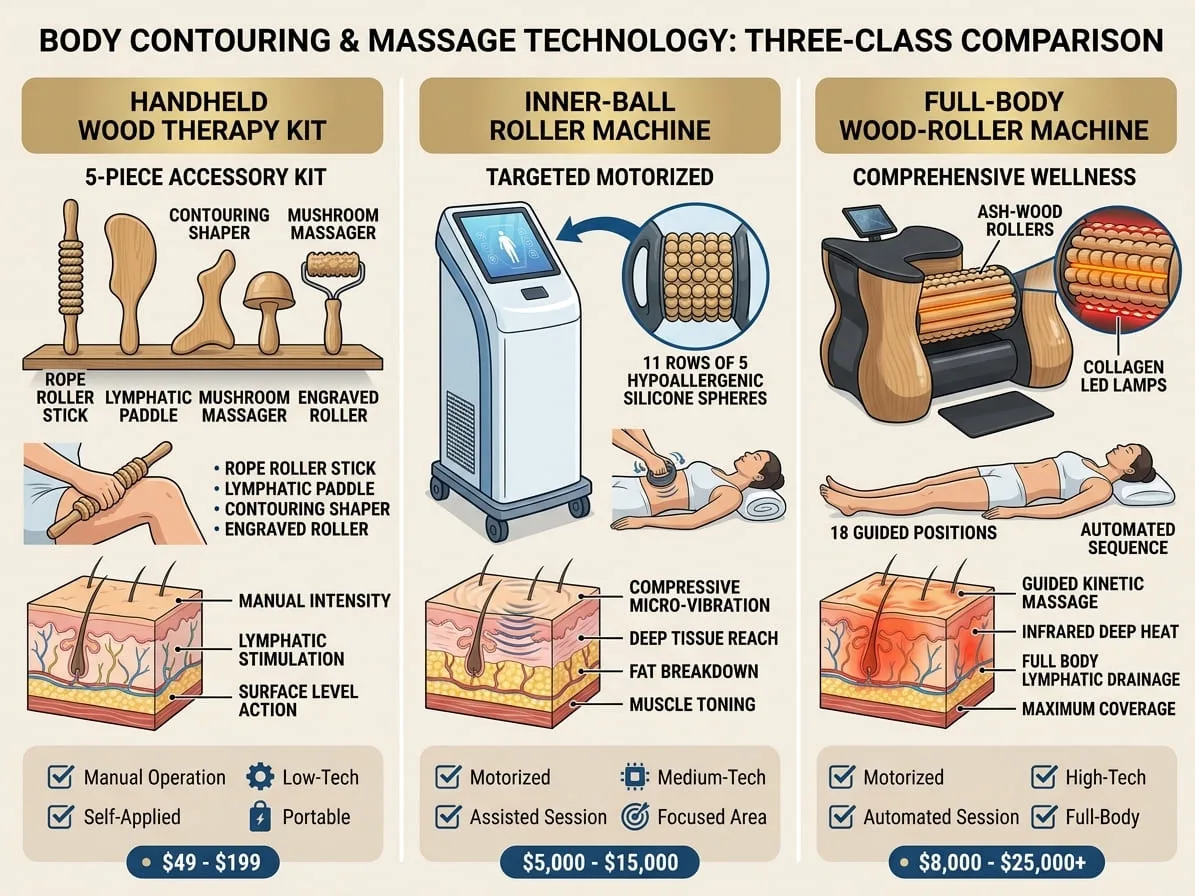
Cercando "macchina per massaggio corporeo con rulli" in vendita, i risultati mostrano tre prodotti che hanno in comune quasi solo la parola "rullo". Il primo è un kit di massaggio manuale in legno: un set di bastoncini, coppette e rulli in legno intagliato, venduto su Amazon e Walmart a prezzi che variano da $20 a $440 con marchi come Komogir, Krisler e SereneLife. Il terapista o il cliente li utilizzano manualmente. Si tratta di strumenti validi per un professionista a domicilio o per l'uso domestico, e non di attrezzature su cui uno studio costruisce la propria offerta, perché qualcuno deve pur tenerli in mano.
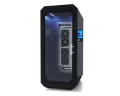
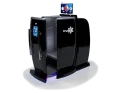
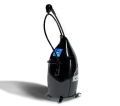
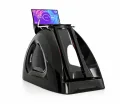
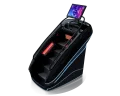
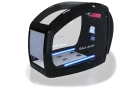
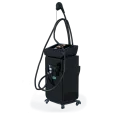
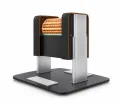
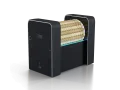
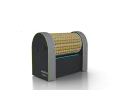
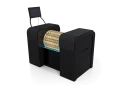
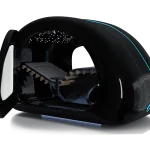
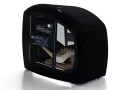
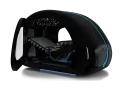
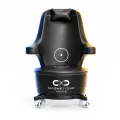
Il secondo tipo è un apparecchio a sfera interna o a rullo sottovuoto, costruito attorno a una sfera di silicone rotante che utilizza compressione e micro-vibrazione, venduto da Osano, RejuvaFresh e SureBeauty, spesso come prodotto OEM cinese. Rimodella e drena, ma il meccanismo si basa sull'aspirazione e sulla vibrazione contro la pelle, non su rulli di legno che premono sui tessuti, quindi la sensazione del trattamento e il profilo dei risultati sono diversi. Il terzo tipo è l'apparecchio a rulli di legno per tutto il corpo, e questa è la categoria commerciale: un'unità da pavimento con un cilindro di rulli di legno rotanti contro cui il cliente posiziona il corpo seguendo una sequenza guidata. Studio Figura, Body Roll Studio, Da Vinci, Exclusive Shape e le nostre linee RollStar e RollShape rientrano in questa categoria.
La distinzione è importante perché un acquirente che confronta un kit $40, un'unità a sfere interne $3.000 e una macchina a rulli per legno $12.000 sulla stessa pagina dei risultati sta confrontando tre aziende diverse, non tre fasce di prezzo di un unico prodotto. Decidete su quale meccanismo si basa il vostro servizio prima di confrontare i prezzi. La tabella seguente sintetizza la realtà delle tre classi in un confronto fattore per fattore.
| Classe | Meccanismo | Prezzo tipico (USA) | A chi è adatto / Cosa offre |
|---|---|---|---|
| Kit di maderoterapia portatile in legno (Komogir, Krisler, kit di maderoterapia SereneLife) | Bastoncini, tazze e rulli in legno intagliato e lavorato a mano. | $20-$40 | Operatore mobile o utente domestico; strumento legittimo per la tecnica manuale, NON attrezzatura attorno alla quale uno studio adatta un servizio (qualcuno deve pur tenerli). |
| Macchina per la rimozione della sfera interna/rulli a vuoto (Osano Endoshape, RejuvaFresh, SureBeauty, spesso OEM cinesi) | Sfera di silicone rotante con compressione e microvibrazione, solitamente applicata dall'operatore tramite manipolo. | Circa $2.500-$8.000+ (varia a seconda dell'unità e del mercato) | Salone o spa che crea un menù incentrato sul rimodellamento tramite aspirazione/vibrazione; spesso utilizzato sia sul viso che sul corpo; sensazione di trattamento e profilo dei risultati diversi rispetto ai rulli in legno – una vera e propria classe, con un approccio meccanico differente. |
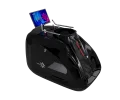
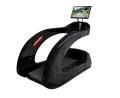
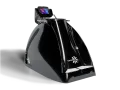
| Macchina per la modellatura del corpo con rulli in legno (Studio Figura Roll Shaper, Body Roll Studio, Da Vinci BodyRoll, Exclusive Shape, Vacuactivus RollStar e RollShape) | Unità da pavimento con tamburo di rulli di legno rotanti; il cliente posiziona il corpo contro il tamburo seguendo una sequenza guidata; postazione per esercizi a corpo intero a mani libere. | $8.000-$14.000 nella fascia commerciale media; categoria più ampia $1.500 residenziale di base fino a $25.000+ commerciale premium | Centro medico estetico, centro benessere, boutique di fitness o studio di pilates, spa di lusso in hotel, studio chiropratico o di riabilitazione: queste sono le categorie commerciali trattate in questa guida. |
Cos'è realmente la maderoterapia
La tecnica alla base dell'intera categoria dei rulli di legno ha un nome che la maggior parte degli acquirenti statunitensi non ha mai sentito: maderoterapia, da madero, termine spagnolo che significa legno. Si tratta di una tradizione di massaggio corporeo, fortemente associata alla Colombia e alle terme dell'America Latina e del Mediterraneo, che utilizza strumenti di legno sagomati per sciogliere le fasce muscolari, stimolare il flusso linfatico e rimodellare i tessuti molli. Un terapista lavora il corpo con rulli, coppette e palette intagliate per circa un'ora.
Una macchina a rulli di legno meccanizza esattamente questo: stesso legno, stessa azione meccanica contro la fascia e il sistema linfatico, erogata da un cilindro rotante invece che da un terapista che lavora a mano. Questo è il vero punto di forza, perché la manodopera è il primo vincolo che uno studio incontra. Una sessione di maderoterapia manuale impegna un professionista qualificato per un'ora; una sessione con la macchina impegna spazio e un timer. Per il meccanismo specifico di come i rulli interagiscono con il sistema linfatico, vedere Macchina a rullo per il drenaggio linfatico: come funziona che descrive il meccanismo in modo approfondito.
Questo patrimonio ha un'importanza che va oltre la storia. Quando un cliente chiede di cosa si tratta, se è sicuro o perché usare rulli di legno, la risposta sincera è che il legno viene utilizzato per i massaggi terapeutici da tempi immemori, e la macchina si limita a rendere la tecnica uniforme e ripetibile. Questa presentazione colloca l'attrezzatura come una modalità secolare resa scalabile, non come un gadget di tendenza, e questo è un argomento di vendita più efficace di qualsiasi elenco di caratteristiche. Il termine "maderoterapia" compare ancora raramente nel marketing statunitense, il che rappresenta un'occasione persa per gli studi che desiderano costruire fiducia attorno a questo servizio.
Quanto costa
Quasi nessuna pagina dei concorrenti indica un numero, quindi ecco la reale gamma. La categoria completa di rulli per legno professionali va da circa 1.500 TP4T per un'unità residenziale di base a 25.000 TP4T e oltre per una macchina professionale premium con un set completo di funzionalità. Il cuore del mercato professionale è più ristretto. Studio Figura, il marchio che ha lanciato la categoria, elenca il suo Roll Shaper negli Stati Uniti tra 8.000 TP4T e 14.000 TP4T a seconda della configurazione. Body Roll Studio, uno dei pochi operatori che pubblica una cifra, vende la sua macchina a 14.000 TP4T o la noleggia a 500 TP4T al mese, con spedizione e installazione escluse. Per un'analisi dettagliata dei prezzi commerciali e domestici che copre l'intera gamma della categoria, vedere Macchina modellante per il corpo: dispositivi professionali vs. dispositivi per uso domestico che analizza in dettaglio le fasce di prezzo e le dinamiche del ciclo di utilizzo del prodotto.
Ai livelli inferiori, le specifiche tecniche contano più del marchio, perché una macchina $2.000 e una $4.000 competono in base a motore, telaio e ciclo di lavoro, piuttosto che alla reputazione. Ai livelli superiori, la reputazione del marchio inizia a contare, perché un cliente che paga prezzi più elevati considera l'attrezzatura come parte integrante del servizio. La nostra RollShape si colloca nella fascia medio-commerciale come configurazione base, mentre la RollStar si posiziona nella fascia premium con una gamma di funzionalità più completa. Ciò che fa salire di prezzo una macchina è concreto: gamma di velocità variabile anziché velocità singola, dimensioni e connettività del touchscreen, infrarossi e cromoterapia, materiale del telaio e, soprattutto, il ciclo di lavoro per cui sono progettati motore e cuscinetti. Due macchine che sembrano identiche in foto possono differire per anni di vita utile, ed è proprio in questa differenza che risiede il divario di prezzo. La tabella seguente riassume il panorama dei livelli.
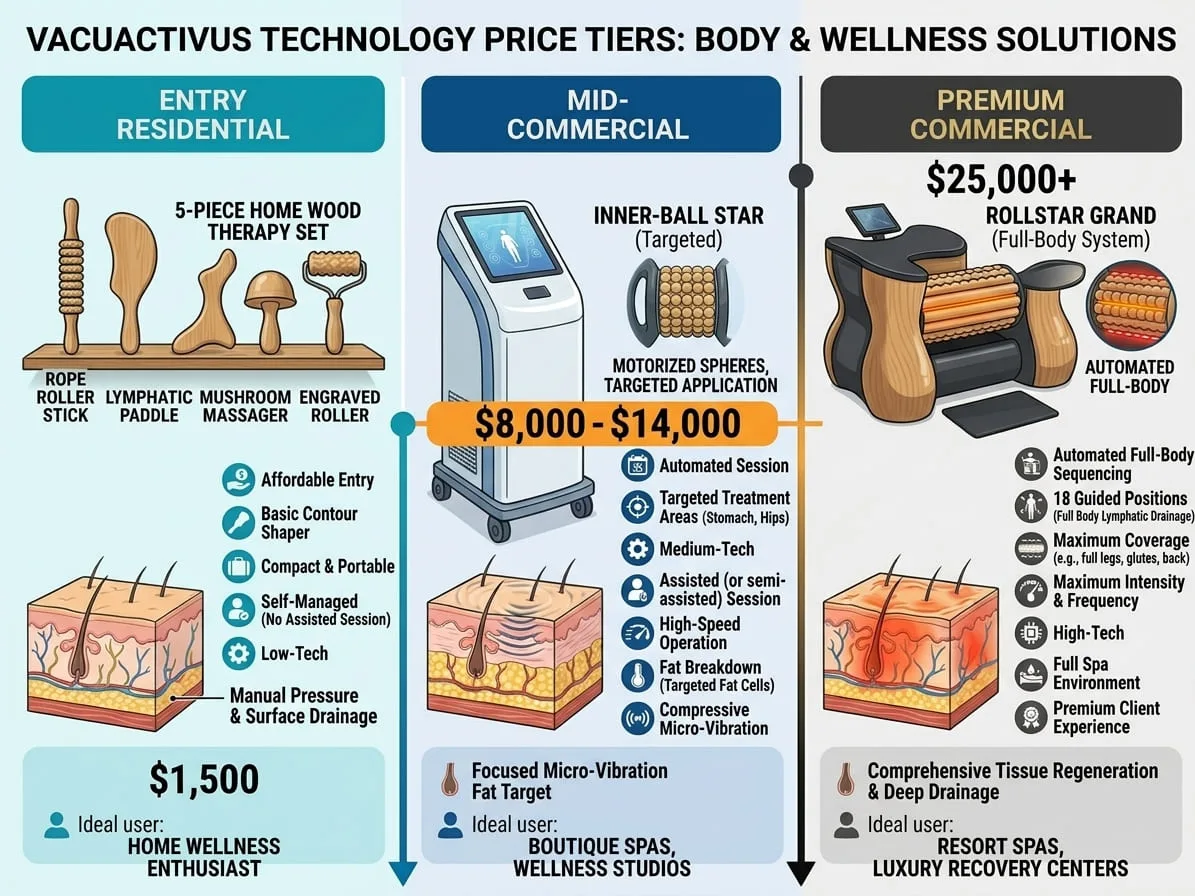
Fasce di prezzo delle macchine per la rullatura della carrozzeria (2026)
Prezzi pubblicati sul mercato statunitense, ricavati da fonti ufficiali di produttori e operatori. I singoli preventivi variano in base a configurazione, quantità, consegna e installazione; si prega di utilizzare queste informazioni come riferimento generale del mercato, non come base per un ordine di acquisto.
Fascia residenziale base: da circa 1.500 a 5.000 dollari per unità. Motore di livello domestico, velocità singola o ristretta, pannello di controllo semplice, telaio più leggero adatto a un uso occasionale. Ideale per un utente domestico o un professionista mobile che effettua poche sessioni a settimana; non è adatto come apparecchiatura commerciale con oltre 25 sessioni a settimana (esaurimento del ciclo di lavoro dopo 3-4 anni). Fascia medio-commerciale: da 8.000 a 14.000 dollari per unità. Motore e cuscinetti di livello commerciale, velocità variabile (tipicamente da 10 a 99 giri/min), touchscreen da 7 a 10 pollici, opzione di riscaldamento a infrarossi, telaio in acciaio antimicrobico adatto a oltre 5 sessioni al giorno di utilizzo continuo. È in questa fascia di prezzo che il Roll Shaper di Studio Figura viene venduto negli Stati Uniti, secondo le nostre osservazioni, e dove Body Roll Studio lo vende a 14.000 dollari (o lo noleggia a 500 dollari al mese, spedizione e installazione escluse). Livello commerciale premium: da 15.000 a 25.000+ dollari per unità ($). Set di funzionalità più completo: touchscreen più grande con Wi-Fi, controllo tramite app, formato cilindrico più ampio, infrarossi completi e focalizzazione sul drenaggio linfatico, programmi di illuminazione per cromoterapia, menu di sessione guidato dalla realtà virtuale sulle unità premium, ozonoterapia opzionale sulle configurazioni di punta. Ideale per centri benessere di alta gamma che considerano la stanza parte integrante dell'offerta di servizi e per acquirenti la cui clientela interpreta la classe dell'apparecchiatura come un parametro di riferimento per la fascia di prezzo.
Cosa vende una macchina
Il vantaggio commerciale di una macchina a rullo in legno risiede nel fatto che un singolo apparecchio offre tre servizi diversi, cosa insolita per una singola attrezzatura. Gli studi offrono trattamenti per la riduzione della cellulite, il rimodellamento del corpo e il recupero muscolare utilizzando lo stesso rullo, ognuno dei quali rappresenta una voce diversa nel menu, con un prezzo differente e rivolto a una clientela in parte diversa. Per quanto riguarda il rimodellamento, le clienti riferiscono in genere una riduzione della circonferenza di cosce e vita di 5-10 cm in un mese di sedute regolari, risultato che incentiva le prenotazioni di cicli di trattamenti piuttosto che le sedute singole – e sono proprio le prenotazioni di cicli di trattamenti a rendere l'attività economicamente sostenibile.
Qui l'onestà conta più dei superlativi: la circonferenza indicata è un dato comunemente riportato dai clienti, non un risultato clinico garantito, e il miglioramento della cellulite è un cambiamento estetico, non una rimozione del grasso. Se presentati correttamente, entrambi i trattamenti riescono comunque a riempire gli appuntamenti; se invece vengono presentati come una soluzione per la perdita di grasso o una cura permanente, generano richieste di rimborso. L'apparecchiatura si adatta a una specifica tipologia di attività. Centri estetici e di medicina estetica la utilizzano come servizio estetico di base. Studi di fitness e pilates boutique la includono perché i loro clienti sono già consapevoli del proprio corpo e prenotano cicli di trattamenti. Le spa degli hotel la offrono come servizio esclusivo, per cui gli ospiti scelgono il soggiorno. Studi di chiropratica e di riabilitazione la utilizzano per il trattamento miofasciale e linfatico, piuttosto che per quello estetico.
Una quota significativa del mercato statunitense lo gestisce con un marchio privato, acquistando la macchina e rimarchiandola, perché la categoria è frammentata e un marchio interno riconoscibile ha più successo di un nome di produttore sconosciuto nel punto vendita. L'approccio "una macchina, tre servizi" si abbina perfettamente anche alle attrezzature adiacenti: molti operatori combinano il servizio di rullatura del legno con crioterapia e attrezzature per la perdita di peso nello stesso menu di trattamenti per il rimodellamento del corpo, che fa aumentare il prezzo medio per visita senza aggiungere un terapista.
Uso commerciale vs uso domestico: la questione del ciclo di lavoro
L'errore di acquisto più costoso in questa categoria è quello di utilizzare un apparecchio per uso domestico in un centro estetico professionale, ed è facile commetterlo perché gli apparecchi sembrano simili. La differenza sta nel ciclo di lavoro: ovvero, per quante sedute il motore, i cuscinetti e i rulli sono progettati per funzionare prima di usurarsi. Uno studio che prevede 5 o più sedute al giorno necessita di un apparecchio con un ciclo di lavoro professionale. Un apparecchio per uso domestico, utilizzato per 25-30 sedute a settimana, esaurisce la sua vita utile in 3-4 anni anziché negli 8-10 anni di un'unità professionale, e i costi di riparazione e sostituzione durante questa vita utile ridotta superano di gran lunga il risparmio iniziale.
Anche la struttura racconta la stessa storia: un telaio in acciaio antimicrobico costruito per un uso continuo rispetto a un telaio più leggero per uso domestico. C'è anche un costo di posizionamento che non compare nella scheda tecnica. Una macchina di livello domestico installata in una spa di lusso mina il posizionamento di prezzo su cui si basa l'intera sala, perché un cliente che paga un prezzo elevato nota un'apparecchiatura dall'aspetto domestico. La macchina fa parte del servizio offerto e un'unità $2.000 racconta una storia diversa rispetto a una $12.000, indipendentemente dalle prestazioni di ciascuna in un dato giorno. Scegliete la classe di macchina in base al volume e alla fascia di prezzo della sala, non in base al numero più basso che rientra nel budget.
Acquisto o leasing: cosa verificare
La questione se acquistare o noleggiare si riduce a disponibilità di liquidità e impegno. Body Roll Studio propone la scelta in modo chiaro: $14.000 per l'acquisto o $500 al mese per il noleggio. Il noleggio è la soluzione ideale per uno studio che vuole testare la redditività del servizio prima di investire capitali, o per chi preferisce preservare la liquidità per il marketing della nuova offerta. L'acquisto risulta più conveniente su un orizzonte pluriennale, una volta che il servizio si è dimostrato valido, poiché i canoni di noleggio finiscono per superare il prezzo di acquisto. Molti produttori offrono finanziamenti commerciali per ordini di strutture o unità multiple, che consentono di dilazionare il pagamento dell'acquisto senza ricorrere a un noleggio a tempo indeterminato.
Indipendentemente dalla struttura di pagamento, prima di firmare è necessario seguire la stessa lista di controllo delle specifiche. Verificate il ciclo di lavoro previsto e confrontatelo con il numero di sessioni giornaliere stimate. Verificate la gamma di velocità (RPM variabile anziché a velocità fissa), il materiale del rullo e la sua sostituibilità. Assicuratevi che la garanzia copra effettivamente la superficie e la sua durata, e che l'uso commerciale sia incluso o escluso, poiché una garanzia per consumatori decade nel momento in cui un cliente pagante utilizza la macchina. Chiedete se è inclusa la formazione per l'operatore, perché una sessione con il rullo per legno richiede una tecnica specifica e un operatore non qualificato può produrre risultati scadenti, che si ripercuotono sui clienti. Verificate i requisiti elettrici (la maggior parte funziona con una presa standard da 110 V negli Stati Uniti) e l'ingombro (si tratta di unità a pavimento lunghe circa 1,8 metri). Infine, se intendete commercializzare la macchina con il vostro marchio, verificate che il produttore offra la possibilità di personalizzazione con etichetta privata prima di basare il marketing sul vostro nome.
Dove si colloca Vacuactivus
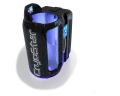
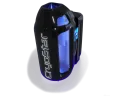
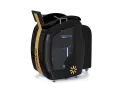
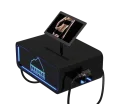
Vacuactivus produce le linee RollShape e RollStar di macchine per il massaggio completo del corpo con rulli in legno, dotate di balaustre in legno di frassino, riscaldamento a infrarossi e illuminazione per collagene e cromoterapia. RollShape è il modello di punta per uso commerciale: rulli cilindrici in legno, velocità variabile da 10 a 99 giri/minuto, touchscreen da 7 pollici, opzione a infrarossi di base e telaio in acciaio antimicrobico, utilizzato da oltre 200 studi in 9 paesi. RollStar è il modello di fascia alta, che aggiunge il trattamento a infrarossi completo e la focalizzazione sul drenaggio linfatico, un formato del rullo più ampio per una maggiore copertura in un singolo ciclo, un touchscreen Wi-Fi da 10,1 pollici, controllo tramite app e ozonoterapia opzionale sul modello di punta. Entrambi i modelli rientrano nella categoria dei rulli in legno per il massaggio completo del corpo descritta sopra, non nelle categorie dei dispositivi portatili o con sfera interna.
Per la scelta diretta tra RollStar e RollShape con la suddivisione delle specifiche tra fascia media e premium, vedere Roll Star contro RollShape: scegliere il rullo per il corpo giusto che illustra in dettaglio la decisione di selezione del modello. Le specifiche complete e le opzioni di configurazione sono disponibili su Attrezzatura per la formatura di rulli Vacuactivus pagina, con lo specifico rullo per corpo RollShape e ammiraglia RollStar Pagine prodotto contenenti i dettagli delle specifiche per il segmento commerciale medio e quello premium.
Una parte significativa di ciò che spediamo viene ceduta con marchio privato a marchi regionali che rimarchiano la macchina, una pratica comune in un mercato statunitense frammentato. Applicate a noi la stessa lista di specifiche che applichereste a qualsiasi fornitore: richiedete per iscritto il ciclo di lavoro, la gamma di velocità con la banda di giri al minuto, i termini di garanzia, inclusa la copertura commerciale, e la formazione per l'operatore inclusa nella consegna. Un produttore sicuro della propria macchina metterà tutto per iscritto, mentre un produttore che non lo fa vi sta mentendo, a prescindere da quanto affermato nella pagina di marketing.
Domande frequenti
D1. Cos'è una macchina per il body roll e come funziona?
La macchina per il massaggio corporeo con rulli è un dispositivo motorizzato per il benessere dotato di rulli di legno rotanti che offre massaggio meccanico, stimolazione del drenaggio linfatico e rimodellamento del corpo mentre il cliente si muove attraverso posizioni guidate attorno a un cilindro o un tamburo. Meccanizza la maderoterapia, una tradizione di massaggio con strumenti in legno sagomati per sciogliere le tensioni fasciali, stimolare il flusso linfatico e rimodellare i tessuti molli. Invece di un terapista che lavora manualmente sul corpo per un'ora, la macchina esegue una sessione di 30-45 minuti attraverso una sequenza di posizioni guidate, il che consente a uno studio di modulare il servizio. I modelli di fascia alta aggiungono il riscaldamento a infrarossi (che riscalda i tessuti fino a circa 2 cm di profondità), la cromoterapia e il controllo tramite touchscreen. Il meccanismo si basa sulla pressione meccanica esercitata dai rulli di legno, il che la distingue dalle macchine con sfera interna che utilizzano una sfera di silicone con aspirazione e microvibrazione – un trattamento diverso che condivide il termine di ricerca ma non il metodo.
D2. Quanto costa una macchina per la rullatura della carrozzeria a livello commerciale?
Negli Stati Uniti, le macchine professionali per la levigatura del legno hanno un prezzo che si aggira tra gli 8.000 e i 14.000 dollari. Studio Figura, il marchio che ha lanciato questa categoria, colloca la sua Roll Shaper in questa fascia di prezzo a seconda della configurazione, mentre Body Roll Studio la propone a 14.000 dollari per l'acquisto o 500 dollari al mese per il noleggio. La fascia di prezzo più ampia va da circa 1.500 dollari per un modello base per uso domestico a 25.000 dollari e oltre per una macchina professionale di alta gamma con tutte le funzionalità. Ciò che fa salire di prezzo una macchina è concreto: la gamma di velocità variabile anziché a velocità singola, le dimensioni e la connettività del touchscreen, la presenza di infrarossi e cromoterapia, il materiale del telaio e il ciclo di lavoro per cui sono progettati il motore e i cuscinetti. Nei modelli di fascia bassa, le specifiche tecniche contano più del marchio; nei modelli di fascia alta, invece, conta la reputazione del marchio perché i clienti considerano l'attrezzatura come parte integrante del servizio. Oltre al prezzo della macchina, bisogna considerare anche la spedizione e l'installazione, che spesso vengono quotate separatamente.
D3. Qual è la differenza tra una macchina a rulli di legno e una macchina a sfere interne?
Il meccanismo, e questo cambia il trattamento. Un apparecchio a rulli di legno, appartenente alla classe della maderoterapia, utilizza rulli di legno rotanti che premono e impastano i tessuti mentre il cliente posiziona il corpo contro un cilindro. Un apparecchio a sfera interna o a vuoto, venduto da marchi come Osano, RejuvaFresh e SureBeauty, è costruito attorno a una sfera di silicone rotante che combina compressione, aspirazione e micro-vibrazione sulla pelle, solitamente applicata con un manipolo anziché con un tamburo per tutto il corpo. Entrambi rimodellano il corpo e stimolano il flusso linfatico, ma la sensazione e il profilo dei risultati differiscono: i rulli di legno esercitano una pressione meccanica diffusa su ampie aree, mentre le unità a sfera interna offrono aspirazione e vibrazione mirate. Si adattano anche a modelli di servizio diversi: il rullo di legno è una postazione per il trattamento di tutto il corpo senza l'uso delle mani, mentre le unità a sfera interna vengono applicate da un operatore e spesso utilizzate sia sul viso che sul corpo. In linea di principio, nessuno dei due è migliore dell'altro; si tratta di servizi diversi e, prima di confrontare i prezzi, l'acquirente dovrebbe scegliere il meccanismo su cui si basa il servizio.
D4. Vale la pena acquistare un rullo massaggiante per il corpo in una spa?
Per il settore giusto, sì, perché un'unica macchina offre tre servizi vendibili in un unico spazio: riduzione della cellulite, rimodellamento del corpo e recupero, ognuno con un prezzo diverso. La redditività dipende da prenotazioni di cicli di trattamenti piuttosto che da sedute singole, motivo per cui il risultato che conta è quello che i clienti solitamente riportano: una riduzione della circonferenza di cosce e vita di 5-10 cm in un mese di sedute regolari. È un servizio adatto a centri estetici, centri benessere, studi di fitness e pilates boutique, spa di hotel che lo propongono come servizio esclusivo e studi chiropratici o di riabilitazione che utilizzano il massaggio miofasciale e linfatico. È meno indicato come servizio a sé stante in una struttura senza una clientela già affezionata al proprio corpo da fidelizzare. È importante precisare che i risultati relativi al rimodellamento del corpo sono quelli riportati dai clienti, non risultati garantiti, e il miglioramento della cellulite è un cambiamento estetico, non una rimozione del grasso. Se venduti correttamente, entrambi i trattamenti garantiscono comunque un'agenda fitta di appuntamenti.
D5. Cos'è la maderoterapia?
La maderoterapia, dal termine spagnolo "madero" che significa legno, è una tradizione di massaggio corporeo che utilizza strumenti in legno sagomati per sciogliere le tensioni fasciali, stimolare il flusso linfatico e rimodellare i tessuti molli. È fortemente associata alla Colombia e alle spa latinoamericane e mediterranee, dove un terapista lavora il corpo con rulli, coppette e palette in legno intagliato per circa un'ora. Una macchina per il massaggio con rulli meccanizza questa tecnica: stesso legno, stessa azione meccanica, erogata da un cilindro rotante di rulli anziché dal lavoro manuale di un terapista. L'eredità di questa tecnica è importante dal punto di vista commerciale perché posiziona l'apparecchiatura come una modalità secolare resa costante e scalabile dall'ingegneria, piuttosto che come una novità. Quando un cliente chiede in cosa consiste il trattamento o se è sicuro, la risposta onesta è che il legno è stato utilizzato per il massaggio terapeutico da tempi immemori e la macchina rende la tecnica ripetibile. Il termine compare ancora raramente nel marketing statunitense, il che rappresenta un'occasione persa per i centri estetici che desiderano costruire fiducia attorno a questo servizio.
D6. Quante sessioni al giorno può effettuare un rullo massaggiante professionale?
Una macchina di livello professionale è progettata per 5 o più sessioni al giorno in base al ciclo di lavoro, ed è proprio questa specifica a distinguerla da un modello per uso domestico. Il ciclo di lavoro indica quante sessioni il motore, i cuscinetti e i rulli possono sopportare prima di usurarsi, ed è il dato più importante da considerare in un acquisto professionale. Una macchina per uso domestico, utilizzata per 25-30 sessioni a settimana, esaurisce la sua vita utile in 3-4 anni, mentre un'unità professionale, con lo stesso carico, dura 8-10 anni. I costi di riparazione e sostituzione durante questa vita utile ridotta superano di gran lunga il risparmio iniziale. Le sessioni durano dai 30 ai 45 minuti, quindi il limite pratico è determinato dalle ore di funzionamento e dai tempi di rotazione, non solo dalla macchina stessa. Se si prevede un elevato volume di lavoro, è fondamentale confermare per iscritto con il produttore il ciclo di lavoro nominale e scegliere la classe di macchina in base al numero di sessioni giornaliere previste, piuttosto che in base al prezzo di acquisto più basso.
D7. È meglio noleggiare o acquistare una macchina per la bordatura della carrozzeria?
Dipende dalla liquidità disponibile e dalla certezza. Il leasing, con un costo di circa 1.500 dollari al mese secondo l'esempio pubblicato da Body Roll Studio, ha senso per uno studio che vuole testare la redditività del servizio prima di investire capitali, o per chi preferisce investire nel marketing della nuova offerta piuttosto che nell'acquisto di attrezzature. L'acquisto, con un costo di circa 1.400 dollari per un'unità professionale, risulta più conveniente su un orizzonte pluriennale, una volta che il servizio si è dimostrato valido, poiché i canoni di leasing finiscono per superare il prezzo di acquisto. Molti produttori offrono anche finanziamenti commerciali per ordini di strutture o unità multiple, che rappresentano un compromesso, consentendo di dilazionare l'acquisto senza ricorrere a un leasing a tempo indeterminato. Qualunque sia la scelta, è fondamentale verificare gli stessi aspetti: il ciclo di lavoro deve essere adeguato al volume di sessioni, la gamma di velocità variabile, i termini di garanzia, inclusa la copertura per uso commerciale, e la presenza di corsi di formazione per gli operatori. Un leasing che vincola a una macchina con un ciclo di lavoro inadeguato non rappresenta un risparmio. È consigliabile calcolare il costo totale sull'intera durata di vita utile della macchina, piuttosto che considerare solo la rata mensile.
D8. Le macchine per la pulizia del corpo riducono davvero la cellulite?
Questi dispositivi migliorano l'aspetto della cellulite anziché rimuovere il grasso, e questa distinzione è fondamentale per una presentazione onesta. Il rullo meccanico stimola il drenaggio linfatico e la circolazione, agendo sulla fascia e sui tessuti molli, riducendo l'aspetto a buccia d'arancia e, con un ciclo di sedute, contribuendo alla riduzione della circonferenza che le clienti comunemente riportano: dai 5 ai 10 cm di coscia e vita in un mese di trattamenti regolari. Ciò che non fa è rimuovere le cellule adipose o apportare modifiche strutturali permanenti; il miglioramento si mantiene con sedute continue, ed è proprio per questo che il servizio viene venduto con pacchetti di sedute e abbonamenti piuttosto che con sedute singole. Presentata correttamente, si tratta comunque di un'offerta allettante, perché le clienti percepiscono e vedono i cambiamenti nell'aspetto e prenotano nuovamente le sedute. Presentata come una soluzione per la rimozione del grasso o una correzione permanente, invece, genera delusione e richieste di rimborso. Il dispositivo è uno strumento per il rimodellamento del corpo e il miglioramento dell'aspetto con un effetto reale, non un dispositivo medico per la riduzione del grasso.
Conclusione
Vengono venduti tre diversi prodotti come macchine per il massaggio corporeo. La scelta del prodotto determina il tipo di servizio su cui è possibile basare un centro benessere o uno studio: un kit per massaggio manuale con rulli in legno, con prezzi che variano da $20 a $40, è uno strumento per la tecnica manuale; una macchina con sfere interne, dal costo di qualche migliaio di dollari, offre un servizio di rimodellamento corporeo tramite aspirazione e vibrazione; infine, una macchina per massaggio corporeo completo con rulli in legno, con prezzi che variano da $8.000 a $14.000, rappresenta la categoria commerciale su cui si basano i servizi offerti da spa e studi. È consigliabile scegliere prima il meccanismo, poi confrontare i prezzi: un kit da $30 e una macchina con rulli da $12.000, presenti nella stessa pagina dei risultati di ricerca, non rappresentano tre prezzi diversi per lo stesso prodotto, ma tre attività commerciali differenti.
L'aspetto commerciale è vantaggioso quando un apparecchio produce tre linee di trattamento (riduzione della cellulite, rimodellamento del corpo di 5-10 cm, comunemente riportato, recupero) vendute a una clientela attenta alla propria forma fisica con prenotazioni di serie piuttosto che con sedute singole. Il ciclo di lavoro è la specifica che distingue un'unità domestica da $2.000 da un'unità professionale da $12.000, e l'utilizzo di un apparecchio non adatto in un ambiente professionale ne riduce la durata in 3-4 anni anziché 8-10. Prima di firmare, verificare le lunghezze d'onda (620-700 nm rosso e 780-900 nm vicino infrarosso, laddove disponibile), la gamma di RPM variabile, la copertura della garanzia commerciale, la formazione degli operatori e i requisiti elettrici (110 V standard negli Stati Uniti). Presentare la riduzione della circonferenza di 5-10 cm e il miglioramento dell'aspetto della cellulite come risultati comunemente riportati dai clienti e il cambiamento estetico, rispettivamente, non come risultati clinici garantiti o rimozione del grasso, e le prenotazioni si riempiranno comunque. Applicare la checklist a qualsiasi fornitore, inclusi noi.


