










Криосауна или криокамера: что купить?
И криосауна, и криотерапевтическая камера используют экстремально низкие температуры для восстановления, повышения производительности и улучшения самочувствия, но это не одно и то же устройство. Криосауна — это открытый сверху цилиндр для одного человека, куда клиент заходит, и его голова остается над отверстием камеры. Криотерапевтическая камера — это полностью закрытая кабина или комната, в которую клиент входит всем телом, включая голову. Технология охлаждения, качество сеанса, занимаемая площадь, цена и экономические показатели — все это различно, как и тип бизнеса, для которого каждая из них лучше всего подходит.
В этом руководстве подробно разбираются все существенные различия между ними, чтобы вы могли решить, какой тип оборудования подходит для вашей студии, ваших клиентов и ваших целей по рентабельности инвестиций.
Что такое криосауна?
Криосауна — также называемая устройством для частичной криотерапии тела (ЧКТ) — представляет собой вертикальную камеру, внутри которой пациент стоит, держа голову выше края. В большинстве криосаун используется пар жидкого азота для снижения температуры в камере до −110–170 °C (−166–274 °F) на сеансы продолжительностью от 1 до 3 минут.
Поскольку голова находится в атмосфере обычного комнатного воздуха, пациент никогда не вдыхает пары азота. Электрический подъемник внутри камеры поднимает или опускает пол, так что ободок располагается на нужной высоте для пациентов любого роста.
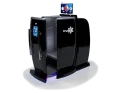
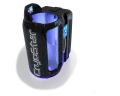
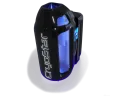
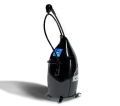
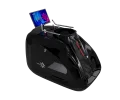
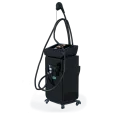
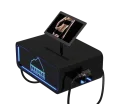
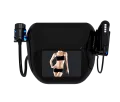
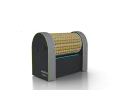
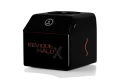
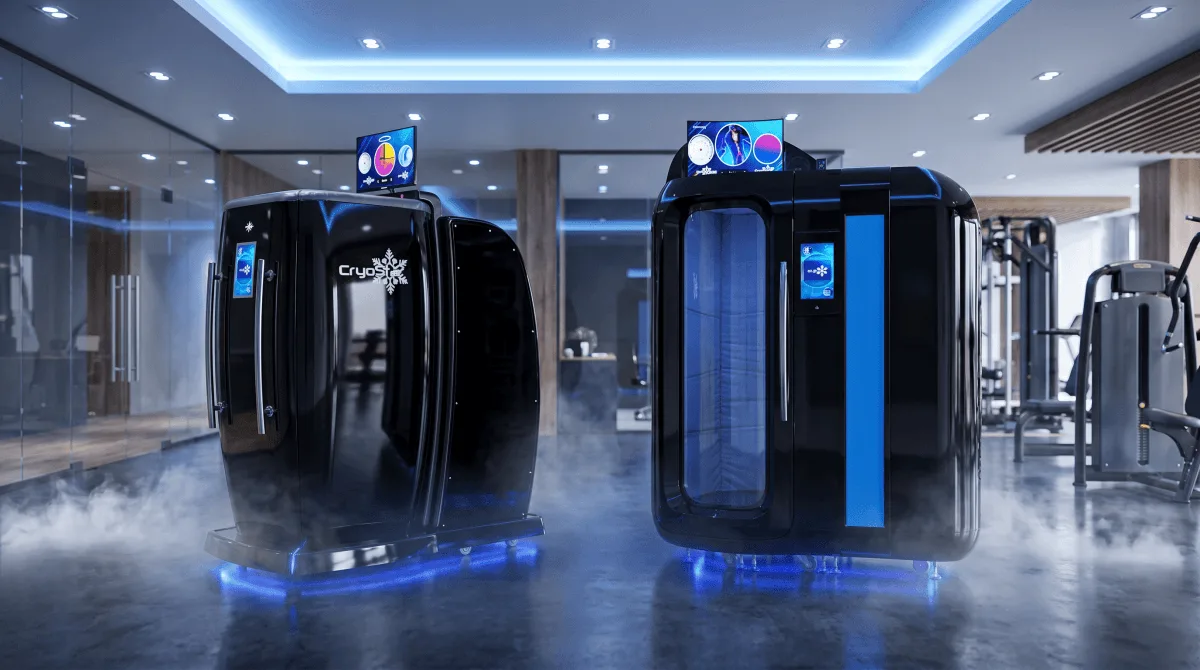
Криосауны — наиболее распространенное устройство для холодовой терапии в коммерческих оздоровительных центрах: компактные, быстрые в работе и рассчитанные на большое количество сеансов. Vacuactivus CryoStar Это флагманский пример: система охлаждения азотом, рассчитана на одного человека, с опциональной тепловизионной системой и сенсорным управлением.
Что такое криотерапевтическая камера?
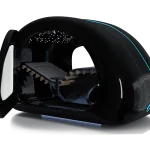
Криотерапевтическая камера — криотерапия всего тела (WBC) — это полностью закрытая кабина или комната, в которую пациент входит всем телом, включая голову. Система охлаждения одновременно циркулирует чрезвычайно холодный сухой воздух по всему телу.
Существует два основных типа:
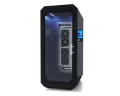
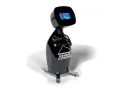
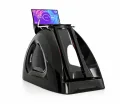
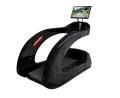
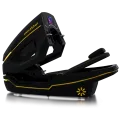
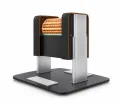
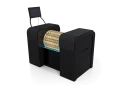
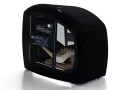
- Электрические камеры для лейкоцитов — Для охлаждения камеры до температуры примерно от −85°C до −110°C используется холодильный компрессор. Жидкий азот не требуется, а воздух внутри остается пригодным для дыхания, поэтому голова клиента остается внутри камеры в течение всего сеанса, который длится 2–4 минуты. Антарктида WBC Electric Это электрическая холодильная камера Vacuactivus.
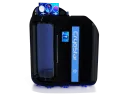
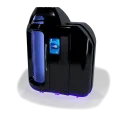
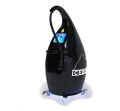
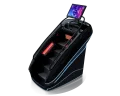
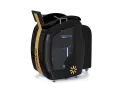
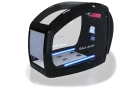
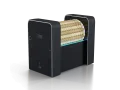
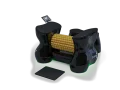
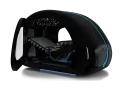
- Азотные камеры для лейкоцитов — Для достижения более низких температур (от -140°C до -180°C) используется парообразный азот. Поскольку воздух внутри содержит азот, эти системы требуют контроля уровня кислорода, вентиляции и квалифицированных операторов. Антарктида WBC Азот Это модель Vacuactivus с возможностью входа в помещение с использованием азота.
Камеры WBC охлаждают все тело, включая верхние дыхательные пути, и пациенты описывают ощущения как “полное погружение”, а не как “холод снизу вверх, от груди”.”
Криосауна и криокамера: сравнительный анализ.
Основные практические различия заключаются в площади покрытия, технологии охлаждения, занимаемой площади и эксплуатационных расходах. Вот как эти два варианта выглядят вкратце:
| Особенность | Криосауна (PBC) | Криотерапевтическая камера (WBC) |
|---|---|---|
| Покрытие тела | Тело, голова выше края | В полный рост, включая голову. |
| Типичное охлаждение | жидкий азот | Электрический или азот |
| Диапазон температур | от −110°C до −170°C | от −85°C до −180°C |
| Длительность сессии | 1–3 минуты | 2–4 минуты |
| След | Компактная одноместная комната | Более просторная, специально отведенная комната |
| Капитальные инвестиции | Ниже | Выше |
| Расходные материалы на сеанс | жидкий азот | Нет (электричество) или LN2 (азот) |
| Производительность в час | Очень быстро | Умеренный до быстрого |
| Наилучший вариант | Восстановление после тренировок, высокопроизводительный процесс | Оздоровление премиум-класса, биохакинг, долголетие |
Чем отличаются технологии охлаждения
Наибольшее техническое различие наблюдается между системами охлаждения на основе азота и электрическими системами охлаждения, и оно затрагивает обе категории.
Большинство криосаун работают только на азоте. Жидкий азот впрыскивается в камеру, испаряется, и холодный пар обволакивает тело. Сеансы короткие и интенсивные, но оператор должен следить за баллонами с жидким азотом, вытяжной вентиляцией и кислородными мониторами в процедурном кабинете.
Криотерапевтические камеры бывают двух типов. Электрические камеры для криотерапии, такие как... Антарктида WBC Electric Используется система охлаждения замкнутого цикла — никаких расходных материалов, чистый воздух для дыхания, значительно упрощенная эксплуатация. Азотные камеры для лейкоцитов, такие как Антарктида WBC Азот Достигать более низких температур, но для этого требуется та же инфраструктура для работы с азотом, что и для криосауны, только в большем масштабе.
Короче говоря: если вам нужны нулевые текущие затраты на азот и максимально простая повседневная эксплуатация, то электрический криобарботажник — единственный выход. Если же вам нужны абсолютно самые низкие температуры, то азот — будь то в криосауне или камере.
Опыт взаимодействия с клиентом
То, как проходит сессия, — один из самых недооцененных факторов, влияющих на бизнес, поскольку он напрямую влияет на удержание клиентов и доход с каждого клиента.
В криосауне клиент стоит в минимальной одежде — шортах, носках, перчатках, наушниках — головой наружу, в обычный комнатный воздух. Холод быстро и сильно воздействует на тело, но зона дыхания остается комфортной. Большинство новичков хорошо переносят это.
В аппарате с открытым доступом клиент входит в кабину или комнату, и холод полностью его окружает. Электрические камеры ощущаются менее агрессивно, чем азотные при той же заявленной температуре, поскольку сухой охлажденный воздух передает тепло более постепенно. Многим клиентам больше нравится ощущение открытого доступа — там тише, меньше неожиданностей, и они могут свободно передвигаться внутри.
Для оздоровительных процедур премиум-класса криосауны обычно больше напоминают спа-салоны. Для быстрого и интенсивного восстановления (спортсмены, реабилитационные клиники) криосауны, как правило, выигрывают за счет скорости и простоты использования.
Плюсы и минусы каждого варианта
Преимущества криосауны:
- Снижение капитальных вложений — наиболее доступный способ начать пользоваться услугами коммерческой криотерапии.
- Быстрые сессии — 1–3 минуты означают высокую пропускную способность клиентских устройств в час.
- Компактные габариты — помещается в одном процедурном кабинете с минимальным ремонтом.
- Устоявшийся рынок — Клиенты уже знакомы с продуктом, его проще продвигать.
Недостатки криосауны:
- Логистика азота — регулярные поставки, хранение и требования к вентиляции резервуаров
- Только выезд — Некоторые клиенты хотят полного погружения, а не просто охлаждения тела.
- Стоимость расходных материалов за сеанс — на каждом занятии сжигается жидкий азот
Преимущества криокамеры:
- Погружение всего тела — Ощущение премиум-класса и воздействие холода на все тело, включая голову.
- Электрический вариант = без расходных материалов — Долгосрочные эксплуатационные расходы значительно ниже.
- Более высокая цена сессии — клиенты будут платить больше за посещение без предварительной записи.
- Вместимость нескольких человек — В некоторых моделях кабинетов за сеанс могут разместиться два или три клиента.
Минусы криотерапевтической камеры:
- Более высокие капитальные затраты — Более крупная машина, более крупные первоначальные инвестиции
- Большая площадь основания — Требуется отдельный процедурный кабинет
- Клаустрофобия — Небольшой процент клиентов предпочитает формат с открытым верхом.
Ценообразование, операционные расходы и долгосрочная окупаемость инвестиций
Цена, указанная на ценнике, — это лишь часть уравнения. Реальная разница в стоимости проявляется в течение трех-пяти лет.
Криосауна с использованием жидкого азота имеет самые низкие первоначальные затраты, но при этом влечет за собой постоянные расходы на жидкий азот. Большинство студий тратят несколько долларов за сеанс на жидкий азот, плюс аренда и доставка баллона. При 600 сеансах в год это существенная статья расходов.
В азотной камере происходит такое же сжигание азота, но в большем объеме за сеанс, поскольку для охлаждения камеры большего размера требуется больше воздуха.
Электрическая камера для криотерапии имеет самые высокие первоначальные инвестиции из трех вариантов, но самые низкие текущие эксплуатационные расходы — в ней вообще нет жидкого азота, только электричество. Для предприятий с большим объемом производства расчеты часто меняют свою ориентацию в пользу электрической камеры для криотерапии в течение двух-трех лет эксплуатации.
С точки зрения выручки, сеансы в криозагарной камере обычно стоят на 20-40 процентов дороже, чем сеансы в криосауне на том же рынке. Премиум-спа-салоны, студии биохакинга и учреждения, ориентированные на долголетие, особенно выигрывают от ценовой категории «сеансы без предварительной записи».
Какой из них вам следует купить? Система принятия решений.
Выберите криосауну, если:
- Вы открываете новую студию реабилитации с ограниченным начальным капиталом.
- Ваша бизнес-модель основана на высокоэффективном восстановлении после спортивных нагрузок.
- У вас небольшой процедурный кабинет, и вам нужен компактный прибор.
- Вы уверенно справляетесь с логистикой жидкого азота.
Выберите электрическую криокамеру, если:
- Вам нужны минимальные эксплуатационные расходы за сеанс в долгосрочной перспективе.
- Вы позиционируете себя как оздоровительный центр премиум-класса или центр долголетия.
- Вам не хочется возиться с баллонами с азотом, сертификацией или выхлопными системами.
- Вы хотите установить премиальные цены за сеанс.
Выберите камеру для криотерапии с использованием азота, если:
- Ваши клиенты требуют абсолютно самых низких температур.
- Вам нужна душевая кабина с максимальной интенсивностью охлаждения.
- У вас уже есть необходимая азотная инфраструктура на месте.
Многие известные студии в конечном итоге используют оба варианта — криосауну для быстрых индивидуальных сеансов и просторную камеру в качестве флагманского предложения премиум-класса. Такая двойная система также позволяет предлагать клиентам сеансы, начиная от быстрого восстановления и заканчивая полным погружением.
Часто задаваемые вопросы
Может ли криосауна дать тот же результат, что и криотерапевтическая камера?
Для восстановления после спортивных нагрузок и в целях оздоровления оба метода обеспечивают интенсивное воздействие холода на все тело. Главное различие заключается в том, что в криосаунах охлаждаются также голова и дыхательные пути, в то время как в криосаунах голова остается в обычном комнатном воздухе. Снижение температуры кожи и реакция на согревание сопоставимы в хорошо спроектированном оборудовании обеих категорий.
Действительно ли электрическая криотерапия настолько же холодная, как азот?
Указанные температуры в азотных системах ниже (от -140°C до -180°C в криосаунах, до -170°C в криосаунах), чем в электрических камерах (от -85°C до -110°C). Однако сухой электрический холод передается более мягко, и результат по температуре кожи ближе, чем показывают цифры. Многие клиенты предпочитают электрический режим, потому что он кажется менее агрессивным при сопоставимом физиологическом эффекте.
Необходима ли вентиляция для обоих типов?
Для работы с азотным оборудованием — как криосауной, так и аппаратами для лейкоцитарной экстракции с азотом — требуется двойная вытяжная вентиляция и кислородный монитор в процедурном кабинете. Электрические камеры, такие как... Антарктида WBC Electric не содержат азота и значительно упрощают монтаж.
Могут ли два пациента находиться в одной криотерапевтической камере одновременно?
Некоторые модели криосаун, в которые можно войти без лифта, — включая некоторые антарктические камеры для криотерапии, — позволяют одновременно обслуживать двух или даже трех клиентов, что увеличивает пропускную способность без добавления дополнительного оборудования. Криосауны же предназначены только для одного человека.
Что лучше для клиентов, обращающихся впервые?
Для тех, кто посещает криосауну впервые, она обычно менее пугающая, поскольку голова остается снаружи камеры. Камеры с открытым доступом поначалу могут казаться более замкнутыми, но большинство клиентов быстро адаптируются и предпочитают полное погружение тела после одного-двух сеансов. Многие студии начинают с криосауны, а при последующих посещениях переводят новых клиентов в камеру с открытым доступом.
Заключение
Криосауна и криотерапевтическая камера обеспечивают воздействие холодом на все тело для восстановления после тренировок и оздоровления, но они работают по разным бизнес-моделям. Криосауны, такие как... Vacuactivus CryoStar Победа за счет эффективности использования капитала и скорости проведения сессий. Просторные кабинеты, такие как... Антарктида WBC Electric и Антарктида WBC Азот Победа достигается за счет премиального позиционирования, полного погружения в атмосферу и долгосрочной экономической эффективности эксплуатации.
Правильный ответ зависит от вашего помещения, капитала, клиентов и ценовой стратегии. Компания Vacuactivus производит оборудование обеих категорий, поэтому вы можете подобрать оборудование, соответствующее вашей бизнес-модели, а не наоборот.
→ Сравните оборудование для криотерапии на сайте vacuactivus.com


