











Cryosauna ou chambre de cryothérapie : laquelle acheter ?
Le cryosauna et la chambre de cryothérapie utilisent tous deux le froid extrême pour la récupération, la performance et le bien-être, mais ce ne sont pas des appareils identiques. Le cryosauna est un cylindre ouvert pour une personne, dans lequel le client entre et sa tête reste au-dessus de l'ouverture. La chambre de cryothérapie est une cabine ou une pièce entièrement fermée dans laquelle le client pénètre avec tout son corps, tête comprise. La technologie de refroidissement, le déroulement de la séance, l'encombrement, le prix et les coûts d'exploitation sont tous différents, tout comme le type d'entreprise auquel chaque appareil est le mieux adapté.
Ce guide détaille toutes les différences importantes entre les deux, afin que vous puissiez décider quel type d'équipement convient le mieux à votre studio, à vos clients et à vos objectifs de retour sur investissement.
Qu'est-ce qu'un cryosauna ?
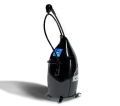
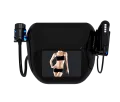
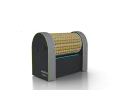
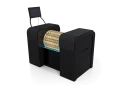
Un cryosauna, également appelé appareil de cryothérapie partielle du corps (PBC), est une cabine verticale dans laquelle le client se tient debout, la tête au-dessus du bord. La plupart des cryosaunas utilisent de la vapeur d'azote liquide pour abaisser la température de la cabine entre -110 °C et -170 °C (de -166 °F à -274 °F) pendant des séances de 1 à 3 minutes.
Comme la tête reste dans l'air ambiant, le client n'inhale jamais de vapeurs d'azote. Un système de levage électrique à l'intérieur de la chambre permet de régler la hauteur du plancher afin que le rebord soit à la hauteur idéale pour les clients de toutes tailles.
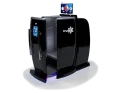
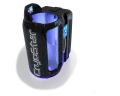
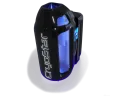
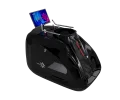
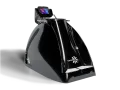
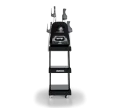
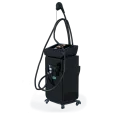
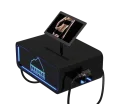
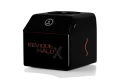
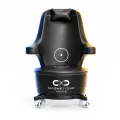
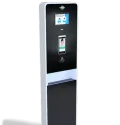
Les cryosaunas sont les appareils de cryothérapie les plus courants dans les centres de bien-être commerciaux : compacts, rapides à utiliser et conçus pour des séances à haut débit. CryoStar Vacuactivus Il s'agit d'un exemple phare : un appareil refroidi à l'azote, monoplace, avec imagerie thermique en option et commandes tactiles.
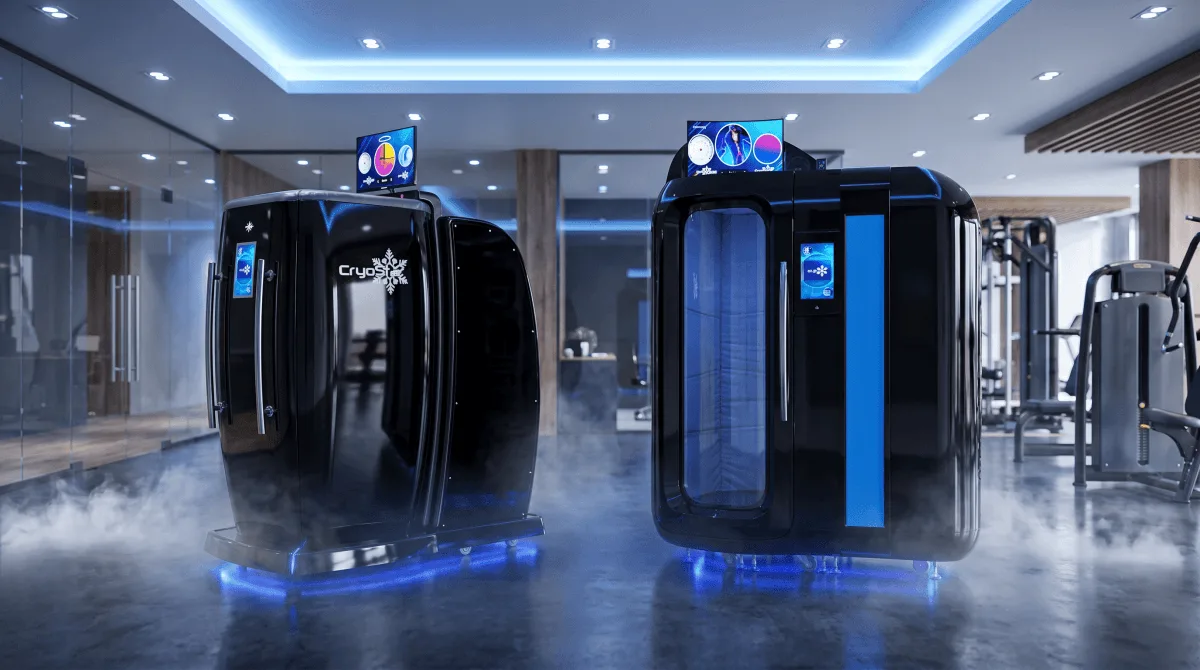
Qu'est-ce qu'une chambre de cryothérapie ?
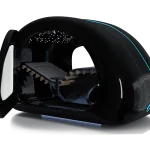
Une cabine de cryothérapie — cryothérapie corps entier (CCE) — est une cabine ou une pièce entièrement close dans laquelle le client entre avec son corps entier, tête comprise. Le système de refroidissement fait circuler simultanément de l'air sec extrêmement froid autour de tout le corps.
Il existe deux types principaux :
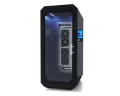
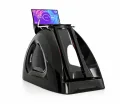
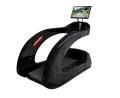
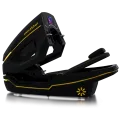
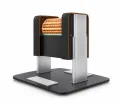
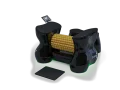
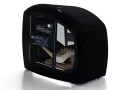
- chambres électriques pour globules blancs — utiliser un compresseur frigorifique pour refroidir la chambre à une température d'environ −85 °C à −110 °C. Aucun azote liquide n'est nécessaire et l'air à l'intérieur reste respirable, de sorte que la tête du client reste à l'intérieur de la chambre pendant toute la durée de la séance, soit 2 à 4 minutes. Antarctique WBC électrique il s'agit du modèle de cabine de douche électrique Vacuactivus.
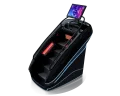
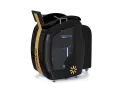
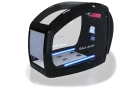
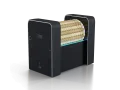
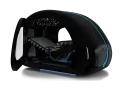
- chambres à azote pour les leucocytes — utiliser de l'azote vaporisé pour atteindre des températures plus basses (de −140 °C à −180 °C). Comme l'air à l'intérieur contient de l'azote, ces systèmes nécessitent une surveillance de l'oxygène, une ventilation et des opérateurs qualifiés. Antarctique WBC Azote il s'agit du modèle Vacuactivus à accès direct à l'azote.
Les chambres WBC refroidissent l'ensemble du corps, y compris les voies respiratoires supérieures, et les clients décrivent l'expérience comme “ totalement immersive ” plutôt que “ froide de la poitrine jusqu'aux pieds ”.”
Cryosauna vs Chambre de cryothérapie : Comparaison côte à côte
Les principales différences pratiques résident dans la couverture, la technologie de refroidissement, l'encombrement et le coût d'exploitation. Voici un aperçu comparatif des deux modèles :
| Fonctionnalité | Cryosauna (PBC) | Chambre de cryothérapie (WBC) |
|---|---|---|
| Couverture corporelle | Corps, tête au-dessus du bord | Corps entier, tête comprise |
| Refroidissement typique | azote liquide | Électrique ou azote |
| Plage de température | −110°C à −170°C | −85°C à −180°C |
| Durée de la session | 1 à 3 minutes | 2 à 4 minutes |
| Empreinte | Chambre simple et compacte | Pièce plus grande et dédiée |
| Investissement en capital | Inférieur | Plus haut |
| Consommables par session | azote liquide | Aucun (électrique) ou LN2 (azote) |
| débit par heure | Très rapide | Modéré à rapide |
| Meilleure adaptation | Récupération athlétique, haut débit | Bien-être haut de gamme, biohacking, longévité |
En quoi la technologie de refroidissement diffère-t-elle ?
La principale différence technique réside entre le refroidissement à base d'azote et le refroidissement électrique, et elle concerne les deux catégories.
La plupart des cryosaunas fonctionnent exclusivement à l'azote liquide. Ce dernier est injecté dans la cabine, s'évapore et la vapeur froide enveloppe le corps. Les séances sont courtes et intenses, mais l'opérateur doit gérer les réservoirs d'azote liquide, la ventilation et les capteurs d'oxygène dans la salle de traitement.
Les chambres de cryothérapie existent en deux versions. Les chambres électriques pour globules blancs, comme la Antarctique WBC électrique Utiliser un système de réfrigération en circuit fermé : pas de consommables, air respirable, fonctionnement considérablement simplifié. Chambres à azote pour globules blancs, comme les Antarctique WBC Azote atteindre des températures plus basses mais nécessitent la même infrastructure de traitement de l'azote qu'un cryosauna, à plus grande échelle.
En résumé : si vous souhaitez éliminer tous les coûts liés à l’azote et simplifier au maximum son utilisation quotidienne, un cryosauna électrique est la seule solution. Si vous recherchez les températures les plus basses, l’azote est la meilleure option, que ce soit dans un cryosauna ou une chambre.
L'expérience de la séance client
Le ressenti pendant la séance est l'un des facteurs les plus sous-estimés pour une entreprise, car il influe directement sur la fidélisation et le chiffre d'affaires par client.
Dans une cryosauna, le client, vêtu de vêtements légers (short, chaussettes, gants, protections auditives), se tient debout, la tête à l'extérieur, à l'air ambiant. Le froid pénètre rapidement et intensément le corps, mais la zone respiratoire reste confortable. La plupart des personnes qui essaient la cryosauna pour la première fois la supportent bien.
Dans une chambre froide, le client entre dans une cabine ou une pièce où le froid l'enveloppe entièrement. À température égale, les chambres électriques sont moins agressives que les chambres à l'azote, car l'air sec et réfrigéré transfère la chaleur plus progressivement. De nombreux clients préfèrent cette sensation : c'est plus silencieux, moins brutal, et ils peuvent se déplacer librement à l'intérieur.
Pour un positionnement haut de gamme en matière de bien-être, les cabines de cryothérapie donnent généralement une impression plus “ spa ”. Pour une récupération rapide et à haut débit (athlètes, cliniques de réadaptation), les cryosaunas l'emportent généralement par leur rapidité et leur simplicité.
Avantages et inconvénients de chacun
avantages de la cryosauna :
- Investissement en capital réduit — le point d'entrée le plus accessible dans la cryothérapie commerciale
- Sessions rapides — 1 à 3 minutes signifie un débit client élevé par heure
- Empreinte compacte — tient dans une seule salle de soins avec des rénovations minimales
- Marché établi — les clients connaissent déjà le produit, il est donc plus facile de le promouvoir
Cryosauna : inconvénients
- Logistique de l'azote — exigences récurrentes en matière de livraisons de réservoirs, de stockage et de ventilation
- Sortie uniquement — certains clients souhaitent une immersion complète, et pas seulement un refroidissement corporel
- Coût des consommables par session — chaque session consomme de l'azote liquide
Avantages des chambres de cryothérapie :
- Immersion corporelle totale — sensation haut de gamme et exposition au froid sur tout le corps, y compris la tête
- Option électrique = aucun consommable — les coûts d'exploitation à long terme sont nettement inférieurs
- Prix de la session plus élevé — les clients paieront plus cher pour l'expérience sans rendez-vous
- Capacité multi-personnes — certains modèles de cabines peuvent accueillir deux ou trois clients par séance
Inconvénients de la chambre de cryothérapie :
- Coût du capital plus élevé — une machine plus grosse, un investissement initial plus important
- Empreinte au sol plus grande — une salle de soins dédiée est nécessaire
- Claustrophobie — un faible pourcentage de clients préfèrent le format ouvert
Tarification, coûts d'exploitation et retour sur investissement à long terme
Le prix affiché ne représente qu'une partie du problème. La véritable différence de coût se manifeste sur une période de trois à cinq ans.
Un cryosauna à l'azote liquide présente le coût initial le plus bas, mais engendre des frais récurrents liés à l'azote liquide. La plupart des studios dépensent plusieurs dollars par séance en azote liquide, sans compter la location et la livraison de la bonbonne. À raison de 600 séances par an, cela représente un coût d'exploitation non négligeable.
Une chambre de combustion d'azote permet la même combustion d'azote, mais à un volume plus élevé par session, car la chambre plus grande nécessite un refroidissement plus important.
Une chambre de stérilisation électrique nécessite l'investissement initial le plus important des trois, mais affiche les coûts d'exploitation les plus faibles : elle ne consomme ni azote liquide, seulement de l'électricité. Pour les installations à haut volume, le calcul s'inverse souvent en faveur de la chambre de stérilisation électrique après seulement deux à trois ans d'exploitation.
Côté revenus, les séances en cabine sans rendez-vous sont généralement 20 à 40 % plus chères que les séances de cryosauna sur le même marché. Les spas haut de gamme, les studios de biohacking et les centres de bien-être et de longévité tirent particulièrement profit de ce tarif avantageux.
Lequel acheter ? Un cadre de décision
Choisissez un cryosauna si :
- Vous ouvrez un nouveau centre de désintoxication avec un capital initial limité.
- Votre modèle d'entreprise repose sur la récupération athlétique à haut débit.
- Vous disposez d'une petite salle de soins et avez besoin d'un appareil compact
- Vous êtes à l'aise avec la gestion logistique de l'azote liquide.
Choisissez une chambre de cryothérapie électrique si :
- Vous souhaitez minimiser les coûts d'exploitation par session sur le long terme.
- Vous vous positionnez comme un établissement de bien-être ou de longévité haut de gamme
- Vous ne voulez pas avoir à gérer des réservoirs d'azote, des certifications ou des systèmes d'échappement.
- Vous souhaitez facturer des prix premium par séance.
Choisissez une chambre de cryothérapie à l'azote si :
- Vos clients exigent les températures les plus basses possibles.
- Vous souhaitez une immersion complète à l'intensité de froid maximale.
- Vous disposez déjà d'une infrastructure d'azote sur site.
De nombreux studios réputés proposent finalement les deux options : une cryosauna pour des séances individuelles rapides et une cabine de cryothérapie comme offre phare haut de gamme. Cette double configuration permet également de proposer aux clients des séances de récupération rapide ou des séances d’immersion complète.
Foire aux questions
Un cryosauna peut-il donner les mêmes résultats qu'une chambre de cryothérapie ?
Pour la récupération sportive et le bien-être, les deux méthodes consistent en une exposition intense au froid du corps entier. La principale différence réside dans le fait que les cabines de cryosauna refroidissent également la tête et les voies respiratoires, tandis que les cryosaunas laissent la tête à l'air ambiant. La baisse de température cutanée et la vitesse de réchauffement sont comparables avec un équipement de qualité, quelle que soit la catégorie.
La cryothérapie électrique est-elle aussi froide que l'azote liquide ?
Les températures affichées sont plus basses dans les systèmes à azote (de -140 °C à -180 °C en cabine de cryothérapie corps entier, jusqu'à -170 °C en cryosauna) que dans les cabines électriques (de -85 °C à -110 °C). Cependant, le froid électrique sec se diffuse plus en douceur et la température cutanée obtenue est plus proche de la réalité que ne le suggèrent les chiffres. De nombreux clients préfèrent l'expérience électrique car elle est perçue comme moins agressive pour un effet physiologique comparable.
Ai-je besoin d'une ventilation pour les deux types ?
Les équipements à base d'azote — cryosauna et cryothérapie corps entier à l'azote — nécessitent une double ventilation et un moniteur d'oxygène dans la salle de traitement. Les chambres électriques comme les Antarctique WBC électrique ne nécessitent pas d'azote et leurs exigences d'installation sont considérablement simplifiées.
Deux clients peuvent-ils partager une même chambre de cryothérapie ?
Certains modèles de cryothérapie corps entier (CCE) sans rendez-vous, notamment certaines chambres CCE antarctiques, peuvent accueillir deux ou même trois clients par séance, augmentant ainsi le débit sans équipement supplémentaire. Les cryosaunas, quant à eux, sont réservés à une seule personne.
Quel est le meilleur choix pour les nouveaux clients ?
Les nouveaux clients trouvent généralement la cryosauna moins intimidante car la tête reste à l'extérieur de la cabine. Les cabines classiques peuvent paraître plus confinées au premier abord, mais la plupart des clients s'y habituent rapidement et préfèrent l'expérience corps entier après une ou deux séances. De nombreux studios proposent d'abord la cryosauna aux nouveaux clients, puis les font passer à la cabine classique lors de leurs visites suivantes.
Conclusion
Un cryosauna et une chambre de cryothérapie permettent tous deux une exposition du corps entier au froid pour la récupération sportive et le bien-être, mais ils répondent à des modèles commerciaux différents. Les cryosaunas, comme le CryoStar Vacuactivus Gagnez en efficacité du capital et en rapidité des séances. Les salles d'audience sans réservation comme la Antarctique WBC électrique et Antarctique WBC Azote Gagner grâce à un positionnement haut de gamme, une immersion totale et une rentabilité opérationnelle à long terme.
La solution idéale dépend de votre espace, de votre capital, de vos clients et de votre stratégie tarifaire. Vacuactivus fabrique des équipements pour les deux catégories, vous permettant ainsi d'adapter votre matériel à votre modèle d'entreprise, et non l'inverse.
→ Comparez les équipements de cryothérapie sur vacuactivus.com


