










Yüz için Kırmızı Işık Terapisi: Yaşlanma Karşıtı ve Cilt Onarımı Bilimi
Yüz için kırmızı ışık terapisi, cilt hücrelerini uyarmak için kırmızı (630-660nm) ve yakın kızılötesi (810-850nm) LED dalga boylarını kullanır. Fotonlar dermisteki fibroblastlara ulaşır, mitokondriyal sitokrom c oksidazı aktive eder ve kolajen ve elastin üretimini tetikler; bu işleme fotobiyomodülasyon (PBM) veya düşük seviyeli ışık terapisi (LLLT) denir. Mekanizma gerçektir. Etkisi mütevazı ve kümülatiftir: İnce çizgilerde, cilt tonunda ve dokusunda ölçülebilir sonuçlar için haftada 3-5 seans olmak üzere 8-12 hafta yeterlidir. Tıbbi bir tedavi değil, sağlık ve estetik bir yöntemdir.
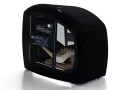
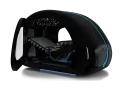
Mühendislerin kendi ürünlerini dürüst bilimsel yaklaşımla değerlendirdiği bir platform. Vacuactivus, 2009 yılından beri (15 yılı aşkın süredir) Polonya'daki Cronick Wellness Teknoloji Fabrikası'nda InfraCouch Kırmızı Işık ve RedLight Couch PEMF HaloX ürünlerini üretmektedir. Tüketici yüz maskesi markaları (Dr. Dennis Gross DRx SpectraLite, CurrentBody Skin, Omnilux Contour Face, Solawave) $150-$700 aralığında yasal olarak kullanılabilir. Profesyonel sedyeler, spa/klinikler için daha yüksek ışınım ve tam yüz kapsamı sunar; InfraCouch, ticari kırmızı ışık terapisi kategorisinde bir seçenektir.
Hedef Kitle: Kırmızı ışık terapisi ve yaşlanma karşıtı tedaviler hakkında araştırma yapan tüketiciler ve B2B alıcılar (spa merkezleri, sağlıklı yaşam stüdyoları, estetik klinikleri, dermatoloji muayenehaneleri, medikal spa işletmecileri). Kontraendikasyonlar: Fotosensitiviteye neden olan ilaçlar (izotretinoin, bazı antibiyotikler, bazı diüretikler), aktif cilt kanseri veya açıklanamayan lezyonlar, yakın zamanda geçirilmiş yüz ameliyatı, ciddi göz rahatsızlıkları, hamilelik (tüm vücut uygulaması için). Göz koruması önerilir. Herhangi bir kırmızı ışık terapisi protokolüne başlamadan önce bir dermatoloğa danışın.
Kırmızı Işık Terapisi (ve Fotobiyomodülasyon) Nedir?
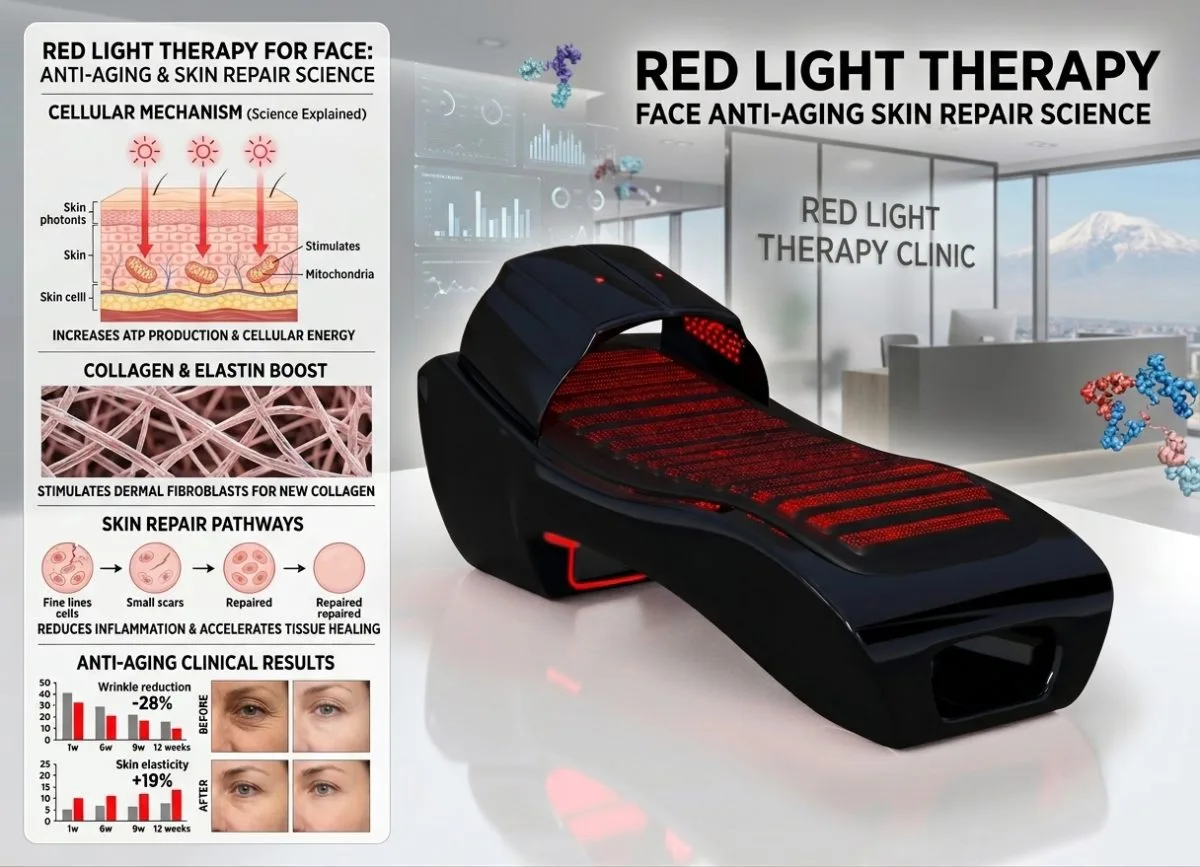
Cilt için kırmızı ışık terapisi nedir? Kırmızı ışık terapisi (RLT), kırmızı (630-660nm) ve yakın kızılötesi (810-850nm) LED dalga boylarının terapötik kullanımıdır. Bilimsel terim: fotobiyomodülasyon (PBM) veya düşük seviyeli ışık terapisi (LLLT); termal olmayan, iyonlaştırıcı olmayan (UV içermeyen). PBM, 1960'lardan beri dermatoloji, diş hekimliği ve fizyoterapi alanlarında incelenmektedir. Yüz için hedef, dermiste fibroblastları uyararak kolajen ve elastin üretimini artırmaktır.
Bilimsel Açıklama: Kırmızı Işık Cildi Nasıl Onarıyor?
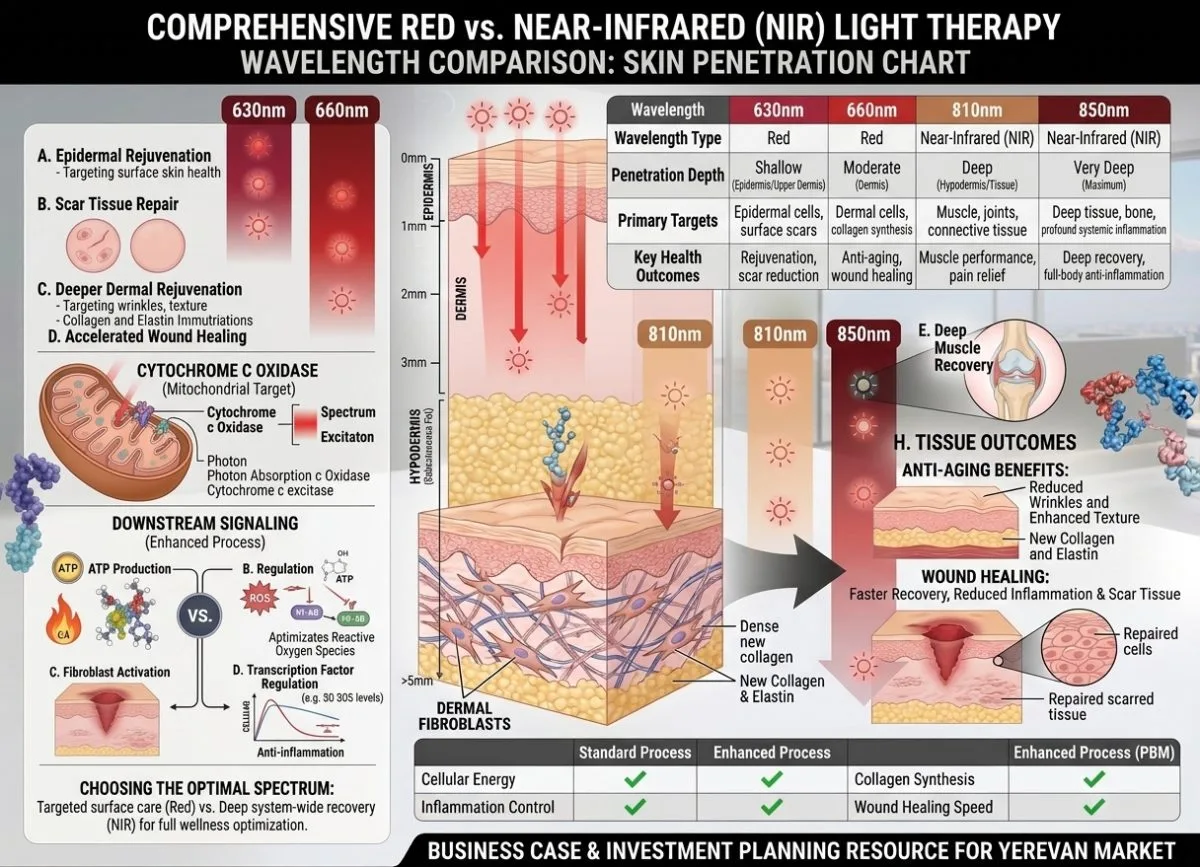
Kırmızı ışık cilde nasıl yardımcı olur? Belirli dalga boylarındaki kırmızı ve yakın kızılötesi fotonlar, cilt hücrelerinin mitokondrilerindeki sitokrom c oksidaz tarafından emilir. Emilim, mitokondriyal ATP üretimini artırır ve fibroblast aktivitesini tetikleyen sinyalleşmeyi başlatır. Avci P vd. (2013) tarafından Seminars in Cutaneous Medicine and Surgery'de incelenmiştir. İyi tanımlanmış biyoloji.
Mitokondri, ATP ve Fibroblastlar
Birincil fotoalıcı, mitokondriyal elektron taşıma zincirinin IV. kompleksi olan sitokrom c oksidazdır. 630-850 nm'deki kırmızı ve yakın kızılötesi fotonlar emilir, inhibitör nitrik oksidi ayrıştırır ve elektron taşımayı artırır. Sonuç: artan ATP sentezi, geçici reaktif oksijen türleri sinyallemesi, kalsiyum akışı. Daha sonra, dermal fibroblastlar tip I ve III kollajen sentezini ve elastini artırır. Doza bağlı iki fazlı yanıt (Arndt-Schulz): çok azı hiçbir şey yapmaz, orta düzeyde yardımcı olur, aşırı miktarda ise ek bir fayda sağlamaz.
Kolajen ve Elastin: Yaşlanma Karşıtı Mekanizma
Kırmızı ışık terapisi kolajen üretimi, yaşlanma karşıtı mekanizmanın temelini oluşturur. Kolajen ve elastin, yüz cildini sıkı tutar; üretimleri 20'li yaşların ortalarından itibaren azalır ve menopozdan sonra düşer. Wunsch ve Matuschka (2014), Photomedicine and Laser Surgery dergisinde 633nm + 830nm kullanan 113 gönüllüyle yapılan bir RCT yayınladılar: kolajen yoğunluğunu (ultrason yoluyla), kırışıklık görünümünü ve hasta memnuniyetini ölçtüler; tedavi grupları, kontrol grubuna göre istatistiksel olarak anlamlı bir iyileşme gösterdi ve bu iyileşme 30 seans boyunca kümülatif olarak gözlemlendi.
Önemli Dalga Boyları: 630-660nm ve 810-850nm
Dalga boyu, nüfuz derinliğini belirler. 630-660 nm'deki kırmızı ışık, epidermise ve üst dermise (~1-2 mm) nüfuz eder ve yüz için kırmızı ışık kolajen tedavisinin temelini oluşturan fibroblastları hedefler. 810-850 nm'deki yakın kızılötesi ışık, dermise ve deri altına daha derine (~5-6 mm) nüfuz ederek dolaşımı ve iltihabı etkiler. 600 nm'nin altındaki dalga boyları fibroblastlara etkili bir şekilde ulaşmaz. 900 nm'nin üzerindeki dalga boyları su tarafından emilir ve fotobiyomodülasyon (PBM) yerine ısı üretir.
| Faktör | Kırmızı Işık (630-660nm) | Yakın Kızılötesi / NIR (810-850nm) |
|---|---|---|
| Cilt penetrasyon derinliği | Yüzeyel: epidermis + üst dermis (~1-2 mm) | Derin: dermis, deri altı dokusu (~5-6 mm) |
| Birincil hedef doku | Dermisdeki fibroblastlar (kolajen ve elastin) | Daha derin hücreler, kılcal damarlar, kas, eklem dokusu |
| Başlıca yüz etkisi iddiası | Yüzey: ince çizgiler, ton, doku, hafif rozasea görünümü | Dolaşım, iltihaplanma modülasyonu, daha derin onarım |
| Gözle görülebilirlik | Görünür kırmızı parıltı | Görünmez (sıcaklık hissi verir ama rengi yoktur) |
| En iyi desteklenen klinik kanıtlar | Wunsch 2014 RCT çalışmasında 633nm ile 830nm birlikte kullanılarak kolajen yoğunluğu ölçülmüştür. | Wunsch 2014 kırmızı ile birleştirildi; bağımsız NIR mekanizması Avci 2013'te incelendi. |
| Tüketici maskesi, yaygın dalga boyu. | 630-660nm baskın (çoğu maske) | Bazı maskeler 830-850nm NIR (üst seviye) ekler. |
| Profesyonel kanepe örtüsü | Tam gövde panelleri geniş bir alanda 630-660 nm tork üretir. | Tam gövde panelleri geniş bir alanda 810-850 nm tork üretir. |
| Optimal kullanım | Kırmızı + yakın kızılötesi kombinasyonu, klinik araştırmaların çoğunda kullanılan desendir. | Kırmızı + yakın kızılötesi kombinasyonu, klinik araştırmaların çoğunda kullanılan desendir. |
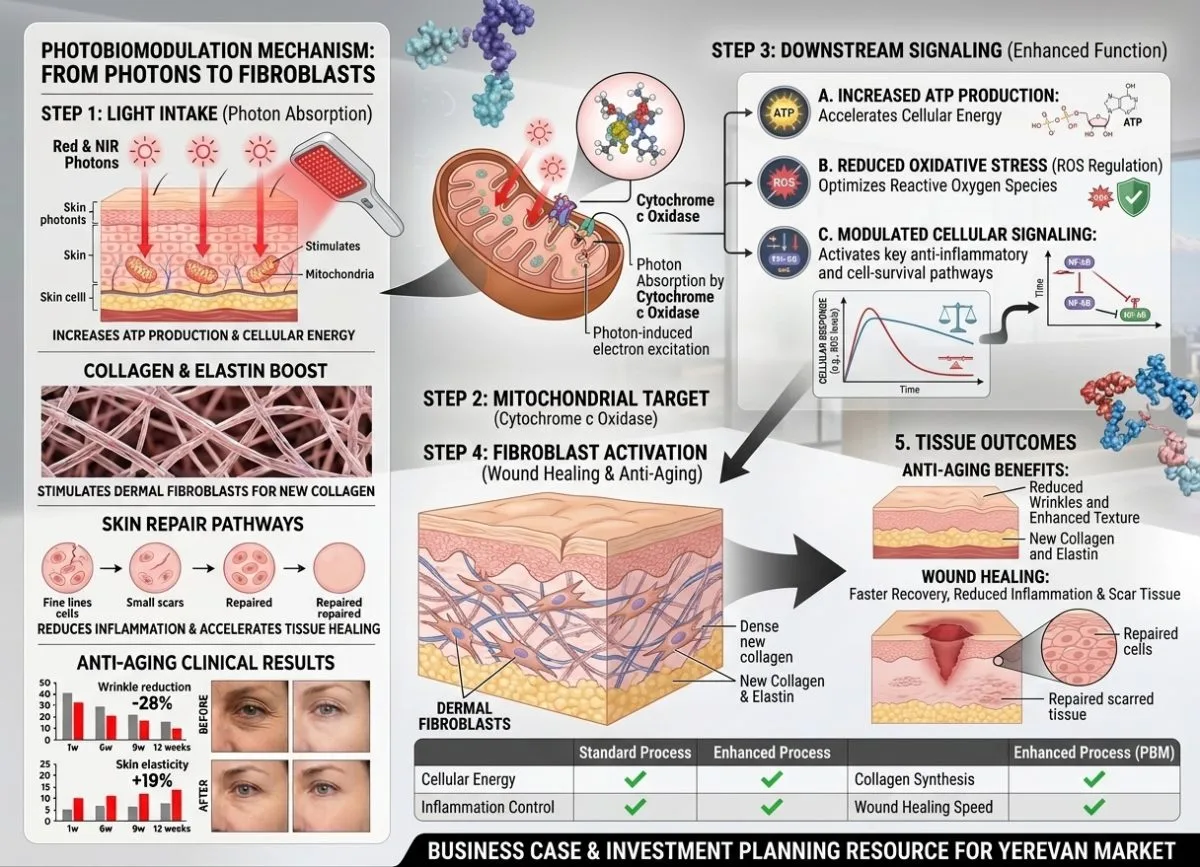
En iyi uygulama cihazları, tek bir seansta kırmızı ve yakın kızılötesi (NIR) dalga boylarını birleştirir. Wunsch 2014 deneyi ve çoğu modern klinik protokol, 633nm + 830nm'yi birlikte kullanır, tek başına değil. Tüketici yüz maskeleri çoğunlukla 630-660nm kırmızı ışık verir (bazı üst düzey modeller 830-850nm NIR ekler). InfraCouch gibi profesyonel tam vücut masaj sedyeleri, hem yüzey hem de derin etkilerin paralel olarak çalışması için dört dalga boyunun (630, 660, 810, 850nm) tamamını içerir.
Kanıtların Gerçekte Gösterdiği Şey (Dürüst)
Dürüst kanıt çerçevesi. Kırışıklıklar için kırmızı ışık terapisi, kontrollü klinik çalışmalarla desteklenmektedir, ancak etkisi dramatik değil, mütevazı ve kümülatiftir. Wunsch ve Matuschka'nın 2014 tarihli RCT'si (113 gönüllü, 633nm + 830nm, 15 hafta boyunca 30 seans), kolajen yoğunluğu ve kırışıklık görünümü üzerine en çok alıntı yapılan kontrollü çalışmadır; istatistiksel olarak anlamlı bir iyileşme göstermiştir. Avci'nin 2013 tarihli mekanizma incelemesi, daha geniş LLLT literatürünü kapsamaktadır.
Kanıtlar şunları göstermez: ani ve dramatik bir dönüşüm, reçeteli dermatoloji ilaçlarının (retinoidler, tretinoin, klinik uygulamalar) yerini alma veya teşhis edilmiş bir hastalığın tedavisi. RLT bir sağlık ve estetik takviyesidir. Amerikan Dermatoloji Akademisi ve Cleveland Kliniği materyalleri, RLT'yi haftalarca düzenli kullanım gerektiren meşru ancak mütevazı bir kozmetik araç olarak tanımlamaktadır.
Yüzdeki Sorunlar İçin Kırmızı Işık Terapisi
Yüz için kırmızı ışık terapisi, çeşitli yüz sorunlarına fayda sağlar. İnce çizgiler ve kırışıklıklar için kırmızı ışık terapisi: kümülatif kolajen uyarımı, 8-12 hafta içinde kırışıklık derinliğini ölçülebilir şekilde azaltır (Wunsch 2014'e göre). Cilt tonu ve dokusu: daha düzgün bir görünüm. Rosacea görünümü: hafif kızarıklık azalması (tedavi değil). Akne: kırmızı genellikle mavi (415nm) ile birlikte kullanılır; tek başına kırmızı hafif anti-inflamatuar etki gösterir. İşlem sonrası iyileşme: NIR, dermal dolaşımı destekler. Kırmızı ışık terapisi öncesi ve sonrası klinik çalışma görüntüleri, görünür ancak hafif bir iyileşme göstermektedir.
Yüz Maskeleri mi Yoksa Profesyonel Koltuklar mı: Teslimat Önemlidir
$150-$700 kodlu tüketici yüz maskeleri (Dr. Dennis Gross DRx SpectraLite, CurrentBody Skin, Omnilux Contour Face, Solawave) ev kullanımı için uygundur: 10-20 dakikalık seanslarda kırmızı veya kırmızı + NIR dalga boyları sunar. Avantajları: kullanım kolaylığı, uygun fiyat, yüze odaklı uygulama. Dezavantajları: klinik cihazlara göre daha düşük ışınım şiddeti, daha küçük emisyon alanı, 100-200 LED sayısı.
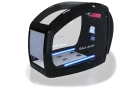
Profesyonel kırmızı ışık terapisi koltuğu Bu cihazlar, yatarken yüzü de kapsayan tam vücut paneli boyunca daha yüksek ışınım sağlar. Avantajları: profesyonel ışınım, tam 4 dalga boyu kapsamı (630/660/810/850nm), yüz dahil tüm vücutta tutarlı doz. evde mi yoksa profesyonel mi kırmızı ışık Değişim: Ev için maskeler, spa/klinik için koltuklar. Her ikisi de gençleştirici kırmızı ışık terapisi sağlıyor. Bakınız. kırmızı ışık yüz bakımı ve Cilt gençleştirme için kırmızı ışık terapisi.
InfraCouch Kırmızı Işık: Dört Dalga Boyu, Yüz Dahil Tüm Vücut
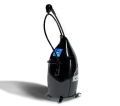
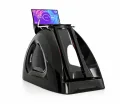
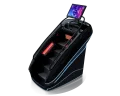
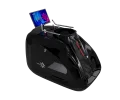
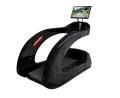
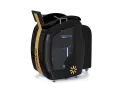
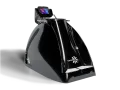
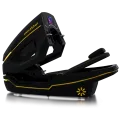
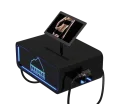
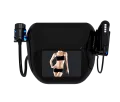
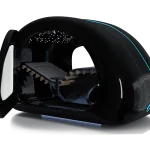
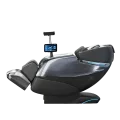
Vacuactivus InfraCouch Kırmızı Işık, dört dalga boyunda 1152 LED'e sahip, tüm vücudu kapsayan profesyonel bir yatarak tedavi panelidir: 630+660nm kırmızı (fibroblast kolajeni), 810+850nm NIR (derin dermis + deri altı). Dışbükey 30° lens odaklaması yüksek ışınım sağlar. Tüm vücut formatı, yüzün tek bir seansta 4 dalga boyu kapsama alanı almasını sağlar. RedLight Couch PEMF HaloX (PEMF özellikli kırmızı ışıklı kanepe(PEMF ve ıslak haloterapiyi ekler. Bkz.) kırmızı ışık terapi ekipmanı ve profesyonel kırmızı ışık kanepe rehber.
Kullanım Şekli: Sıklık, Doz ve Güvenlik
Standart protokol: Ölçülebilir sonuçlar için 8-12 hafta boyunca haftada 3-5 kez 10-20 dakikalık seanslar (Wunsch 2014'e göre). Maskeler cilde yerleştirilir; sedyeler kalibre edilmiş panel mesafesinde ışık verir. Doz (J/cm2) seans süresinden daha önemlidir. Aşırıya kaçmayın: iki fazlı Arndt-Schulz eğrisi, aşırı dozun etkiyi azalttığı anlamına gelir. Kırmızı ışık terapisi öncesi ve sonrası ciltte gözle görülür iyileşme genellikle 4-6 hafta sonra ortaya çıkar.
Güvenlik ve göz koruması. Isı ve iyonlaştırıcı etki göstermez (UV içermez, önerilen dozda yanma riski yoktur). Yüz uygulamaları sırasında göz koruyucu kullanın. Kontraendikasyonlar: fotosensitiviteye neden olan ilaçlar (izotretinoin, bazı antibiyotikler, bazı diüretikler), aktif cilt kanseri veya açıklanamayan lezyonlar, cerrah onaylayana kadar yakın zamanda geçirilmiş yüz ameliyatı, ciddi göz rahatsızlıkları, hamilelik (tüm vücut uygulaması için). Mevcut cilt rahatsızlıklarınız varsa herhangi bir RLT protokolüne başlamadan önce bir dermatoloğa danışın.
Önemli Özellikler (InfraCouch)
InfraCouch Kırmızı Işık'ın ticari kullanıma yönelik özellikleri (kızılötesi ışıkla cilt tedavisi bağlamında, yüz için standart kırmızı ışık terapisi faydaları sunar): 1152 LED, dört dalga boyu (630+660nm kırmızı; 810+850nm NIR), yüksek ışınım için dışbükey 30° lens, sürekli ve darbeli mod, yüz dahil tüm vücut yatış pozisyonu. Polonya'daki Cronick Wellness Teknoloji Fabrikası'ndan ticari garantiyle gönderilir. RedLight Couch PEMF HaloX, 5 teknoloji daha ekler (kırmızı + NIR + PEMF + ıslak haloterapi). Güç kaynağını onaylayın (230V/50Hz veya 120V/60Hz ABD).
Sıkça Sorulan Sorular
S1. Kırmızı ışık terapisi yüz için işe yarıyor mu?
Evet, kontrollü çalışmalarla desteklenen kolajen uyarımı ve hafif yaşlanma karşıtı etkiler için. Yüz için kırmızı ışık terapisi fotobiyomodülasyon yoluyla çalışır: kırmızı (630-660nm) ve NIR (810-850nm) fotonlar dermisteki fibroblastları uyararak kolajen ve elastin üretimini tetikler. Etkisi hafif ve kümülatiftir. İnce çizgilerde ve cilt tonunda ölçülebilir iyileşme için haftada 3-5 seans olmak üzere 8-12 hafta boyunca düzenli uygulama beklenir.
S2. Kırmızı ışık terapisi yüzünüz için ne yapar?
Kırmızı ışık terapisi, ciltteki fibroblastları uyararak kolajen ve elastin üretimini artırır, böylece kırışıklık derinliğini azaltır ve haftalar içinde cilt tonunu ve dokusunu iyileştirir. Ayrıca iltihabı da düzenler, bu da rosacea görünümünü azaltabilir ve hafif akne iltihabını yatıştırabilir. Ciddi dermatolojik rahatsızlıkları tedavi etmez veya reçeteli retinoidlerin yerini almaz.
S3. Yüz için en uygun dalga boyu hangisidir?
630-660 nm'deki kırmızı ışık, üst dermisteki fibroblastları kolajen (yüzey) üretimi için hedefler. 810-850 nm'deki yakın kızılötesi ışık ise daha derinlere nüfuz ederek dolaşım ve inflamasyonu etkiler. En iyi desteklenen klinik model (Wunsch 2014), 633 nm + 830 nm kombinasyonudur. InfraCouch gibi modern maskeler ve profesyonel muayene masaları genellikle dört dalga boyunun tamamını (630/660/810/850 nm) içerir.
S4. Yüzünüze kırmızı ışık uygulamasını ne sıklıkla yapmalısınız?
Standart protokol: Ölçülebilir sonuçlar için haftada 3-5 seans, her seans 10-20 dakika olmak üzere 8-12 hafta boyunca uygulanır. Günlük kullanım gerekli değildir; seans süresinden ziyade haftalar boyunca tutarlılık önemlidir. Aşırıya kaçmayın – iki fazlı Arndt-Schulz eğrisi, aşırı dozun etkiyi azalttığı anlamına gelir. Cihaz üreticisinin doz yönergelerine uyun.
S5. Kırmızı ışık gerçekten kolajen üretimini artırır mı?
Evet, kontrollü klinik çalışma kanıtlarına dayanmaktadır. Kırmızı ışık terapisi ile kolajen uyarımı, Wunsch ve Matuschka (2014), Fototıp ve Lazer Cerrahisi: 113 gönüllü, 633nm + 830nm, 30 seans, ultrason ile ölçülen kolajen yoğunluğu iyileşmesi artı kırışıklık görünümü ve hasta memnuniyeti çalışmasında belgelenmiştir. Mekanizma (sitokrom c oksidaz yoluyla fibroblastlara fotobiyomodülasyon) iyi tanımlanmıştır (Avci 2013 incelemesi). Gerçek ama kümülatif, anlık değil.
S6. Kırmızı ışık terapisi yüz için güvenli midir?
Evet, üretici talimatlarına göre kullanıldığında genellikle güvenlidir. Isı yaymaz, iyonlaştırıcı değildir (UV içermez, önerilen dozda yanma riski yoktur). Yüz uygulamaları sırasında göz koruyucu kullanın. Kontraendikasyonlar: ışığa duyarlılık yaratan ilaçlar, aktif cilt kanseri veya açıklanamayan lezyonlar, yakın zamanda geçirilmiş yüz ameliyatı, ciddi göz rahatsızlıkları, hamilelik (tüm vücut uygulaması için). Mevcut herhangi bir cilt rahatsızlığınız varsa, başlamadan önce bir dermatoloğa danışın.
S7. Sonuçları ne kadar sürede göreceksiniz?
Ölçülebilir iyileşme genellikle haftada 3-5 seanslık düzenli uygulamanın 4-6. haftalarında görülür ve 12 haftaya kadar birikimli olarak devam eder (Wunsch 2014 protokol modeline göre). Bazı kullanıcılar öznel cilt hissiyatında daha erken iyileşme (daha iyi nemlendirme, parlaklık) bildirmektedir, ancak görünür kırışıklık ve ton değişiklikleri haftalar gerektirir. Eğer uygulamayı bırakırsanız, birikimli kazanımlar tersine döner; idame seansları (haftada 1-2) etkiyi korur.
S8. Cilt için kırmızı ışık mı yoksa yakın kızılötesi ışık mı daha iyidir?
Tek başına hiçbiri optimal değildir; çoğu klinik çalışmada kullanılan yöntem, kırmızı ve yakın kızılötesi ışınların birleşimidir. Kırmızı (630-660nm) yüzey kolajenini hedefler; NIR (810-850nm) ise dermise ve deri altı dokusuna daha derinlere nüfuz eder. Wunsch'un 2014 tarihli RCT çalışması özellikle 633nm + 830nm'yi birleştirmiştir. Dört dalga boyunun tamamını sunan cihazlar (InfraCouch gibi) tek bir seansta her iki etkiyi de sağlar.
S9. Profesyonel koltuklar yüz maskelerinden daha mı iyidir?
Spa ve klinikler için evet: Profesyonel masaj koltukları daha yüksek ışınım şiddeti, daha geniş emisyon alanı ve tek bir yatışta yüz de dahil olmak üzere tüm vücuda tutarlı doz sağlar. Ev kullanımı için ise, $150-$700 aralığındaki tüketici yüz maskeleri (Dr. Dennis Gross DRx, CurrentBody Skin, Omnilux Contour Face, Solawave) meşru ve genellikle günlük kullanım için doğru çözümdür.
S10. InfraCouch ile birlikte hangi garanti veriliyor?
Vacuactivus InfraCouch Red Light, Polonya'daki Cronick Wellness Technology Fabrikası'ndan doğrudan temin edilen parçalar ve ticari garanti ile birlikte gönderilir. Garanti, LED dizilerini, kontrol elektroniğini, soğutma sistemini ve döşeme çerçevesini kapsar; sarf malzemeleri ve nakliye hasarları ayrı olarak değerlendirilir. Sipariş vermeden önce güncel garanti programı ve referans spa'lar hakkında bilgi almak için Vacuactivus ticari satış departmanıyla iletişime geçin.
Çözüm
Yüz için kırmızı ışık terapisi, mütevazı kümülatif yaşlanma karşıtı etkiye sahip gerçek bir fotobiyomodülasyon bilimidir: Ölçülebilir ince çizgiler, ton ve doku için haftada 3-5 seans olmak üzere 8-12 hafta boyunca düzenli uygulama gereklidir. Tıbbi bir tedavi değil, bir wellness/estetik yöntemidir. Mekanizma (kırmızı ve NIR fotonlarının fibroblastlarda sitokrom c oksidazı uyarması) kontrollü çalışmalarla desteklenmektedir (Wunsch ve Matuschka 2014; mekanizma incelemesi Avci vd. 2013). $150-$700 (Dr. Dennis Gross DRx, CurrentBody Skin, Omnilux Contour Face, Solawave) tüketici maskeleri evde kullanım için uygundur. Vacuactivus InfraCouch Kırmızı Işık (1152 LED, 4 dalga boyu 630/660/810/850nm), spa ve klinikler için daha yüksek ışınım ve tüm yüzü kapsayan bir uygulama sağlar. 2009 yılından beri (15 yılı aşkın süredir) Polonya'daki Cronick Wellness Technology Fabrikasında üretilmektedir.


