












Sicherheitsleitfaden für Kryosaunan: Was Klinikbetreiber wissen müssen
Die Sicherheit in Kryosaunanen basiert auf vier Säulen: zertifizierte Geräte, fachgerecht installierte Stickstoffinfrastruktur, geschultes Personal und ein klares Screening-Protokoll für Kunden. Fehler in einem dieser Bereiche können unnötige Haftungsrisiken bergen – oder schlimmer noch, Kunden gefährden. Dieser Leitfaden beschreibt die Sicherheitsstandards, die jeder Klinikbetreiber vor der Eröffnung und an jedem Betriebstag einhalten sollte.
Nichts davon ist optional. Die Kryotherapie-Branche hat sich zu einem ernstzunehmenden Wellness-Sektor entwickelt, und Kunden, Versicherer, Aufsichtsbehörden und Bewertungsportale erwarten dokumentierte Sicherheitsvorkehrungen. Studios mit professionellem Service sind erfolgreich; Studios, die an der Sicherheit sparen, müssen die Konsequenzen tragen.
Die vier Sicherheitspfeiler, die jeder Kryosauna-Betrieb benötigt
- Zertifizierte Ausrüstung — bezogen von einem Hersteller mit dokumentierten Sicherheitskontrollen und Qualitätszertifizierungen.
- Ordnungsgemäße Installation — Belüftung, Sauerstoffüberwachung, Elektrik und Stickstoffspeicherung wurden alle von qualifizierten Fachbetrieben installiert.
- Geschulte Bediener — Jeder Mitarbeiter, der Schulungen leitet, absolviert eine vom Hersteller durchgeführte Schulung und nimmt regelmäßig an Auffrischungskursen teil.
- Kundenprüfung — Jeder Kunde unterzeichnet bei seinem ersten Besuch eine Verzichtserklärung, füllt eine Checkliste mit Kontraindikationen aus und erhält eine mündliche Sicherheitseinweisung.
Lässt man auch nur einen dieser Punkte außer Acht, versagt das gesamte Sicherheitssystem – selbst zertifizierte Geräte sind in einem ungelüfteten Raum mit einem ungeschulten Bediener und einem nicht überprüften Kunden unsicher.
Sicherheitsstandards für Ausrüstung
Professionelle Kryotherapiegeräte verfügen über mehrstufige Sicherheitsvorkehrungen. Prüfen Sie bei der Bewertung einer Kryosauna, ob folgende Sicherheitsvorkehrungen integriert sind:
- Automatische Temperaturbegrenzungen — Die Kühlung der Kammer muss abgeschaltet werden, wenn die Innentemperatur unter den vom Hersteller festgelegten sicheren Bereich sinkt.
- Maximaler Sitzungstimer Die Sitzungsdauer ist in der Firmware begrenzt; die Kammer stoppt automatisch. Bediener können diese Begrenzung nicht überschreiten.
- Not-Aus — ein externer Not-Aus-Knopf, der sowohl für den Kunden als auch für den Bediener zugänglich ist und die Kühlung sofort stoppt und gegebenenfalls die Tür entriegelt.
- Türsicherheit — Die Tür der Kryosauna muss sich von innen ohne Kraftaufwand sofort öffnen lassen und darf sich während einer Sitzung niemals verriegeln.
- Bedienerschnittstelle — Sitzungsparameter sind jederzeit sichtbar, klare Indikatoren zeigen an, wenn etwas außerhalb des Bereichs liegt.
- Akustische Alarme — bei Überhitzungsereignissen, Geräteausfällen oder Sauerstoffmangelwarnungen (in Verbindung mit der Raumüberwachung).
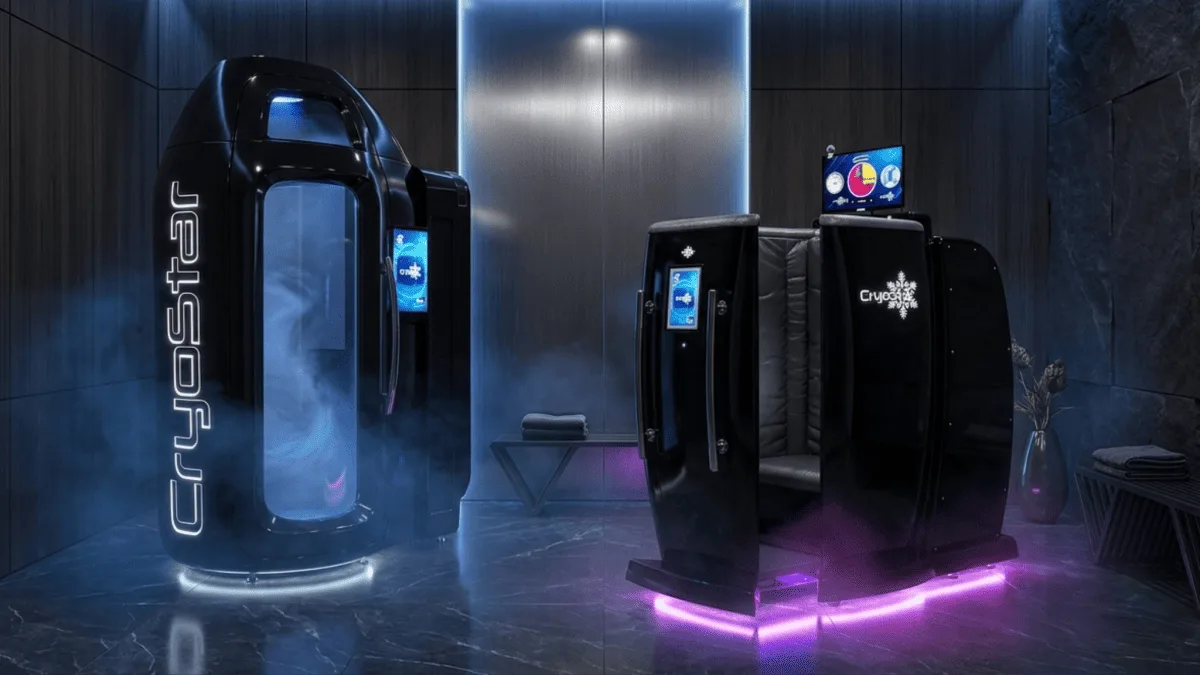
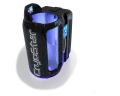
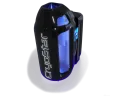
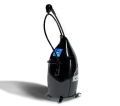
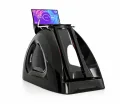
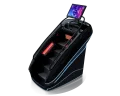
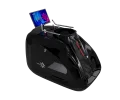
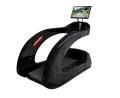
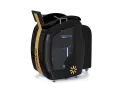
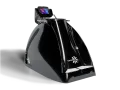
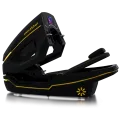
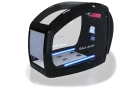
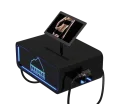
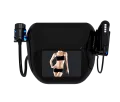
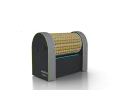
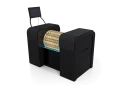
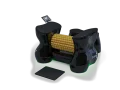
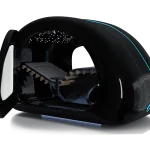
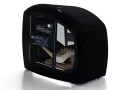
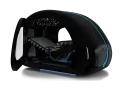
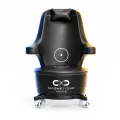
Vacuactivus-Geräte – einschließlich der CryoStar Kryosauna und die Antarktis WBC Electric Begehbare Kammer — entspricht den Sicherheitsstandards für Gewerbebetriebe und verfügt standardmäßig über alle oben genannten Steuerungselemente sowie über eine Ferndiagnosefunktion zur kontinuierlichen Überwachung.
Sicherheit im Umgang mit flüssigem Stickstoff: Die kritische Infrastruktur
Die meisten Kryosaunen nutzen flüssigen Stickstoff als Kühlmittel. Flüssiger Stickstoff ist ungiftig und inert – verdrängt aber beim Verdampfen Sauerstoff, wodurch in einem Behandlungsraum ohne ausreichende Belüftung gefährlich niedrige Sauerstoffwerte entstehen können. Die gute Nachricht: Dieses Risiko lässt sich mit Standardinfrastruktur vollständig beherrschen.
Erforderliche Stickstoffsicherheitsinfrastruktur
- Aktive Abluftanlage — mechanische Belüftung des Behandlungsraums, dimensioniert nach Herstellervorgaben, idealerweise mit geringer Luftansaugung (Stickstoffdampf ist dichter als Luft und sammelt sich in Bodennähe).
- Sauerstoffmonitor — Wandmontierter O₂-Sensor im Behandlungsraum mit akustischem Alarm bei Überschreitung des Standardschwellenwerts (typischerweise 19,51 µg/l Sauerstoff). Jährliche Kalibrierung.
- Stickstoffspeicherung — Der LN2-Dewarbehälter wird in einem separaten, belüfteten Raum oder einem Außengehege gelagert, niemals im Behandlungsraum selbst.
- Sicherheit der Transferleitung — Isolierte, ordnungsgemäß gesicherte Stickstofftransferleitung vom Lager zur Kammer. Monatlich auf Eisbildung oder Beschädigungen prüfen.
- Persönliche Schutzausrüstung für den Umgang mit Stickstoff — Kryohandschuhe und Gesichtsschutz sind für alle LN2-Transferarbeiten verfügbar; LN2 darf niemals mit bloßen Händen oder normalen Küchenhandschuhen angefasst werden.
- Schulung zur Reaktion auf Ölunfälle — Jeder Bediener weiß, wie der Raum im Falle eines größeren LN2-Verschüttens oder -Lecks evakuiert und belüftet werden muss.
Elektrische Kryotherapiekammern wie die Antarktis WBC Electric Alle oben genannten Sicherheitsanforderungen für Stickstoff entfallen – das System enthält schlichtweg kein flüssiges Stickstoff (LN2). Für Studios, die eine einfachere Installation und ein geringeres Betriebsrisiko wünschen, ist elektrischer Strom zunehmend die bevorzugte Lösung.
Klientenscreening und Kontraindikationen
Die Kryotherapie wird von den meisten gesunden Erwachsenen gut vertragen, ist aber nicht für jeden geeignet. Jeder Klient muss – ausnahmslos – vor der ersten Sitzung einen schriftlichen Gesundheitsfragebogen ausfüllen und eine Einverständniserklärung unterzeichnen. Stammkunden sollten den Fragebogen jährlich oder bei jeder Änderung ihres Gesundheitszustands erneut ausfüllen.
Die untenstehende Checkliste mit Kontraindikationen spiegelt den allgemeinen Branchenkonsens wider. Beachten Sie stets die Dokumentation Ihres Geräteherstellers und die lokalen Vorschriften:
| Absolute Kontraindikationen | Relative Kontraindikationen (erfordern eine Genehmigung) |
| Schwangerschaft | Bluthochdruck über 180/100 mmHg |
| Schwere Herz-Kreislauf-Erkrankungen (kürzlich erlittener Herzinfarkt, instabile Angina pectoris, schwere Herzrhythmusstörungen) | Kontrollierte Herz-Kreislauf-Erkrankungen |
| Kälteallergie / Kryoglobulinämie | Raynaud-Syndrom |
| Schwere Atemwegserkrankungen (akute COPD, schweres Asthma) | Leichtes Asthma (gut kontrolliert) |
| Offene Wunden oder kürzlich operierte Stellen in der Kühlzone | Verheilte kleinere Wunden |
| Akute Infektionen mit Fieber | Mäßiger Alkoholkonsum der letzten Zeit |
| Unfähigkeit, Anweisungen zu befolgen (schwere kognitive Beeinträchtigung, Vergiftung) | Angstzustände oder Klaustrophobie (nutzen Sie eine Kryosauna anstelle einer begehbaren Kammer) |
Bei relativen Kontraindikationen ist vor der Terminvereinbarung eine schriftliche Bestätigung des behandelnden Arztes einzuholen. Diese Bestätigung ist in der Kundenakte zu dokumentieren. Im Zweifelsfall sollte die Sitzung abgelehnt werden – jedes Studio kann auf eine einzige verlorene Sitzung verzichten, anstatt einen vermeidbaren Zwischenfall zu bearbeiten.
Anforderungen an die Bedienerschulung
Der wichtigste Sicherheitsfaktor in jedem Kryotherapie-Studio ist der Bediener. Die Geräte sind zuverlässig; Fehler passieren durch den Bediener. Jeder Mitarbeiter, der Behandlungen durchführt, muss vor der selbstständigen Durchführung der Behandlungen eine formale Schulung absolvieren.
- Herstellerschulung — Vacuactivus bietet im Rahmen jedes Gerätekaufs eine Bedienerschulung vor Ort oder per Fernzugriff an. Jeder Bediener sollte diese Schulung absolvieren, bevor er die erste Kundensitzung durchführt.
- Vorabprüfungen — Die Bediener müssen vor Beginn der Sitzung eine dokumentierte Checkliste abarbeiten — Temperatur, Türfunktion, Not-Aus, Sauerstoffmonitoranzeige, Stickstoffpegel (falls zutreffend).
- Protokoll für die Kundenbesprechung — Jeder Neukunde erhält eine mündliche Einweisung, in der die Dauer der Sitzung, die Kleidungswahl, die Vorgehensweise bei Notrufen und die Benutzung des Not-Aus-Schalters erläutert werden.
- Sitzungsüberwachung — Der Bediener bleibt während jeder Sitzung anwesend und sichtbar — Klienten werden nicht unbeaufsichtigt in der Kammer gelassen, auch nicht für kurze Zeit.
- Notfallmaßnahmen Die Bediener wissen genau, was bei einer klemmenden Tür, einem ohnmächtigen Patienten, einem Sauerstoffalarm, einer Gerätestörung oder einem Feueralarm zu tun ist. Die Verfahrensanweisungen hängen in der Nähe der Kammer aus.
- Auffrischungsschulung — Eine jährliche oder halbjährliche Auffrischungsschulung ist die beste Vorgehensweise; sie ist außerdem eine wertvolle Dokumentation für die Versicherung.
Sicherheitsprotokoll für den Sitzungstag
Integrieren Sie die folgende Checkliste in die Standardarbeitsanweisungen der Bediener. Die Disziplin, sie bei jeder Session durchzugehen – und nicht erst, wenn etwas nicht stimmt – ist das, was professionelle Studios von solchen unterscheidet, bei denen Unfälle nur darauf warten, zu passieren.
Vor jeder Sitzung
- Bitte bestätigen Sie, dass die unterzeichnete Verzichtserklärung und das ausgefüllte Kontraindikationsformular in den Akten vorliegen.
- Prüfen Sie, ob sich der Gesundheitszustand des Klienten seit dem letzten Besuch verändert hat.
- Überprüfen Sie den Messwert des Sauerstoffmonitors (muss bei Stickstoffgeräten ≥ 20% betragen).
- Überprüfen Sie, ob die Kammer auf die Zieltemperatur vorgekühlt ist.
- Not-Aus-Taster und Türfunktion prüfen
- Vergewissern Sie sich, dass der Kunde angemessene, trockene Kleidung trägt – Shorts, Socken, Handschuhe, Gehörschutz.
- Entfernen Sie jeglichen Metallschmuck und Uhren.
- Führen Sie mit Erstkunden die Notbremsung und das richtige Signalgeben durch.
Während der Sitzung
- Der Bediener bleibt jederzeit anwesend und sichtbar.
- Achten Sie auf das Wohlbefinden des Kunden – Sichtkontakt, mündliche Nachfrage.
- Achten Sie auf Warnzeichen: Benommenheit, starkes Zittern, Notsignale
- Sitzung auf Kundenwunsch sofort beenden – keine Ausnahmen.
Nach der Sitzung
- Helfen Sie dem Patienten, die Kammer sicher zu verlassen, insbesondere wenn ihm schwindelig ist.
- Sorgen Sie für einen warmen Ort zum Erholen für 5–10 Minuten.
- Sitzung im Kundendatensatz protokollieren – Dauer, Temperatur, etwaige Notizen
- Die Oberflächen der Kabine zwischen den Kunden abwischen und desinfizieren.
Versicherung, Dokumentation und Haftung
Selbst bei optimalen Sicherheitsvorkehrungen benötigt ein Klinikbetreiber eine angemessene Versicherung und die entsprechenden Dokumente. Das Standardpaket umfasst:
- Allgemeine Haftpflichtversicherung — deckt grundlegende Ansprüche im Zusammenhang mit Geschäftsräumen und Betriebsabläufen ab.
- Gerätespezifische Haftung — erweitert den Versicherungsschutz speziell auf Kryotherapieleistungen; einige allgemeine Versicherungspolicen schließen diese Kategorie aus.
- Unterzeichnete Verzichtserklärungen und Einverständniserklärung — in den Kundenakten aufbewahrt, idealerweise mit digitaler Sicherung. Enthält einen ausdrücklichen Hinweis auf die Risiken und Kontraindikationen der Kryotherapie.
- Wartungsprotokolle — dokumentierte vierteljährliche Geräteinspektionen, Kalibrierungsaufzeichnungen des Sauerstoffmonitors und jegliche Service- oder Reparaturhistorie.
- Vorfallprotokoll – Jede ungewöhnliche Sitzung – etwa bei Problemen des Klienten, Geräteausfällen oder Beinahe-Unfällen – wird mit Datum, Details und Lösung dokumentiert. Versicherer und Aufsichtsbehörden erwarten dies.
Wartungsverträge mit dem Hersteller bieten zusätzliche Sicherheit. Vacuactivus gewährleistet fortlaufenden Service und Ferndiagnose für die installierten Geräte und erkennt so Abweichungen in der Kammerleistung, bevor es zu einem Sicherheitsvorfall kommt.
Häufig gestellte Fragen
Ist die Kryosauna auch für Erstkunden sicher?
Ja, vorausgesetzt, es finden eine gründliche Voruntersuchung und eine Einweisung durch den Bediener statt. Die meisten Neukunden vertragen die Kryosauna gut. Dank ihrer offenen Bauweise wirkt sie in der Regel weniger einschüchternd als eine vollständig geschlossene Kabine und eignet sich daher gut für den Einstieg. Weisen Sie Neukunden stets ausführlich ein, beobachten Sie sie während der Sitzung aufmerksam und beenden Sie diese vorzeitig, falls Anzeichen von Unbehagen auftreten.
Wie gefährlich ist flüssiger Stickstoff wirklich?
In einer fachgerecht installierten und betriebenen Anlage ist das Risiko gering. Die Gefahren – Sauerstoffverdrängung und Kälteverbrennungen durch direkten Kontakt mit flüssigem Stickstoff – werden durch Belüftung, Sauerstoffüberwachung und Schulung des Personals vollständig beherrscht. Die Gefahr entsteht, wenn eine dieser Sicherheitsmaßnahmen fehlt. Ein unbelüfteter Behandlungsraum mit einer undichten Transferleitung ist tatsächlich gefährlich; ein fachgerecht installiertes System mit Überwachung hingegen nicht.
Benötige ich Zertifizierungen, um ein Kryotherapie-Studio zu betreiben?
In den meisten Regionen ist keine spezielle Zertifizierung für Kryotherapie-Anwender erforderlich, jedoch eine Gewerbeerlaubnis, eine gerätespezifische Haftpflichtversicherung und die Einhaltung der örtlichen Bauvorschriften für Belüftung und Elektroinstallationen. Herstellerschulungen für Anwender (wie beispielsweise das Vacuactivus-Schulungsprogramm) gelten als Branchenstandard und werden von Versicherern und Kunden erwartet. Lassen Sie sich stets von einem qualifizierten Rechtsberater über die aktuellen lokalen Bestimmungen informieren.
Sind elektrische Kryotherapiekammern sicherer als Stickstoff?
Sie weisen eine kleinere Angriffsfläche auf. Elektrische Kammern wie die Antarktis WBC Electric Flüssiger Stickstoff wird vollständig überflüssig – keine Sauerstoffverdrängung, keine kryogene Handhabung, keine Abluftanlage erforderlich. Beide Technologien lassen sich mit entsprechender Schulung sicher bedienen; die elektrische Technologie ist jedoch weniger infrastrukturabhängig.
Was sollte ein Therapeut tun, wenn ein Klient während einer Sitzung angibt, sich unwohl zu fühlen?
Beenden Sie die Sitzung sofort, ohne Fragen oder Verhandlungen. Helfen Sie dem Klienten aus der Kammer, setzen Sie ihn in einen warmen Raum und beobachten Sie ihn mindestens 10 Minuten lang. Dokumentieren Sie den Vorfall. Sollten die Symptome – Schwindel, Brustschmerzen, Atembeschwerden – länger als ein paar Minuten anhalten, rufen Sie den Notarzt. Die konsequente Beendigung von Sitzungen bei geringsten Bedenken ist eine der wichtigsten Sicherheitsmaßnahmen, die ein Studio ergreifen kann.
Wie oft sollten Geräte überprüft werden?
Standardverfahren: Sichtprüfung durch den Bediener vor jeder Sitzung, vierteljährliche interne Inspektion, jährliche Wartung durch den Hersteller und Kalibrierung des Sauerstoffmonitors einmal jährlich (oder gemäß Herstellervorgaben). Jede Inspektion ist zu dokumentieren. Vacuactivus bietet Serviceverträge mit dem Hersteller an, die planmäßige Inspektionen und die Fernüberwachung der Leistung umfassen.
Abschluss
Die Sicherheit in Kryosaunanen ist nicht kompliziert, erfordert aber Disziplin. Kaufen Sie zertifizierte Geräte von einem seriösen Hersteller, installieren Sie diese fachgerecht, schulen Sie jeden Mitarbeiter vor der ersten Anwendung, überprüfen Sie jeden Kunden gründlich und dokumentieren Sie alles. Studios, die sich an diese Richtlinien halten, arbeiten jahrelang ohne schwerwiegende Zwischenfälle. Studios, die keine haben, erleben irgendwann eine Geschichte, die sie nicht erzählen wollten.
Vacuactivus hat über zweitausend Kryotherapieeinrichtungen mit Geräten in Industriequalität, Installation vor Ort, Bedienerschulungen und fortlaufendem Service-Support ausgestattet – alle Komponenten des Sicherheitssystems werden zusammen geliefert.
Sind Sie bereit, eine sichere und vorschriftsmäßige Kryotherapieeinrichtung zu planen? → Entdecken Sie die Geräte auf vacuactivus.com


