












Vergleich von elektrischen und Stickstoff-Kryotherapiekammern
Elektrische und Stickstoff-Kryotherapiekammern sehen vom Kunden aus ähnlich aus, sind aber technisch grundlegend verschieden. Die Stickstoff-Kryotherapie nutzt verdampften flüssigen Stickstoff, um Temperaturen bis zu −180 °C zu erreichen; die elektrische Kryotherapie verwendet einen geschlossenen Kältekreislaufkompressor, der −85 °C bis −110 °C ohne Verbrauchsmaterialien ermöglicht. Dieser Unterschied spiegelt alles wider, was für Studioinhaber wichtig ist – Investitionskosten, Betriebskosten, Installationsaufwand, Sicherheitsprofil, Kundenzufriedenheit und langfristige Wirtschaftlichkeit. Dieser Leitfaden erläutert jeden Faktor im Detail, damit Sie entscheiden können, welche Technologie am besten zu Ihrem Unternehmen passt.
Beide Technologien sind ausgereift, wirtschaftlich rentabel und bieten eine effektive Kälteanwendung zur Regeneration und für das allgemeine Wohlbefinden im Sport. Die Frage ist nicht, welche Technologie theoretisch “besser” ist, sondern welche am besten zu Ihrem Studio, Ihrem Markt und Ihrer Betriebsphilosophie passt.
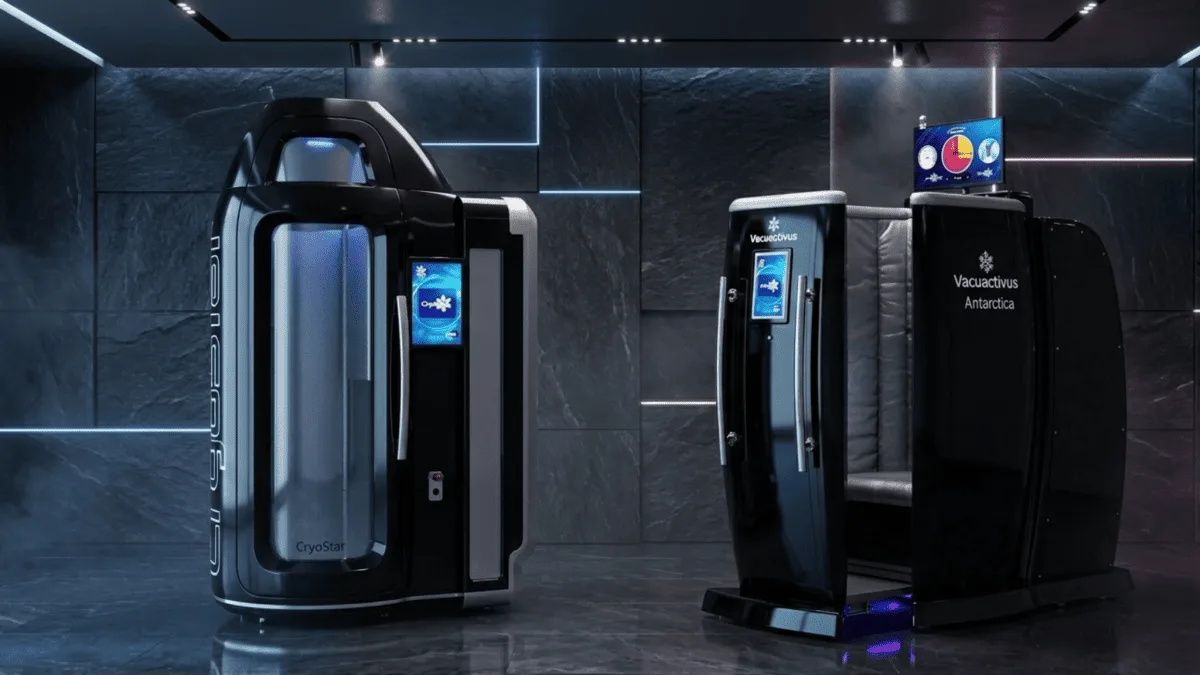
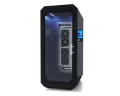
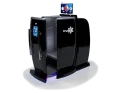
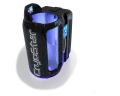
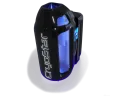
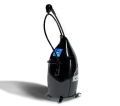
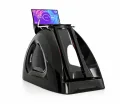
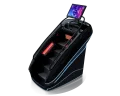
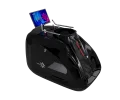
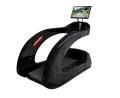
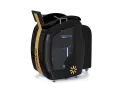
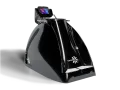
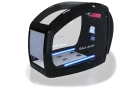
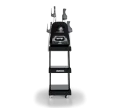
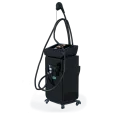
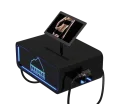
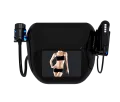
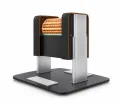
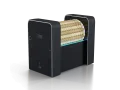
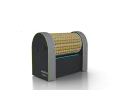
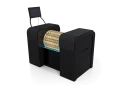
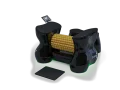
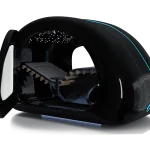
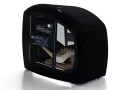
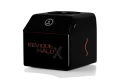
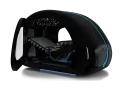
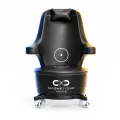
Abbildung: Vacuactivus Antarctica WBC Electric und CryoStar – zwei Kühltechnologien im Vergleich
Funktionsweise der einzelnen Technologien
Stickstoffkühlung – Wie flüssiger Stickstoff −180 °C erreicht
Flüssiger Stickstoff wird als kryogene Flüssigkeit bei −196 °C in einem isolierten Dewargefäß gelagert. Beim Einleiten in die Kryotherapiekammer verdampft der flüssige Stickstoff – er geht vom flüssigen in den gasförmigen Zustand über – und der Dampf umgibt den Körper mit Temperaturen zwischen −110 °C und −180 °C, abhängig von der Kammerkonstruktion und der Durchflussrate.
Da der Stickstoffdampf Sauerstoff verdrängt, sind herkömmliche Stickstoff-Kryosaunen oben offen – der Kopf des Kunden befindet sich in normaler Raumluft. Begehbare Stickstoff-Ganzkörperkammern umschließen den gesamten Körper, einschließlich des Kopfes, erfordern jedoch eine sorgfältige Belüftung, Sauerstoffüberwachung und eine spezielle Schulung des Personals, um die Atemluft sicher zu handhaben.
Wichtigster technischer Kompromiss: Stickstoff liefert auf Geräteebene extreme Kälte kostengünstig, aber jede Anwendung verbraucht LN2 und erfordert eine entsprechende Sicherheitsinfrastruktur. Vacuactivus CryoStar ist eine repräsentative Stickstoff-Kryosauna.
Elektrische Kühlung – Wie Kälte −110 °C erreicht
Elektrische Kryotherapiekammern nutzen einen geschlossenen Kältemittelkreislauf mit Kompressor – ähnlich wie industrielle Gefrieranlagen, jedoch speziell für den Temperaturbereich und den schnellen Erholungszyklus der Ganzkörperkryotherapie entwickelt. Der Kompressor zirkuliert ein Kältemittel durch Verdampferschlangen, die die Luft in der Kammer kühlen. Die gekühlte Luft wird anschließend um den Körper geleitet.
Da nichts verbraucht wird und die Luft im Inneren atembare, gekühlte Luft bleibt, können elektrische Klimakammern als vollständig geschlossene, begehbare Kabinen genutzt werden, in die der Kunde mit seinem gesamten Körper, einschließlich des Kopfes, für die gesamte Sitzung eintritt. Es werden weder ein Sauerstoffmonitor noch ein Stickstofflager oder eine Abluftanlage benötigt.
Der wichtigste technische Kompromiss: Elektrische Kammern sind in der Anschaffung teurer und erreichen weniger extreme Temperaturen, benötigen aber keine Verbrauchsmaterialien und weisen ein deutlich einfacheres Betriebsprofil auf. Vacuactivus Antarctica WBC Electric ist eine elektrische Ganzkörper-Blutdruckkammer der neuesten Generation mit Kapazität für mehrere Personen.
Direkter Vergleich: Alle relevanten Faktoren
| Faktor | Elektrische Kühlung | Stickstoffkühlung |
|---|---|---|
| Kühltechnologie | Geschlossener Kältemittelkreislauf-Kompressor | Flüssigstickstoffdampf |
| Temperaturbereich | −85 °C bis −110 °C | −110 °C bis −180 °C |
| Kapitalkosten (typisch) | $80.000 – $150.000+ | $40.000 – $90.000 |
| Kosten für Verbrauchsmaterialien pro Sitzung | Nur Strom (~$0,50–$1) | Flüssiger Stickstoff (~$3–$7) |
| Installationsvoraussetzungen | Standard 220 V; keine Belüftung | Abgasanlage + O₂-Überwachung + LN2-Speicher |
| Luft in der Kammer | Atmungsaktive, gekühlte Luft | Stickstoffdampf (auf zur Kryosauna) |
| Ganzkörperimmersion | Ja (Kopf in der Kammer) | Kryosauna: nein · Ganzkörperzyklische Batterie: ja (mit Überwachung) |
| Kapazität für mehrere Personen | Bis zu 3 begehbare Modelle | 1 (Kryosauna) oder 1–2 (WBC) |
| Wartungskomplexität | Standard-Kühlservice | Kühlung + LN2-Logistik |
| 5-jährige Betriebskosten (hohes Volumen) | Niedriger (ohne LN2) | Höher (wiederkehrend LN2) |
Diese Zahlen stellen branchenübliche Preisspannen für gewerbliche Geräte im Jahr 2026 dar. Hersteller und Modelle können variieren; bitte überprüfen Sie die Angaben direkt im Rahmen Ihrer Evaluierung. Nachdem die wichtigsten Kennzahlen erläutert wurden, werden in den folgenden Abschnitten deren Bedeutung für Ihr Unternehmen dargestellt.
Kapitalkosten vs. Betriebskosten
Der Listenpreis ist irreführend. Der richtige Vergleich bezieht sich auf die Gesamtbetriebskosten über drei bis fünf Jahre – und genau da wendet sich das wirtschaftliche Bild.
Stickstoffanlagen sind in der Anschaffung günstiger. Eine kommerzielle Stickstoff-Kryosauna kostet typischerweise zwischen 40.000 und 90.000 Pfund Sterling. Eine hochwertige elektrische Tauchkammer kostet in der Regel zwischen 80.000 und über 150.000 Pfund Sterling. Für einen Start mit begrenztem Budget erscheint Stickstoff daher sofort attraktiv.
Jede Stickstoff-Session verbraucht flüssigen Stickstoff (LN2). Branchenüblich liegen die Kosten pro Session zwischen 1.400 £ und 1.400 £ für flüssigen Stickstoff, zuzüglich Miete, Lieferung und Lagerung des Dewargefäßes. Ein Studio mit 600 Sessions pro Monat – ein eher geringes Volumen – gibt monatlich 1.800 £ bis 4.200 £ allein für LN2 aus, jährlich 21.600 £ bis 50.400 £ und über fünf Jahre 108.000 £ bis 252.000 £.
Elektrische Kammern verbrauchen Strom – typischerweise 0,50 bis 1,00 TTP pro Sitzung. Dasselbe Studio mit 600 Sitzungen gibt monatlich 300 bis 600 TTP für Strom im Zusammenhang mit der Kammer aus, jährlich 3.600 bis 7.200 TTP und über fünf Jahre 18.000 bis 36.000 TTP.
Über einen Zeitraum von fünf Jahren amortisiert sich der höhere Strompreis für ein Studio mit hohem Besucheraufkommen oft um ein Vielfaches durch die eingesparten Verbrauchsmaterialien. Für Studios mit geringem Besucheraufkommen oder kurzfristigen Mietverträgen ist Stickstoff aufgrund seiner niedrigeren Anschaffungskosten dennoch sinnvoll. Die Gewinnschwelle hängt vom Sitzungsaufkommen ab – typischerweise liegt sie zwischen 18 und 30 Monaten.
Installations- und Infrastrukturanforderungen
Die Komplexität der Installation ist einer der am meisten unterschätzten Unterschiede zwischen den beiden Technologien. Wird dies bei der Mietplanung außer Acht gelassen, kostet das Studios Wochen und Zehntausende von Dollar.
Stickstoffgeräte benötigen
- Abluftsystem — mechanische Abgasanlage, dimensioniert nach Kammervorgaben, idealerweise mit bodennaher Ansaugung (Stickstoffdampf ist dichter als Luft und sammelt sich in Bodennähe).
- Sauerstoffmonitor — Wandmontierter O₂-Sensor mit akustischem Alarm bei Erreichen des Standard-Schwellenwerts von 19,51 TP3T, jährlich kalibriert.
- Flüssigstickstofflagerung — Der große Dewarbehälter wird in einem separaten, belüfteten Raum oder einem Außengehege gelagert — nicht im Behandlungsraum.
- Isolierte Transferleitung — vom Vorratsbehälter bis zur Kammer, mit monatlichen Kontrollen auf Eisbildung oder Beschädigungen.
- Baugenehmigung — Einhaltung der örtlichen Bau-, Brandschutz- und Lüftungsvorschriften — die Bearbeitungszeiten variieren je nach Zuständigkeit, oft 4 bis 12 Wochen.
Elektrische Geräte benötigen
- Standardmäßige gewerbliche Elektrik — typischerweise einphasiger oder dreiphasiger 220-V-Stromkreis, modellabhängig.
- Grundfläche und Deckenhöhe — gemäß Herstellerangaben typischerweise 80–120 Quadratfuß mit 8–8,5 Fuß Deckenhöhe.
- Standard-Klimaanlage — keine spezielle Abgas- oder Sauerstoffüberwachung erforderlich.
Das ist im Prinzip die vollständige Liste. Die Elektroinstallation wird in den meisten Regionen wie die Installation eines Gewerbegefrierschranks oder eines großen Kompressors behandelt – Standardgenehmigungen, Standardfristen. Dies vereinfacht den Ausbau an neuen Standorten erheblich und senkt die Ausbaukosten im Vergleich zu einer Stickstoffanlage um 1.500 bis 1.500 Euro.
Sicherheitsprofil
Beide Technologien sind bei sachgemäßer Bedienung sicher, ihre Risikoprofile unterscheiden sich jedoch.
Stickstoffanlagen bergen die mit dem Umgang mit kryogenen Flüssigkeiten und der Sauerstoffverdrängung verbundenen Risiken. In einer fachgerecht konzipierten Anlage sind diese Risiken nicht katastrophal – sie werden durch Belüftung, Überwachung, Schulung des Personals und Sicherheitsvorkehrungen an den Anlagen vollständig beherrscht. Dennoch besteht ein gewisses Risiko, und das Studio trägt die Verantwortung für die kontinuierliche Aufrechterhaltung aller Risikominderungsmaßnahmen.
Elektrische Geräte eliminieren das gesamte Stickstoffrisiko. Kein Umgang mit kryogenen Flüssigkeiten, kein Risiko der Sauerstoffverdrängung, keine Anfälligkeit der Lieferkette für Verbrauchsmaterialien. Die übrigen Sicherheitsaspekte – Gerätesicherheitskontrollen, Kundenüberprüfung, Bedienerschulung, Notfallmaßnahmen – gelten gleichermaßen für beide Technologien.
Für Studios in Regionen mit strengen Arbeitsschutzbestimmungen oder Einrichtungen, die sich Gebäude mit anderen Mietern teilen, die sich möglicherweise über die Lüftungsanlagen beschweren, ist der elektrische Betrieb deutlich einfacher und gesetzeskonform. Ausführliche Sicherheitshinweise für beide Systeme finden Sie in unserer [Website/Dokumentation/etc.]. Sicherheitsleitfaden für die Kryosauna.
Kundenerfahrung und Sitzungsergebnisse
Bei diesem Thema weichen die Marketingversprechen und die Realität der Betreiber am deutlichsten voneinander ab.
Das Marketingargument für Stickstoff lautet: “Kälter ist besser – −180 °C ist doppelt so wirksam wie −110 °C.” So funktioniert Kältetherapie jedoch nicht. Hauttemperaturabfall, Wiedererwärmungsreaktion und die physiologischen Auswirkungen auf den Körper hängen von der Kammerkonstruktion, der Behandlungsdauer, dem Luftstrom und individuellen Faktoren des Anwenders ab – nicht nur von der angegebenen Temperatur.
In der Praxis erzielen elektrische Kältekammern bei Temperaturen von −85 °C bis −110 °C eine vergleichbare Hauttemperaturreduktion und Nachwirkung wie Stickstoffsysteme bei deutlich niedrigeren Temperaturen. Die trockene, sanfte elektrische Kälte wird zudem als weniger aggressiv empfunden – viele Kunden bevorzugen diese Erfahrung, insbesondere Erstnutzer und diejenigen, die die intensivere Dampfempfindung von Stickstoff-Kryosaunen als unangenehm empfinden.
Bedienerfahrung: Begehbare elektrische Kammern unterstützen auch Sitzungen für mehrere Personen (bis zu drei Klienten gleichzeitig in der Kammer). Antarktis WBC Electric), wodurch der Durchsatz pro Stunde radikal verbessert wird und Studios Platz für Paare, Freunde oder Sportlergruppen in einer einzigen Sitzung bieten – etwas, das in einer Einzelperson-Kryosauna nicht möglich ist.
Welches Modell passt zu Ihrem Unternehmen? Ein Entscheidungsrahmen
Drei Fragen entscheiden für die meisten Studios:
Frage 1: Wie hoch ist Ihr Startkapital?
Bei begrenztem Startkapital und minimalem Investitionsaufwand für die Ausrüstung ist eine Stickstoff-Kryosauna die beste Wahl. Können Sie die höheren Anschaffungskosten zugunsten niedrigerer laufender Betriebskosten in Kauf nehmen, amortisiert sich die elektrische Lösung im Laufe der Zeit.
Frage 2: Wie hoch ist Ihr erwartetes Sitzungsvolumen?
Bei weniger als 300 Sitzungen pro Monat amortisieren sich die Stromkosteneinsparungen nicht schnell genug, um die höheren Anschaffungskosten der Geräte rasch auszugleichen. Ab etwa 600 Sitzungen pro Monat amortisiert sich der Stromverbrauch innerhalb von zwei Jahren und führt danach zu erheblichen Einsparungen.
Frage 3: Wie positionieren Sie sich?
Premium-Studios für Wellness, Langlebigkeit und Biohacking setzen zunehmend auf begehbare elektrische Kältekammern – das Ganzkörper-Erlebnis, das hochwertige Ambiente, die Möglichkeit zur Nutzung durch mehrere Personen und die einfache Bedienung passen perfekt zu dieser Markenpositionierung. Budgetfreundliche Regenerationsstudios und sportorientierte Einzelbetriebe greifen aufgrund der geringeren Anschaffungskosten häufig auf Stickstoff-Kryosaunen zurück. Beide Modelle sind kommerziell erfolgreich.
Häufig gestellte Fragen
Sind elektrische Kryotherapiekammern genauso wirksam wie Stickstoff?
Für die Regeneration und das Wohlbefinden im Sportbereich sind elektrische Klimakammern der neuesten Generation mit Temperaturen von −85 °C bis −110 °C durchaus geeignet, die Hauttemperatur zu senken und eine vergleichbare physiologische Wirkung wie Stickstoffsysteme bei niedrigeren Temperaturen zu erzielen. Die angegebene Temperatur ist jedoch nicht gleichzusetzen mit der physiologischen Wirkung; Kammerdesign, Luftstrom und Anwendungsdauer sind deutlich wichtiger als die reinen Zahlen.
Ist elektrische Kühlung wirklich sicherer als Stickstoffkühlung?
Elektrische Systeme eliminieren die gesamte Risikokategorie der Handhabung kryogener Flüssigkeiten und der Sauerstoffverdrängung. Beide Technologien können mit entsprechender Schulung und Sicherheitsvorkehrungen sicher betrieben werden, elektrische Systeme weisen jedoch deutlich weniger Fehlerquellen auf. Für Anlagen in Regionen mit strengen Anforderungen an Belüftung oder Arbeitssicherheit ist die Einhaltung der Vorschriften bei elektrischen Systemen wesentlich einfacher.
Wie lange dauert es, bis sich die höheren Gerätekosten bei der elektrischen Kryotherapie amortisiert haben?
In der Regel dauert es 18 bis 30 Monate für Studios mit über 400 Sitzungen pro Monat, abhängig von den lokalen Preisen für flüssigen Stickstoff und den Stromtarifen. Studios mit geringerem Durchsatz erreichen die Amortisationszeit möglicherweise nicht, bevor sie ihre Ausrüstung ohnehin erneuert hätten. Daher ist Stickstoff auch für Studios mit kleinerem Budget weiterhin sinnvoll.
Kann ich später von Stickstoff auf Strom umsteigen?
Der Austausch der Anlagen ist installationstechnisch unkompliziert – die Entfernung der Stickstoffinfrastruktur und die Installation der elektrischen Anlage erfordern hauptsächlich Genehmigungen und Elektroinstallationen. Die schwierigere Frage betrifft den Zeitpunkt und die Kosten: Solange Ihre bestehende Stickstoffanlage noch im Einsatz ist, amortisiert sich die Modernisierung selten schneller als durch das Abwarten der natürlichen Anlagenerneuerungszyklen.
Benötigen elektrische Kammern einen speziellen Stromanschluss?
Die meisten gewerblichen Kaltwasserkammern werden je nach Modell mit einem Standard-220-V-Einphasen- oder Dreiphasenanschluss und separaten Stromkreisen betrieben. Dies ist vergleichbar mit gewerblichen Gefrierschränken, Trocknern oder Klimaanlagen und kann von jedem Elektriker problemlos installiert werden.
Welche Technologie hat niedrigere langfristige Wartungskosten?
Elektrische Kammern benötigen Standard-Kältetechnik – Kompressorwartung, Kältemittelmanagement und regelmäßige Kalibrierung. Stickstoffanlagen erfordern sowohl Gerätewartung als auch laufende LN2-Logistik (Dewar-Miete, Lieferplanung, Überprüfung der Transferleitung, Kalibrierung des Sauerstoffmonitors). Elektrische Kammern haben in der Regel einen geringeren Gesamtwartungsaufwand.
Abschluss
Elektrische und Stickstoff-Kryotherapiekammern lösen dasselbe Problem, jedoch mit grundlegend unterschiedlichen technischen Ansätzen. Stickstoff punktet bei den Gerätekosten und den absolut niedrigsten Temperaturen; elektrische Kammern hingegen bei den Betriebskosten, der einfachen Installation, dem Sicherheitsprofil, der Ganzkörperbeatmung und der Möglichkeit zur Nutzung durch mehrere Personen. Die richtige Wahl hängt von Ihrem Startkapital, dem erwarteten Sitzungsvolumen und Ihrer Markenpositionierung ab.
Vacuactivus stellt beide Kategorien her – die CryoStar Stickstoff-Kryosauna und die Antarktis WBC Electric Elektrisch begehbare Klimakammer – die Wahl der Technologie richtet sich also danach, was zu Ihrem Studio passt, und nicht danach, was Ihr Lieferant zufällig herstellt.
Vergleich von Kryotherapiegeräten: → Mehr erfahren auf vacuactivus.com


