










Θεραπεία με κόκκινο φως για την ανακούφιση από τον πόνο: Αρθρώσεις, μύες και χρόνιος πόνος
Ανακουφίζει η θεραπεία με κόκκινο φως τον πόνο; Ναι, με τις ισχυρότερες ενδείξεις για φλεγμονώδη και χρόνιο πόνο. Τυχαιοποιημένες ελεγχόμενες δοκιμές αναφέρουν σημαντική μείωση του πόνου σε παθήσεις όπως η οστεοαρθρίτιδα του γόνατος, με αναφερόμενα εύρη που αναφέρονται συνήθως γύρω στο 30-50% μείωση του πόνου στην οπτική αναλογική κλίμακα για 4-12 εβδομάδες (τα μεμονωμένα αποτελέσματα ποικίλλουν σημαντικά ανάλογα με τη συσκευή, το μήκος κύματος, τη δόση και την προσήλωση στη συνεδρία). Η θεραπεία με κόκκινο φως για την ανακούφιση του πόνου λειτουργεί αντιμετωπίζοντας τη φλεγμονή στην πηγή, όχι μόνο καλύπτοντας τα σήματα πόνου όπως κάνουν τα ΜΣΑΦ. Αυτή είναι μια ανασκόπηση της ιατρικής συμβουλευτικής και μηχανικής ομάδας Vacuactivus σχετικά με τον μηχανισμό, τα στοιχεία ανά πάθηση και τις παραμέτρους εξοπλισμού από τον Ιούνιο του 2026. Συμβουλευτείτε έναν εξειδικευμένο πάροχο υγειονομικής περίθαλψης πριν ξεκινήσετε οποιοδήποτε πρωτόκολλο ανακούφισης από τον πόνο, ιδιαίτερα εάν λαμβάνετε συνταγογραφούμενα φάρμακα ή έχετε κάποια διαγνωσμένη ιατρική πάθηση.
Η βάση δεδομένων έχει ενισχυθεί σημαντικά μεταξύ 2022 και 2026. Συστηματικές ανασκοπήσεις του 2024, οι οποίες έχουν αξιολογηθεί από ομότιμους, συνέθεσαν πολλαπλές τυχαιοποιημένες δοκιμές σε πληθυσμούς ασθενών με οστεοαρθρίτιδα γόνατος και επιβεβαίωσαν σημαντικές μειώσεις τόσο στον πόνο όσο και στην αναπηρία. Ανασκοπήσεις χρόνιου πόνου, οι οποίες έχουν αξιολογηθεί από ομότιμους και αφορούν την περίοδο 2025-2026, κατέγραψαν σημαντική μείωση του πόνου για την ινομυαλγία και τη νευροπάθεια. Μια τυχαιοποιημένη ελεγχόμενη δοκιμή (RCT) για τον πόνο στην πλάτη του 2022 με 60 ασθενείς σε διάστημα 12 εβδομάδων ανέφερε σημαντική μείωση του πόνου, ευνοώντας την ομάδα με το κόκκινο φως έναντι της τυπικής φροντίδας. Αυτά τα ευρήματα υποστηρίζουν τη θεραπεία με κόκκινο φως ως συμπλήρωμα βασισμένο σε στοιχεία για τις παθήσεις του πόνου, όχι ως θαυματουργό πλαίσιο που προτείνουν ορισμένα μάρκετινγκ.
Αυτός ο οδηγός απευθύνεται σε δύο κοινά: άτομα που ερευνούν τη θεραπεία με κόκκινο φως για την ανακούφιση από τον πόνο ως προσωπική θεραπευτική επιλογή και χειριστές κλινικών που αξιολογούν εξοπλισμό θεραπείας με κόκκινο φως για επαγγελματικές υπηρεσίες. Ο τόνος βασίζεται πρώτα στα στοιχεία: τι λειτουργεί, τι όχι και σε ειλικρινείς προσδοκίες για το χρονοδιάγραμμα και το μέγεθος της ανταπόκρισης. Εάν ο στόχος σας είναι μια γρήγορη λύση ή μια θεραπεία, αυτός ο οδηγός θα σας απογοητεύσει. Εάν θέλετε μια ειλικρινή ματιά σε αυτό που υποστηρίζουν τα κλινικά δεδομένα και πώς οι προδιαγραφές του εξοπλισμού αλληλεπιδρούν με τα αποτελέσματα, συνεχίστε να διαβάζετε.
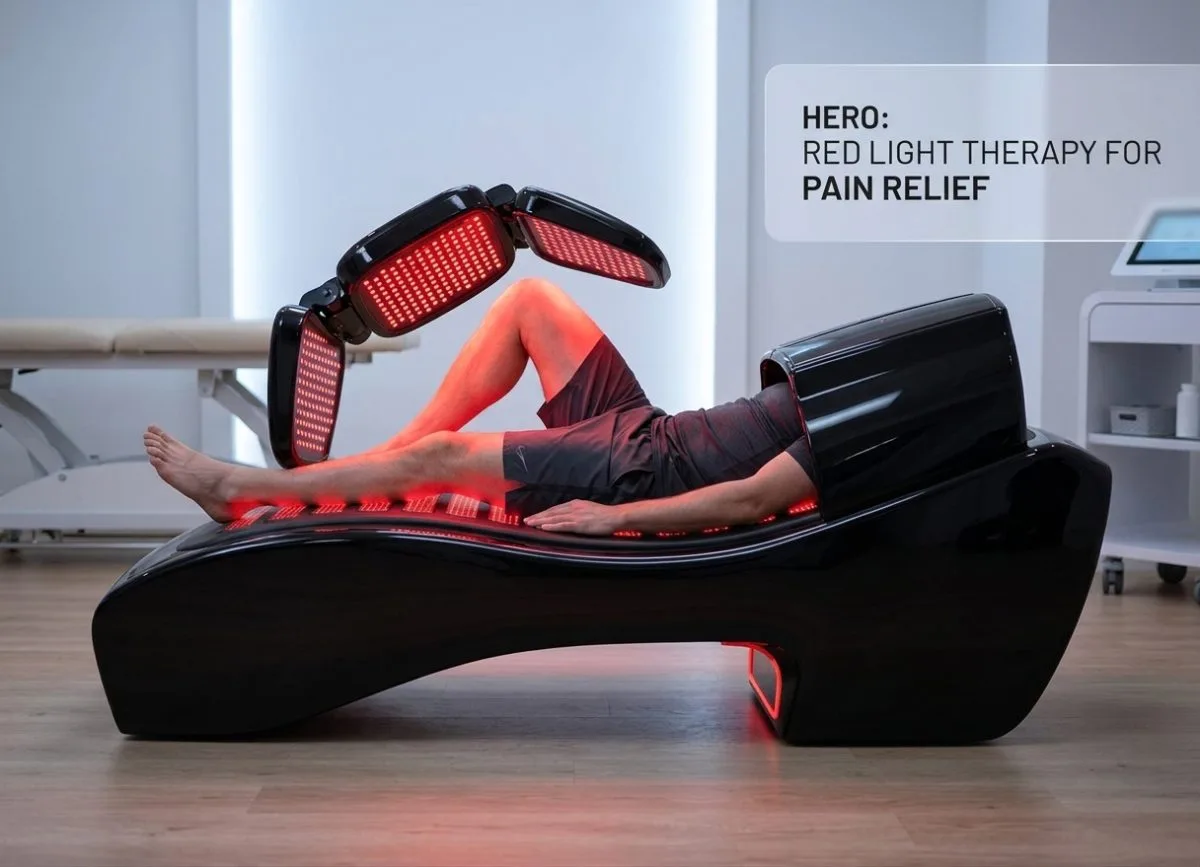
Ανακουφίζει όντως ο πόνος με τη θεραπεία με κόκκινο φως;
Ναι. Η βάση τεκμηρίωσης για τη θεραπεία με κόκκινο φως για την ανακούφιση από τον πόνο ξεπέρασε ένα όριο κλινικής αξιοπιστίας γύρω στο 2022-2024 για τις πιο μελετημένες παθήσεις. Η οστεοαρθρίτιδα γόνατος είναι η καλύτερα τεκμηριωμένη εφαρμογή: οι συστηματικές ανασκοπήσεις του 2024, οι οποίες αξιολογήθηκαν από ομοτίμους, συνέθεσαν πολλαπλές τυχαιοποιημένες ελεγχόμενες δοκιμές σε εκατοντάδες ασθενείς και επιβεβαίωσαν σημαντικές μειώσεις τόσο στις βαθμολογίες πόνου όσο και στις μετρήσεις αναπηρίας σε σύγκριση με τις εικονικές συσκευές. Οι ανασκοπήσεις ομπρέλας σε όλες τις παθήσεις αρθρίτιδας έχουν αναφέρει μέτρια έως μεγάλα μεγέθη επίδρασης σε όρους κλινικής έρευνας.
Πέρα από τις αρθρώσεις, οι συστηματικές ανασκοπήσεις χρόνιου πόνου από ομότιμους που αξιολογήθηκαν από το 2025-2026 κατέδειξαν σημαντική μείωση του πόνου σε ασθενείς με ινομυαλγία και νευροπάθεια χρησιμοποιώντας πρωτόκολλα φωτοβιοδιαμόρφωσης (PBM). Η τυχαιοποιημένη ελεγχόμενη δοκιμή για τον πόνο στην οσφυαλγία του 2022 τυχαιοποίησε 60 ασθενείς με χρόνιο πόνο στην οσφυαλγία σε θεραπεία με κόκκινο φως έναντι της τυπικής θεραπείας. Μετά από 12 εβδομάδες, η ομάδα του κόκκινου φωτός ανέφερε σημαντική μείωση του πόνου έναντι του ελέγχου, χρειαζόταν λιγότερα ΜΣΑΦ και έδειξε καλύτερη λειτουργική βελτίωση. Αυτά τα αποτελέσματα τοποθετούν τη θεραπεία με κόκκινο φως ως ένα νόμιμο, χωρίς φάρμακα συμπληρώμα για πόνους και όχι ως μια περιθωριακή μέθοδο ευεξίας. Τα ειλικρινή όρια: δεν είναι θεραπεία, τα αποτελέσματα χρειάζονται εβδομάδες όχι ημέρες και οι ισχυρισμοί δομικής αποκατάστασης (αναγέννηση χόνδρου, αναγέννηση δίσκου) παραμένουν σε μεγάλο βαθμό προκλινικοί - αυτό που υποστηρίζουν τα ανθρώπινα στοιχεία σε αυτό το στάδιο είναι συμπτωματική βελτίωση, όχι επαληθευμένες δομικές αλλαγές.
Πώς το κόκκινο φως μειώνει τον πόνο και τη φλεγμονή
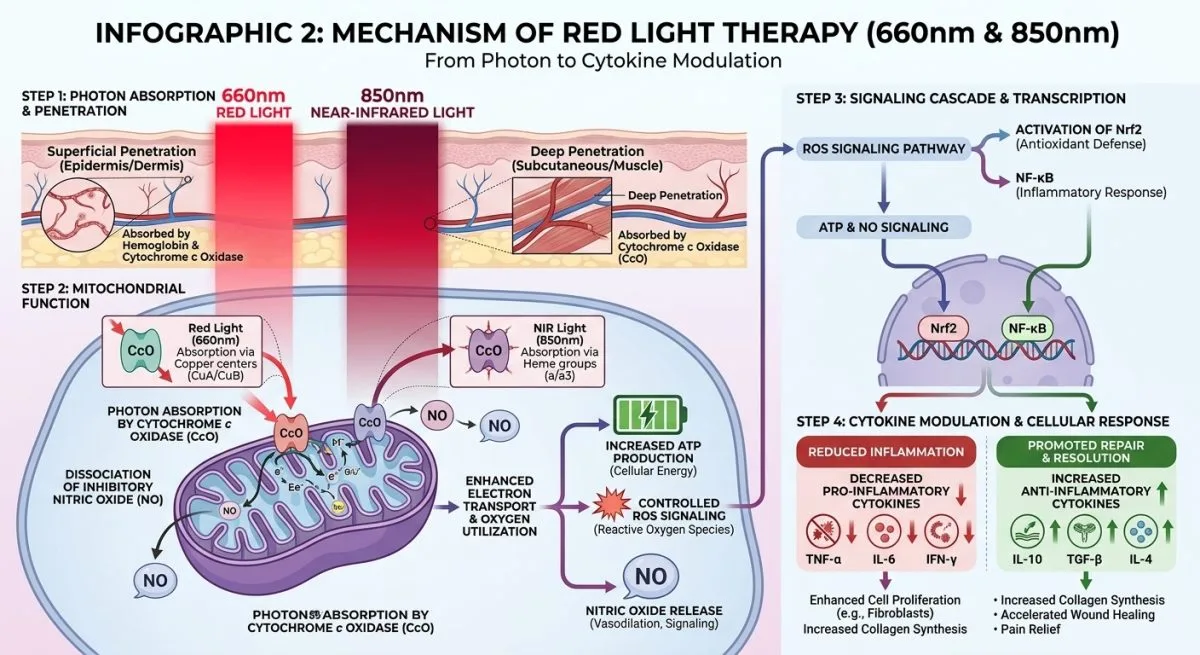
Ο μηχανισμός έχει χαρακτηριστεί καλά στη βιβλιογραφία για τη φωτοβιοδιαμόρφωση. Το κόκκινο φως στην περιοχή των 660 nm (ορατό κόκκινο) και στην περιοχή των 850 nm (εγγύς υπέρυθρη) απορροφάται από τα μιτοχόνδρια εντός των κυττάρων, συγκεκριμένα από το ένζυμο οξειδάση του κυτοχρώματος c στην αλυσίδα μεταφοράς ηλεκτρονίων. Αυτή η απορρόφηση ενισχύει την κυτταρική παραγωγή ATP και πυροδοτεί την απελευθέρωση μονοξειδίου του αζώτου, το οποίο βελτιώνει την τοπική ροή του αίματος. Κατάντη, αυτές οι κυτταρικές αλλαγές μειώνουν την παραγωγή φλεγμονωδών κυτοκινών που προκαλούν χρόνιο πόνο.
Ελεγχόμενες δοκιμές από ομοτίμους στη βιβλιογραφία της φωτοβιοδιαμόρφωσης αναφέρουν σημαντικές μειώσεις σε φλεγμονώδεις δείκτες όπως η CRP (C-αντιδρώσα πρωτεΐνη) και η IL-6 (ιντερλευκίνη-6) με συνεχείς συνεδρίες θεραπείας με κόκκινο φως, αν και τα ακριβή μεγέθη μείωσης ποικίλλουν σημαντικά ανάλογα με το πρωτόκολλο της μελέτης, τον πληθυσμό των ασθενών, τη συχνότητα των συνεδριών και τις προδιαγραφές της συσκευής. Αυτές οι κυτοκίνες προκαλούν πολλές χρόνιες φλεγμονώδεις παθήσεις πόνου, όπως η οστεοαρθρίτιδα, η ρευματοειδής αρθρίτιδα και ο χρόνιος πόνος στην οσφυϊκή μοίρα της πλάτης. Αυτή είναι η βασική μηχανιστική διάκριση που διαχωρίζει τη θεραπεία με κόκκινο φως για τη φλεγμονή από τα ΜΣΑΦ: Τα ΜΣΑΦ μπλοκάρουν τα σήματα πόνου μέσω της αναστολής της κυκλοοξυγενάσης (COX), παρέχοντας γρήγορη ανακούφιση από τα συμπτώματα αλλά αφήνοντας την υποκείμενη φλεγμονή σε μεγάλο βαθμό αμετάβλητη. Η θεραπεία με κόκκινο φως ρυθμίζει την ίδια τη φλεγμονή, η οποία είναι ένας λόγος για τον οποίο το όφελος παραμένει πέρα από τις μεμονωμένες συνεδρίες και συσσωρεύεται για εβδομάδες. Για μια βαθύτερη ματιά στη φυσική αλληλεπίδραση μήκους κύματος-ιστού, βλ. Πάνελ θεραπείας με κόκκινο φως: Πώς τα μήκη κύματος 660nm + 850nm θεραπεύουν τους ιστούς που καλύπτει τον μηχανισμό σε υψηλότερη ανάλυση.
Μήκη κύματος για τον πόνο: 660nm έναντι 850nm
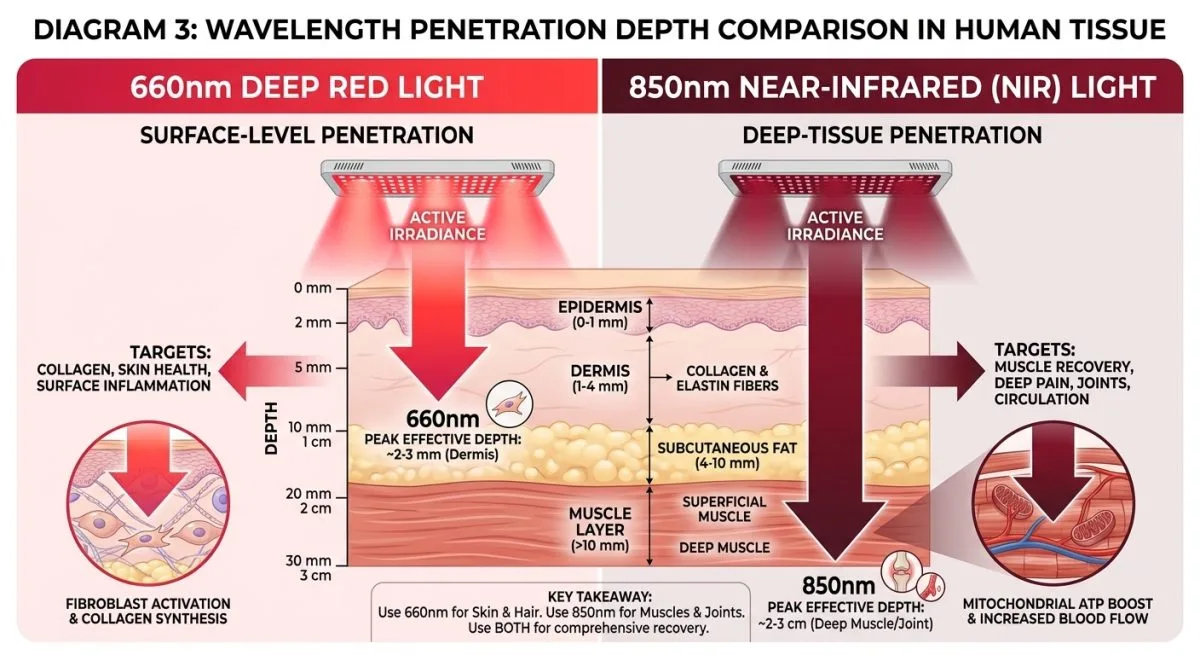
Δύο περιοχές μήκους κύματος κάνουν τη δουλειά για εφαρμογές πόνου, και τα δύο έχουν σημασία. Το κόκκινο φως των 660nm διεισδύει στην επιφάνεια του δέρματος και στον επιφανειακό ιστό, κάτι που είναι χρήσιμο για φλεγμονή που γειτνιάζει με το δέρμα και αποκατάσταση των επιφανειακών μυών. Το εγγύς υπέρυθρο φως των 850nm διεισδύει περίπου 2-3 cm για να φτάσει σε βάθος αρθρώσεων, μυών και νεύρων - το βάθος που απαιτείται για οστεοαρθρίτιδα γόνατος, πόνο στην πλάτη και εφαρμογές αποκατάστασης βαθέων μυών. Συγκεκριμένα για εφαρμογές πόνου, τα 850nm κάνουν το μεγαλύτερο μέρος της δουλειάς, επειδή το μεγαλύτερο μέρος του ιστού-στόχου βρίσκεται κάτω από το βάθος του δέρματος.
Τα επαγγελματικά πάνελ διπλού μήκους κύματος συνδυάζουν 660nm και 850nm σε μία μόνο συσκευή, καλύπτοντας επιφανειακούς και βαθείς ιστούς σε μία συνεδρία. Αυτή είναι η διαμόρφωση που κατασκευάζει η Vacuactivus και το πρότυπο στις επαγγελματικές κλινικές πόνου και αποκατάστασης. Για μια λεπτομερή συζήτηση σχετικά με τον εξοπλισμό κατ' οίκον έναντι του επαγγελματικού εξοπλισμού (ακτινοβολία, πυκνότητα ισχύος, χρόνος δοσολογίας), βλ. Η καλύτερη θεραπεία με κόκκινο φως στο σπίτι: Γιατί οι επαγγελματίες επιλέγουν επαγγελματικό εξοπλισμό γεγονός που εξηγεί τις διαφορές στις προδιαγραφές που διαχωρίζουν τις καταναλωτικές συσκευές από τα πάνελ κλινικής ποιότητας.
Θεραπεία με κόκκινο φως για πόνο στις αρθρώσεις και αρθρίτιδα
Η οστεοαρθρίτιδα του γόνατος είναι η καλύτερη τεκμηριωμένη εφαρμογή πόνου για τη θεραπεία με κόκκινο φως. Μελέτες που έχουν αξιολογηθεί από ομότιμους αναφέρουν σταθερά σημαντική μείωση του πόνου σε μετρήσεις οπτικής αναλογικής κλίμακας (VAS) για 4 έως 8 εβδομάδες συνεπούς χρήσης, με τα αναφερόμενα εύρη που αναφέρονται συνήθως γύρω στο 30-50% (τα μεμονωμένα αποτελέσματα ποικίλλουν ανάλογα με τη συσκευή, το μήκος κύματος, τη δόση και την τήρηση). Οι λειτουργικές βελτιώσεις (απόσταση βάδισης, ανάβαση σκάλας, δείκτης αναπηρίας) γενικά ταιριάζουν με τις υποκειμενικές αναφορές πόνου. Ο μηχανισμός ευθυγραμμίζεται με την παθοφυσιολογία: η οστεοαρθρίτιδα προκαλείται από χρόνια φλεγμονή χαμηλού βαθμού στην αρθρική κάψα και στον περιβάλλοντα αρθρικό υμένα, ακριβώς τον τύπο της διαδικασίας που ανταποκρίνεται στη μειωμένη σηματοδότηση κυτοκινών και στη βελτιωμένη τοπική ροή αίματος.
Πέρα από την οστεοαρθρίτιδα του γόνατος, η θεραπεία με κόκκινο φως για την αρθρίτιδα επεκτείνεται στη ρευματοειδή αρθρίτιδα (ΡΑ) και την ψωριασική αρθρίτιδα μέσω της ίδιας αντιφλεγμονώδους οδού. Τα στοιχεία είναι λιγότερο ογκώδη από ό,τι για την οστεοαρθρίτιδα του γόνατος, αλλά μηχανιστικά συνεπή. Η θεραπεία με κόκκινο φως για τον πόνο στις αρθρώσεις λειτουργεί καλύτερα για χρόνιες, πονεμένες, δύσκαμπτες αρθρώσεις με ενεργό χαμηλού βαθμού φλεγμονή. Είναι λιγότερο κατάλληλη για οξείς τραυματισμούς στις αρθρώσεις (αιφνίδιο πρήξιμο, κλείδωμα, αστάθεια) όπου το υποκείμενο πρόβλημα είναι μηχανικό και όχι φλεγμονώδες. Μια σημαντική ειλικρινής διάκριση: η ανακούφιση των συμπτωμάτων για την αρθρίτιδα υποστηρίζεται επαρκώς από δεδομένα δοκιμών σε ανθρώπους, ενώ οι ισχυρισμοί δομικής αποκατάστασης (αναγέννηση χόνδρου) παραμένουν σε μεγάλο βαθμό προκλινικοί. Οι αξιολογημένες από ομότιμους αναλύσεις εφαρμογών στο γόνατο το επισημαίνουν συγκεκριμένα - η αποκατάσταση μηνίσκου και χόνδρου παραμένει ένας αναδυόμενος τομέας με κυρίως προκλινικά στοιχεία, ενώ τα οφέλη από την πλευρά των συμπτωμάτων είναι κλινικά τεκμηριωμένα.
Θεραπεία με κόκκινο φως για μυϊκό πόνο και ανάρρωση
Η θεραπεία με κόκκινο φως για τον μυϊκό πόνο καλύπτει δύο αλληλεπικαλυπτόμενες περιπτώσεις χρήσης: τον μυϊκό πόνο μετά την προπόνηση (καθυστερημένη έναρξη μυϊκού πόνου ή DOMS) και τις χρόνιες μυϊκές παθήσεις. Ο μηχανισμός είναι η ίδια αντιφλεγμονώδης οδός συν την ενισχυμένη κυτταρική αποκατάσταση μέσω της αυξημένης παραγωγής ATP. Αθλητές και χρήστες που επικεντρώνονται στην αποκατάσταση έχουν υιοθετήσει ευρέως τη θεραπεία με κόκκινο φως για τη μείωση του πόνου μετά την προπόνηση. Μελέτες ελεγχόμενης αποκατάστασης από ομότιμους αναφέρουν ταχύτερη επιστροφή στα αρχικά επίπεδα πόνου σε σύγκριση με το εικονικό φάρμακο, ιδιαίτερα όταν οι συνεδρίες εφαρμόζονται εντός 24-48 ωρών από το ερέθισμα της προπόνησης.
Στα πρωτόκολλα αποκατάστασης πολλαπλών τρόπων, η θεραπεία με κόκκινο φως συχνά συνδυάζεται με έκθεση σε κρύο (κρυοθεραπεία) για την ενίσχυση των αποτελεσμάτων. Οι δύο μέθοδοι στοχεύουν σε διαφορετικές οδούς - το κρύο μειώνει την οξεία φλεγμονή και τη μεταβολική δραστηριότητα, το κόκκινο φως υποστηρίζει την επιδιόρθωση και τη ρύθμιση των κυτοκινών - και συνδυάζονται καλά σε διαδοχικά πρωτόκολλα. Για λεπτομέρειες σχετικά με τη στοίβαξη του κόκκινου φωτός με την κρυοθεραπεία συγκεκριμένα, βλ. Θεραπεία με κόκκινο φως σε συνδυασμό με κρυοθεραπεία: Οφέλη από το στοιβαγμένο πρωτόκολλο το οποίο καλύπτει τον σχεδιασμό του πρωτοκόλλου και τα στοιχεία για τα αποτελέσματα.
Θεραπεία με κόκκινο φως για πόνο στην πλάτη, τα νεύρα και τον χρόνιο πόνο
Τρεις επιπλέον παθήσεις έχουν σημαντικές βάσεις τεκμηρίωσης το 2026: ο χρόνιος πόνος στην οσφυαλγία, ο νευραλγία και η νευροπάθεια, και η ινομυαλγία. Κάθε μία από αυτές ανταποκρίνεται διαφορετικά σε εύρος και χρονοδιάγραμμα, αλλά ο υποκείμενος μηχανισμός (ρύθμιση της φλεγμονής συν βελτιωμένη τοπική ροή αίματος) ισχύει και για τις τρεις. Συμβουλευτείτε έναν εξειδικευμένο πάροχο υγειονομικής περίθαλψης πριν χρησιμοποιήσετε θεραπεία με κόκκινο φως για αυτές τις παθήσεις, ιδιαίτερα εάν οι υποκείμενες αιτίες απαιτούν πρωτογενή ιατρική αντιμετώπιση.
Πόνος στη μέση
Η τυχαιοποιημένη ελεγχόμενη δοκιμή (RCT) για τον πόνο στην οσφύ του 2022 παραμένει μια ξεχωριστή μελέτη για τη θεραπεία με κόκκινο φως για τον πόνο στην οσφύ. Εξήντα ασθενείς με χρόνιο πόνο στην οσφύ τυχαιοποιήθηκαν είτε σε θεραπεία με κόκκινο φως είτε σε ομάδα ελέγχου με την τυπική θεραπεία. Μετά από 12 εβδομάδες, η ομάδα του κόκκινου φωτός ανέφερε σημαντική μείωση του πόνου σε σχέση με την ομάδα ελέγχου, χρειάστηκε σημαντικά λιγότερα ΜΣΑΦ και έδειξε καλύτερη λειτουργική βελτίωση στις κλίμακες αναπηρίας. Οι ασθενείς ανέφεραν συμπτωματική βελτίωση κατά τη διάρκεια της περιόδου της δοκιμής. Οποιοιδήποτε δομικοί ισχυρισμοί από την απεικόνιση απαιτούν ανεξάρτητη επαλήθευση και δεν θα πρέπει να ερμηνεύονται ως τεκμηριωμένη ένδειξη αναγέννησης δίσκου ή αλλαγής ενυδάτωσης - αυτό που υποστηρίζουν τα δεδομένα της κλινικής δοκιμής σε αυτό το στάδιο είναι η συμπτωματική ανακούφιση, όχι η επιβεβαιωμένη δομική αναδιαμόρφωση. Το αποτέλεσμα έχει επιβεβαιωθεί σε επόμενες μικρότερες μελέτες με παρόμοια πρωτόκολλα 8-12 εβδομάδων. Βέλτιστη προσαρμογή: χρόνιος πόνος στην οσφύ που σχετίζεται με τους μυς και τους δίσκους. λιγότερο κατάλληλος για οξύ τραυματισμό, ριζοπάθεια με σοβαρό νευρολογικό έλλειμμα ή δομικές παραμορφώσεις που απαιτούν χειρουργική αξιολόγηση.
Νευρικός πόνος και νευροπάθεια
Η θεραπεία με κόκκινο φως για τον νευρικό πόνο έχει μια αναδυόμενη βάση δεδομένων με ενθαρρυντικά πρώιμα αποτελέσματα. Ο μηχανισμός περιλαμβάνει τόσο αντιφλεγμονώδη δράση κατά μήκος των νευρικών οδών όσο και πιθανές επιδράσεις στην αναγέννηση των νεύρων σε κυτταρικό επίπεδο, όπως αναφέρεται στη βιβλιογραφία φωτοβιοδιαμόρφωσης με αξιολόγηση από ομότιμους. Μικρότερες μελέτες για την περιφερική νευροπάθεια που προκαλείται από χημειοθεραπεία (CIPN) και τη διαβητική νευροπάθεια έχουν δείξει πολλά υποσχόμενη μείωση του πόνου σε ασθενείς της δοκιμής. Οι αξιολογήσεις χρόνιου πόνου από ομότιμους 2025-2026 ανέφεραν συγκεκριμένα τη νευροπάθεια ως αποτελεσματική ένδειξη για φωτοβιοδιαμόρφωση. Τα στοιχεία είναι λιγότερο ογκώδη από ό,τι για τις αρθρικές παθήσεις, επομένως οι ρεαλιστικές προσδοκίες έχουν σημασία: η θεραπεία με κόκκινο φως αξίζει να συζητηθεί με τον γιατρό σας ως συμπλήρωμα για τον σταθερό νευροπαθητικό πόνο, αλλά όχι ως υποκατάστατο της ιατρικής διαχείρισης της υποκείμενης πάθησης.
Ινομυαλγία και εκτεταμένος χρόνιος πόνος
Οι συστηματικές ανασκοπήσεις χρόνιου πόνου, οι οποίες διεξήχθησαν από ομότιμους και διεξήχθησαν από το 2025 έως το 2026, κατέδειξαν σημαντική μείωση του πόνου σε ασθενείς με ινομυαλγία σε πολλαπλές δοκιμές. Η ινομυαλγία ανταποκρίνεται μηχανιστικά επειδή η πάθηση περιλαμβάνει εκτεταμένη φλεγμονή χαμηλού βαθμού, αλλοιωμένη επεξεργασία του πόνου και συχνά επικαλυπτόμενη δυσλειτουργία της διάθεσης και του ύπνου - περιοχές όπου οι επιδράσεις της θεραπείας με κόκκινο φως στη φλεγμονή, τη διάθεση (υποστήριξη ενδορφίνης/σεροτονίνης) και την ποιότητα του ύπνου μπορούν να επιδεινωθούν. Η έκθεση σε πάνελ ολόκληρου του σώματος ή στο κρεβάτι συνήθως λειτουργεί καλύτερα από τη στοχευμένη θεραπεία σημείων για εκτεταμένα πρότυπα πόνου. Τα πρωτόκολλα σε επιτυχημένες μελέτες χρησιμοποίησαν συνεδρίες 20-30 λεπτών 3-5 φορές την εβδομάδα για 8-12 εβδομάδες.
Αποδεικτικά στοιχεία ανά συνθήκη (Συνοπτικός πίνακας)
Ο παρακάτω πίνακας συνοψίζει την ισχύ των αποδεικτικών στοιχείων, το τυπικό μέγεθος του αποτελέσματος (ως εύρη με αντισταθμισμένο πλαίσιο) και την κατηγορία πηγής για κάθε πάθηση που καλύπτεται παραπάνω. Χρησιμοποιήστε τον ως γρήγορη αναφορά για τον καθορισμό των προσδοκιών σε επίπεδο πάθησης. Τα μεμονωμένα αποτελέσματα ποικίλλουν σημαντικά. Συμβουλευτείτε έναν εξειδικευμένο πάροχο υγειονομικής περίθαλψης πριν πάρετε αποφάσεις για τη θεραπεία.
| Κατάσταση | Ισχύς Αποδεικτικών Στοιχείων | Τυπικό Αποτέλεσμα (τα αναφερόμενα εύρη ποικίλλουν) | Πηγή |
|---|---|---|---|
| Οστεοαρθρίτιδα γόνατος (ΟΑ) | Ισχυρή (πολλαπλές τυχαιοποιημένες ελεγχόμενες δοκιμές σε εκατοντάδες ασθενείς) | Τα αναφερόμενα εύρη συνήθως συγκεντρώνονται γύρω από τη μείωση του πόνου 30-50% στο VAS σε διάστημα 4-8 εβδομάδων, με τις βελτιώσεις στον δείκτη αναπηρίας να αντιστοιχούν (τα μεμονωμένα αποτελέσματα ποικίλλουν ανάλογα με τη συσκευή, το μήκος κύματος, τη δόση, την προσήλωση). | Συστηματικές ανασκοπήσεις RLT/LLLT από ομοτίμους του 2024 σε πληθυσμούς οστεοαρθρίτιδας γόνατος, αξιολογημένες από ομοτίμους· ομπρέλες ανασκοπήσεων σε όλες τις παθήσεις αρθρίτιδας |
| Πόνος στη μέση (χρόνιος) | Μέτρια έως ισχυρή (τυχαιοποιημένη ελεγχόμενη δοκιμή 12 εβδομάδων 2022 + μελέτες παρακολούθησης) | Σημαντική μείωση του πόνου χάρη στη θεραπεία με κόκκινο φως έναντι της τυπικής φροντίδας στη 12εβδομάδων δοκιμή του 2022. Αναφέρθηκαν μειωμένη χρήση ΜΣΑΦ και καλύτερες βαθμολογίες στην κλίμακα αναπηρίας. | τυχαιοποιημένη ελεγχόμενη δοκιμή (RCT) για πόνο στην οσφυϊκή μοίρα του 2022 (60 ασθενείς, 12 εβδομάδες). επακόλουθες επιβεβαιώσεις μικρότερης ομάδας |
| Μυϊκός πόνος και DOMS | Μέτρια έως ισχυρή (πολλαπλές μελέτες ανάρρωσης) | Μειωμένος πόνος μετά την προπόνηση 24-48 ώρες, ταχύτερη επιστροφή στην αρχική κατάσταση όπως αναφέρθηκε σε ελεγχόμενες δοκιμές αποκατάστασης | Μελέτες αποκατάστασης φωτοβιοδιαμόρφωσης με αξιολόγηση από ομοτίμους |
| Ρευματοειδής αρθρίτιδα (ΡΑ) + ψωριασική αρθρίτιδα | Μέτριο (με βάση τα αντιφλεγμονώδη δεδομένα) | Ανακούφιση από τα συμπτώματα μέσω μείωσης των κυτοκινών· συμπλήρωμα της ιατρικής θεραπείας, όχι υποκατάστατο | Ανασκοπήσεις Umbrella (ανάλυση αρθρίτιδας). Δεδομένα αντιφλεγμονώδους μηχανισμού από τη βιβλιογραφία PBM. |
| Ινομυαλγία + εκτεταμένος χρόνιος πόνος | Μέτριο (θετικές συστηματικές αξιολογήσεις 2025-2026) | Σημαντική μείωση του πόνου που αναφέρθηκε σε πολλαπλές δοκιμές. Αποτελεσματική μη φαρμακευτική επιλογή σε συμπληρωματικό ρόλο. | Συστηματικές ανασκοπήσεις χρόνιου πόνου με αξιολόγηση από ομότιμους για το 2025-2026 |
| Νευρικός πόνος και νευροπάθεια (χημειοθεραπεία, διαβητική) | Αναδυόμενες (μικρότερες μελέτες ενθαρρύνουν) | Μηχανισμοί αναγέννησης νεύρων. Υποσχόμενοι για την CIPN και τη διαβητική νευροπάθεια σε πρώιμα δεδομένα δοκιμών | Αξιολογημένες από ομοτίμους ανασκοπήσεις εφαρμογών νευροπάθειας 2025-2026· μηχανιστική βιβλιογραφία |
Πόσο καιρό διαρκεί μέχρι να λειτουργήσει η θεραπεία με κόκκινο φως για τον πόνο;
Οι περισσότερες μελέτες για τον πόνο δείχνουν μετρήσιμη βελτίωση την 3η-4η εβδομάδα συνεπούς χρήσης, με σημαντική βελτίωση να εμφανίζεται συνήθως την 8η-12η εβδομάδα. Το ακριβές χρονοδιάγραμμα ποικίλλει ανάλογα με την πάθηση: οι μελέτες για την οστεοαρθρίτιδα του γόνατος συχνά δείχνουν την πρώτη μετρήσιμη αλλαγή γύρω στην 3η εβδομάδα, ενώ οι δοκιμές για τον χρόνιο πόνο στην πλάτη απαιτούν 6-8 εβδομάδες για να εμφανιστούν τα ισχυρότερα αποτελέσματα. Αυτό το σταδιακό χρονοδιάγραμμα είναι θεμελιώδες για τον μηχανισμό: σε αντίθεση με τα ΜΣΑΦ, τα οποία καταστέλλουν τα σήματα πόνου μέσα σε λίγες ώρες, η θεραπεία με κόκκινο φως για την ανακούφιση από τον πόνο αναπτύσσεται σταδιακά καθώς υποχωρεί η φλεγμονή σε επίπεδο ιστού. Οι συνεδρίες συνήθως διαρκούν 10-20 λεπτά αρκετές φορές την εβδομάδα κατά τη διάρκεια της ενεργού φάσης θεραπείας.
Αφού ο πόνος βελτιωθεί σε μια άνετη αρχική τιμή, οι συνεδρίες συντήρησης 1-2 φορές την εβδομάδα βοηθούν στην πρόληψη της υποτροπής. Η συνέπεια έχει μεγαλύτερη σημασία από την ένταση: οι εβδομάδες που παραλείπονται εμφανίζονται στα κλινικά δεδομένα ως μειωμένη ανταπόκριση. Εάν δεν έχετε δει μετρήσιμη βελτίωση μετά από 12 εβδομάδες συνεπούς χρήσης, συζητήστε το με τον γιατρό σας - ο συγκεκριμένος παράγοντας πόνου που χρησιμοποιείτε μπορεί να απαιτεί διαφορετική παρέμβαση ή μπορεί να έχει υποκείμενες αιτίες που απαιτούν πρωτογενή ιατρική αντιμετώπιση.
Θεραπεία με κόκκινο φως έναντι ΜΣΑΦ και άλλων επιλογών
Η θεραπεία με κόκκινο φως και τα ΜΣΑΦ εξυπηρετούν διαφορετικούς ρόλους αντί να ανταγωνίζονται άμεσα. Τα ΜΣΑΦ (ιβουπροφαίνη, ναπροξένη, σελεκοξίμπη) δρουν μέσω της αναστολής του ενζύμου COX, προσφέροντας γρήγορη ανακούφιση από τα συμπτώματα αλλά με καλά τεκμηριωμένους μακροπρόθεσμους κινδύνους (γαστρεντερικούς, καρδιαγγειακούς, νεφρικούς). Η θεραπεία με κόκκινο φως είναι πιο αργή (εβδομάδες έναντι ωρών) αλλά στοχεύει στην υποκείμενη φλεγμονή και υποστηρίζει την αποκατάσταση των ιστών χωρίς συστηματικές παρενέργειες στις δόσεις που χρησιμοποιούνται κλινικά. Σε πολλαπλές μελέτες, οι ασθενείς που χρησιμοποιούν κόκκινο φως έχουν μειώσει τη χρήση ΜΣΑΦ κατά τη διάρκεια της ενεργού φάσης της θεραπείας.
Για τους περισσότερους ανθρώπους με χρόνιο φλεγμονώδη πόνο, η θεραπεία με κόκκινο φως λειτουργεί καλύτερα ως συμπλήρωμα χωρίς φάρμακα παρά ως άμεση αντικατάσταση των ΜΣΑΦ. Οι καλύτεροι συνδυασμοί: κόκκινο φως συν φυσικοθεραπεία για χρόνιες παθήσεις· κόκκινο φως για συντήρηση μετά από υποχώρηση της οξείας φλεγμονής με βραχείας διάρκειας ΜΣΑΦ. Εξερευνήστε Η καλύτερη θεραπεία με κόκκινο φως για τον πόνο για επιλογές επαγγελματικού εξοπλισμού με την ακτινοβολία και την κάλυψη που απαιτούνται για συνεπή κλινικά αποτελέσματα. Συμβουλευτείτε πάντα έναν εξειδικευμένο πάροχο υγειονομικής περίθαλψης πριν συνδυάσετε θεραπείες, ειδικά εάν λαμβάνετε συνταγογραφούμενα φάρμακα, πριν προσαρμόσετε τη χρήση ΜΣΑΦ ή εάν υποκείμενες παθήσεις απαιτούν πρωτοβάθμια ιατρική διαχείριση.
Συχνές ερωτήσεις
Ε1. Λειτουργεί η θεραπεία με κόκκινο φως για τον πόνο;
Ναι, με τα ισχυρότερα στοιχεία για φλεγμονώδη και χρόνιο πόνο. Τυχαιοποιημένες ελεγχόμενες δοκιμές αναφέρουν σημαντικές μειώσεις σε παθήσεις όπως η οστεοαρθρίτιδα του γόνατος, ο πόνος στη μέση και η ινομυαλγία, με τα αναφερόμενα εύρη μείωσης του πόνου που αναφέρονται συνήθως γύρω στο 30-50% σε διάστημα 4 έως 12 εβδομάδων (τα μεμονωμένα αποτελέσματα ποικίλλουν ανάλογα με τη συσκευή, το μήκος κύματος, τη δόση και την τήρηση). Λειτουργεί ρυθμίζοντας τη φλεγμονή και υποστηρίζοντας την αποκατάσταση των ιστών αντί να μπλοκάρει απλώς τα σήματα πόνου, επομένως η ανακούφιση τείνει να παραμένει και μετά τη συνεδρία. Είναι ένα υποστηριζόμενο από στοιχεία βοήθημα, όχι θεραπεία. Συμβουλευτείτε έναν εξειδικευμένο πάροχο υγειονομικής περίθαλψης πριν ξεκινήσετε τη θεραπεία.
Ε2. Βοηθάει η θεραπεία με κόκκινο φως στην αρθρίτιδα και τον πόνο στις αρθρώσεις;
Ναι. Η οστεοαρθρίτιδα του γόνατος έχει την πιο ισχυρή υποστήριξη σε ανθρώπινες δοκιμές: συστηματικές ανασκοπήσεις από ομότιμους του 2024 που συνθέτουν πολλαπλές τυχαιοποιημένες ελεγχόμενες δοκιμές σε εκατοντάδες ασθενείς επιβεβαίωσαν σημαντικές μειώσεις στον πόνο και την αναπηρία, και οι μελέτες συνήθως δείχνουν αναφερόμενες μειώσεις πόνου που συγκεντρώνονται γύρω στο 30-50% σε διάστημα 4 έως 8 εβδομάδων (τα μεμονωμένα αποτελέσματα ποικίλλουν). Βοηθά στην οστεοαρθρίτιδα, τη ρευματοειδή αρθρίτιδα και την ψωριασική αρθρίτιδα μέσω αντιφλεγμονωδών επιδράσεων. Είναι καλύτερο για χρόνιες, πονεμένες, δύσκαμπτες αρθρώσεις. Είναι λιγότερο κατάλληλο για οξεία ασφάλιση, ξαφνικό πρήξιμο ή σοβαρή αστάθεια. Οι ισχυρισμοί για δομική αποκατάσταση (αναγέννηση χόνδρου) παραμένουν σε μεγάλο βαθμό προκλινικοί.
Ε3. Πόσο καιρό χρειάζεται για να δράσει η θεραπεία με κόκκινο φως για τον πόνο;
Οι περισσότερες μελέτες για τον πόνο δείχνουν μετρήσιμη βελτίωση μέχρι την 3η-4η εβδομάδα συνεπούς χρήσης, με σημαντική βελτίωση να εμφανίζεται συνήθως μέχρι την 8η-12η εβδομάδα. Σε αντίθεση με τα ΜΣΑΦ, τα οποία ανακουφίζουν γρήγορα τα συμπτώματα, η θεραπεία με κόκκινο φως αυξάνεται σταδιακά καθώς υποχωρεί η φλεγμονή σε επίπεδο ιστού. Οι συνεδρίες συνήθως διαρκούν 10-20 λεπτά αρκετές φορές την εβδομάδα. Μόλις βελτιωθεί ο πόνος, η θεραπεία συντήρησης μία έως δύο φορές την εβδομάδα βοηθά στην πρόληψη της υποτροπής. Η συνέπεια έχει μεγαλύτερη σημασία από την ένταση.
Ε4. Η θεραπεία με κόκκινο φως μειώνει τη φλεγμονή;
Ναι. Το κόκκινο φως στα 660nm και 850nm απορροφάται από τα μιτοχόνδρια των κυττάρων σας, γεγονός που μειώνει την παραγωγή φλεγμονωδών κυτοκινών (των χημικών σημάτων που προκαλούν πρήξιμο και πόνο). Ελεγχόμενες δοκιμές με αξιολόγηση από ομοτίμους αναφέρουν σημαντικές μειώσεις σε δείκτες όπως η CRP και η IL-6 με συνεχείς συνεδρίες, αν και τα ακριβή μεγέθη μείωσης ποικίλλουν ανάλογα με το πρωτόκολλο της μελέτης. Ρυθμίζοντας τη φλεγμονή σε κυτταρικό επίπεδο, αντιμετωπίζει μια βασική αιτία μεγάλου μέρους του χρόνιου πόνου αντί απλώς να την καλύπτει.
Ε5. Λειτουργεί η θεραπεία με κόκκινο φως για τον πόνο στην πλάτη;
Ο πόνος στην οσφύ, ειδικά από μυϊκή καταπόνηση ή χρόνια χαμηλού βαθμού φλεγμονή, ανταποκρίνεται καλά. Σε μια μελέτη του 2022, 60 ασθενείς με χρόνιο πόνο στην οσφύ τυχαιοποιήθηκαν σε θεραπεία με κόκκινο φως ή σε τυπική θεραπεία. Μετά από 12 εβδομάδες, η ομάδα του κόκκινου φωτός ανέφερε σημαντική μείωση του πόνου έναντι του ελέγχου, χρειαζόταν λιγότερα ΜΣΑΦ και έδειξε καλύτερη λειτουργική βελτίωση. Οι ασθενείς ανέφεραν συμπτωματική βελτίωση. Οποιοιδήποτε δομικοί ισχυρισμοί από την απεικόνιση σε αυτήν τη δοκιμή απαιτούν ανεξάρτητη επαλήθευση και δεν θα πρέπει να ερμηνεύονται ως ένδειξη αναγέννησης δίσκου - αυτό που υποστηρίζει η δοκιμή είναι συμπτωματική ανακούφιση. Συμβουλευτείτε έναν γιατρό για οξύ τραυματισμό, ριζοπάθεια με σοβαρό νευρολογικό έλλειμμα ή επίμονο πόνο που δεν έχει διαγνωστεί.
Ε6. Ποιο μήκος κύματος είναι το καλύτερο για πόνο και βαθύ ιστό;
Για τον πόνο, η εγγύς υπέρυθρη ακτινοβολία των 850nm κάνει το μεγαλύτερο μέρος της δουλειάς, επειδή διεισδύει περίπου 2-3 cm για να φτάσει σε βαθιές αρθρώσεις, μύες και νεύρα. Το κόκκινο μήκος κύματος των 660nm αντιμετωπίζει πιο επιφανειακούς ιστούς. Τα περισσότερα πάνελ επαγγελματικής ποιότητας παρέχουν και τα δύο ταυτόχρονα, έτσι τα 660nm χειρίζονται την επιφάνεια ενώ τα 850nm φτάνουν σε βαθύτερες δομές, καλύπτοντας όλα τα βάθη των ιστών σε μία μόνο συνεδρία. Απαιτείται επαρκής πυκνότητα ισχύος και η σωστή απόσταση θεραπείας για την επίτευξη αυτού του βάθους.
Ε7. Είναι η θεραπεία με κόκκινο φως καλύτερη από τα ΜΣΑΦ;
Λειτουργούν διαφορετικά και εξυπηρετούν διαφορετικούς ρόλους. Τα ΜΣΑΦ ανακουφίζουν γρήγορα από τον πόνο, αλλά αντιμετωπίζουν τα συμπτώματα και όχι τις αιτίες, και η μακροχρόνια χρήση ενέχει γαστρεντερικούς, καρδιαγγειακούς και νεφρικούς κινδύνους. Η θεραπεία με κόκκινο φως είναι πιο αργή, διαρκεί εβδομάδες, αλλά στοχεύει στην υποκείμενη φλεγμονή και υποστηρίζει την αποκατάσταση των ιστών χωρίς συστηματικές παρενέργειες στις δόσεις που χρησιμοποιούνται κλινικά. Σε μελέτες, οι ασθενείς που χρησιμοποιούν κόκκινο φως συχνά μείωσαν τη χρήση ΜΣΑΦ. Για πολλούς ανθρώπους, λειτουργεί καλύτερα ως συμπλήρωμα χωρίς φάρμακα παρά ως άμεση αντικατάσταση. Συμβουλευτείτε έναν γιατρό πριν προσαρμόσετε τη χρήση των ΜΣΑΦ, ιδιαίτερα εάν λαμβάνετε άλλα φάρμακα ή έχετε παθήσεις που σας έχουν συνταγογραφήσει.
Ε8. Η θεραπεία με κόκκινο φως βοηθάει στον νευρικό πόνο και τη νευροπάθεια;
Υπάρχουν πολλά υποσχόμενα στοιχεία. Η θεραπεία με κόκκινο φως φαίνεται να υποστηρίζει την ανακούφιση από τον νευρικό πόνο μέσω αντιφλεγμονώδους δράσης και αναφερόμενων μηχανισμών αναγέννησης των νεύρων στη βιβλιογραφία της φωτοβιοδιαμόρφωσης. Οι αξιολογήσεις χρόνιου πόνου από ομότιμους 2025-2026 ανέφεραν συγκεκριμένα την αποτελεσματικότητα για τη νευροπάθεια και την ινομυαλγία. Μικρότερες μελέτες για τη νευροπάθεια που προκαλείται από χημειοθεραπεία και τη διαβητική νευροπάθεια έχουν δείξει ενθαρρυντικά αποτελέσματα. Η βάση στοιχείων για τον νευρικό πόνο αυξάνεται, αλλά είναι λιγότερο εκτεταμένη από ό,τι για τις αρθρικές παθήσεις, επομένως οι προσδοκίες πρέπει να είναι ρεαλιστικές. Συζητήστε με τον γιατρό σας πριν από τη χρήση για παθήσεις νευρικού πόνου, ειδικά εάν οι υποκείμενες αιτίες απαιτούν πρωτογενή ιατρική αντιμετώπιση.
συμπέρασμα
Η θεραπεία με κόκκινο φως για την ανακούφιση από τον πόνο είναι ένα τεκμηριωμένο, χωρίς φάρμακα βοήθημα για φλεγμονώδεις και χρόνιες παθήσεις πόνου. Ο μηχανισμός είναι καλά χαρακτηρισμένος: μήκη κύματος 660nm και 850nm που απορροφώνται από τα μιτοχόνδρια ενεργοποιούν την παραγωγή ATP, την απελευθέρωση μονοξειδίου του αζώτου και την καταστολή των φλεγμονωδών κυτοκινών, συμπεριλαμβανομένων των CRP και IL-6, σε ελεγχόμενες δοκιμές (τα ακριβή μεγέθη μείωσης ποικίλλουν ανάλογα με το πρωτόκολλο της μελέτης). Τα ισχυρότερα στοιχεία για την πάθηση καλύπτουν την οστεοαρθρίτιδα του γόνατος (αναφερόμενες μειώσεις πόνου που συγκεντρώνονται γύρω στο 30-50%), τον χρόνιο πόνο στην οσφυϊκή μοίρα της πλάτης (σημαντική μείωση στην τυχαιοποιημένη ελεγχόμενη δοκιμή 12 εβδομάδων του 2022), την ινομυαλγία (επιβεβαιώθηκαν οι αξιολογήσεις από ομότιμους του 2025-2026) και την αποκατάσταση των μυών. Τα στοιχεία για τον πόνο των νεύρων αναδύονται και είναι πολλά υποσχόμενα. Οι ισχυρισμοί για δομική αποκατάσταση (αναγέννηση χόνδρου, αναγέννηση δίσκου) παραμένουν σε μεγάλο βαθμό προκλινικοί. Αυτό που υποστηρίζουν τα ανθρώπινα στοιχεία σε αυτό το στάδιο είναι συμπτωματική βελτίωση, όχι επαληθευμένη δομική αλλαγή.
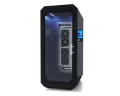
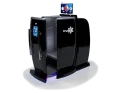
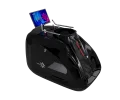
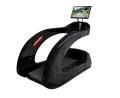
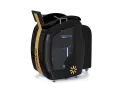
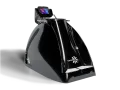
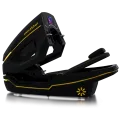
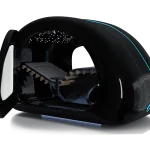
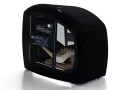
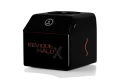
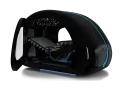
Ρεαλιστικές προσδοκίες: μετρήσιμη βελτίωση έως την εβδομάδα 3-4, σημαντική βελτίωση έως την εβδομάδα 8-12, 1-2 συνεδρίες συντήρησης εβδομαδιαίως μετά τη μέγιστη ανταπόκριση. Η θεραπεία με κόκκινο φως είναι η καλύτερη ως συμπλήρωμα της φυσικοθεραπείας, της κατάλληλης βραχυπρόθεσμης χρήσης φαρμάκων και των παρεμβάσεων στον τρόπο ζωής - όχι ως αυτόνομη θεραπεία ή υποκατάστατο των ΜΣΑΦ. Συμβουλευτείτε πάντα έναν εξειδικευμένο γιατρό, φυσιοθεραπευτή ή ειδικό στη διαχείριση πόνου πριν ξεκινήσετε τη θεραπεία. Για τους κλινικούς ιατρούς και τους χειριστές κλινικών που αξιολογούν εξοπλισμό κόκκινου φωτός για προσφορές υπηρεσιών πόνου και αποκατάστασης, η Vacuactivus κατασκευάζει πάνελ διπλού μήκους κύματος (660nm + 850nm) που χρησιμοποιούνται σε κλινικές αποκατάστασης, κέντρα ευεξίας και εξειδικευμένες πρακτικές πόνου. Εξερευνήστε επαγγελματικά πάνελ θεραπείας με κόκκινο φως για επιλογές εμπορικής ποιότητας ή το Κάψουλα μακροζωίας Revique HaloX για μια πολυτροπική μονάδα που συνδυάζει κόκκινο φως με υπέρυθρες ακτίνες και αρωματοθεραπεία σε μία μόνο επαγγελματική εγκατάσταση.


