










Red Light Therapy for Pain Relief: Joints, Muscles, and Chronic Pain
Does red light therapy relieve pain? Yes, with the strongest evidence for inflammatory and chronic pain. Randomized controlled trials report meaningful pain reduction in conditions like knee osteoarthritis, with reported ranges commonly cited around 30-50% pain reduction on the visual analog scale over 4-12 weeks (individual results vary substantially by device, wavelength, dose, and session adherence). Red light therapy for pain relief works by addressing inflammation at the source, not just masking pain signals like NSAIDs do. This is a Vacuactivus medical advisory and engineering team review of the mechanism, evidence by condition, and equipment considerations as of June 2026. Consult a qualified healthcare provider before starting any pain-relief protocol, particularly if you take prescription medications or have any diagnosed medical condition.
The evidence base has strengthened significantly between 2022 and 2026. Peer-reviewed 2024 systematic reviews synthesized multiple randomized trials across knee osteoarthritis patient populations and confirmed significant reductions in both pain and disability. Peer-reviewed 2025-2026 chronic pain reviews documented substantial pain reduction for fibromyalgia and neuropathy. A 2022 lower back pain RCT with 60 patients over 12 weeks reported meaningful pain reduction favoring the red light group over standard care. These findings support red light therapy as an evidence-based adjunct for pain conditions, not the miracle framing that some marketing suggests.
This guide is written for two audiences: individuals researching red light therapy for pain relief as a personal treatment option, and clinic operators evaluating red light therapy equipment for professional service offerings. The tone is evidence-first: what works, what does not, and honest expectations for timeline and magnitude of response. If your goal is a quick fix or a cure, this guide will disappoint. If you want an honest look at what the clinical data supports and how equipment specifications interact with results, keep reading.
Does Red Light Therapy Actually Relieve Pain?
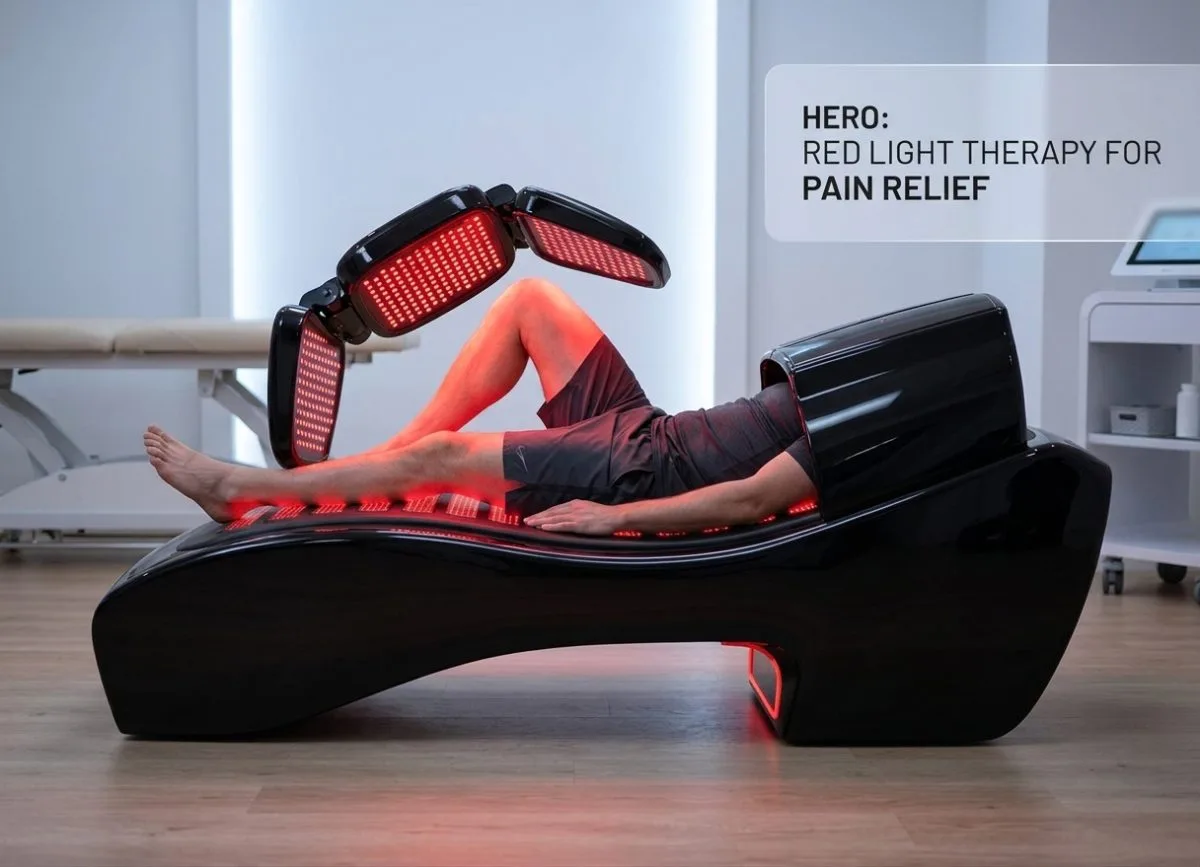
Yes. The evidence base for red light therapy for pain relief crossed a threshold of clinical credibility around 2022-2024 for the most-studied conditions. Knee osteoarthritis is the best-documented application: peer-reviewed 2024 systematic reviews synthesized multiple randomized controlled trials across hundreds of patients and confirmed significant reductions in both pain scores and disability measures compared with sham devices. Umbrella reviews across arthritis conditions have reported moderate-to-large effect sizes in clinical research terms.
Beyond joints, peer-reviewed 2025-2026 chronic pain systematic reviews documented substantial pain reduction for fibromyalgia and neuropathy patients using photobiomodulation (PBM) protocols. The 2022 lower back pain RCT randomized 60 patients with chronic lower back pain to red light therapy versus standard care; after 12 weeks the red light group reported meaningful pain reduction over control, needed fewer NSAIDs, and showed better functional improvement. These results position red light therapy as a legitimate, drug-free adjunct for pain conditions rather than a fringe wellness modality. The honest limits: it is not a cure, results take weeks not days, and structural repair claims (cartilage regeneration, disc regeneration) remain largely preclinical – what the human evidence supports at this stage is symptomatic improvement, not verified structural changes.
How Red Light Reduces Pain and Inflammation
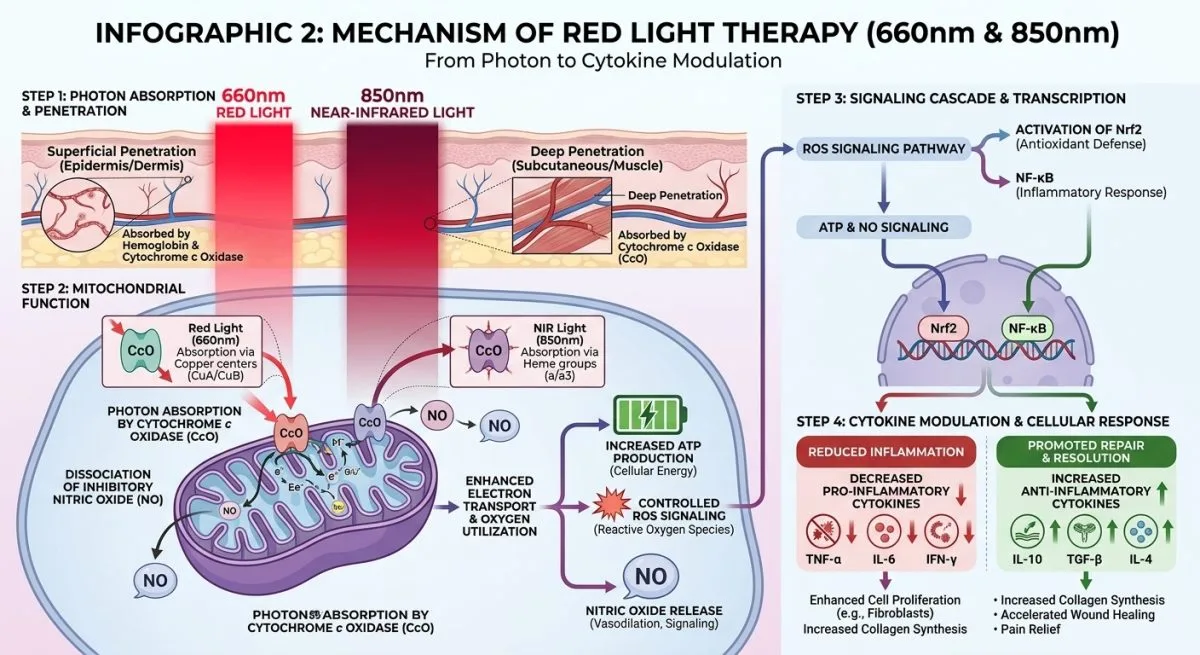
The mechanism is well-characterized in the photobiomodulation literature. Red light in the 660nm range (visible red) and 850nm range (near-infrared) is absorbed by mitochondria within cells, specifically by the cytochrome c oxidase enzyme in the electron transport chain. This absorption boosts cellular ATP production and triggers release of nitric oxide, which improves local blood flow. Downstream, these cellular changes reduce production of inflammatory cytokines that drive chronic pain.
Peer-reviewed controlled trials in the photobiomodulation literature report meaningful reductions in inflammatory markers like CRP (C-reactive protein) and IL-6 (interleukin-6) with consistent red light therapy sessions, though exact reduction magnitudes vary substantially by study protocol, patient population, session frequency, and device specifications. These cytokines drive many chronic inflammatory pain conditions, including osteoarthritis, rheumatoid arthritis, and chronic lower back pain. This is the key mechanistic distinction that separates red light therapy for inflammation from NSAIDs: NSAIDs block pain signals via cyclooxygenase (COX) inhibition, delivering fast symptom relief but leaving underlying inflammation largely unchanged; red light therapy modulates the inflammation itself, which is one reason the benefit persists beyond individual sessions and accumulates over weeks. For a deeper look at the wavelength-tissue interaction physics, see Red Light Therapy Panel: How 660nm + 850nm Wavelengths Heal Tissue which covers the mechanism at higher resolution.
Wavelengths for Pain: 660nm vs 850nm
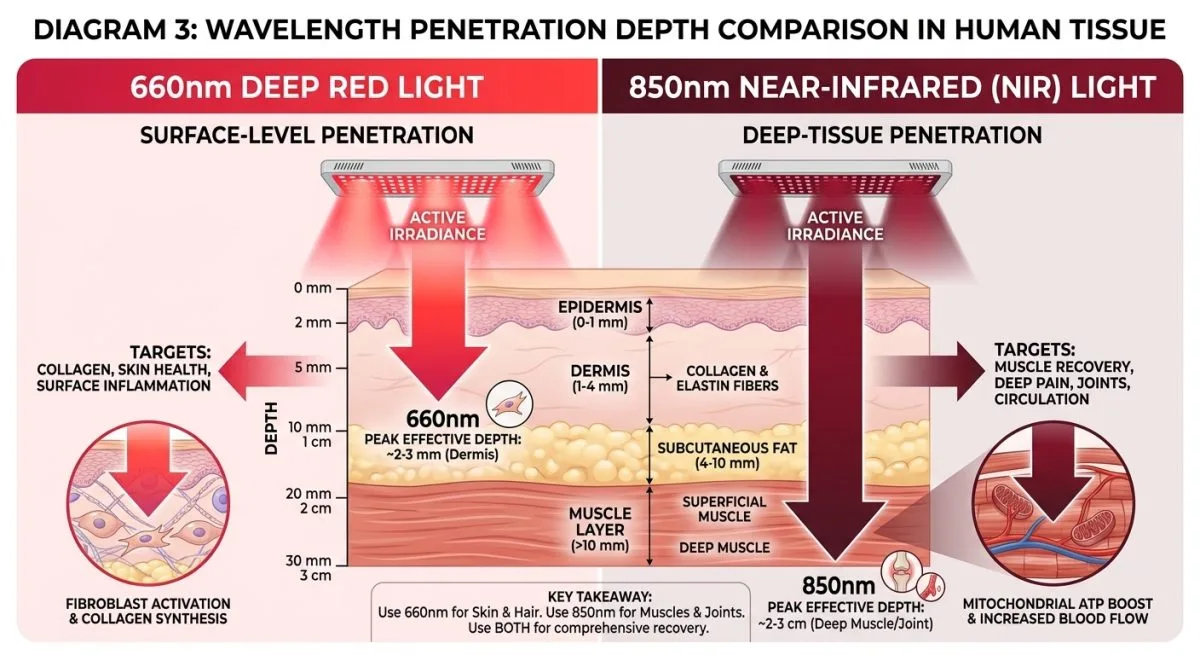
Two wavelength ranges do the work for pain applications, and both matter. 660nm red light penetrates the skin surface and superficial tissue, which is useful for skin-adjacent inflammation and surface muscle recovery. 850nm near-infrared penetrates roughly 2-3cm to reach deep joints, muscles, and nerves – the depth needed for knee osteoarthritis, lower back pain, and deep muscle recovery applications. For pain applications specifically, 850nm does most of the work because most target tissue is beneath skin depth.
Professional dual-wavelength panels combine 660nm and 850nm in a single device, covering surface and deep tissue in one session. This is the configuration Vacuactivus manufactures and the standard in professional pain and recovery clinics. For a spec-literate discussion of at-home vs professional-grade equipment (irradiance, power density, dosing time), see Best At-Home Red Light Therapy: Why Pros Choose Pro Equipment which explains the specification differences that separate consumer devices from clinic-grade panels.
Red Light Therapy for Joint Pain and Arthritis
Knee osteoarthritis is the single best-documented pain application for red light therapy. Peer-reviewed studies consistently report meaningful pain reduction on visual analog scale (VAS) measurements over 4 to 8 weeks of consistent use, with reported ranges commonly cited around 30-50% (individual results vary by device, wavelength, dose, and adherence). Functional improvements (walking distance, stair climbing, disability index) generally match the subjective pain reports. The mechanism aligns with the pathophysiology: osteoarthritis is driven by chronic low-grade inflammation in the joint capsule and surrounding synovium, exactly the type of process that responds to reduced cytokine signaling and improved local blood flow.
Beyond knee OA, red light therapy for arthritis extends to rheumatoid arthritis (RA) and psoriatic arthritis through the same anti-inflammatory pathway. The evidence is less voluminous than for knee OA but mechanistically consistent. Red light therapy for joint pain works best for chronic, achy, stiff joints with active low-grade inflammation. It is less appropriate for acute joint injuries (sudden swelling, locking, instability) where the underlying issue is mechanical rather than inflammatory. An important honest distinction: symptom relief for arthritis is well-supported by human trial data, while structural repair claims (cartilage regeneration) remain largely preclinical. Peer-reviewed analyses of knee applications specifically call this out – meniscus and cartilage restoration remains an emerging area with primarily preclinical evidence, while symptom-side benefits are clinically established.
Red Light Therapy for Muscle Pain and Recovery
Red light therapy for muscle pain covers two overlapping use cases: post-workout muscle soreness (delayed onset muscle soreness, or DOMS) and chronic muscle pain conditions. The mechanism is the same anti-inflammatory pathway plus enhanced cellular repair via increased ATP production. Athletes and recovery-focused users have adopted red light therapy widely for post-training soreness reduction; peer-reviewed controlled recovery studies report faster return to baseline soreness levels compared with placebo, particularly when sessions are applied within 24-48 hours of the training stimulus.
In multi-modality recovery protocols, red light therapy is often stacked with cold exposure (cryotherapy) for compounding effects. The two modalities target different pathways – cold reduces acute inflammation and metabolic activity, red light supports repair and cytokine modulation – and combine well in sequential protocols. For details on stacking red light with cryotherapy specifically, see Red Light Therapy Combined with Cryotherapy: Stacked Protocol Benefits which covers the protocol design and outcome evidence.
Red Light Therapy for Back, Nerve, and Chronic Pain
Three additional conditions have meaningful evidence bases in 2026: chronic lower back pain, nerve pain and neuropathy, and fibromyalgia. Each responds differently in scope and timeline, but the underlying mechanism (inflammation modulation plus improved local blood flow) applies across all three. Consult a qualified healthcare provider before using red light therapy for these conditions, particularly if underlying causes require primary medical management.
Lower Back Pain
The 2022 lower back pain RCT remains a standout study for red light therapy for back pain. Sixty patients with chronic lower back pain were randomized to either red light therapy or standard-care control. After 12 weeks, the red light group reported meaningful pain reduction over the control group, needed significantly fewer NSAIDs, and showed better functional improvement on disability scales. Patients reported symptomatic improvement across the trial period; any structural claims from imaging require independent verification and should not be interpreted as established evidence of disc regeneration or hydration change – what the human trial data supports at this stage is symptomatic relief, not confirmed structural remodeling. The result has held up in subsequent smaller studies with similar 8-12 week protocols. Best fit: chronic muscle-related and disc-related lower back pain; less appropriate for acute injury, radiculopathy with severe neurological deficit, or structural deformities requiring surgical evaluation.
Nerve Pain and Neuropathy
Red light therapy for nerve pain has an emerging evidence base with encouraging early results. The mechanism involves both anti-inflammatory action along nerve pathways and possible nerve-regeneration effects at cellular level as reported in peer-reviewed photobiomodulation literature. Smaller studies on chemotherapy-induced peripheral neuropathy (CIPN) and diabetic neuropathy have shown promising pain reduction in trial patients. Peer-reviewed 2025-2026 chronic pain reviews specifically noted neuropathy as an effective indication for photobiomodulation. The evidence is less voluminous than for joint conditions, so realistic expectations matter: red light therapy is worth discussing with your physician as an adjunct for stable neuropathy pain, but not a substitute for medical management of the underlying condition.
Fibromyalgia and Widespread Chronic Pain
Peer-reviewed 2025-2026 chronic pain systematic reviews documented substantial pain reduction for fibromyalgia patients across multiple trials. Fibromyalgia responds mechanistically because the condition involves widespread low-grade inflammation, altered pain processing, and often overlapping mood and sleep dysregulation – areas where red light therapy’s effects on inflammation, mood (endorphin/serotonin support), and sleep quality can compound. Whole-body panel or bed exposure typically works better than targeted point treatment for widespread pain patterns. Protocols in successful studies used 20-30 minute sessions 3-5 times per week over 8-12 weeks.
Evidence by Condition (Summary Table)
The table below summarizes evidence strength, typical result magnitude (as ranges with hedged framing), and source category for each condition covered above. Use this as a quick-reference for setting expectations at the condition level. Individual results vary substantially; consult a qualified healthcare provider before making treatment decisions.
| Condition | Evidence Strength | Typical Result (reported ranges vary) | Source |
|---|---|---|---|
| Knee osteoarthritis (OA) | Strong (multiple RCTs across hundreds of patients) | Reported ranges commonly cluster around 30-50% pain reduction on VAS over 4-8 weeks, with disability-index improvements matching (individual results vary by device, wavelength, dose, adherence) | Peer-reviewed 2024 systematic reviews of RLT/LLLT in knee OA populations; umbrella reviews across arthritis conditions |
| Lower back pain (chronic) | Moderate-to-strong (2022 12-week RCT + follow-up studies) | Meaningful pain reduction favoring red light therapy over standard care in the 2022 12-week trial; reduced NSAID use and better disability-scale scores reported | 2022 lower back pain RCT (60 patients, 12 weeks); subsequent smaller-cohort confirmations |
| Muscle pain and DOMS | Moderate-to-strong (multiple recovery studies) | Reduced post-workout soreness 24-48 hr, faster return-to-baseline reported across controlled recovery trials | Peer-reviewed photobiomodulation recovery-context studies |
| Rheumatoid arthritis (RA) + psoriatic arthritis | Moderate (extrapolated from anti-inflammatory data) | Symptom relief through cytokine reduction; adjunct to medical treatment, not replacement | Umbrella reviews (arthritis breakdown); anti-inflammatory mechanism data from PBM literature |
| Fibromyalgia + widespread chronic pain | Moderate (2025-2026 systematic reviews positive) | Substantial pain reduction reported across multiple trials; effective non-drug option in adjunct role | Peer-reviewed 2025-2026 chronic pain systematic reviews |
| Nerve pain and neuropathy (chemotherapy, diabetic) | Emerging (smaller studies encouraging) | Nerve-regeneration mechanisms; promising for CIPN and diabetic neuropathy in early trial data | Peer-reviewed 2025-2026 reviews of neuropathy applications; mechanistic literature |
How Long Until Red Light Therapy Works for Pain?
Most pain studies show measurable improvement by week 3-4 of consistent use, with significant improvement typically emerging by week 8-12. The exact timeline varies by condition: knee OA studies often show earliest measurable change around week 3, while chronic back pain trials require 6-8 weeks for the strongest effects to appear. This gradual timeline is fundamental to the mechanism: unlike NSAIDs, which suppress pain signals within hours, red light therapy for pain relief builds gradually as tissue-level inflammation subsides. Sessions typically run 10-20 minutes several times per week during the active treatment phase.
After pain improves to a comfortable baseline, maintenance sessions 1-2 times weekly help prevent recurrence. Consistency matters more than intensity: skipped weeks show up in the clinical data as diminished response. If you have not seen measurable improvement after 12 weeks of consistent use, discuss with your physician – your specific pain generator may require different intervention or may have underlying causes requiring primary medical management.
Red Light Therapy vs NSAIDs and Other Options
Red light therapy and NSAIDs serve different roles rather than competing directly. NSAIDs (ibuprofen, naproxen, celecoxib) work through COX enzyme inhibition, delivering fast symptom relief but with well-documented long-term risks (gastrointestinal, cardiovascular, renal). Red light therapy is slower (weeks vs hours) but targets underlying inflammation and supports tissue repair without systemic side effects at the doses used clinically. In multiple studies, patients using red light have reduced their NSAID use during the active treatment phase.
For most people with chronic inflammatory pain, red light therapy works best as a drug-free complement rather than an outright NSAID replacement. Best fit combinations: red light plus physical therapy for chronic conditions; red light for maintenance after acute inflammation resolves with short-course NSAIDs. Explore best red light therapy for pain for professional equipment options with the irradiance and coverage needed for consistent clinical results. Always consult a qualified healthcare provider before combining treatments, particularly if you take prescription medications, before adjusting NSAID use, or if underlying conditions require primary medical management.
Frequently Asked Questions
Q1. Does red light therapy work for pain?
Yes, with the strongest evidence for inflammatory and chronic pain. Randomized controlled trials report meaningful reductions in conditions like knee osteoarthritis, lower back pain, and fibromyalgia, with reported pain-reduction ranges commonly cited around 30-50% over 4 to 12 weeks (individual results vary by device, wavelength, dose, and adherence). It works by modulating inflammation and supporting tissue repair rather than simply blocking pain signals, so relief tends to persist beyond the session. It is an evidence-supported adjunct, not a cure. Consult a qualified healthcare provider before starting treatment.
Q2. Does red light therapy help arthritis and joint pain?
Yes. Knee osteoarthritis has the most robust human-trial support: peer-reviewed 2024 systematic reviews synthesizing multiple RCTs across hundreds of patients confirmed significant reductions in pain and disability, and studies typically show reported pain reductions clustering around 30-50% over 4 to 8 weeks (individual results vary). It helps osteoarthritis, rheumatoid arthritis, and psoriatic arthritis through anti-inflammatory effects. It is best for chronic, achy, stiff joints; it is less suited to acute locking, sudden swelling, or severe instability. Structural repair claims (cartilage regeneration) remain largely preclinical.
Q3. How long does red light therapy take to work for pain?
Most pain studies show measurable improvement by week 3-4 of consistent use, with significant improvement typically emerging by week 8-12. Unlike NSAIDs, which relieve symptoms quickly, red light therapy builds gradually as tissue-level inflammation subsides. Sessions usually run 10-20 minutes several times per week. Once pain improves, maintenance treatment one to two times weekly helps prevent recurrence. Consistency matters more than intensity.
Q4. Does red light therapy reduce inflammation?
Yes. Red light at 660nm and 850nm is absorbed by the mitochondria in your cells, which lowers the production of inflammatory cytokines (the chemical signals that drive swelling and pain). Peer-reviewed controlled trials report meaningful reductions in markers like CRP and IL-6 with consistent sessions, though exact reduction magnitudes vary by study protocol. By modulating inflammation at the cellular level, it addresses a root cause of much chronic pain rather than just masking it.
Q5. Does red light therapy work for back pain?
Lower back pain, especially from muscle strain or chronic low-grade inflammation, responds well. In a 2022 study, 60 patients with chronic lower back pain were randomized to red light therapy or standard care; after 12 weeks the red light group reported meaningful pain reduction over control, needed fewer NSAIDs, and showed better functional improvement. Patients reported symptomatic improvement; any structural claims from imaging in that trial require independent verification and should not be interpreted as evidence of disc regeneration – what the trial supports is symptomatic relief. Consult a physician for acute injury, radiculopathy with severe neurological deficit, or persistent pain that has not been diagnosed.
Q6. What wavelength is best for pain and deep tissue?
For pain, 850nm near-infrared does most of the work because it penetrates roughly 2-3cm to reach deep joints, muscles, and nerves. The 660nm red wavelength treats more superficial tissue. Most professional-grade panels deliver both simultaneously, so 660nm handles the surface while 850nm reaches deeper structures, covering all tissue depths in a single session. Adequate power density and the right treatment distance are needed to achieve that depth.
Q7. Is red light therapy better than NSAIDs?
They work differently and serve different roles. NSAIDs relieve pain quickly but address symptoms rather than causes, and long-term use carries gastrointestinal, cardiovascular, and renal risks. Red light therapy is slower, taking weeks, but it targets underlying inflammation and supports tissue repair without systemic side effects at the doses used clinically. In studies, patients using red light often reduced their NSAID use. For many people it works best as a drug-free complement rather than an outright replacement. Consult a physician before adjusting NSAID use, particularly if you take other medications or have prescribing conditions.
Q8. Does red light therapy help nerve pain and neuropathy?
There is promising evidence. Red light therapy appears to support nerve pain relief through anti-inflammatory action and reported nerve-regeneration mechanisms in the photobiomodulation literature; peer-reviewed 2025-2026 chronic pain reviews specifically noted effectiveness for neuropathy and fibromyalgia. Smaller studies on chemotherapy-induced and diabetic neuropathy have shown encouraging results. The evidence base for nerve pain is growing but is less extensive than for joint conditions, so expectations should be realistic. Discuss with your physician before using for nerve pain conditions, especially if underlying causes require primary medical management.
Conclusion
Red light therapy for pain relief is an evidence-supported, drug-free adjunct for inflammatory and chronic pain conditions. The mechanism is well-characterized: 660nm and 850nm wavelengths absorbed by mitochondria trigger ATP production, nitric oxide release, and downregulation of inflammatory cytokines including CRP and IL-6 in controlled trials (exact reduction magnitudes vary by study protocol). The strongest condition evidence covers knee osteoarthritis (reported pain reductions clustering around 30-50%), chronic lower back pain (meaningful reduction in the 2022 12-week RCT), fibromyalgia (peer-reviewed 2025-2026 reviews confirmed), and muscle recovery. Nerve pain evidence is emerging and promising. Structural repair claims (cartilage regeneration, disc regeneration) remain largely preclinical; what the human evidence supports at this stage is symptomatic improvement, not verified structural change.
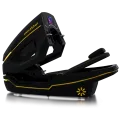
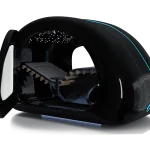
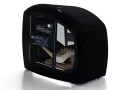
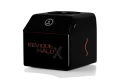
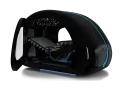
Realistic expectations: measurable improvement by week 3-4, significant improvement by week 8-12, maintenance 1-2 sessions weekly after peak response. Red light therapy is best as a complement to physical therapy, appropriate short-term medication use, and lifestyle interventions – not a standalone cure or NSAID substitute. Always consult a qualified physician, physical therapist, or pain-management specialist before starting treatment. For clinicians and clinic operators evaluating red light equipment for pain and recovery service offerings, Vacuactivus manufactures dual-wavelength (660nm + 850nm) panels used across recovery clinics, wellness centers, and specialized pain practices; explore professional red light therapy panels for commercial-grade options, or the Revique HaloX longevity capsule for a multi-modality unit combining red light with infrared and aromatherapy in a single professional installation.


