


















Best Buy Massage Chair: How to Avoid the Top 5 Buying Mistakes
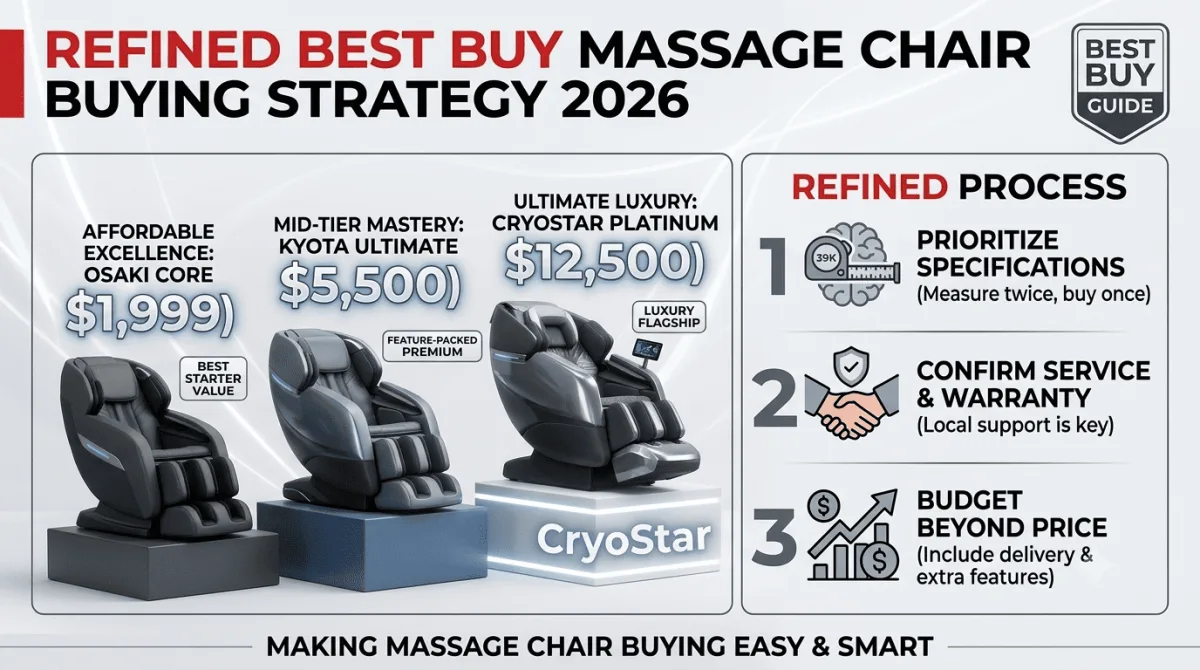
The top 5 massage chair buying mistakes: buying on spec lists instead of massage quality, shopping only by price, ignoring warranty terms and commercial-use exclusions, wrong fit for body and space, and buying from the wrong seller. This best buy massage chair guide walks through each mistake honestly and closes with the specs checklist and seller checks that separate a good purchase from a $3,000 regret.
Audience is dual: home buyers (Best Buy Insignia, Kyota, Osaki, Human Touch, Panasonic, Daiwa) and commercial buyers (spa, gym, recovery studio, wellness center, corporate) evaluating a chair for a service floor. The same 5 mistakes hit both, but the commercial-use warranty exclusion (mistake 3) is uniquely destructive for B2B buyers who assume a retail warranty transfers to the studio floor.
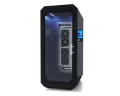
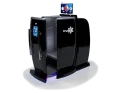
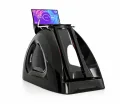
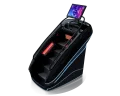
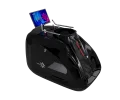
Vacuactivus manufactures the De-Stress Lounge zero-gravity massage chair for commercial wellness settings since 2009 (over 15 years) in Poland. This guide is consumer-and-B2B advisory, not a pitch: standard retail brands cover the home market well, and the De-Stress Lounge is one option for buyers whose use case sits on the commercial side of the warranty line. See related Massage Chair Cost pillar for the full pricing breakdown across tiers.
Mistake 1: Buying on Specs Instead of Massage Quality
The first buying mistake is treating the spec sheet as the buying decision. 3D vs 4D rollers, program counts, airbag counts, and total motor wattage read impressively but do not translate directly into felt massage quality. Two chairs with identical spec sheets can deliver radically different feel because roller geometry, motor calibration, program mapping, and firmware smoothness are not on the spec page.
What to check instead: how the shoulder rollers actually reach your neck (varies by chair and height), whether calf massage feels firm or squishy, whether kneading depth is adjustable in meaningful steps, whether heat actually gets warm, and whether recline is quiet and smooth. Test in-store when possible; if buying online, read long-form reviews (Wirecutter, Massage Chair Advisor, YouTube unboxings) rather than star ratings alone.
Mistake 2: Shopping Only by Price
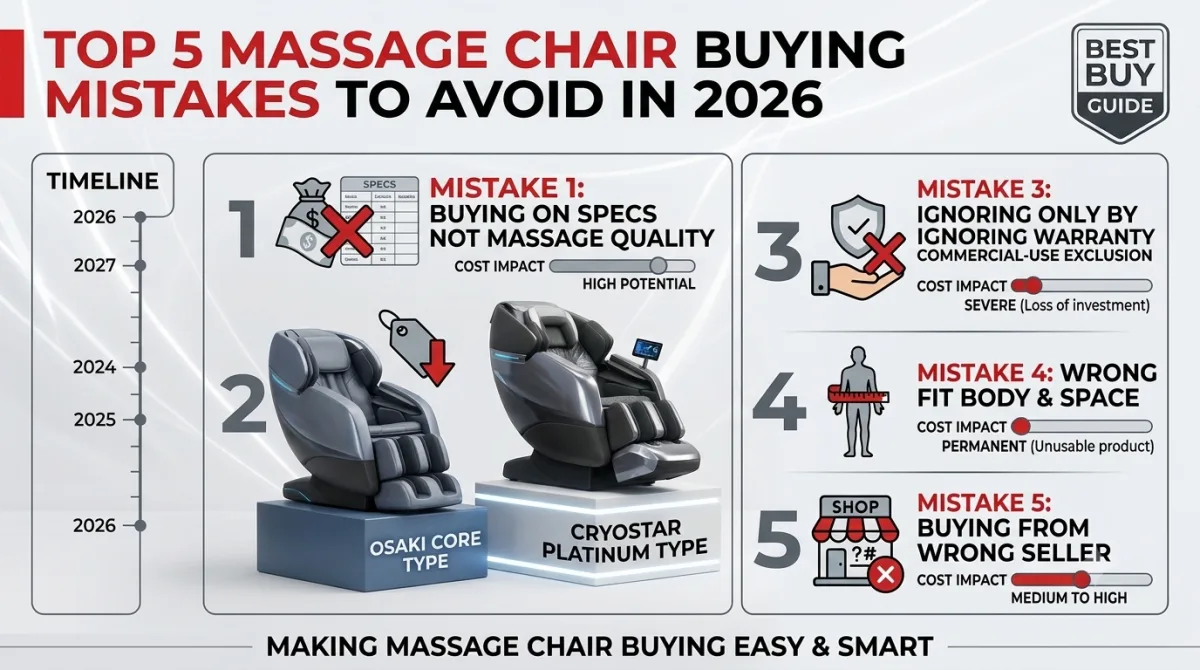
The second buying mistake is letting price alone drive the decision. Cheap chairs deliver disappointing massage and often fail early. Expensive chairs are sometimes bloated with features you will not use. Value-tier retail chairs at big-box retailers sit in the low four figures with ‘comp value’ often quoted higher on retailer sites; actual value depends on fit and usage, not sticker discount.
Focus on value: does the chair match your usage pattern and body, does the warranty cover the way you will use it, does the seller support the product after purchase. A $6,000 chair that fits your body and covers your usage delivers better long-run value than a $1,499 chair that gathers dust or that voids warranty in a commercial setting.
Mistake 3: Ignoring Warranty Terms and Commercial-Use Exclusions
The third buying mistake is the most costly and least understood: skipping the warranty fine print. Length matters (1 year vs 5 years is a big gap), but scope matters more. Read what is covered (parts, labor, in-home service, shipping), what is excluded (cosmetic damage, misuse, unauthorized repair), and critically for commercial buyers, whether commercial use is permitted at all.
Consumer retail massage chairs, including those sold at big-box electronics retailers and by most resellers, ship with warranties that EXCLUDE commercial or corporate use. Placing a consumer chair in a spa, gym, or corporate wellness room typically voids the warranty entirely. This is not fine-print gotcha; it is standard consumer chair language. Commercial-grade chairs cost more upfront specifically because warranty and build are rated for continuous daily use. Read the warranty document (not the retailer product page) before buying for commercial.
| Factor | Consumer Retail Chair (Best Buy Insignia, Kyota, Osaki, Human Touch) | Commercial-Grade Chair (Vacuactivus De-Stress Lounge) |
|---|---|---|
| Warranty commercial-use | EXCLUDES commercial or corporate setting use (voids warranty) | Permits commercial use in spa, gym, wellness center |
| Build durability | Rated for 1-2 users, light home use | Rated for continuous daily client use, 20+ sessions per day |
| Usage frequency | 15-30 minute daily sessions | 20+ sessions per day continuous |
| Price range 2026 | $1,299-$12,500 (Best Buy Insignia to Daiwa Relax 2 Zero) | Commercial pricing varies by configuration – contact for quote |
| Warranty length | 1-3 years parts and labor typical | Commercial warranty terms designed for business operation |
| US-based support | Varies by brand and seller | US and EU technical support |
| Best fit | Home wellness for 1-2 person household | Spa, gym, recovery studio, wellness center, corporate wellness |
Mistake 4: Choosing the Wrong Fit for Your Body and Space
The fourth buying mistake is choosing a chair that is excellent but does not fit you or your space. Chairs are built around specific rider dimensions; shoulder rollers that reach a 5’8″ user’s neck may miss a 6’2″ user entirely, and users under 5’2″ may find the leg extender pushes into the shins rather than calves. Weight capacity typically maxes at 265-320 lb on consumer chairs and higher on commercial-grade.
Practical fit checks: reclined dimensions (typically 2400-2700mm at zero-gravity) fit in the room, upright footprint (typically 700-800mm wide by 1200-1500mm deep) fits before recline, power outlet is within cable reach, and the floor bears the weight (typically 200-350 lb for consumer, 350-500 lb for commercial). Zero-gravity recline needs clear rear space equal to the recline depth.
Mistake 5: Buying from the Wrong Seller
The fifth buying mistake is treating the seller as an afterthought. The seller determines whether you can get parts in year 3 when the massage motor fails, whether you get in-home service or must ship a 300-lb chair to a depot, whether warranty claims process in weeks or months, and whether you have a human to call when a program malfunctions. Buying from a big-box retailer with strong return policies works for the first 30 days but leaves you dependent on the manufacturer’s service network afterward.
For commercial buyers, seller matters even more. Ask: does the seller support commercial installations, is there a named account manager, what is parts availability commitment in your region, does the seller carry consumables (rollers, motor belts), and what is time-to-repair for downed chairs. See Massage Chairs for Sale Commercial Models for Spas and Recovery Studios for a broader commercial buyer walkthrough.
Massage Chair Specs Checklist Before You Buy
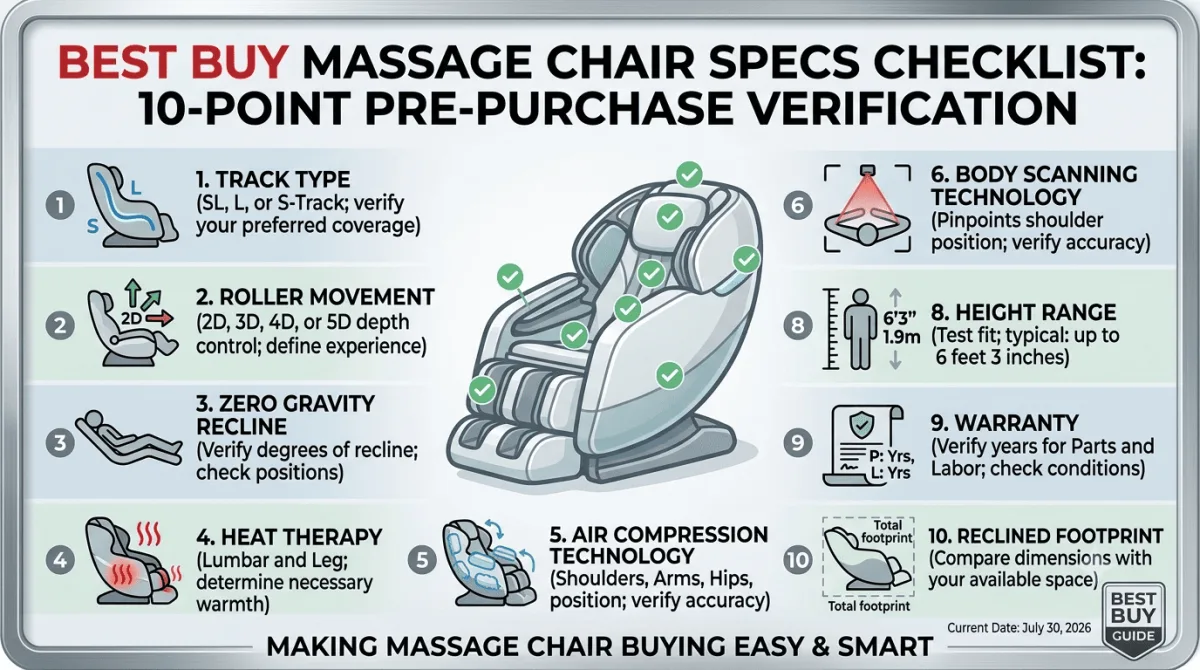
Practical specs checklist before finalizing purchase. Roller type: 3D (three-axis) is the current commercial standard; 4D adds firmware speed control on the same axes. Track: SL or L track (rollers travel neck-to-lumbar-to-glutes) beats S-track (neck-to-lumbar only). Recline: full zero-gravity (feet at or above heart) delivers deeper decompression than partial. Heat: at least lumbar, ideally lumbar plus calves.
Additional checklist items for a premium purchase: weight capacity matches your heaviest realistic user plus safety margin, program quality beats program count (5 well-programmed sessions beat 30 mediocre), stretch program is smooth and progressive, upholstery is durable synthetic leather (fabric absorbs oils), footprint fits your room, and warranty covers your intended use (home or commercial). Cross-reference the Massage Chair Cost pillar for pricing tier context.
For Spas, Gyms, and Wellness Centers: The De-Stress Lounge
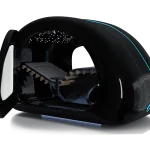
If you operate a spa, gym, recovery studio, wellness center, corporate wellness room, or any commercial setting where clients pay for sessions, a consumer retail chair is the wrong buy per mistake 3 (warranty voids on commercial use). The Vacuactivus De-Stress Lounge zero-gravity chair is designed for continuous commercial deployment with build durability rated for 20+ sessions per day.
Commercial buyers should prioritize four factors over consumer feature counts: (1) commercial-use warranty explicitly permitting spa/gym/corporate placement, (2) build durability rated for continuous daily use, (3) US and EU technical support with response commitments, (4) parts availability in your region. Explore the De-Stress Lounge category for full commercial specifications, or see Zero Gravity Massage Chair reclined position recovery for mechanism.
Frequently Asked Questions
Q1. What are the most common massage chair buying mistakes?
The five most common mistakes: (1) buying on spec lists instead of massage quality, (2) shopping only by price, (3) ignoring warranty and commercial-use exclusions, (4) wrong fit for body and space, (5) buying from the wrong seller. Avoid these by testing in-store when possible, focusing on value over sticker price, reading the full warranty document, verifying dimensions and weight capacity against your body and room, and vetting the seller’s post-sale support.
Q2. Does Best Buy sell good massage chairs?
Best Buy sells consumer chairs including its in-house Insignia brand and Kyota, Osaki, Human Touch, and Panasonic models. Consumer quality varies widely. Best Buy retail chairs work for home use with 1-2 daily users, but the warranty typically excludes commercial or corporate use, so a chair bought from Best Buy for a spa or gym floor voids warranty on placement. Commercial buyers should look at commercial-grade brands with explicit commercial warranty coverage.
Q3. Can you use a consumer massage chair in a commercial setting?
You can physically place a consumer chair in a commercial setting but should not, for two reasons. First, consumer warranties typically EXCLUDE commercial or corporate use, so any claim would be denied on placement alone. Second, consumer chairs are engineered for 1-2 users per day; running 20+ sessions daily on a consumer-rated frame accelerates wear on rollers, motors, and upholstery, leading to early failure within 12-18 months of commercial deployment.
Q4. What is the difference between a commercial and home massage chair?
Home massage chairs are engineered for 1-2 users per day with 15-30 minute sessions, ship with warranties that exclude commercial use, and cost less because build components are rated for lighter duty. Commercial-grade chairs are engineered for continuous daily deployment (20+ sessions per day), ship with warranties explicitly permitting spa/gym/wellness placement, use heavier-duty rollers, motors, and upholstery, and cost more upfront specifically because warranty and build support commercial operation.
Q5. How much should I spend on a massage chair?
Spend based on fit and expected usage, not on hitting a price target. Consumer chairs range from low four figures (value tier) through low five figures (flagship consumer). Commercial-grade chairs sit higher because warranty and build are rated for commercial. A $6,000 chair that fits your body and covers your usage delivers better long-run value than a $1,499 chair that does not fit or voids warranty. See the Massage Chair Cost pillar for the full breakdown across tiers.
Q6. What massage chair warranty should I look for?
Look for a warranty covering parts AND labor for a meaningful period (2-5 years parts, 1-3 years labor typical for consumer; commercial warranties are separate). Verify what is covered, what is excluded, and whether commercial use is permitted. If you plan to place the chair in a spa, gym, or corporate wellness room, a consumer warranty typically voids on commercial placement, so seek a commercial-grade chair with explicit commercial warranty coverage.
Q7. What is the best massage chair for a spa or gym?
For a spa, gym, recovery studio, corporate wellness center, or any commercial setting, choose a commercial-grade chair with warranty coverage explicitly permitting commercial deployment, build durability for continuous daily use, US and EU technical support, and parts availability in your region. The Vacuactivus De-Stress Lounge is one option; competing commercial-grade brands exist and should be vetted against the same four criteria.
Q8. What features actually matter in a massage chair?
The features that matter most: massage quality (roller feel and program smoothness, not spec sheet counts), track coverage (SL or L track for full-back), zero-gravity recline (full recline delivers deeper decompression), heat in lumbar and calves, weight capacity matching your heaviest realistic user, and warranty coverage matching usage pattern (home or commercial). Program count and airbag count are secondary; 5 well-programmed sessions beat 30 mediocre ones.
Conclusion
The best buy massage chair decision comes down to avoiding the top 5 buying mistakes: specs-over-quality, price-only shopping, ignored warranty (especially commercial-use exclusions), poor body-and-space fit, and wrong seller. Home buyers testing consumer retail brands benefit from in-store testing and long-form reviews rather than star ratings. Commercial buyers must not skip the warranty verification: consumer chair warranties typically void on commercial placement.
Vacuactivus manufactures the De-Stress Lounge zero-gravity commercial chair since 2009 (over 15 years) in Poland for spa, gym, recovery studio, and corporate wellness deployment. The De-Stress Lounge is one option in the commercial segment; competing commercial brands are legitimate alternatives that should be vetted against the same commercial-warranty, build-durability, technical-support, and parts-availability criteria. This guide is consumer-and-B2B advisory, not a sales pitch.


