




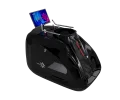
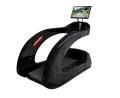
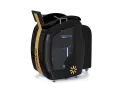
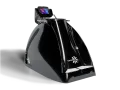








Most wellness facilities we work with end up with a massage chair somewhere on the floor. Sometimes it’s in the relaxation lounge between cryotherapy and red light sessions. Sometimes it’s the recovery zone next to the locker rooms. Sometimes it’s the centerpiece of a quiet room where members come down after a session. The reason is straightforward – clients come in tense, get something done to them clinically, and need a place to soften before they leave. A commercial massage chair fills that gap better than any other piece of equipment in the building, and unlike a human therapist, it works on its own schedule.
This page is for the operators considering whether to add a massage chair, or a small bank of them, to their wellness center, spa, longevity studio, hotel lounge, corporate wellness suite or hospitality venue. We’ll be honest upfront: the massage chair industry has heavyweight specialist brands – Osaki, Bodyfriend, Luraco, Inada, Daiwa, Human Touch, Ogawa, Fujiiryoki – and VACUACTIVUS isn’t trying to outshine any of them on consumer-grade armchair design. What we do offer is the De-stress Lounge, a B2B-grade full body massage chair designed specifically as the recovery anchor inside an integrated wellness facility, with pricing and supply terms that make sense when you’re already buying cryotherapy chambers, red light beds and longevity capsules from us. We’ll also tell you exactly when an Osaki, Bodyfriend or Inada zero gravity massage chair makes more sense than ours – because there are several scenarios where it does.
Buyers searching the US market for “massage chair for sale”, “best massage chair”, “zero gravity massage chair”, “massage recliner chair”, “massage armchair”, “destress massage chair” or “spa massage chair” usually start with the consumer-focused retailers – Easy Massage Chair, Prime Massage Chairs, Emassagechair, Osaki Spa – and then realize partway through that B2B buying for a wellness facility works differently than buying a single chair for a living room. This page walks through that difference.
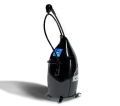
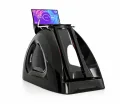
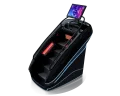
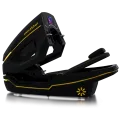
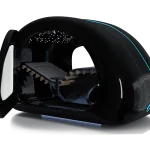
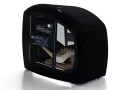
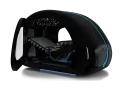
The De-stress Lounge: What’s Actually in This Massage Chair
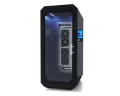
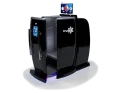
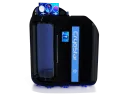
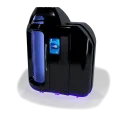
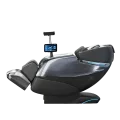
The De-stress Lounge is a full body massage chair engineered for commercial duty in wellness, hospitality and corporate environments. The specifications match what serious B2B operators expect from a relaxation-grade chair, without the consumer-feature creep that pads out premium consumer models priced at $13,000 and up.
SL Track massage system. The roller mechanism travels from the back of the neck, down the spine, across the lumbar and continues under the seat to the glutes and upper hamstrings. This is the same track architecture used in premium chairs by Osaki, Ogawa, Bodyfriend Pharaoh Q and Fujiiryoki – about 49 to 53 inches of continuous roller coverage. SL Track is the commercial standard at this price tier. S-Track and L-Track-only chairs are previous-generation and are being phased out across the industry.
Body scanning with shoulder position detection. Sensors map the user’s body before the session starts and adjust roller placement to the client’s actual shoulder height and spine length. This is what makes the chair work for both a 5’2″ guest and a 6’3″ guest from the same machine without staff adjustment between sessions.
Multi-zone airbag compression. Air cells positioned at shoulders, arms, lumbar, hips, calves and feet inflate and release in programmed sequences. The shoulder and hip airbags are what make a massage chair feel like an actual massage rather than just a moving recliner. The De-stress Lounge runs full-body compression across all major muscle groups.
Heat therapy in the lumbar zone. Built-in heating elements warm the lower back during the session. This sounds minor – it isn’t. Heat in the lumbar dramatically improves how clients respond to the chair, especially older clients with stiffness from long flights or sedentary office work.
Zero gravity recline. The seat tilts back to elevate the knees above the heart. This is the configuration originally designed by NASA for astronaut g-force tolerance, adapted to massage chairs because it removes most of the spinal compression that builds up during a standard workday. Clients fall asleep in this position. Some of them stay asleep for the entire session, which is exactly what relaxation-zone equipment is supposed to do.
Foot reflexology rollers with heating. Mechanical rollers under the soles combined with airbag compression around the calves and ankles. The feet receive their own dedicated massage program because they hold tension that the back rollers can’t reach. The heating function across the foot zone is one of the most-praised features among clients who book the chair as a service.
That’s the specification. Touch screen control, multiple preset programs (relaxation, recovery, deep tissue, sleep prep), Bluetooth audio, and a build quality engineered for commercial daily-use cycles – not consumer “twice a week” usage patterns.
The Massage Chair Market – What You’re Actually Choosing Between
Let’s be specific about what’s on the US market right now, because the category is bigger than most operators realize when they start shopping. There are essentially four price tiers, and the use case determines which one fits.
Entry tier ($800 – $3,000). Costway, Real Relax, BestMassage and similar brands sell at this price point. 2D rollers, basic S-Track, limited zero gravity. These chairs work for residential use a few times a week. They don’t survive commercial duty cycles. A wellness center buying at this tier typically replaces the chair within 18 months.
Mid tier ($3,000 – $7,000). Osaki OP-4D Master, Costway Kenzo, Synca Wellness, Infinity Iyashi, Titan Pro Series, Fujiiryoki Calm Plus, Daiwa Air Touch. SL Track standard, 3D or 4D rollers, body scanning, multiple preset programs. This is where most commercial buyers cluster. The De-stress Lounge sits in this tier on price, with B2B supply terms specifically structured for facility operators.
Premium tier ($7,000 – $15,000). Osaki Flagship Duo, Ogawa Master Drive Duo LE OG-8901, Bodyfriend Pharaoh Q, Alfine A710 Pro Spaceship II, Human Touch Super Novo 2. Dual mechanism (4D + 3D), AI body detection, voice control, premium leather, expanded warranty. The chairs people consider “luxury” – appropriate for a five-star hotel lobby or a private home, less essential for a wellness center where the chair is one of six revenue services.
Ultra-premium ($15,000 – $30,000+). Luraco i9 MAX Billionaire Edition, Inada Yume / Dreamwave, OHCO M.8, Panasonic MA73, Fujiiryoki Cyber-Relax flagship. These are the medical-grade and Japanese-craftsmanship chairs the Hollywood Reporter writes about. Real leather, Made-in-Japan or Made-in-USA assembly, chiropractic-grade roller engineering. Most wellness operators don’t need this tier unless they’re explicitly positioning as ultra-luxury.
The honest answer for most B2B buyers – wellness studios, medspas, longevity centers, hotel spas, corporate wellness suites – is the mid-tier at $3,000 to $7,000. The chair gets used heavily, lasts five to eight years with proper care, and the marginal benefits of jumping to a $13,000 chair don’t show up in the client experience for a relaxation-zone use case.
Where a Massage Chair Actually Fits in a B2B Wellness Facility
This is the part operators get wrong most often. A massage chair isn’t a revenue-generating service the way a cryotherapy chamber or a red light bed is – most facilities don’t charge per session for chair time. The chair is an experience-multiplier that increases the perceived value of everything else on the menu and improves client retention.
Recovery and relaxation lounges. The most common placement. The chair sits in the cooldown zone where clients come after their cryotherapy session, their localized cryo treatment or their RollStar lymphatic massage. They sink into the chair, the session runs fifteen minutes, they leave the facility feeling fully serviced. This is what turns a $40 single-session client into a $250/month member.
Pre-treatment warm-up zones. Less common but increasingly popular in longevity-focused facilities. Clients use the chair for ten minutes before their actual treatment to drop into parasympathetic mode, which makes the subsequent red light therapy session or longevity capsule session dramatically more effective.
Hotel spas and resort wellness centers. Premium hospitality buyers – and one of the strongest demand segments for a commercial spa massage chair or hotel massage chair installation. The chair is a complimentary amenity for spa guests, or a paid add-on at $25-$40 per fifteen-minute session for hotel guests who didn’t book the full spa experience. Smarte Carte operates over 9,000 vending massage chairs in hotels and airports globally – the demand is real and proven.
Corporate wellness suites and executive lounges. Large employers building on-site recovery facilities. The chair is the most-used piece of equipment in the room, full stop. Easy to access, no staff required, fifteen-minute reset between meetings. C-suite buyers love it specifically because it justifies the wellness suite expenditure to their CFO.
Salon and pedicure floors. The original commercial massage chair use case – a recliner with built-in massage during a manicure or pedicure session. Different product configuration than the De-stress Lounge but the same underlying category. Osaki Spa dominates this sub-segment with chairs that combine pedicure and full-body massage in a single unit.
Vending and pay-per-use deployments. Hotels, airports, shopping malls, fitness clubs. Coin or card-operated massage chairs that generate revenue from passing foot traffic – sometimes marketed as “vending massage chair” or “coin operated massage chair” in industry trade press. Daiwa offers a 50/50 profit-share model where they place the chair for free and split the revenue with the property owner. Infinity IT-6900 is the most common bill-validator commercial chair in this format. The De-stress Lounge is not currently configured for vending or coin operated deployment out of the box, but OEM customization for coin/card payment integration is available on volume orders.
The B2B Economics – Why Operators Add Chairs
A massage chair in a wellness facility doesn’t pay itself back through direct session revenue the way a cryo chamber does. It pays back through retention, perceived value and Net Promoter Score. Three numbers operators we work with consistently report:
Member retention rises 15 to 30 percent at facilities that add a high-quality massage chair to the relaxation zone, compared to facilities offering the same service menu without one. The exit experience matters disproportionately – clients who finish their visit feeling great come back. Clients who finish feeling rushed don’t.
Perceived facility value increases enough that operators can justify a $20 to $40 per month price increase across membership tiers without losing the existing member base. Over a year that’s $240 to $480 per member, against a chair investment of $3,500 to $5,500. Math works at almost any membership size above 30 members.
Hotels and resorts with massage chairs in the lobby or spa report a 6 to 11 percent uplift in spa-service bookings from chair users. The chair functions as a sampling experience – clients try the relaxation, decide they want the full session, book the booking. Equipment that generates additional revenue indirectly is worth more than equipment with a fixed price tag.
Massage Chair Pricing – Honest B2B Numbers
This is what the US commercial market actually looks like as of right now:
| Equipment Tier | Indicative B2B Price (USD) |
|---|---|
| Entry chair (residential-grade, 2D, basic S-Track) | $800 – $2,500 |
| Mid-commercial chair (SL Track, 3D/4D, body scan, zero gravity) | $3,000 – $7,000 |
| De-stress Lounge by VACUACTIVUS (SL Track, full body, B2B supply terms) | Contact for B2B quote |
| Premium chair (dual 4D/3D mech, AI, premium leather) | $7,000 – $15,000 |
| Ultra-premium (Luraco, Inada, OHCO, Panasonic flagship) | $15,000 – $30,000 |
| Vending chair with bill validator (commercial deployment) | $3,500 – $8,500 |
Indicative B2B price ranges. Real pricing on the De-stress Lounge depends on configuration, custom upholstery, OEM branding requirements and shipping region. Volume discounts apply to multi-unit orders, which is the typical buying pattern for hotel and corporate wellness fleets. For specific pricing, contact our sales team – most quotes turn around within 48 hours.
What B2B Operators Ask Us Most
“How does the De-stress Lounge compare to an Osaki OP-4D Master?” Same tier, comparable specifications. Osaki is the dominant US brand in the mid-commercial range and the OP-4D Master is genuinely excellent equipment – 4D mechanism, SL Track, muscle tension detection, surround sound Bluetooth. The De-stress Lounge competes on B2B supply terms (single supplier across your wellness equipment fleet), OEM branding flexibility and the operational advantage of having one service relationship for your cryo chambers, red light beds, longevity capsule and massage chair instead of four separate vendors. If you’re already buying VACUACTIVUS equipment elsewhere in your facility, the answer is usually obvious. If you’re a single-chair buyer with no other wellness equipment, Osaki Spa, Easy Massage Chair or Prime Massage Chairs will sell you a great Osaki chair faster than we will.
“Is the De-stress Lounge appropriate for a private home installation?” Technically yes, but it’s not where the product was designed to shine. For a private residence, Inada Yume Dreamwave, Luraco i9 MAX, OHCO M.8, Bodyfriend Pharaoh Q or Fujiiryoki MR6000 are better-positioned products with the consumer-grade finish details that justify the price in a living room. The De-stress Lounge is built for facility duty cycles where the chair runs 20 to 50 sessions a week, not a residential pattern where it runs 3 to 5 times a week.
“What’s the SL Track versus L-Track versus S-Track difference?” The roller path. S-Track follows the spine’s natural S-curve from neck to lumbar. L-Track extends from the neck down to under the seat, treating glutes and upper hamstrings as well. SL Track combines both – S-curve for the spine, L extension under the seat. SL is the current commercial standard. Anything marketed as S-Track-only is essentially previous-generation at this price point.
“What’s the 2D vs 3D vs 4D roller difference?” The roller’s degrees of motion. 2D rollers move up and down the back. 3D rollers add forward-backward (in-and-out) motion, which simulates a therapist pressing into the muscle. 4D rollers add variable speed mid-stroke, which simulates the rhythm changes a human therapist uses. The De-stress Lounge runs roller mechanics in the 3D-class for commercial duty reliability – 4D mechanisms are more impressive on a spec sheet but they’re also more failure-prone in heavy commercial use. We optimize for uptime, not spec-sheet maximums.
“What’s the warranty?” Standard commercial warranty covers the frame for five years, the motor and electronics for three years, and the upholstery for one year. Extended commercial-duty service contracts are available. We don’t typically extend the warranty beyond these terms because the components beyond the frame realistically deteriorate at predictable rates under commercial use, and pretending otherwise creates expectation problems later.
“Can I get OEM or private branding?” Yes. Minimum quantities apply – typically five chairs for color customization, ten chairs for full OEM branding including logo embroidery, control panel theming and packaging. Several US wellness brands deploy our chairs under their own branding across their facility footprint.
“Installation and electrical requirements?” Standard residential outlet (110V US). Approximately 5 feet by 5 feet of floor space with the chair reclined, plus 3 feet of clear space behind the chair for the recline arc. Two-person delivery and setup, included on US continental orders. No structural modifications, no dedicated circuit, no plumbing.
“What kind of cleaning protocol does it need between clients?” Wipe down the upholstery with a non-abrasive damp cloth between sessions. Leather or synthetic conditioner every two to three months to prevent cracking. Periodic check of the recline mechanism for loose components. That’s the full maintenance burden – one of the lowest of any wellness equipment in your facility.
Why Operators Buy the De-stress Lounge from VACUACTIVUS
We’ve been building wellness and recovery equipment since 2000 – cryotherapy chambers, vacu-infrared training equipment, lymphatic massage rollers, localized cryotherapy, longevity capsules and red light therapy beds. A massage chair fits into that catalog because it answers the question every facility operator asks at some point: “where do my clients go after the treatment ends?” The answer is the relaxation lounge, and the relaxation lounge needs a chair.
The argument for buying the De-stress Lounge from us isn’t that we make a better massage chair than Osaki, Bodyfriend or Inada – we don’t claim to. The argument is that if you’re already operating VACUACTIVUS equipment elsewhere in your wellness center – a cryotherapy chamber, a localized cryotherapy unit, a vacu-infrared treadmill, a RollStar lymphatic massage roller, a red light therapy bed or a Revique HaloX longevity capsule – adding the chair under the same service relationship, the same delivery schedule, the same warranty system and the same single point of contact is operationally simpler than introducing a separate massage-chair vendor into the mix. Single supplier across the full recovery menu. That’s the value, and we don’t pretend it’s anything else.
Where to Start
If you’re evaluating a commercial massage chair for a wellness studio, medspa, longevity center, hotel spa, corporate wellness suite or hospitality venue, tell us about the space, the existing service menu and how the chair fits into the client flow. We’ll come back with configuration recommendations, transparent B2B pricing, multi-unit volume terms for fleet deployments, OEM branding options for wellness chains and complete delivery and installation planning.
Sales: sale@vacuactivus.com +1 (310) 894-8799 or use the contact form on this page. Worldwide shipping. OEM and private label available on minimum quantities.
How does a full body massage chair compare to a professional massage?
A full massage chair delivers consistent, customizable sessions at any time. While a therapist may provide more nuanced touch, the chair offers convenience, privacy, and long-term savings.
What is a zero gravity massage chair and why is it popular?
A zero gravity chair reclines to position the legs above the heart. This relieves spinal pressure, improves circulation, and enhances relaxation, making it one of the most sought-after features.
How much should I expect to spend on a quality massage chair in the USA?
Massage chair prices vary widely. Entry-level chairs cost around $1,000–$2,500, mid-range models range from $3,000–$6,000, and luxury chairs can exceed $10,000. The cost of a massage chair should be weighed against long-term wellness benefits and reduced therapy expenses.
Can a massage chair help with back pain and posture issues?
Yes. A massage machine chair can relieve muscle stiffness, improve spinal alignment, and promote better posture, particularly for those who sit at desks for long hours.
How do I choose the right massage chair size for my home?
Consider available space and chair dimensions before purchase. Many modern designs include space-saving reclining technology, making it easier to fit even a full body massage recliner chair in apartments or smaller rooms.
What are the benefits of a de-stress massage chair?
A de-stress massage chair helps reduce stress, muscle tension, and fatigue while improving circulation and relaxation. Features such as zero gravity positioning, air compression, heat therapy, and intelligent massage programs support nervous system relaxation, better sleep, and overall well-being.
What should I look for when buying a de-stress massage chair?
Important factors include zero gravity function, massage techniques (rolling, kneading, tapping), air compression coverage, heat therapy, program variety, build quality, warranty, and whether the chair is designed for home or commercial use.
Is a de-stress massage chair worth it for a wellness or longevity business?
Yes. De-stress massage chairs are highly popular in wellness centers, longevity clinics, hotels, and recovery studios. They offer low operating costs, quick session times, and strong demand for stress-relief and relaxation services, making them a profitable and easy-to-operate investment.


