










Терапія червоним світлом для знеболення: суглоби, м'язи та хронічний біль
Чи полегшує біль терапія червоним світлом? Так, з найвагомішими доказами щодо запального та хронічного болю. Рандомізовані контрольовані дослідження повідомляють про значне зменшення болю при таких станах, як остеоартрит коліна, причому зазвичай згадуються діапазони зменшення болю приблизно від 30 до 501 TP3T за візуальною аналоговою шкалою протягом 4-12 тижнів (індивідуальні результати суттєво відрізняються залежно від пристрою, довжини хвилі, дози та дотримання сеансу). Терапія червоним світлом для полегшення болю працює, усуваючи запалення в джерелі, а не просто маскуючи больові сигнали, як це роблять НПЗЗ. Це огляд механізму, доказів залежно від стану та обладнання, проведений медичною консультативною та інженерною командою Vacuactivus станом на червень 2026 року. Проконсультуйтеся з кваліфікованим медичним працівником, перш ніж розпочинати будь-який протокол знеболення, особливо якщо ви приймаєте рецептурні ліки або маєте будь-яке діагностоване захворювання.
База доказів значно зміцнилася між 2022 і 2026 роками. Рецензовані систематичні огляди 2024 року синтезували численні рандомізовані дослідження серед пацієнтів з остеоартритом колінного суглоба та підтвердили значне зменшення як болю, так і інвалідності. Рецензовані огляди хронічного болю 2025-2026 років задокументували суттєве зменшення болю при фіброміалгії та нейропатії. РКД 2022 року з болем у попереку за участю 60 пацієнтів протягом 12 тижнів повідомило про значне зменшення болю на користь групи, яка отримувала червоне світло, порівняно зі стандартним лікуванням. Ці результати підтверджують ефективність терапії червоним світлом як допоміжного засобу лікування больових станів, заснованого на доказах, а не дивовижного формулювання, яке стверджує деякий маркетинг.
Цей посібник написаний для двох аудиторій: окремих осіб, які досліджують терапію червоним світлом для знеболення як варіант особистого лікування, та операторів клінік, які оцінюють обладнання для терапії червоним світлом для пропонування професійних послуг. Тон посібника — перш за все докази: що працює, що ні, та чесні очікування щодо термінів та масштабів відповіді. Якщо ваша мета — швидке вирішення проблеми або одужання, цей посібник вас розчарує. Якщо ви хочете чесно поглянути на те, що підтверджують клінічні дані та як характеристики обладнання взаємодіють з результатами, продовжуйте читати.
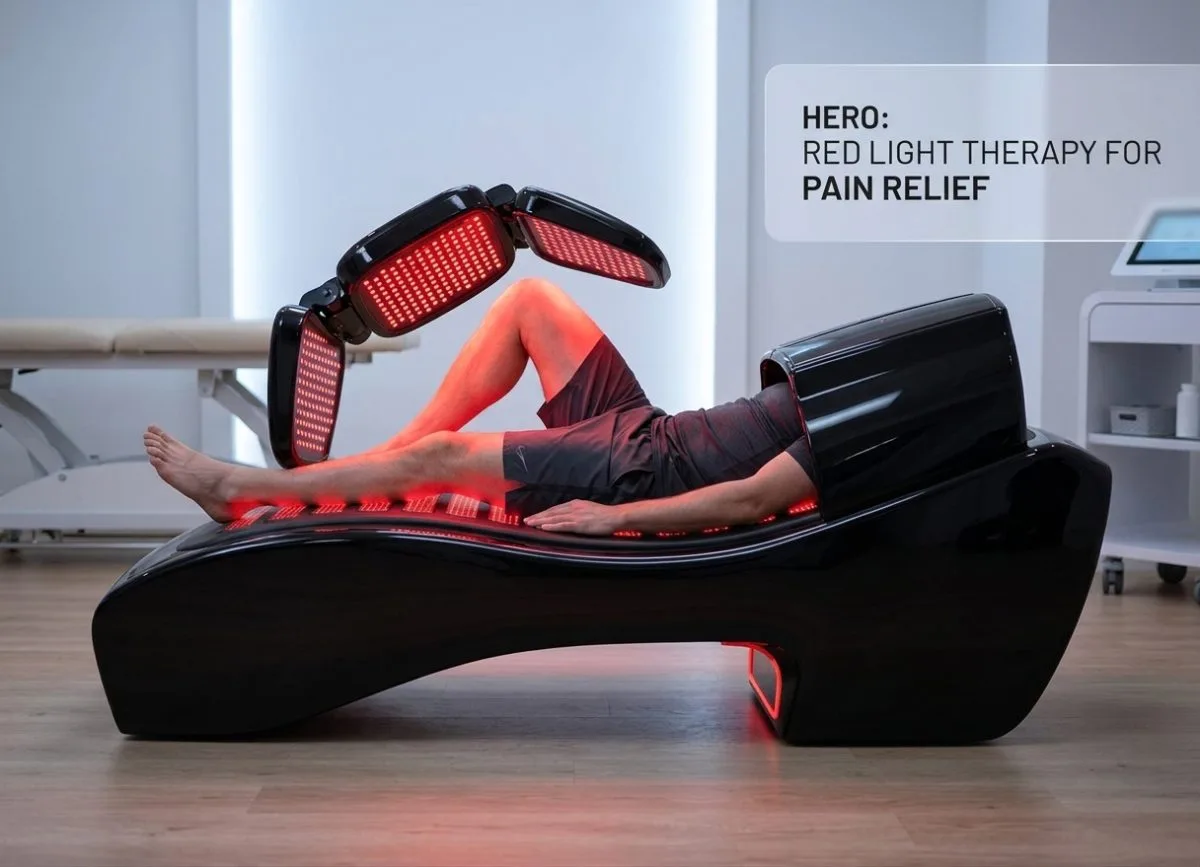
Чи справді терапія червоним світлом полегшує біль?
Так. Доказова база щодо терапії червоним світлом для знеболення перетнула поріг клінічної достовірності приблизно у 2022-2024 роках для найбільш вивчених захворювань. Остеоартрит колінного суглоба є найкраще задокументованим застосуванням: рецензовані систематичні огляди 2024 року синтезували численні рандомізовані контрольовані дослідження за участю сотень пацієнтів і підтвердили значне зниження як показників болю, так і показників інвалідності порівняно з фіктивними пристроями. Загальні огляди при артритних захворюваннях повідомляли про помірний та великий ефект з точки зору клінічних досліджень.
Окрім суглобів, рецензовані систематичні огляди хронічного болю 2025-2026 років задокументували значне зменшення болю у пацієнтів з фіброміалгією та нейропатією за допомогою протоколів фотобіомодуляції (ФБМ). У РКД 2022 року 60 пацієнтів із хронічним болем у попереку були рандомізовані для терапії червоним світлом порівняно зі стандартним лікуванням; через 12 тижнів група, яка отримувала червоне світло, повідомила про значне зменшення болю порівняно з контролем, потребувала меншої кількості НПЗЗ та показала краще функціональне покращення. Ці результати позиціонують терапію червоним світлом як легітимний, безмедикаментозний допоміжний засіб для лікування больових станів, а не як другорядний оздоровчий метод. Чесні обмеження: це не ліки, результати досягаються за тижні, а не за дні, а заяви про структурне відновлення (регенерація хряща, регенерація диска) залишаються значною мірою доклінічними – на цьому етапі дані про стан здоров'я людини підтверджують симптоматичне покращення, а не підтверджені структурні зміни.
Як червоне світло зменшує біль і запалення
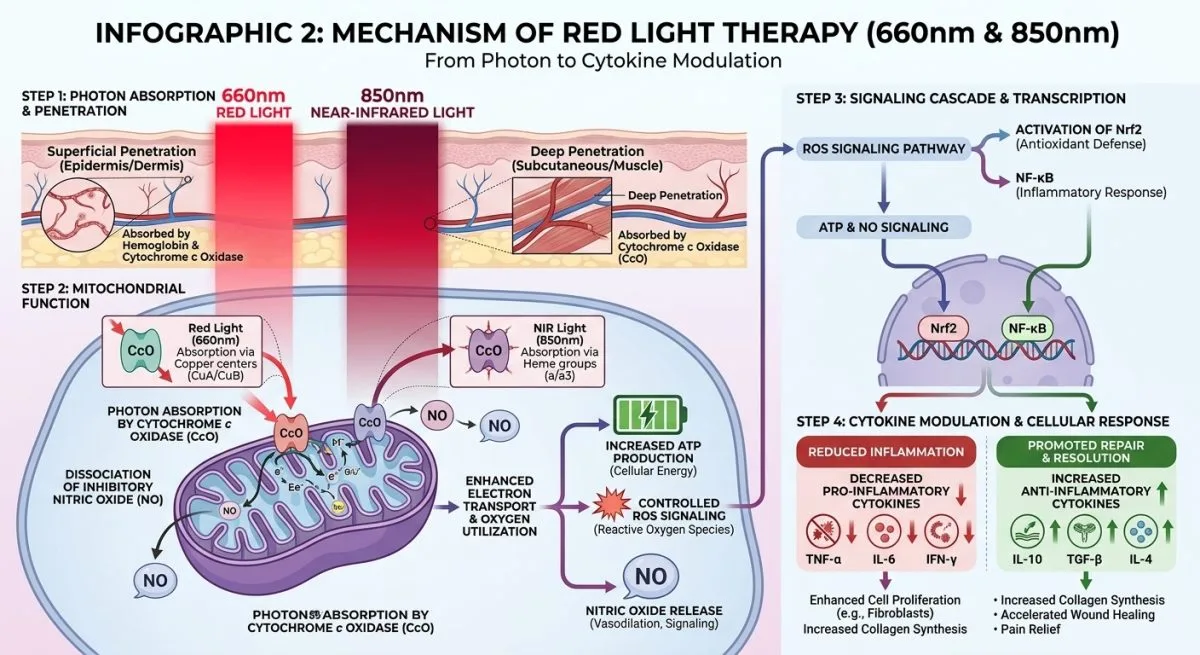
Механізм добре охарактеризований у літературі з фотобіомодуляції. Червоне світло в діапазоні 660 нм (видимий червоний) та 850 нм (ближній інфрачервоний діапазон) поглинається мітохондріями всередині клітин, зокрема ферментом цитохром-с-оксидазою в ланцюзі транспорту електронів. Це поглинання підвищує вироблення АТФ у клітинах та запускає вивільнення оксиду азоту, що покращує місцевий кровотік. Нижче за течією ці клітинні зміни зменшують вироблення запальних цитокінів, які викликають хронічний біль.
Рецензовані контрольовані дослідження в літературі з фотобіомодуляції повідомляють про значне зниження рівня запальних маркерів, таких як С-реактивний білок (СРБ) та ІЛ-6 (інтерлейкін-6), при послідовних сеансах терапії червоним світлом, хоча точні величини зниження суттєво варіюються залежно від протоколу дослідження, групи пацієнтів, частоти сеансів та характеристик пристрою. Ці цитокіни викликають багато хронічних запальних больових станів, включаючи остеоартрит, ревматоїдний артрит та хронічний біль у попереку. Це ключова механістична відмінність, яка відрізняє терапію червоним світлом від запалення від НПЗП: НПЗП блокують больові сигнали шляхом пригнічення циклооксигенази (ЦОГ), забезпечуючи швидке полегшення симптомів, але залишаючи основне запалення практично незмінним; терапія червоним світлом модулює саме запалення, що є однією з причин, чому користь зберігається після окремих сеансів і накопичується протягом тижнів. Для глибшого розгляду фізики взаємодії довжини хвилі з тканинами див. Панель терапії червоним світлом: як довжини хвиль 660 нм + 850 нм зцілюють тканини який охоплює механізм з вищою роздільною здатністю.
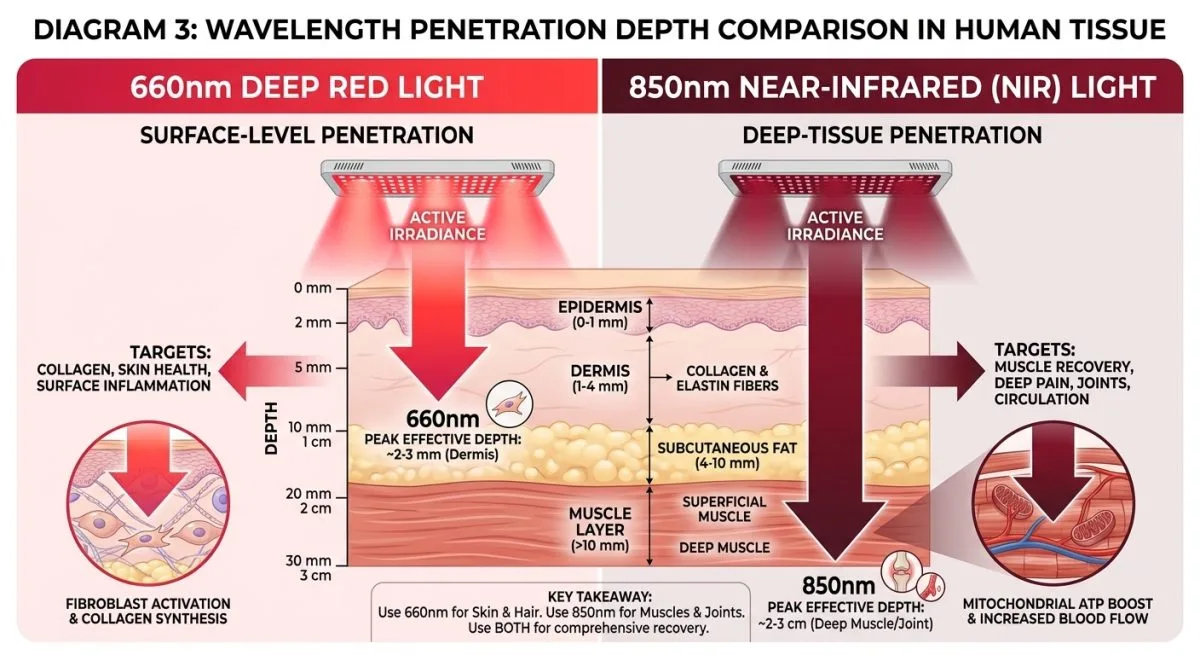
Довжини хвиль для вимірювання болю: 660 нм проти 850 нм
Для знеболення використовуються два діапазони довжин хвиль, і обидва мають значення. Червоне світло з довжиною хвилі 660 нм проникає крізь поверхню шкіри та поверхневі тканини, що корисно для лікування запалення, що прилягає до шкіри, та відновлення поверхневих м'язів. Ближнє інфрачервоне світло з довжиною хвилі 850 нм проникає приблизно на 2-3 см, досягаючи глибоких суглобів, м'язів та нервів – глибини, необхідної для лікування остеоартриту коліна, болю в попереку та відновлення глибоких м'язів. Зокрема, для знеболення 850 нм виконує більшу частину роботи, оскільки більшість цільових тканин знаходиться під шкірою.
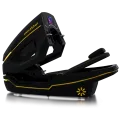
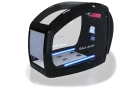
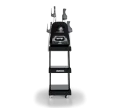
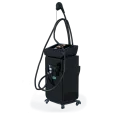
Професійні панелі з двома довжинами хвиль поєднують 660 нм та 850 нм в одному пристрої, охоплюючи поверхневі та глибокі тканини за один сеанс. Це конфігурація, яку виробляє Vacuactivus, і яка є стандартом у професійних клініках лікування болю та відновлення. Для детального обговорення порівняння домашнього та професійного обладнання (випромінювання, щільність потужності, час дозування) див. Найкраща домашня терапія червоним світлом: чому професіонали обирають професійне обладнання що пояснює відмінності в специфікаціях, які відрізняють споживчі пристрої від панелей клінічного класу.
Терапія червоним світлом для лікування болю в суглобах та артриту
Остеоартрит коліна є найкраще задокументованим застосуванням терапії червоним світлом для знеболення. Рецензовані дослідження послідовно повідомляють про значне зменшення болю за візуальною аналоговою шкалою (ВАШ) протягом 4-8 тижнів постійного використання, причому зазвичай повідомляється про діапазони близько 30-50% (індивідуальні результати залежать від пристрою, довжини хвилі, дози та дотримання режиму). Функціональні покращення (відстань ходьби, підйом сходами, індекс інвалідності) загалом відповідають суб'єктивним повідомленням про біль. Механізм узгоджується з патофізіологією: остеоартрит зумовлений хронічним запаленням низького ступеня в капсулі суглоба та навколишній синовіальній оболонці, саме тим типом процесу, який реагує на зниження сигналізації цитокінів та покращення місцевого кровотоку.
Окрім остеоартриту коліна, терапія червоним світлом для лікування артриту поширюється на ревматоїдний артрит (РА) та псоріатичний артрит через той самий протизапальний шлях. Докази менш численні, ніж для остеоартриту коліна, але механічно узгоджені. Терапія червоним світлом для лікування болю в суглобах найкраще працює при хронічних, болючих, скутих суглобах з активним запаленням низького ступеня. Вона менш доцільна для гострих травм суглобів (раптовий набряк, блокування, нестабільність), де основна проблема є механічною, а не запальною. Важлива чесна відмінність: полегшення симптомів артриту добре підтверджується даними випробувань на людях, тоді як твердження про структурне відновлення (регенерація хряща) залишаються здебільшого доклінічними. Рецензовані аналізи застосування препаратів для коліна конкретно підкреслюють це – відновлення меніска та хряща залишається новою галуззю з переважно доклінічними доказами, тоді як переваги для симптомів клінічно встановлені.
Терапія червоним світлом для м'язового болю та відновлення
Терапія червоним світлом для лікування м'язового болю охоплює два випадки застосування, що перетинаються: біль у м'язах після тренування (біль у м'язах із затримкою початку або DOMS) та хронічний біль у м'язах. Механізм дії полягає в тому ж протизапальному шляху, а також у посиленні клітинного відновлення за рахунок збільшення вироблення АТФ. Спортсмени та користувачі, орієнтовані на відновлення, широко застосовують терапію червоним світлом для зменшення болю після тренування; рецензовані контрольовані дослідження відновлення повідомляють про швидше повернення до початкового рівня болю порівняно з плацебо, особливо коли сеанси застосовуються протягом 24-48 годин після тренувального стимулу.
У протоколах мультимодального відновлення терапія червоним світлом часто поєднується з впливом холоду (кріотерапією) для посилення ефектів. Ці два методи спрямовані на різні шляхи – холод зменшує гостре запалення та метаболічну активність, червоне світло підтримує відновлення та модуляцію цитокінів – і добре поєднуються в послідовних протоколах. Детальніше про поєднання червоного світла з кріотерапією див. Терапія червоним світлом у поєднанні з кріотерапією: переваги комплексного протоколу який охоплює розробку протоколу та докази результатів.
Терапія червоним світлом для болю в спині, нервах та хронічного болю
Три додаткові захворювання мають вагому доказову базу у 2026 році: хронічний біль у попереку, біль у нервах та нейропатія, а також фіброміалгія. Кожне з них реагує по-різному за масштабом та часовими рамками, але основний механізм (модуляція запалення плюс покращення місцевого кровотоку) застосовується до всіх трьох. Проконсультуйтеся з кваліфікованим лікарем, перш ніж використовувати терапію червоним світлом для цих захворювань, особливо якщо основні причини потребують первинного медичного лікування.
Біль у попереку
Рандомізоване контрольоване дослідження болю в попереку 2022 року залишається визначним дослідженням терапії червоним світлом для лікування болю в спині. Шістдесят пацієнтів із хронічним болем у попереку були рандомізовані або для терапії червоним світлом, або для стандартного контролю. Через 12 тижнів група, яка отримувала червоне світло, повідомила про значне зменшення болю порівняно з контрольною групою, потребувала значно меншої кількості НПЗЗ та показала краще функціональне покращення за шкалами інвалідності. Пацієнти повідомляли про симптоматичне покращення протягом періоду випробування; будь-які структурні заяви, отримані за даними візуалізації, потребують незалежної перевірки та не повинні інтерпретуватися як встановлені докази регенерації диска або зміни гідратації – дані випробувань на людях на цьому етапі підтверджують симптоматичне полегшення, а не підтверджене структурне ремоделювання. Результат підтвердився в наступних менших дослідженнях з подібними 8-12-тижневими протоколами. Найкраще підходить: хронічний біль у попереку, пов'язаний з м'язами та дисками; менш підходить для гострої травми, радикулопатії з важким неврологічним дефіцитом або структурних деформацій, що потребують хірургічного обстеження.
Нервовий біль та нейропатія
Терапія червоним світлом для лікування нервового болю має нову базу доказів з обнадійливими ранніми результатами. Механізм включає як протизапальну дію вздовж нервових шляхів, так і можливі ефекти регенерації нервів на клітинному рівні, як повідомляється в рецензованій літературі з фотобіомодуляції. Менші дослідження периферичної нейропатії, індукованої хіміотерапією (CIPN), та діабетичної нейропатії показали багатообіцяюче зменшення болю у пацієнтів, які брали участь у випробуванні. У рецензованих оглядах хронічного болю 2025-2026 років нейропатія була окремо зазначена як ефективне показання до фотобіомодуляції. Доказів менше, ніж для захворювань суглобів, тому реалістичні очікування мають значення: терапію червоним світлом варто обговорити з лікарем як допоміжний засіб для лікування болю при стабільній нейропатії, але не як заміну медикаментозного лікування основного захворювання.
Фіброміалгія та поширений хронічний біль
Рецензовані систематичні огляди хронічного болю 2025-2026 років задокументували значне зменшення болю у пацієнтів з фіброміалгією в кількох дослідженнях. Фіброміалгія реагує механічно, оскільки стан включає поширене запалення низького ступеня, змінену обробку болю та часто перекриваючі порушення регуляції настрою та сну – області, де вплив терапії червоним світлом на запалення, настрій (підтримка ендорфінів/серотоніну) та якість сну може посилюватися. Загальнотілова панель або вплив на ліжко зазвичай працюють краще, ніж цільове точкове лікування поширених больових симптомів. Протоколи в успішних дослідженнях використовували 20-30-хвилинні сеанси 3-5 разів на тиждень протягом 8-12 тижнів.
Докази за умовами (зведена таблиця)
У таблиці нижче підсумовано силу доказів, типову величину результату (у вигляді діапазонів з обмеженим рамком) та категорію джерела для кожного вищезазначеного стану. Використовуйте це як короткий довідник для встановлення очікувань на рівні стану. Індивідуальні результати суттєво відрізняються; проконсультуйтеся з кваліфікованим медичним працівником, перш ніж приймати рішення щодо лікування.
| Хвороба | Сила доказів | Типовий результат (заявлені діапазони різняться) | Джерело |
|---|---|---|---|
| Остеоартрит (ОА) колінного суглоба | Сильний (кілька РКД серед сотень пацієнтів) | Зафіксовані діапазони зазвичай зосереджуються навколо зменшення болю 30-50% за шкалою ВАС протягом 4-8 тижнів, з узгодженням покращень індексу інвалідності (індивідуальні результати залежать від пристрою, довжини хвилі, дози, дотримання). | Рецензовані систематичні огляди RLT/LLLT у популяціях з остеоартритом колінного суглоба за 2024 рік; огляди для різних захворювань артриту |
| Біль у попереку (хронічний) | Помірний або сильний (12-тижневе РКД 2022 року + подальші дослідження) | Значне зниження болю на користь терапії червоним світлом порівняно зі стандартним лікуванням у 12-тижневому дослідженні 2022 року; повідомлялося про зменшення використання НПЗЗ та кращі показники за шкалою інвалідності. | РКД 2022 року щодо болю в попереку (60 пацієнтів, 12 тижнів); подальші підтвердження меншою когортою |
| Біль у м'язах та DOMS | Помірний до сильного (багаторазові дослідження відновлення) | Зменшення болю після тренування через 24-48 годин, швидше повернення до вихідного стану, про що повідомлялося в контрольованих дослідженнях відновлення | Рецензовані дослідження фотобіомодуляції в контексті відновлення |
| Ревматоїдний артрит (РА) + псоріатичний артрит | Помірний (екстрапольований на основі даних про протизапальні ефекти) | Полегшення симптомів шляхом зниження рівня цитокінів; доповнення до медикаментозного лікування, а не заміщення | Огляди Umbrella (розпад артриту); дані про протизапальний механізм з літератури про PBM |
| Фіброміалгія + поширений хронічний біль | Помірний (позитивні результати систематичних оглядів 2025-2026 рр.) | Значне зменшення болю, зареєстроване в кількох дослідженнях; ефективний немедикаментозний варіант як допоміжний засіб | Рецензовані систематичні огляди хронічного болю 2025-2026 років |
| Нервовий біль та нейропатія (хіміотерапія, діабетична) | Нові (заохочуються менші дослідження) | Механізми регенерації нервів; перспективні для CIPN та діабетичної нейропатії за даними ранніх досліджень | Рецензовані огляди застосувань нейропатії за 2025-2026 роки; механістична література |
Через скільки часу терапія червоним світлом почне діяти при болю?
Більшість досліджень болю показують помітне покращення вже на 3-4 тижні постійного використання, причому значне покращення зазвичай з'являється на 8-12 тижні. Точні терміни варіюються залежно від стану: дослідження остеоартриту коліна часто показують найперші помітні зміни приблизно на 3-му тижні, тоді як випробування хронічного болю в спині потребують 6-8 тижнів для прояву найсильніших ефектів. Цей поступовий графік є основоположним для механізму: на відміну від НПЗЗ, які пригнічують больові сигнали протягом кількох годин, терапія червоним світлом для полегшення болю поступово нарощується, оскільки запалення на рівні тканин спадає. Сеанси зазвичай тривають 10-20 хвилин кілька разів на тиждень протягом активної фази лікування.
Після того, як біль зменшиться до комфортного рівня, підтримуючі сеанси 1-2 рази на тиждень допомагають запобігти рецидивам. Постійність важливіша за інтенсивність: пропущені тижні відображаються в клінічних даних як знижена відповідь. Якщо ви не побачили помітного покращення після 12 тижнів постійного використання, обговоріть це зі своїм лікарем – ваш конкретний генератор болю може потребувати іншого втручання або мати приховані причини, що потребують первинного медичного лікування.
Терапія червоним світлом проти НПЗЗ та інших варіантів
Терапія червоним світлом та НПЗЗ виконують різні ролі, а не конкурують безпосередньо. НПЗЗ (ібупрофен, напроксен, целекоксиб) діють шляхом пригнічення ферменту ЦОГ, забезпечуючи швидке полегшення симптомів, але з добре задокументованими довгостроковими ризиками (шлунково-кишкові, серцево-судинні, ниркові). Терапія червоним світлом є повільнішою (тижні проти годин), але спрямована на основне запалення та підтримує відновлення тканин без системних побічних ефектів у дозах, що використовуються клінічно. У численних дослідженнях пацієнти, які використовують червоне світло, зменшили використання НПЗЗ під час активної фази лікування.
Для більшості людей із хронічним запальним болем терапія червоним світлом найкраще працює як доповнення до медикаментів, а не як повна заміна НПЗП. Найкращі комбінації: червоне світло плюс фізіотерапія при хронічних станах; червоне світло для підтримки після зникнення гострого запалення за допомогою короткочасного прийому НПЗП. Дізнатися більше найкраща терапія червоним світлом від болю для професійного обладнання з опроміненням та покриттям, необхідними для стабільних клінічних результатів. Завжди консультуйтеся з кваліфікованим медичним працівником, перш ніж поєднувати методи лікування, особливо якщо ви приймаєте рецептурні ліки, перед коригуванням дози НПЗЗ або якщо супутні захворювання потребують первинного медичного лікування.
Часті запитання
Q1. Чи допомагає терапія червоним світлом від болю?
Так, з найпереконливішими доказами запального та хронічного болю. Рандомізовані контрольовані дослідження повідомляють про значне зменшення таких станів, як остеоартрит коліна, біль у попереку та фіброміалгія, причому повідомляється про діапазони зменшення болю, які зазвичай називають приблизно 30-50% протягом 4-12 тижнів (індивідуальні результати залежать від пристрою, довжини хвилі, дози та дотримання режиму лікування). Він працює шляхом модуляції запалення та підтримки відновлення тканин, а не просто блокування больових сигналів, тому полегшення, як правило, зберігається і після сеансу. Це допоміжний засіб, що підтверджується доказами, а не ліки. Проконсультуйтеся з кваліфікованим лікарем, перш ніж розпочинати лікування.
Q2. Чи допомагає терапія червоним світлом при артриті та болю в суглобах?
Так. Остеоартрит коліна має найнадійнішу підтримку досліджень на людях: рецензовані систематичні огляди 2024 року, що синтезують численні РКД (рандомізовані контрольовані дослідження) серед сотень пацієнтів, підтвердили значне зменшення болю та інвалідності, і дослідження зазвичай показують, що повідомлення про зменшення болю кластеруються навколо 30-50% протягом 4-8 тижнів (індивідуальні результати різняться). Він допомагає при остеоартриті, ревматоїдному артриті та псоріатичному артриті завдяки протизапальній дії. Він найкраще підходить для хронічних, болючих, скутих суглобів; він менш підходить для гострого блокування, раптового набряку або сильної нестабільності. Заяви про структурне відновлення (регенерація хряща) залишаються значною мірою доклінічними.
Питання 3. Скільки часу потрібно, щоб червона світлотерапія подіяла з болю?
Більшість досліджень болю показують помітне покращення вже на 3-4 тижні постійного використання, причому значне покращення зазвичай настає на 8-12 тижні. На відміну від НПЗЗ, які швидко полегшують симптоми, терапія червоним світлом посилюється поступово, оскільки запалення на рівні тканин спадає. Сеанси зазвичай тривають 10-20 хвилин кілька разів на тиждень. Після зменшення болю підтримуюче лікування один-два рази на тиждень допомагає запобігти рецидивам. Постійність важливіша за інтенсивність.
Q4. Чи зменшує терапія червоним світлом запалення?
Так. Червоне світло з довжиною хвилі 660 нм та 850 нм поглинається мітохондріями у ваших клітинах, що знижує вироблення запальних цитокінів (хімічних сигналів, що викликають набряк та біль). Рецензовані контрольовані дослідження повідомляють про значне зниження рівня таких маркерів, як С-реактивний білок (СРБ) та ІЛ-6, при послідовних сеансах, хоча точні величини зниження залежать від протоколу дослідження. Модулюючи запалення на клітинному рівні, воно усуває першопричину значної частини хронічного болю, а не просто маскує його.
Q5. Чи допомагає терапія червоним світлом при болях у спині?
Біль у попереку, особливо спричинений розтягненням м’язів або хронічним запаленням низького ступеня, добре реагує на лікування. У дослідженні 2022 року 60 пацієнтів із хронічним болем у попереку були рандомізовані для терапії червоним світлом або стандартного лікування; через 12 тижнів група з червоним світлом повідомила про значне зменшення болю порівняно з контрольною групою, потребувала меншої кількості НПЗЗ та показала краще функціональне покращення. Пацієнти повідомляли про симптоматичне покращення; будь-які структурні заяви, отримані за результатами візуалізації в цьому дослідженні, потребують незалежної перевірки та не повинні інтерпретуватися як доказ регенерації диска – дослідження підтверджує лише симптоматичне полегшення. Зверніться до лікаря при гострій травмі, радикулопатії з важким неврологічним дефіцитом або постійному болю, який не був діагностований.
Q6. Яка довжина хвилі найкраще підходить для вимірювання болю та глибоких тканин?
Для лікування болю більшу частину роботи виконує ближнє інфрачервоне випромінювання 850 нм, оскільки воно проникає приблизно на 2-3 см, щоб досягти глибоких суглобів, м'язів і нервів. Червоне випромінювання 660 нм обробляє більше поверхневих тканин. Більшість панелей професійного класу забезпечують обидва показники одночасно, тому 660 нм обробляє поверхневі структури, тоді як 850 нм досягає глибших структур, охоплюючи всю глибину тканин за один сеанс. Для досягнення такої глибини необхідні достатня щільність потужності та правильна відстань обробки.
Q7. Чи є терапія червоним світлом кращою за НПЗЗ?
Вони діють по-різному та виконують різні ролі. НПЗЗ швидко полегшують біль, але усувають симптоми, а не причини, а тривале використання несе ризики для шлунково-кишкового тракту, серцево-судинної системи та нирок. Терапія червоним світлом є повільнішою, триває тижні, але вона спрямована на основне запалення та підтримує відновлення тканин без системних побічних ефектів у дозах, що використовуються клінічно. У дослідженнях пацієнти, які використовують червоне світло, часто зменшували споживання НПЗЗ. Для багатьох людей воно найкраще працює як доповнення до ліків, а не як повна заміна. Проконсультуйтеся з лікарем, перш ніж коригувати дозу НПЗЗ, особливо якщо ви приймаєте інші ліки або маєте захворювання, що потребують призначення препарату.
Q8. Чи допомагає терапія червоним світлом при нервовому болю та нейропатії?
Існують багатообіцяючі докази. Терапія червоним світлом, здається, сприяє полегшенню нервового болю завдяки протизапальній дії та описаним механізмам регенерації нервів у літературі з фотобіомодуляції; рецензовані огляди хронічного болю 2025-2026 років спеціально відзначали ефективність при нейропатії та фіброміалгії. Менші дослідження нейропатії, індукованої хіміотерапією, та діабетичної нейропатії показали обнадійливі результати. База доказів щодо нервового болю зростає, але вона менш обширна, ніж для захворювань суглобів, тому очікування повинні бути реалістичними. Обговоріть зі своїм лікарем перед використанням при нервовому болю, особливо якщо основні причини потребують первинного медичного лікування.
Висновок
Терапія червоним світлом для знеболення є підтвердженим доказами, немедикаментозним допоміжним засобом для лікування запальних та хронічних больових станів. Механізм добре охарактеризований: довжини хвиль 660 нм та 850 нм, що поглинаються мітохондріями, запускають вироблення АТФ, вивільнення оксиду азоту та знижують регуляцію запальних цитокінів, включаючи С-реактивний білок (СРБ) та ІЛ-6, у контрольованих дослідженнях (точна величина зниження залежить від протоколу дослідження). Найбільш переконливі докази щодо цих станів охоплюють остеоартрит коліна (повідомлені зменшення болю кластеруються навколо 30-50%), хронічний біль у попереку (значне зниження в 12-тижневому РКД 2022 року), фіброміалгію (підтверджено рецензованими оглядами 2025-2026 років) та відновлення м'язів. Докази щодо нервового болю з'являються та є багатообіцяючими. Заяви про структурне відновлення (регенерація хряща, регенерація диска) залишаються здебільшого доклінічними; на цьому етапі дані, отримані на людях, підтверджують симптоматичне покращення, а не підтверджені структурні зміни.
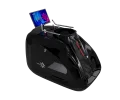
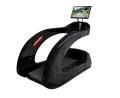
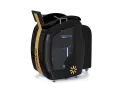
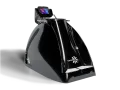
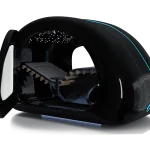
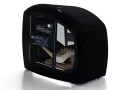
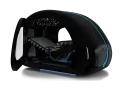
Реалістичні очікування: вимірне покращення до 3-4 тижня, значне покращення до 8-12 тижня, підтримуючі 1-2 сеанси щотижня після пікової відповіді. Терапія червоним світлом найкраще підходить як доповнення до фізичної терапії, відповідного короткочасного застосування ліків та втручань у спосіб життя – не як окремий засіб лікування чи заміна НПЗЗ. Завжди консультуйтеся з кваліфікованим лікарем, фізіотерапевтом або спеціалістом з лікування болю перед початком лікування. Для клініцистів та операторів клінік, які оцінюють обладнання червоного світла для лікування болю та пропонують послуги з відновлення, Vacuactivus виробляє панелі з двома довжинами хвиль (660 нм + 850 нм), що використовуються в клініках відновлення, оздоровчих центрах та спеціалізованих практиках лікування болю; ознайомтеся з ними. професійні панелі для терапії червоним світлом для варіантів комерційного класу або Капсули довголіття Revique HaloX для мультимодального блоку, що поєднує червоне світло з інфрачервоним випромінюванням та ароматерапією в одній професійній установці.


