



















Vacuum Treadmill Near Me: How Spa Owners Capture Local Search
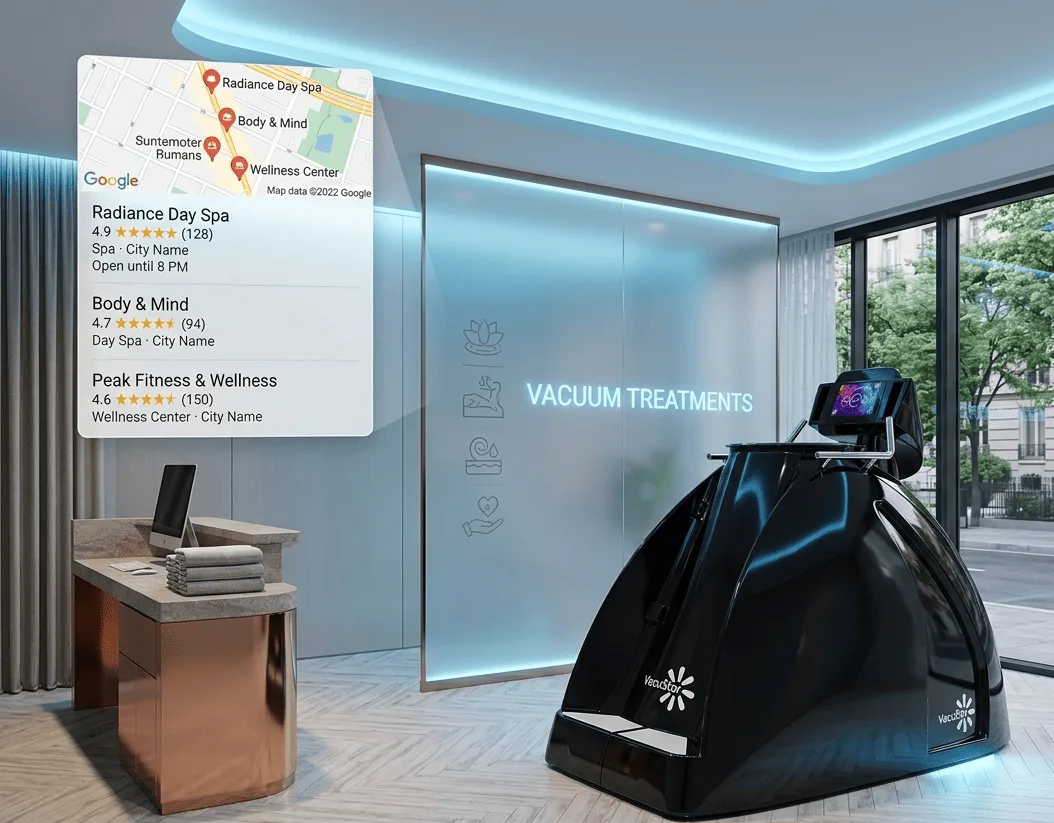
A search for ‘vacuum treadmill near me’ returns a Google Local Pack with three business listings and a map, and above 40% of the clicks on that result page go to the top Local Pack position. For a spa offering vacuum infrared treadmill service, that top position converts into consultation bookings at a rate no paid ad campaign can match. This article walks through exactly how spa owners rank for local queries: the right Google Business Profile primary category, a service page template that ranks, a 90-day review acquisition plan, schema markup that qualifies for rich results, local backlink and citation strategy, and the mistakes that keep well-run spas out of the Local Pack.
The material is practical, not marketing. The tactics below are what wellness-industry Local SEO practitioners are actually doing in mid-2026 to move spa listings into the top three Local Pack positions – GBP category selection, service page structure, review velocity, schema, backlinks and citations – and where common mistakes are silently killing rankings. Vacuactivus manufactures the VacuStar vacuum infrared treadmill sold to spa operators across the US and international markets since 2009 (over 15 years), and this guide is written from the operator side of the equipment relationship.
Nothing here is licensed SEO consulting or legal advice; Google Search algorithm behavior changes and local market competition varies. Results depend on implementation quality and local competitive dynamics. Verify search volumes, CTR figures, and review benchmarks against a live SEO tool before making significant business decisions.
What Are People Really Searching For? Near-Me Keyword Volume by Variant
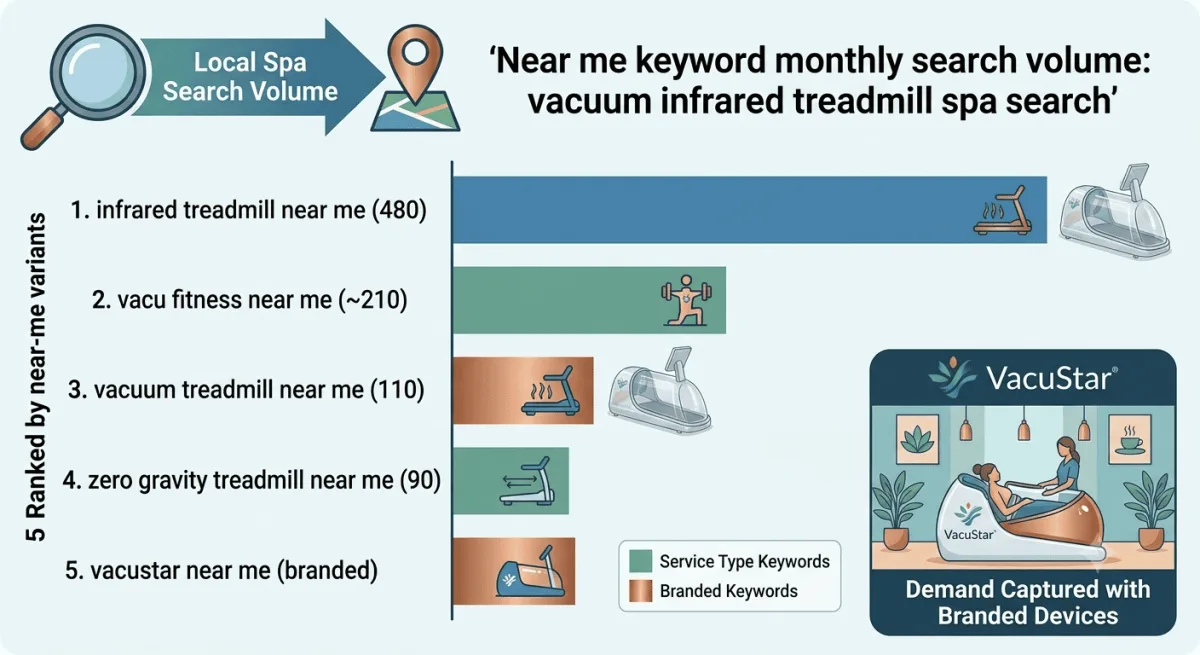
The ‘near me’ query family for vacuum treadmill service breaks into several variant patterns worth understanding before writing a single line of on-page copy. Primary variants include ‘vacuum treadmill near me’, ‘infrared treadmill near me’, ‘body shaping treadmill near me’, ‘vacuum treadmill spa near me’, and branded queries like ‘VacuStar near me’ or ‘BodyShape treadmill near me’. Adjacent searches include ‘body contouring treadmill near me’ and location-explicit queries like ‘vacuum treadmill Chicago’ or ‘infrared treadmill Los Angeles’.
Search volumes for these terms are individually modest (typically low-hundreds per month per major metro), but they aggregate meaningfully and, more importantly, the intent is high – a searcher typing ‘near me’ plus a specific equipment type has already qualified themselves past ‘do I want this service’ and into ‘where can I book this today’. That intent-to-conversion rate is why ranking for these queries produces disproportionate booking value relative to raw volume. The keyword-volume chart below shows the relative weights operators typically prioritize across the variant family.
How Google Ranks Local Businesses: Relevance, Distance, Prominence
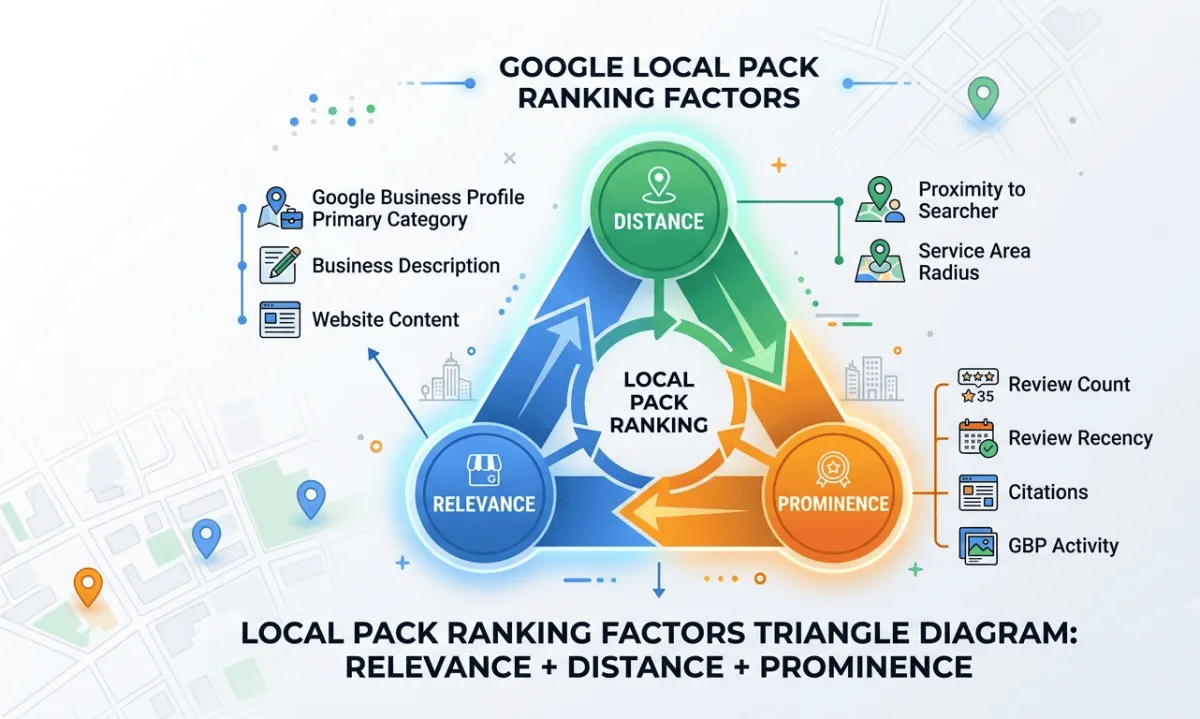
Google’s Local Pack ranking is driven by three signals: Relevance (how well the listing matches the query), Distance (physical proximity between searcher and business), and Prominence (offline and online reputation signals). The table below distills what each factor means and where the spa operator has actionable control.
| Local Ranking Factor | What Google Weights | What Spa Operator Controls |
|---|---|---|
| Relevance | Does the listing category, service list, business description, and website content match the searcher query intent (vacuum treadmill, near me) | GBP primary category selection, secondary categories, service list with vacuum-treadmill keyword, service page on website with matching H1 and body copy, on-page vacuum-treadmill schema |
| Distance | Physical distance from searcher location to business address at query time | Business address accuracy and consistency across GBP, website, citations, and directories; service-area radius definition where applicable |
| Prominence | Offline and online reputation signals – review count, review recency, review rating, backlinks, mentions, citations, brand searches, click-through from the Local Pack listing | 90-day review acquisition rhythm, review response cadence, local backlinks from industry directories and local business partners, citation consistency across major directories, GBP posts and Q&A engagement |
The distance factor is fixed by the business address – a spa in Chicago will never rank for a searcher in Los Angeles regardless of how strong the other signals are. Relevance and prominence are the two levers operators actually control, and the entire practical Local SEO playbook flows from optimizing those. GBP category and service list drive relevance; review velocity, backlinks, and citations drive prominence.
Best Google Business Profile Categories for Vacuum and Infrared Treadmill Service
The GBP primary category is the single most important on-profile ranking factor and the one most operators get wrong. For a spa offering vacuum infrared treadmill service, the practical primary-category options are Health Spa, Day Spa, Wellness Center, Medical Spa, Physical Fitness Program, or Weight Loss Service – and the right choice depends on the spa’s overall service scope, not just the treadmill offering. A spa where vacuum treadmill is one of many wellness services typically ranks best with Health Spa or Wellness Center as primary and specific service categories (Weight Loss Service, Physical Fitness Program) as secondary. A medical-adjacent operation with physician oversight ranks best with Medical Spa primary.
Secondary categories can and should be layered aggressively – Google allows up to 9 additional categories and using them provides ranking signal across adjacent query intents. Common secondary additions for vacuum treadmill spas include Body Shaping Class, Cardio Fitness Center, Rehabilitation Center, Weight Loss Service, and where applicable Chiropractor or Physical Therapist. The mistake to avoid: picking a category that matches the equipment (like Treadmill – which is not actually a category anyway) rather than the business type. Google ranks businesses, not equipment.
Service Page Template That Ranks: Vacuum Treadmill Landing Page
Every service the spa offers should have a dedicated page on the website, and the vacuum treadmill service page should follow a specific template proven to rank for near-me queries. Structure: H1 combining service and location (‘Vacuum Infrared Treadmill in [City]’), above-fold booking CTA, a session description written in plain language covering what the client experiences and what the service is used for, price and session duration, embedded FAQ section covering the specific questions local prospects ask (Q1 through Q8 from this article FAQ pattern), a review carousel pulling recent Google reviews, and full schema markup at the bottom.
Schema markup is where many spa websites underperform their potential. The four schema types this page needs: LocalBusiness (or MedicalSpa for medical-adjacent operations), Service (with the vacuum treadmill offering specified and area-served defined), Product (for the session as a bookable product with price range), and FAQ (structured markup on the on-page Q and A block for FAQ rich results). Implemented correctly, this stack qualifies the page for multiple rich-result formats and provides Google with explicit structured signals about what the page offers, where, and to whom.
The 90-Day Review Acquisition Plan
Review count and review velocity are among the strongest prominence signals in the Local Pack ranking algorithm, and spa operators consistently underperform their potential here. A structured 90-day acquisition plan produces the difference between a 20-review listing and a 200-review listing over a year, and the difference between 20 and 200 reviews is often the difference between ranking position 5 and ranking position 1 in a competitive local market.
Days 1-30 is baseline setup: create the Google review shortlink (from GBP), embed it in the booking confirmation email, print it on receipts, and script an in-session review ask for the technician to deliver at session end when the client is most positive about the experience. Days 31-60 is velocity building: add SMS follow-up 24 hours post-session (short message, one-tap review link), email follow-up 3 days post-session with soft ask, and build review-response templates the front desk can deploy on every incoming review within 24 hours. Days 61-90 is momentum: track weekly review count, target 8-15 new reviews per month at steady state, monitor Local Pack ranking movement as review count grows, and iterate the ask script and follow-up timing based on which channel produces the highest response rate. Review-response cadence matters – Google explicitly weights business responsiveness to reviews – so keep every review responded to within 24-48 hours whether positive or critical.
Local Backlinks and Citations: Where to List Your Spa
Citations (mentions of the business name, address, and phone number across the web) and local backlinks are the offline-reputation signals Google uses to gauge prominence. The critical requirement is consistency: the exact business name, address, and phone number should match perfectly across every citation. Inconsistent NAP (name-address-phone) signals confuse Google’s confidence in the listing and directly hurt rankings.
The citation priority stack for a US spa: Google Business Profile (obviously), Yelp, Bing Places, Apple Maps, Facebook Business, Yellow Pages, industry-specific directories (SpaFinder, MindBody local pages, Wellness.com), local chamber of commerce, and BBB. Beyond citations, local backlinks earned from local business partners, wellness industry publications, and city-specific business listings compound the prominence signal. A local Chicago spa cross-mentioned on a Chicago wellness magazine roundup carries more local ranking weight than a national backlink of otherwise-equal domain authority.
Real Spa Examples: Who Is Winning Local Search Now
The pattern across spas currently ranking in the top 3 Local Pack positions for vacuum treadmill and infrared treadmill queries in major US metros: primary GBP category matches business type (usually Health Spa or Medical Spa depending on scope), 100+ reviews with sustained monthly velocity, dedicated service pages for each major treatment with LocalBusiness + Service schema, consistent NAP across 20+ citations, active review-response cadence, and a physical location in the query metro rather than service-area-only listings. None of these are shortcuts – they are the practical outcome of applying the tactics from earlier sections consistently over 6 to 12 months.
The pattern in spas NOT ranking despite offering the service: default GBP category never re-verified (frequently ‘Gym’ picked at signup which is wrong for a wellness spa), fewer than 25 reviews with irregular velocity, no dedicated service page (the treadmill mentioned on a general services page only), no schema markup, inconsistent NAP across older citations, and no active review response. The gap between winning and losing is not budget – it is the compounding effect of six or eight practical decisions made correctly over 90-day windows. For B2B operators building a body-shaping service line and evaluating the underlying ROI economics behind these Local SEO investments, the ROI walk-through for Whole Body Red Light Therapy service covers the parallel service-line unit economics.
Common Mistakes That Kill Local Ranking
Six common patterns show up in spas that offer the service but do not rank. First: wrong primary GBP category (often generic ‘Gym’ or ‘Fitness Center’ where ‘Health Spa’ or ‘Medical Spa’ would be correct). Second: fake reviews or review-gating (asking only satisfied clients for reviews while suppressing critical ones). Both violate Google Local Guidelines and can result in review removal or profile suspension. Third: inconsistent NAP across citations – a phone number that changed in 2023 still showing on Yelp and BBB confuses Google’s confidence in the listing.
Fourth: no dedicated service page – the vacuum treadmill mentioned in one paragraph on a general services page cannot rank as strongly as a dedicated page can. Fifth: photos on GBP that were uploaded once at profile creation and never refreshed – Google weights recent photo activity as a freshness signal. Sixth: soliciting reviews confirming a specific medical-spa patient relationship if the business is a HIPAA-covered entity – HIPAA civil monetary penalties scale into tens of thousands of dollars per violation per calendar year, and are annually inflation-adjusted; most standard non-medical spas are not HIPAA-covered entities but medical spas with physician oversight often are, so consult a healthcare-compliance attorney before implementing any review-solicitation script that references treatment specifics. Generic responses like ‘Thank you for your feedback, we appreciate your business’ work for both HIPAA-covered and non-covered spa operators.
Vacuactivus VacuStar Treadmill: The Equipment Behind the Category
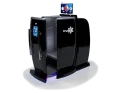
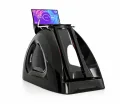
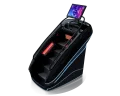
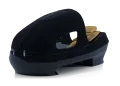
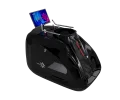
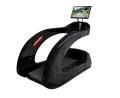
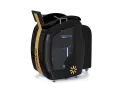
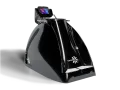
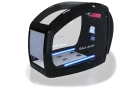
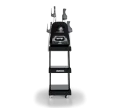
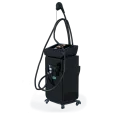
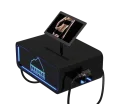
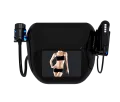
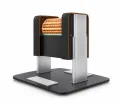
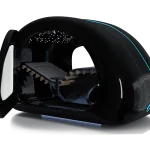
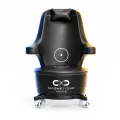
The VacuStar vacuum infrared treadmill is Vacuactivus BodyShape line commercial equipment sold to spa operators across US and international markets – a sealed lower-body capsule with vacuum resistance adjustable from 0 to 30 mbar, infrared warming, and low-impact walking gait, distinct from the anti-gravity DAP (differential air pressure) system used by AlterG (VacuStar uses vacuum plus infrared where AlterG uses positive-pressure air support – different mechanisms serving different service models). For the spa operator planning to add the service, the equipment specification matters less than the service positioning and the Local SEO execution described in this article; the equipment is the enabler, the Local SEO is what determines whether local prospects find the service.
The VacuStar vacuum infrared treadmill product page covers full specifications and configuration options, and the broader BodyShape vacuum fitness equipment range covers adjacent equipment (InfraStar bike, InfraStar S, InfraStepper) for operators building a full low-impact circuit. For the cost/investment framing on adjacent recovery equipment purchases, the Massage Chair Cost B2B commercial investment guide covers a parallel equipment-tier + ROI analysis. For operators exploring a business-opportunity relationship (dealer, referral, franchise-style setup), the Vacuactivus business opportunity for cryotherapy and wellness modalities page walks the partnership options.
Frequently Asked Questions
Q1. How do I find a vacuum treadmill spa near me?
Search Google for ‘vacuum treadmill near me’ or ‘infrared treadmill near me’ and check the Local Pack results (the map plus three business listings at the top of the results page). Click into individual listings to check reviews, hours, and location relative to yours. For spa operators wanting to be found in these searches, the reverse is exactly what this article covers – optimizing the Google Business Profile primary category (Health Spa, Day Spa, Medical Spa or Wellness Center depending on scope), building a dedicated service page with LocalBusiness and Service schema, running a structured review acquisition plan, and maintaining consistent NAP across citations. Adjacent search terms worth checking: ‘body shaping treadmill near me’, ‘infrared cardio near me’, and location-explicit variants like ‘vacuum treadmill Chicago’ or ‘infrared treadmill New York’.
Q2. What Google Business Profile category should a vacuum treadmill spa use?
The primary category depends on the spa overall service scope, not just the treadmill offering. Practical options: Health Spa or Wellness Center for a wellness spa where vacuum treadmill is one of many services; Medical Spa for a medical-adjacent operation with physician oversight; Day Spa for a broader spa experience; Physical Fitness Program or Weight Loss Service for a more targeted body-shaping focus. Secondary categories should be layered aggressively – Google allows up to 9 additional and using them provides ranking signal across adjacent query intents. Common secondary additions include Body Shaping Class, Cardio Fitness Center, Rehabilitation Center, Weight Loss Service, and where applicable Chiropractor or Physical Therapist. The most common mistake: picking a category that matches the equipment (like Gym) rather than the business type – Google ranks businesses, not equipment.
Q3. How many reviews does my spa need to rank in the Local Pack?
There is no absolute threshold, but pattern data across ranking spas suggests 50-100 reviews is the entry-level competitive floor in most US metros, and 200+ reviews is common among top-3 Local Pack results in competitive markets. What matters more than raw count is velocity – a listing at 80 reviews with 8-15 new reviews per month outranks a listing at 150 reviews that has been stagnant for a year. Review recency, response cadence (Google explicitly weights business responsiveness to reviews), and rating consistency (4.5+ average) round out the review-signal picture. Build a 90-day acquisition plan (baseline setup 1-30, velocity building 31-60, momentum 61-90) rather than treating review acquisition as a one-time push.
Q4. How much of the local search traffic does the top Local Pack position get?
Above 40% of clicks on a mobile near-me result page go to the top Local Pack position, with position 2 and 3 splitting most of the remainder in the Local Pack itself. Below the Local Pack, organic listings receive proportionally less traffic since near-me searchers behave more like Local Pack consumers than organic web consumers. This CTR concentration is why Local Pack top-3 is the practical target for near-me query optimization – being on page 1 organic but outside the Local Pack captures much less of the qualified local demand than a Local Pack position does. Track this via Google Business Profile insights and Google Search Console rather than assuming a specific CTR figure; local markets vary and Google SERP layout changes frequently.
Q5. What is the difference between vacuum, infrared, and zero-gravity treadmill?
Three different mechanisms serving overlapping but distinct client needs. Vacuum treadmill (like the Vacuactivus VacuStar) uses a sealed lower-body capsule with negative pressure 0-30 mbar plus infrared, targeting body shaping, low-impact conditioning, and cellulite/circumference reduction. Infrared treadmill uses ambient infrared heating without vacuum, targeting cardio + calorie-burn support via thermoregulation. Zero-gravity treadmill (like AlterG anti-gravity DAP) uses positive-pressure air support to reduce body weight on the walking surface by 20-100%, targeting rehab, elderly conditioning, and injury-return-to-run. For a spa considering which to add, the choice depends on the intended service model: body shaping + wellness spa → vacuum; general cardio + weight loss → infrared; rehab clinic or sports-medicine partnership → zero-gravity. For deeper coverage of the two adjacent categories, see Zero Gravity Treadmill: How Anti-Gravity Running Changes Rehab and Fat Loss and Infrared Treadmill: How Heat + Cardio Accelerates Weight Loss.
Q6. How long does Local SEO take to work for a new spa service?
Local ranking movement typically becomes visible in 60-90 days once a coordinated tactical program is running (GBP optimized, service page live with schema, review acquisition plan executing, citation cleanup complete). Meaningful Local Pack position improvement generally takes 4-6 months in competitive markets and can happen faster in less competitive local markets. The 90-day review acquisition plan described earlier is the accelerant. Some elements move faster (GBP category change can affect ranking within 2-4 weeks); some move slower (backlink profile changes typically show effect over 3-6 months). Expect a compound curve rather than linear improvement – the first 60 days often shows minimal movement, then the accumulated review count + citation consistency + backlink profile crosses the ranking threshold and position gains happen faster.
Q7. Should my spa website have a separate service page for vacuum treadmill?
Yes, and it is the single most impactful on-website Local SEO investment for the service. A dedicated service page (rather than mentioning the service in one paragraph on a general services page) allows H1 combining service and location, deep body copy with service-specific keywords, embedded FAQ addressing the questions local prospects ask, review carousel for social proof, LocalBusiness + Service + Product + FAQ schema markup, and specific internal linking that concentrates ranking authority on the target query. Every service the spa offers should have its own page under this template. The vacuum treadmill service page should link to (and be linked from) the general services page, the about page, and adjacent service pages, creating an internal linking structure that amplifies ranking signal to the service pages that matter most for local queries.
Q8. Is Google Business Profile the same as Google My Business?
Yes – Google Business Profile (GBP) is the current name for what was previously called Google My Business (GMB). Google renamed the product in late 2021, retired the standalone GMB mobile app in 2022, and migrated management to be primarily done through Google Search and Google Maps directly (search ‘my business’ while signed into the Google account associated with the listing to access management). Older documentation and third-party tutorials still use GMB; the current 2026 official name is GBP. Function and ranking factors are unchanged – the rename was primarily a rebranding to emphasize the profile-as-front-door positioning rather than a functional change.
Conclusion
Ranking for ‘vacuum treadmill near me’ is not a mystery – it is the compounding output of six or eight practical decisions made correctly over 90-day windows. The right GBP primary category matched to business type (not equipment), a dedicated service page with the LocalBusiness + Service + Product + FAQ schema stack, a structured 90-day review acquisition plan producing 8-15 new reviews per month at steady state, consistent NAP across 20+ major citations, local backlinks from industry and geo-relevant sources, and active review response within 24-48 hours. None of these are shortcuts, but implemented together over 6-12 months they move a spa from invisible in local search to top-3 Local Pack for the queries that matter.
The equipment is the enabler; the Local SEO execution is what determines whether local prospects find the service. Vacuactivus manufactures the VacuStar vacuum infrared treadmill for the spa operators building this service; the article above covers the surrounding execution the equipment purchase alone does not. Explore the wider BodyShape line for full context on adjacent equipment and services.


