




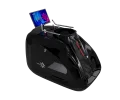
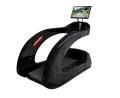
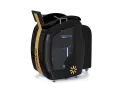
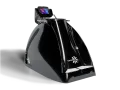


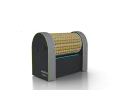
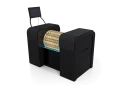
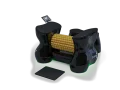
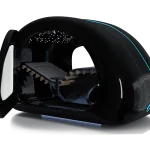
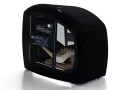
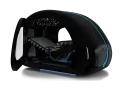




Кріосауна вдома: чому професійні камери перевершують споживчі пристрої
Так, ви можете мати кріосауну вдома. Але різниця між професійною камерою та звичайним холодним зануренням є значною: у досягнутій температурі, технології сеансу та в тому, що ваш організм фактично отримує під час сеансу. Цей посібник призначений для заможних людей, професійних спортсменів та біохакерів, які оцінюють інвестиції від 30 000 до 90 000 доларів США та більше в кріотерапію в стаціонарних умовах.
Компанія Vacuactivus виробляє кріокамери з 2009 року, встановивши понад 200 камер для бізнесу (B2B) у більш ніж 50 країнах. Будівництво житлових приміщень розпочалося у 2014 році, і установки були доставлені до резиденцій професійних спортсменів, перспективним спортсменам з високим рівнем фізичної підготовки, які прагнуть довголіття, та власникам студій відновлення, які добудовували прибудови до будинків. Наведене нижче порівняння відображає дані інженерії та польового обслуговування, а не маркетингове позиціонування.
Важливе попередження: кріосауна вдома – це серйозна інвестиція. Професійні кріосауни досягають температури від -53°C до -100°C залежно від технології (моделі з електричним охолодженням знаходяться в теплішому кінці, моделі з рідким азотом – в найхолоднішому діапазоні) за 2-3 хвилини. Споживчі холодні занурення досягають температури від 0°C до 15°C за 5-15 хвилин сеансів занурення. Вони забезпечують різні фізіологічні реакції за допомогою різних механізмів. Обидва варіанти мають свою цінність. Правильний вибір залежить від частоти використання, бюджету, доступного простору та того, які фізіологічні результати є найважливішими.
Професійна кріосауна проти споживчої холодної сауни: короткий огляд
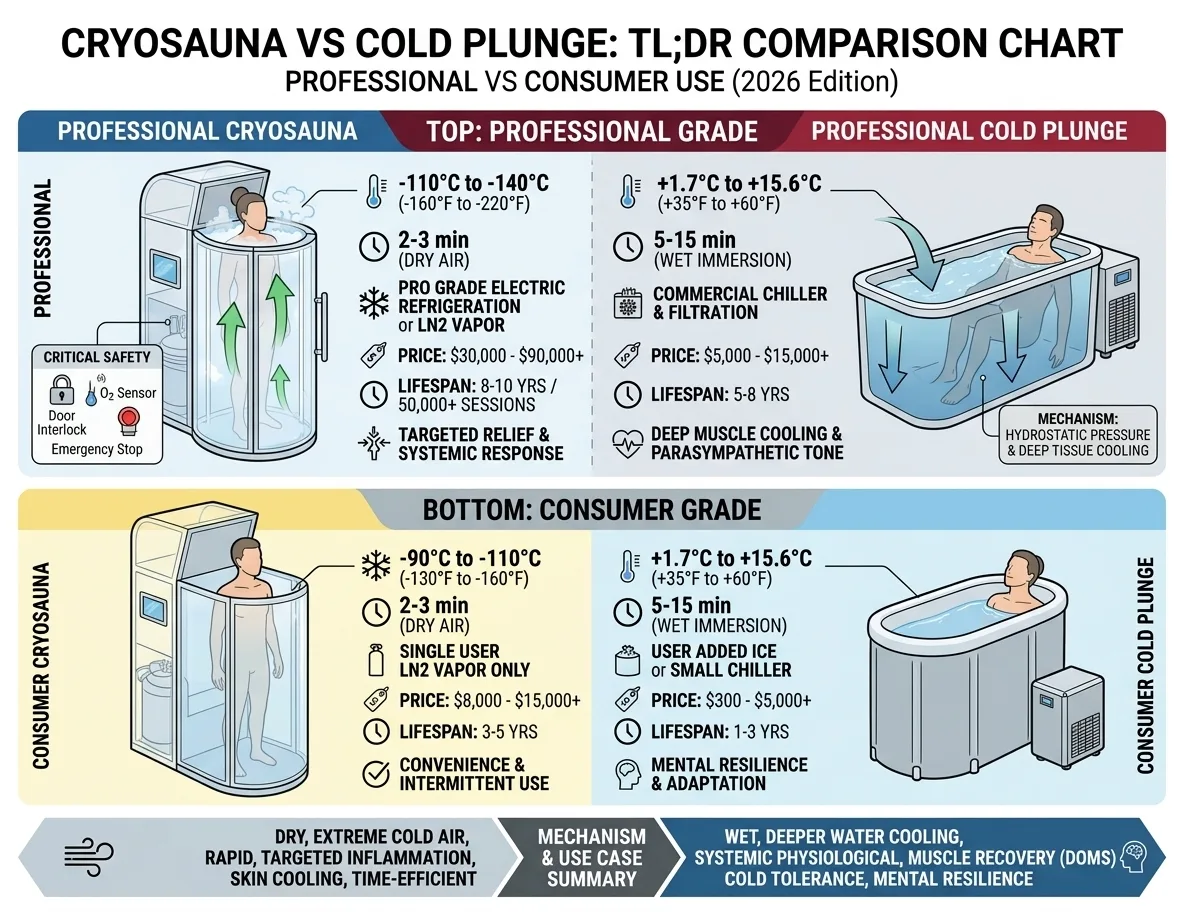
Порівняння TL;DR за вісьмома параметрами, які впливають на рішення покупця. Детальний аналіз наведено після таблиці.
| Параметр | Кріосауна професійного класу | Споживче холодне падіння |
|---|---|---|
| Діапазон температур | від -80°C до -140°C (від -112°F до -220°F) залежно від електрики або рідкого газу (LG2) | від 35°F до 60°F (від 1,7°C до 15,6°C) |
| Тривалість сеансу | 2-3 хвилини (сухий, кріогенний) | 5-15 хвилин (мокрий, занурення) |
| Механізм | Парове або електричне охолодження LN2 | Пряме занурення в холодну воду |
| Системи безпеки | Блокування дверей, датчик O2, аварійна зупинка | Мінімальний – контролюється користувачем |
| Ціновий діапазон (2026) | $30,000-$90,000+ | $300-$5,000 |
| Вартість встановлення | $2,000-$5,000 | $0-$500 |
| Тривалість життя | 8-10 років, понад 50 000 сеансів | 3-5 років (знос, пов'язаний з водою) |
| Статус FDA | Не схвалено FDA; деякі виробники дотримуються вимог 513(g) | Не регулюється |
Що таке кріосауна? (Короткий опис)
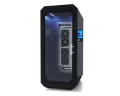
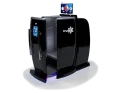
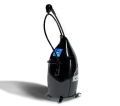
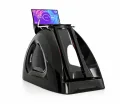
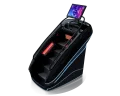
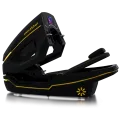
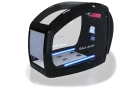
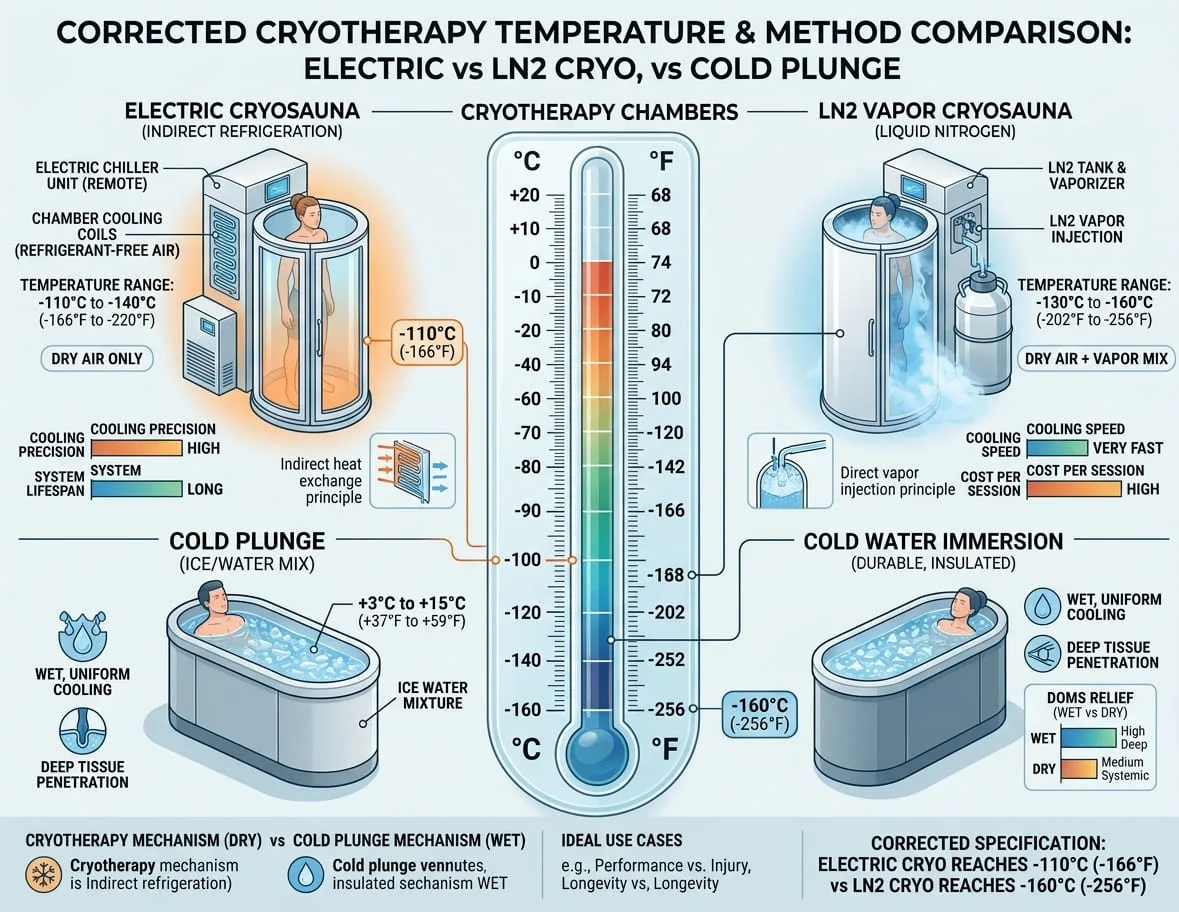
Кріосауна — це кріокамера з відкритою верхньою частиною, яка піддає тіло (головою назовні) впливу надзвичайно холодного повітря протягом 2-3 хвилинних сеансів. Холод генерується за допомогою пари рідкого азоту (LN2) або електричного охолодження. Електричні камери досягають температури приблизно від -80°C до -110°C (від -112°F до -166°F) біля стелі; камери LN2 досягають найнижчого діапазону приблизно до -140°C (від -220°F). Сеанс викликає швидке охолодження шкіри, вазоконстрикцію та вироблення норадреналіну, чого деякі користувачі шукають для відновлення, покращення настрою та метаболічних ефектів.
Кріосауна відрізняється від камери для кріотерапії всього тіла (WBC) без попереднього доступу: кріосауна має відкритий верх, а голова користувача знаходиться поза холодною зоною, тоді як камери WBC – це приміщення з можливістю негайного доступу, де все тіло, включаючи голову, знаходиться в холодному середовищі. Обидві камери забезпечують кріотерапію всього тіла, але через різні геометрії камер. Щоб дізнатися більше про фізіологію, переваги сеансу та економічну ефективність кріотерапії на основі камер, див. Вартість, ціна та переваги кріокамери для повного відновлення тіла який детально охоплює економіку покупця.
Чи можна мати кріосауну вдома?
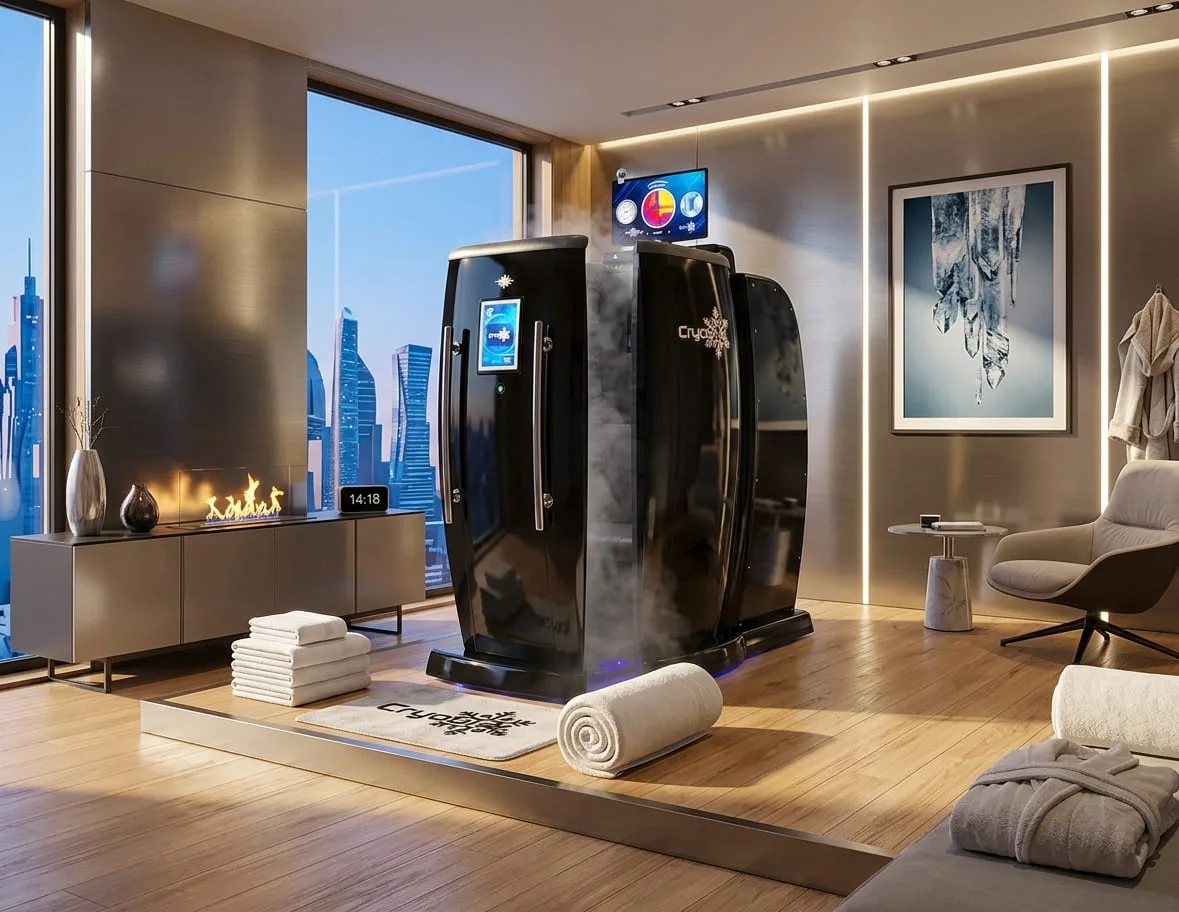
Так, але це вимагає серйозних інвестицій та інфраструктури. Сама камера коштує $30 000-$90 000+. Установка додає $2 000-$5 000 для підготовки приміщення, вентиляційних робіт, електромонтажу та (для моделей LN2) встановлення резервуара Дьюара з рідким азотом. Вимоги до простору: 1,5-2,5 квадратних метра для камери плюс простір для безпечного доступу оператора. Електрика: зазвичай 220 В для більшості професійних установок, 110 В доступно для деяких електричних моделей. Вантажопідйомність підлоги повинна витримувати вагу пристрою 250-450 кг.
Для моделей з рідким азотом обов'язкова вентиляція приміщення з датчиком кисню та звуковим сигналом тривоги O2. Пара LN2 витісняє кисень у замкнутому просторі; система безпеки запобігає гіпоксії. Ця специфікація встановлення не підлягає обговоренню. Типовий профіль житлових приміщень, для якого Vacuactivus встановлюється з 2014 року, включає професійних спортсменів, які виконують 5-7 сеансів на тиждень (післяігрові процедури відновлення, які використовують кріотерапію вдома, замість того, щоб планувати студійні заняття під час тренувань), людей з високим рівнем фізичної активності, які орієнтовані на довголіття, з щоденними протоколами біохакінгу, та власників студій відновлення, які будують прибудови до житлових приміщень. Власникам повсякденних домашніх спортзалів зазвичай краще підійде якісна холодна ванна в діапазоні від 1500 до 5000 доларів США.
Чому професійні камери перевершують споживчі пристрої
П'ять інженерних факторів відрізняють професійну кріокамеру від звичайної холодної ванни або крижаної ванни. Кожен з них впливає на те, що організм фактично отримує під час сеансу, та на довгострокову надійність обладнання.
Температура: від -112°F до -220°F проти 35°F до 60°F
Професійні кріосауни досягають температури від -80°C до -100°C залежно від технології охолодження. Моделі LN2 зазвичай досягають найнижчого діапазону (від -129°C до -140°C). Електричні (безазотні) камери досягають температури приблизно від -80°C до -110°C; флагман Vacuactivus Antarctica Electric знаходиться на межі цього діапазону -110°C. Споживчі холодні ванни мають температуру води 35-60°F. Крижані ванни досягають приблизно 32-50°F залежно від кількості льоду. Різниця в температурах не лише числова: кріогенний холод (нижче -38°C) викликає іншу швидкість і глибину вазоконстрикції, ніж занурення в холодну воду. Температура шкіри падає приблизно на 40°F за 3-хвилинний сеанс кріосауни порівняно з 10-15°F за типовий сеанс холодного занурення.
Час сеансу: 2-3 хв проти 5-15 хв
Професійні сеанси тривають максимум 2-3 хвилини. Надзвичайно низька температура швидко забезпечує дозу холоду, а коротка тривалість запобігає гіпотермії або пошкодженню тканин. Споживчі сеанси занурення в холодну воду зазвичай тривають 5-15 хвилин, оскільки м’якша температура вимагає тривалішого впливу для досягнення значущої фізіологічної реакції. Короткий сеанс кріосауни також є засобом безпеки: належним чином працююча професійна камера не може забезпечити достатню кількість холоду протягом 3 хвилин, щоб викликати гіпотермію у здорової дорослої людини, тоді як тривале занурення в холодну воду при температурі 35°F несе реальний ризик гіпотермії, якщо погано контролювати стан.
Механізм: азотна пара або електричний проти занурення у воду
Кріосауни LN2 впорскують рідкий азот у камеру, де він випаровується та створює сухе холодне повітря. Електричні кріокамери використовують компресорне охолодження промислового класу, подібне до медичних морозильних камер. Обидва варіанти подають сухий холод на поверхню шкіри. Холодні занурення та крижані ванни подають вологий холод через прямий контакт з водою. Терморегуляторна реакція відрізняється: сухий кріогенний холод викликає поверхневу вазоконстрикцію та різкий сплеск норадреналіну, тоді як занурення у воду призводить до глибшого охолодження тканин та повільнішої вазоконстрикції. Фізіологія відрізняється, не лише інтенсивність. Активація бурої жирової тканини була задокументована в обох методах, хоча й з різним часовим проміжком. Для глибшого занурення в безазотну кріотерапію див. Електрична кріокамера: як працює безазотна технологія який охоплює інженерні компроміси.
Системи безпеки: вбудовані чи саморобні
Професійні камери оснащені багаторівневими системами безпеки: блокування дверей, що запобігає роботі, коли двері відчинені, датчики наближення голови, що перевіряють положення користувача (деякі виробники використовують це на флагманських моделях), кнопка аварійної зупинки, доступна зсередини та зовні, датчик кисню зі звуковою сигналізацією (для моделей LN2), автоматичне відключення LN2, якщо температура перевищує порогове значення, та вимога присутності оператора. Холодні ванни для споживачів мають мінімальні функції безпеки, окрім базового термостата. Ризик переохолодження від використання крижаної ванни або холодного занурення без контролю задокументовано в медичній літературі; повідомлялося про випадки тривалих сеансів холодного занурення.
Тривалість життя: 8-10 років проти 3-5 років
Професійні кріотерапевтичні камери від відомих виробників забезпечують 8-10 років служби протягом понад 50 000 сеансів за умови належного обслуговування. Компресори промислового класу, герметичні підшипники та антимікробні внутрішні поверхні витримують велику кількість сеансів. Споживчі холодні камери служать 3-5 років через знос, пов'язаний з водою: деградація насоса, втрата ефективності чилера, руйнування герметика. Професійні камери мають гарантію виробника від 1 до 3 років; багато виробників пропонують розширені контракти на обслуговування.
Вимоги до встановлення домашньої кріосауни
Оцінка місця перед покупкою є важливою. Сама камера проста в установці; умови встановлення визначають, чи вона працює безпечно та ефективно. Компанія Vacuactivus engineering рекомендує потенційним мешканцям відвідати місце перед встановленням, щоб перевірити наведені нижче вимоги перед замовленням.
Площа, що займається: від 1,5 до 2,5 квадратних метрів для камери плюс 1 квадратний метр простору для доступу оператора та аварійного виходу. Вантажопідйомність підлоги: вага блоку 250-450 кг, вимагає встановлення на першому поверсі або перевіреної вантажопідйомності на верхньому поверсі. Електричне живлення: 220 В/30 А для більшості професійних установок; деякі електричні моделі підтримують 110 В/20 А, але зі зниженою холодопродуктивністю. Висота стелі: мінімум 7,5 футів для кріосаун з відкритим верхом, з просвітом для голови користувача над краєм камери.
Для моделей з рідким азотом (LG2) обов'язкова додаткова інфраструктура: бак Дьюара об'ємом 240-500 літрів для зберігання LG2 (постачається постачальником промислового газу, поповнюється кожні 2-4 тижні для активного домашнього використання), трубопровід подачі від баку Дьюара до камери, вентиляція приміщення, розрахована на об'єм витіснення LG2, та датчик кисню з порогом спрацьовування звукової сигналізації 19,51 TP3T O2. Вартість датчика кисню становить приблизно 1 TP4T400-1 TP4T800 і не є опціональним. Електричні камери усувають потребу в інфраструктурі для LG2, що значно спрощує встановлення в житлових приміщеннях.
Кріосауна вдома: реальні експлуатаційні витрати
Експлуатаційні витрати є другим за величиною фактором прийняття рішення після придбання камери. Наведена нижче розбивка відображає типові для галузі показники домашньої кріосауни, яка проводить 5-7 сеансів на тиждень.
| Стаття витрат | Річна сума (дол. США) | Нотатки |
|---|---|---|
| Рідкий азот (моделі LN2) | $800-$2,400 | 3-5 л за сеанс при ціні $1-$1.50/л; 5-7 сеансів/тиждень |
| Електрика (електричні моделі) | $200-$600 | $0.50-$2 за сеанс |
| Технічне обслуговування та сервіс | $500-$1,500 | Щорічний візит техніка + фільтри |
| Запасні частини (прокладки, датчики) | $100-$400 | Бюджет на одяг |
| Розширена гарантія (необов'язково) | $500-$1,500 | Гарантія виробника після 1-3 років |
| Навчання / підвищення кваліфікації операторів | $0-$300 | Якщо змінюється оператор домогосподарства |
Загальні річні експлуатаційні витрати на домашню кріосауну, яка проводить 5-7 сеансів на тиждень, становлять приблизно 1 900-1 6200 фунтів стерлінгів. Для порівняння, сеанси в комерційній студії кріотерапії зазвичай коштують 40-1 800 фунтів стерлінгів за сеанс; 5 сеансів на тиждень із середньою вартістю 60 фунтів стерлінгів дорівнюють приблизно 15 600 фунтів стерлінгів на рік. Беззбитковість домашнього обладнання порівняно з комерційними сеансами досягається через 2-4 роки для користувачів, які проводять 5+ сеансів на тиждень. Для користувачів, які проводять 1-2 сеанси на тиждень, комерційні візити залишаються більш економічно ефективними. Повні цифри за категоріями обладнання див. Скільки коштує апарат для кріотерапії?.
Кріосауна проти холодного занурення для домашнього використання
Вибір між кріосауною для дому та холодним зануренням полягає не в тому, що краще загалом; а в тому, що підходить для конкретного випадку використання. Холодні занурення виграють завдяки доступності вартості ($300-$5,000), простоті встановлення та наявній базі доказів ефективності занурення в холодну воду для спортивного відновлення. Кріосауни виграють за ефективністю сеансу (2-3 хвилини), безпекою від переохолодження, піковою інтенсивністю та шляхом терморегуляції сухого холоду.
Порівняння третіх сторін показує, що вартість сеансу комерційної кріотерапії становить $40-$80 порівняно з граничною вартістю $0 після придбання домашнього холодного занурення; галузеві огляди підсумовують обидва методи як ефективні для відновлення м’язів та відчуття болю, причому кріотерапія забезпечує ефект швидше за сеанс. Чесна позиція: холодне занурення є кращим вибором для більшості домашніх користувачів з міркувань економічної ефективності. Кріосауна є кращим вибором для користувачів, для яких ефективність сеансу, пікова інтенсивність, швидкість альтернативної крижаної ванни або контрольована безпека мають більше значення, ніж початкова вартість. Порівняльний аналіз варіантів кріотерапії на основі камер див. Кріотерапія часткового та цілого тіла: порівняльний аналіз.
Кому варто купувати кріосауну додому (а кому НІ)
Чесна сегментація аудиторії важлива, оскільки $30K-$90K – це суттєве зобов’язання. Наведені нижче закономірності відображають історію встановлення Vacuactivus у житлових приміщеннях з 2014 року.
Найкраще підходять для домашньої кріосауни: професійні спортсмени з 5-7 сеансами на тиждень, де відновлення є доходом (кріотерапія вдома виключає планування студії навколо тренувань); люди з високим рівнем доходу, орієнтовані на довголіття, з усталеними протоколами біохакінгу, де зручність і час цінуються вище за граничні витрати; власники студій відновлення, які будують прибудову до житлового будинку; серйозні біохакери з усталеною домашньою оздоровчою інфраструктурою (терапія червоним світлом, інфрачервона сауна, кімнати для відновлення), де кріосауна є головним доповненням. Для ширшого контексту біохакінгу див. Що таке біохакінг? Повний посібник з оптимізації продуктивності який охоплює структуру оздоровчого комплексу, в якій розташовані ці житлові будинки.
Не підходить для домашньої кріосауни: звичайним користувачам, які відвідують 1-2 сеанси на тиждень (відвідування комерційних студій коштує менше); покупцям з обмеженим бюджетом (ціна входу від $30K+ є порогом); невеликим приміщенням (площа 1,5-2,5 кв.м плюс 1 кв.м вільного простору плюс вимоги до вентиляції перевищують те, що пропонують більшість домашніх тренажерних залів); користувачам, які ще не пробували кріотерапію в комерційній студії (спочатку спробуйте, потім купіть); орендарям (встановлення є постійним, а обладнання занадто велике для легкого переміщення).
Цінові діапазони на домашні кріосауни (2026)
Широкий діапазон відображає різницю в характеристиках, електричній та LN2 технології, рівні гарантії, можливості налаштування та доставку. Усі цифри є типовою для галузі рекомендованою роздрібною ціною в доларах США за 2026 рік від відомих виробників кріокамер.
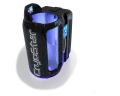
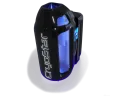
Електричні кріокамери початкового рівня: $30 000-$50 000. Вони забезпечують температуру від -80 °C до -110 °C (від -112 °F до -166 °F) з електричним охолодженням, базовим сенсорним керуванням, гарантією 1 рік та не потребують інфраструктури LN2. Кріосауни середнього класу LN2: $50 000-$70 000 з охолодженням LN2 від -200 °F до -220 °F, багатомовним сенсорним екраном, багаторівневими системами безпеки та гарантією 2 роки. Преміальні камери без підзарядки та багатомісні системи: $70 000-$120 000+ для встановлення кріокамер для всього тіла з кількома користувачами на сеанс, розширеним програмним забезпеченням для керування та розширеними гарантійними опціями. Встановлення додає від 2 000 до 5 000 фунтів стерлінгів за одиницю 4-5-ти фунтів стерлінгів залежно від електромонтажних робіт, вентиляції, сантехніки LN2 та підготовки підлоги. Vacuactivus пропонує варіанти лізингу та фінансування для комерційних та житлових конфігурацій CryoStar та Antarctica; ознайомтеся з ними. наші кріотерапевтичні камери для отримання інформації про поточні характеристики моделі та ціни.
Часті запитання
Q1. Чи можна мати кріосауну вдома?
Так, ви можете встановити кріосауну вдома, але це вимагає значних інвестицій ($30 000-$90 000+ за камеру, плюс $2 000-$5 000 за встановлення), достатнього простору (1,5-2,5 кв.м.), належної електромережі (зазвичай 220 В), а для моделей з рідким азотом - вентиляції приміщення з датчиком кисню. Vacuactivus постачає кріосауни для дому професійним спортсменам та заможним біохакерам з 2014 року. Це серйозна інвестиція, яка найкраще підходить для користувачів, які проводять 4-7 сеансів на тиждень.
Q2. Скільки коштує домашня кріокамера?
Електричні кріокамери початкового рівня починаються від 30 000 до 50 000 рупій за одиницю 4T. Кріосауни середнього класу на рідкому азоті коштують від 50 000 до 70 000 рупій за одиницю 4T. Преміальні камери без підзарядки або для кількох осіб коштують від 70 000 до 120 000 рупій за одиницю 4T+. Вартість встановлення додається до 2 000-5000 рупій за одиницю 4T. Варіанти оренди та фінансування доступні від більшості виробників, включаючи Vacuactivus.
Q3. Чи безпечна кріотерапія вдома?
Професійна кріосауна вдома безпечна за умови правильного встановлення з необхідними системами безпеки: блокуванням дверей, датчиками наближення до голови, датчиком аварійної зупинки та (для моделей LN2) датчиком кисню зі звуковою сигналізацією. Сеанс контролюється оператором (членом сім'ї або навченим користувачем); ніколи не використовуйте кріосауну самостійно протягом перших сеансів. Основний ризик: неправильна вентиляція LN2 може витісняти кисень у закритому приміщенні, тому датчик кисню та система вентиляції є обов'язковими для моделей LN2.
Q4. Яка різниця між кріосауною та холодним зануренням?
Професійна кріосауна використовує рідкий азот або електричне охолодження для досягнення температури від -53°C до -100°C протягом 2-3 хвилин сухого занурення. Під час холодного занурення використовується холодна вода (1-16°C) протягом 5-15 хвилин вологого занурення. Кріотерапія забезпечує інтенсивніший, контрольований холод за менший час та дозволяє уникнути ризику гіпотермії від тривалого впливу. Холодні занурення коштують $300-$5 000 проти $30K-$90K+ для професійних кріосаун. Це різні інструменти відновлення, спрямовані на різні шляхи терморегуляції, а не взаємозамінні продукти.
Q5. Наскільки холодно охолоджується домашня кріокамера?
Професійні домашні кріокамери досягають температури від -80°C до -140°C (від -112°F до -220°F) залежно від технології охолодження. Моделі з рідким азотом (LN2) зазвичай досягають найнижчого діапазону (від -129°C до -140°C). Електричні (безазотні) камери досягають температури приблизно від -80°C до -110°C (від -112°F до -166°F); флагман Vacuactivus Antarctica Electric знаходиться на межі цього діапазону -110°C. Холодні занурення та крижані ванни мають температуру від 35 до 60°F, що далеко не відповідає температурі кріосауни. Температура шкіри тіла падає приблизно на 40°F протягом 3-хвилинного сеансу кріосауни.
Q6. Чи працюють домашні кріокамери?
Так. Фізіологічна реакція в правильно встановленій домашній кріосауні ідентична комерційній, оскільки технологія камери така ж. Численні дослідження підтверджують переваги кріотерапії всього тіла для відновлення, зменшення запалення та лікування болю. Кваліфікатор для дому не знижує ефективність; він впливає на логістику та нагляд, а не на дозу холоду. Якість має значення: потрібна камера професійного класу від відомого виробника кріотерапевтичного обладнання, а не саморобна переобладнана камера.
Q7. Скільки рідкого азоту використовується в кріосауні?
Типове споживання зрідженого азоту (LG2) становить 3-5 літрів за 3-хвилинний сеанс (близько 0,8-1,3 галона). За середніми цінами на LG2 у США ($1-$1,50/л з доставкою), це коштує $3-$7,50 за сеанс. Інтенсивні користувачі (5-7 сеансів/тиждень) споживають приблизно 80-130 літрів на місяць. Більшість домашніх установок включають бак Дьюара на 240 або 500 літрів, який поповнюється кожні 2-4 тижні. Деякі електричні моделі Vacuactivus повністю виключають LG2.
Q8. Чи варті домашні кріосауни того?
Для професійних спортсменів, які використовують кріотерапію 5+ разів на тиждень, домашня кріосауна може окупитися протягом 2-4 років, порівняно з комерційними витратами в розмірі $50-$80 за сеанс. Для користувачів, які орієнтовані на довголіття, з подібною частотою, зручність та економія часу часто виправдовують вартість. Для звичайних користувачів (1-2 сеанси на тиждень) відвідування комерційної студії або якісне холодне занурення ($1,500-$5000) забезпечують кращу економічну ефективність. Беззбитковість залежить головним чином від частоти використання.
Висновок
Кріосауна вдома – це серйозна інвестиція, яка має реальні інженерні та фізіологічні відмінності від звичайних холодних занурень. Професійні камери досягають температури від -58°C до -100°C за допомогою пари рідкого азоту або електричного охолодження (електричні моделі від -58°C до -84°C, моделі LN2 до -100°C), забезпечують 2-3 хвилинні сеанси завдяки вбудованим системам безпеки, служать 8-10 років протягом понад 50 000 сеансів та коштують від 30 000 до 90 000 доларів США. Звичайні холодні занурення досягають температури від 1 до 16°C за допомогою занурення у воду, тривають 5-15 хвилин з мінімальними функціями безпеки, служать 3-5 років та коштують від 300 до 5000 доларів США. Обидва варіанти пропонують цінність для відповідного користувача; жоден з них не є універсально кращим.
Для потенційних клієнтів, які оцінюють встановлення в житлових приміщеннях, комерційні кріосауни Охопіть флагманську конфігурацію CryoStar з використанням азотної пари та електричну конфігурацію Antarctica з консультацією щодо виїзду на об'єкт. Для операторів студій, які розглядають розширення житлових приміщень або будівництво нових, див. бізнес-можливості кріотерапії ресурси, що охоплюють економіку комерційного та житлового будівництва.


