














Electric Cryotherapy Chamber: How Nitrogen-Free Technology Works
An electric cryotherapy chamber cools the chamber air using cascade refrigeration compressors and a closed-loop refrigerant circuit, without liquid nitrogen. The client stands in breathable dry air at -80°C to -110°C for a 2-3 minute session. Nitrogen-free operation eliminates the LN2 dewar, the industrial gas supply contract, the oxygen sensor requirement, and the specialized ventilation infrastructure that nitrogen (LN2) systems require. This engineering-team guide explains how the technology works, the honest tradeoffs versus nitrogen chambers, the operating temperature envelope, and the buyer decision framework for spa and wellness studio owners choosing between the two technologies.
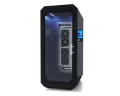
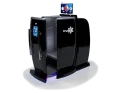
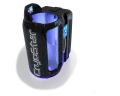
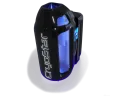
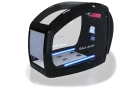
Vacuactivus has manufactured cryotherapy chambers in Poland (EU) since 2009 (over 15 years of production experience) and builds both electric (nitrogen-free) and nitrogen technology in the same catalogue. The electric line covers Antarctica Electric (down to -100°C / -148°F flagship), Antarctica WBC Electric (-80°C to -110°C / -112°F to -166°F operating envelope), and Antarctica Barrel Electric (-110°C / -166°F). The nitrogen line covers CryoStar (-170°C / -274°F) and Antarctica WBC Nitrogen (-140°C to -170°C / -220°F to -274°F). Because Vacuactivus engineers both technologies, this guide’s comparison is not an anti-nitrogen pitch; the two technologies serve different studio economics and audience profiles, and we ship both.
The audience for this article is spa, wellness studio, and recovery center operators evaluating a cryotherapy equipment purchase in the $30K-$120K range, plus commercial developers considering cryotherapy as an amenity in high-end residential and hotel projects. The tone is technical-pragmatic, B2B: what electric technology actually is, what it delivers, what it does not deliver, and when nitrogen remains the right choice.
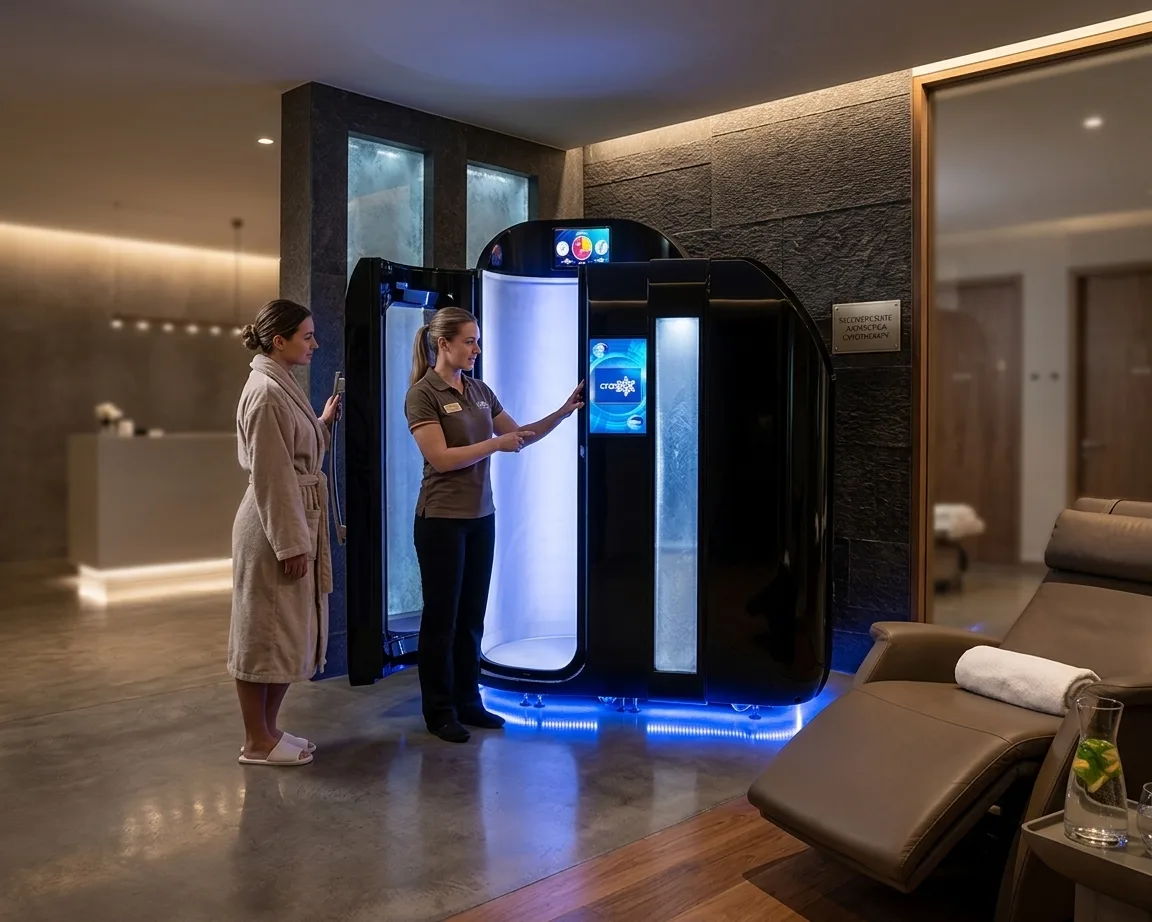
How Does an Electric Cryotherapy Chamber Work?
An electric cryotherapy chamber cools the chamber air through a closed-loop refrigeration circuit built on industrial-grade compressors and cascade heat exchange. The system inhales ambient air, drops its temperature to the -80°C to -110°C operating envelope through multi-stage compression and refrigerant evaporation, circulates the cold dry air through the chamber, and exhausts warmer air continuously through the return loop. No liquid nitrogen, no phase-change vapor, no oxygen displacement. The atmosphere inside the chamber remains breathable dry air throughout the session.
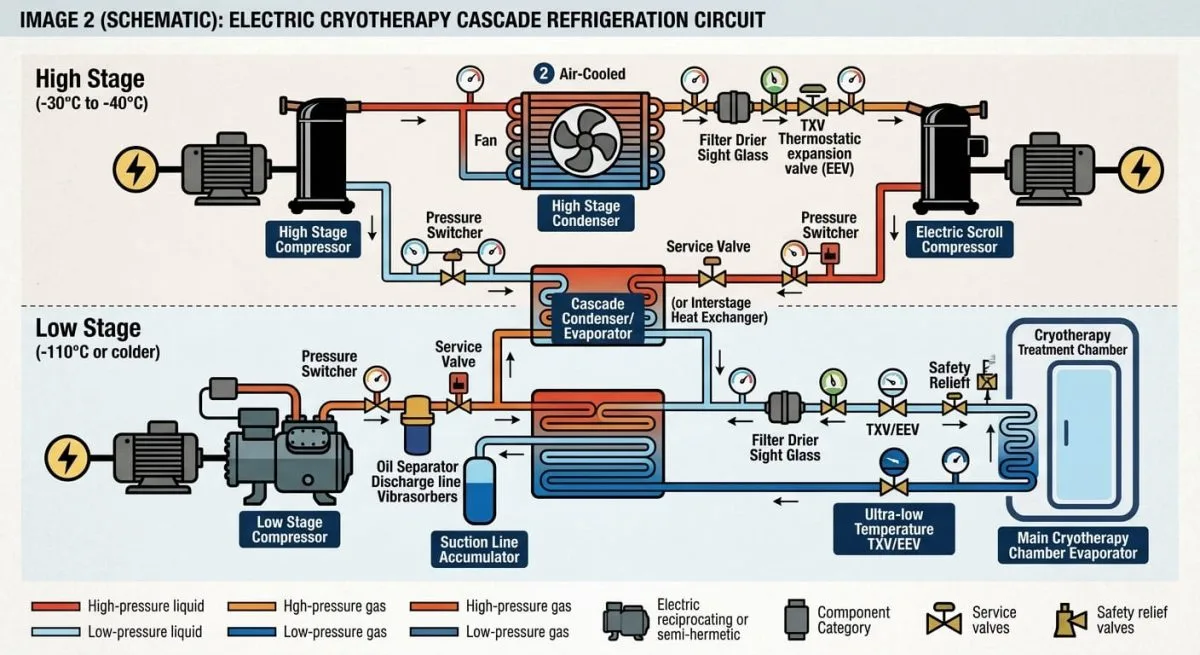
The Cascade Refrigeration Circuit
Achieving temperatures below approximately -45°C in a single-stage refrigeration circuit is thermodynamically inefficient. Electric cryotherapy chambers use cascade refrigeration: two independent refrigeration circuits linked through a cascade heat exchanger. The high-stage circuit uses a common commercial refrigerant (R-404A or similar) to cool an intermediate heat exchanger to around -40°C. The low-stage circuit uses a low-temperature refrigerant (R-508B or equivalent low-GWP alternative) that boils at extreme sub-zero temperatures, and it draws its heat sink from the pre-cooled cascade heat exchanger. This two-stage configuration allows the low-stage circuit to reach the -80°C to -110°C envelope required for whole-body cryotherapy chambers. Higher-tier professional electric chambers reach the -110°C ceiling; entry-tier models sit at -80°C to -90°C.
Breathable-Air Atmosphere
The critical operational difference from nitrogen technology is that the chamber atmosphere remains breathable throughout the session. There is no LN2 vapor injection, so ambient air is not displaced, and oxygen concentration remains at normal 20.9%. This eliminates the gasping-reflex trigger that some clients experience with LN2 chambers (the sudden cold-and-oxygen-displacement combination). It also eliminates the O2 sensor requirement, the audible O2 alarm system, and the specialized ventilation infrastructure that nitrogen installations mandate for occupied-space safety. Session experience differs subjectively: electric chambers feel like standing in a freezer, while nitrogen chambers include the visible LN2 vapor ‘fog’ that some clients find part of the experience appeal.
Vacuactivus Electric Chamber Product Line
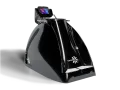
The Vacuactivus electric line covers three configurations across the -80°C to -110°C operating envelope. All three run on standard commercial electrical service (typically 220V/32A) without requiring LN2 supply or specialized site infrastructure beyond HVAC-friendly ambient exhaust.
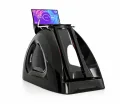
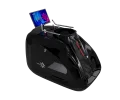
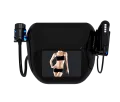
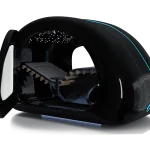
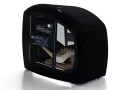
- Antarctica Electric (flagship, down to -100°C / -148°F operating temperature): mid-range temperature ceiling with cost-effective refrigeration package. Best fit for studios prioritizing operational simplicity over peak cold intensity, and for residential installations where LN2 logistics are undesirable.
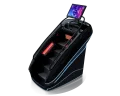
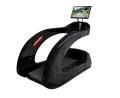
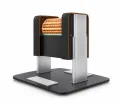
- Antarctica WBC Electric (-80°C to -110°C / -112°F to -166°F operating envelope): wider temperature range with the -110°C ceiling reached in the higher-tier configuration. Best fit for studios wanting the electric technology’s full temperature range including the -110°C cap that matches the operational feel of entry-tier nitrogen chambers without LN2 logistics.
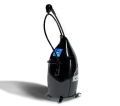
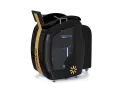
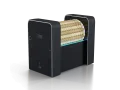
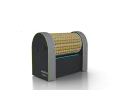
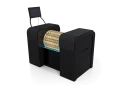
- Antarctica Barrel Electric (-110°C / -166°F operating temperature): open-top barrel-format chamber with the -110°C ceiling in a smaller footprint than the walk-in configurations. Best fit for smaller studios where floor space is tight or where the open-top format matches client preference.
For the broader nitrogen product line and combined-catalogue overview, see commercial cryotherapy chambers which covers both electric and nitrogen configurations with full specification sheets.
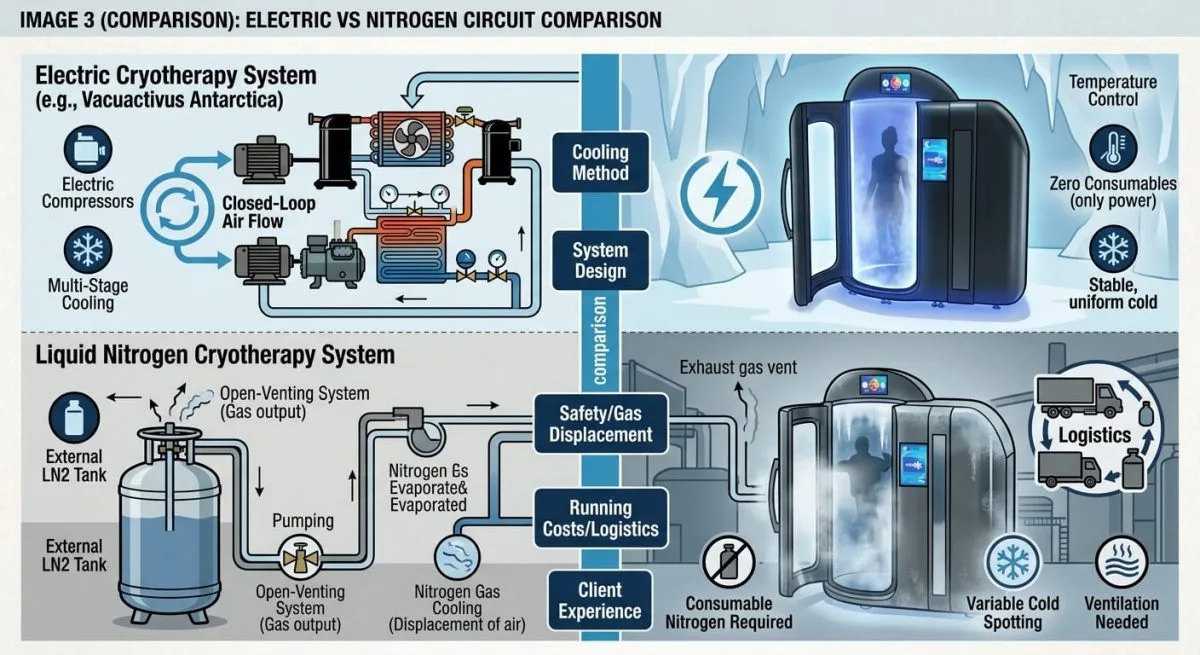
Electric vs Nitrogen: Honest Comparison
Both technologies deliver whole-body cryotherapy sessions. They differ in operating envelope, safety infrastructure, session experience, and studio economics. The table below organizes the comparison across the parameters that drive the studio-operator buyer decision. This is not a case for one technology over the other; the right answer depends on studio positioning, client demographics, site constraints, and total-cost-of-operation analysis over a 5-8 year equipment lifespan.
| Parameter | Electric (Nitrogen-Free) | Nitrogen (LN2) |
|---|---|---|
| Cooling method | Cascade refrigeration compressors + closed-loop refrigerant | Liquid nitrogen (LN2) vapor injection into chamber |
| Chamber atmosphere | Breathable dry air (no gasping-reflex trigger) | LN2 vapor displaces ambient air; O2 concentration monitored |
| Operating temperature (Vacuactivus spec) | -80°C to -110°C (-112°F to -166°F) | -140°C to -170°C (-220°F to -274°F) |
| Session duration | 2-3 minutes | 2-3 minutes |
| Cooldown time to operating temp | 45-90 min from ambient (compressor stabilization) | 5-15 min from ambient (LN2 injection) |
| LN2 supply logistics | None required | Dewar tank + supply contract with industrial gas provider |
| Oxygen sensor requirement | Not required (breathable air) | Required (19.5% O2 audible alarm) |
| Consumables per session | Electricity (~$0.50-$2) | 3-5 L LN2 (~$3-$7.50) |
| Equipment cost range (2026) | $30,000-$80,000 depending on model | $40,000-$120,000+ |
| Installation complexity | Simpler (electrical + HVAC exhaust) | More complex (dewar + O2 sensor + LN2 plumbing) |
Third-party market note: some external manufacturers advertise electric cryotherapy chambers reaching temperatures approaching -140°C. Those figures approach or overlap the nitrogen technology’s operating range and typically require more aggressive refrigeration engineering than standard cascade configurations. Vacuactivus electric models sit within the -80°C to -110°C envelope where cascade refrigeration operates efficiently; buyers evaluating third-party electric chambers claiming -140°C should verify the actual delivered chamber temperature in independent operating conditions rather than the datasheet nameplate figure.
Safety and Operations
Electric cryotherapy chambers include layered safety systems similar to nitrogen chambers, with two key simplifications reflecting the breathable-air atmosphere.
Standard electric chamber safety systems: door interlock preventing operation when door is open; temperature sensor array monitoring chamber air and refrigerant circuit; emergency stop button accessible inside and outside; refrigerant circuit high-pressure and low-pressure cutoffs; automatic compressor shutdown on overtemp or fault detection; operator presence recommended during residential sessions (as with any cryotherapy modality); head proximity sensors on higher-tier commercial models. Two safety elements that nitrogen chambers require but electric chambers do NOT need: oxygen sensor with audible alarm (breathable air atmosphere means no O2 displacement risk); specialized ventilation infrastructure sized for LN2 vapor evacuation. This absence of O2 sensor and LN2-specific ventilation simplifies installation and reduces failure modes.
Installation and Site Requirements
Electric cryotherapy chambers install into standard commercial spa infrastructure without specialized gas supply. The requirements below reflect typical Vacuactivus Antarctica Electric commercial installation.
Electrical: 220V/32A dedicated circuit (some entry-tier models accept 110V/20A with reduced refrigeration capacity). Footprint: 1.5-2.5 sqm for the chamber plus 1 sqm operator clearance. Ceiling height: 7.5 feet minimum for walk-in configurations, 7 feet for open-top barrel format. Ventilation: HVAC-friendly ambient exhaust (no specialized LN2 evacuation infrastructure). Floor loading: 250-450 kg unit weight requires either ground-floor installation or verified upper-floor load capacity. Ambient environment: 18-24°C room temperature for optimal compressor performance; the chamber cannot operate efficiently in an overheated equipment room. Water: none required. LN2 supply: none. Oxygen sensor: none required. Total installation cost typically runs $1,500-$3,500 depending on electrical work and any structural preparation, compared to $3,500-$6,500 for equivalent nitrogen installations that require LN2 dewar plumbing and O2 sensor wiring.
Session Experience: What Clients Feel
A 2-3 minute session in an electric cryotherapy chamber at -80°C to -110°C delivers the same physiological cold-shock response as a nitrogen session at the same nominal temperature: rapid skin cooling, vasoconstriction, downstream norepinephrine spike, mood/energy response reported by users. Session experience differs subjectively rather than physiologically:
- Breathable dry air throughout – no cold-vapor breathing sensation, no gasping-reflex trigger. Some clients specifically prefer electric for this reason (particularly clients with mild breathing anxiety around vapor-fog environments).
- No visible LN2 vapor ‘fog’ in the chamber – the visual drama that some clients find part of the experience appeal is absent. Marketing photography and Instagram content differ (a consideration for studios positioning around visual client experience).
- Steady temperature profile – electric chambers hold set-point temperature via compressor cycling rather than the temperature drops of LN2 vapor injection cycles. Some operators describe the electric experience as ‘more clinical’ and the nitrogen experience as ‘more theatrical’.
- Sound profile: audible compressor operation during sessions (typical 60-65 dBA at the chamber) vs the LN2 injection hiss and vapor sound of nitrogen sessions. Neither is intrusive; both are within normal spa equipment ambient noise.
Real Numbers: Operating Costs and ROI
Total cost of ownership over a 5-8 year equipment lifespan is often the decisive factor separating electric vs nitrogen for a studio decision. The numbers below are 2026 industry-typical figures for a commercial studio running 5-10 sessions per day.
Electric chamber operating costs: electricity approximately $0.50 to $2 per session (varies by regional electricity rates and cascade compressor efficiency), no LN2 supply, no oxygen sensor calibration or dewar rental fees. Annual electricity for 5-10 sessions/day at 25 working days per month: $600-$3,000. Annual service: $500-$1,500 for compressor maintenance, refrigerant top-up, and system diagnostics. Nitrogen chamber operating costs: LN2 approximately $3 to $7.50 per session (3-5 L LN2 at $1-$1.50/L delivered), oxygen sensor calibration $300-$600/year, dewar rental (if not owned) $600-$1,800/year. Annual LN2 for 5-10 sessions/day: $3,600-$18,000. Annual service: $800-$2,000 including LN2 supply logistics management. Net operational difference: electric chambers typically save $3,000-$15,000 per year in consumables and LN2 logistics, offsetting a portion of the upfront cost differential. Break-even on electric-vs-nitrogen operational savings typically occurs in years 2-4 for studios at 5+ sessions per day. For studios weighing the total cryotherapy equipment cost picture including installation and 5-year TCO, see Cryosauna at Home: Why Professional-Grade Chambers Outperform Consumer Devices which covers commercial and residential economics with the same electric vs LN2 framing applied to the residential purchase decision.
Who Should Choose Electric (and Who Should Choose Nitrogen)
Honest segmentation. Electric is not universally superior; nitrogen retains legitimate use cases.
Best fit for electric: studios prioritizing operational simplicity and LN2-logistics elimination; new studios without established LN2 supplier relationships; residential and hotel installations where LN2 delivery is impractical; markets with expensive or unreliable LN2 supply; operators wanting to minimize ongoing consumable costs and O2 sensor calibration overhead; studios where breathable-air client experience matches audience preference (particularly clients with mild claustrophobia or vapor-anxiety who prefer visible dry air over the LN2 fog environment).
Best fit for nitrogen: studios wanting the lowest possible operating temperatures (-140°C to -170°C range for clients seeking peak cold intensity); markets with established, low-cost LN2 supply infrastructure; studios positioning around the visual LN2 vapor experience (Instagram content, first-time-visitor drama); large-volume operations where LN2 economics of scale outweigh operational simplicity; recovery centers specifically catering to elite athletes or biohackers who benchmark against nitrogen-only competitor facilities. Vacuactivus offers both technologies specifically because the right choice depends on studio positioning; explore whole body cryotherapy sauna systems for the WBC configurations across both technologies.
Recovery Ecosystem Context
Cryotherapy is one modality within a broader recovery equipment ecosystem that commercial studios deploy. Common companion modalities include red light therapy (photobiomodulation for skin, muscle, and pain applications), infrared sauna (heat therapy), zero-gravity massage chairs (relaxation and mild compression), body rolling equipment, and pressotherapy (compression garment lymphatic drainage – a third-party market category not manufactured by Vacuactivus; studios sourcing pressotherapy source from third-party manufacturers such as Ballancer, Zemits, CarePump, Canta Esthetic). The B2B equipment mix that commercial studios deploy varies by target client demographic. Electric cryotherapy chambers pair naturally with other Vacuactivus wellness equipment in multi-modality studio configurations.
Frequently Asked Questions
Q1. How does an electric cryotherapy chamber work?
An electric cryotherapy chamber cools the chamber air using cascade refrigeration: two staged compressor circuits and a cascade heat exchanger drop the air temperature to -80°C to -110°C (Vacuactivus electric envelope) using industrial refrigerants and no liquid nitrogen. The client stands in breathable dry air for a 2-3 minute session. Since no LN2 is used, no oxygen displacement occurs, and no O2 sensor or specialized ventilation is required.
Q2. What is a nitrogen-free cryotherapy chamber?
A nitrogen-free cryotherapy chamber is an electric cryotherapy chamber that uses refrigeration compressors rather than liquid nitrogen (LN2) to reach cryogenic temperatures. Because the chamber atmosphere remains breathable ambient air (not LN2 vapor), the client breathes normally during the session, and the installation does not require LN2 supply infrastructure, oxygen sensors, or specialized ventilation.
Q3. What temperature does an electric cryotherapy chamber reach?
Vacuactivus electric cryotherapy chambers operate in the -80°C to -110°C envelope (-112°F to -166°F). The Antarctica Electric flagship reaches -100°C (-148°F); the Antarctica WBC Electric reaches the -110°C ceiling; the Antarctica Barrel Electric operates at -110°C. Some third-party manufacturers advertise electric chambers approaching -140°C, though that range overlaps nitrogen technology’s operating envelope and warrants independent verification of actual chamber-air temperature under operating conditions. Nitrogen chambers reach the coldest end of the industry range (-140°C to -170°C).
Q4. Is electric cryotherapy as effective as nitrogen?
For the physiological cold-shock response – rapid skin cooling, vasoconstriction, norepinephrine release – electric chambers at -80°C to -110°C deliver the same core mechanism as nitrogen chambers at their operating envelope. Session duration (2-3 minutes) is identical. The difference is peak temperature, not physiological mechanism. Clinical research on whole-body cryotherapy has been conducted across both technology categories with similar reported outcomes for recovery, mood, and inflammation applications. Clients seeking the coldest peak intensity may prefer nitrogen; clients prioritizing breathable-air experience may prefer electric.
Q5. How much does an electric cryotherapy chamber cost?
Commercial electric cryotherapy chambers from Vacuactivus and comparable manufacturers run $30,000-$80,000 in 2026, depending on model, configuration, warranty tier, and shipping. Installation adds $1,500-$3,500 for standard commercial spa integration. Total investment therefore typically lands in the $32K-$85K range for a walk-in electric chamber ready for commercial operation. Nitrogen chambers of comparable commercial-grade specification run $40,000-$120,000+ with $3,500-$6,500 installation, reflecting the LN2 infrastructure requirements.
Q6. What are the operating costs of an electric cryotherapy chamber?
Per-session operating cost for electric chambers is approximately $0.50 to $2 in electricity, with no LN2 supply, no O2 sensor calibration, and no dewar rental. Annual operating cost for a studio running 5-10 sessions per day (25 working days/month) typically runs $1,100-$4,500 including electricity plus routine maintenance. Nitrogen chambers at equivalent utilization typically run $4,400-$20,000+ annually including LN2 supply and O2 sensor calibration. Total savings on operational cost for electric vs nitrogen typically fall in the $3K-$15K/year range at commercial utilization.
Q7. Do electric cryotherapy chambers need special installation?
No specialized gas supply or ventilation infrastructure is required. Standard commercial spa requirements: 220V/32A dedicated electrical circuit, 1.5-2.5 sqm chamber footprint plus 1 sqm operator clearance, 7-7.5 ft ceiling, standard HVAC-friendly ambient exhaust, floor load capacity for 250-450 kg unit weight. No LN2 dewar plumbing, no oxygen sensor wiring, no specialized vapor evacuation. Installation cost typically $1,500-$3,500 for commercial spa integration.
Q8. Should I choose electric or nitrogen cryotherapy for my studio?
Choose electric if you prioritize operational simplicity, want to eliminate LN2 supply logistics, are in a market with expensive or unreliable LN2 supply, or run residential/hotel installations where LN2 delivery is impractical. Choose nitrogen if you want the coldest peak temperatures (-140°C to -170°C), have established low-cost LN2 supply, are positioning around the visual LN2 vapor experience, or serve elite athlete recovery clients who benchmark against nitrogen-only facilities. Both technologies deliver the core cold-shock physiology; the decision hinges on operational fit and audience positioning.
Conclusion
Electric cryotherapy chambers deliver whole-body cryotherapy in the -80°C to -110°C envelope using cascade refrigeration compressors and breathable air, with no liquid nitrogen supply, no O2 sensor requirement, and no specialized ventilation infrastructure. Nitrogen chambers reach the coldest peak temperatures (-140°C to -170°C) at the cost of LN2 supply logistics and additional safety systems. Both technologies deliver the same core physiological response; the studio decision hinges on operational fit, site constraints, and audience positioning.
For studios evaluating the full electric vs nitrogen picture across both Vacuactivus product lines, the Antarctica Electric (down to -100°C), Antarctica WBC Electric (-80°C to -110°C), and Antarctica Barrel Electric (-110°C) cover the electric portfolio, while CryoStar (-170°C) and WBC Nitrogen (-140°C to -170°C) cover the nitrogen portfolio. Explore commercial cryotherapy chambers for full specification sheets across both technologies. For studio operators considering the full business case (equipment selection, capital planning, revenue models, market entry), see the cryotherapy business opportunity resource covering business-launch economics.


