



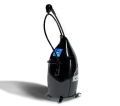

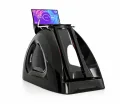
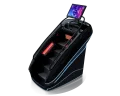
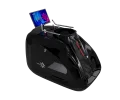
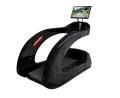
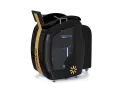
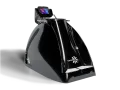

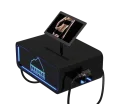
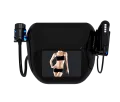

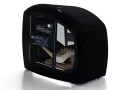
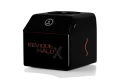
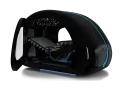

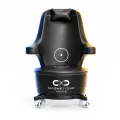




Cameră de crioterapie electrică: Cum funcționează tehnologia fără azot
O cameră de crioterapie electrică răcește aerul din cameră folosind compresoare de refrigerare în cascadă și un circuit frigorific cu buclă închisă, fără azot lichid. Clientul stă în aer uscat respirabil la o temperatură de -80°C până la -110°C timp de o sesiune de 2-3 minute. Funcționarea fără azot elimină recipientul Dewar LN2, contractul de furnizare a gazului industrial, necesitatea senzorului de oxigen și infrastructura specializată de ventilație necesară sistemelor cu azot (LN2). Acest ghid al echipei de ingineri explică modul în care funcționează tehnologia, compromisurile corecte față de camerele cu azot, limitele de temperatură de funcționare și cadrul de decizie al cumpărătorului pentru proprietarii de spa și studiouri de wellness care aleg între cele două tehnologii.
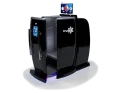
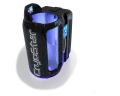
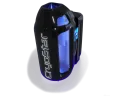
Vacuactivus produce camere de crioterapie în Polonia (UE) din 2009 (cu peste 15 ani de experiență în producție) și construiește atât tehnologie electrică (fără azot), cât și tehnologie cu azot în același catalog. Linia electrică acoperă Antarctica Electric (flagship până la -100°C / -148°F), Antarctica WBC Electric (interval de funcționare -80°C până la -110°C / -112°F până la -166°F) și Antarctica Barrel Electric (-110°C / -166°F). Linia de azot acoperă CryoStar (-170°C / -274°F) și Antarctica WBC Nitrogen (-140°C până la -170°C / -220°F până la -274°F). Deoarece Vacuactivus proiectează ambele tehnologii, comparația din acest ghid nu este o prezentare anti-azot; cele două tehnologii deservesc economii de studio și profiluri de public diferite, iar noi le livrăm pe amândouă.
Publicul țintă al acestui articol sunt operatorii de spa-uri, studiouri de wellness și centre de recuperare care evaluează achiziționarea unui echipament de crioterapie din gama $30K-$120K, plus dezvoltatorii comerciali care iau în considerare crioterapia ca o facilitate în proiecte rezidențiale și hoteliere de lux. Tonul este tehnico-pragmatic, B2B: ce este de fapt tehnologia electrică, ce oferă, ce nu oferă și când azotul rămâne alegerea potrivită.
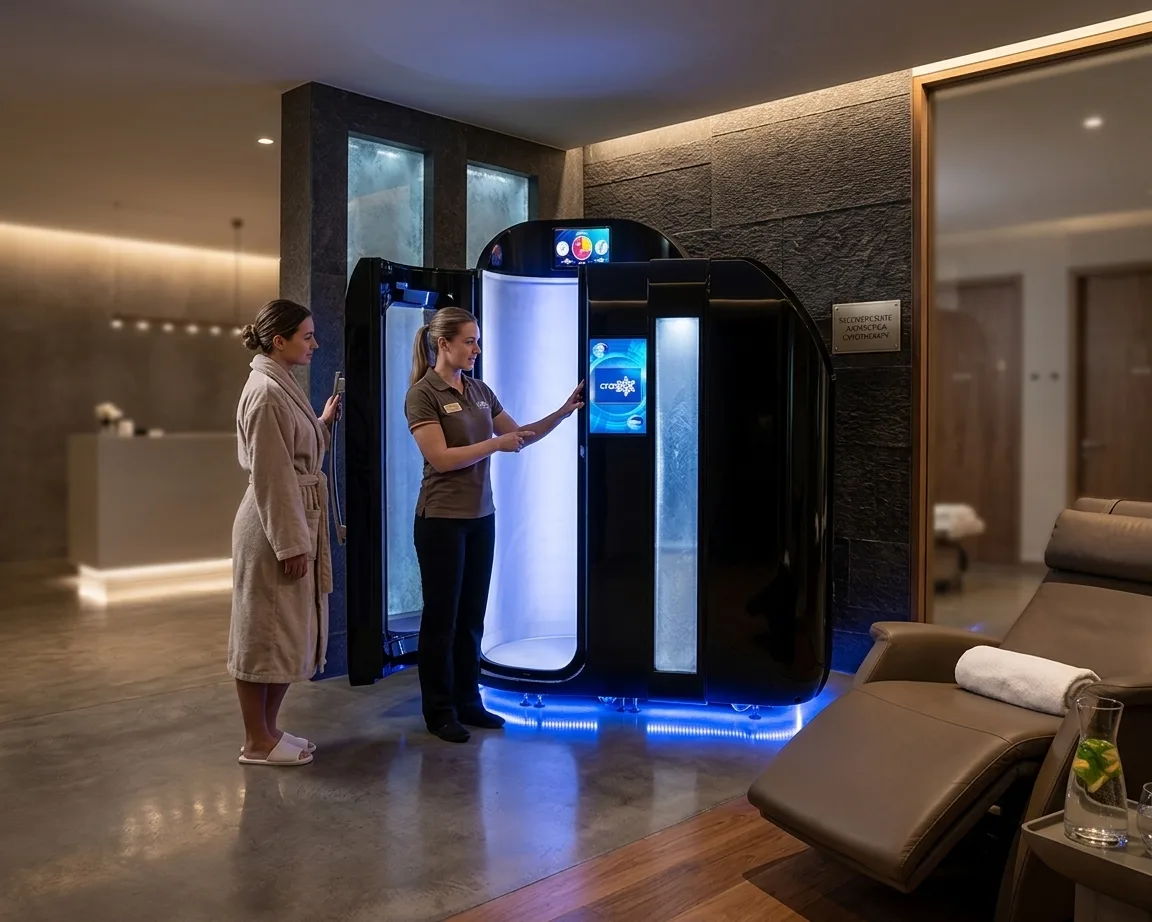
Cum funcționează o cameră de crioterapie electrică?
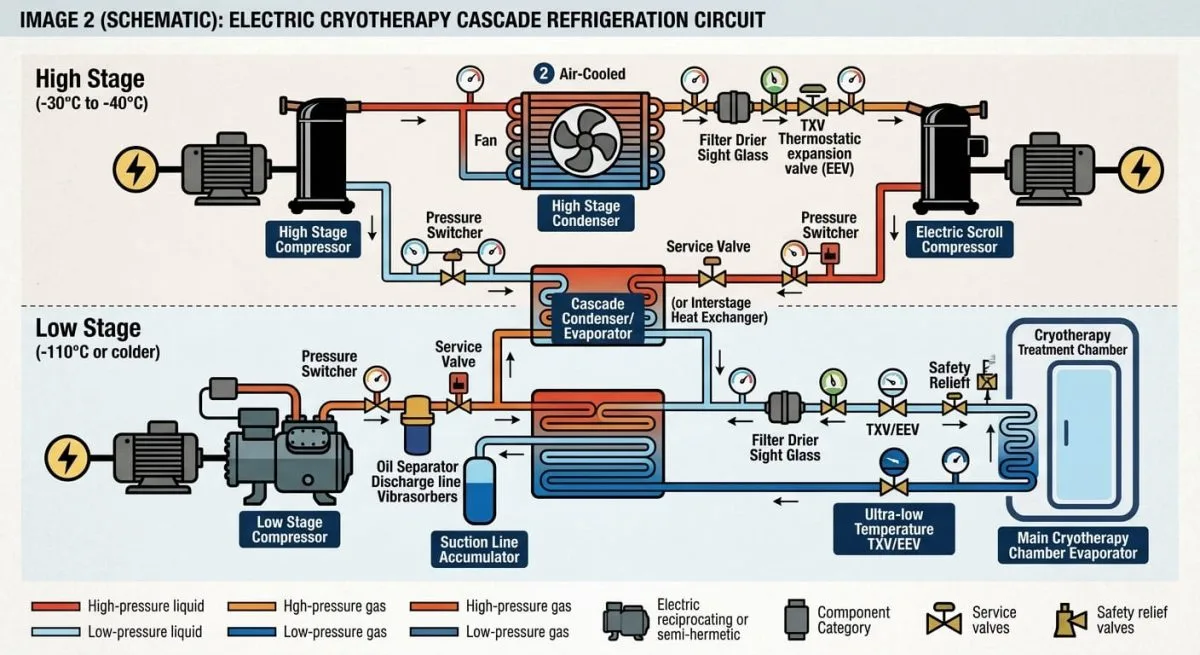
O cameră de crioterapie electrică răcește aerul din cameră printr-un circuit de refrigerare cu buclă închisă, construit pe compresoare de calitate industrială și schimbător de căldură în cascadă. Sistemul inhalează aer ambiental, îi scade temperatura la o temperatură de funcționare cuprinsă între -80°C și -110°C prin compresie în mai multe etape și evaporare a agentului frigorific, circulă aerul rece și uscat prin cameră și evacuează continuu aerul mai cald prin bucla de retur. Fără azot lichid, fără vapori de schimbare de fază, fără înlocuire de oxigen. Atmosfera din interiorul camerei rămâne aer uscat și respirabil pe tot parcursul sesiunii.
Circuitul de refrigerare în cascadă
Atingerea temperaturilor sub aproximativ -45°C într-un circuit de refrigerare cu o singură treaptă este ineficientă din punct de vedere termodinamic. Camerele electrice de crioterapie utilizează refrigerarea în cascadă: două circuite de refrigerare independente conectate printr-un schimbător de căldură în cascadă. Circuitul în treapta superioară utilizează un agent frigorific comercial comun (R-404A sau similar) pentru a răci un schimbător de căldură intermediar la aproximativ -40°C. Circuitul în treapta inferioară utilizează un agent frigorific la temperatură joasă (R-508B sau o alternativă echivalentă cu GWP scăzut) care fierbe la temperaturi extreme sub zero grade și își ia căldura din schimbătorul de căldură în cascadă pre-răcit. Această configurație în două trepte permite circuitului în treapta inferioară să atingă limita de temperatură de la -80°C la -110°C necesară pentru camerele de crioterapie pentru întregul corp. Camerele electrice profesionale de nivel superior ating limita de -110°C; modelele de bază ating valori de la -80°C la -90°C.
Atmosferă de aer respirabil
Diferența operațională critică față de tehnologia cu azot este că atmosfera camerei rămâne respirabilă pe tot parcursul sesiunii. Nu există injecție de vapori de LN2, astfel încât aerul ambiental nu este deplasat, iar concentrația de oxigen rămâne la valoarea normală de 20,9%. Acest lucru elimină reflexul de gâfâire pe care îl experimentează unii clienți cu camerele cu LN2 (combinația bruscă de frig și deplasare a oxigenului). De asemenea, elimină necesitatea senzorului de O2, a sistemului de alarmă sonoră de O2 și a infrastructurii specializate de ventilație pe care instalațiile cu azot le impun pentru siguranța spațiului ocupat. Experiența sesiunii diferă subiectiv: camerele electrice dau senzația că stai într-un congelator, în timp ce camerele cu azot includ ‘ceața’ vizibilă de vapori de LN2 pe care unii clienți o consideră parte a experienței.
Linia de produse Vacuactivus pentru camere electrice
Linia electrică Vacuactivus acoperă trei configurații în domeniul de funcționare de la -80°C la -110°C. Toate trei funcționează cu alimentare comercială standard (de obicei 220V/32A) fără a necesita alimentare cu LN2 sau infrastructură specializată la fața locului, dincolo de evacuarea gazelor ambientale compatibilă cu sistemele HVAC.
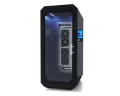
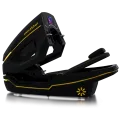
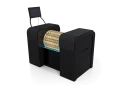
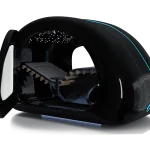
- Antarctica Electric (produs emblematic, temperatură de funcționare până la -100°C / -148°F): plafon de temperatură la intervale medii cu pachet de refrigerare rentabil. Ideal pentru studiouri care prioritizează simplitatea operațională în detrimentul intensității maxime a temperaturii scăzute și pentru instalații rezidențiale unde logistica cu LN2 nu este de dorit.
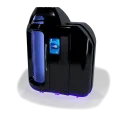
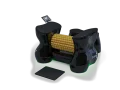
- Antarctica WBC Electric (interval de funcționare între -80°C și -110°C / -112°F și -166°F): interval de temperatură mai larg, cu un plafon de -110°C atins în configurația de nivel superior. Potrivit pentru studiourile care doresc gama completă de temperatură a tehnologiei electrice, inclusiv plafonul de -110°C, care se potrivește cu senzația operațională a camerelor de azot de nivel entry-level, fără logistică LN2.
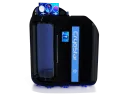
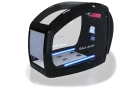
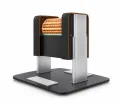
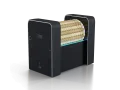
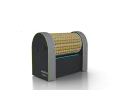
- Antarctica Barrel Electric (temperatură de funcționare -110°C / -166°F): cameră de format butoi cu plafon deschis, cu plafon de -110°C, într-o amprentă mai mică decât configurațiile walk-in. Potrivită pentru studiouri mai mici, unde spațiul de lucru este restrâns sau unde formatul cu vârf deschis se potrivește preferințelor clientului.
Pentru o linie mai largă de produse cu azot și o prezentare generală a catalogului combinat, consultați camere de crioterapie comerciale care acoperă atât configurațiile electrice, cât și cele cu azot, cu fișe complete de specificații.
Electricitate vs. Azot: Comparație sinceră
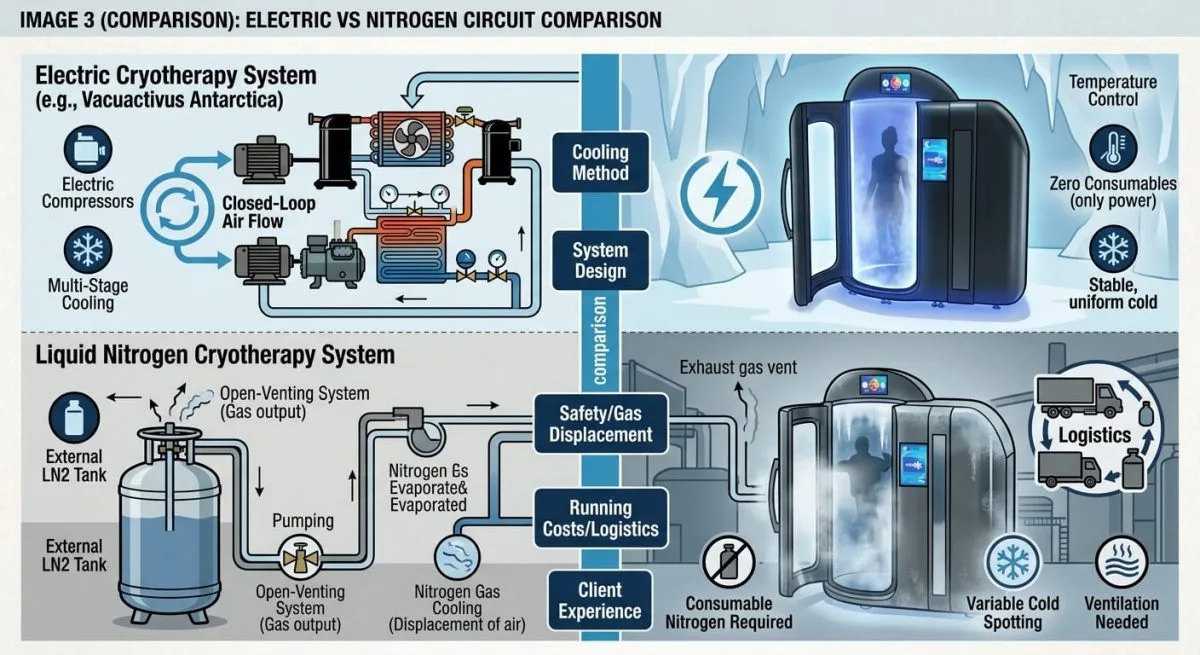
Ambele tehnologii oferă sesiuni de crioterapie pentru întregul corp. Acestea diferă în ceea ce privește domeniul de funcționare, infrastructura de siguranță, experiența sesiunii și economia studioului. Tabelul de mai jos organizează comparația între parametrii care determină decizia de cumpărare a operatorului de studio. Nu este vorba despre o tehnologie în detrimentul alteia; răspunsul corect depinde de poziționarea studioului, de datele demografice ale clienților, de constrângerile amplasamentului și de analiza costului total de funcționare pe o durată de viață a echipamentului de 5-8 ani.
| Parametru | Electric (fără azot) | Azot (LN2) |
|---|---|---|
| Metoda de răcire | Compresoare frigorifice în cascadă + agent frigorific cu circuit închis | Injecție de vapori de azot lichid (LN2) în cameră |
| Atmosferă de cameră | Aer uscat respirabil (fără declanșator de reflex de gâfâire) | Vaporii de LN2 înlocuiesc aerul ambiant; concentrația de O2 este monitorizată |
| Temperatura de funcționare (specificațiile Vacuactivus) | -80°C până la -110°C (-112°F până la -166°F) | -140°C până la -170°C (-220°F până la -274°F) |
| Durata sesiunii | 2-3 minute | 2-3 minute |
| Timp de răcire până la temperatura de funcționare | 45-90 min față de temperatura ambientală (stabilizare compresor) | 5-15 min față de temperatura ambiantă (injecție LN2) |
| Logistica de aprovizionare LN2 | Nu este necesar | Rezervor Dewar + contract de furnizare cu furnizor de gaze industriale |
| Cerința senzorului de oxigen | Nu este necesar (aer respirabil) | Necesar (alarmă sonoră O2 19.5%) |
| Consumabile per sesiune | Electricitate (~$0.50-$2) | 3-5 L LN2 (~$3-$7.50) |
| Intervalul de costuri al echipamentelor (2026) | $30.000-$80.000, în funcție de model | $40,000-$120,000+ |
| Complexitatea instalării | Mai simplu (electric + evacuare HVAC) | Mai complex (dewar + senzor O2 + instalații sanitare LN2) |
Notă de piață terță parte: unii producători externi promovează camere electrice de crioterapie care ating temperaturi apropiate de -140°C. Aceste valori se apropie de intervalul de funcționare al tehnologiei cu azot sau se suprapun cu acesta și necesită de obicei o inginerie de refrigerare mai agresivă decât configurațiile standard în cascadă. Modelele electrice Vacuactivus se încadrează în intervalul de temperatură -80°C până la -110°C, unde refrigerarea în cascadă funcționează eficient; cumpărătorii care evaluează camerele electrice terțe care afirmă că ating -140°C ar trebui să verifice temperatura reală furnizată în cameră în condiții de funcționare independente, mai degrabă decât valoarea de pe eticheta cu date tehnice.
Siguranță și operațiuni
Camerele electrice de crioterapie includ sisteme de siguranță stratificate similare camerelor cu azot, cu două simplificări cheie care reflectă atmosfera de aer respirabil.
Sisteme standard de siguranță electrică a camerei: blocarea ușii care împiedică funcționarea atunci când ușa este deschisă; matrice de senzori de temperatură care monitorizează circuitul aerului și al agentului frigorific din cameră; buton de oprire de urgență accesibil din interior și din exterior; întreruperi de înaltă și joasă presiune ale circuitului de agent frigorific; oprire automată a compresorului la supraîncălzire sau detectarea unei defecțiuni; prezența operatorului este recomandată în timpul sesiunilor rezidențiale (ca în cazul oricărei modalități de crioterapie); senzori de proximitate a capului la modelele comerciale de gamă superioară. Două elemente de siguranță pe care camerele cu azot le necesită, dar pe care camerele electrice NU le au: senzor de oxigen cu alarmă sonoră (atmosfera cu aer respirabil înseamnă că nu există risc de deplasare a O2); infrastructură specializată de ventilație dimensionată pentru evacuarea vaporilor de LN2. Această absență a senzorului de O2 și a ventilației specifice LN2 simplifică instalarea și reduce modurile de defecțiune.
Cerințe de instalare și amplasament
Camerele electrice de crioterapie se instalează în infrastructura comercială standard a spa-urilor, fără alimentare specializată cu gaz. Cerințele de mai jos reflectă instalația comercială tipică Vacuactivus Antarctica Electric.
Electric: circuit dedicat 220V/32A (unele modele entry-level acceptă 110V/20A cu capacitate de refrigerare redusă). Amprentă: 1,5-2,5 mp pentru cameră plus 1 mp spațiu liber pentru operator. Înălțimea tavanului: minimum 2,4 metri pentru configurații walk-in, 2,1 metri pentru formatul butoi cu capac deschis. Ventilație: evacuare ambientală compatibilă cu HVAC (fără infrastructură specializată de evacuare a LN2). Încărcare pe podea: greutatea unitară de 250-450 kg necesită fie instalarea la parter, fie o capacitate de încărcare verificată la etajul superior. Mediu ambiental: temperatura camerei 18-24°C pentru o performanță optimă a compresorului; camera nu poate funcționa eficient într-o cameră de echipamente supraîncălzită. Apă: nu este necesară. Alimentare cu LN2: nu este necesar. Senzor de oxigen: nu este necesar. Costul total de instalare este de obicei între $1.500-$3.500, în funcție de lucrările electrice și de orice pregătire structurală, comparativ cu $3.500-$6.500 pentru instalații echivalente cu azot care necesită instalații sanitare pentru Dewar LN2 și cablare pentru senzorul de O2.
Experiența sesiunii: Ce simt clienții
O sesiune de 2-3 minute într-o cameră de crioterapie electrică la o temperatură cuprinsă între -80°C și -110°C oferă același răspuns fiziologic la șoc rece ca o sesiune cu azot la aceeași temperatură nominală: răcire rapidă a pielii, vasoconstricție, creștere bruscă a nivelului de norepinefrină în aval, răspuns la starea de spirit/energie raportat de utilizatori. Experiența sesiunii diferă subiectiv, mai degrabă decât fiziologic:
- Aer uscat și respirabil pe tot parcursul tratamentului – fără senzație de respirație cu vapori reci, fără reflex de gâfâire. Unii clienți preferă în mod special electricitatea din acest motiv (în special clienții cu anxietate respiratorie ușoară în mediile cu vapori și ceață).
- Nicio ‘ceață’ vizibilă de vapori de LN2 în cameră – drama vizuală pe care unii clienți o consideră parte a atractivității experienței lipsește. Fotografiile de marketing și conținutul de pe Instagram diferă (o considerație pentru poziționarea studiourilor în jurul experienței vizuale a clientului).
- Profil de temperatură constant – camerele electrice mențin temperatura setată prin ciclurile compresorului, mai degrabă decât scăderile de temperatură ale ciclurilor de injecție cu vapori de LN2. Unii operatori descriu experiența electrică ca fiind ‘mai clinică’, iar experiența cu azot ca fiind ‘mai teatrală’.
- Profil sonor: funcționarea compresorului audibilă în timpul sesiunilor (tipic 60-65 dBA la cameră) vs. șuieratul injectării de LN2 și sunetul vaporilor din sesiunile de azot. Niciunul nu este intruziv; ambele se încadrează în zgomotul ambiental normal al echipamentelor spa.
Numere reale: Costuri operaționale și rentabilitate a investiției
Costul total de proprietate pe o durată de viață a echipamentului de 5-8 ani este adesea factorul decisiv care diferențiază echipamentele electrice de cele cu azot în alegerea unui studio. Numerele de mai jos sunt valori tipice pentru industrie în 2026, pentru un studio comercial care rulează 5-10 sesiuni pe zi.
Costuri de funcționare a camerei electrice: energie electrică aproximativ $0,50 - $2 per sesiune (variază în funcție de tarifele regionale de energie electrică și de eficiența compresorului în cascadă), fără alimentare cu LN2, fără calibrare a senzorului de oxigen sau taxe de închiriere pentru Dewar. Energie electrică anuală pentru 5-10 sesiuni/zi la 25 de zile lucrătoare pe lună: $600-$3.000. Service anual: $500-$1.500 pentru întreținerea compresorului, completarea cu agent frigorific și diagnosticarea sistemului. Costuri de funcționare a camerei de azot: LN2 aproximativ $3 - $7,50 per sesiune (3-5 L LN2 la $1-$1,50/l livrat), calibrare senzor de oxigen $300-$600/an, închiriere Dewar (dacă nu se deține) $600-$1.800/an. Cost anual al azotului lichid (LN2) pentru 5-10 ședințe/zi: $3.600-$18.000. Service anual: $800-$2.000, inclusiv gestionarea logisticii de aprovizionare cu LN2. Diferența operațională netă: camerele electrice economisesc de obicei $3.000-$15.000 pe an în consumabile și logistică LN2, compensând o parte din diferența de cost inițială. Pragul de rentabilitate pentru economiile operaționale legate de electricitate față de azot apare de obicei în anii 2-4 pentru studiourile cu 5+ ședințe pe zi. Pentru studiourile care evaluează imaginea costului total al echipamentelor de crioterapie, inclusiv instalarea și costul total de proprietate pe 5 ani, consultați... Criosauna acasă: De ce camerele profesionale depășesc performanța dispozitivelor de larg consum care acoperă aspectele economice comerciale și rezidențiale cu aceeași încadrare electrică versus LN2 aplicată deciziei de cumpărare a unei locuințe.
Cine ar trebui să aleagă electricitatea (și cine ar trebui să aleagă azotul)
Segmentare onestă. Electricitatea nu este universal superioară; azotul își păstrează cazurile de utilizare legitime.
Cea mai bună opțiune pentru sectorul electric: studiouri care prioritizează simplitatea operațională și eliminarea logisticii LN2; studiouri noi fără relații stabilite cu furnizorii de LN2; instalații rezidențiale și hoteliere unde livrarea LN2 este impracticabilă; piețe cu aprovizionare cu LN2 scumpă sau nesigură; operatori care doresc să minimizeze costurile continue ale consumabilelor și cheltuielile generale de calibrare a senzorului de O2; studiouri unde experiența clienților cu aer respirabil se potrivește cu preferințele publicului (în special clienți cu claustrofobie ușoară sau anxietate față de vapori care preferă aerul uscat vizibil în locul mediului cu ceață de LN2).
Cea mai potrivită opțiune pentru azot: studiouri care doresc cele mai scăzute temperaturi de funcționare posibile (în intervalul -140°C până la -170°C pentru clienții care caută intensitate maximă a frigului); piețe cu infrastructură de furnizare a LN2, stabilită și cu costuri reduse; studiouri poziționate în jurul experienței vizuale cu vapori de LN2 (conținut Instagram, evenimente dramatice pentru vizitatorii aflați pentru prima dată); operațiuni de volum mare în care economia de scară a LN2 depășește simplitatea operațională; centre de recuperare care se adresează în mod special sportivilor de elită sau biohackerilor care se compară cu facilități concurente bazate exclusiv pe azot. Vacuactivus oferă ambele tehnologii în mod special, deoarece alegerea potrivită depinde de poziționarea studioului; explorați sisteme de saună cu crioterapie pentru întregul corp pentru configurațiile WBC în ambele tehnologii.
Contextul ecosistemului de recuperare
Crioterapia este o modalitate dintr-un ecosistem mai larg de echipamente de recuperare pe care le implementează studiourile comerciale. Modalitățile comune însoțitoare includ terapia cu lumină roșie (fotobiomodulare pentru aplicații ale pielii, mușchilor și durerii), sauna cu infraroșu (terapie termică), scaunele de masaj cu gravitație zero (relaxare și compresie ușoară), echipamentele de rolare corporală și presoterapia (drenaj limfatic prin compresie - o categorie de piață terță parte care nu este fabricată de Vacuactivus; studiourile se aprovizionează cu presoterapie de la producători terți, cum ar fi Ballancer, Zemits, CarePump, Canta Esthetic). Mixul de echipamente B2B pe care îl implementează studiourile comerciale variază în funcție de demografia țintă a clienților. Camerele electrice de crioterapie se potrivesc în mod natural cu alte echipamente de wellness Vacuactivus în configurații de studio multimodale.
Întrebări frecvente
Î1. Cum funcționează o cameră de crioterapie electrică?
O cameră de crioterapie electrică răcește aerul din cameră folosind refrigerare în cascadă: două circuite de compresor în etape și un schimbător de căldură în cascadă scad temperatura aerului de la -80°C la -110°C (anvelopă electrică Vacuactivus) folosind agenți frigorifici industriali și fără azot lichid. Clientul stă în aer uscat respirabil timp de o sesiune de 2-3 minute. Deoarece nu se utilizează LN2, nu se produce deplasarea oxigenului și nu este necesar un senzor de O2 sau ventilație specializată.
Î2. Ce este o cameră de crioterapie fără azot?
O cameră de crioterapie fără azot este o cameră de crioterapie electrică care utilizează compresoare de refrigerare în loc de azot lichid (LN2) pentru a atinge temperaturi criogenice. Deoarece atmosfera camerei rămâne aer ambiental respirabil (nu vapori de LN2), clientul respiră normal în timpul sesiunii, iar instalarea nu necesită infrastructură de alimentare cu LN2, senzori de oxigen sau ventilație specializată.
Î3. Ce temperatură atinge o cameră de crioterapie electrică?
Camerele de crioterapie electrice Vacuactivus funcționează în intervalul de temperaturi de la -80°C la -110°C (-112°F la -166°F). Modelul emblematic Antarctica Electric atinge -100°C (-148°F); Antarctica WBC Electric atinge pragul de -110°C; Antarctica Barrel Electric funcționează la -110°C. Unii producători terți promovează camere electrice care se apropie de -140°C, deși acest interval se suprapune peste intervalul de funcționare al tehnologiei cu azot și justifică verificarea independentă a temperaturii reale a aerului din cameră în condiții de funcționare. Camerele cu azot ating limita cea mai scăzută a intervalului industrial (-140°C la -170°C).
Î4. Este crioterapia electrică la fel de eficientă ca azotul?
Pentru răspunsul fiziologic la șocul rece – răcirea rapidă a pielii, vasoconstricție, eliberarea de norepinefrină – camerele electrice la -80°C până la -110°C oferă același mecanism de bază ca și camerele cu azot în limitele lor de funcționare. Durata sesiunii (2-3 minute) este identică. Diferența constă în temperatura maximă, nu în mecanismul fiziologic. Cercetările clinice privind crioterapia integrală au fost efectuate în ambele categorii de tehnologii, cu rezultate similare raportate pentru aplicații de recuperare, stare de spirit și inflamație. Clienții care doresc cea mai rece intensitate maximă pot prefera azotul; clienții care prioritizează experiența cu aer respirabil pot prefera aparatul electric.
Î5. Cât costă o cameră de crioterapie electrică?
Camerele de crioterapie electrice comerciale de la Vacuactivus și producători comparabili costă între $30.000 și $80.000 de lire sterline în 2026, în funcție de model, configurație, nivelul de garanție și transport. Instalarea adaugă un cost de între $1.500 și $3.500 de lire sterline pentru integrarea standard a spa-urilor comerciale. Prin urmare, investiția totală se situează de obicei în intervalul $32K - $85K pentru o cameră electrică accesibilă, gata de funcționare comercială. Camerele cu azot cu specificații comerciale comparabile costă între $40.000 și $120.000+ lire sterline cu instalare de între $3.500 și $6.500 lire sterline, reflectând cerințele infrastructurii LN2.
Î6. Care sunt costurile de funcționare ale unei camere de crioterapie electrice?
Costul de operare per sesiune pentru camerele electrice este de aproximativ $0,50 până la $2 în energie electrică, fără alimentare cu LN2, fără calibrare a senzorului de O2 și fără închiriere de Dewar. Costul anual de operare pentru un studio care rulează 5-10 sesiuni pe zi (25 de zile lucrătoare/lună) este de obicei între $1.100 și $4.500, inclusiv energia electrică plus întreținerea de rutină. Camerele cu azot, la o utilizare echivalentă, costă de obicei între $4.400 și $20.000+ anual, inclusiv alimentarea cu LN2 și calibrarea senzorului de O2. Economiile totale la costurile operaționale pentru energie electrică față de azot se încadrează de obicei în intervalul $3.000 - $15.000/an la utilizare comercială.
Î7. Camerele electrice de crioterapie necesită o instalare specială?
Nu este necesară o infrastructură specializată de alimentare cu gaz sau de ventilație. Cerințe standard pentru spa-uri comerciale: circuit electric dedicat de 220V/32A, amprentă a camerei de 1,5-2,5 mp plus 1 mp spațiu liber pentru operator, tavan de 2,1-2,3 m, evacuare ambientală standard compatibilă cu sistemele HVAC, capacitate de încărcare a podelei pentru o greutate unitară de 250-450 kg. Fără instalații sanitare Dewar LN2, fără cablare pentru senzori de oxigen, fără evacuare specializată a vaporilor. Costul instalării este de obicei între 1.500 și 3.500 de lire sterline pentru integrarea spa-urilor comerciale.
Î8. Ar trebui să aleg crioterapia electrică sau cu azot pentru studioul meu?
Alegeți tehnologia electrică dacă prioritizați simplitatea operațională, doriți să eliminați logistica de aprovizionare cu LN2, vă aflați pe o piață cu aprovizionare cu LN2 scumpă sau nesigură sau utilizați instalații rezidențiale/hoteliere unde livrarea de LN2 este impracticabilă. Alegeți azotul dacă doriți cele mai scăzute temperaturi de vârf (-140°C până la -170°C), ați stabilit o aprovizionare cu LN2 cu costuri reduse, vă poziționați în jurul experienței vizuale cu vapori de LN2 sau deserviți clienți de recuperare pentru sportivi de elită care se compară cu facilități care utilizează doar azot. Ambele tehnologii oferă fiziologia de bază a șocului rece; decizia depinde de potrivirea operațională și de poziționarea publicului.
Concluzie
Camerele electrice de crioterapie oferă crioterapie pentru întregul corp la o temperatură cuprinsă între -80°C și -110°C, utilizând compresoare de refrigerare în cascadă și aer respirabil, fără alimentare cu azot lichid, fără a fi necesară o senzoră de O2 și fără infrastructură specializată de ventilație. Camerele cu azot ating cele mai scăzute temperaturi de vârf (-140°C până la -170°C) cu costul logisticii de furnizare a LN2 și al sistemelor suplimentare de siguranță. Ambele tehnologii oferă același răspuns fiziologic de bază; decizia privind studioul depinde de compatibilitatea operațională, constrângerile amplasamentului și poziționarea publicului.
Pentru studiourile care evaluează imaginea completă a gamei de produse electrice față de cele cu azot pentru ambele linii de produse Vacuactivus, Antarctica Electric (până la -100°C), Antarctica WBC Electric (-80°C până la -110°C) și Antarctica Barrel Electric (-110°C) acoperă portofoliul de produse electrice, în timp ce CryoStar (-170°C) și WBC Nitrogen (-140°C până la -170°C) acoperă portofoliul de produse cu azot. Explorează camere de crioterapie comerciale pentru fișe complete cu specificații pentru ambele tehnologii. Pentru operatorii de studio care iau în considerare întregul studiu de fezabilitate (selecția echipamentelor, planificarea capitalului, modelele de venituri, intrarea pe piață), consultați oportunitate de afaceri pentru crioterapie resursă care acoperă economia lansării afacerilor.


