











Терапія червоним світлом у поєднанні з кріотерапією: переваги комплексного протоколу
Чи можна поєднувати терапію червоним світлом з кріотерапією? Так, і багато спортсменів та клієнтів, що займаються оздоровленням, вже це роблять. Але найважливішою деталлю є одна з найбільш поширених у статей для споживачів: час. Попередні дані в літературі з фотобіомодуляції свідчать про те, що послідовне застосування може зменшити клітинні переваги терапії червоним світлом, коли кріотерапія застосовується безпосередньо до або після неї, оскільки вазоконстрикція та уповільнення метаболізму, спричинені кріотерапією, тимчасово протидіють тому, що терапія червоним світлом намагається посилити на клітинному рівні. Проконсультуйтеся з кваліфікованим лікарем, перш ніж розпочинати будь-який комбінований протокол відновлення, особливо якщо у вас є якесь діагностоване захворювання.
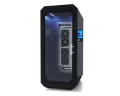
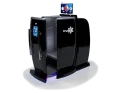
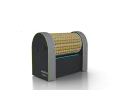
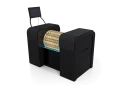
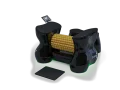
Компанія Vacuactivus виробляє як кріокамери, так і панелі для терапії червоним світлом, що використовуються в оздоровчих центрах, студіях відновлення та клінічних практиках з 2009 року (понад 15 років). Це дає нам справді унікальний погляд на практичні реалії комбінованих стекових протоколів та їх впровадження на рівні закладу. Цей посібник відображає синтез медичної консультативної та інженерної команди Vacuactivus, що містить рецензовані дослідження фотобіомодуляції, протоколи, узгоджені операторами з джерел у оздоровчій галузі, та спостереження партнерів B2B-закладів. Індивідуальні результати залежать від дотримання протоколу, навчального навантаження та конкретного медичного контексту.
Підсумок для читача, орієнтованого на відновлення: кріотерапія та світлотерапія червоним світлом спрямовані на відновлення з різних біологічних точок зору та добре доповнюють одна одну за умови правильного поєднання. Правило часу, яке випливає з попередніх даних, полягає в інтервалі 3-6 годин між сеансами, а не в їхньому послідовному застосуванні. Послідовність залежить від основної мети відновлення (кріотерапія спочатку при гострому запаленні, світлотерапія червоним світлом спочатку при хронічному болю та здоров'ї шкіри), а рекомендації щодо частоти, згідно з протоколами, узгодженими операторами, пропонують світлотерапію червоним світлом 3-5 сеансів на тиждень у поєднанні з кріотерапією всього тіла 2-3 сеансами на тиждень для користувачів, орієнтованих на відновлення. Завжди консультуйтеся з кваліфікованим медичним працівником, перш ніж коригувати протокол відновлення, особливо в контексті тренувань та травм або клінічного відновлення.
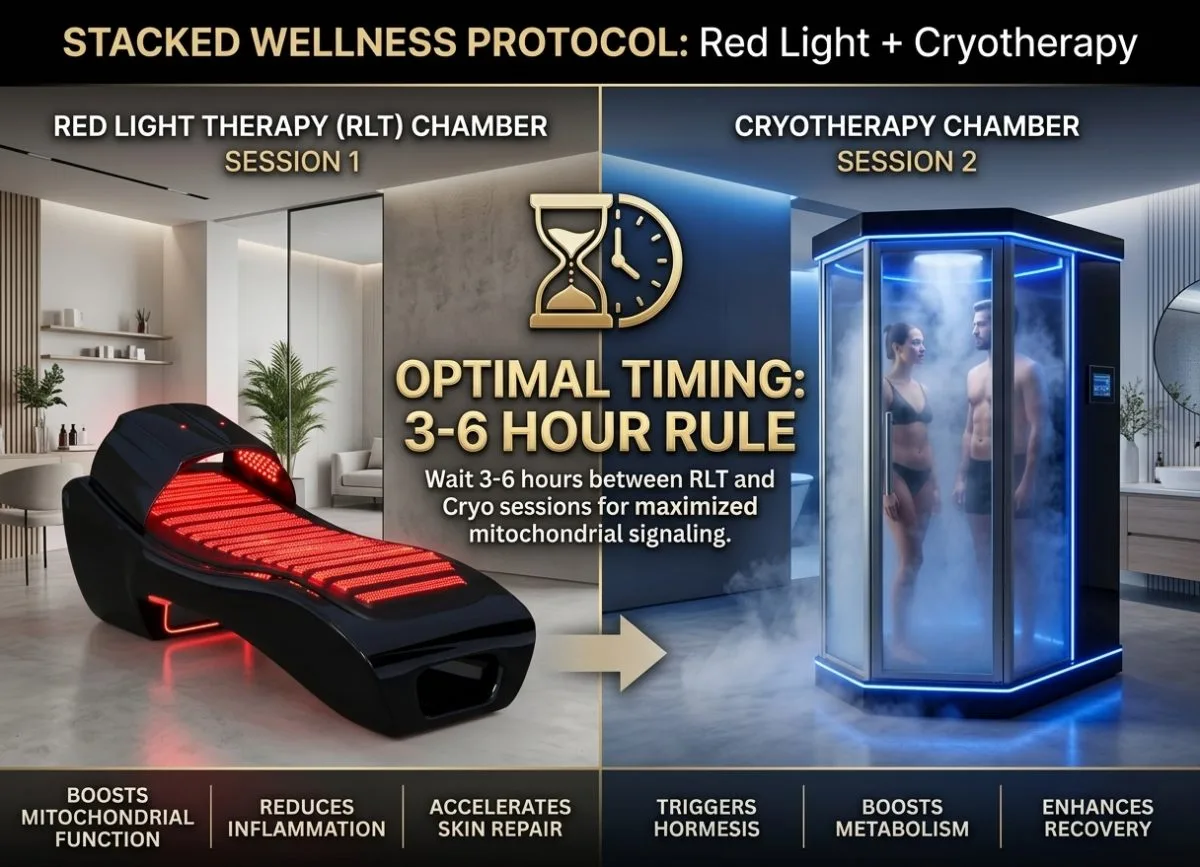
Чи можна одночасно проводити терапію червоним світлом та кріотерапію?
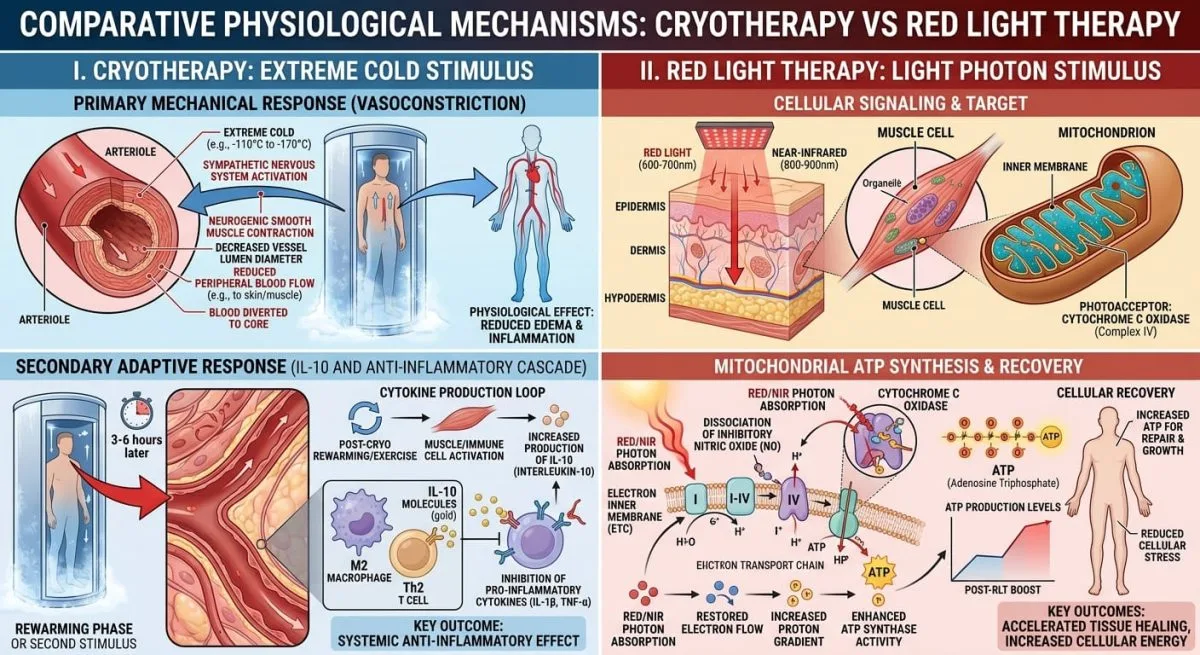
Так, терапія червоним світлом та кріотерапія безпечно поєднуються в одній процедурі та часто забезпечують більш повне одужання, ніж кожен з них окремо. Ці два методи працюють через різні біологічні шляхи, які доповнюють, а не перетинаються. Кріотерапія викликає швидку вазоконстрикцію (кровоносні судини звужуються до ядра), сплеск протизапальних цитокінів, включаючи IL-10, вивільнення ендорфінів та активацію симпатичної нервової системи. Терапія червоним світлом викликає активацію мітохондрій (зокрема, цитохром с оксидази в ланцюзі транспорту електронів), посилення вироблення АТФ та зменшення кількості запальних цитокінів, таких як С-реактивний білок (СРБ) та IL-6. Посилання на протоколи велнес-індустрії за 2024-2025 роки розглядають ці механізми як взаємодоповнюючі.
Але ‘разом’ не означає поспіль. Саме тут більшість орієнтованого на споживача контенту про терапію червоним світлом та кріотерапію не виправдовують очікувань. Рішення щодо часу важливіше, ніж рішення щодо послідовності, і саме це детально розглядається в наступному розділі. Якщо у вас діагностовано будь-яке захворювання (серцево-судинне, гіперчутливість до холоду, вагітність, аутоімунне чи інше) або ви одужуєте після гострої травми протягом перших 48 годин, отримайте медичний дозвіл від кваліфікованого медичного працівника, перш ніж поєднувати ці методи.
Критичний нюанс часу. Більшість статей пропускають.
Це розділ, який відділяє висвітлення, засноване на доказах, від маркетингу з боку оператора. Рецензовані огляди літератури з фотобіомодуляції за 2025-2026 роки виявили незручний висновок: дослідження комбінованої фотобіомодуляції (PBMT, по суті, терапія червоним світлом) та кріотерапії послідовно показали, що PBMT окремо дає кращі клітинні результати, ніж комбіноване послідовне застосування у порівнянних контекстах спортивного відновлення. Інтерпретація в рецензованій літературі полягає в тому, що кріотерапія може зменшити клітинні переваги фотобіомодуляції при застосуванні у безпосередній часовій близькості. Пов'язаний метааналіз у дослідницькій літературі з фотобіомодуляції (висвітлення "Лазери в медичній науці", згадане в наступних оглядах) повідомляв, що PBMT забезпечує більший приріст м'язової сили, ніж кріотерапія окремо у порівнянних контекстах спортивного відновлення. Час, дозування та спосіб застосування мають значення, а неправильно підібрана комбінована терапія може знизити ефективність PBMT, як повідомляється в рецензованому дослідженні.
Механістичне пояснення просте. Холод звужує кровоносні судини та різко уповільнює клітинний метаболізм. Саме цю біологічну активність намагається посилити терапія червоним світлом на клітинному рівні (збільшення вироблення АТФ, посилення функції мітохондрій, покращення кровотоку на рівні тканин). Застосування холоду безпосередньо до або після терапії червоним світлом штовхає клітинний механізм у протилежних напрямках протягом одного й того ж вікна відновлення, саме тому отримані дані вказують на зниження чистої користі від послідовного застосування. Розділення двох методів на кілька годин дозволяє кожному методу завершити свій клітинний ефект до того, як втрутиться інший, тому два механізми поєднуються протягом дня, а не частково нейтралізують один одного. Нові протоколи пропонують роздільне вікно тривалістю 3-6 годин; індивідуальні реакції різняться, і оптимальне вікно для конкретного користувача може відрізнятися.
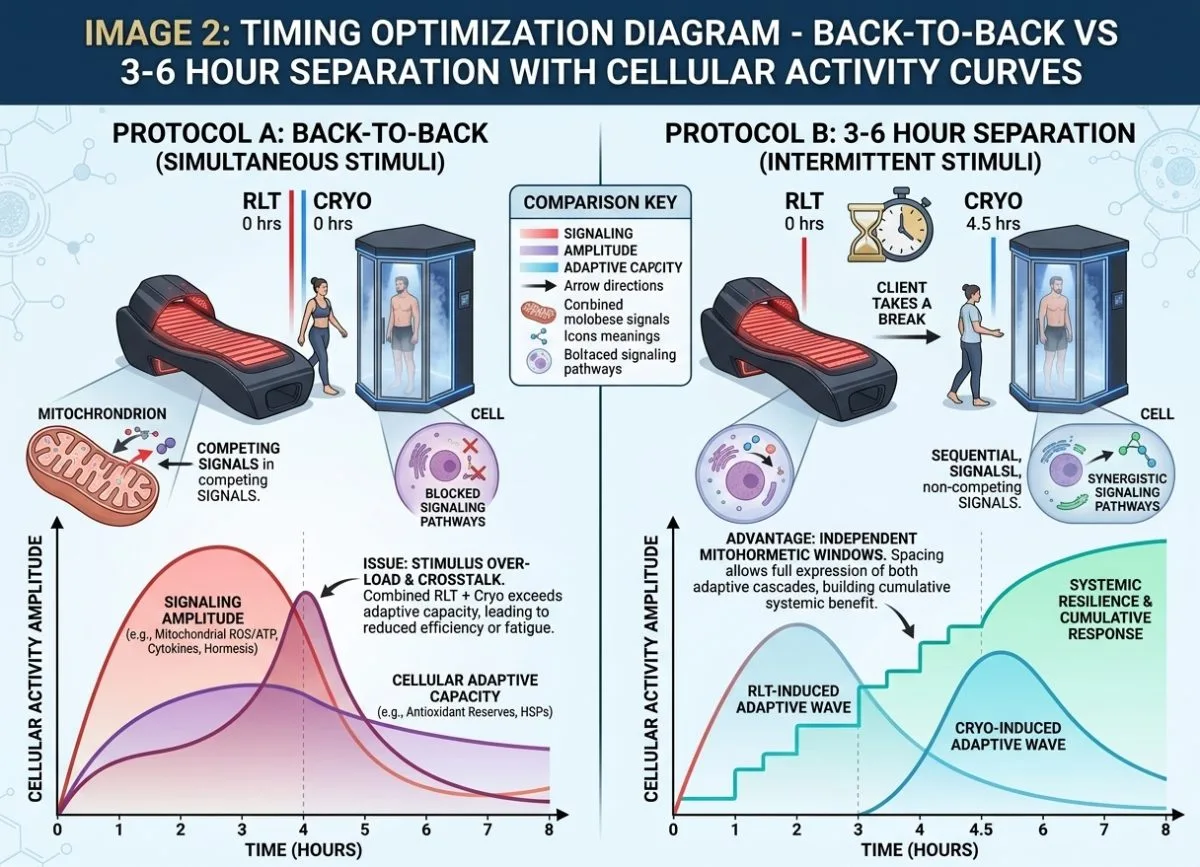
Оптимальна послідовність: спочатку кріогенна обробка чи спочатку червоне світло?
Послідовність питань (спочатку кріотерапія чи спочатку терапія червоним світлом) залежить від вашої основної мети відновлення. Кріотерапія спочатку добре працює, коли основною метою є контроль гострого запалення, швидке знеболення або відновлення після тренування протягом 1-2 годин. У цьому випадку кріотерапія забезпечує негайну протизапальну реакцію; терапія червоним світлом застосовується через 3-6 годин, щоб підтримати відновлення клітин та тканин після того, як гостра реакція вщухне. Для більш детального розгляду застосування терапії червоним світлом для лікування болю, включаючи біль у суглобах та м’язах, див. Терапія червоним світлом для знеболення: суглоби, м'язи та хронічний біль який детально охоплює докази кожної окремої умови.
Терапія червоним світлом спочатку працює краще, коли основною метою є здоров'я шкіри та боротьба зі старінням (де RLT стимулює синтез колагену та активність фібробластів, а пізніше кріотерапія додає підтяжки шкіри та покращує кровообіг шляхом вазоконстрикції-вазодилатації), хронічний біль (де RLT стимулює мітохондріальну активність та зменшує основне запалення, а пізніше кріотерапія справляється із гострим запаленням, пов'язаним із загостренням) або загальне оздоровлення. Згідно з протоколом, узгодженим оператором, спочатку рекомендується використовувати червоне світло для комфорту користувача (тепло поступово переходить у пізніший холодовий шок). Обидві послідовності мають свої переваги; вирішальною константою є інтервал 3-6 годин, незалежно від того, яка з них є головною.
Переваги комбінованого стекового протоколу
При правильному поєднанні з інтервалом 3-6 годин, терапія червоним світлом у поєднанні з кріотерапією забезпечує ширше охоплення відновлення, ніж будь-який з цих методів окремо. Ці два механізми охоплюють різні шляхи відновлення в різні часові рамки: кріотерапія діє протягом кількох хвилин при гострому запаленні, терапія червоним світлом діє протягом кількох годин або тижнів для клітинного відновлення та адаптації на рівні тканин. Науковий огляд переваг окремої кріотерапії див. у статті «Переваги сеансів кріотерапії в камері: що каже наука», яка охоплює окрему доказову базу.
Сплеск ендорфінів та норадреналіну внаслідок кріотерапії поєднується з підвищенням рівня АТФ та підтримкою настрою внаслідок терапії червоним світлом. Цикл вазоконстрикції-вазодилатації, що запускається кріотерапією, поєднується з покращенням місцевого кровотоку від терапії червоним світлом протягом наступних годин. Вивільнення протизапальних цитокінів (IL-10 від кріотерапії) поєднується зі зниженням базового рівня запальних цитокінів (зниження рівня С-реактивного білка (СРБ), IL-6 від терапії червоним світлом) для поєднаного протизапального ефекту в різні часові рамки. Індивідуальні результати різняться; переваги наростають протягом тижнів послідовного дотримання протоколу, а не від окремих комбінованих сеансів.
Стековий протокол за ціллю
Різні цілі відновлення вимагають різних послідовностей та частот. У таблиці нижче зібрано протоколи з посібників з протоколів, узгоджених операторами у велнес-індустрії, рецензованої літератури з фотобіомодуляції та шаблонів операторів Vacuactivus, щоб вони були представлені для кожної цілі. Використовуйте її як відправну точку; окремі протоколи можуть потребувати коригування залежно від тренувальних навантажень, конкретних травм, доступу до наявного обладнання та рекомендацій медичного працівника.
| Гол | Послідовність | Частота | Нотатки |
|---|---|---|---|
| Відновлення спортсмена (DOMS, відновлення після тренувань) | Спочатку кріотерапія (дні інтенсивних тренувань), потім терапія червоним світлом того ж дня або наступного дня | RLT 4-5 сеансів на тиждень, WBC 2-3 сеанси на тиждень (згідно з протоколами, узгодженими оператором) | Кріотерапія справляється з гострим запаленням одразу після тренування; RLT підтримує відновлення клітин з інтервалом 3-6 годин |
| Хронічний біль (суглобовий, спинний, м'язовий) | Спочатку терапія червоним світлом (підготовка мітохондрій), потім кріотерапія протягом дня при запаленні | RLT 4-5 сеансів на тиждень, WBC 2 сеанси на тиждень (згідно з протоколами, узгодженими оператором) | РЛТ протягом тижнів усуває основне запалення; кріотерапія займається лікуванням загострення |
| Здоров'я шкіри та боротьба зі старінням | Спочатку терапія червоним світлом (синтез колагену), потім кріотерапія для підтяжки шкіри | RLT 3-5 сеансів на тиждень, WBC 1-2 сеанси на тиждень (згідно з протоколами, узгодженими оператором) | Обидва впливають на шкіру з різних боків; найважливіше — стабільність протягом 8-12 тижнів |
| Загальне самопочуття та настрій | Будь-який порядок працює; інтервал становить 3-6 годин для отримання попередніх доказів | RLT 3 сеанси на тиждень, WBC 1-2 сеанси на тиждень (згідно з протоколами, узгодженими оператором) | Підвищення рівня ендорфінів від кріотерапії плюс мітохондріальна підтримка від сполуки RLT з часом |
| DOMS після тренування (той самий день) | Кріотерапія протягом 1-2 годин після тренування, терапія червоним світлом через 3-6 годин згідно з попередніми даними | Спеціально, залежно від інтенсивності тренувань | Кріотерапія знижує гострий запальний каскад; RLT підтримує клітинне відновлення після цього |
Рекомендації щодо частоти комбінованого застосування червоного світла та кріотерапії
У посібниках з протоколів, узгоджених операторами, у просторі комбінованих методів пропонуються загальні рекомендації щодо частоти: терапія червоним світлом 3-5 сеансів на тиждень та кріотерапія всього тіла 2-3 сеанси на тиждень. Кріотерапія зазвичай призначається у дні інтенсивних тренувань, коли потребує лікування гострого запалення, тоді як терапія червоним світлом проводиться послідовно як базова терапія протягом тижня. Обидва методи лікування виграють від послідовності протягом місяців, а не від інтенсивності окремих сеансів. Ці діапазони частот відображають консенсус операторів, а не рецензовані стандарти дозування; індивідуальні реакції різняться.
Коли обидва сеанси проводяться в один день, їх розділяють 3-6 годин відповідно до попереднього правила визначення часу, зазначеного вище. Протоколи, що проводяться через день, також добре працюють і часто їх легше планувати (наприклад, кріотерапія понеділок/середа/п'ятниця, терапія червоним світлом вівторок/четвер/субота). У протоколах велнес-індустрії за 2024-2025 роки також описані ‘комбіновані’ пакети процедур в один день з фактичним інтервалом 3-6 годин, вартість яких різна залежно від закладу. Плануйте сеанси протягом кількох місяців для отримання сукупної користі; окремі сеанси будь-якого з цих методів рідко дають результати, які показують маркетингові фотографії, і той самий принцип застосовується до комбінованих протоколів, що виконуються одночасно.
Як оздоровчі центри повинні структурувати комбіновані пакети
Для операторів B2B велнес-провайдерів правило бронювання 3-6 годин має практичні наслідки для планування. Слід уникати жорсткого послідовного бронювання кріотерапії та світлотерапії для одного й того ж клієнта; це зберігає ефективність кожного сеансу та дає операторам чесну, відмінну історію, якою можна поділитися з клієнтами (на відміну від установ, які пропонують додаткові послуги поспіль, не розкриваючи нюансів часу). Рекомендовані структури пакетів послуг: ранкові сеанси кріотерапії плюс денні сеанси світлотерапії, комбіновані абонементи через день або ‘комбіновані’ пакети послуг в той самий день зі справжнім 3-6-годинним інтервалом, вбудованим у бронювання (або два візити, або зона відпочинку в закладі).
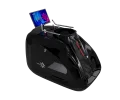
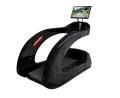
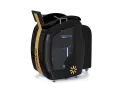
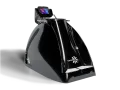
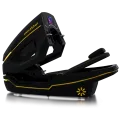
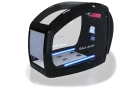
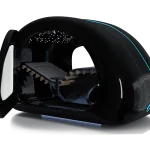
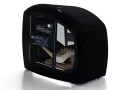
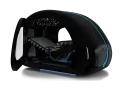
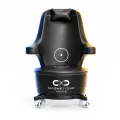
Важливе навчання персоналу: персонал на рецепції повинен мати змогу пояснити клієнтам правило 3-6 годин, коли вони запитують, що вони і зроблять. Структура ціноутворення, яка підтримує частоту (пакетні абонементи, знижки на пакети приблизно 15-25% порівняно з ціною на окремі сеанси), заохочує постійну частоту, яка забезпечує реальні сукупні переваги. Vacuactivus постачає як кріокамери, так і обладнання для терапії червоним світлом оздоровчим центрам як виробник з єдиного джерела; оператори, які оцінюють будь-який з цих методів, можуть розглянути цей варіант. комерційні кріотерапевтичні камери і комерційні панелі для терапії червоним світлом для конфігурацій комерційного класу. Капсули довголіття Revique HaloX поєднує кілька видів послуг в одному блоці для установ з обмеженою площею або де моделлю обслуговування є одноразовий візит з кількома видами обслуговування.
Хто найбільше отримує користь від поєднання червоного світла та кріотерапії
Комбінований стекований протокол забезпечує найбільшу користь для професійних або серйозних спортсменів (де прискорення відновлення між тренуваннями має суттєве значення), людей із хронічними запальними захворюваннями (артрит, хронічні больові стани, фіброміалгія), клієнтів, які відновлюються після травм під керівництвом фізіотерапевта, біохакерів, орієнтованих на довголіття, які поєднують кілька методів відновлення в ширший стек оздоровлення, та клієнтів оздоровчих центрів, які бажають отримати комплексний сервіс відновлення, а не лише доступ до одного методу. Щодо ширшого контексту біохакінгу щодо поєднання методів відновлення в протокол довголіття, див. Що таке біохакінг? Повний посібник з оптимізації продуктивності який охоплює основні концепції проектування стеків на основі доказів.
Комбінований протокол забезпечує меншу додаткову користь для звичайних користувачів без значних потреб у відновленні (часто достатньо одного методу), для пацієнтів з гострою травмою протягом перших 48 годин (медичний дозвіл та рекомендації медичного працівника мають перевагу над будь-яким протоколом відновлення) та для користувачів з протипоказаннями до кріотерапії (важка гіпертензія, серцеві захворювання, вагітність, хвороба Рейно, холодова кропив'янка, кріоглобулінемія, активна інфекція). Інструкцію з проведення одного сеансу кріотерапії для перших користувачів, що охоплює протипоказання та підготовку, див. Сеанси кріотерапевтичної камери: чого очікувати від першого візиту який проходить через систему безпеки. Щоб дізнатися про переваги та докази окремої терапії червоним світлом, див. статтю «Переваги терапії червоним світлом, підтверджені дослідженнями, а не рекламою».
Часті запитання
Q1. Чи можна проводити терапію червоним світлом та кріотерапію разом?
Так, але те, як ви їх виконуєте, має більше значення, ніж визнається в більшості статей. Обидва методи можна безпечно поєднувати, і багато спортсменів, які орієнтовані на відновлення, використовують їх в одному комплексі. Попередні дані з літератури з фотобіомодуляції свідчать про те, що їх послідовне виконання може зменшити клітинні переваги терапії червоним світлом (кріотерапія різко уповільнює клітинний метаболізм, діючи проти того, що намагається активувати терапія червоним світлом). Для досягнення найкращих результатів робіть інтервал між ними 3-6 годин і проконсультуйтеся з лікарем, перш ніж розпочинати комбінований протокол відновлення.
Q2. Чи слід мені проводити терапію червоним світлом до чи після кріотерапії?
Це залежить від вашої основної мети. Для гострого запалення, болю після тренування або швидкого знеболення має сенс спочатку провести кріотерапію, а потім протягом дня провести терапію червоним світлом – кріотерапія справляється з гострою реакцією, червоне світло підтримує відновлення клітин. Для хронічного болю, здоров'я шкіри та боротьби зі старінням краще спочатку провести терапію червоним світлом (підготовка мітохондрій, синтез колагену), а потім провести кріотерапію. Підходить будь-яка послідовність; інтервал у 3-6 годин має більше значення, ніж порядок.
Q3. Скільки часу слід чекати між терапією червоним світлом та кріотерапією?
Згідно з попередніми даними, опублікованими в рецензованій літературі з фотобіомодуляції, практичним вікном є три-шість годин. Основна причина полягає в тому, що кріотерапія уповільнює клітинну активність через вазоконстрикцію та зниження метаболізму, що по суті є протилежністю тому, що намагається активувати терапія червоним світлом. Зачекайте кілька годин, щоб кожен метод завершив свій клітинний ефект. Індивідуальні реакції різняться; оптимальне вікно для конкретного користувача може відрізнятися.
Q4. Чи скасовує кріотерапія терапію червоним світлом?
Не зовсім, але це може зменшити переваги, якщо застосовувати одразу після цього. У рецензованій літературі з фотобіомодуляції висвітлено дослідження, які показують, що фотобіомодуляція сама по собі забезпечує кращі результати відновлення в деяких спортивних контекстах, тоді як поєднання кріотерапії послідовно з терапією червоним світлом може зменшити клітинні переваги червоного світла. Пов'язаний метааналіз у дослідницькій літературі з фотобіомодуляції показав, що PBMT перевершує кріотерапію окремо для відновлення м'язової сили в порівнянних спортивних контекстах. Висновок полягає не в тому, щоб пропускати кріотерапію (вона має свої реальні переваги), а в тому, щоб розмістити два методи на кілька годин.
Q5. Що таке протокол багатошарового відновлення?
Багатошаровий протокол відновлення поєднує два або більше методів відновлення (наприклад, терапію червоним світлом та кріотерапію) у структурованій процедурі, спрямованій на різні шляхи відновлення. Якщо їх виконати правильно, вони враховують взаємодоповнюючі біологічні аспекти та з часом посилюють свій ефект. Якщо їх виконати неправильно (одно за одним без розділення за часом або без індивідуалізованих цілей), вони можуть частково компенсувати один одного або не принести вимірної користі, окрім як одного методу. Проконсультуйтеся з лікарем або кваліфікованим спеціалістом зі спортивної медицини, перш ніж застосовувати багатошаровий протокол для конкретного клінічного або тренувального контексту.
Q6. Які переваги терапії червоним світлом у поєднанні з кріотерапією для спортсменів?
Для спортсменів ця комбінація спрямована на відновлення з двох боків: кріотерапія забезпечує швидкий протизапальний та знеболювальний ефект завдяки вазоконстрикції та вивільненню IL-10, тоді як терапія червоним світлом підтримує клітинне відновлення, функцію мітохондрій та відновлення тканин протягом кількох годин або тижнів. При правильному підході з інтервалом 3-6 годин цей комплекс процедур прискорює повернення до тренувань та підтримує як гостре відновлення в той самий день, так і довгострокову адаптацію. Індивідуальні результати залежать від тренувального навантаження, дотримання протоколу та стану здоров'я.
Q7. Який найкращий порядок застосування червоного світла та кріотерапії для шкіри?
Для здоров'я шкіри та боротьби зі старінням багато протоколів велнес-індустрії пропонують спочатку (за кілька годин до кріотерапії) терапію червоним світлом. Червоне світло стимулює синтез колагену та активність фібробластів, тоді як пізніша кріотерапія додає підтяжки шкіри та покращує кровообіг шляхом вазоконстрикції-вазодилатації. Обидва методи впливають на шкіру з різних боків; послідовність протягом 8-12 тижнів має більше значення, ніж будь-яке конкретне замовлення на один сеанс.
Q8. Як часто слід поєднувати червоне світло та кріотерапію?
Загальний протокол, узгоджений операторами з джерел у сфері велнес-індустрії, пропонує терапію червоним світлом 3-5 сеансів на тиждень та кріотерапію всього тіла 2-3 сеанси на тиждень. Кріотерапія зазвичай призначається у дні інтенсивних тренувань або коли потрібно контролювати гостре запалення. Обидва методи лікування виграють від послідовності протягом місяців, а не від інтенсивності окремих сеансів. Проконсультуйтеся з лікарем, щоб індивідуалізувати частоту відповідно до вашого конкретного стану здоров'я та тренувальної ситуації.
Висновок
Терапія червоним світлом у поєднанні з кріотерапією – це легітимний багатошаровий протокол відновлення, який забезпечує ширше охоплення, ніж будь-який з цих методів окремо, за умови правильної послідовності. Правило часу, яке більшість споживачів ігнорує, – це інтервал 3-6 годин між сеансами, а не одне за одним застосуванням. Попередні дані в рецензованій літературі з фотобіомодуляції свідчать про зниження користі червоного світла для клітин, коли кріотерапія застосовується в безпосередній часовій близькості; метааналіз, що висвітлює дослідження фотобіомодуляції, повідомляє, що PBMT окремо перевершує кріотерапію окремо для відновлення м'язової сили в порівнянних спортивних контекстах. Практичний висновок полягає в тому, що обидва методи працюють, але враховують часову розділеність.
Послідовність залежить від мети: кріотерапія спочатку при гострому запаленні та після тренування, терапія червоним світлом спочатку при хронічному болю та здоров'ї шкіри. Рекомендації щодо частоти застосування згідно з протоколами, узгодженими операторами, пропонують 3-5 сеансів червоного світла на тиждень у поєднанні з 2-3 сеансами кріотерапії на тиждень для користувачів, орієнтованих на комбіноване відновлення. Індивідуальні результати різняться; проконсультуйтеся з кваліфікованим медичним працівником, перш ніж коригувати протокол відновлення, особливо в контексті тренувань та травм або клінічного відновлення. Для операторів велнес-процедур або осіб, які шукають одноблочне мультимодальне рішення, а не окремі установки кріокамери + панелі терапії червоним світлом, мультимодальна оздоровча капсула, що поєднує червоне світло, інфрачервоне та PEMF забезпечує комбіноване опромінення червоним світлом, інфрачервоним випромінюванням та PEMF в одній професійній установці – тематично відповідний варіант для покупців, чиєю фактичною метою є доступ до кількох видів обладнання без необхідності займати певну площу чи ускладнити планування окремих установок.


