












Cryotherapy Chamber Sessions: What to Expect at Your First Visit
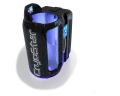
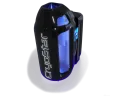
A first cryotherapy session lasts 2 to 3 minutes in a chamber cooled to a temperature that depends on the technology the studio operates: typically -80°C to -110°C (-112°F to -166°F) in an electric (nitrogen-free) chamber, or up to -170°C (-274°F) in a liquid-nitrogen chamber such as a CryoStar. It feels like an intense, dry, penetrating cold, startling at first but manageable, and most people step out feeling energized. Here is exactly what happens from booking to walking out the door, written for a first-timer who wants a calm and honest picture before showing up.
Vacuactivus manufactures cryotherapy chambers used across studios worldwide since 2009 (over 15 years) and builds both electric and nitrogen technology in the same catalogue. This guide reflects the operator practices we see across our B2B partner studios in 50+ countries, translated into a first-timer’s perspective. If your studio uses an electric chamber, sessions typically run at -80°C to -110°C; if they use a nitrogen chamber, sessions can reach -170°C. Ask the studio which technology they operate before your visit if peak temperature matters to you.
This guide walks through the visit chronologically: what happens before you enter (screening and preparation), what you wear, what actually happens during the 2-3 minute session, how it feels physiologically, what to expect after, and honest safety information about who should avoid cryotherapy. If you have any diagnosed medical condition, obtain medical clearance from a qualified healthcare provider before booking.
What Happens During a Cryotherapy Session (Quick Overview)
A cryotherapy session unfolds in six short stages. Booking and arrival, health screening intake, changing into minimal dry clothing plus protective gear, the 2-3 minute chamber session itself, warm-up recovery, and departure. The full visit typically runs 15-20 minutes; the chamber time itself is just 2-3 minutes. For a technical background on how the chamber actually cools the air (electric refrigeration vs liquid nitrogen), see Electric Cryotherapy Chamber: How Nitrogen-Free Technology Works which covers the technology comparison.
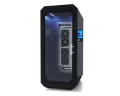
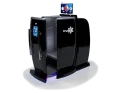
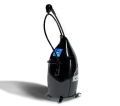
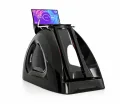
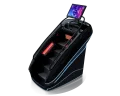
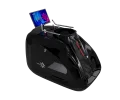
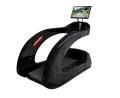
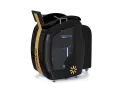
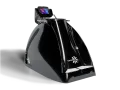
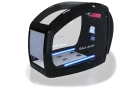
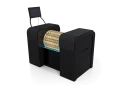
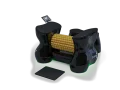
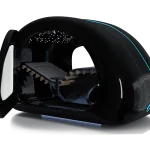
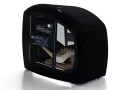
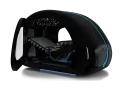
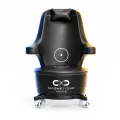
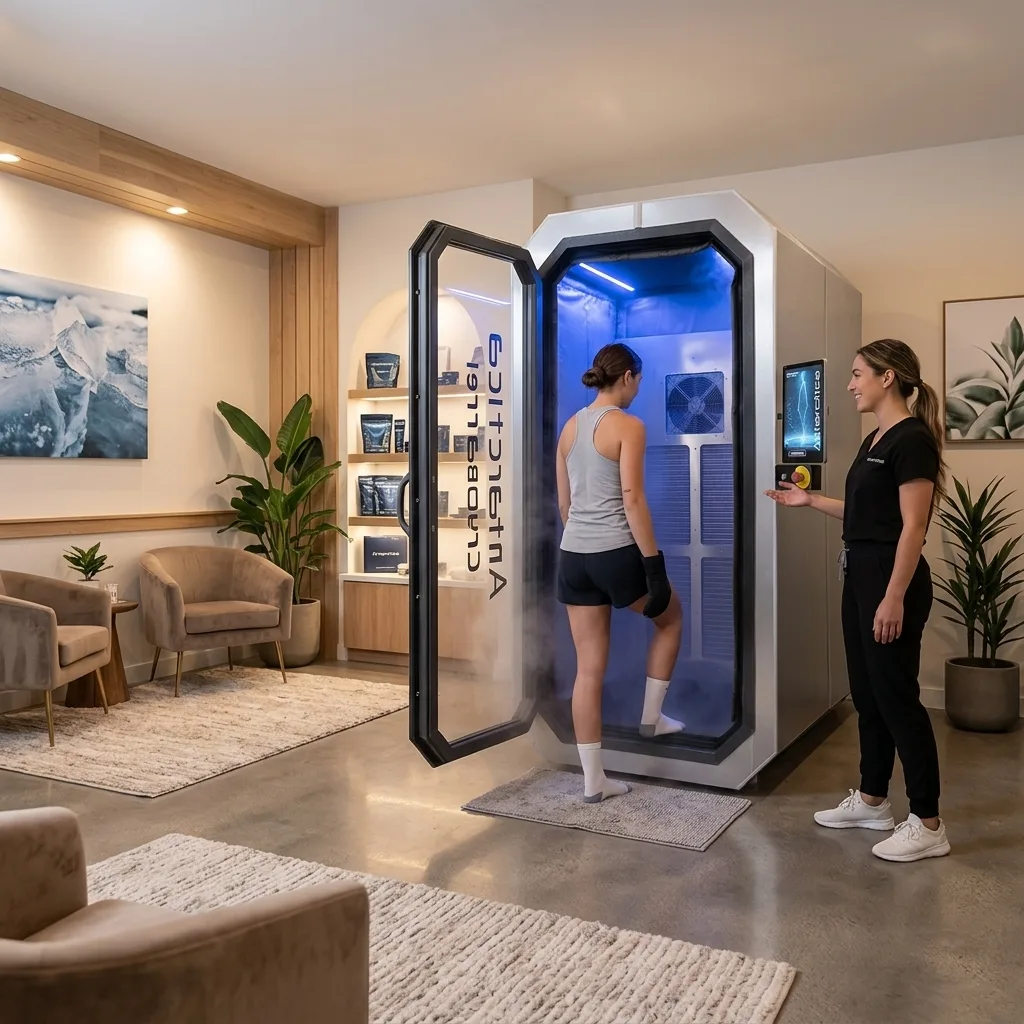
The chamber itself is either a cryosauna (head-out configuration where your head remains at room temperature above the chamber opening) or a walk-in electric or nitrogen chamber where you stand inside a small room. Both formats are safe and supervised. The head-out cryosauna configuration is the more common first-visit experience because clients can talk to the operator throughout the session and step out immediately if uncomfortable.
Before Your Session: Screening and Preparation
The first stage is a short health questionnaire that screens for contraindications. Studios ask about heart conditions, blood pressure, pregnancy, cold-sensitivity conditions (Raynaud’s disease, cold urticaria, cryoglobulinemia), recent illness, and any current medications. Answer honestly. Studios will decline sessions where contraindications are disclosed; this is a safety feature, not a rejection. If you have any diagnosed condition and want to proceed, bring documented medical clearance from your physician.
Practical preparation is minimal. Arrive with clean, dry skin (no heavy lotions, oils, or sweat). Remove all jewelry, watches, piercings, and metal accessories before entering the chamber – extreme cold on metal against skin causes discomfort and can risk minor cold burns. Hydrate normally beforehand (water, not caffeine or alcohol). Eat a light meal if you would otherwise be very hungry, but avoid a heavy meal immediately before the session.
What to Wear in a Cryotherapy Chamber
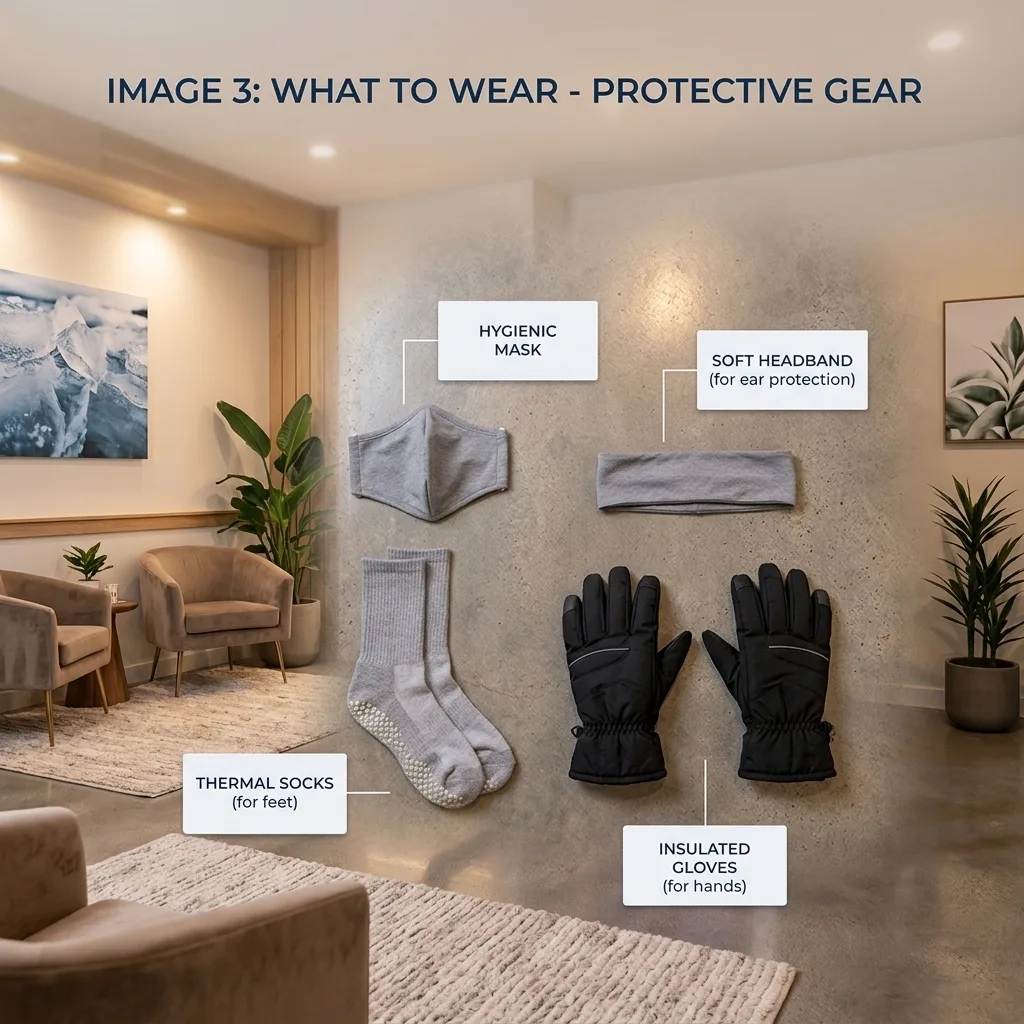
You wear minimal dry clothing plus the protective gear the studio provides. The provided gear typically includes insulated gloves, thick socks, closed-toe slippers or booties, and sometimes a headband or hat. Under the gear, most studios ask for minimal cotton clothing – typically shorts, and for women a sports bra. Men are usually asked to remove all metal (which includes wedding rings, earrings, watches, and chains). Women who prefer additional coverage can wear a plain cotton T-shirt if the studio permits.
Two rules matter: dry and minimal. Sweat, oil, or heavy fabrics against skin can freeze or increase discomfort during the session. Metal against skin conducts cold directly and creates painful cold-spots. Most studios provide a small changing room, disposable underwear or shorts if requested, and secure storage for personal items. The whole changing process takes about 3-5 minutes.
During the Session: How It Actually Feels
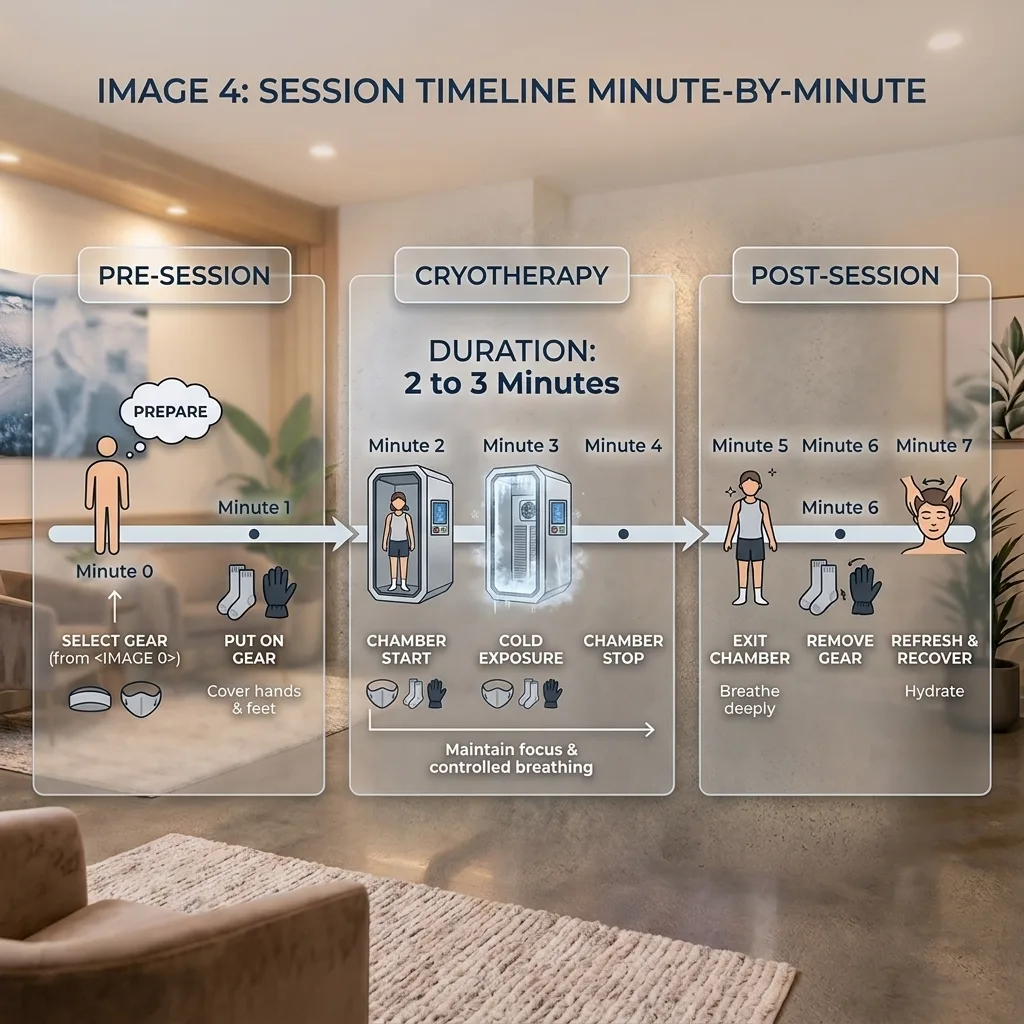
The staff member briefs you and opens the chamber. You step in; in a cryosauna, your head remains at room-temperature air above the opening, and the door or entry stays unlocked so you are in control at all times. Some cryosauna installations have a pre-chamber (roughly -60°C for a brief acclimation) before entry into the main chamber, per Tom’s Guide first-person coverage of a dual-chamber cryosauna session. The main chamber temperature depends on the technology deployed: electric chambers run -80°C to -110°C, nitrogen chambers run -140°C to -170°C. Others move you directly into the main chamber.
The dominant sensation in the first 15 to 30 seconds is intense, dry cold spreading across the skin. Your skin temperature drops roughly 10 to 15 degrees Celsius within the first 30-60 seconds. Most first-timers describe an initial ‘shock’ response – shallow breathing, mild involuntary shivering, and a strong urge to step out. This settles quickly. The cold is intense but not painful in the sense of injury; it is more like a startling, penetrating chill that grips the whole body simultaneously.
Around 1 to 1.5 minutes in, the initial shock settles. Many people describe it as feeling like standing outside on an extremely cold winter day: uncomfortable, but manageable, and increasingly familiar as the seconds pass. Toward the end (2-3 minute mark), some clients feel a slight numbness in fingers or toes despite the gloves and socks – this is normal and reverses immediately on exit. If at any point you want to end the session early, tell the operator and step out; no one is trapped inside the chamber.
How Long Is a Cryotherapy Session?
A standard whole body cryotherapy session lasts 2 to 3 minutes. First-timers typically start around 2 to 2.5 minutes and build up as they get comfortable across their first 2-3 visits. Anything beyond 3 minutes is not standard protocol and generally not recommended – the physiological benefit does not scale linearly with time, and extended exposure increases the risk of cold burns and other adverse effects. Studios enforce the 3-minute maximum for client safety.
The full studio visit including check-in, questionnaire, changing, session, and warm-up runs roughly 15 to 20 minutes. Many studios can accommodate a session over a lunch break or between meetings; this is part of the operational appeal for time-constrained wellness routines. For a deeper look at chamber temperatures by technology type, see How Cold Is a Cryotherapy Chamber? Temperature Guide which covers electric and nitrogen chamber operating ranges in depth.
After Your Session: What to Expect
Stepping out, blood rushes back to the surface skin (vasodilation) and you feel a distinct warming flush across your body. This rewarming sensation typically lasts 5-15 minutes and is often described as pleasant, with some clients reporting a mild endorphin-like lift, alertness, and mood improvement lasting several hours. The physiological mechanism is the sudden shift from vasoconstriction (during the session) to vasodilation (after), which drives a blood-flow surge to previously-restricted tissue and triggers norepinephrine and endorphin release.
Practical recovery tips: light movement (walking, gentle stretching) helps the rewarming process. Hydrate well after the session. Avoid intense exercise for 30-60 minutes if you are new to cryotherapy – your body is still normalizing. Some clients report DOMS (delayed onset muscle soreness) reduction the day after a post-training session, which is one of the more commonly-cited benefits for athletes. For the full evidence review of cryotherapy chamber benefits, see Benefits of Cryotherapy Chamber Sessions: What Science Says.
Is Cryotherapy Safe? Who Should Avoid It
Whole body cryotherapy is generally safe for healthy adults when sessions are supervised, time-limited to 2 to 3 minutes, and conducted with protective gear. Serious adverse events are rare in supervised commercial settings. However, several documented contraindications exist. The table below lists conditions where cryotherapy is not appropriate or requires medical clearance.
| Condition | Why It Matters |
|---|---|
| Severe or uncontrolled high blood pressure (hypertension) | The intense cold causes vasoconstriction that briefly raises blood pressure, which can be risky for uncontrolled hypertension |
| Significant heart conditions (recent heart attack, unstable angina, arrhythmias, heart failure) | The cardiovascular response to extreme cold stresses the heart; medical clearance is required for any significant cardiac history |
| Pregnancy | Whole body cryotherapy has not been studied for safety in pregnancy; the physiological stress is not recommended without physician approval |
| Raynaud’s disease or cold hypersensitivity | Raynaud’s causes severe vasospasm in fingers and toes on cold exposure; cryotherapy can trigger painful episodes |
| Cold urticaria (cold-induced hives) | The immune system reacts to cold exposure with hives, swelling, or in severe cases anaphylaxis; cryotherapy is not appropriate |
| Cryoglobulinemia and cold agglutinin disease | Rare blood conditions where cold exposure causes serious circulatory complications; contraindicated for cryotherapy |
| Active infection, fever, or acute illness | Systemic stress response is already elevated; adding cold stress is not advised until recovered |
| Open wounds, skin infections, or severe skin conditions | Extreme cold on open or compromised skin can worsen tissue damage; wait until fully healed and consult staff |
If you have any of these conditions and want to try cryotherapy, get medical clearance from a doctor familiar with your history before booking. Studios will decline sessions where contraindications are disclosed on the intake questionnaire without accompanying medical clearance – this is a safety feature, not a rejection. Beyond the medical contraindications, avoid cryotherapy if you have consumed alcohol within the past 24 hours or are experiencing symptoms of illness (fever, active infection). The commercial cryotherapy chambers used by professional studios include automatic safety systems (door interlocks, emergency stops, temperature sensors) that further reduce risk of adverse events during supervised sessions.
Tips for Getting the Most From Your First Visit
A few small preparations improve your first-visit experience meaningfully. Keep an open mind and remember that most first-timers find the session less brutal than they expected. Breathe steadily and calmly rather than gasping or holding breath; slow nasal breathing helps regulate the initial shock response. Communicate with the operator – they can adjust temperature or duration slightly on first visits at some studios, and they are trained to spot signs of over-response. If you feel light-headed or notice anything unusual, tell staff immediately and step out.
Plan for consistency if you want to see cumulative benefits. A single session gives you the immediate endorphin lift and possibly some DOMS reduction if you booked after training, but the recovery and inflammation-modulation benefits studied in the research literature accrue with 2-4 sessions per week over 4-8 weeks. For a deeper look at what a cryotherapy chamber actually is (anatomy, components, safety systems), see What Is a Cryotherapy Chamber? Anatomy of a Modern Cryosauna which walks through the equipment side.
Frequently Asked Questions
Q1. What happens during a cryotherapy session?
You change into minimal clothing and put on the provided protective gear (gloves, socks, and slippers), then step into the chamber. In a cryosauna your head stays outside while your body is surrounded by dry air cooled to a temperature that depends on the chamber technology: -80°C to -110°C in electric (nitrogen-free) chambers, or -140°C to -170°C in nitrogen chambers. You stay in for 2 to 3 minutes while a staff member supervises, then step out and warm up with light movement. The whole visit, including changing, takes about 15 to 20 minutes.
Q2. What do you wear in a cryotherapy chamber?
You wear minimal, dry clothing such as shorts and a sports bra, plus the protective gear the studio provides: gloves, socks, slippers, and often a headband or hat. Remove all metal (jewelry, watches, piercings) before entering. Two rules matter: dry (sweat and heavy fabric increase discomfort) and minimal (extremities need the protective gear; the torso does better with less between skin and the dry cold air).
Q3. How long is a cryotherapy session?
A standard whole body cryotherapy session lasts 2 to 3 minutes. First-timers usually start around 2.5 minutes and build up as they get comfortable. Sessions beyond 3 minutes are not standard protocol – the benefit does not scale linearly with time, and extended exposure increases the risk of cold burns. The full studio visit including changing and warm-up runs about 15 to 20 minutes.
Q4. Does cryotherapy hurt or is it painful?
It is not painful, but the cold is intense. The main sensation is a penetrating dry cold across your skin, and some people feel mild shivering or a pins-and-needles feeling. It differs from ice-water immersion (which many find far more uncomfortable): whole body cryotherapy uses dry cold air, which most first-timers describe as intense but tolerable across the 2-3 minute session. If you feel unwell at any point, step out – you are in control the whole time.
Q5. What does cryotherapy feel like?
The dominant feeling is intense, dry cold that can be startling at first. Your skin temperature drops about 10 to 15 degrees Celsius within the first 30-60 seconds. After the initial shock, the sensation settles into something like standing outside on an extremely cold winter day. Toward the end of the session, some fingers or toes may feel slightly numb; this reverses immediately on exit.
Q6. How should I prepare for my first cryotherapy session?
There is little you need to do. Arrive with clean, dry skin (no heavy lotions), bring or wear minimal clothing, and be ready to remove jewelry and metal. Hydrate normally beforehand. If you have any medical condition (cardiovascular, cold hypersensitivity, pregnancy), bring documented medical clearance from your physician. Answer the health screening questionnaire honestly – the studio will decline sessions where contraindications appear without clearance.
Q7. How do you feel after cryotherapy?
Most people feel energized, alert, and slightly euphoric for a few hours afterward, thanks to the endorphin release and the rush of blood back to the surface (vasodilation). Some clients report DOMS reduction the day after a post-training session. First-timers occasionally feel briefly light-headed on exit as vasodilation kicks in; this passes within a few minutes.
Q8. Who should not do cryotherapy?
Whole body cryotherapy is generally safe for healthy adults, but some people should avoid it or get medical clearance first. This includes those with severe or uncontrolled high blood pressure, significant heart conditions (recent heart attack, arrhythmias, heart failure), pregnancy, Raynaud’s disease, cold urticaria, cryoglobulinemia, active infection or fever, and open wounds. If you have any of these conditions and want to try cryotherapy, obtain medical clearance from a physician familiar with your history.
Conclusion
A first cryotherapy session is short, intense, and manageable. You spend 2 to 3 minutes in a chamber cooled to a temperature that depends on the technology deployed: typically -80°C to -110°C in electric (nitrogen-free) chambers, or -140°C to -170°C in nitrogen chambers such as a CryoStar. You are protected by gloves, socks, and slippers, with your head at room temperature (in a cryosauna). The cold is genuinely startling in the first 30 seconds, then settles as your body adjusts. You step out to a warming flush, an endorphin lift, and often a several-hour mood and energy boost. Whole body cryotherapy is generally safe for healthy adults; check the contraindications above and get medical clearance if any apply.
Consistency matters more than intensity for cumulative benefits, so if the first session goes well, plan for 2 to 4 sessions per week if you want the recovery and inflammation-modulation benefits documented in the research literature. For studios and buyers evaluating equipment across the full range, Vacuactivus cryotherapy chambers commercial and residential range covers both electric and nitrogen options. For whole body cryotherapy sauna systems specifically configured for spa and studio deployment, the WBC product page has full specifications.


