













How Cold Is a Cryotherapy Chamber? Temperature Guide by Machine Type
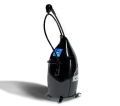
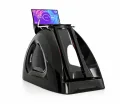
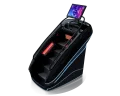
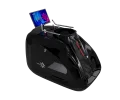
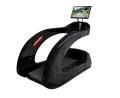
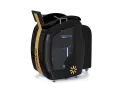
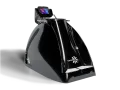
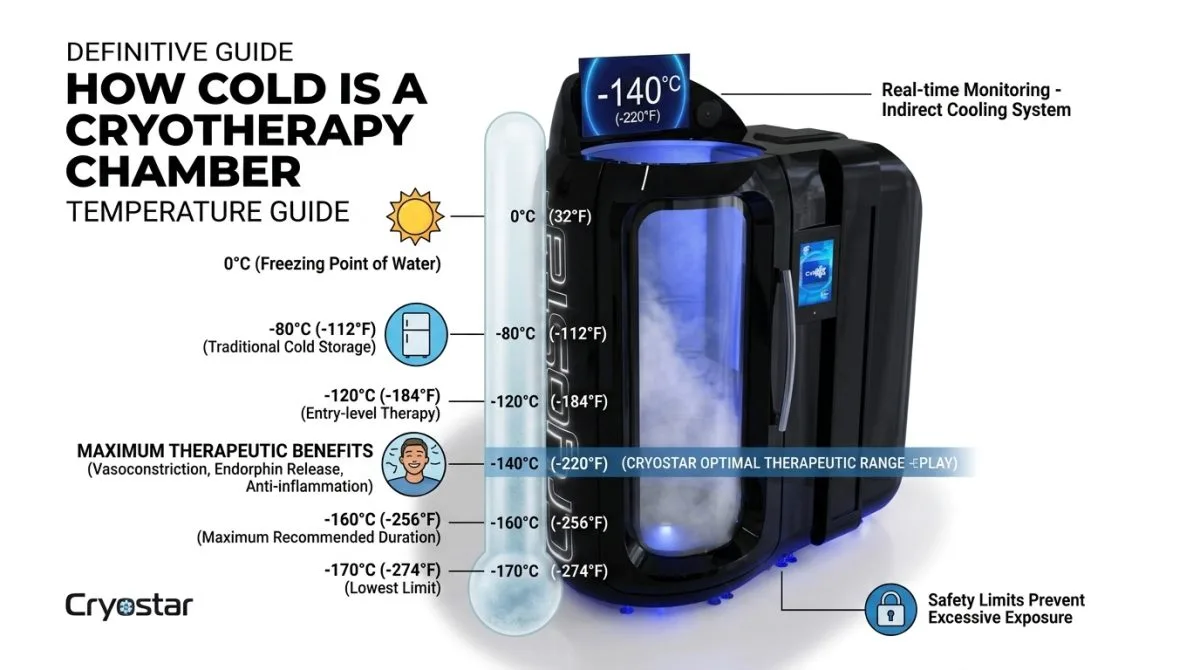
A cryotherapy chamber operates at extremely low temperatures, but the exact number depends on the machine type. This article aligns every figure to Vacuactivus production specification, with explicit notes where broader third-party market ranges differ. Vacuactivus electric whole-body cryotherapy chambers operate at -80°C to -110°C (-112°F to -166°F) across the Antarctica line: Antarctica Electric at -100°C, WBC Electric across the -80°C to -110°C envelope, and Antarctica Barrel Electric at -110°C. Vacuactivus liquid nitrogen cryosaunas reach -140°C to -170°C (-220°F to -274°F): CryoStar reaches -170°C, and WBC Nitrogen operates across the -140°C to -170°C envelope. Vacuactivus also manufactures a local electric cryotherapy device (Iceberg Electric Cryo) operating at -20°C for single-area spot treatment. Some third-party electric units are advertised at ranges up to -140°C, and some third-party nitrogen units are advertised up to -180°C at peak – those ranges reflect market-wide advertised claims rather than Vacuactivus product specifications, and this guide will call them out separately where they matter.
Vacuactivus has manufactured both electric and liquid nitrogen cryotherapy chambers since 2009 (over 15 years), which is why the temperatures below reflect real production engineering rather than marketing simplifications. The honest short answer to how cold a cryotherapy chamber gets is that it depends on the machine, and this guide walks buyers through the temperature ranges by machine type with the Vacuactivus specification as the authoritative anchor. Where the article notes that broader market claims sit outside the Vacuactivus envelope, that is intentional context rather than an implicit endorsement of those wider figures.
The audience for this guide is curious learners comparing what cryotherapy chambers actually feel like and buyers (studio operators, spa owners, clinic decision-makers) evaluating machines by real specification rather than marketing number. If you are researching this before a first session, note that a cryotherapy chamber is not a substitute for medical treatment; if you have any diagnosed condition or take prescription medication, consult a qualified healthcare provider before booking. Never use a chamber alone; a second person must be present at all sessions.
Cryotherapy Chamber Temperature Ranges at a Glance
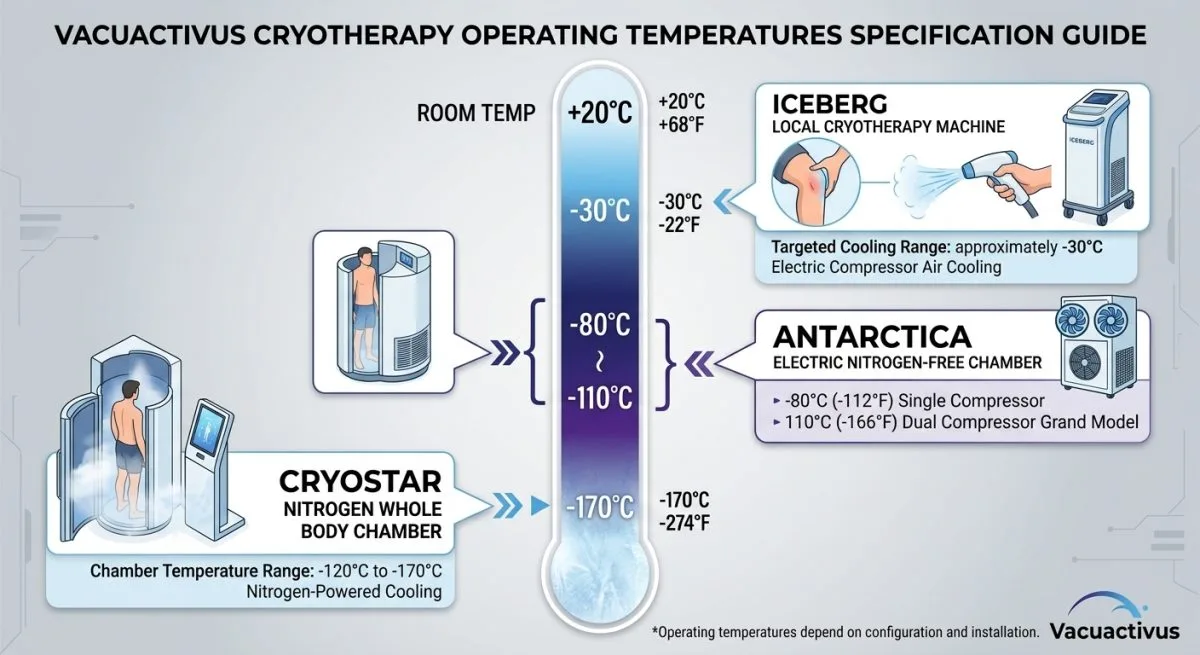
Most Vacuactivus whole-body cryotherapy sessions happen between -80°C and -170°C, split by technology. The warmer end (-80°C to -110°C) belongs to the electric Antarctica line, which uses breathable oxygenated air and permits whole-body-including-head exposure. The colder end (-140°C to -170°C) belongs to the liquid nitrogen cryosauna line, which delivers vaporized nitrogen for shorter sessions in a head-out configuration. Both operate on 2-3 minute session windows. Vacuactivus also manufactures the Iceberg Electric Cryo at -20°C for single-area local treatment – a fundamentally different type from whole-body chambers and included here because a temperature guide for the Vacuactivus range without it would be incomplete.
| Machine Type | Vacuactivus Spec Temperature | Cooling Method | Notes / Market Context |
|---|---|---|---|
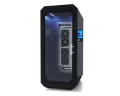
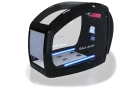
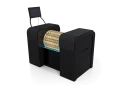
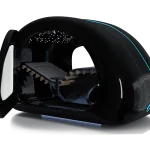
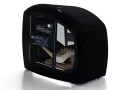
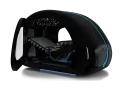
| Vacuactivus electric walk-in cryotherapy chamber (Antarctica line) | -80°C to -110°C (-112°F to -166°F): Antarctica Electric at -100°C, WBC Electric across -80°C to -110°C envelope, Barrel Electric at -110°C | Refrigeration compressor with cascade cooling loop; breathable oxygenated air | Whole-body including head; longer cooldown between clients. Some third-party electric units advertise ranges up to -140°C – that is market claim, not Vacuactivus spec |
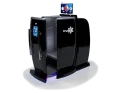
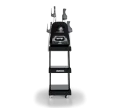
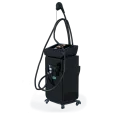
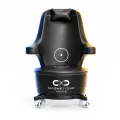
| Vacuactivus liquid nitrogen cryosauna (CryoStar + WBC Nitrogen) | -140°C to -170°C (-220°F to -274°F): CryoStar reaches -170°C, WBC Nitrogen operates -140°C to -170°C envelope | Liquid nitrogen vapor injected via delivery nozzles; nitrogen-rich vapor not for breathing | Body below neck exposed; head stays outside; faster cooldown; typical session 2-3 minutes. Some third-party market nitrogen units advertise up to -180°C peak – that is market context |
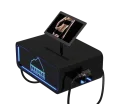
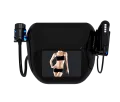
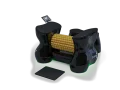
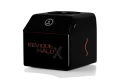
| Vacuactivus local electric cryotherapy (Iceberg Electric Cryo) – NEW per audit | -20°C for single-area spot treatment | Electric refrigeration applied to single-area applicator; no nitrogen consumable | Face, joint, or focal-tissue spot treatment; session typically 5-10 minutes on target area. Not whole-body; complements chamber deployment for facilities offering both |
| Market localized cryotherapy device (nitrogen/CO2 spot) | -30°C to -80°C (-22°F to -112°F) at treated spot per third-party market range | Nitrogen or CO2 spot delivery via applicator nozzle (third-party manufacturers) | Facial and joint spot treatment; not whole-body; session 5-15 minutes. Not manufactured by Vacuactivus – Iceberg row above is the Vacuactivus local electric alternative |
| Cold plunge or ice bath (for context) | 5-15°C (41-59°F) | Water conductive cooling | Whole-body immersion; sessions 5-15 minutes; not chamber-based cryotherapy but frequently compared. Water transfers heat about 25 times faster than air |
Electric Cryotherapy Chambers: -80°C to -110°C (Vacuactivus Antarctica Line)
Electric cryotherapy chambers use refrigeration compressors driving a refrigerant cascade cooling loop to reach and hold their operating range. The Vacuactivus Antarctica electric line reaches -80°C to -110°C: Antarctica Electric holds -100°C, WBC Electric operates across the -80°C to -110°C envelope depending on session protocol, and Antarctica Barrel Electric holds -110°C. That -110°C figure is the ceiling of the Vacuactivus electric line; some third-party electric units are marketed with ranges up to -140°C, which is market claim, and buyers should verify actual production temperature against calibrated skin-temperature-drop measurement rather than nameplate. For a deeper look at how the nitrogen-free electric technology works and why it costs and behaves differently than nitrogen, see Electric Cryotherapy Chamber: How Nitrogen-Free Technology Works which covers the mechanism and comparison in depth.
The defining feature of an electric cryotherapy chamber compared to nitrogen units is that the air inside is oxygenated and breathable. You step in and your whole body including your head is inside the treatment area for the full 2-3 minute session. This changes the client experience compared to head-out nitrogen cryosaunas, and it changes the equipment engineering: an electric walk-in must maintain the entire volume of oxygenated air at operating temperature rather than deliver a localized nitrogen vapor blast, which is why electric units carry higher upfront cost and slower cooldown between clients but avoid the consumable-nitrogen supply chain and asphyxiation-risk profile entirely.
Local Electric Cryotherapy: Iceberg -20°C (Different Type, Different Job)
One category that a temperature guide ‘by machine type’ would be incomplete without is local electric cryotherapy. Vacuactivus manufactures the Iceberg Electric Cryo at -20°C for single-area spot treatment – facial applications, joint focal-tissue treatment, or targeted recovery on one area rather than whole-body immersion. This is a fundamentally different type of machine from a whole-body chamber and it operates at a fundamentally different temperature (-20°C rather than -80°C to -170°C) because the treatment envelope is a single area at close range rather than an entire body volume. Some third-party manufacturers offer nitrogen or CO2 localized devices at -30°C to -80°C at the treated spot; Vacuactivus’s Iceberg is the electric alternative at -20°C. Session length on a local device typically runs 5-10 minutes on the target area versus 2-3 minutes total for a whole-body chamber.
Liquid Nitrogen Cryosaunas: -140°C to -170°C (Vacuactivus CryoStar Line)
Liquid nitrogen cryotherapy delivers colder peak temperatures through a fundamentally different mechanism. Instead of compressor-driven refrigeration, a cryosauna injects vaporized liquid nitrogen through delivery nozzles into an enclosed cabin. The Vacuactivus nitrogen line operates at -140°C to -170°C: CryoStar reaches -170°C at operational peak, and WBC Nitrogen operates across the -140°C to -170°C envelope. That -170°C figure at CryoStar is the coldest peak in the Vacuactivus range and marks the practical top of nitrogen chamber temperature for a well-engineered production unit. Some third-party market cryosaunas advertise up to -180°C peak – that is broader market claim rather than a Vacuactivus specification, and readers evaluating chambers with -180°C nameplate should ask for the calibration methodology behind that number and the third-party test report. For a broader look at what a cryotherapy chamber actually is at the component level, see What Is a Cryotherapy Chamber? Anatomy of a Modern Cryosauna which walks through the equipment in depth.
Practical implications of the nitrogen approach include faster cooldown between sessions (higher client throughput per hour), colder peak temperatures on the display, shorter typical session durations (2-3 minutes rather than 3-4 minutes for electric), and the requirement that the client’s head stays outside the cabin above the rim. Nitrogen vapor is not breathable, so the head-out cryosauna format is not a stylistic choice – it is a safety requirement, and it is why nitrogen walk-in whole-body-including-head chambers are rare while electric walk-ins are common. The nitrogen supply chain (liquid nitrogen deliveries, storage dewars, ventilation and oxygen monitoring in the facility) is the operational trade-off for the colder peak temperature and faster throughput.
The Temperature on the Display vs the Temperature Your Skin Feels
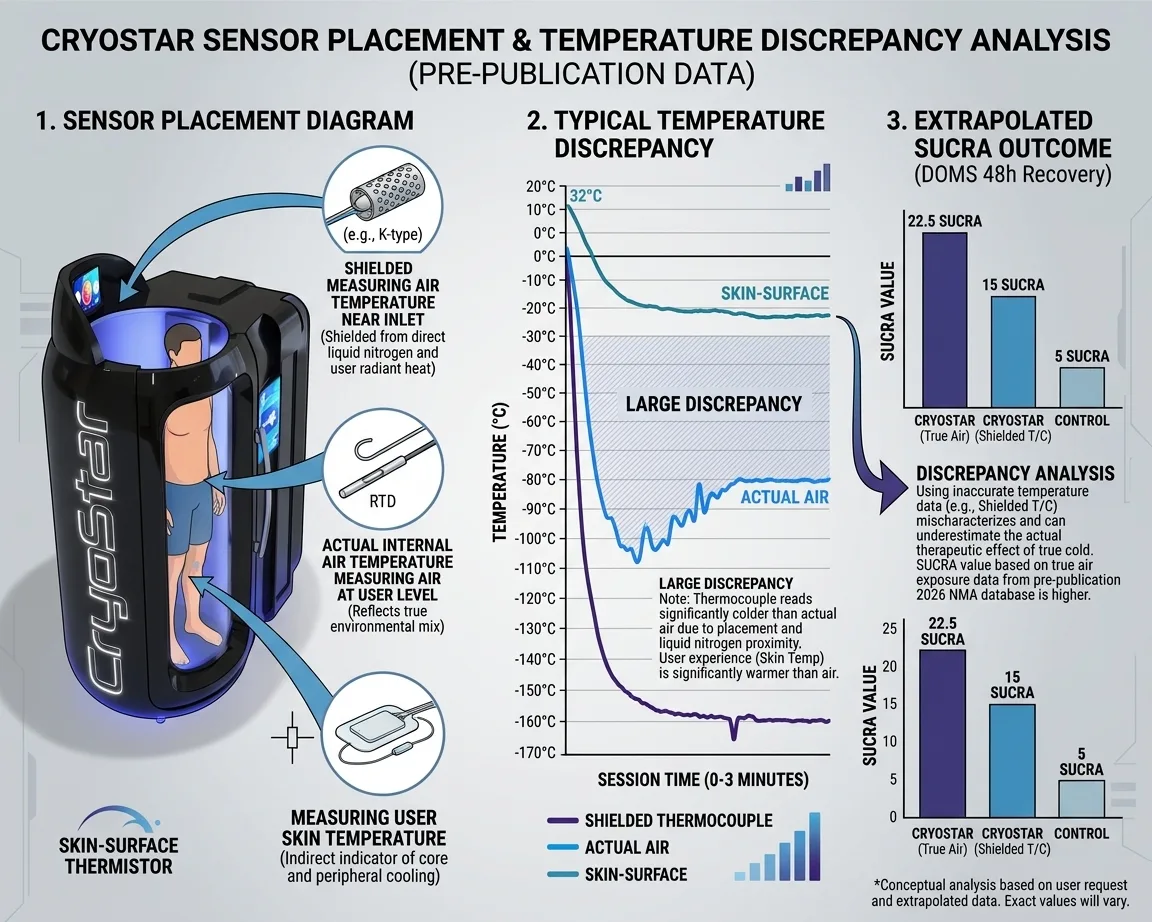
This is the section that separates evidence-honest coverage from marketing-driven content. Third-party manufacturer analyses have flagged a nuance that most cryotherapy chamber temperature guides miss: the number on the wall display is often not the number your skin actually experiences. The temperature sensor in many chambers is placed behind a shield so the coldest air does not blast directly on the client, which is a safety and comfort feature. But this means the displayed reading represents a shielded thermocouple location rather than the free-air temperature at skin level, and the two can differ by 20°C or more depending on chamber design.
There is a practical clue to spot this: LED displays and digital electronics simply do not operate below about -40°C. If a chamber shows a working LED display inside the treatment area, the air directly around that display cannot be colder than roughly -40°C. Displays typically sit outside the coldest zone or behind insulation for exactly this reason, and reading the number without knowing where it was measured is a spec-sheet mistake. What actually matters therapeutically is the skin-surface temperature drop during the session, which is a different measurement made with skin-contact sensors rather than air thermocouples. Ask a supplier for the skin-temperature-drop methodology alongside the nameplate air temperature, and compare like with like across chambers rather than comparing display numbers directly.
What Temperature Actually Triggers the Cold Response
The therapeutic mechanism of whole-body cryotherapy is triggered by rapid skin-surface temperature drop, which activates vasoconstriction, sympathetic nervous system response, and IL-10 anti-inflammatory cytokine release. Research protocols suggest that meaningful skin cooling starts to accumulate at air temperatures around -80°C for 2-3 minute exposures – which is exactly why the lower end of the Vacuactivus electric envelope (-80°C to -110°C) is set where it is, and why sessions run in the 2-3 minute window across all chamber types. For a first-timer walkthrough of what actually happens across those 2-3 minutes at chamber temperature, see Cryotherapy Chamber Sessions: What to Expect at Your First Visit which covers the session experience end-to-end.
Below this threshold (air temperature above -80°C for a session too short to reach adequate skin cooling), the body does not reliably reach the cold-stress state that drives the therapeutic effect. Above this threshold, colder air temperatures accelerate the skin-surface drop and can shorten the required exposure – which is part of why nitrogen cryosaunas at -170°C run 2 minutes while electric chambers at -80°C to -110°C often run 3 minutes. Both endpoints deliver the therapeutic 30-40% skin-temperature drop, just via different air-temperature routes.
How Cold Is Too Cold? Safety Limits
The 2-4 minute session window across all cryotherapy chamber types is not arbitrary. Standard clinical protocol coverage frames the -80°C to -170°C range with strict 2-4 minute limits precisely because time-limited exposure prevents the tissue damage that would otherwise occur at these air temperatures. Above 4 minutes at chamber temperature, cold-injury risk climbs quickly regardless of technology; below 2 minutes, skin cooling has not accumulated far enough to reliably trigger the therapeutic response. The 2-4 minute window is calibrated to the therapeutic threshold, not the equipment envelope.
People with cardiovascular conditions (uncontrolled hypertension, recent heart events, arrhythmias), Raynaud’s disease, cold urticaria, cryoglobulinemia, active fever or infection, pregnancy, or open wounds should not use a cryotherapy chamber without documented medical clearance from a qualified physician familiar with their history. Studios must screen these contraindications on the intake questionnaire and decline sessions where they appear without clearance – this is a safety feature, not a rejection. Never use a chamber alone; a second person must be present at all sessions. Nitrogen-cooled chambers carry an additional documented risk (nitrogen vapor displaces oxygen and can cause hypoxia and loss of consciousness in an enclosed room), which is why nitrogen units require ventilation and oxygen monitoring, and why the never-alone rule is enforced across the industry after the 2015 fatal case in Nevada.
Cold Therapy Temperature Spectrum
Cryotherapy chambers sit at the highest-intensity, shortest-duration end of a broader cold therapy spectrum. Different depths of cold serve different applications. An ice pack applied locally sits around 0°C on the skin for 15-20 minutes at a time. A cold plunge or ice bath immerses the whole body in water at 5-15°C for 5-15 minutes and transfers heat about 25 times faster than air at the same temperature would. The Vacuactivus Iceberg Electric Cryo delivers -20°C at a single treated area for 5-10 minutes. Third-party market localized nitrogen or CO2 devices deliver -30°C to -80°C at spot for 5-15 minutes.
Vacuactivus electric walk-in cryotherapy chambers (-80°C to -110°C, whole-body including head, 2-3 minute sessions) and nitrogen cryosaunas (-140°C to -170°C, head-out, 2-3 minute sessions) sit at the extreme end of that spectrum in air temperature. Both deliver the therapeutic skin-temperature drop through fundamentally different air-temperature routes and different session-length windows, and both operate within the general 2-4 minute safety envelope. What sits between them (broader third-party market claims of -110°C to -140°C electric or -160°C to -180°C nitrogen peak) is market context for buyers evaluating multiple suppliers; the Vacuactivus envelopes above are the authoritative reference for this article.
Frequently Asked Questions
Q1. How cold is a cryotherapy chamber?
It depends on the machine type. Vacuactivus electric whole-body cryotherapy chambers (Antarctica line) operate at -80°C to -110°C (-112°F to -166°F): Antarctica Electric holds -100°C, WBC Electric across -80°C to -110°C, Barrel Electric at -110°C. Vacuactivus liquid nitrogen cryosaunas (CryoStar + WBC Nitrogen) operate at -140°C to -170°C (-220°F to -274°F). Vacuactivus also manufactures the Iceberg Electric Cryo local device at -20°C for single-area spot treatment. Broader market claims (some electric chambers advertised up to -140°C, some nitrogen units up to -180°C at peak) reflect market-wide claims rather than Vacuactivus specifications.
Q2. What is the temperature of an electric vs nitrogen cryotherapy chamber?
Electric and nitrogen chambers operate in different ranges by design. Vacuactivus electric range (Antarctica line): -80°C to -110°C (-112°F to -166°F). Vacuactivus nitrogen range (CryoStar and WBC Nitrogen): -140°C to -170°C (-220°F to -274°F). The nitrogen approach reaches colder peak air temperature but uses vaporized liquid nitrogen (head must stay outside the cabin, and nitrogen vapor is not breathable) while electric maintains breathable oxygenated air across the whole chamber including the head zone. Broader third-party market ranges may extend those envelopes; the numbers above are Vacuactivus product spec.
Q3. Is the display temperature accurate?
Not necessarily. As noted by CryoMed’s manufacturer team and other equipment analyses, the temperature sensor in many chambers is placed behind a shield so the coldest air does not blast directly on the client. The displayed reading represents that shielded thermocouple location rather than the free-air temperature at skin level, and the two can differ by 20°C or more depending on chamber design. LED displays and digital electronics also do not operate below about -40°C, so any working LED inside a treatment area cannot be at ambient chamber temperature – it sits in a warmer pocket by design. What actually matters therapeutically is the skin-surface temperature drop, which is a different measurement made with skin-contact sensors. Ask any supplier for the skin-temperature-drop methodology alongside the nameplate air temperature.
Q4. How cold is too cold for cryotherapy?
There is no fixed ‘too cold’ number in air temperature because sessions are time-limited. Below air temperature around -170°C for 2-3 minute exposure (the ceiling of the Vacuactivus nitrogen line), gains plateau relative to the incremental frostbite risk. The standard 2-4 minute exposure window across all chamber types is calibrated to reach the therapeutic skin-temperature drop without crossing into cold-injury territory. Extending time beyond 4 minutes at chamber temperature raises tissue-damage risk sharply regardless of technology, which is why studios enforce the 3-4 minute maximum. The absolute limits are more about time-at-temperature than about the temperature itself.
Q5. How cold is cryotherapy compared to an ice bath?
Cryotherapy chambers are far colder than ice baths in air temperature – Vacuactivus electric at -80°C to -110°C and nitrogen at -140°C to -170°C versus 5-15°C for cold-plunge water. But water transfers heat about 25 times faster than air, so cold water at 5-15°C for 10-15 minutes reaches deeper cooling in the extremity tissues than 2-3 minutes at -110°C air. This is why the 2026 Frontiers cryotherapy network meta-analysis found cold water immersion outperformed cryotherapy chambers for pain relief in the first hour after exercise despite being 100°C warmer. Different mechanism, different penetration depth, different session length, different result profile.
Q6. How cold does a cryosauna get?
Vacuactivus liquid nitrogen cryosaunas (CryoStar and WBC Nitrogen) operate at -140°C to -170°C (-220°F to -274°F), with CryoStar reaching -170°C at operational peak. The body below the neck is exposed to nitrogen vapor while the head stays outside the cabin, since nitrogen vapor is not breathable. Some third-party market cryosaunas are advertised as reaching -180°C at peak; that figure is broader market claim and buyers evaluating chambers with -180°C nameplate should ask for the calibration methodology and third-party test report behind the number.
Q7. How long can you safely be in a cryotherapy chamber?
Standard whole-body sessions last 2-4 minutes, and that limit is not arbitrary. Below 2 minutes, the body usually has not reached the systemic cold-stress response that drives the therapeutic effect. Above 4 minutes at chamber temperature, tissue-damage risk from cold exposure climbs quickly regardless of technology. The 2-4 minute window applies across Vacuactivus electric (typically 3 minutes at -80°C to -110°C) and nitrogen (typically 2-3 minutes at -140°C to -170°C), and it is enforced at the equipment level with session timers and at the studio level with staff supervision. Never use a chamber alone; a second person must be present at all sessions.
Q8. What is the coldest cryotherapy chamber?
In the Vacuactivus range, the coldest chamber is CryoStar reaching -170°C (-274°F) at operational peak. Some third-party market cryosaunas are advertised at -180°C at peak, which is broader market claim rather than a Vacuactivus specification, and readers evaluating those nameplate figures should ask for the calibration methodology and third-party test report. In absolute air temperature, the therapeutic benefit does not scale linearly with peak coldness anyway – both nitrogen and electric chambers deliver the same 30-40% skin-temperature drop through the same 2-4 minute session window, just via different air-temperature routes. The coldest chamber on paper is not automatically the best choice; skin-temperature-drop capability, session-length consistency, and monitoring accuracy matter more than nameplate.
Conclusion
Vacuactivus electric cryotherapy chambers (Antarctica line) operate at -80°C to -110°C, Vacuactivus liquid nitrogen cryosaunas (CryoStar + WBC Nitrogen) reach -140°C to -170°C, and Vacuactivus Iceberg Electric Cryo delivers -20°C for local single-area treatment. Both whole-body types deliver the same therapeutic 30-40% skin-temperature drop through different air-temperature routes. Some third-party market claims extend those envelopes (electric to -140°C in some units, nitrogen to -180°C peak in some units); those figures reflect market-wide advertising rather than Vacuactivus specification, and this article treats the Vacuactivus envelopes above as the authoritative reference.
For buyers evaluating cryotherapy machines by real specification rather than marketing number, the practical guidance is to focus on skin-temperature-drop capability, session-length consistency, monitoring accuracy (skin-contact sensors alongside air thermocouples), calibration methodology, and commercial warranty terms. Nameplate coldness is a starting point, not the answer. Explore commercial cryotherapy chambers for the full Vacuactivus range (Antarctica electric line, CryoStar nitrogen line, and Iceberg local electric), whole body cryotherapy sauna systems for the WBC configuration, or the cryosauna info-hub for the broader information hub. For price walk-through, see How Much Does a Cryotherapy Machine Cost? Real 2026 Numbers.


