


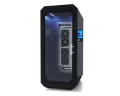
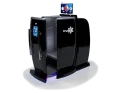


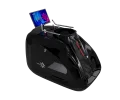
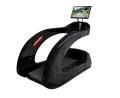
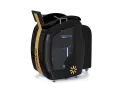
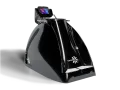









What Is a Cryotherapy Chamber? Anatomy of a Modern Cryosauna
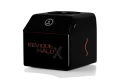
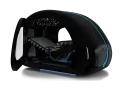
A cryotherapy chamber is a walk-in enclosure that exposes the body to controlled cold air for two to four minutes. Operating temperature depends on the chamber technology: electric (nitrogen-free) chambers operate in the -80°C to -110°C (-112°F to -166°F) envelope; nitrogen chambers reach the colder -140°C to -170°C (-220°F to -274°F) envelope. It triggers a brief but intense whole-body cold response used for recovery, inflammation reduction, and pain management. Vacuactivus has manufactured cryotherapy chambers in Poland (EU) since 2009 (over 15 years), covering both electric and nitrogen technology across the Antarctica and CryoStar product lines.
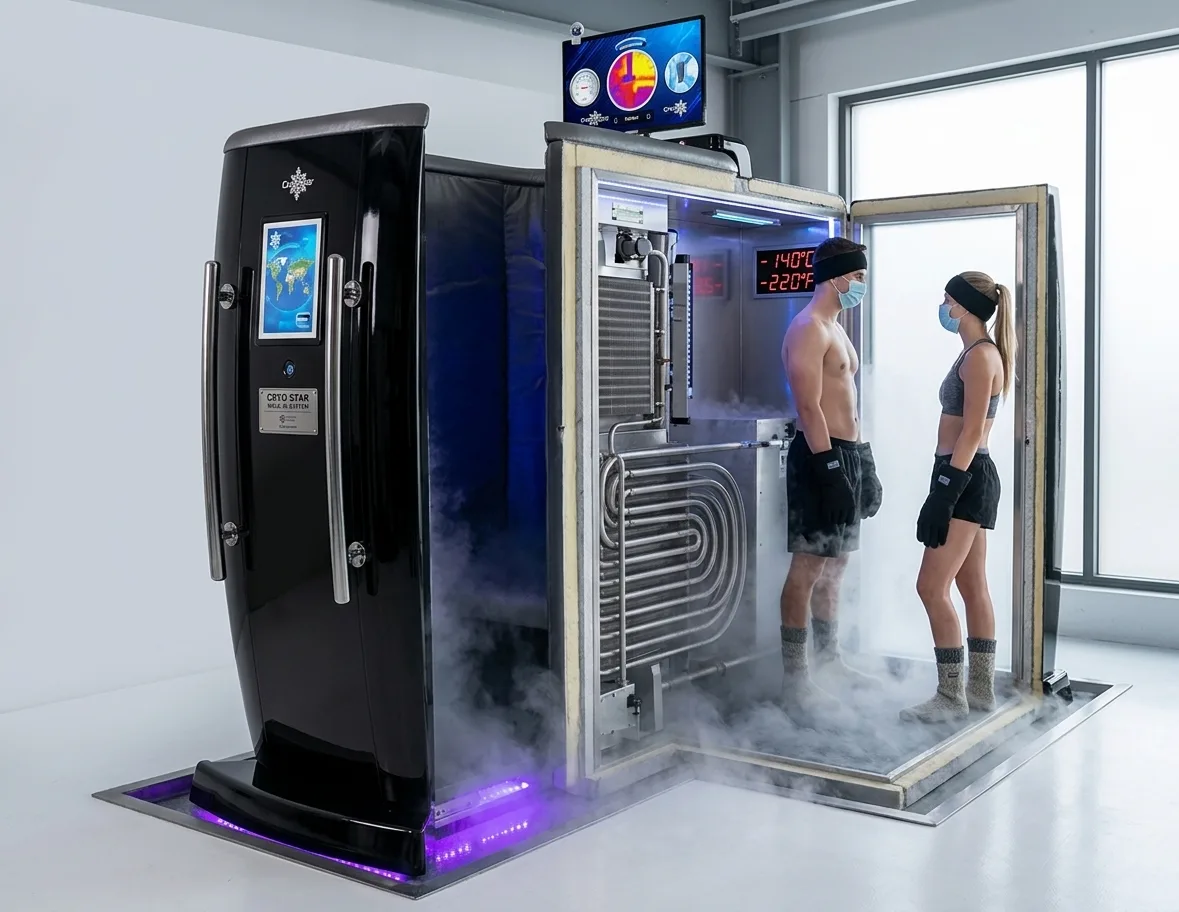
This guide covers what a cryotherapy chamber actually is, how it works, what is inside the machine, the difference between a cryosauna and a walk-in cryo chamber, and where the technology fits in the broader cold therapy spectrum. It is written for learners encountering the term for the first time and buyers evaluating equipment for commercial deployment.
The audience for this pillar guide is learners (people encountering the term for the first time and doing pre-purchase or pre-session research) and buyers (studio operators, spa owners, clinic buyers who need to understand what they are looking at before comparing models and quotes). The tone is definitional and technical: what the machine actually is, what its parts do, and where it fits in the recovery equipment landscape.
Cryosauna vs Cryo Chamber: Clearing Up the Terminology
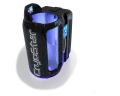
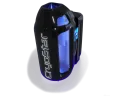
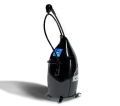
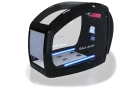
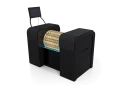
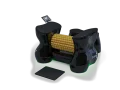
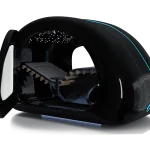
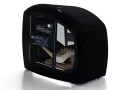
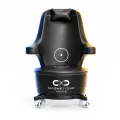
The single most common terminology confusion in the cryotherapy chamber space is cryosauna versus cryo chamber. Marketing copy and consumer-facing content often use the terms interchangeably, but the industry uses them to distinguish two distinct configurations. A cryosauna is a compact head-out cylinder (typically nitrogen-cooled) where the body stands inside and only the head remains above the rim. A walk-in cryo chamber is a full-body enclosure where the entire body including the head is inside the treatment space (typically electric-cooled with breathable air). The distinction matters for buyers because the two configurations have different footprints, cooling infrastructures, session throughput, and operational profiles.
| Feature | Cryosauna | Cryo Chamber (Walk-In) |
|---|---|---|
| Body exposure | Head-out: body below neck exposed, head above the rim in room-temp air | Whole-body: entire body including head is inside the treatment space |
| Cooling method | Typically liquid nitrogen vapor injected into the cylinder | Typically electric refrigeration with compressor and cascade cooling loop |
| Air quality inside | Nitrogen-rich vapor – user cannot breathe it (head stays out) | Breathable oxygenated cold air – user breathes normally inside |
| Operating temperature (Vacuactivus spec) | Nitrogen: -140°C to -170°C (CryoStar to -170°C, WBC Nitrogen -140/-170°C) | Electric: -80°C to -110°C (Antarctica Electric -100°C, WBC Electric -80/-110°C, Barrel -110°C); nitrogen walk-in configurations available separately at -140°C to -170°C |
| Footprint | Compact single-person cylinder, roughly 1-1.5 sq m | Larger walk-in enclosure, roughly 2-4 sq m plus service clearance |
| Sessions per hour | Faster turnover, ~8-12 sessions/hr (fast cooldown, brief session) | ~4-6 sessions/hr (longer chamber cooldown between clients on some models) |
| Typical use context | Wellness studios, day spas, express recovery locations | High-volume athletic recovery, medical spas, longevity clinics, WBC-focused facilities |
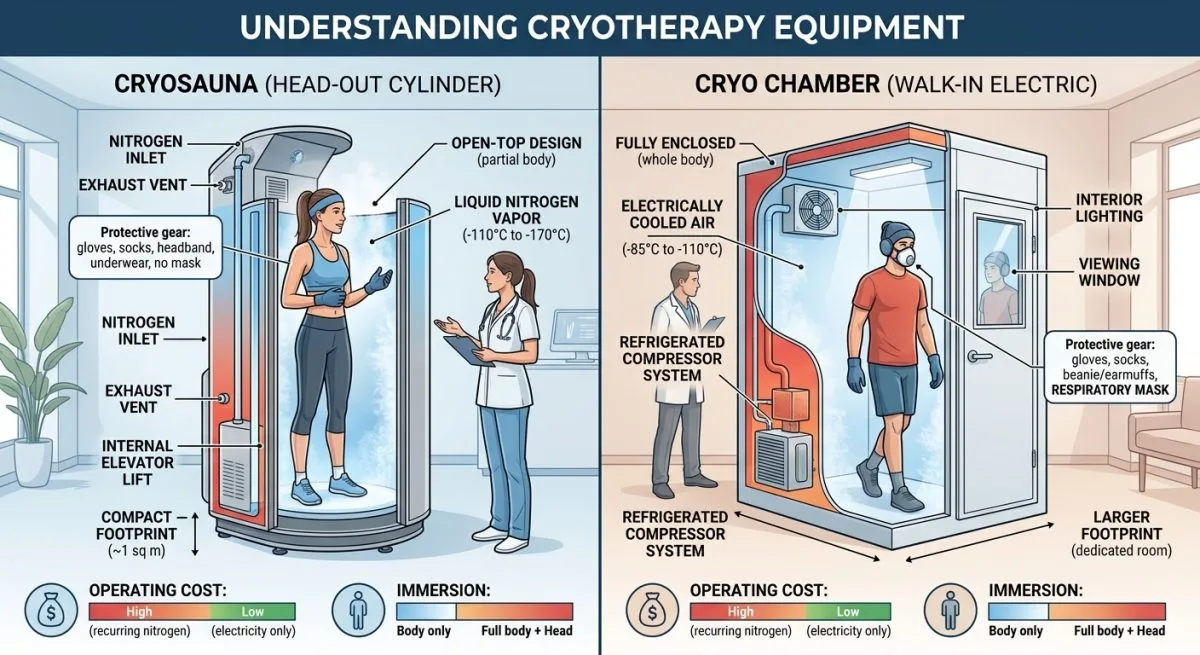
The practical implication for buyers: cryosauna configurations are typically faster to cool down and offer higher throughput per hour, making them well-suited to walk-in wellness studios with high session volume; walk-in cryo chamber configurations offer whole-body exposure including head at the tradeoff of larger footprint and slower turnover. For a technology-deep-dive on the electric (nitrogen-free) side of the cooling engineering, see Electric Cryotherapy Chamber: How Nitrogen-Free Technology Works which covers cascade refrigeration versus liquid nitrogen infrastructure choice in detail.
How a Cryotherapy Chamber Works
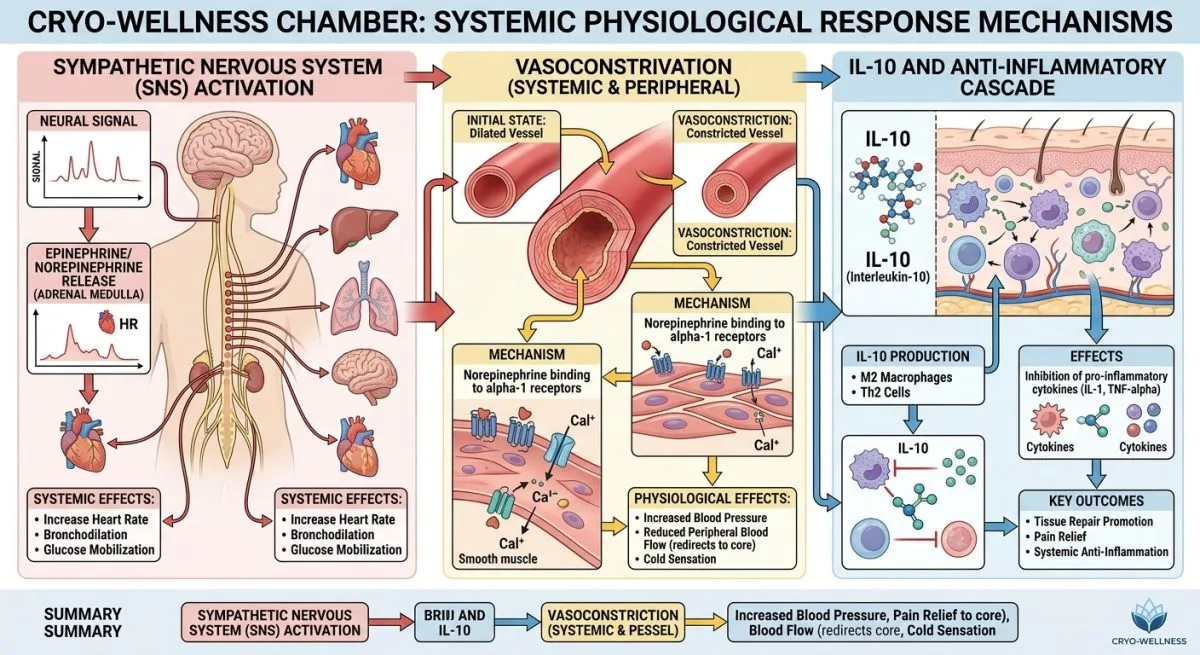
The physiological mechanism is well-characterized in the literature. Cold air in the target temperature envelope for your chamber (electric -80°C to -110°C, nitrogen -140°C to -170°C) rapidly cools the skin surface within the first 15-30 seconds of exposure, triggering blood vessels in the skin and superficial tissue to constrict sharply. This vasoconstriction pulls blood flow from the extremities toward the core to protect internal organs and core body temperature. The chamber does not cool your core body temperature; the exposure is short enough (2-4 minutes) that only skin and superficial tissue experience the extreme cold, while your core stays stable through the emergency thermoregulation response.
The sympathetic nervous system activates during this brief thermal emergency, releasing noradrenaline and endorphins. When the session ends, blood vessels dilate again (rebound vasodilation) and a rush of oxygenated, nutrient-rich blood returns to peripheral tissue. This whole-body cold response also prompts release of anti-inflammatory cytokines such as IL-10, which is one mechanistic pathway associated with the reported reduction in delayed onset muscle soreness (DOMS) and post-workout recovery benefits. For a deeper review of the specific evidence base around cryotherapy chamber benefits, see Benefits of Cryotherapy Chamber Sessions: What Science Says. Consult a qualified healthcare provider before using cryotherapy for any medical condition.
Inside the Machine: Anatomy of a Cryotherapy Chamber
A modern cryotherapy chamber is a coordinated system of cooling, control, and safety subsystems packaged into an insulated enclosure. USPTO patents on whole body cryotherapy systems document the engineering components: controllers, valves, cryogenic gas distribution nozzles for nitrogen units, refrigeration cascade loops for electric units, and pre-cooling protocols. Prospective buyers and engineers evaluating specific patents referenced by a manufacturer should verify the patent numbers directly at patents.google.com or USPTO databases for the specific manufacturer and product configuration in question. The four core subsystems below cover the essential anatomy for anyone evaluating a cryotherapy machine or trying to understand what is inside a cryotherapy chamber.
Outer Shell and Inner Treatment Chamber
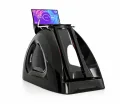
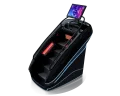
The outermost layer is an insulated thermal envelope, typically built with rigid foam or vacuum-insulated panels between an outer decorative shell and the inner treatment chamber. Insulation quality determines how much cooling capacity the machine needs to hold target temperature during operation and how quickly the chamber recovers between sessions. The inner treatment chamber is the space where you stand during a session. A cryosauna configuration has a cylindrical inner chamber with a neck cutout at the top, so your head remains above the rim. A walk-in cryo chamber configuration has a full-height enclosed treatment space with a door and a service window for technician supervision.
Cooling System (Electric or Nitrogen)
This is the largest engineering subsystem and the biggest differentiator between chamber types. Electric cryotherapy chamber cooling uses a refrigeration compressor circulating refrigerant through a cascade cooling loop that extracts heat from the chamber and rejects it externally. Cascade cooling means two or more refrigeration stages arranged in sequence, because a single-stage system cannot reach sub-zero cryogenic targets from ambient room temperature. Liquid nitrogen cryotherapy cooling uses a liquid nitrogen dewar tank connected to delivery nozzles that vaporize LN2 inside the chamber to produce the cold. Vapor is dispersed by internal geometry and, in some designs, by circulation fans. The two technologies achieve different target-temperature envelopes: electric chambers operate in the -80°C to -110°C envelope where cascade refrigeration is thermodynamically efficient; nitrogen chambers reach the colder -140°C to -170°C envelope (with premium units like the CryoStar reaching -170°C). Choice between the two comes down to cost, infrastructure, session throughput, and breathable-air-vs-vapor operational profile.
Control Panel and Sensors
The control panel is where the operator sets session parameters and monitors safety conditions. Digital temperature display, session timer, pre-cooling activation, and emergency stop are core controls on virtually all modern units. Behind the panel, multiple thermocouples (temperature sensors) monitor chamber air temperature at several points to ensure uniform cooling. On nitrogen-cooled units, an oxygen sensor is standard, monitoring the chamber (or in cryosauna configurations, the room around the chamber) for O2 levels; any drop from atmospheric normal triggers an alert and, on modern units, an automatic exhaust cycle. Audible alerts, visual indicators, and (on premium units) network-connected monitoring for facility management round out the sensor suite.
Air Circulation and Safety Systems
Uniform cold distribution matters because temperature variation inside the chamber affects both user comfort and treatment consistency. Circulation fans move air across the chamber cross-section, especially on walk-in electric units. Exhaust ventilation is critical on nitrogen units: after each session, the nitrogen-rich vapor must be exhausted safely from the chamber and the room. Modern units have automatic exhaust cycles that run between sessions. Emergency stops, unlocked doors (in walk-in chambers, so users retain control), technician communication windows, and clear visual sight lines complete the safety envelope. USPTO patents on WBC systems specifically document the interlocks and safety sequencing that keep sessions within safe operating parameters; the specific patent portfolio varies by manufacturer and should be verified with the manufacturer for the model in question.
How Cold a Cryotherapy Chamber Gets
Standard operating temperatures depend on chamber technology and manufacturer. Electric refrigeration chambers operate in the -80°C to -110°C (-112°F to -166°F) envelope: Vacuactivus Antarctica Electric flagship reaches -100°C / -148°F; Antarctica WBC Electric covers the -80°C to -110°C envelope; Antarctica Barrel Electric reaches -110°C. Nitrogen-based chambers reach the colder end of the industry range: Vacuactivus WBC Nitrogen operates at -140°C to -170°C; the CryoStar flagship reaches -170°C / -274°F. Chambers are pre-cooled to their target temperature before your session begins (typically 1-3 minutes of pre-cool depending on model and starting condition), and a brief 2-4 minute exposure at these temperatures is sufficient to trigger the full physiological response. For how cold cryotherapy chamber temperature varies across machine types in more detail, see How Cold Is a Cryotherapy Chamber? Temperature Guide by Machine Type.
Where Cryotherapy Chambers Fit in the Cold Therapy Spectrum
Cryotherapy chambers sit at the highest-intensity, shortest-duration end of a broader cold therapy spectrum. The Wikipedia Cryotherapy article treats this spectrum as a continuum from ice packs to walk-in chambers, all sharing the general term cryotherapy but differing significantly in intensity, duration, and physiological response. Understanding where the walk-in cryo chamber and cryosauna fit helps clarify when each modality is the right choice.
The spectrum from lowest to highest intensity: ice pack or cold pack (localized surface cooling at roughly 0°C, applied for 15-20 minute intervals), ice bath or cold plunge (whole-body immersion in water at 5-15°C for 5-15 minutes, conductive cooling through water), localized cryotherapy device (~-20°C targeted area cooling for spot treatment), electric walk-in cryo chamber (full-body enclosure at -80°C to -110°C for 2-4 minutes, electric refrigeration cold air), and nitrogen cryosauna (head-out cylinder at -140°C to -170°C for 2-3 minutes, nitrogen vapor cooling). Each modality serves different use cases: localized ice for acute injury, ice bath for whole-body recovery at manageable intensity, electric cryo chamber for full-body exposure with breathable air, nitrogen cryosauna for the coldest peak temperatures with fast session turnover.
Who Uses Cryotherapy Chambers
Cryotherapy chamber users span professional and recreational athletic contexts, wellness and longevity focused individuals, and clinical rehab settings. Professional athletes and teams use whole body cryotherapy chambers for recovery between training sessions, competition preparation, and reduction of delayed onset muscle soreness (DOMS). Mass General Brigham’s cryotherapy overview notes documented adoption among elite athletic programs. Recreational fitness enthusiasts use cryotherapy for post-workout soreness reduction and general recovery at commercial wellness centers.
Wellness studios and day spas offer cryotherapy chamber sessions as a premium recovery service, often alongside red light therapy, infrared sauna, and compression therapy. Physical therapy and rehab clinics use cryotherapy chambers as adjunct treatment for chronic inflammatory conditions like arthritis and fibromyalgia (under appropriate medical supervision – not a substitute for primary medical care). Longevity focused individuals use cryotherapy as one modality in a broader biohacking or health optimization stack. For a walkthrough of what a first cryotherapy chamber session actually looks like from a user perspective, see Cryotherapy Chamber Sessions: What to Expect at Your First Visit. For studio operators evaluating equipment cost across configurations, see How Much Does a Cryotherapy Machine Cost? Real 2026 Numbers and for smaller-scale cryosauna configurations aimed at at-home or smaller studio deployments see Cryosauna at Home: Pro-Grade vs Consumer Devices.
Frequently Asked Questions
Q1. What is a cryotherapy chamber?
A cryotherapy chamber is a walk-in enclosure that exposes the body to controlled cold air for two to four minutes. Operating temperature depends on the technology: electric (nitrogen-free) chambers operate at -80°C to -110°C (-112°F to -166°F); nitrogen chambers operate at -140°C to -170°C (-220°F to -274°F). It triggers a brief but intense whole-body cold response that the body interprets as a thermal emergency, prompting vasoconstriction, a surge of anti-inflammatory signaling, and a rebound of oxygenated blood when you step out. It is used for recovery, inflammation reduction, and pain management in athletic, wellness, and clinical settings.
Q2. What is the difference between a cryosauna and a cryo chamber?
A cryosauna is typically a head-out single-person nitrogen unit where you stand inside a cylinder with your head above the rim, exposing only the body below the neck to nitrogen vapor. A cryo chamber (walk-in) is typically a full-body electric-refrigeration enclosure where the entire body including the head is inside the treatment space, breathing dry cold air. Cryosaunas offer faster turnover and coldest peak temperatures via nitrogen; walk-in chambers offer whole-body exposure with breathable air and no LN2 logistics.
Q3. How cold is a cryotherapy chamber?
It depends on the technology. Vacuactivus electric refrigeration chambers operate in the -80°C to -110°C (-112°F to -166°F) envelope (Antarctica Electric at -100°C, WBC Electric across -80/-110°C, Barrel Electric at -110°C). Vacuactivus nitrogen chambers operate at -140°C to -170°C (-220°F to -274°F), with the CryoStar reaching the coldest -170°C. The chamber is pre-cooled to its target temperature before your session begins, and a brief 2-4 minute exposure at these temperatures is enough to trigger the full physiological response.
Q4. What is inside a cryotherapy chamber?
A modern cryotherapy chamber contains an insulated outer shell with a treatment chamber inside, a cooling system (either an electric refrigeration compressor with refrigerant cascade or a liquid nitrogen tank with delivery nozzles), a control panel with digital temperature and timer controls, multiple thermocouples for monitoring, an oxygen sensor on nitrogen units, air circulation fans, and an exhaust ventilation system. Safety features include audible alerts, an emergency stop, and a clear window for technician supervision.
Q5. How does a cryotherapy chamber work?
Cold air in the target envelope for your chamber (electric -80°C to -110°C, or nitrogen -140°C to -170°C) rapidly cools your skin surface, triggering blood vessels to constrict (vasoconstriction) and pulling blood toward the core to protect internal organs. After the session ends, the vessels dilate again and a rush of oxygenated, nutrient-rich blood returns to peripheral tissue. This whole-body cold stress prompts a release of anti-inflammatory cytokines like IL-10 and a surge of endorphins, which is why people often feel energized and less sore afterward.
Q6. Is cryotherapy the same as a cryosauna?
Not exactly. Cryotherapy is the broad term for any therapeutic use of cold, which includes ice baths, ice packs, localized cold therapy, cryosaunas, and walk-in cryo chambers. A cryosauna is one specific format within whole body cryotherapy – a head-out cylinder that exposes the body below the neck to nitrogen vapor. Walk-in cryo chambers are another format that exposes the entire body including head to cold air. Both belong to the whole body cryotherapy category within the broader cryotherapy spectrum.
Q7. How is a cryotherapy chamber different from an ice bath?
An ice bath uses cold water at roughly 5-15°C and you sit in it for 5-15 minutes, cooling the body conductively through water. A cryotherapy chamber uses cold dry air in the -80°C to -170°C envelope (depending on chamber technology) and you stand in it for 2-4 minutes, cooling the skin surface much faster through air. Dry cold air is more tolerable than cold water at equivalent skin-cooling, and the chamber session is much shorter and more intense. Both trigger a cold response but at different time scales and intensities.
Q8. What does a cryotherapy chamber do to your body?
In the chamber, your skin temperature drops rapidly while core body temperature stays stable thanks to vasoconstriction. The sympathetic nervous system activates an emergency thermoregulation response, releasing noradrenaline and endorphins. After exit, blood vessels dilate and oxygenated blood returns to peripheral tissues, accompanied by a release of anti-inflammatory cytokines like IL-10. Most users feel energized, with reduced muscle soreness and mood improvement for several hours.
Conclusion
A cryotherapy chamber is a walk-in enclosure engineered for brief high-intensity whole-body cold exposure for 2-4 minutes at technology-specific temperatures: electric chambers deliver the -80°C to -110°C envelope; nitrogen chambers reach the colder -140°C to -170°C envelope. Its anatomy comprises an insulated shell with an inner treatment chamber, a cooling subsystem (electric refrigeration cascade or liquid nitrogen with delivery nozzles), a control and sensor suite (thermocouples, oxygen sensor on nitrogen units, session timers), and air circulation and safety systems (fans, exhaust ventilation, emergency stops, technician sight lines). The mechanism runs from cold exposure through vasoconstriction, sympathetic nervous system activation, and IL-10 anti-inflammatory cytokine release.
The cryosauna versus cryo chamber terminology distinction matters: a cryosauna is a head-out nitrogen configuration; a walk-in cryo chamber is a full-body electric configuration. Both fit real use cases across athletic, wellness, and clinical settings. For studios and buyers evaluating equipment across both technology families, commercial cryotherapy chambers covers Antarctica Electric and CryoStar/WBC Nitrogen configurations with full specification sheets. For whole body cryotherapy sauna systems specifically configured for spa and studio deployment, the WBC product page has full specifications. For the broader information hub on cryosauna equipment and configurations, see Vacuactivus cryosauna info-hub.


