


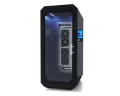
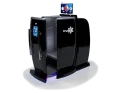
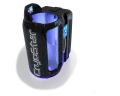
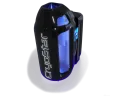


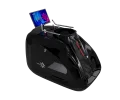
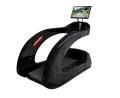
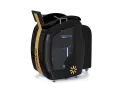
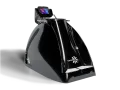
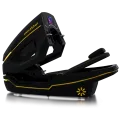
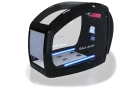

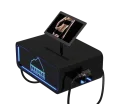
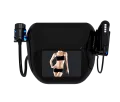

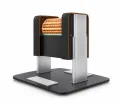
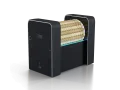
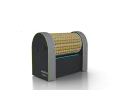
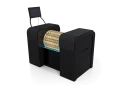
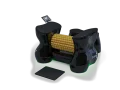
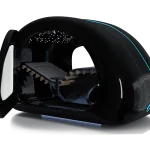
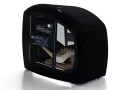

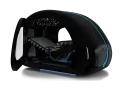

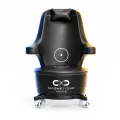

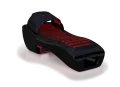




Ce este o cameră de crioterapie? Anatomia unei criosaune moderne
O cameră de crioterapie este o incintă accesibilă care expune corpul la aer rece controlat timp de două până la patru minute. Temperatura de funcționare depinde de tehnologia camerei: camerele electrice (fără azot) funcționează la o temperatură între -80°C și -110°C (-112°F și -166°F); camerele cu azot ating o temperatură mai scăzută, între -140°C și -170°C (-220°F și -274°F). Aceasta declanșează un răspuns rece scurt, dar intens, la nivelul întregului corp, utilizat pentru recuperare, reducerea inflamației și gestionarea durerii. Vacuactivus produce camere de crioterapie în Polonia (UE) din 2009 (peste 15 ani), acoperind atât tehnologia electrică, cât și cea cu azot în liniile de produse Antarctica și CryoStar.
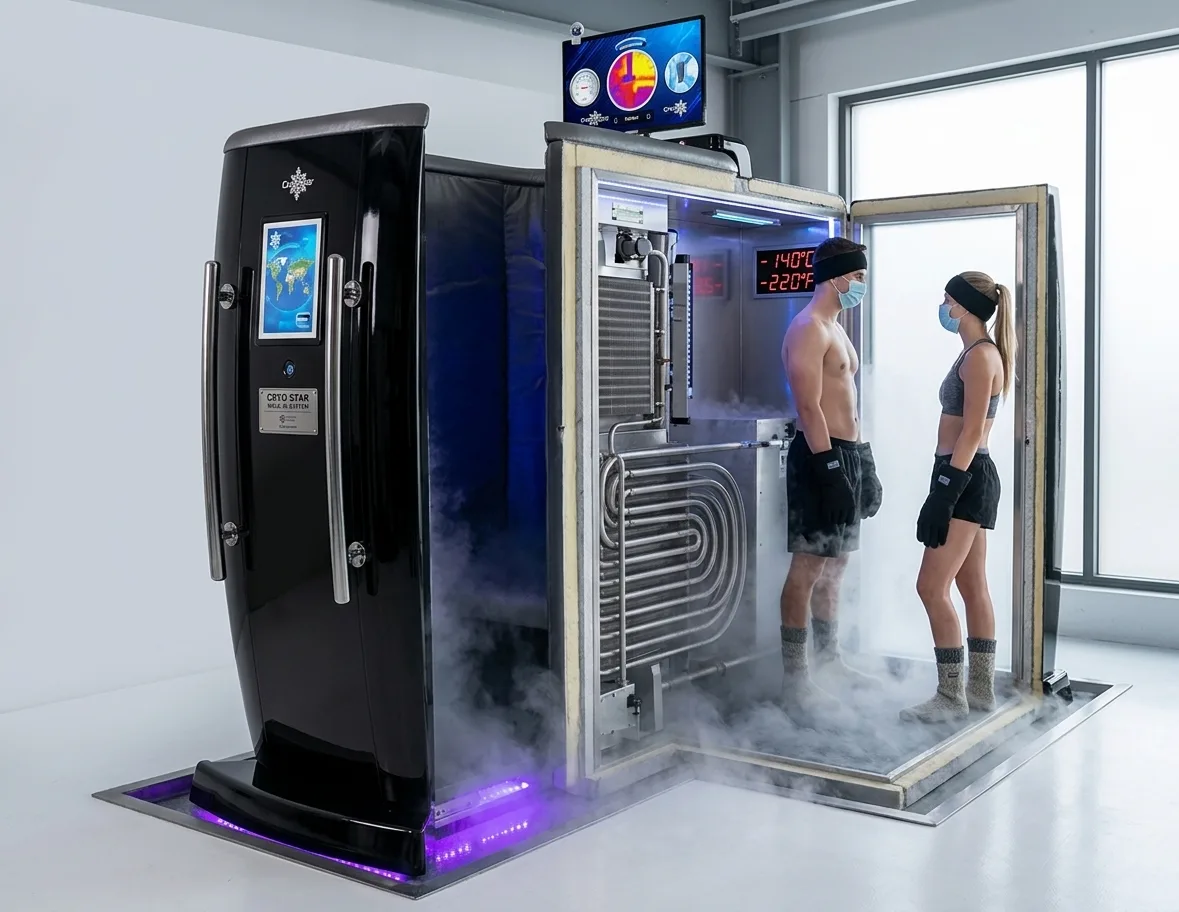
Acest ghid prezintă ce este de fapt o cameră de crioterapie, cum funcționează, ce se află în interiorul aparatului, diferența dintre o criosaună și o cameră criogenică walk-in și unde se încadrează tehnologia în spectrul mai larg al terapiei la rece. Este scris pentru cursanții care întâlnesc termenul pentru prima dată și pentru cumpărătorii care evaluează echipamente pentru implementare comercială.
Publicul țintă al acestui ghid fundamental este format din cursanți (persoane care întâlnesc termenul pentru prima dată și fac cercetări înainte de cumpărare sau înainte de ședință) și cumpărători (operatori de studiouri, proprietari de spa-uri, cumpărători de clinici care trebuie să înțeleagă ce anume caută înainte de a compara modele și oferte). Tonul este definitoriu și tehnic: ce este de fapt aparatul, ce fac componentele sale și unde se încadrează în peisajul echipamentelor de recuperare.
Criosauna vs. Camera criogenică: Clarificarea terminologiei
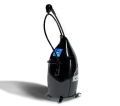
Cea mai frecventă confuzie terminologică în domeniul camerelor de crioterapie este criosaună versus cameră criogenă. Textele de marketing și conținutul destinat consumatorilor folosesc adesea termenii interschimbabil, dar industria îi folosește pentru a distinge două configurații distincte. O criosaună este un cilindru compact cu capul în exterior (de obicei răcit cu azot), în care corpul stă în interior și doar capul rămâne deasupra marginii. O cameră criogenă walk-in este o incintă completă a corpului, în care întregul corp, inclusiv capul, se află în interiorul spațiului de tratament (de obicei răcit electric cu aer respirabil). Distincția este importantă pentru cumpărători, deoarece cele două configurații au amprente, infrastructuri de răcire, randament al sesiunilor și profiluri operaționale diferite.
| Caracteristică | Criosauna | Cameră criogenică (fără programare) |
|---|---|---|
| Expunerea corpului | Capul în afară: corpul sub gât expus, capul deasupra marginii, în aer la temperatura camerei | Întregul corp: întregul corp, inclusiv capul, se află în interiorul spațiului de tratament |
| Metoda de răcire | De obicei, vapori de azot lichid injectați în cilindru | Refrigerare electrică tipică cu compresor și buclă de răcire în cascadă |
| Calitatea aerului în interior | Vapori bogați în azot – utilizatorul nu îi poate inhala (capul stă afară) | Aer rece oxigenat respirabil – utilizatorul respiră normal în interior |
| Temperatura de funcționare (specificațiile Vacuactivus) | Azot: -140°C până la -170°C (CryoStar până la -170°C, azot WBC -140/-170°C) | Electric: -80°C până la -110°C (Antarctica Electric -100°C, WBC Electric -80/-110°C, Barrel -110°C); configurații cu azot walk-in disponibile separat pentru temperaturi de la -140°C până la -170°C |
| Amprentă | Cilindru compact pentru o singură persoană, aproximativ 1-1,5 mp | Incintă mai mare, cu acces accesibil, aproximativ 2-4 mp plus spațiu liber pentru servicii |
| Sesiuni pe oră | Turnover mai rapid, ~8-12 sesiuni/oră (recuperare rapidă, sesiune scurtă) | ~4-6 ședințe/oră (timp de răcire mai lung între clienți la unele modele) |
| Contextul tipic de utilizare | Studiouri wellness, spa-uri de zi, locații de recuperare rapidă | Recuperare sportivă cu volum mare de activitate, centre medicale spa, clinici de longevitate, facilități axate pe WBC |
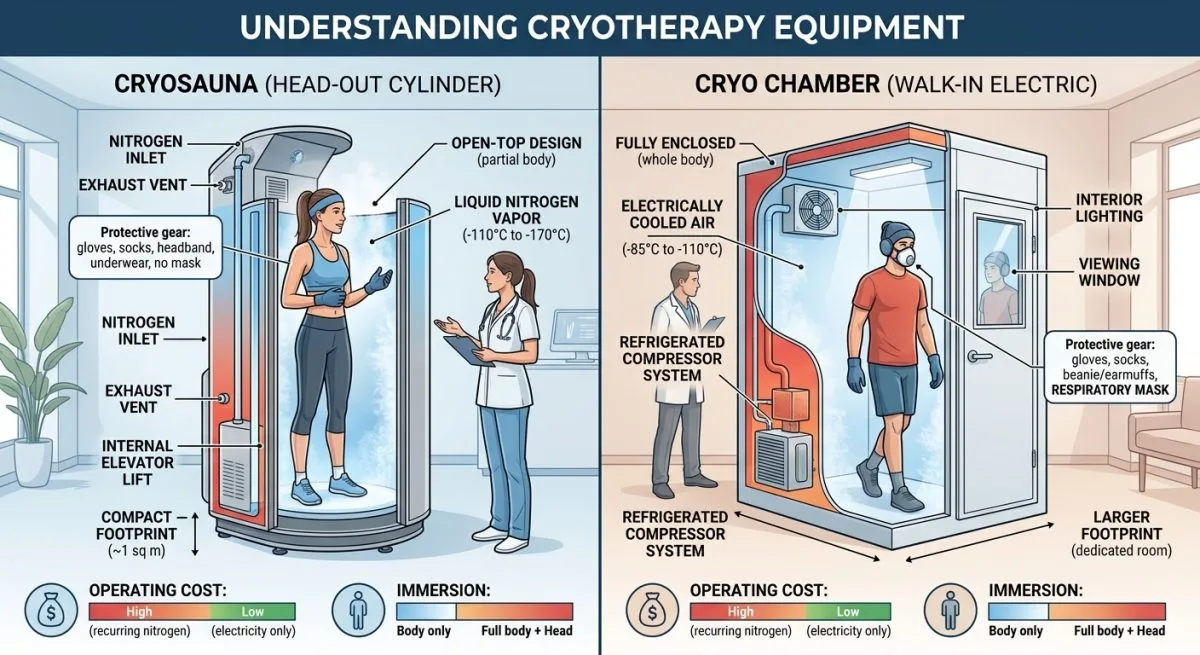
Implicațiile practice pentru cumpărători: configurațiile criosaunelor se răcesc de obicei mai rapid și oferă un randament mai mare pe oră, ceea ce le face potrivite pentru studiourile de wellness walk-in cu volum mare de sesiuni; configurațiile camerelor criogenice walk-in oferă expunerea întregului corp, inclusiv a capului, cu compromisul unei amprente mai mari și a unei rotații mai lente. Pentru o analiză tehnologică detaliată a aspectului electric (fără azot) al ingineriei de răcire, consultați Cameră de crioterapie electrică: Cum funcționează tehnologia fără azot care acoperă în detaliu alegerea infrastructurii de refrigerare în cascadă versus azot lichid.
Cum funcționează o cameră de crioterapie
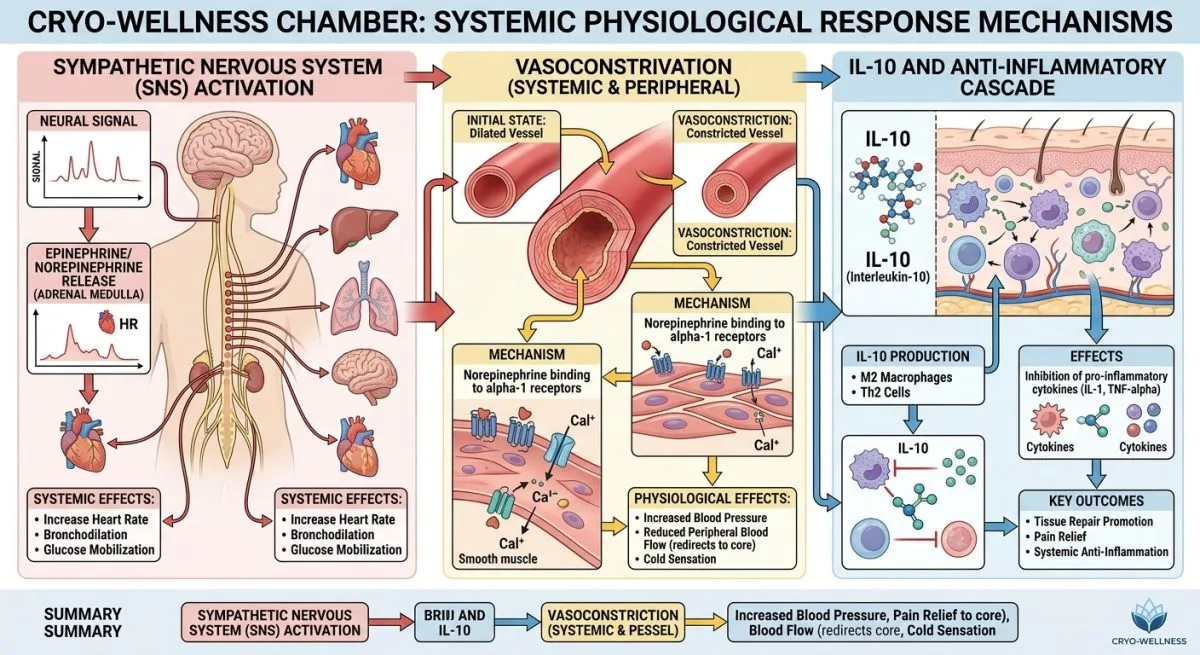
Mecanismul fiziologic este bine caracterizat în literatura de specialitate. Aerul rece din zona de temperatură țintă a camerei (temperatură electrică -80°C până la -110°C, azot -140°C până la -170°C) răcește rapid suprafața pielii în primele 15-30 de secunde de expunere, declanșând contractarea bruscă a vaselor de sânge din piele și țesutul superficial. Această vasoconstricție atrage fluxul sanguin de la extremități către țesutul central pentru a proteja organele interne și temperatura corpului. Camera nu răcește temperatura corpului central; expunerea este suficient de scurtă (2-4 minute) încât doar pielea și țesutul superficial experimentează frigul extrem, în timp ce țesutul central rămâne stabil pe parcursul răspunsului de termoreglare de urgență.
Sistemul nervos simpatic se activează în timpul acestei scurte urgențe termice, eliberând noradrenalină și endorfine. Când sesiunea se termină, vasele de sânge se dilată din nou (vasodilatație de rebound) și un flux de sânge oxigenat, bogat în nutrienți, se întoarce în țesutul periferic. Acest răspuns la rece al întregului corp declanșează, de asemenea, eliberarea de citokine antiinflamatorii, cum ar fi IL-10, care este o cale mecanistică asociată cu reducerea raportată a durerilor musculare cu debut întârziat (DOMS) și a beneficiilor de recuperare post-antrenament. Pentru o analiză mai detaliată a bazei de dovezi specifice privind beneficiile camerei de crioterapie, consultați Beneficiile sesiunilor în camera de crioterapie: Ce spune știința. Consultați un furnizor de servicii medicale calificat înainte de a utiliza crioterapia pentru orice afecțiune medicală.
În interiorul aparatului: Anatomia unei camere de crioterapie
O cameră de crioterapie modernă este un sistem coordonat de subsisteme de răcire, control și siguranță, ambalate într-o incintă izolată. Brevetele USPTO pentru sistemele de crioterapie pentru întregul corp documentează componentele inginerești: controlere, valve, duze de distribuție a gazului criogenic pentru unitățile de azot, bucle de cascadă de refrigerare pentru unitățile electrice și protocoale de pre-răcire. Potențialii cumpărători și ingineri care evaluează brevete specifice la care face referire un producător ar trebui să verifice numerele de brevet direct pe patents.google.com sau în bazele de date USPTO pentru producătorul specific și configurația produsului în cauză. Cele patru subsisteme principale de mai jos acoperă anatomia esențială pentru oricine evaluează un aparat de crioterapie sau încearcă să înțeleagă ce se află în interiorul unei camere de crioterapie.
Carcasa exterioară și camera interioară de tratament
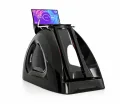
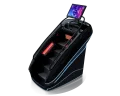
Stratul exterior este o înveliș termic izolat, construit de obicei cu spumă rigidă sau panouri izolate în vid, între o carcasă decorativă exterioară și camera de tratament interioară. Calitatea izolației determină capacitatea de răcire de care are nevoie aparatul pentru a menține temperatura țintă în timpul funcționării și cât de repede își revine camera între sesiuni. Camera de tratament interioară este spațiul în care stați în timpul unei sesiuni. O configurație de criosaună are o cameră interioară cilindrică cu un decupaj pentru gât în partea de sus, astfel încât capul rămâne deasupra marginii. O configurație de cameră criogenică walk-in are un spațiu de tratament închis pe toată înălțimea, cu o ușă și o fereastră de serviciu pentru supravegherea tehnicianului.
Sistem de răcire (electric sau cu azot)
Acesta este cel mai mare subsistem ingineresc și cel mai mare factor de diferențiere între tipurile de camere. Răcirea electrică a camerei de crioterapie utilizează un compresor de refrigerare care circulă agentul frigorific printr-o buclă de răcire în cascadă, care extrage căldura din cameră și o respinge la exterior. Răcirea în cascadă înseamnă două sau mai multe etape de refrigerare aranjate secvențial, deoarece un sistem cu o singură etapă nu poate atinge ținte criogenice sub zero grade de la temperatura ambiantă a camerei. Răcirea crioterapiei cu azot lichid utilizează un rezervor Dewar cu azot lichid conectat la duze de livrare care vaporizează LN2 în interiorul camerei pentru a produce frigul. Vaporii sunt dispersați prin geometria internă și, în unele modele, prin ventilatoare de circulație. Cele două tehnologii ating diferite limite de temperatură țintă: camerele electrice funcționează în limitele de -80°C până la -110°C, unde refrigerarea în cascadă este eficientă termodinamic; camerele cu azot ating limitele mai reci de -140°C până la -170°C (unitățile premium, precum CryoStar, ating -170°C). Alegerea dintre cele două se reduce la cost, infrastructură, debitul sesiunilor și profilul operațional aer respirabil vs. vapori.
Panou de control și senzori
Panoul de control este locul unde operatorul setează parametrii sesiunii și monitorizează condițiile de siguranță. Afișajul digital al temperaturii, temporizatorul sesiunii, activarea pre-răcirii și oprirea de urgență sunt comenzi de bază la aproape toate unitățile moderne. În spatele panoului, mai multe termocupluri (senzori de temperatură) monitorizează temperatura aerului din cameră în mai multe puncte pentru a asigura o răcire uniformă. La unitățile răcite cu azot, un senzor de oxigen este standard, monitorizând camera (sau în configurațiile de criosaună, camera din jurul camerei) pentru nivelurile de O2; orice scădere față de normalul atmosferic declanșează o alertă și, la unitățile moderne, un ciclu automat de evacuare. Alertele sonore, indicatorii vizuali și (la unitățile premium) monitorizarea conectată la rețea pentru gestionarea instalației completează suita de senzori.
Sisteme de circulație a aerului și de siguranță
Distribuția uniformă a frigului este importantă deoarece variațiile de temperatură din interiorul camerei afectează atât confortul utilizatorului, cât și consecvența tratamentului. Ventilatoarele de circulație mișcă aerul pe secțiunea transversală a camerei, în special la unitățile electrice accesibile. Ventilația prin evacuare este esențială pentru unitățile cu azot: după fiecare sesiune, vaporii bogați în azot trebuie evacuați în siguranță din cameră și din încăpere. Unitățile moderne au cicluri automate de evacuare care rulează între sesiuni. Opririle de urgență, ușile deblocate (în camerele accesibile, astfel încât utilizatorii să păstreze controlul), ferestrele de comunicare cu tehnicienii și liniile de vizibilitate clare completează anvelopa de siguranță. Brevetele USPTO pentru sistemele WBC documentează în mod specific interblocările și secvențierea de siguranță care mențin sesiunile în parametrii de funcționare siguri; portofoliul specific de brevete variază în funcție de producător și trebuie verificat cu producătorul pentru modelul în cauză.
Cât de rece devine o cameră de crioterapie
Temperaturile standard de funcționare depind de tehnologia camerei și de producător. Camerele de refrigerare electrice funcționează în intervalul de -80°C până la -110°C (-112°F până la -166°F): modelul emblematic Vacuactivus Antarctica Electric atinge -100°C / -148°F; Antarctica WBC Electric acoperă intervalul de -80°C până la -110°C; Antarctica Barrel Electric atinge -110°C. Camerele pe bază de azot ating capătul cel mai rece al intervalului industrial: Vacuactivus WBC Nitrogen funcționează la -140°C până la -170°C; modelul emblematic CryoStar atinge -170°C / -274°F. Camerele sunt pre-răcite la temperatura țintă înainte de începerea sesiunii (de obicei 1-3 minute de pre-răcire, în funcție de model și de condițiile de pornire), iar o scurtă expunere de 2-4 minute la aceste temperaturi este suficientă pentru a declanșa răspunsul fiziologic complet. Pentru mai multe detalii despre cum variază temperatura camerei de crioterapie rece în funcție de tipurile de aparate, consultați Cât de rece este o cameră de crioterapie? Ghid de temperatură în funcție de tipul de aparat.
Unde se încadrează camerele de crioterapie în spectrul terapiei la rece
Camerele de crioterapie se află la capătul cu cea mai mare intensitate și cea mai scurtă durată al unui spectru mai larg de terapie la rece. Articolul Wikipedia despre crioterapie tratează acest spectru ca un continuum, de la comprese cu gheață la camere walk-in, toate având ca termen general crioterapie, dar diferind semnificativ în ceea ce privește intensitatea, durata și răspunsul fiziologic. Înțelegerea locului în care se potrivesc camera criogenică walk-in și criosauna ajută la clarificarea momentului în care fiecare modalitate este alegerea potrivită.
Spectrul de la intensitate mai mică la cea mai mare: compresă cu gheață sau compresă rece (răcire localizată a suprafeței la aproximativ 0°C, aplicată la intervale de 15-20 de minute), baie cu gheață sau imersie rece (imersie a întregului corp în apă la 5-15°C timp de 5-15 minute, răcire conductivă prin apă), dispozitiv de crioterapie localizată (răcire a unei zone țintite la ~-20°C pentru tratament local), cameră criogenică electrică walk-in (încadrare completă a corpului la -80°C până la -110°C timp de 2-4 minute, refrigerare electrică cu aer rece) și criosaună cu azot (cilindru cu capul în afară la -140°C până la -170°C timp de 2-3 minute, răcire cu vapori de azot). Fiecare modalitate deservește cazuri de utilizare diferite: gheață localizată pentru leziuni acute, baie cu gheață pentru recuperarea întregului corp la o intensitate gestionabilă, cameră criogenică electrică pentru expunerea întregului corp cu aer respirabil, criosaună cu azot pentru cele mai scăzute temperaturi de vârf cu o schimbare rapidă a sesiunilor.
Cine folosește camerele de crioterapie
Utilizatorii camerelor de crioterapie se întind pe domenii precum cele sportive profesionale și recreative, precum și pe persoane axate pe wellness și longevitate, precum și în medii de recuperare clinică. Sportivii și echipele profesioniști folosesc camere de crioterapie pentru întregul corp pentru recuperarea între sesiunile de antrenament, pregătirea pentru competiții și reducerea durerilor musculare cu debut întârziat (DOMS). Prezentarea generală a crioterapiei realizată de Mass General Brigham notează adoptarea documentată în rândul programelor sportive de elită. Pasionații de fitness recreativ folosesc crioterapia pentru reducerea durerilor musculare post-antrenament și recuperarea generală în centrele comerciale de wellness.
Studiourile de wellness și spa-urile de zi oferă sesiuni de crioterapie în cameră ca serviciu premium de recuperare, adesea alături de terapia cu lumină roșie, sauna cu infraroșu și terapia prin compresie. Clinicile de kinetoterapie și reabilitare utilizează camere de crioterapie ca tratament adjuvant pentru afecțiuni inflamatorii cronice precum artrita și fibromialgia (sub supraveghere medicală adecvată - nu un substitut pentru îngrijirea medicală primară). Persoanele concentrate pe longevitate utilizează crioterapia ca o modalitate într-un pachet mai larg de biohacking sau optimizare a sănătății. Pentru o prezentare generală a modului în care arată de fapt o primă sesiune de crioterapie în cameră din perspectiva utilizatorului, consultați Ședințe în cameră de crioterapie: La ce să vă așteptați la prima vizită. Pentru operatorii de studio care evaluează costul echipamentelor în diferite configurații, consultați Cât costă un aparat de crioterapie? Cifre reale pentru 2026 și pentru configurații de criosaună la scară mai mică, destinate implementărilor acasă sau în studiouri mai mici, consultați Criosauna acasă: dispozitive profesionale vs. dispozitive de larg consum.
Întrebări frecvente
Î1. Ce este o cameră de crioterapie?
O cameră de crioterapie este o incintă accesibilă care expune corpul la aer rece controlat timp de două până la patru minute. Temperatura de funcționare depinde de tehnologie: camerele electrice (fără azot) funcționează la -80°C până la -110°C (-112°F până la -166°F); camerele cu azot funcționează la -140°C până la -170°C (-220°F până la -274°F). Aceasta declanșează un răspuns rece scurt, dar intens, la nivelul întregului corp, pe care organismul îl interpretează ca o urgență termică, provocând vasoconstricție, o creștere a semnalizării antiinflamatorii și o revenire a sângelui oxigenat atunci când se iese afară. Este utilizată pentru recuperare, reducerea inflamației și gestionarea durerii în medii sportive, de wellness și clinice.
Î2. Care este diferența dintre o criosaună și o cameră criogenică?
O criosaună este de obicei o unitate cu azot cu capul în exterior pentru o singură persoană, în care stai în interiorul unui cilindru cu capul deasupra marginii, expunând doar corpul de sub gât la vaporii de azot. O cameră criogenică (walk-in) este de obicei o incintă de refrigerare electrică pentru întregul corp, unde întregul corp, inclusiv capul, se află în interiorul spațiului de tratament, respirând aer rece și uscat. Criosaunele oferă o rotație mai rapidă și cele mai scăzute temperaturi de vârf prin intermediul azotului; camerele walk-in oferă expunerea întregului corp cu aer respirabil și fără logistică de LN2.
Î3. Cât de rece este o cameră de crioterapie?
Depinde de tehnologie. Camerele de refrigerare electrice Vacuactivus funcționează la o temperatură între -80°C și -110°C (-112°F și -166°F) (Antarctica Electric la -100°C, WBC Electric între -80/-110°C, Barrel Electric la -110°C). Camerele de azot Vacuactivus funcționează la -140°C și -170°C (-220°F și -274°F), CryoStar atingând cea mai scăzută temperatură de -170°C. Camera este pre-răcită la temperatura țintă înainte de începerea sesiunii, iar o scurtă expunere de 2-4 minute la aceste temperaturi este suficientă pentru a declanșa răspunsul fiziologic complet.
Î4. Ce se află în interiorul unei camere de crioterapie?
O cameră de crioterapie modernă conține o carcasă exterioară izolată cu o cameră de tratament în interior, un sistem de răcire (fie un compresor electric de refrigerare cu cascadă de agent frigorific, fie un rezervor de azot lichid cu duze de livrare), un panou de control cu comenzi digitale de temperatură și temporizator, mai multe termocuple pentru monitorizare, un senzor de oxigen pe unitățile de azot, ventilatoare de circulație a aerului și un sistem de ventilație prin evacuare. Caracteristicile de siguranță includ alerte sonore, o oprire de urgență și o fereastră transparentă pentru supravegherea tehnicianului.
Î5. Cum funcționează o cameră de crioterapie?
Aerul rece din anvelopa țintă a camerei (electric -80°C până la -110°C sau azot -140°C până la -170°C) răcește rapid suprafața pielii, declanșând contractarea vaselor de sânge (vasoconstricție) și trăgând sângele spre țesutul din spate pentru a proteja organele interne. După încheierea sesiunii, vasele se dilată din nou și un flux de sânge oxigenat și bogat în nutrienți se întoarce în țesutul periferic. Acest stres rece care afectează întregul corp determină eliberarea de citokine antiinflamatorii, cum ar fi IL-10, și un val de endorfine, motiv pentru care oamenii se simt adesea energizați și mai puțin dureroși după aceea.
Î6. Crioterapia este același lucru cu criosauna?
Nu exact. Crioterapia este termenul larg pentru orice utilizare terapeutică a frigului, care include băi de gheață, comprese cu gheață, terapie locală cu frig, criosaune și camere criogenice walk-in. O criosaună este un format specific în cadrul crioterapiei pentru întregul corp - un cilindru cu capul în afară care expune corpul de sub gât la vapori de azot. Camerele criogenice walk-in sunt un alt format care expune întregul corp, inclusiv capul, la aer rece. Ambele aparțin categoriei de crioterapie pentru întregul corp, în cadrul spectrului mai larg de crioterapie.
Î7. Prin ce se diferențiază o cameră de crioterapie de o baie cu gheață?
O baie cu gheață folosește apă rece la aproximativ 5-15°C și stai în ea timp de 5-15 minute, răcind corpul conductiv prin intermediul apei. O cameră de crioterapie folosește aer rece și uscat la o temperatură cuprinsă între -80°C și -170°C (în funcție de tehnologia camerei) și stai în ea timp de 2-4 minute, răcind suprafața pielii mult mai rapid prin intermediul aerului. Aerul rece și uscat este mai tolerabil decât apa rece la o răcire echivalentă a pielii, iar sesiunea în cameră este mult mai scurtă și mai intensă. Ambele declanșează un răspuns rece, dar la intervale de timp și intensități diferite.
Î8. Ce efect are o cameră de crioterapie asupra corpului tău?
În cameră, temperatura pielii scade rapid, în timp ce temperatura corpului rămâne stabilă datorită vasoconstricției. Sistemul nervos simpatic activează un răspuns de termoreglare de urgență, eliberând noradrenalină și endorfine. După ieșire, vasele de sânge se dilată, iar sângele oxigenat se întoarce în țesuturile periferice, însoțit de eliberarea de citokine antiinflamatorii precum IL-10. Majoritatea utilizatorilor se simt energizați, cu dureri musculare reduse și o stare de spirit îmbunătățită timp de câteva ore.
Concluzie
O cameră de crioterapie este o incintă accesibilă, proiectată pentru expunere scurtă și de mare intensitate a întregului corp la frig, timp de 2-4 minute, la temperaturi specifice tehnologiei: camerele electrice furnizează o anvelopă de -80°C până la -110°C; camerele cu azot ating o anvelopă mai rece de -140°C până la -170°C. Anatomia sa cuprinde o carcasă izolată cu o cameră interioară de tratament, un subsistem de răcire (cascadă electrică de refrigerare sau azot lichid cu duze de livrare), un set de control și senzori (termocuple, senzor de oxigen pe unitățile de azot, cronometre de sesiune) și sisteme de circulație a aerului și siguranță (ventilatoare, ventilație de evacuare, opriri de urgență, linii vizuale pentru tehnicieni). Mecanismul funcționează de la expunerea la frig la vasoconstricție, activarea sistemului nervos simpatic și eliberarea de citokine antiinflamatorii IL-10.
Distincția terminologică dintre criosaună și cameră criogenă este importantă: o criosaună este o configurație cu azot cu ieșire din cap; o cameră criogenă walk-in este o configurație electrică pentru întregul corp. Ambele se potrivesc cazurilor reale de utilizare în medii sportive, de wellness și clinice. Pentru studiouri și cumpărători care evaluează echipamente din ambele familii de tehnologii, camere de crioterapie comerciale acoperă configurațiile Antarctica Electric și CryoStar/WBC Nitrogen cu fișe complete cu specificații. Pentru sisteme de saună cu crioterapie pentru întregul corp Configurat special pentru spa și studio, pagina produsului WBC conține specificații complete. Pentru o secțiune de informații mai amplă despre echipamentele și configurațiile de criosaună, consultați Centrul de informații despre criosauna Vacuactivus.


