


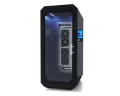
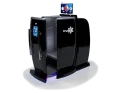
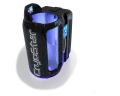
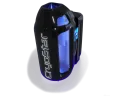

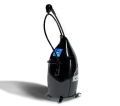

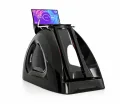
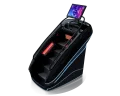
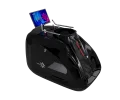
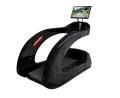
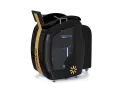
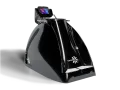

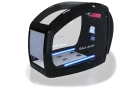

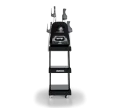
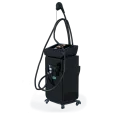
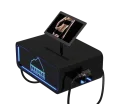
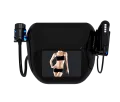

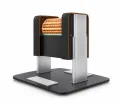
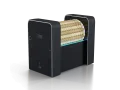
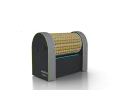
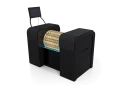
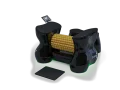
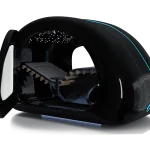
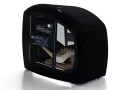

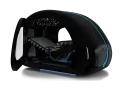

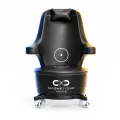

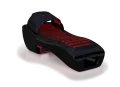

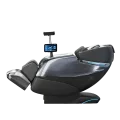



Qu'est-ce qu'une chambre de cryothérapie ? Anatomie d'une cryosauna moderne
Une chambre de cryothérapie est un espace clos où le corps est exposé à un air froid contrôlé pendant deux à quatre minutes. La température de fonctionnement dépend de la technologie utilisée : les chambres électriques (sans azote) fonctionnent entre -80 °C et -110 °C (-112 °F et -166 °F) ; les chambres à azote atteignent des températures encore plus basses, entre -140 °C et -170 °C (-220 °F et -274 °F). Ce traitement induit une brève mais intense réaction au froid dans tout le corps, utilisée pour la récupération, la réduction de l’inflammation et la gestion de la douleur. Vacuactivus fabrique des chambres de cryothérapie en Pologne (UE) depuis 2009 (plus de 15 ans), proposant des modèles électriques et à azote dans ses gammes Antarctica et CryoStar.
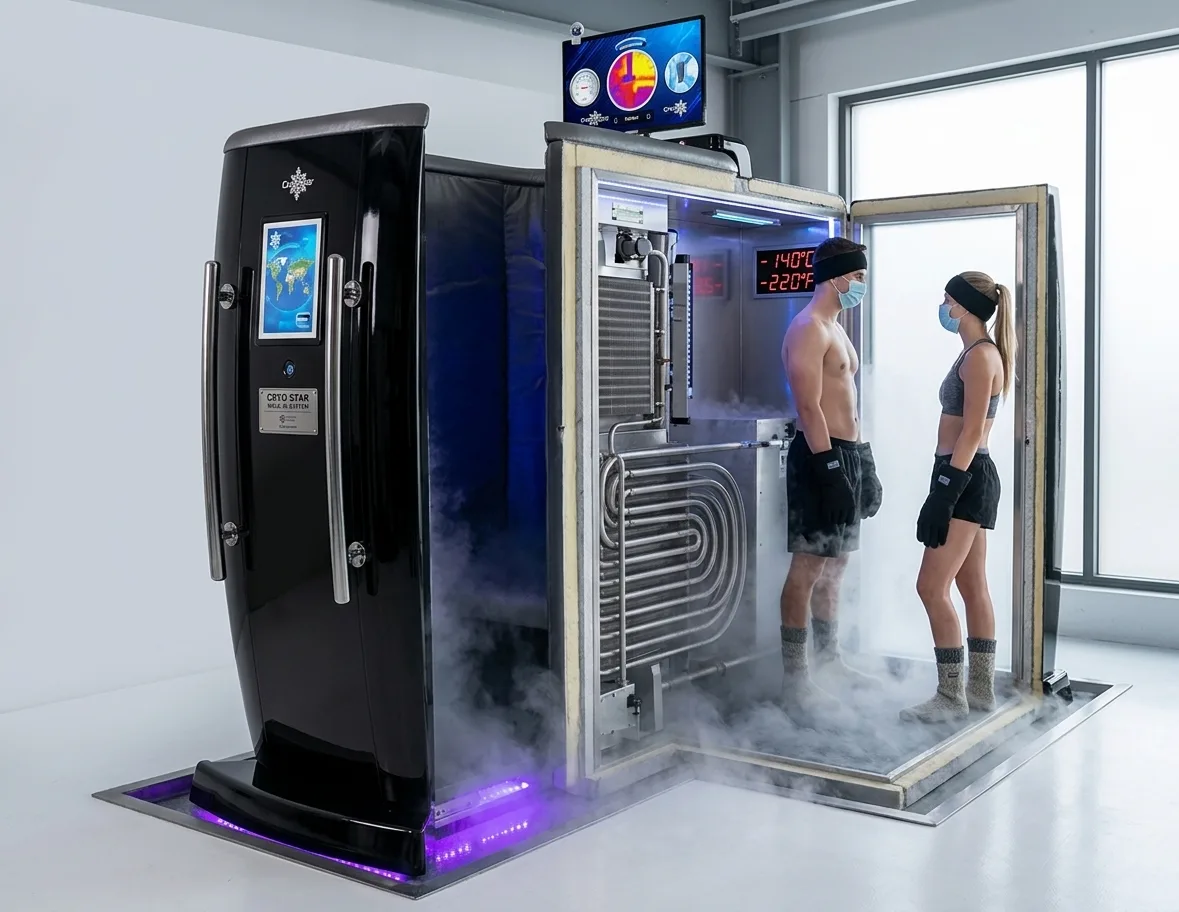
Ce guide explique ce qu'est une chambre de cryothérapie, comment elle fonctionne, ce qu'elle contient, la différence entre un cryosauna et une chambre de cryothérapie à accès direct, et la place de cette technologie dans le domaine plus vaste de la thérapie par le froid. Il s'adresse aux personnes découvrant ce terme et aux acheteurs évaluant des équipements pour une utilisation commerciale.
Ce guide s'adresse aussi bien aux personnes découvrant le terme pour la première fois et effectuant des recherches avant un achat ou une séance qu'aux acheteurs (gérants de studios, propriétaires de spas, responsables de cliniques qui ont besoin de comprendre le fonctionnement de l'appareil avant de comparer les modèles et les devis). Le ton est précis et technique : description de la machine, rôle de ses composants et sa place sur le marché des équipements de récupération.
Cryosauna vs Chambre cryogénique : Clarification de la terminologie
La confusion terminologique la plus fréquente dans le domaine des chambres de cryothérapie concerne la distinction entre cryosauna et chambre de cryothérapie. Si les supports marketing et les contenus destinés aux consommateurs utilisent souvent ces termes indifféremment, l'industrie les emploie pour différencier deux configurations distinctes. Un cryosauna est un cylindre compact à tête dégagée (généralement refroidi à l'azote) où le corps se tient debout, seule la tête dépassant du bord. Une chambre de cryothérapie à accès direct est une enceinte où le corps entier, tête comprise, se trouve à l'intérieur de l'espace de traitement (généralement refroidi électriquement avec de l'air respirable). Cette distinction est importante pour les acheteurs car les deux configurations présentent des différences d'encombrement, d'infrastructures de refroidissement, de capacité de traitement et de profil d'utilisation.
| Fonctionnalité | Cryosauna | Chambre cryogénique (accès direct) |
|---|---|---|
| Exposition corporelle | Tête hors de l'eau : le bas du corps exposé, la tête au-dessus du bord dans l'air à température ambiante | Corps entier : le corps entier, y compris la tête, se trouve à l'intérieur de l'espace de traitement. |
| Méthode de refroidissement | Généralement, de la vapeur d'azote liquide est injectée dans le cylindre. | Système de réfrigération électrique classique avec compresseur et boucle de refroidissement en cascade |
| Qualité de l'air intérieur | Vapeurs riches en azote – l'utilisateur ne peut pas les respirer (la tête reste hors de portée). | Air froid oxygéné respirable – l'utilisateur respire normalement à l'intérieur |
| Température de fonctionnement (spécifications Vacuactivus) | Azote : -140 °C à -170 °C (CryoStar jusqu'à -170 °C, azote WBC -140/-170 °C) | Électrique : -80 °C à -110 °C (Antarctica Electric -100 °C, WBC Electric -80/-110 °C, Barrel -110 °C) ; configurations de chambres froides à l'azote disponibles séparément à -140 °C à -170 °C |
| Empreinte | Cylindre compact pour une personne, d'environ 1 à 1,5 m² | Espace de circulation plus vaste, d'environ 2 à 4 m² plus dégagement pour les services. |
| Séances par heure | Rotation plus rapide, environ 8 à 12 séances/heure (retour au calme rapide, séance brève) | ~4 à 6 séances/heure (temps de refroidissement de la chambre plus long entre les clients sur certains modèles) |
| Contexte d'utilisation typique | Centres de bien-être, spas de jour, centres de récupération express | Centres de récupération sportive à haut volume, spas médicaux, cliniques de longévité, installations axées sur le WBC |
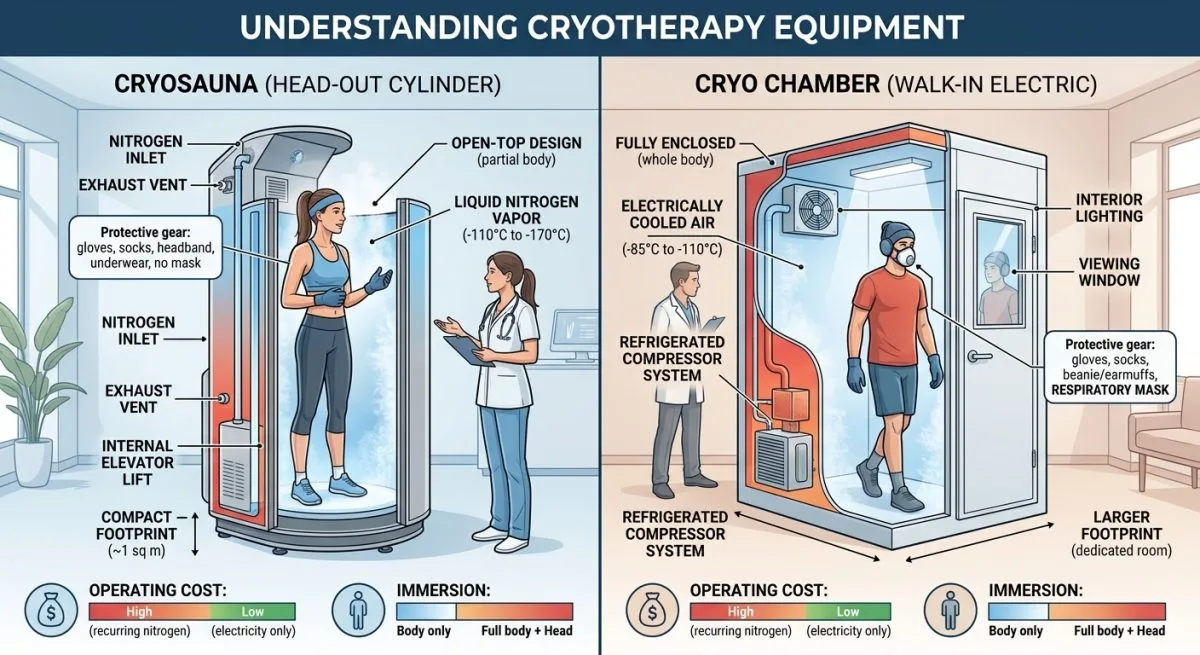
Pour les acheteurs, les implications pratiques sont les suivantes : les cryosaunas refroidissent généralement plus vite et offrent un débit horaire plus élevé, ce qui les rend parfaitement adaptés aux studios de bien-être sans rendez-vous avec un volume de séances important ; les cabines de cryothérapie sans rendez-vous permettent une exposition complète du corps, y compris la tête, au prix d’un encombrement plus important et d’une rotation plus lente. Pour une analyse technique approfondie du système de refroidissement électrique (sans azote), voir : Chambre de cryothérapie électrique : comment fonctionne la technologie sans azote qui traite en détail du choix entre la réfrigération en cascade et l'infrastructure à azote liquide.
Comment fonctionne une chambre de cryothérapie ?
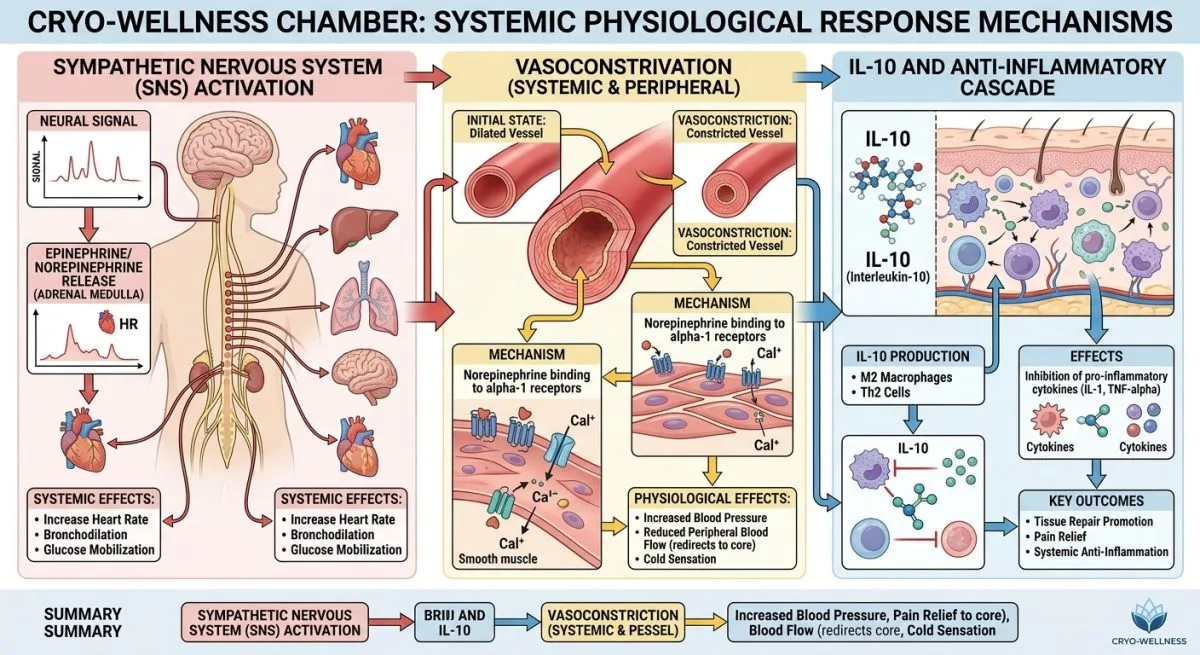
Le mécanisme physiologique est bien décrit dans la littérature. L'air froid contenu dans l'enveloppe à température cible de votre chambre (électrique : -80 °C à -110 °C ; azote : -140 °C à -170 °C) refroidit rapidement la surface de la peau dans les 15 à 30 premières secondes d'exposition, provoquant une vasoconstriction brutale des vaisseaux sanguins cutanés et des tissus superficiels. Cette vasoconstriction redirige le flux sanguin des extrémités vers le centre du corps afin de protéger les organes internes et de maintenir la température corporelle centrale. La chambre ne diminue pas la température corporelle centrale ; l'exposition est suffisamment courte (2 à 4 minutes) pour que seules la peau et les tissus superficiels subissent le froid extrême, tandis que la température centrale reste stable grâce à la réponse de thermorégulation d'urgence.
Durant cette brève urgence thermique, le système nerveux sympathique s'active, libérant de la noradrénaline et des endorphines. À la fin de la séance, les vaisseaux sanguins se dilatent à nouveau (vasodilatation de rebond) et un afflux de sang oxygéné et riche en nutriments irrigue les tissus périphériques. Cette réponse corporelle au froid induit également la libération de cytokines anti-inflammatoires telles que l'IL-10, un mécanisme impliqué dans la réduction des courbatures (DOMS) et l'amélioration de la récupération après l'effort. Pour une analyse plus approfondie des données scientifiques relatives aux bienfaits de la cryothérapie en chambre, consultez l'article « Bienfaits des séances de cryothérapie en chambre : ce que dit la science ». Consultez un professionnel de santé qualifié avant d'utiliser la cryothérapie, quel que soit votre problème de santé.
À l'intérieur de la machine : Anatomie d'une chambre de cryothérapie
Une chambre de cryothérapie moderne est un système coordonné de sous-systèmes de refroidissement, de contrôle et de sécurité, intégré dans une enceinte isolée. Les brevets de l'USPTO relatifs aux systèmes de cryothérapie corps entier documentent les composants techniques : contrôleurs, vannes, buses de distribution de gaz cryogénique pour les appareils à azote, boucles de réfrigération en cascade pour les appareils électriques et protocoles de pré-refroidissement. Les acheteurs potentiels et les ingénieurs évaluant des brevets spécifiques cités par un fabricant doivent vérifier directement les numéros de brevet sur patents.google.com ou dans les bases de données de l'USPTO pour le fabricant et la configuration de produit concernés. Les quatre sous-systèmes principaux décrits ci-dessous présentent les éléments essentiels à toute personne évaluant un appareil de cryothérapie ou cherchant à comprendre le fonctionnement interne d'une chambre de cryothérapie.
Enveloppe extérieure et chambre de traitement intérieure
La couche extérieure est une enveloppe thermique isolée, généralement constituée de panneaux de mousse rigide ou isolés sous vide, placée entre une coque décorative extérieure et la chambre de traitement intérieure. La qualité de l'isolation détermine la capacité de refroidissement nécessaire à l'appareil pour maintenir la température cible pendant son fonctionnement et la rapidité avec laquelle la chambre se refroidit entre les séances. La chambre de traitement intérieure est l'espace où vous vous tenez debout pendant une séance. Une configuration de cryosauna comprend une chambre intérieure cylindrique avec une ouverture pour le cou sur le dessus, de sorte que votre tête reste au-dessus du bord. Une configuration de cryothérapie de type « walk-in » (cabine de cryothérapie de plain-pied) dispose d'un espace de traitement clos sur toute la hauteur, avec une porte et une fenêtre de service pour la supervision du technicien.
Système de refroidissement (électrique ou à l'azote)
Il s'agit du sous-système d'ingénierie le plus important et du principal facteur de différenciation entre les types de chambres. Le refroidissement des chambres de cryothérapie électrique utilise un compresseur frigorifique faisant circuler un fluide frigorigène dans un circuit de refroidissement en cascade qui extrait la chaleur de la chambre et la rejette à l'extérieur. Le refroidissement en cascade comprend au moins deux étages de réfrigération disposés en séquence, car un système à un seul étage ne peut atteindre les températures cryogéniques inférieures à zéro à partir de la température ambiante. Le refroidissement par cryothérapie à l'azote liquide utilise un réservoir Dewar d'azote liquide relié à des buses de distribution qui vaporisent l'azote liquide à l'intérieur de la chambre pour produire le froid. La vapeur est dispersée par la géométrie interne et, dans certains modèles, par des ventilateurs de circulation. Les deux technologies permettent d'atteindre des plages de températures cibles différentes : les chambres électriques fonctionnent entre -80 °C et -110 °C, où le refroidissement en cascade est thermodynamiquement efficace ; les chambres à azote atteignent des températures plus basses, entre -140 °C et -170 °C (les modèles haut de gamme comme le CryoStar atteignant -170 °C). Le choix entre les deux dépend du coût, de l'infrastructure, du débit des sessions et du profil opérationnel air respirable/vapeur.
Panneau de commande et capteurs
Le panneau de commande permet à l'opérateur de paramétrer la séance et de contrôler les conditions de sécurité. L'affichage numérique de la température, la minuterie, l'activation du pré-refroidissement et l'arrêt d'urgence sont des commandes essentielles présentes sur la quasi-totalité des appareils modernes. Derrière le panneau, plusieurs thermocouples (capteurs de température) mesurent la température de l'air dans la chambre en différents points afin de garantir un refroidissement uniforme. Sur les appareils refroidis à l'azote, un capteur d'oxygène est installé de série ; il surveille le taux d'O₂ dans la chambre (ou, dans le cas des cryosaunas, dans la pièce environnante). Toute baisse par rapport à la normale déclenche une alerte et, sur les appareils modernes, un cycle d'évacuation automatique. Des alertes sonores, des indicateurs visuels et, sur les appareils haut de gamme, une connexion réseau pour la gestion des installations complètent le dispositif.
Systèmes de circulation d'air et de sécurité
Une répartition uniforme du froid est essentielle car les variations de température à l'intérieur de la chambre influent sur le confort de l'utilisateur et la régularité du traitement. Des ventilateurs de circulation brassent l'air dans la chambre, notamment dans les cabines électriques de plain-pied. L'évacuation des vapeurs est cruciale dans les cabines à azote : après chaque séance, les vapeurs riches en azote doivent être évacuées en toute sécurité de la chambre et de la pièce. Les cabines modernes sont équipées de cycles d'évacuation automatiques qui se déclenchent entre les séances. Des arrêts d'urgence, des portes non verrouillées (dans les cabines de plain-pied, pour que l'utilisateur garde le contrôle), des fenêtres de communication pour le technicien et une bonne visibilité complètent le dispositif de sécurité. Les brevets de l'USPTO relatifs aux systèmes de cryothérapie corps entier (CCE) documentent précisément les dispositifs de verrouillage et les séquences de sécurité qui garantissent le respect des paramètres de fonctionnement sûrs ; le portefeuille de brevets varie selon le fabricant et doit être vérifié auprès de ce dernier pour le modèle concerné.
À quel point une chambre de cryothérapie est froide
Les températures de fonctionnement standard dépendent de la technologie et du fabricant de la chambre. Les chambres de cryothérapie électrique fonctionnent entre -80 °C et -110 °C (-112 °F et -166 °F) : le modèle phare Vacuactivus Antarctica Electric atteint -100 °C (-148 °F) ; l’Antarctica WBC Electric couvre la plage de -80 °C à -110 °C ; l’Antarctica Barrel Electric atteint -110 °C. Les chambres à azote atteignent les températures les plus basses du marché : la Vacuactivus WBC Nitrogen fonctionne entre -140 °C et -170 °C ; le modèle phare CryoStar atteint -170 °C (-274 °F). Les chambres sont pré-refroidies à la température cible avant le début de la séance (généralement 1 à 3 minutes de pré-refroidissement selon le modèle et les conditions initiales), et une brève exposition de 2 à 4 minutes à ces températures suffit à déclencher la réponse physiologique complète. Pour plus de détails sur les variations de température des chambres de cryothérapie selon les types d’appareils, consultez [lien/référence manquante]. Quelle est la température d'une chambre de cryothérapie ? Guide des températures par type d'appareil.
Où se situent les chambres de cryothérapie dans le spectre de la thérapie par le froid ?
Les chambres de cryothérapie se situent à l'extrémité la plus intense et la plus courte du spectre plus large des thérapies par le froid. L'article Wikipédia sur la cryothérapie présente ce spectre comme un continuum allant des poches de glace aux chambres de cryothérapie, toutes regroupées sous le terme générique de cryothérapie mais différant considérablement en termes d'intensité, de durée et de réponse physiologique. Comprendre la place qu'occupent les chambres de cryothérapie et les cryosaunas permet de déterminer quand chaque modalité est la plus appropriée.
Le spectre des traitements, de la plus faible à la plus forte intensité : poche de glace (refroidissement localisé de la surface corporelle à environ 0 °C, appliqué par intervalles de 15 à 20 minutes), bain de glace (immersion complète du corps dans l’eau à une température de 5 à 15 °C pendant 5 à 15 minutes, refroidissement par conduction à travers l’eau), appareil de cryothérapie localisée (refroidissement ciblé d’une zone à environ -20 °C pour un traitement localisé), chambre de cryothérapie électrique (enceinte corporelle complète à une température de -80 à -110 °C pendant 2 à 4 minutes, air froid par réfrigération électrique) et cryosauna à l’azote (cylindre avec la tête hors de l’eau à une température de -140 à -170 °C pendant 2 à 3 minutes, refroidissement par vapeur d’azote). Chaque modalité répond à des besoins différents : la glace localisée pour les blessures aiguës, le bain de glace pour la récupération complète du corps à une intensité modérée, la chambre de cryothérapie électrique pour une exposition complète du corps avec de l’air respirable et le cryosauna à l’azote pour les températures les plus basses et des séances rapides.
Qui utilise les chambres de cryothérapie ?
Les utilisateurs de chambres de cryothérapie sont variés : sportifs professionnels et amateurs, personnes soucieuses de leur bien-être et de leur longévité, et centres de réadaptation. Les athlètes et les équipes professionnelles utilisent les chambres de cryothérapie corps entier pour la récupération entre les entraînements, la préparation aux compétitions et la réduction des courbatures (DOMS). L'étude de Mass General Brigham sur la cryothérapie souligne son adoption par les programmes sportifs de haut niveau. Les adeptes du fitness utilisent la cryothérapie dans les centres de bien-être pour réduire les courbatures après l'effort et favoriser la récupération.
Les centres de bien-être et les spas proposent des séances de cryothérapie comme service de récupération haut de gamme, souvent associées à la luminothérapie rouge, au sauna infrarouge et à la thérapie par compression. Les cliniques de physiothérapie et de réadaptation utilisent la cryothérapie comme traitement d'appoint pour les affections inflammatoires chroniques telles que l'arthrite et la fibromyalgie (sous surveillance médicale appropriée – en aucun cas en remplacement des soins médicaux primaires). Les personnes soucieuses de leur longévité utilisent la cryothérapie comme une modalité parmi d'autres dans le cadre d'une approche plus globale de biohacking ou d'optimisation de la santé. Pour une description détaillée du déroulement d'une première séance de cryothérapie du point de vue de l'utilisateur, consultez [lien/lien]. Séances de cryothérapie en chambre : à quoi s'attendre lors de votre première visite. Pour les exploitants de studios qui évaluent le coût du matériel selon différentes configurations, voir Combien coûte une machine de cryothérapie ? Chiffres réels de 2026 et pour les configurations de cryosauna à plus petite échelle destinées à une utilisation à domicile ou dans des studios de petite taille, voir Cryosauna à domicile : appareils professionnels vs appareils grand public.
Foire aux questions
Q1. Qu'est-ce qu'une chambre de cryothérapie ?
Une chambre de cryothérapie est un espace clos où le corps est exposé à un air froid contrôlé pendant deux à quatre minutes. La température de fonctionnement dépend de la technologie utilisée : les chambres électriques (sans azote) fonctionnent entre -80 °C et -110 °C (-112 °F et -166 °F) ; les chambres à azote fonctionnent entre -140 °C et -170 °C (-220 °F et -274 °F). Ce traitement déclenche une brève mais intense réaction au froid dans tout le corps, que celui-ci interprète comme une urgence thermique. Il provoque alors une vasoconstriction, une augmentation de la signalisation anti-inflammatoire et une remontée de l’oxygénation sanguine à la sortie de la chambre. La cryothérapie est utilisée pour la récupération, la réduction de l’inflammation et la gestion de la douleur dans les milieux sportifs, de bien-être et cliniques.
Q2. Quelle est la différence entre un cryosauna et une chambre cryogénique ?
Un cryosauna est généralement une cabine individuelle à l'azote liquide, où la tête est hors du cylindre et où seul le bas du corps est exposé à la vapeur d'azote. Une chambre de cryothérapie (cabine de plain-pied) est généralement une enceinte réfrigérée électrique où le corps entier, tête comprise, est placé à l'intérieur et respire de l'air froid et sec. Les cryosaunas offrent un traitement plus rapide et des températures maximales plus basses grâce à l'azote liquide ; les cabines de plain-pied permettent une exposition complète du corps avec de l'air respirable et sans nécessiter de gestion de l'azote liquide.
Q3. À quel point une chambre de cryothérapie est-elle froide ?
Cela dépend de la technologie. Les chambres réfrigérées électriques Vacuactivus fonctionnent entre -80 °C et -110 °C (Antarctica Electric à -100 °C, WBC Electric entre -80 °C et -110 °C, Barrel Electric à -110 °C). Les chambres à azote Vacuactivus fonctionnent entre -140 °C et -170 °C, le modèle CryoStar atteignant la température la plus basse de -170 °C. La chambre est pré-refroidie à la température cible avant le début de votre séance, et une brève exposition de 2 à 4 minutes à ces températures suffit à déclencher la réponse physiologique complète.
Q4. Qu'y a-t-il à l'intérieur d'une chambre de cryothérapie ?
Une chambre de cryothérapie moderne comprend une enveloppe extérieure isolée renfermant une chambre de traitement, un système de refroidissement (compresseur frigorifique électrique avec cascade de fluide frigorigène ou réservoir d'azote liquide avec buses de distribution), un panneau de commande avec réglage numérique de la température et de la minuterie, plusieurs thermocouples pour la surveillance, un capteur d'oxygène sur les modèles à azote, des ventilateurs de circulation d'air et un système d'évacuation des fumées. Les dispositifs de sécurité incluent des alertes sonores, un arrêt d'urgence et une fenêtre transparente permettant la surveillance du technicien.
Q5. Comment fonctionne une chambre de cryothérapie ?
L'air froid contenu dans l'enveloppe cible de votre chambre (électrique de -80 °C à -110 °C, ou à l'azote de -140 °C à -170 °C) refroidit rapidement la surface de votre peau, provoquant la constriction des vaisseaux sanguins (vasoconstriction) et attirant le sang vers le centre du corps afin de protéger les organes internes. Après la séance, les vaisseaux se dilatent à nouveau et un afflux de sang oxygéné et riche en nutriments irrigue les tissus périphériques. Ce stress thermique généralisé induit la libération de cytokines anti-inflammatoires comme l'IL-10 et une forte sécrétion d'endorphines, ce qui explique la sensation d'énergie et la diminution des courbatures souvent ressenties après la séance.
Q6. La cryothérapie est-elle la même chose qu'un cryosauna ?
Pas exactement. La cryothérapie est le terme générique désignant toute utilisation thérapeutique du froid, incluant les bains de glace, les poches de glace, la thérapie par le froid localisé, les cryosaunas et les cabines de cryothérapie. Un cryosauna est une forme spécifique de cryothérapie corps entier : un cylindre où la tête est sortie et qui expose le corps, du cou jusqu'aux os, à la vapeur d'azote. Les cabines de cryothérapie sont une autre forme d'exposition du corps entier, y compris la tête, à l'air froid. Ces deux techniques appartiennent à la catégorie de la cryothérapie corps entier, au sein du spectre plus large de la cryothérapie.
Q7. En quoi une chambre de cryothérapie diffère-t-elle d'un bain de glace ?
Un bain de glace utilise de l'eau froide à environ 5-15 °C pendant 5 à 15 minutes, le corps se refroidissant par conduction à travers l'eau. Une chambre de cryothérapie utilise de l'air froid et sec dans une enceinte dont la température varie de -80 °C à -170 °C (selon la technologie de la chambre) pendant 2 à 4 minutes, refroidissant la surface de la peau beaucoup plus rapidement par l'air. L'air froid et sec est mieux toléré que l'eau froide pour un refroidissement cutané équivalent, et la séance en chambre est beaucoup plus courte et intense. Les deux méthodes provoquent une réaction au froid, mais à des échelles de temps et d'intensité différentes.
Q8. Quels sont les effets d'une chambre de cryothérapie sur le corps ?
Dans le caisson, la température de la peau chute rapidement tandis que la température corporelle interne reste stable grâce à la vasoconstriction. Le système nerveux sympathique active une réponse de thermorégulation d'urgence, libérant de la noradrénaline et des endorphines. À la sortie, les vaisseaux sanguins se dilatent et le sang oxygéné retourne aux tissus périphériques, accompagné de la libération de cytokines anti-inflammatoires comme l'IL-10. La plupart des utilisateurs ressentent un regain d'énergie, une diminution des courbatures et une amélioration de l'humeur pendant plusieurs heures.
Conclusion
Une chambre de cryothérapie est une enceinte conçue pour une exposition brève et intense au froid du corps entier pendant 2 à 4 minutes à des températures spécifiques : les chambres électriques atteignent une température de -80 °C à -110 °C ; les chambres à azote liquide atteignent des températures plus basses, de -140 °C à -170 °C. Elle se compose d’une enveloppe isolée abritant une chambre de traitement interne, d’un système de refroidissement (cascade de réfrigération électrique ou azote liquide avec buses de diffusion), d’un ensemble de contrôle et de capteurs (thermocouples, capteur d’oxygène sur les unités à azote, minuteries de séance), ainsi que de systèmes de circulation d’air et de sécurité (ventilateurs, extraction d’air, arrêts d’urgence, champ de vision du technicien). Le mécanisme repose sur l’exposition au froid, la vasoconstriction, l’activation du système nerveux sympathique et la libération de la cytokine anti-inflammatoire IL-10.
La distinction entre cryosauna et chambre cryogénique est importante : un cryosauna est une cabine à azote liquide où la tête est sortie ; une chambre cryogénique où l’on entre est un appareil électrique pour le corps entier. Les deux trouvent des applications concrètes dans les domaines du sport, du bien-être et de la médecine. Pour les studios et les acheteurs qui évaluent des équipements appartenant à ces deux familles de technologies, chambres de cryothérapie commerciales Ce document couvre les configurations Antarctica Electric et CryoStar/WBC Nitrogen avec des fiches techniques complètes. systèmes de sauna de cryothérapie pour le corps entier Spécialement conçue pour les spas et les studios, la page produit WBC contient toutes les spécifications. Pour plus d'informations sur les équipements et configurations de cryosauna, consultez : Centre d'information sur les cryosaunas Vacuactivus.


